 تخطي إلى المحتوى الرئيسي تخطي إلى التذييل

يتطلب هندسة نظام شفط عالي الأداء التغلب على “انخفاض الجهد” المتأصل في تفريغ بطاريات الليثيوم أيون؛ حيث تصل الوحدات البطارية إلى ذروتها مبكراً ثم تنهار، بينما تسحب المحركات السلكية تياراً مستمراً يبلغ 7–12 أمبير من الشبكة الكهربائية للحفاظ على سقف شفط 3000 باسكال. يتيح هذا الميزة المعمارية الحصول على إخراج مستدام بقدرة 1500 واط، متجاوزاً الحدود الحرارية وحدود التفريغ التي تجبر البدائل اللاسلكية على خفض الأداء مع تدهور الجهد الهيكلي للخلايا لأكثر من 400 دورة.
تقيّم هذه التحليلات التقنية الانتقال من وحدات DC-DC التابعة إلى واجهات أمامية AC لنظام كامل، مع الإشارة إلى أداء onsemi 600W-ACDC-GEVB و GAPTEC معايير العزل. ندرس كيف يضمن الامتثال لـ معيار ANSI C84.1 و IEC 62368 معايير ثبات عزم الدوران وانخفاض التكلفة الإجمالية للملكية مقارنةً بالتكلفة المتكررة لصيانة البطاريات.
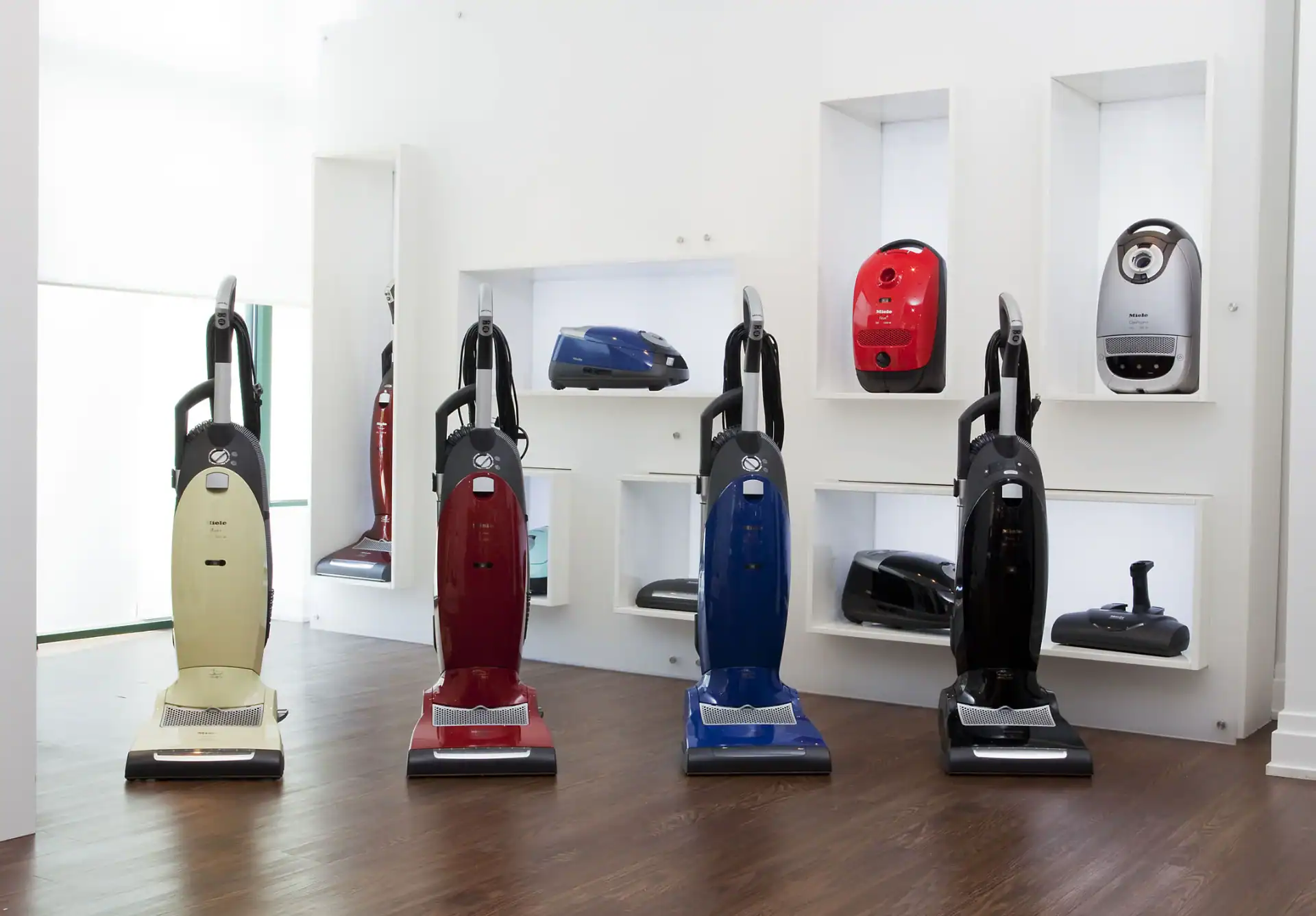
فجوة الطاقة: 600 واط تيار متردد مقابل 150 واط تيار مستمر
الانتقال من 150 واط تيار مستمر إلى 600 واط تيار متردد ينقل التركيز من تنظيم المكونات إلى إدارة النظام بالكامل، مما يضيف تصحيح معامل القدرة وعزل أمان معقد للتوصيل المباشر بالشبكة.
تصميم 600 واط تيار متردد ليس مجرد نسخة مكبرة من وحدة 150 واط. إنه يمثل تحولاً جوهرياً في سلسلة الطاقة. بينما تعمل وحدة 150 واط تيار مستمر كمحول تابع داخل نظام أكبر، فإن الواجهة الأمامية 600 واط تيار متردد تعمل كبوابة رئيسية للأحمال الصناعية أو تكنولوجيا المعلومات.
الأدوار الهيكلية: الواجهات الأمامية الكاملة مقابل الوحدات الفرعية
يكمن الفرق في المكان الذي تشغله هذه الوحدات بالنسبة لمصدر الطاقة. تعتمد أنظمة 600 واط مثل onsemi 600W-ACDC-GEVB مباشرة على جهد التيار المتردد الخام 110–230 فولت متر جذري. بالمقابل، عادةً ما توجد محولات 150 واط DC خلف حلقة تيار مستمر عالية الجهد مقبولة مسبقًا.
- المرحلة الأمامية AC بقدرة 600 واط: تحول 110–230 فولت متر إلى 48V عند 12.5A.
- وحدة DC بقدرة 150 واط: تعمل من حلقة nominal +380 VDC (مثل Power Integrations RD-239).
- كفاءة PFC: يجب أن تصل أنظمة 600 واط إلى ~97.1% كفاءة باستخدام مراحل PFC متداخلة.
- تردد التبديل: تستهدف مراحل 150 واط DC ما يصل إلى 250 kHz لتعظيم الكثافة في البيئات المقبولة مسبقًا.
يجب على المهندسين أخذ مرحلة PFC بعين الاعتبار في تصاميم 600 واط للحفاظ على الكفاءة. تتجاوز وحدات 150 واط DC هذه التعقيد لأن المرحلة السابقة已将 stabilized جهد الحزمة عالي.
المعايير الفنية: معايير السلامة والأداء الحراري
تزداد متطلبات السلامة مع ارتفاع مستويات الطاقة وجهد الدخل. تتطلب الأنظمة المتصلة بشبكة AC الرئيسية عزلًا صارمًا وفروقًا فيزيائية لا تتطلبها وحدات DC الأصغر حجمًا ببساطة.
- العزل: ما يصل إلى 4000 فولت متر GAPTEC لمرحلة AC-DC بقدرة 150 واط.
- مسافة التسلُّل والفجوة العازلة: فجوة عازلة بمقدار 8 مم بين الابتدائي والثانوي ومسافة تسلُّل تبلغ 9.2 مم (وفقًا للمعيار IEC 61800-5-2).
- الامتثال التنظيمي: معايير IEC/EN/UL 62368 وEN60335 الخاصة بسلامة الأجهزة والأجهزة التقنية.
- أهداف الأداء: ضبط الجهد عند ±1% مع تموج يتراوح بين 150–200 مللي فولت ذروة-لذروة.
يتطلب تيار التيار المتردد المباشر بقوة 600 واط تصميمات رنانية متداخلة من نوع LLC لإدارة تعقيدات قائمة المواد (BOM). وتضمن هذه الاستراتيجية لإدارة الحرارة قدرة الوحدة على العمل بكثافة عالية دون المساس بدقة ضبط الجهد المطلوبة وهي ±1%، اللازمة للإلكترونيات الصناعية الحساسة.
لماذا توفر المحركات السلكية أداء شفط متفوق
يستمد الشفط المباشر من شبكة التيار المتردد قدرة إخراج تبلغ 1500 واط وضغط شفط يبلغ 3000 باسكال. وتتجاوز هذه المحركات قيود تفريغ البطارية للحفاظ على عزم الدوران الأقصى والسرعة الدورانية even تحت مقاومة تدفق هواء عالية.
| مقياس الأداء | وحدات ذات سلك | وحدات لاسلكية | وحدات يدوية |
|---|---|---|---|
| ضغط الشفط (باسكال) | 2000 – 3000 باسكال | 1500 – 2500 باسكال | 1000 – 2000 باسكال |
| القدرة النموذجية | 500 وات – 1500 وات | 200 وات – 400 وات | 100 وات – 200 وات |
| سحب التيار | ٧ – ١٢ أمبير (تيار متردد) | شركة حدّية تفريغ البطارية | شركة حدّية تفريغ البطارية |
طاقة مترددة غير مقيدة واستقرار في التيار
تسحب محركات الأسلاك الطاقة مباشرة من شبكة التيار المتردد، مما يلغي اختناقات الأداء الناتجة عن دورات تفريغ بطاريات الليثيوم أيون. بينما تعاني الوحدات التي تعمل بالبطاريات من “هبوط الجهد” مع نفاد شحنتها، تحافظ الأنظمة السلكية على منحنى طاقة مسطح من البداية إلى النهاية. هذا يتيح للمهندسين استخدام تصاميم محركات التدفق العابر التي تعطي الأولوية للعمل الميكانيكي الصافي بدلاً من كفاءة الطاقة الصارمة المطلوبة للأدوات المحمولة.
- استهلاك تيار متردد: ٧-١٢ أمبير مستمر من شبكة ١١٠-٢٣٠ فولت.
- سقف القدرة: يدعم أحمال تصل إلى ١٥٠٠ واط؛ متجاوزاً بكثير نطاق ١٠٠-٢٠٠ واط الخاص بأغلب المكنسات اليدوية.
- بنية الطاقة: يعتمد على وحدات أمامية قوية مع تصحيح معامل القدرة (PFC) لكفاءة تصل إلى 97% عند الأحمال العالية.
تتحمل الواجهات الأمامية عالية القدرة بالتيار المتردد المتطلبات الحرارية للتنظيف الثقيل بشكل أفضل من نظيراتها بالتيار المستمر. تدير المكونات ذات الطراز الصناعي داخل هذه المحركات الحرارة الناتجة عن التشغيل المستمر بسرعات دوران عالية، مما يضمن عدم خفض الجهاز لأدائه لحماية الدوائر الداخلية.
مقاييس الشفط: تصنيفات الباسكال وديناميكيات عزم الدوران
تعتمد فعالية الشفط على العلاقة بين التيار وعزم الدوران الميكانيكي. في الأنظمة السلكية، يتناسب عزم دوران المحرك مع مربع التيار تحت الأحمال الخفيفة. يعني هذا أن مضاعفة التيار توفر زيادة أربعة أضعاف في العزم، مما يتيح للمروحة التغلب على عطالة الهواء والحفاظ على تدفق هواء عالي السرعة حتى عند مواجهة فوهة الشفط لمقاومة الحطام.
- أرضية الشفط: تصنيف حد أدنى ٢٠٠٠ باسكال، مع ذروة تصل إلى ٣٠٠٠ باسكال لاستخراج المياه من السجاد العميق.
- ديناميكيات الحمل: يُقلل مقاومة تدفق الهواء من حجم الهواء المعالج، مما يقلل بدوره حمل المحرك ويزيد من سرعة الدوران (RPM) حتى يتم الوصول إلى أقصى امتصاص محكم الإغلاق.
- تشبع عزم الدوران: تتيح مصادر التغذية الكهربائية عالية الجهد (AC) للمحرك الوصول إلى حدود التشبع التي لا يمكن لمحركات التيار المستمر العاملة بالبطاريات مطابقته دون إضافة وزن زائد.
عندما يختم رأس المكنسة السطحيةً بإحكام، تستفيد المحركات ذات السلك من انعدام تدفق الهواء لتدوير المروحة بسرعة أكبر. يخلق ذلك فرق الضغط العالي المطلوب لرفع الجسيمات الثقيلة. غالباً ما تفتقر الوحدات العاملة بالبطاريات إلى سعة التيار اللازمة للحفاظ على هذه القمم، مما يؤدي إلى ضعف قوة الرفع أثناء المناورات المتعلقة بالتنظيف العميق.
ميزة طاقة التيار المتردد: جهد ثابت مقابل تدهور البطارية
يوفر التيار الكهربائي المُدرَج (Utility) استقراراً منظماً ضمن نطاق ±5% وفقاً للمعيار ANSI C84.1. في حين أن البطاريات تشهد انخفاضاً متأصلاً بسبب نفاد شحن State of Charge، ومقاومتها الداخلية، وهبوط الجهد الكيميائي الناتج عن دورات الشحن.
| الميزة | التيار الكهربائي المُدرَج (Utility) | طاقة التيار المستمر المخزنة في البطارية |
|---|---|---|
| نطاق التنظيم | 114 فولت – 126 فولت (±5%) | يختلف حسب حالة الشحن (SOC) |
| ملف الجهد الكهربائي | شكل موجي ثابت | انخفاض خطي أو هابط |
| الاستقرار طويل الأمد | استقرار طوال العمر الافتراضي | توهين الجهد الهيكلي (400+ دورة) |
| إدارة النظام | سلبي (المحولات / خطوط التغذية) | نشط (نظام إدارة البطارية وتنظيم التيار المستمر) |
استقرار الشبكة ومعايير ANSI C84.1 للجهد الثابت
يحافظ إنتاج الكهرباء من شركات المرافق في أمريكا الشمالية على نطاق دخل متوقع. تستخدم الشركات إعدادات ربط المحولات وتصميمات خطوط التغذية الهندسية لضمان بقاء موجة التيار المتردد ثابتة طوال العمر الافتراضي للمعدات. يلغي هذا الحاجة إلى تكبير أنظمة الطاقة لتعويض التقلبات الكبيرة الموجودة في مصادر الطاقة الكيميائية.
- المعيار: نطاق ANSI C84.1 الفئة أ
- جهد الخدمة: 114 فولت إلى 126 فولت (±5% من 120 فولت اسمي)
- طريقة التنظيم: ضبط ربط المحول وتصميم خط التغذية التوزيعي
- أداء الحمل: تقلل أنظمة التوزيع من انخفاض الجهد أثناء الظروف العادية

ديناميكيات جهد البطارية: الهبوط، منحنيات التفريغ، وتآكل الدورات
تتعرض البطاريات لانخفاض الجهد على عدة مستويات. يحدث الهبوط اللحظي في طرف البطارية فور تطبيق الحمل بسبب المقاومة الداخلية. يتفاقم هذا التأثير مع تقدم عمر البطارية أو تشغيلها في درجات الحرارة المنخفضة. بينما توفر مصادر التيار المتردد الاستقرار كافتراضي، فإن أنظمة البطاريات تتطلب تنظيم DC-DC نشطًا لمحاكاة مخرج ثابت لمحركات التيار المستمر والمسخنات.
- خصائص الرصاص-حمض: يظهر انخفاضًا في الجهد شبه خطي طوال دورة التفريغ.
- خصائص ليثيوم-أيون: يحافظ على هضبة مسطحة يليها انخفاض حاد قرب شحنة 0%.
- تدهور الجهد: تمر الكاثودات المتقدمة مثل Li1.2Ni0.15Mn0.55Co0.1O2 بهيكليّة متدهورة، مما يؤدي إلى انخفاض جهد التفريغ بعد 400–500 دورة.
- حدود الوضع الخامل: غالباً ما تُحدّ الأهداف الهندسية جهد الخلية الليثيوم أيون عند 4.00 فولت لتوازن بين الطاقة القصوى والاستقرار طويل المدى.
- التعويض الحراري: تحتاج خلايا الرصاص-الحمض إلى -3 إلى -4 مللي فولت لكل درجة مئوية لكل خلية للحفاظ على جهد طرفي آمن.
الفجوة بين طاقة التيار المتردد و طاقة البطارية تتعلق بـ تكاليف الإدارة العامة. يوفر تغذية تيار متردد أساسي خط إدخال مستقراً، بينما يتطلب نظام البطارية نظام إدارة بطارية (BMS) ومراحل DC-DC ثانوية فقط للوصول إلى نفس مستوى الأداء، مما يضيف تكلفة وتعقيداً كبيرين للهيكل.
قم بتوسيع نطاق علامتك التجارية باستخدام المكانس الكهربائية عالية الأداء من OEM/ODM

الكفاءة الاقتصادية: لماذا يوفر التيار السلكي قيمة طويلة الأمد أفضل
تتجنب الأدوات السلكية مشكلة $100 استبدال البطاريات وفقدان الأداء، مما يوفر إخراجاً ثابتاً بمعدل 5,500 دورة في الدقيقة وتكاليف ابتدائية أقل لمواقع العمل التي تتوافر فيها القدرة الكهربائية.
الوفورات الأولية والتكاليف الخفية لصيانة البطاريات
١. يقلل شراء المعدات السلكية من رأس المال الأولي بتوفير الحاجة إلى بطاريات مملوكة ومحطات شحن. وفي حين توفر الأنظمة اللاسلكية قدرًا من التنقل، فإنها تنطوي على التزامات صيانة متكررة تزيد من إجمالي تكلفة الملكية على مدى فترة قياسية تمتد لثلاث سنوات.
- ٢. تكلفة استبدال البطارية: ٣. $100 لكل وحدة، تُلزم بعد نحو 1,000 دورة شحن مع تدهور الخلايا.
- ٤. أعباء سير العمل: ٥. يقضي على “تبديل الحزم” والحاجة إلى نسخ احتياطية ٦. إضافية للبطاريات ٧. لمنع توقف العمل.
- ٨. سعر الشراء: ٩. تعد النماذج السلكية أقل تكلفة بشكل كبير من نظيراتها ١٠. اللاسلكية لأنها تتجاوز الإلكترونيات المعقدة لإدارة الطاقة.
١١. المتانة التقنية: الأداء المستدام مقابل تدهور الأجهزة اللاسلكية
١٢. تسحب الأدوات السلكية الطاقة مباشرة من مصدر التيار المتردد (AC)، وغالبًا ما تستخدم مراحل أمامية عالية الكفاءة قادرة على إنتاج 600 واط بكفاءة 97%. ويضمن ذلك وصول طاقة مستقرة إلى المحرك بغض النظر عن مدة التشغيل، ما يمنع هبوط عزم الدوران الذي يحدث مع نفاد شحن بطارية الجهد.
- ١٣. أداء المنشار الدائري: ١٤. سرعة مستدامة تبلغ 5,500 دورة في الدقيقة.
- ١٥. اللحامات القياسية: 3100 دورة في الدقيقة بدون تراجع في الطاقة.
- الحفر بالطرقات: 52700 ضربة في الدقيقة لأعمال الطوب والصخور عالية التأثير.
- الديناميكية الهوائية: يقلل وزن الأداة الأخف بدون حزمة بطارية مثبتة من إجهاد المشغل خلال مهام الصقل أو الحفر التي تمتد طوال اليوم.
يتيح بنية القدرة постоянного التيار 600 واط تقييمات مكونات أعلى وتصميماً حرارياً أفضل. وهذا يترجم إلى أداة تتحمل دورات العمل الشاق حيث قد تؤدي الوحدات اللاسلكية التي تعمل بتيار مستمر بقوة 150 واط إلى ارتفاع الحرارة أو تفعيل إجراءات الإيقاف الوقائي أثناء القطع العميق أو الحفر المكثف.
موثوقية الهندسة وتكاليف دورة الحياة
يحول المهندسون الاعتمادية إلى عوائد مالية عن طريق تحويل متوسط الوقت بين الأعطال (MTBF) إلى احتمالات سنوية للفشل، مما يتيح مقارنات تكلفة تمتد على مدى 25 إلى 40 عاماً تبرر الاستثمارات الوقائية مقابل مخاطر الفشل غير الخاضعة للسيطرة.
قياس الاعتمادية من خلال متوسط الوقت بين الأعطال ونمذجة مخاطر الفشل
الاعتمادية دالة رياضية للزمن وليست صفة نوعية. تحمل مكون بمتوسط وقت بين الأعطال ثلاث سنوات معدلاً سنوياً لاحتمالية الفشل يبلغ 28.34%. وعندما يُخفض هذا المتوسط إلى عامين، تنخفض الاعتمادية السنوية إلى نحو 60.65%. تتيح هذه الاحتمالات للمهندسين إسقاط التكاليف بالدولار الصافي ضمن نماذج تكلفة دورة الحياة.
تحوّل نمذجة مخاطر الفشل هذه المعدلات إلى قيم مالية عن طريق خصم التكاليف المتوقعة. بالنسبة لمكون تتجاوز تكلفته $25,000 عند الفشل، تسجل النماذج المبلغ الكامل كل عامين أو تُسطح تكلفة المخاطر سنوياً استناداً إلى الاحتمال المستمد من متوسط الوقت بين الأعطال. ويكشف هذا الوضوح عن أدنى استراتيجية تكلفة طوال عمر الأصل.
تمثل استراتيجيات الصيانة التنبؤية والوقائية باستمرار الخيار الأقل تكلفة في دورة الحياة. وحتى عندما تتطلب هذه النماذج موارد أولية أكثر، فإنها تتفوق على النماذج التفاعلية بتجنب توقف العمل الكارثي. فعلى سبيل المثال، يكون استثمار وقائي تبلغ قيمته الحالية $2,732 مبرراً اقتصادياً مقابل فشل مستقبلي غير مُدار يكلف $5,000 في السنة الخامسة.
المعايير وآفاق التحليل والحدود الإلزامية لتكلفة دورة الحياة
تملي الأطر التنظيمية مدة وعمق تحليل تكلفة دورة الحياة. تفرض معايير الهندسة القطاع العام، بما في ذلك الدليل الإرشادي لمعهد المعايير والتقنية الوطنية رقم 135 وإرشادات آيوا لتحليل تكلفة دورة الحياة، فترة تحليل افتراضية تمتد على 25 عاماً لأنظمة المباني. ويمدّد مكتب الخدمات الهندسية بقوات المهندسين الأمريكة ER 1110-1-8173 هذه الآفاق إلى 40 عاماً أو إلى أقل المضاعفات المشتركة لأعمار الخدمة البديلة.
- الدليل الإرشادي لمعهد المعايير والتقنية الوطنية رقم 135: يحدد معايير الخصم الفيدرالية الأمريكية لأنظمة الطاقة والمباني.
- سلسلة ISO 15686: يوفر الإطار الدولي لتخطيط عمر الخدمة والاستدامة الاقتصادية.
- BS/EN 16627: يوحد قواعد المشتريات الإنشائية والتقييمات الاقتصادية.
- ASHRAE 90.1: يُعد معيار الطاقة الأساسي لتقييم بدائل الإنشاءات العسكرية التابعة لجيش الولايات المتحدة.
يجب أن يحافظ حساب LCC الهندسي على كامل طيف تكاليف الملكية ليكون صالحًا. تت要求各 الإقليم، مثل تلك الموجودة في ولاية آيوا، من أي تصميم مقترح أن يظهر مساوٍ أو أقل من LCC على مدار 25 عامًا مقارنةً بخط الأساس الأدنى الكود. يجب أن يتضمن هذا المقارنة صراحةً نقاط البيانات التالية:
- رأس المال الأولي: تكاليف الاستحواذ والتثبيت والتسليم.
- أوضاع الصيانة: النفقات الدورية والتنبؤية والوقائية والتصحيحية.
- التأثير التشغيلي: الإصلاحات الكبرى وفقدان التحول والضرر الثانوي الناتج عن الأعطال غير المخططة.
- نهاية العمر الافتراضي: التخلص البيئي، وتوقيت الاستبدال، وقيمة الخردة المتبقية.
خاتمة
الراحة اللاسلكية هي فخ أداء للمهام الصناعية أو التنظيف عالية الطلب. يضمن التيار المتردد شفط الذروة والاستقرار الحراري الذي لا يمكن للبطاريات مطابقتها دون تكاليف هائلة وفشل كيميائي لا مفر منه.
أعطِ الأولوية للمعدات السلكية لجميع المناطق عالية الكثافة لتحويل دورات استبدال بطارية $100. استخدم تدقيق دورة الحياة لمدة 3 سنوات لنقل العمليات شديدة التحميل بعيدًا عن الأدوات غير المجهزة بالبطارية.
الأسئلة المتداولة
ما هو مقارنة قوة الشفط (كيلوباسكال) بين جهاز vacuum 600 واط AC ووحدة 150 واط DC؟
يتراوح معدل شفط 600W AC للمكيفات من 14-18 كيلو باسكال. 150W DC مكنسة عصا لاسلكية تبلغ قوة الشفط في النماذج عادةً 8-12 كيلوباسكال. يوفر الطراز الذي يعمل بالتيار المتردد قوة شفط إجمالية أعلى بـ 1.5 إلى مرتين.
هل تتميز الوحدة بحماية من التحميل الزائد الحراري للمحرك عالي Wattage؟
نعم. تتضمن المحركات عالية Wattage حماية من التحميل الزائد الحراري المتوافقة مع معايير IEC 60335-1. يضمن ذلك التشغيل الآمن أثناء مهام التنظيف شديدة الاستخدام عن طريق منع ارتفاع درجة الحرارة.
هل يُصنَّف المحرك للعمل بشكل مستمر دون فترة ‘تبريد’؟
نعم. تدعم هذه المحركات التي تعمل بالتيار المتردد التشغيل المستمر لأكثر من 30 دقيقة. وهي تستخدم مزايا تبديد الطاقة في محركات التيار المتردد التي تتجاوز القيود الحرارية الشائعة في محركات التيار المستمر التي تعمل بالبطاريات.

 English
  Español
  Français
  Deutsch
  Português do Brasil
  Русский
  한국어
한국어  日本語
日本語  العربية