 تخطي إلى المحتوى الرئيسي تخطي إلى التذييل


Executing a Phase 2. Drop Protection OEM(borosilicate glass kettle portable) strategy serves as the primary defense against catastrophic transit breakage and soaring warranty replacement costs. Travel-friendly beverage appliances endure brutal handling conditions inside luggage and during daily commutes. Brands shipping bare glass units invite immediate financial loss from shattered inventory and negative customer reviews. Integrating a custom food-grade silicone sleeve directly solves this operational vulnerability, giving buyers a structural shock absorber that physically shields the unit and protects long-term profit margins.
This technical operating procedure defines the manufacturing specifications for custom silicone armor. We detail the engineering mechanics behind surviving a 1-meter drop test and calculate the exact tooling costs required for base logo embossing. Procurement teams will gain actionable insights on precise factory Pantone-matching, LFGB safety standard compliance, and thermal dissipation metrics so the sleeve actively protects the appliance without trapping excess heat.
How Do Food-Grade Silicone Sleeves Survive the 1-Meter Drop Test?
Food-grade silicone leverages high inherent compressibility and thermal stability to absorb kinetic energy, physically shielding fragile components like high borosilicate glass from catastrophic impact failure.
Shock Absorption Mechanisms
Food-grade silicone relies on inherent compressibility to dampen mechanical vibrations during a sudden impact. The soft, flexible nature of the material allows the sleeve to act as a physical cushion that compresses immediately upon hitting a hard surface. This rapid compression actively absorbs and redirects the kinetic energy from a 1-meter fall away from fragile internal components. For products like the KelyLands SM400 غلاية السيارة, this specific mechanical action protects the high borosilicate glass from shattering upon impact.
| Material Configuration | Impact Absorption (1-Meter Drop) | Thermal Shock Resistance |
|---|---|---|
| Bare Borosilicate Glass | Poor (High shatter risk) | Excellent (Zero-odor boiling) |
| Standard Rigid Plastic | Moderate (Crack/fracture risk) | Low (Melting and off-gassing risk) |
| Silicone-Sleeved Glass | High (Kinetic energy redirected) | Excellent (-60°C to 225°C operating range) |

Material Stability Across Temperature Extremes
Silicone maintains its protective structural integrity even when facing severe heat or cold. Food-grade silicone retains its elasticity across a broad نطاق درجة الحرارة, ، حيث تعمل بشكل موثوق من -60°م وصولاً إلى 225°م. يضمن هذا الاستقرار الحراري ألا تصبح الغلاف هشاً ويتشقق عند السقوط الفعلي. حتى إذا أسقط مشغل الأسطول الجهاز على الإسفلت المتجمد مباشرة بعد سكب الماء المغلي في مناخ بارد، يستمر المادة في امتصاص الصدمة دون فشلاً بنائياً.
مراقبة الجودة للإنتاج بالجملة B2B
تضمن اختبارات المصنع الصارمة مقاومة ثابتة للسقوط عبر أوامر OEM الضخمة. تفرض KelyLands بروتوكول فحص ثلاثي الطبقات يتكون منIncoming مراقبة الجودة (IQC)، ومراقبة جودة العملية (PQC)، ومراقبة جودة المنتج النهائي (FQC). تؤكد هذه البروتوكولات السماكة الدقيقة وكثافة كل غلاف سيليكون قبل التجميع النهائي.
- تقيس IQC نسب الماستر باتش ومعلمات مرونة المواد الخام.
- تراقب PQC درجات حرارة المعالجة لتجنب تدهور المادة أثناء التشكيل.
- تنفذ FQC اختبارات سقوط عشوائية للدفعة لتأكيد المتانة الفيزيائية.
تحقق فرق الإنتاج هذه الخصائص المادية وفقاً لمعايير ISO 9001:2015 و IATF 16949. يلبي هذا العمل الدقيق بسهولة متطلبات متانة 2026 الصارمة التي تفرضها أساطيل اللوجستيات التجارية ومشغلو المركبات الترفيهية (RV).
Can the Factory Pantone-Match the Silicone Sleeve to Our Brand Colors?
قياسات الطيفية الدقيقة والتحكم الصارم في الماستر باتش يتيح للمصانع مطابقة ألوان العلامات التجارية الخاصة بـ OEM على أغلفة السيليكون بدقة Delta-E تتراوح ≤1.0، مما يجعل أي فروق غير مرئية بالعين المجردة.
تحقيق دقة Delta-E في مطابقة ألوان Pantone
تستخدم KelyLands نظام مطابقة Pantone (PMS) مع معايير قياس الألوان LAB/CIELAB لمطابقة ألوان العلامة التجارية بدقة. يعتمد مهندسو المصنع على الأجهزة الطيفية المتقدمة والأدوات المدعومة بالحاسوب لضبط قيم Delta-E (ΔE) على ≤1.0. يضمن هذا التراخي الصارم بقاء اختلافات اللون غير مرئية تماماً للعين البشرية عبر دفعات الإنتاج.
يتطلب فريق هندسة OEM أكواد Pantone دقيقة من العملاء بدلاً من المراجع القائمة على الصور. تُدخل الصور تحيزات إضاءة ومعايرة الشاشة، في حين يوفر الكود الدقيق لـ Pantone أساساً رياضياً موضوعياً لعملية صياغة الصبغة.
Managing Process Variables for Color Consistency
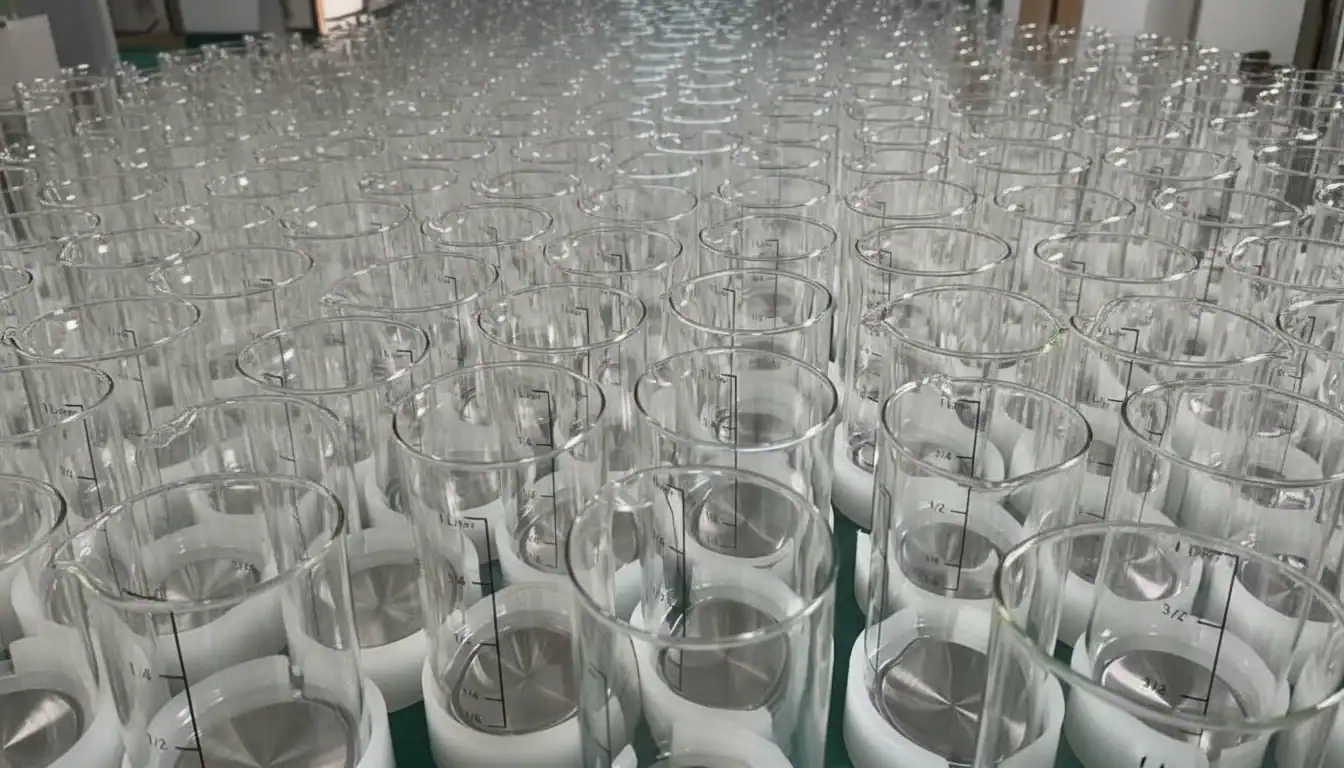
Hitting the target color on the first sample demands strict process controls. Engineers keep masterbatch ratio tolerances within ±0.5% during the initial dye formulation stage. Even minor deviations in dye volume can drastically alter the final hue of the cured silicone.
The factory strictly manages curing temperatures, holding them within a precise ±2°C range. This prevents burning or yellowing, which disproportionately affects light-colored sleeves. KelyLands evaluates the base material properties before mixing, factoring in the optical differences between transparent and milky silicone substrates. The team adjusts the pigment load to match the specific light transmission profile of the raw material.
Setting Color Guidelines for OEM Bulk Orders
KelyLands recommends selecting Pantone C (Coated) or U (Uncoated) codes for solid opaque silicone products. These standard codes ensure vibrant, predictable results that align perfectly with your existing corporate branding guidelines.
After clients approve the initial physical color sample, the engineering team thoroughly documents the exact dye formulation, pigment ratios, and thermal curing profile. This stringent documentation guarantees exact repeatability across standard 3,000-piece bulk orders, securing consistent brand presentation for الأعمال التجارية العالمية B2B fulfillment operations.
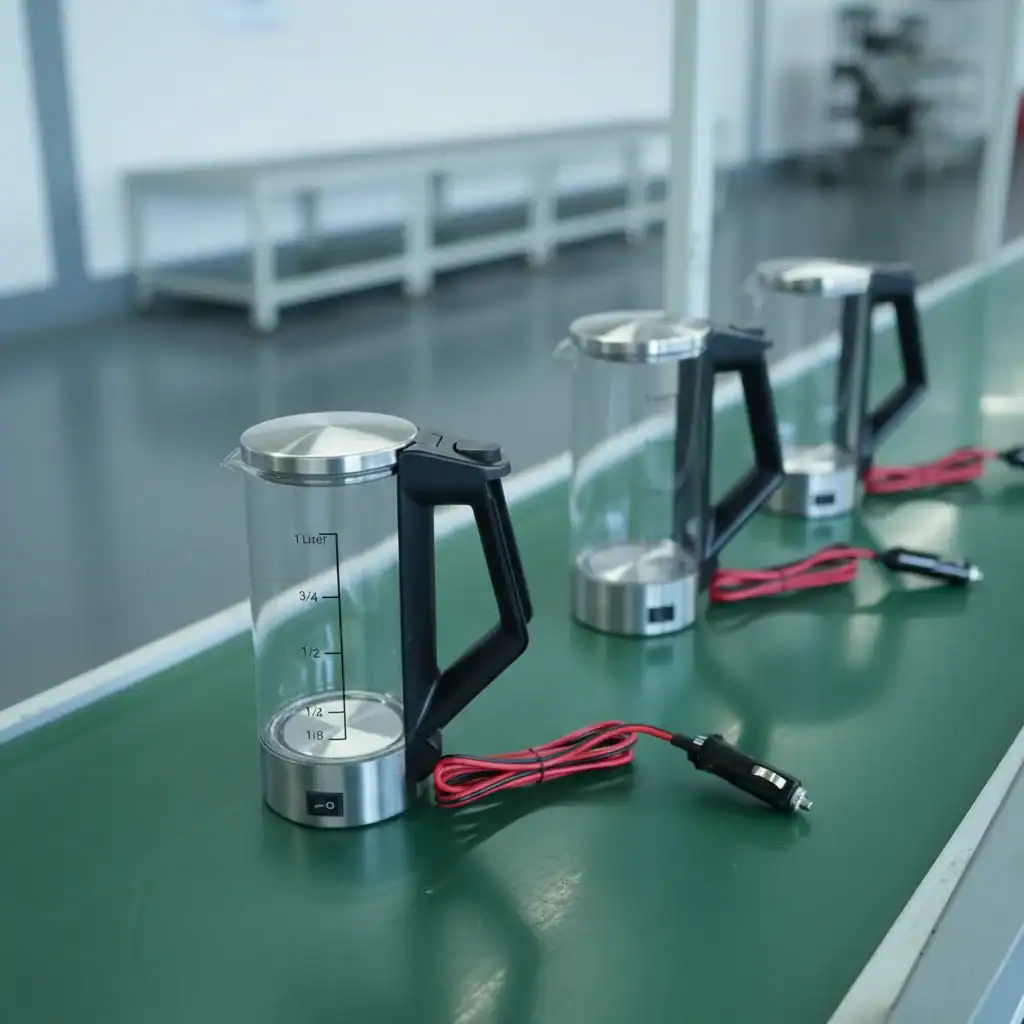
Secure High-Margin 12V/24V OEM Car Kettles
What Is the Tooling Cost for Embossing Our Logo on the Silicone Base?
Custom silicone tooling investments range from $400 for basic single-cavity setups to over $10,000 for multi-cavity automated systems, but high-speed B2B production runs quickly amortize these upfront costs down to pennies per unit.
Initial Capital Investment for Mold Creation
Machining the physical mold drives the primary expense in silicone logo embossing. Manufacturers utilize CNC machining or electrical discharge machining (EDM) to carve intricate logo geometries into steel or aluminum blocks. Equipment requiring precise temperature and pressure controls dictates the mid-tier to premium pricing for this custom tooling. For standard designs, single-cavity molds present an accessible entry point, while high-volume orders demand complex multi-cavity systems to maximize production speed.
KelyLands engineers reusable mold systems to maintain long-term cost-effectiveness for recurring B2B wholesale orders. By utilizing durable tooling materials optimized for rapid heating and cooling phases, the factory ensures the mold sustains thousands of cycles without degrading the crispness of the 3D embossed logo.
| Tooling Category | Estimated Cost Range | التطبيق النموذجي |
|---|---|---|
| قالب بتجويف واحد | $400 – $4,000 | Straightforward logos and low-volume B2B pilot runs |
| Multi-Cavity Mold | $5,000 – $25,000 | Intricate 3D geometries and mass fleet production |
| Digital Prototyping | $100 – $1,000 | Physical verification before cutting final metal |
CAD Integration and Prototyping Fees
Digital design workflows directly influence the initial setup and prototyping costs. Advanced CAD-integrated systems allow designers to finalize the 3D logo details, check tolerances, and analyze flow dynamics before engineers cut the physical metal mold. Industry rates for this specialized design phase typically run between $50 and $200 per hour, depending on the intricacy of the brand artwork.
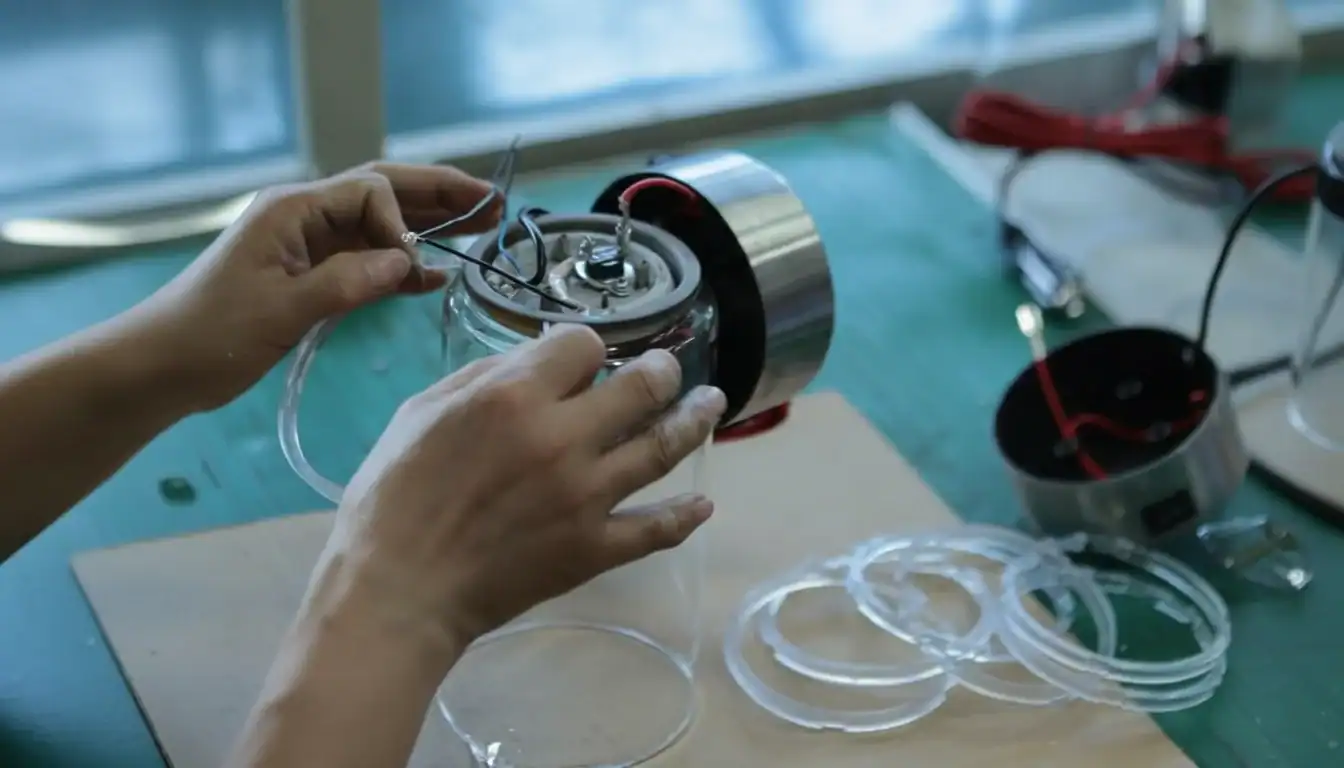
The OEM design team at KelyLands validates every dimension to ensure the brand logo transfers flawlessly to the silicone base of the SM400 high غلاية زجاج البوروسيليكات. This thorough digital verification step prevents expensive rework, keeps initial prototyping fees manageable, and guarantees the final silicone sleeve aligns perfectly with the rigid glass exterior.
Production Scale and Cost Amortization
Balancing the upfront tooling fee against the total production volume dictates the ultimate commercial viability of custom embossing. Upfront tooling investments pay off through high-speed automated production, which drops the per-unit price significantly at scale. When a brand orders a large batch, the factory distributes the $4,000 mold cost across thousands of units, making the custom branding expense nearly invisible on the final invoice.
- KelyLands structures customized B2B kettle runs at a 3,000-piece minimum so buyers can easily absorb the mold fee across the batch.
- The factory utilizes rapid cooling cycles to increase the daily output yield of custom silicone sleeves.
- Advanced machinery ensures fast turnaround times without compromising detailed 3D logo quality or material integrity.
Does the Sleeve Interfere With the Kettle’s Heat Dissipation?
Food-grade silicone sleeves act as dense thermal insulators rather than heat sinks, actively improving boiling efficiency by trapping internal thermal energy while maintaining a safe-to-touch exterior.
Thermal Insulation Properties of Silicone Sleeves
Food-grade silicone fundamentally alters the thermal dynamics of the SM400 High Borosilicate Glass kettle. Instead of drawing heat away from the water like a metal heat sink, the silicone sleeve acts as a highly effective thermal insulator. This dense barrier significantly restricts the direct transfer of thermal energy from the rigid glass surface to the external environment.
Because silicone possesses exceptionally low thermal conductivity, it locks the heat inside the 1000ML reservoir. This material characteristic ensures the boiled water remains hot for extended periods after the heating cycle completes, drastically reducing the need for fleet drivers to execute repeated power cycles during long hauls.
Effects on 12V/24V Boiling Efficiency
Heating water via a vehicle’s DC power supply demands strict energy management. KelyLands 12V/24V auto kettles operate within a constrained 150W to 300W power envelope, requiring approximately 30 minutes to bring 1000ML of water to a rolling boil. In this low-wattage environment, minimizing ambient heat loss dictates the overall boiling performance.
The protective sleeve wraps the sidewalls of the glass cylinder, actively preventing the ambient air inside a cold truck cabin from cooling the vessel. By blocking this external temperature interference, the sleeve forces the maximum amount of heating energy directly into the water, optimizing the 30-minute boiling sequence and reducing unnecessary strain on the vehicle’s electrical architecture.
User Safety and External Heat Transfer
Managing external surface temperatures establishes the safety baseline for fleet drivers and RV users operating heavy-duty kettles in confined spaces. The silicone sleeve functions as a reliable thermal barrier, specifically engineered to intercept the intense temperatures radiating outward from the borosilicate glass core.
While the internal water reaches a 100°C rolling boil, the low-conductivity sleeve keeps the exterior contact points cool enough to handle. This deliberate thermal management prevents accidental burns when users grip and pour from the heavy-duty SM400 model immediately after the boiling sequence triggers the auto-off switch.
الخاتمة
Integrating a custom food-grade silicone sleeve transforms a standard portable borosilicate glass kettle into a highly durable, retail-ready product. The sleeve effectively absorbs impacts to pass the 1-meter drop test while maintaining proper heat dissipation during the boiling cycle. Precise Pantone matching and custom logo embossing allow OEM brands to build distinct visual identities while solving the common issue of transit breakage.
Evaluate your current glass kettle designs to see where targeted silicone protection can reduce your product معدلات الإرجاع. Contact our OEM engineering team to discuss tooling costs and request a custom silicone sample tailored to your specific retail requirements.
الأسئلة المتداولة
Does a borosilicate glass kettle portable break easily in luggage?
Borosilicate glass is highly resistant to thermal shock, but as a rigid material, it can be susceptible to mechanical impacts if packed unprotected in luggage. However, when encased in a high-quality food-grade silicone sleeve, vibrations and impacts are significantly dampened. The compressible nature of the silicone acts as a shock absorber, greatly reducing the risk of breakage during transit and rough baggage handling.
Can we design a custom silicone protective sleeve for the glass?
Yes, custom silicone protective sleeves can be specifically engineered to fit the unique dimensions of any glass kettle. Because food-grade silicone is a soft, compressible material, it can be precision-molded to feature tailored thicknesses at key impact zones. This provides excellent shock absorption to prevent accidental drops while allowing for complete branding, color-matching, and aesthetic customization.
What is the tooling cost for custom silicone molds?
Tooling costs for custom silicone molds typically range from $500 to $3,000 USD, depending on the complexity of the sleeve design, surface finish requirements, and the specific manufacturing method. Standard compression molds for basic protective sleeves fall on the lower end of this spectrum, while more intricate designs requiring multi-cavity Liquid Silicone Rubber (LSR) injection molding will incur higher upfront tooling expenses but offer better efficiency for mass production.
Do the silicone sleeves pass LFGB safety standards?
Yes, premium food-grade silicone sleeves are specifically manufactured to pass rigorous LFGB safety standards. This top-tier certification guarantees that the silicone contains no harmful toxins, does not leach volatile compounds, and safely maintains its structural durability and shock-absorbing properties across extreme temperature ranges, typically from -60°C to 225°C, ensuring optimal safety for consumer appliances.

 English
 Español
 Français
 Deutsch
 Português do Brasil
 Русский
 한국어
 日本語
 العربية