 تخطي إلى المحتوى الرئيسي تخطي إلى التذييل
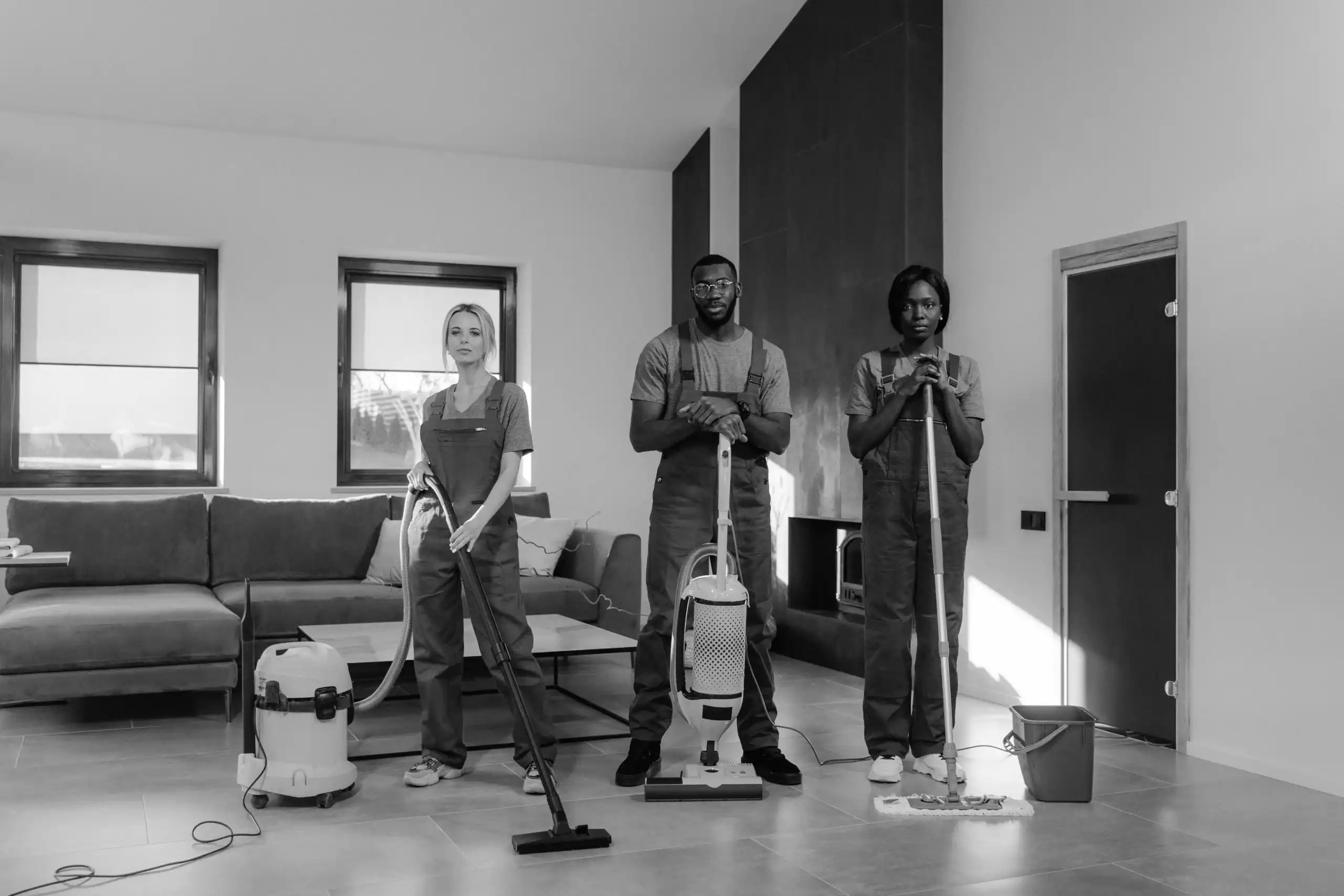
“ضريبة البطارية” — التكلفة المتكررة لاستبدال بطاريات الليثيوم أيون كل 300 إلى 1000 دورة — تزيد تكاليف الصيانة مدى الحياة بنسبة تصل إلى 50% في المنشآت الثابتة. بينما تعمل الوحدات اللاسلكية غالبًا بين 100 و500 واط لمنع ارتفاع الحرارة، توفر البنى السلكية تيارًا مستمرًا بقدرة 960–1,440 واط وتدفق هواء يتراوح بين 120–150+ قدمًا مكعبًا في الدقيقة. بالنسبة لتجار التجزئة، فإن وضع هذه الوحدات عالية الشفط كبنية تحتية محسّنة للمهام بدلاً من احتياطيات زائدة يحقق نموًا في الإيرادات بنسبة 20–30% من خلال استغلال “المساحات الفارغة” حيث تفشل الأجهزة الأساسية.
نقوم بتقييم المنطق الهندسي والتجاري وراء عرض “المكنسة الثانية”، مع التركيز على المعايير الهيكلية مثل الكود الدولي للبناء 2024 لاستخدامات المرآب و الكود الكهربائي الوطني 2023 المتطلبات الكهربائية لتوفير الطاقة المستدامة. يحلل هذا التحليل المسار نحو الإنتاج القابل للتوسع من خلال ISO 9001:2015 و IATF 16949 الامتثال، مما يثبت كيف تتفوق مقاييس الأداء التجريبية على التصميم الزخرفي في أسواق B2B والهدايا عالية التحويل.
الميزة السلكية: ما وراء البطارية
المكانس السلكية توفر ضعف قوة الشفط مقارنة بالوحدات اللاسلكية من خلال سحب الطاقة الكهربائية المستمرة من التيار الرئيسي، مما يلغي حدود زمن التشغيل، وانخفاض الجهد، والتكاليف المتكررة لاستبدال بطاريات الليثيوم أيون.
توصيل الطاقة المستمر والاستقرار الهندسي
يتيح الاتصال المباشر بالتيار المتردد دورات تشغيل على مدار الساعة طوال أيام الأسبوع. عادةً ما تتوقف الوحدات اللاسلكية عن العمل بعد 15 إلى 45 دقيقة على إعدادات الطاقة العالية، مما يتطلب تناوب حزم البطاريات والشواحن باهظة الثمن لإكمال نوبة العمل. تحافظ المحركات السلكية على السرعة والعزم الاسميين الكاملين إلى أجل غير مسمى لأنها لا تواجه الاختناق الحراري أو انخفاض الجهد الشائع في أنظمة الليثيوم أيون.
إزالة البطارية يغير أيضًا المظهر الميكانيكي للأداة. يتيح التصميم للتيار الرئيسي أوزانًا أخف للأداة فقط وهياكل أكثر إحكامًا. وهذا يحسن بيئة العمل أثناء التنظيف العلوي أو الصيانة التجارية طويلة الأمد حيث تسبب كتلة البطارية إجهادًا للمشغل.
- مصدر الطاقة: تيار متردد ثابت 120 فولت/230 فولت مقابل تيار مستمر متقلب 18-36 فولت.
- دورة العمل: تشغيل مستمر غير محدود.
- دورة الحياة: انحراف أداء 0-1% (لا تدهور كيميائي للخلايا).
- أنظمة التحكم: لا حاجة لنظام إدارة البطارية (BMS)، مما يقلل من نقاط الفشل المحتملة.
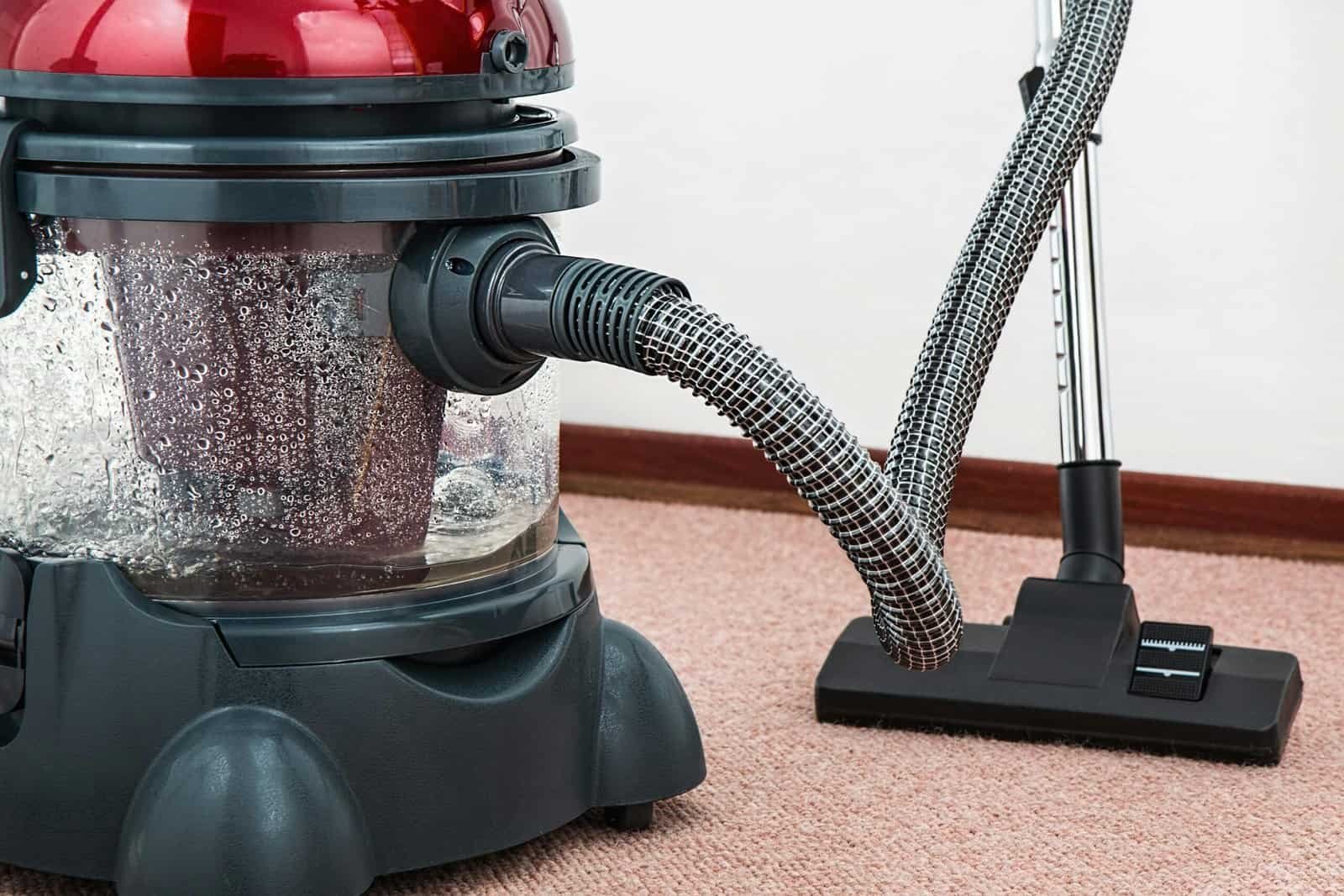
معايير الأداء: الشفط، تدفق الهواء، واقتصاديات دورة الحياة
الفجوة في الأداء بين هاتين البنيتين كبيرة. معظم مكانس الورش السلكية تسحب من 8 إلى 12 أمبير، أي ما يعادل أكثر من 1400 واط من الطاقة المستمرة. في المقابل، تعمل الوحدات اللاسلكية غالبًا بين 100 و500 واط تحت الحمل لمنع ارتفاع حرارة البطارية. هذا الفارق الهائل في الطاقة يسمح للوحدات السلكية بالتعامل مع الحطام الثقيل وغبار التجديد الذي قد يوقف “الأداة اليومية” التي تعمل بالبطارية.”
تظل التكلفة الإجمالية للملكية (TCO) أقوى حجة لصالح الأجهزة السلكية في المرافق الثابتة. تجنب “ضريبة البطارية” - التكلفة المتكررة لاستبدال الحزم كل 300 إلى 1000 دورة - يقلل تكاليف الصيانة مدى الحياة بنسبة تصل إلى 50%.
- تدفق الهواء: 120-150+ قدم مكعب في الدقيقة (سلكي) مقابل 40-80 قدم مكعب في الدقيقة (لاسلكي).
- الشفط المحكم: 60-90 بوصة عمود ماء مقابل 30-60 بوصة عمود ماء.
- طاقة الإدخال: 960–1,440 واط بشكل مستمر مقابل 100–500 واط في المتوسط.
- التوفير المسبق: انخفاض التكلفة بنسبة 30–50% من خلال الاستغناء عن الشواحن والبطاريات الاحتياطية.
المرآب: طاقة مستدامة للفوضى الثقيلة
الصيانة الثقيلة تتطلب أحمالاً حية مقدارها 40 رطل/قدم مربع، ودعم رافعة بقدرة 3,000 رطل، ودوائر كهربائية مخصصة 20 أمبير لتشغيل أدوات التنظيف الصناعية مثل غسالات الضغط العالي والمكانس الكهربائية السلكية.
| فئة المتطلب | المواصفات الفنية | المعيار / الامتثال |
|---|---|---|
| حمل الأرضية (الحي) | 40 رطل/قدم مربع (موزع بشكل منتظم) | 2024 IBC / ASCE 7-22 |
| الحمل المركّز | 3,000 رطل على مساحة 4.5 × 4.5 بوصة | سلامة الرافعة/حمل النقطة |
| الدائرة الكهربائية | فرع مخصص 120 فولت، 20 أمبير | 2023 الكود الكهربائي الوطني 210.11(C)(4) |
| الغسيل بالضغط | من 1,200 PSI (إيبوكسي) إلى 2,500 PSI (خرسانة) | بروتوكول تكامل السطح |
التكامل الهيكلي وسعة التحميل لأعمال المرافق
غالبًا ما تفشل البلاطات القياسية للمرائب تحت الضغط المركّز للرافعات الهيدروليكية أو وزن الآلات الثقيلة. يجب أن يراعي التصميم الإنشائي كلاً من الوزن الموزّع وأحمال النقاط المحددة لمنع القص الثاقب وتشقق البلاطات أثناء صيانة المركبات.
- الحد الأدنى للحمل الحي: 40 رطل/قدم مربع لمركبات الركاب وفقًا لمعايير IBC لعام 2024.
- الدعم المركّز: سعة 3,000 رطل على مساحة 4.5 × 4.5 بوصة لسلامة الرافعة.
- عتبة المركبات الثقيلة: تنطبق معايير AASHTO LRFD للمركبات التي يتجاوز وزنها الإجمالي 10,000 رطل.
البنية التحتية الكهربائية ومواصفات التنظيف عالي الضغط
استمرارية توفير الطاقة هي العائق الأكبر أمام عمليات التنظيف العميق. تستهلك معدات الورش الاحترافية أمبيرية كبيرة تتجاوز الدوائر السكنية القياسية 15 أمبير. تتطلب المكانس الصناعية السلكية وغسالات الضغط العالي بنية تحتية مخصصة لتجنب الاختناق الحراري وانخفاض الجهد.
- الدوائر المخصصة: فرع واحد 120 فولت، 20 أمبير لكل حجرة مع حماية GFCI على ارتفاع 5.5 قدم أو أقل.
- تنظيف الخرسانة: عتبة 2,500 رطل/بوصة مربعة لإزالة الشحوم بالتنظيف العميق.
- صيانة الإيبوكسي: حد 1,200 رطل/بوصة مربعة مع فوهات مروحية لمنع تدهور الطلاء.
- المواصفات الهوائية: ضواغط خالية من الزيت بسعة 20 جالونًا و200 PSI للتشغيل المستمر للأدوات.
- أداء الشفط: 120–150+ قدم مكعب في الدقيقة للوحدات الصناعية السلكية مقابل 40–80 قدم مكعب في الدقيقة للبدائل اللاسلكية.
تهيمن المكانس السلكية على المهام الشاقة لأنها توفر وقت تشغيل غير محدود وعزم دوران ثابت. وعلى عكس الوحدات التي تعمل بالبطاريات والتي تعاني من منحنيات التفريغ وانخفاض الأداء المرتبط بالحرارة، تحافظ الأنظمة السلكية على أقصى شفط لساعات، مما يجعلها الخيار الوحيد القابل للتطبيق لغبار أعمال التجديد وحطام الورش الثقيل.
المطبخ: جاهزية دائمة للاستخدام اليومي
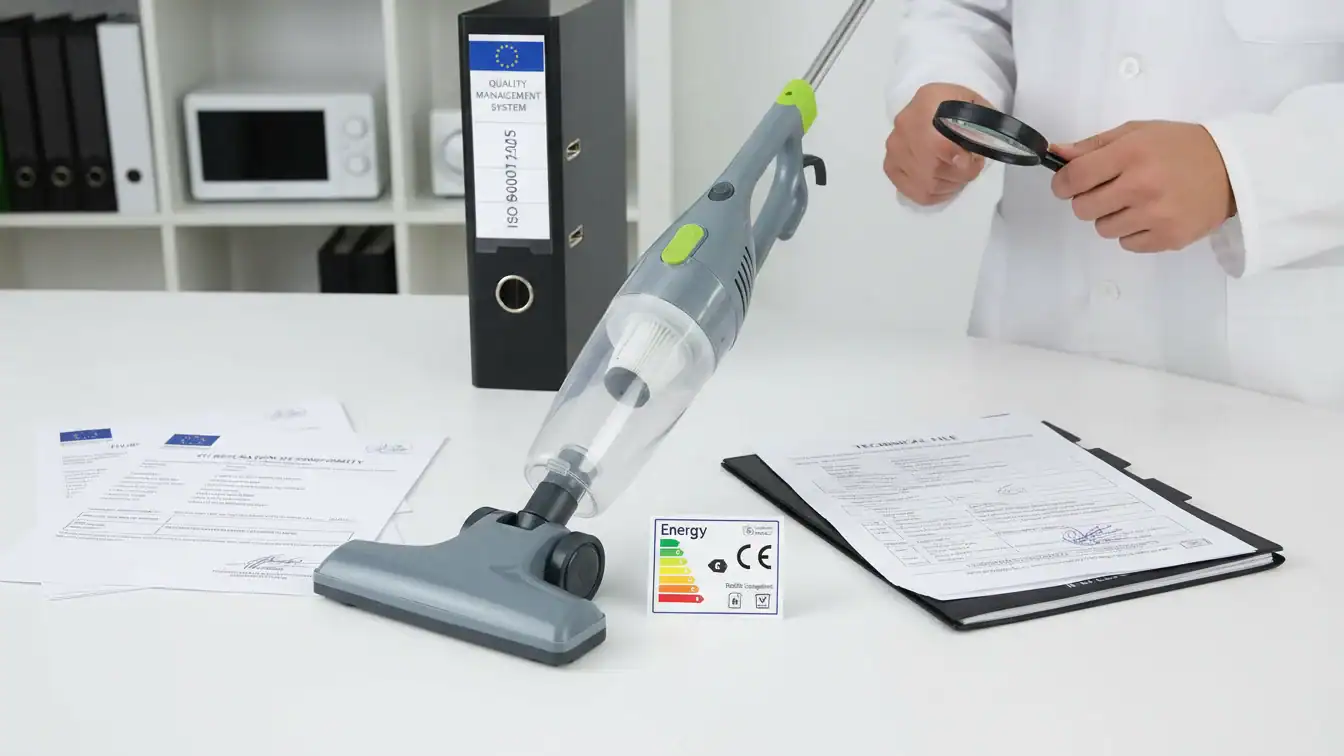
تتطلب المطابخ عالية الإنتاجية أنظمة تحكم مناخية متكاملة وممرات مرور دقيقة بعرض 36-44 بوصة للحفاظ على إنتاج 1,950 وجبة يوميًا ضمن مساحات مدمجة تبلغ 360 قدمًا مربعًا.
| المقياس التشغيلي | متطلبات المواصفات |
|---|---|
| الإنتاجية القصوى | 650 وجبة في الفترة / 1,950 يوميًا |
| سرعة النشر | أقل من 45 دقيقة (4 أفراد + مشرف واحد) |
| نطاق التشغيل | درجة حرارة محيطة من -25°F إلى 120°F |
| استهلاك الطاقة | 2.26 جالون من الوقود لكل 100 وجبة |
| البصمة القياسية | 360 قدمًا مربعًا (حاوية/مدمجة) |
هندسة سير العمل والقدرة الإنتاجية العالية
الاستعداد المستمر يعتمد على سرعة التخطيط المادي وتخصيص العمالة. تُظهر البيانات من بيئات المطابخ الحاوية (CK) أن كفاءة التحضير تتحكم في دورة الإنتاج بأكملها، حيث تستهلك ثلاثة أنشطة رئيسية ثلثي إجمالي وقت العمل.
- الإنتاجية: تتراوح السعة المقدرة بين 400 و800 وجبة لكل دفعة حسب نوع الحصة الغذائية.
- كثافة العمالة: يمثل تحضير الطعام 32٪ من إجمالي عبء العمل.
- التنقل: يجب أن تنتقل الأنظمة من وضع النقل إلى الحالة التشغيلية الكاملة في أقل من 45 دقيقة.
- حجم الخدمة: قادرة على تقديم 1,950 وجبة يوميًا ضمن مساحة 360 قدمًا مربعًا.
معايير البنية التحتية التقنية وتدفق الحركة
يتطلب الإنتاج المستدام مرافق محصّنة ومسافات أمان إرجونومية صارمة. وبدون حواجز مكانية محددة، تظهر نقاط اختناق مؤسسية، مما يبطئ توصيل الوجبات ويزيد من هدر الوقود بسبب فترات تشغيل المولدات الممتدة.
- البنية الأساسية للطاقة: التزويد بالطاقة عبر مولدات تكتيكية هادئة بقدرة 10 كيلوواط (TQG) و7 وحدات مواقد حديثة (MBUs).
- مناطق المرور: يجب أن تكون الممرات بعرض 36 بوصة للتحرك على الحواف و44 بوصة للمشي خلف رواد المطعم الجالسين.
- التحكم البيئي: يحافظ نظام التدفئة والتهوية وتكييف الهواء المتكامل على استقرار داخلي رغم تقلبات خارجية تتراوح بين -25 درجة فهرنهايت و120 درجة فهرنهايت.
- التهوية: متطلبات الشفط الدنيا ≥150 قدم مكعب في الدقيقة لأجهزة الطهي السطحية.
- توسعة الممرات: تخصيص +80 قدمًا مربعًا صافيًا لكل مسار تسليم إضافي عالي الحجم.
يجب على المصممين توجيه حركة المرور العامة حول مناطق العمل المزدحمة بدلاً من عبرها. يضمن توحيد هذه الخلوصات قدرة الأفراد على التحرك دون مقاطعة المناطق الساخنة، حيث تعمل الشعلات كثيفة الاستهلاك للوقود بشكل مستمر.
وسّع علامتك التجارية مع مكنسات منزلية عالية الأداء عبر OEM/ODM

استراتيجية البيع بالتجزئة: عرض “المكنسة الثانية”
استهدف الفجوات المنزلية المحددة مثل مناطق الحيوانات الأليفة لتجاوز دورة الاستبدال التي تتراوح من 5 إلى 8 سنوات. هذه الاستراتيجية للفضاء الأبيض تدفع نمو الإيرادات بنسبة 20-30% في الأسواق الناضجة.
استراتيجية الفضاء الأبيض: التوسع إلى ما بعد دورة الاستبدال التي تتراوح من 5 إلى 8 سنوات
تعتمد نماذج البيع بالتجزئة القياسية على العطل الميكانيكي. تستبدل معظم الأسر مكنستها الكهربائية الأساسية كل خمس إلى ثماني سنوات. في الأسواق التي تتجاوز فيها نسبة الملكية 90%، فإن انتظار احتراق المحرك هو لعبة خاسرة. يتطلب النمو إيجاد “الفضاء الأبيض” في المنزل حيث تفشل الوحدة الأساسية أو يكون أداؤها دون المستوى.
يقوم الاستراتيجيون الآن برسم خريطة لانتشار المنتج مقابل نقاط الألم المنزلية المحددة. من خلال وضع وحدة ثانية كبنية تحتية محسّنة للمهام — بدلاً من نسخة احتياطية زائدة — يستحوذ تجار التجزئة على مبيعات فورية دون انتظار دورة الاستبدال الأساسية للانطلاق.
- نمو الإيرادات: 20-30% من خلال رسم خرائط الفضاء الأبيض المنهجي.
- المناطق المستهدفة: الجراجات، ورش العمل، الطوابق الثانية، ومناطق الحيوانات الأليفة عالية الحركة.
- النماذج النمطية للمنتج: مكانس عصوية هادئة للتنظيف الليلي أو وحدات سلكية عالية التدفق (CFM) للتجديدات.
يحول هذا النموذج المكنسة من جهاز عام إلى أداة متخصصة. إنه يحول الأسرة ذات الوحدة الواحدة إلى أسطول متعدد الوحدات، مما يزيد بشكل كبير من القيمة الدائمة لحساب العميل.
التحويل المبني على البيانات: تخصيص العرض وكثافة المعلومات
التسويق العام يفشل في قطاع السلع المنزلية. يؤكد اختبار أ/ب أن مطابقة العرض التقديمي مع دوافع العميل المحتمل المحددة—مثل تخفيف الحساسية أو صيانة السيارات—يحقق زيادة بنسبة 113.63٪ في معدلات التحويل. يجب عليك استخدام المكنسة الكهربائية الحالية كـ“نقيض” لتبرير عملية الشراء الجديدة.
سرد القصص الفعّال “يُغرق” الوضع الراهن. من خلال تحديد كمية الشفط المفقودة، والترشيح المفقود، والوقت المُهدر في حمل مكنسة ثقيلة إلى الطابق العلوي، تصبح الوحدة الثانية حلاً عقلانياً. بالنسبة للفئة الديموغرافية الأساسية من المشترين المنهجيين، تتفوق المواصفات التقنية على التصميم البراق في كل مرة.
- فارق التحويل: رفعت العروض التقديمية المخصصة المعدلات من 14.57٪ إلى 31.13٪.
- تفضيل المعلومات: الصفحات الغنية بالبيانات تتفوق على التخطيطات الغنية بالتصميم بنسبة 19.55٪.
- الثقة الإحصائية: 99.99٪ لقطاعات المشترين المنهجيين.
النجاح يعتمد على الإثبات التجريبي. عندما تُظهر للمشتري بالضبط مقدار الأوساخ التي تتركها أجهزته الحالية خلفها، فإنك تزيل عذر “ما زالت تعمل”. كثافة المعلومات العالية توفر الغطاء المنطقي الذي يحتاجونه لتبرير عملية شراء متميزة.
خطة الهندسة: البنية السلكية مقابل راحة اللاسلكي
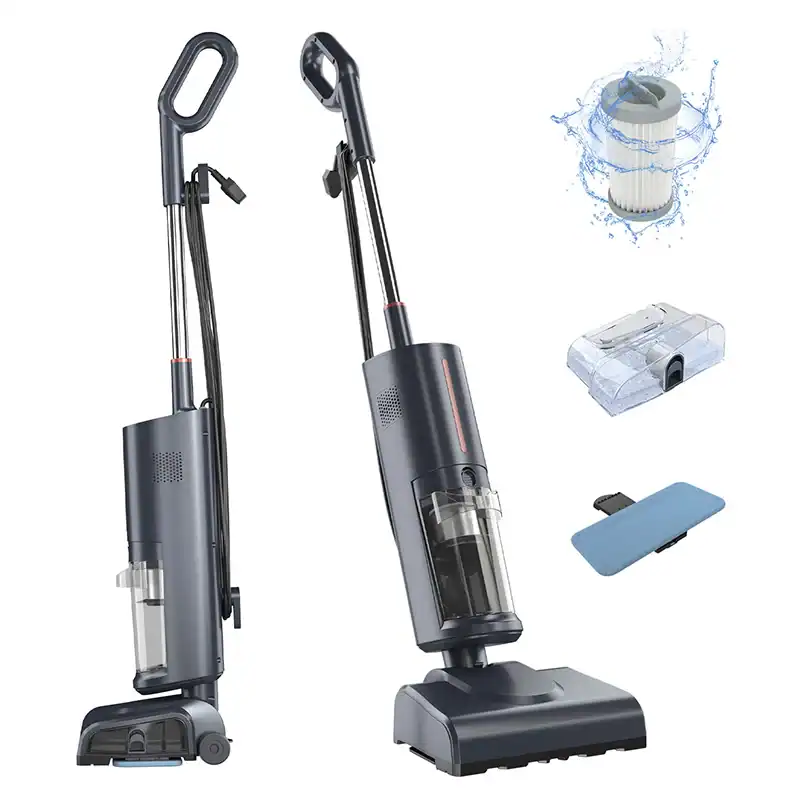
غالباً ما يضع عرض “المكنسة الثانية” وحدة سلكية عالية الطاقة كشريك ضروري للخدمة الشاقة إلى جانب مكنسة يومية تعمل بالبطارية. تتجنب البنية السلكية انخفاض الجهد والاختناق الحراري الشائعين في حزم أيونات الليثيوم، مما يضمن أداءً ثابتاً لمهام التنظيف العميق.
- خرج الطاقة: سحب مستمر بقدرة 960–1،440 واط (8–12 أمبير).
- أداء تدفق الهواء: 120–150+ قدم مكعب في الدقيقة للوحدات التجارية السلكية.
- مقاييس الشفط: شفط محكم بقوة 60–90 inH₂O.
- كفاءة التكلفة: يلغي تكاليف استبدال البطارية (30–50٪ من إجمالي تكلفة ملكية الأجهزة اللاسلكية).
تحافظ الوحدات السلكية بجودة احترافية على السرعة المقدرة الكاملة بشكل غير محدود. إنها توفر الشفط “الذي لا يتوقف” المطلوب للمشاريع الكبيرة مثل تنظيف المرآب أو تجديد المنازل حيث تفشل أوقات تشغيل البطارية التي تتراوح بين 15 و45 دقيقة أمام المستخدم.
وضع الهدايا: لماذا تتفوق المنفعة على الجدة
التمركز الموجَّه بالمنفعة يخلق خنادق تقنية قابلة للدفاع عبر آليات الأداء، متجاوزًا الجدة الجمالية التي تعتمد على “اختبار المراقب العادي” الذاتي وتواجه مخاطر تقليد عالية.
تحديد القيمة: الزخرفية مقابل الأداء الوظيفي
حداثة التصميم استراتيجية هشة. بموجب 35 U.S.C. §171، تتوقف الحماية على “الزخرفية” — أي كيف يبدو المنتج بالنسبة لمراقب عادي. إذا كرر أحد المنافسين الشكل البصري الخارجي، ينهار الحاجز القانوني غالبًا. في سوق الهدايا، يؤدي هذا إلى سباق نحو القاع حيث تنتهي الاتجاهات البصرية بسرعة.
التمركز القائم على المنفعة ينقل القيمة إلى 35 U.S.C. §101 و§102. وهذا يحمي كيفية عمل الجهاز، وليس فقط هيكله الخارجي. على سبيل المثال، بينما تعتمد المكنسة اللاسلكية على تقنية بطارية مؤقتة، تقدم الهدية السلكية العملية مقاييس أداء خام وغير متدهورة يصعب الالتفاف عليها هندسيًا:
- طاقة الإدخال: 8–12 أمبير عند 120 فولت تيار متردد (حوالي 960–1,440 واط) بقدرة مستمرة.
- مقاييس تدفق الهواء: 120–150+ CFM مقارنة بـ 40–80 CFM في الوحدات اللاسلكية المدمجة.
- ضغط الشفط: شفط محكم بقوة 60–90 inH₂O لإزالة الحطام بدرجة تجارية.
يعطي المشترون الأولوية لهذه النوى الوظيفية لأنها تدفع إلى الاستخدام المتكرر. توفر الهياكل ذات الشكل الفريد عامل “واو” لمرة واحدة، لكن تدفق الهواء المستمر بمقدار 150 CFM يوفر سببًا للاحتفاظ بالمنتج لعقد من الزمن.
الخنادق التقنية: الاستفادة من معايير براءات الاختراع لتحقيق قابلية الدفاع عن السوق
تتطلب قابلية الدفاع أن يجد “الشخص ذو المهارة العادية في الفن” (POSITA) أن التقدم غير بديهي. لا يمكن أن تحصل التكوينات الوظيفية الناتجة عن الضرورة الميكانيكية على حماية زخرفية بموجب المادة 171. وهذا يعني أن العلامات التجارية التي تركز على المنفعة تمتلك التقنية الأساسية، مما يجعل من المستحيل قانونًا على المنافسين نسخ الأداء حتى لو غيّروا اللون.
“الميزة السلكية” في الهدايا تسلط الضوء على هذا المنطق الدوري للحياة. يمكن لتجار التجزئة تسويق موقع “المكنسة الثانية” - أداة فاخرة تتعامل مع المهام الثقيلة عندما تفشل الأجهزة اليومية التي تعمل بالبطارية. يعتمد هذا التموضع على مزايا تقنية محددة:
- صفر تدهور للبطارية: يتجنب حد دورة 300-1,000 لحزم أيونات الليثيوم.
- وقت تشغيل غير محدود: دورات تشغيل على مدار الساعة طوال أيام الأسبوع للتجديد أو تنظيف المحلات.
- كفاءة الوزن: تقليل وزن الأداة فقط بإزالة كتلة البطارية، مما يحسن بيئة العمل فوق الرأس.
التفويضات الصارمة للجدة بموجب 35 U.S.C. §102 وفترات السماح العالمية الضيقة تفضل المصنعين الذين يعطون الأولوية للابتكار الوظيفي الاستباقي. بحلول الوقت الذي يقلد فيه المنافس المظهر الجمالي، تكون العلامة التجارية القائمة على الوظيفة قد حصلت بالفعل على الآليات الميكانيكية التي تحدد تجربة المستخدم.
الخاتمة: تبني الحالة المتخصصة
يربح تجار التجزئة بالتحول إلى الوحدات المحمولة المتخصصة بقوة 13,000Pa–20,000Pa. يتطلب النجاح التنقيب في البيانات لتجميع المنتجات ومعايير التصنيع الصارمة ISO/IATF.
القيمة الاستراتيجية لقطاعات سوق ‘المكنسة الثانية’
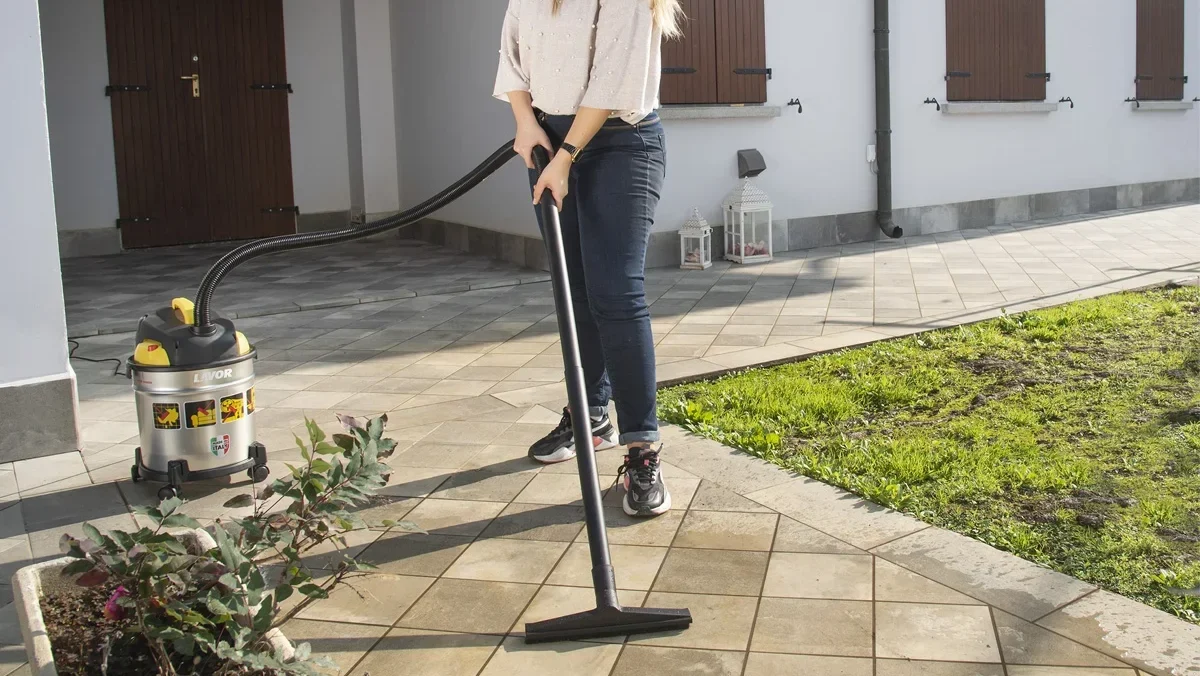
غالباً ما تفشل المكانس العامة متعددة الاستخدامات في البيئات المتخصصة. يعطي مشترو B2B الأولوية الآن للحلول “الثانوية” — وحدات محمولة مصممة خصيصاً لداخلية السيارات والاستخدام الخارجي عالي الكثافة. يجب أن تسد هذه الأدوات المتخصصة الفجوة في الأداء بين المكانس اللاسلكية المحمولة الضعيفة والمكانس السلكية الثقيلة لورش العمل.
- الشفط الخاص بالسيارات: الحد الأدنى 13,000Pa.
- الشفط المنزلي المحمول: حتى 20,000Pa لقدرة التنظيف العميق.
- معايير الأداء: تدفق هواء 120–150 CFM للوحدات السلكية مقابل 40–80 CFM للاسلكية المدمجة.
- الصوتيات: الحفاظ على ضوضاء التشغيل بين 75-82dB.
- الترشيح: أنظمة HEPA مدمجة لالتقاط الجسيمات الدقيقة.
توفر الوحدات السلكية في هذا التخصص ميزة واضحة: فهي توفر طاقة مستمرة تتراوح بين 960–1440 واط دون انخفاض الجهد أو الاختناق الحراري الشائع في بطاريات 18 فولت. وهذا يجعلها الخيار المفضل للمهام الثقيلة والمستمرة حيث تكون مدة تشغيل البطارية من 15 إلى 45 دقيقة غير كافية.
الاستفادة من تحليلات التجزئة للإنتاج التصنيعي القابل للتوسع (OEM)
يعتمد التصنيع الذكي على استخراج بيانات التجزئة لتوجيه تطوير المنتجات. وباستخدام التصنيف وتحليل الارتباط، يحدد المصنعون فرص تجميع المنتجات—مثل إقران المكانس المحمولة بمضخات هواء السيارات أو الثلاجات الصغيرة—بناءً على سجل شراء المستهلك الفعلي واتجاهات سلة السوق.
- تقنيات استخراج البيانات: التصنيف، والانحدار، والتجميع، وكشف الشذوذ، وتحليل الارتباط.
- معايير التصنيع: ISO 9001:2015 و IATF 16949 لموثوقية بدرجة السيارات.
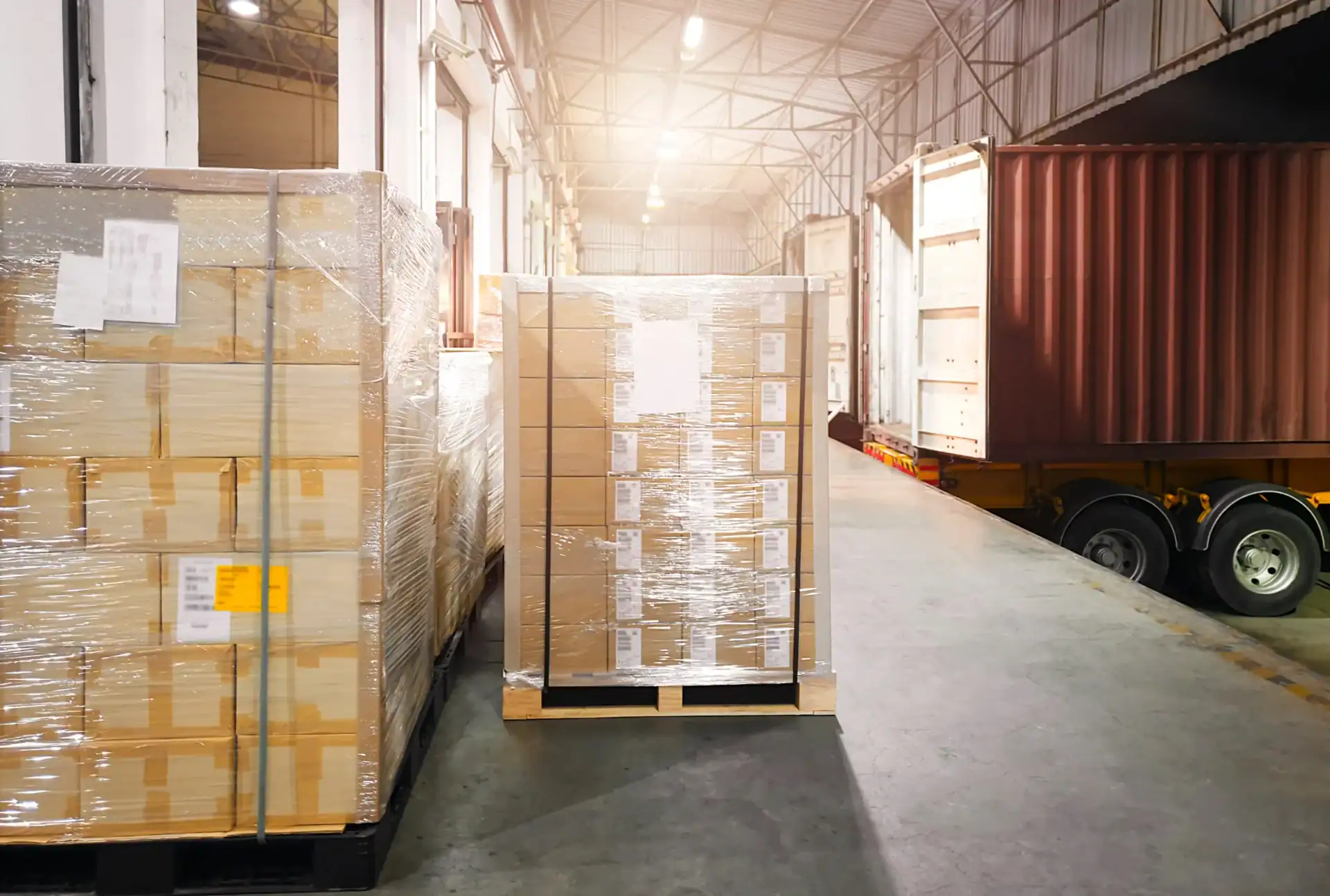
- الامتثال: شهادات CE و RoHS لدخول السوق العالمية.
- الخدمات اللوجستية: مهلة إنتاج ضخم من 30 إلى 40 يومًا لتنفيذ طلبات B2B بالجملة.
تسمح التحليلات التنبؤية للمصانع بإدارة المخزون وفقًا للطلب الموسمي، مما يضمن توفر الوحدات عالية الشفط لمواسم ذروة شراء الهدايا. ومن خلال الالتزام بهذه المعايير التقنية والرؤى المستندة إلى البيانات، يلغي المصنعون التخمين في تصميم المنتجات ويركزون على الأدوات المتخصصة ذات هامش الربح المرتفع.
خاتمة
توفر الوحدات اللاسلكية الراحة ولكنها تنهار تحت الأحمال الثقيلة. أما الأجهزة السلكية فتلغي “ضريبة البطارية” وتضمن جاهزية على مدار الساعة طوال أيام الأسبوع للمناطق عالية الإنتاجية مثل المرائب أو المطابخ التجارية.
قدّم الموديلات السلكية عالية الشفط كـ“بنية تحتية دائمة” للمناطق المتخصصة لتجاوز دورة الاستبدال التي تمتد 8 سنوات. استخدم المعايير التقنية—وليس الجدة الجمالية—لبناء أسطول منزلي متعدد الوحدات قابل للدفاع عنه.

الأسئلة المتداولة
هل تستطيع وحدات المكنسة المحمولة هذه التعامل مع الحطام الثقيل مثل نشارة الخشب دون انسداد؟
تستخدم الوحدات عالية السعة حاويات غبار بسعة 0.8 لتر إلى 1.9 لتر ورؤوس أرضية متخصصة لمنع الانسداد. تحافظ مستويات الشفط بين 13,000Pa و20,000Pa على تدفق هواء ثابت حتى عند إزالة حطام الورشة الثقيل أو نشارة الخشب.
هل المرشحات قابلة للغسل لعمليات التنظيف المتكررة أو الفوضوية؟
تتميز معظم الأنظمة الحديثة بترشيح من 5 طبقات أو مرشحات HEPA مصممة للشطف وإعادة الاستخدام. تحمي هذه المكونات المحرك من الغبار الناعم وتسمح لك بالحفاظ على ذروة الشفط أثناء عمليات التنظيف المتكررة دون شراء وسائط استبدال.
ما هي المتانة المتصورة للمكانس اللاسلكية مقارنة بالطرازات السلكية؟
تضاهي الوحدات اللاسلكية الراقية الآن موثوقية الطرازات السلكية من خلال استخدام هياكل مقواة وبطاريات أكبر. تضمن الشركات المصنعة الأداء طويل الأمد عبر اختبار وظائف 100% وفحوصات ثلاثية الطبقات، بما في ذلك بروتوكولات IQC وPQC وFQC.
تحسين محركات البحث
العنوان: المرآب والمطبخ: حيث تتألق مكانس العصا السلكية
الوصف: تقدم الشركة المصنعة للمكنسة المنزلية وحدات OEM معتمدة من ISO. وسّع علامتك التجارية بقوة شفط 20,000Pa وتصاميم مخصصة لعلامتك التجارية.
الرابط: home-vacuum-cleaner-manufacturer
الكلمات المفتاحية: الشركة المصنعة للمكنسة المنزلية

 English
  Español
  Français
  Deutsch
  Português do Brasil
  Русский
  한국어
한국어  日本語
日本語  العربية