 تخطي إلى المحتوى الرئيسي تخطي إلى التذييل

غالبًا ما تواجه ورش العمل الاحترافية ومديرو المرافق صعوبة في الموازنة بين الحاجة إلى شفط غبار عالي الأداء وقابلية نقل الأدوات اليدوية. ومن خلال دمج وظيفة النفخ في المكانس اليدوية السلكية، يقدم المصنعون حلًا مزدوج الغرض يتعامل مع كل من إزالة الحطام الثقيل والتنظيف الدقيق للغبار دون الحاجة إلى أجهزة منفصلة.
تستكشف هذه المقالة الهندسة التقنية وراء تدفق الهواء العكسي ومنافذ العادم الخلفية المتخصصة التي تتحمل درجات حرارة تصل إلى 600 درجة فهرنهايت. كما نحلل مقاييس الأداء للمحركات الحديثة عديمة الفرشاة التي تصل سرعتها إلى 250,000 دورة في الدقيقة، مما يوفر سرعات هواء تصل إلى 186 ميلًا في الساعة لتنظيف الإلكترونيات الحساسة وحوامل الخوادم.
فائدة “تدفق الهواء العكسي” في مكانس الورش
تقنية تدفق الهواء العكسي تعيد توجيه الهواء الجوي عبر المحرك ثم عبر الفلتر لتنظيف الغبار دون إيقاف التشغيل. يحافظ هذا النظام على ضغط شفط ثابت، ويقلل من ضوضاء التشغيل، ويؤتمت صيانة الفلتر، مما يجعله ضروريًا للتعامل مع الجسيمات الدقيقة مثل نشارة الخشب أو حطام البناء في بيئات الورش الاحترافية.
| مقياس الأداء | المواصفات الفنية | الميزة التشغيلية |
|---|---|---|
| ضغط الشفط | 250 هيكتوباسكال إلى 300 مليبار | يحافظ على الطاقة تحت التحميل الشديد بالجسيمات. |
| سعة الاستخراج | 212 قدم مكعب في الدقيقة / قوة رفع مياه 120 بوصة | يزيل الحطام الثقيل الناتج عن أعمال البناء والورش. |
| كفاءة الترشيح | فلتر HEPA فئة H-14 (كفاءة 99.995%) | يلتقط الغبار المسرطن ومسببات الأمراض. |
آليات تجديد الفلتر وعكس تدفق الهواء
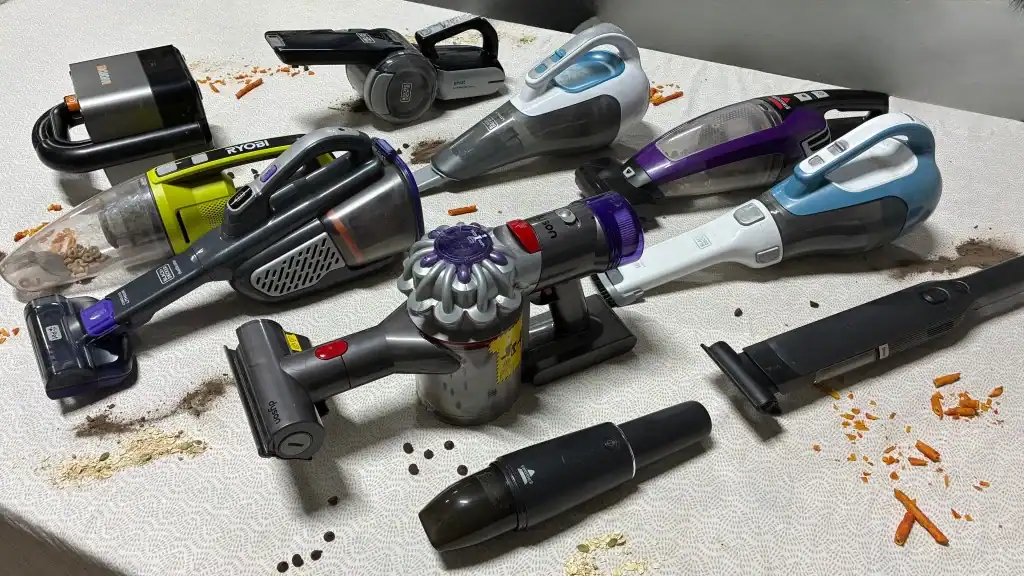
تعيد صمامات التحكم توجيه الهواء الجوي النقي ميكانيكيًا عبر حجرة المحرك لدفع الحطام خارج مسام الفلتر. تستخدم عملية الانعكاس هذه حجرة المحرك ككاتم صوت مدمج أثناء دورة العكس، مما يخفض مستويات الديسيبل بشكل كبير في أماكن العمل المغلقة. يحسن هذا الخيار الهندسي البيئة الصوتية دون التضحية بالكفاءة الميكانيكية.
تقوم دورات التنظيف النبضي التلقائي بتفريغ الجسيمات من الأكياس أو خراطيش HEPA دون انقطاع الطاقة أو تيار الشفط. غالبًا ما تستخدم الأنظمة الاحترافية تكوينات ثنائية المحركات تسمح بدورات تجديد مستقلة. تحافظ هذه الإعدادات على تشغيل بنسبة 100% مع مضاعفة سعة تدفق الهواء الإجمالية، مما يضمن تعامل المكنسة الكهربائية مع كميات مستمرة من الغبار الناعم دون تدهور الأداء.
معايير الأداء لاستخراج الغبار عالي التحميل
تحافظ الأنظمة الصناعية على أداء ضغط مرتفع بين 250 هيكتوباسكال و300 مليبار حتى أثناء التحميل الجسيمي الثقيل. تصل قدرات الشفط إلى 212 قدم مكعب في الدقيقة مع قدرة رفع مياه 120 بوصة، مما يوفر القوة اللازمة لاستخراج حطام الورش الثقيل. تسمح هذه المواصفات للمعدات بالعمل في بيئات صعبة حيث تفقد المكانس التقليدية قوة الشفط بسرعة.
يضمن الالتزام بمعايير الترشيح HEPA فئة H-14 التقاط الجسيمات المسرطنة ومسببات الأمراض وغبار البناء الناعم بكفاءة 99.995%. تلغي تصنيفات الضغط الثابت الحاجة إلى هز الفلتر يدويًا، وهو مطلب محدد للامتثال لمعايير السلامة لعام 2026 في البيئات الخطرة. من خلال أتمتة عملية التنظيف، تحمي هذه الأنظمة المشغل من التعرض للغبار السام مع الحفاظ على ذروة الإنتاجية التشغيلية.
تصميم منفذ العادم الخلفي لتركيب الخرطوم
يصمم المهندسون منافذ العادم الخلفية لتأمين خراطيم مقاومة للحرارة باستخدام أقطار تتراوح بين 3 و6 بوصات. تستخدم الأنظمة عالية الأداء مواد من الألياف الزجاجية السيليكونية المقدرة لتحمل 600 درجة فهرنهايت وآليات قفل متكاملة، مثل Twist-Lock أو الوصلات الملولبة، لضمان إحكام مانع للتسرب مع الحفاظ على كفاءة تدفق الهواء لمهام النفخ.
الإدارة الحرارية وآليات القفل الآمنة
يحدد المهندسون الألياف الزجاجية السيليكونية مع تقوية حلزونية سلكية لبناء المنفذ لإدارة درجات حرارة تصل إلى 600 درجة فهرنهايت. تلبي هذه المواد متطلبات الثبات العسكرية الأمريكية ومتطلبات استقرار القوات الجوية، مما يضمن الحفاظ على السلامة الهيكلية للمنفذ تحت تدفق الهواء عالي الضغط المطلوب لمهام النفخ. تخلق تصاميم الخراطيم المطاطية Twist-Lock وصلات محكمة الإغلاق دون الحاجة إلى وصلات معدنية خارجية، مما يقلل الوزن الإجمالي لنقطة التوصيل.
يظل الأداء المقاوم للسحق أولوية للعمليات الثقيلة في البيئات الصناعية. يطبق المصممون خيوطًا داخلية على وصلات الخراطيم المطاطية SP20 لتأمين الاتصال ضد الاهتزاز الميكانيكي وحركة الهواء عالية السرعة. يمنع هذا النهج الملولب الانفصال العرضي مع دعم الانتقال السلس بين قناة العادم الداخلية وخرطوم النفخ الخارجي.
توحيد مقاسات المنافذ وتكامل المحولات
أبعاد منافذ العادم تتبع مقاسات موحدة لاستيعاب مختلف فئات المركبات والمعدات. تتراوح المنافذ عادةً من 3-4 بوصات للسيارات الركاب إلى 5-6 بوصات للشاحنات الثقيلة والآلات التجارية. غالباً ما تتميز المحوّلات المخروطية المصنوعة من الفولاذ المقاوم للصدأ بأغطية إغلاق زنبركية لإحكام إغلاق المنفذ عندما لا تكون وظيفة المنفاخ قيد الاستخدام، مما يحمي المكونات الداخلية من الغبار والحطام.
تدعم التكوينات المتقدمة مقاطع التسليح على شكل Y، مما يتيح لمنفذ عادم واحد تسهيل عملية استخراج أو نفخ العادم المزدوج في بيئات المرائب الاحترافية. بالنسبة لتطبيقات أنابيب العادم المثبتة بشكل متساوٍ أو الغائرة، يستخدم المهندسون أغطية شفط F675-SC لإحكام الإغلاق على الأسطح المسطحة. تضمن هذه المحوّلات المتخصصة بقاء النظام مرناً عبر مختلف أشكال المركبات مع الحفاظ على تثبيت محكم ومقاوم للتسرب.
التطبيقات: تنظيف لوحات المفاتيح، والنفخ، وإزالة الغبار من المرآب
بحلول عام 2026، تستخدم المنافخ عالية السرعة محركات بدون فرش تصل سرعتها إلى 250,000 دورة في الدقيقة لتوفير تدفق هواء يصل إلى 186 ميلاً في الساعة. توفر هذه الأجهزة بديلاً مستداماً وخالياً من المواد الكيميائية للهواء المضغوط المعبأ لصيانة الإلكترونيات بينما توفر حجم تدفق 35 قدم مكعب في الدقيقة اللازم لتنظيف ورش العمل ونفخ المعدات الترفيهية.
| مقياس الأداء | النطاق التقني | التطبيق الأساسي |
|---|---|---|
| سرعة المحرك | 91,000 – 250,000 دورة في الدقيقة | تنظيف الإلكترونيات الدقيقة والخوادم |
| سرعة تدفق الهواء | 94 – 186 ميلاً في الساعة | إزالة الحطام من الشقوق العميقة |
| حجم تدفق الهواء | 34 – 35 قدم مكعب في الدقيقة | تنظيف ونفخ ورشة المرآب |
| قوة النفخ | 76 جم – 230 جم | إزاحة الجسيمات الثقيلة |

الإزالة المستدامة للحطام عن الإلكترونيات والمعدات الحساسة
تُستبدل المحركات عديمة الفرشاة التي تصل سرعتها إلى 91,000 إلى 150,000 دورة في الدقيقة مواد الدفع HFC-152a، مما يلغي انبعاثات الغازات الدفيئة ومخاطر الرطوبة أثناء تنظيف لوحات المفاتيح. توفر سرعات الهواء المستهدفة بين 94 و122 ميلاً في الساعة القوة الحركية اللازمة لإزالة الجسيمات من المفاتيح الميكانيكية العميقة وحوامل الخوادم. تحافظ تكوينات الفوهات الدقيقة على التدفق الصفحي، مما يضمن أن ضغط الهواء المركّز لا يتلف الدوائر الداخلية الحساسة أو مراوح التبريد.
تتجنب المنافخ الكهربائية المحمولة مشاكل التكاثف النموذجية لعلب الغاز المضغوط، والتي غالبًا ما تُطلق سائلًا متجمدًا عند إمالتها. باستخدام تيارات هواء مستمرة بدلاً من النفخات القصيرة، تزيل هذه الأدوات الغبار العنيد من المشتتات الحرارية وزعانف وحدات معالجة الرسومات بشكل أكثر فعالية. يوفر التحول نحو طرازات 250,000 دورة في الدقيقة ضغطًا بمستوى احترافي يحاكي معدات صيانة مراكز البيانات الصناعية بشكل محمول.
أداء عالي الحجم لصيانة مساحات العمل والنفخ
تسمح مقاييس تدفق الهواء بمتوسط 34-35 قدمًا مكعبًا في الدقيقة للمستخدمين بإزالة نشارة الخشب والحطام الدقيق من طاولات العمل في المرآب بكفاءة أكبر من المكانس اليدوية القياسية. تولد أنظمة المراوح التوربينية قوة نفخ تصل إلى 230 غرامًا، مما يتيح نفخ المراتب الهوائية ومعدات الرياضات المائية بسرعة عبر ملحقات الفوهات العامة. توازن أوضاع السرعة المتعددة التي تعمل بأنظمة بطاريات 7,500 مللي أمبير في الساعة بين الإخراج الأقصى البالغ 186 ميلاً في الساعة ومدة التشغيل المستدامة اللازمة لمهام النفخ ذات الحجم الأكبر.
تؤدي المفاضلات الهندسية بين سرعة الدوران ومستويات الضوضاء إلى نطاق تشغيل يتراوح بين 78 ديسيبل و86 ديسيبل. تضمن أنظمة البطاريات عالية السعة أن يحافظ المحرك على سرعة ثابتة طوال المهمة، مما يمنع الانخفاض في الأداء الذي يُلاحظ في البدائل ذات الجهد المنخفض. تتيح مجموعات الفوهات الخمس للمستخدمين الانتقال من الضغط المركّز للفجوات الضيقة إلى الإخراج عالي الحجم لنفخ المعدات الترفيهية دون الحاجة إلى أدوات متخصصة منفصلة.
حلول OEM/ODM متميزة للمكانس المنزلية

نظام الملحقات: فوهات النفخ والمُركزات
في عام 2026، تعتمد أنظمة المنافخ البيئية على فوهات متخصصة تتحكم في سرعة تدفق الهواء وضغطه. من خلال استخدام أشكال هندسية مختلفة، تتيح هذه الملحقات لمحرك واحد التبديل بين النفخ عالي الحجم لمراتب الهواء ونفاثات الهواء عالية السرعة لإزالة الحطام من الفجوات الضيقة.
هندسة الفوهات والتركيز على تدفق الهواء
تستخدم المكثفات المخروطية تأثير فينتوري لضغط الهواء في تيار ضيق عالي السرعة لتنظيف الإلكترونيات والفجوات الصغيرة في السيارات. يعمل هذا التصميم على تعظيم الطاقة الحركية، مما يسمح للأداة بإزالة الجزيئات الدقيقة من المناطق الغائرة دون استهلاك مفرط للطاقة.
تعطي فوهات النفخ واسعة التجويف الأولوية لحجم تدفق الهواء (CFM) على الضغط لملء العناصر الكبيرة مثل ألواح التجديف وحصائر التخييم بسرعة. يقلل القطر المتزايد من المقاومة عند نقطة الخروج، مما يسمح للمحرك بالحفاظ على كفاءة قصوى أثناء المهام عالية الإزاحة.
تتضمن التصميمات المتقدمة لعام 2026 ريشًا ديناميكية هوائية داخلية لتقليل اضطراب الهواء وإبقاء مستويات الضوضاء تحت 78 ديسيبل أثناء النفخ عالي السرعة. تعمل هذه الريش على ترقيم تدفق الهواء، مما ينعم التدفق ويمنع الدوامات الفوضوية التي تولد عادةً تشويهًا صوتيًا.
الأداء التقني ومعايير التوصيل
تلتزم الملحقات الهوائية لأدوات الورش لعام 2026 بمعايير ISO 6358 لضمان معدلات تدفق يمكن التنبؤ بها عبر منصات الأجهزة المختلفة. تسمح هذه المعايير للمصنعين بتقديم تقييمات أداء متسقة، مما يضمن أن الفوهة تعمل بشكل مماثل بغض النظر عن وحدة المحرك المتوافقة.
تتيح واجهات القفل الالتوائي والملاءمة الاحتكاكية الموحدة للمستخدمين التبديل بين خراطيم التفريغ مقاس 35 مم والمكثفات المتخصصة بضغط 0.75 رطل لكل بوصة مربعة دون تسرب للهواء. تمنع الأختام المحكمة انخفاض الضغط الذي قد يؤدي بخلاف ذلك إلى تدهور سرعة نفاثة الهواء أو إبطاء عملية نفخ العناصر كبيرة الحجم.
البوليمرات المقاومة للحرارة وأفلام البولي إميد في بناء الفوهة تمنع الالتواء أثناء الاستخدام المطول عندما ترتفع درجات حرارة عادم المحرك. غالباً ما تعكس التصاميم الصناعية التكنولوجيا الموجودة في مكثفات الفضاء الجوي، باستخدام اللحامات المغلقة حرارياً والأغشية الرقيقة للحفاظ على السلامة البنيوية تحت ضغوط متفاوتة بين 0.0002 رطل لكل بوصة مربعة و0.75 رطل لكل بوصة مربعة قياسية.

التنازلات: هل تقلل وظيفة النفخ من كفاءة الشفط؟
تواجه أنظمة التفريغ ثنائية الوظيفة خسائر في الكفاءة بسبب نسب الانضغاط وانزلاق الهواء. بينما توفر تصاميم اللولب الدوار أداءً أفضل من تصاميم الفص، فإن زيادة ضغط التفريغ للنفخ عادةً ما تقلل الكفاءة الحجمية. بحلول عام 2026، يستخدم المصنعون محركات التردد المتغير للتخفيف من هذه العقوبات الأدائية القائمة على الفيزياء.
المفاضلات الميكانيكية في أنظمة تدفق الهواء ثنائية الوظيفة
تعمل منافخ الفص الدوار بحد أقصى لنسبة الانضغاط الميكانيكي يبلغ حوالي 2:1. تجاوز هذا الحد يسبب انحرافات في العمود ودرجات حرارة تشغيل مفرطة، مما يهدد السلامة البنيوية لوحدة التفريغ. يُدخل “انزلاق” الهواء عدم كفاءة إضافية حيث يتسرب الهواء المضغوط عبر العناصر الدوارة. يختلف هذا التسرب طردياً مع فرق ضغط التفريغ، مما يعني أنه مع زيادة قوة النفخ، تقل الكمية الفعالة من الهواء المنقول للشفط.
تمثل مقاومة النظام 80-90% من ضغط التفريغ في التكوينات القياسية لورش العمل والصناعة. ينشأ هذا من احتكاك الأنابيب وقطر الخراطيم وانسداد المرشحات. لا يمكن لمصممي المنافخ ببساطة تعظيم قوة الشفط دون التسبب في زيادة متناسبة في الإجهاد الميكانيكي. تتحول نقطة التشغيل الفعلية بناءً على ظروف المدخل مثل درجة الحرارة والضغط الجوي، مما يجعل المحركات ثابتة السرعة أقل كفاءة بطبيعتها عند التبديل بين وضعي الشفط والنفخ.
مقاييس الكفاءة وتحسين الأداء لتصاميم عام 2026
تحقق منافخ اللولب الدوار نسب انضغاط داخلي تبلغ 3:1، مما يسمح لها بالتفوق على تصاميم الفص التقليدية في الأدوار ثنائية الوظيفة. تستخدم هذه الأنظمة تفاوتات تصنيع أدق أصبحت ممكنة بفضل درجات حرارة التشغيل المنخفضة وتقليل انحراف الدوار. تحافظ أنظمة الاسترجاع عالية الكفاءة الآن على قوة شفط تبلغ 575 قدم مكعب في الدقيقة باستخدام وصلات فولاذية بقطر 3 بوصات، مما يقلل بشكل كبير من فقد الاحتكاك مقارنة بالخراطيم البلاستيكية المرنة القياسية.
تعمل محركات التردد المتغير (VFDs) كمعيار صناعي لعام 2026 لضبط سرعة المحرك. تضبط هذه المحركات مخرجات المنفاخ للحفاظ على الكفاءة عبر نقاط تشغيل متغيرة، متغلبة بفعالية على العقوبات القائمة على الفيزياء لوظائف الضغط والتفريغ المجتمعة. للاحتياجات الصناعية عالية السعة، تصل منافخ القناة الجانبية إلى قدرات تصل إلى 1,165 قدم مكعب في الدقيقة مع الحفاظ على مستويات تفريغ عند -300 مليبار، مما يوفر حلاً متوازناً للبيئات التي تتطلب كلاً من إزالة الحطام عالية الحجم والإزاحة الهوائية القوية.
إحكام غلق العادم: منع تطاير الغبار أثناء الكنس
في عام 2026، تستخدم المكانس عالية الأداء تصاميم حواجز متعددة المراحل، بما في ذلك أختام العمود الإيلاستومرية مزدوجة الشفة وفتحات التهوية الجوية، لعزل هواء العادم. تمنع هذه الأنظمة زيوت التشحيم والغبار من الهروب من الغلاف الداخلي، بينما يضمن المراقبة الحرارية بقاء العادم أقل من 300 درجة فهرنهايت لحماية سلامة الختم وجودة الهواء.
تصميم الحاجز متعدد المراحل وختم العمود
تعتمد هندسة التفريغ على تكوينات محددة لأختام عمود الدوار للحفاظ على بيئة خالية من الزيت داخل غرفة الضغط. يستخدم المهندسون أختامًا شفاهية أو متاهية عند فتحات الألواح الرأسية لفصل مسار الهواء عن علب التروس المزيتة. يمنع هذا الحاجز المادي دخول مواد التشحيم إلى تيار الهواء ويمنع تسرب الغبار إلى البيئة الخارجية عبر فتحات العمود. يجب أن تتحمل هذه الأختام فروق الضغط العالية التي تحدث أثناء التشغيل الأقصى دون السماح للجسيمات بتجاوز الهيكل.
غالبًا ما تدمج المنافخ التعادلية عالية الضغط أختامًا مطاطية مزدوجة الشفة. تقيّد هذه المكونات تسرب الهواء أثناء دورات الشفط الشديدة مع التعامل مع الأحمال الشعاعية والمحورية. توفر الأنصاف المشغّلة آليًا داخل هيكل الأسطوانة ضغطًا مسبقًا بالقرب من منفذ التفريغ، مما يقلل من صدمات الهواء والنبضات أثناء التسليم. يعمل هذا التصميم الهيكلي على تثبيت تدفق الهواء ويحمي سلامة نظام الختم، مما يضمن بقاء جزيئات الغبار محاصرة داخل دائرة الترشيح بدلاً من انبعاثها عبر العادم.

الحماية الحرارية وأنظمة التنفيس الآمنة عند الفشل
يُعد التكرار متطلبًا أساسيًا في أنظمة التفريغ المتقدمة. يضع المصممون فتحات تهوية للختم الجوي بين ختم مادة التشحيم والختم الهوائي. تعيد هذه البنية توجيه التسريبات المحتملة في حال فشل الختم الأساسي، مما يضمن عدم وصول الملوثات إلى تيار الهواء الرئيسي. توفر هذه الآلية الآمنة عند الفشل إنذارًا مبكرًا لتآكل الختم دون المساس بجودة هواء العادم. من خلال عزل حجيرتي مادة التشحيم والهواء، يمنع النظام خروج رذاذ الزيت والغبار المحتجز من مجموعة المحرك.
يُعد التنظيم الحراري أمرًا حيويًا للحفاظ على الخصائص الفيزيائية للأختام المطاطية. يركّب المهندسون مفاتيح حرارية لحظية تراقب درجة حرارة العادم. إذا تجاوزت درجة الحرارة 300 درجة فهرنهايت، يرسل المفتاح إشارة إلى وحدة التحكم في التشغيل لإيقاف الوحدة. تمنع هذه الحماية انصهار الأختام أو تشوهها، وهي أسباب شائعة لتلوث العادم. يؤكد الامتثال لمعيار AMCA 260 وشهادات UL 705 أن مجموعات المنفاخ والمحرك تحافظ على معايير السلامة هذه، مما يمنع التسريبات الخطرة في البيئات السكنية والمخبرية على حد سواء.
تسويق مفهوم “مكنسة الورش في يدك”
يضع هذا المفهوم المكانس اللاسلكية المدمجة سعة 1-3 جالون كنسخ محمولة من المكانس الصناعية لورش العمل، حيث توفر تدفق هواء بمعدل 40 قدمًا مكعبًا في الدقيقة وقوة 180 واط لعمليات التنظيف في الورش. من خلال الاستفادة من أنظمة بطاريات 20 فولت ومنافذ ملحقات مقاس 1.25 بوصة، تسد هذه الأدوات الفجوة بين الوحدات اليدوية الضعيفة والآلات السلكية الضخمة.
تحديد فائدة أدوات الورش بحجم كف اليد
إن تسويق المكانس اللاسلكية سعة 1-3 جالون كأدوات ثقيلة للورش يحوّل التركيز من التنظيف المنزلي البسيط إلى الصيانة الاحترافية. توفر هذه الوحدات قدرة التقاط الجاف وشفطًا عالي الحركة للجراجات والورش الصغيرة حيث لا يمكن للمكانس التقليدية العمودية أو الوحدات الأسطوانية الكبيرة الوصول. يسد المصنعون الفجوة بين ألعاب المستهلكين والمعدات الصناعية من خلال دمج تقنيات محركات قادرة على إنتاج من 1.0 إلى 3.5 قدرة حصانية قصوى في هياكل مدمجة.
غالبًا ما تبرز استراتيجية العلامة التجارية الفائدة المزدوجة من خلال تضمين منافذ نفخ مدمجة. يسمح هذا التكوين للمستخدمين بالتبديل من الشفط إلى نفخ الهواء لإزالة الغبار من طاولات العمل أو تنظيف الزوايا الضيقة في المركبات. من خلال تقديم قوة صناعية في هيكل يزن غالبًا أقل من 10 أرطال، تعمل الأداة كأصل صيانة أساسي للمستخدمين المحترفين بدلاً من كونها ملحقًا منزليًا ثانويًا.
قياس الأداء للتوزيع بين الشركات (B2B)
المؤشرات المعيارية مثل تدفق هواء 40 قدمًا مكعبًا في الدقيقة واستهلاك طاقة 180 واط تتحقق من ادعاءات الأداء للمكانس الكهربائية المحمولة للورش. وفي التوزيع في القطاعات المهنية، تُظهر هذه المقاييس التقنية أن الوحدات صغيرة الحجم تنقل الحطام بسرعة مشابهة للطرازات الأكبر المزودة بكابل. بل إن الطرازات المتميزة تحقق شفطًا مائيًا بارتفاع 100 بوصة، وهو قياس يُحجز عادةً لجامعات الغبار الصناعية كاملة الحجم، مما يضمن قدرتها على التقاط المواد الثقيلة في شكل بحجم كف اليد.
يعتمد توفير الطاقة على تقنية بطاريات الليثيوم بجهد 20 فولت، والتي تدعم فترات تشغيل تتراوح بين 15 و28 دقيقة اعتمادًا على سعة الأمبير/ساعة للحزمة. وللحفاظ على التوافق ضمن النظام البيئي، تستخدم هذه المكانس أقطار خراطيم قياسية تبلغ 1.25 بوصة. يضمن هذا الاختيار أن ملحقات الورشة الحالية والفوهات المتخصصة تناسب الوحدات المحمولة دون الحاجة إلى محولات، مما يبسط دمج الأدوات اللاسلكية في سير العمل المهني القائم.
خاتمة
الجمع بين الشفط والنفخ في وحدة محمولة واحدة يغيّر طريقة صيانة المهنيين للورش والأجهزة الإلكترونية الحساسة. تستخدم التصاميم الحديثة محركات بدون فرش تصل سرعتها إلى 250,000 دورة في الدقيقة لسد الفجوة بين الأدوات المنزلية الصغيرة والآلات الصناعية الثقيلة. تتعامل هذه الوحدات مع غبار البناء الناعم والنفخ بكميات كبيرة بموثوقية متساوية، مما يوفر خيارًا عمليًا للبيئات التي تتطلب قابلية النقل وحركة هواء عالية السرعة في آن واحد.
التحول نحو عكس تدفق الهواء المدمج وأنظمة الملحقات الموحدة يبسط أعمال الصيانة في مختلف الصناعات. يتجنب فنيو الإلكترونيات مخاطر الرطوبة الناتجة عن الهواء المضغوط في العلب، بينما يكتسب مشغلو المرائب القدرة على تنظيف الطاولات ونفخ المعدات دون تبديل الأدوات. اختيار معدات تلبي معايير HEPA من الفئة H وتستخدم محركات متغيرة التردد يضمن السلامة طويلة الأمد والكفاءة الميكانيكية في البيئات عالية الحمل.
الأسئلة المتداولة
هل يمكن للمكنسة المحمولة أن تحل فعليًا محل منفاخ الهواء المخصص؟
نعم، لمهام محددة. توفر العديد من الطرازات ثنائية الوظائف مثل HOTO Compressed Air Capsule شفطًا يصل إلى 15,000 باسكال وتدفق هواء يبلغ 500 لتر/دقيقة. ورغم افتقارها إلى قوة منافخ أوراق الشجر الصناعية، فإنها تتعامل بنجاح مع تنظيف السيارات التفصيلي، وتنظيف لوحات المفاتيح، وإزالة الحطام الصغير.
كيف تتحول هذه المكانس بين وضعي الشفط والنفخ؟
تستخدم معظم التصاميم مسار تدفق هواء قابلًا للعكس أو منفذ عادم مخصص في الخلف. يربط المستخدمون الخرطوم بمنفذ السحب للشفط وينقلونه إلى المنفذ الخلفي للنفخ. يستخدم MetroVac Vac N Blo® هذا التكوين لتوفير تدفق هواء يبلغ 142 قدمًا مكعبًا في الدقيقة للتجفيف وإزالة الغبار.
هل وظيفة النفخ قوية بما يكفي لنفخ المراتب الهوائية؟
تتضمن العديد من المكانس اليدوية فوهات متخصصة للنفخ. على سبيل المثال، تستخدم مكنسة Limitless 2-in-1 محركًا بقدرة 80 واط يصل إلى 40,000 دورة في الدقيقة، مما يوفر ضغطًا كافيًا لملء قوارب السباحة والمراتب الهوائية بسرعة دون الحاجة إلى مضخة منفصلة.
هل يتطلب استخدام وضع النفخ صيانة خاصة؟
المتطلب الأساسي هو التأكد من أن حاوية الغبار فارغة وأن المرشحات نظيفة. يمكن أن يؤدي النفخ عبر مرشح متسخ إلى تقليل تدفق الهواء وربما طرد الجزيئات الدقيقة. تحافظ طرازات مثل STIHL SEA 20 على الأداء باستخدام ترشيح عالي الكفاءة قبل وصول الهواء إلى منفذ العادم.
ما هي القيود المفروضة على مزيج المكنسة والنافخة؟
تتعلق القيود الرئيسية بوقت التشغيل والحجم. غالبًا ما توفر الوحدات التي تعمل بالبطارية حوالي 10 إلى 44 دقيقة من الاستخدام اعتمادًا على سعة البطارية، مثل نظام 20V MAX المستخدم من BLACK+DECKER. إنها مناسبة للتنظيف الموجه بشكل أفضل من تنظيف المساحات الخارجية الكبيرة.

 English
  Español
  Français
  Deutsch
  Português do Brasil
  Русский
  한국어
한국어  日本語
日本語  العربية