 تخطي إلى المحتوى الرئيسي تخطي إلى التذييل

يواجه مصممو المنتجات ضغوطًا متزايدة لتوفير إدارة سلسة للكابلات دون المساس بإمكانية نقل الأجهزة. ويؤدي دمج سلك المكنسة الكهربائية القابل للسحب إلى حل الإحباطات الشائعة للمستخدمين فيما يتعلق بالتشابك والتخزين مع تلبية معايير السلامة للحد من مخاطر التعثر. وتتطلب هندسة هذه الأنظمة فهماً عميقاً للتوتر الميكانيكي ومتانة المواد لضمان بقاء البكرة مكوناً موثوقاً به طوال دورة حياة المنتج.
نبحث في بنية تجميعات البكرات، مع التركيز على استخدام أبعاد قياسية بقطر 147 × 55.5 مم وسلك موسيقى عالي الكربون لمقاومة التعب على المدى الطويل. ويوضح هذا التحليل أيضًا تفاصيل بروتوكولات الحماية الحرارية المطلوبة للمحركات ذات القدرة الكهربائية العالية ويحدد تكاليف التصنيع المتضمنة، حيث تؤدي هذه الأنظمة عادةً إلى زيادة تتراوح بين 20 و301 تيرابايت 3 تيرابايت في أسعار التجزئة مقارنةً بنماذج الالتفاف اليدوي.
طلب المستهلكين على حلول إدارة الكابلات
2026 يركز طلب المستهلكين على السلامة والراحة، وتحديدًا من خلال أنظمة الترجيع الأوتوماتيكية المحملة بنابض والتي تلغي لف الأسلاك يدويًا. يعطي المستخدمون الأولوية للأجهزة التي تقلل من مخاطر التعثر والفوضى مع الحفاظ على مدى وظيفي يتراوح بين متر واحد و5 أمتار، مما يدفع الشركات المصنعة إلى دمج بكرات الكابلات الموحدة والمحمية.
سلامة المستخدم وبرامج تشغيل التخزين المريحة
تعطي الأسر الحديثة الأولوية لأجهزة التنظيف التي تحل المشكلة المستمرة المتمثلة في فوضى الكابلات. تعالج آليات الترجيع الأوتوماتيكية المحملة بنابض إحباطات المستهلكين فيما يتعلق بتشابك الكابلات والجهد الممل للتخزين اليدوي. من خلال سحب السلك بالكامل إلى داخل مبيت الجهاز، تقضي هذه الأنظمة على مخاطر التعثر وتمنع تلف العزل على المدى الطويل الناجم عن الالتفاف غير السليم أو الانحناءات الضيقة.
تُعد ميزات السلامة بمثابة مقترحات قيمة أساسية للأجهزة المنزلية في عام 2026. تضمن الحماية المدمجة ضد التحميل الزائد والسخونة الزائدة بقاء البكرة الداخلية آمنة أثناء الاستخدام عالي التيار أو السحب السريع. تتعامل معايير الشراء لدى المستهلكين الآن مع إدارة الأسلاك على أنها مواصفات من الدرجة الأولى، وتربط مباشرة بين سهولة التخزين ورضا المستخدم بشكل عام وجودة المنتج المتصورة.
الوصول الوظيفي وتوحيد المكونات
يستخدم المصنعون أحجامًا موحدة لبكرات مصنعي المعدات الأصلية، مثل قطر 147 × 55.5 مم، لتحقيق التوازن بين آثار أقدام الأجهزة المدمجة وسعة السلك الوظيفية. تستخدم هذه المكونات عادةً علب بلاستيك PP للحفاظ على المتانة مع تقليل الوزن. بالنسبة للأجهزة الصغيرة مثل المكانس الكهربائية، يضمن طول السلك الوظيفي من 1 إلى 5 أمتار (5-16 قدمًا تقريبًا) تغطية كافية لمنطقة التنظيف دون الحاجة إلى تبديل المنافذ بشكل متكرر.
يتطلب التوزيع العالمي أن تتوافق الأنظمة الفرعية القابلة للسحب مع المعايير الكهربائية الإقليمية، بما في ذلك الرموز الأوروبية والأمريكية والصينية. يسمح هذا التوحيد القياسي لمصنعي المعدات الأصلية بدمج بكرات محددة في خطوط إنتاج متنوعة مع تلبية متطلبات السلامة. وفي موازاة ذلك، تلبي البكرات المدمجة التي يبلغ طولها 1.5 متر الطلب على إدارة إشارات USB الخالية من التشابك والجهد المنخفض في الأجهزة الإلكترونية المحمولة، مما يدل على أن الحاجة إلى تخزين الكابلات بكفاءة تمتد عبر جميع فئات الأجهزة.
التصميم الميكانيكي ونقاط الفشل في أنظمة الترجيع
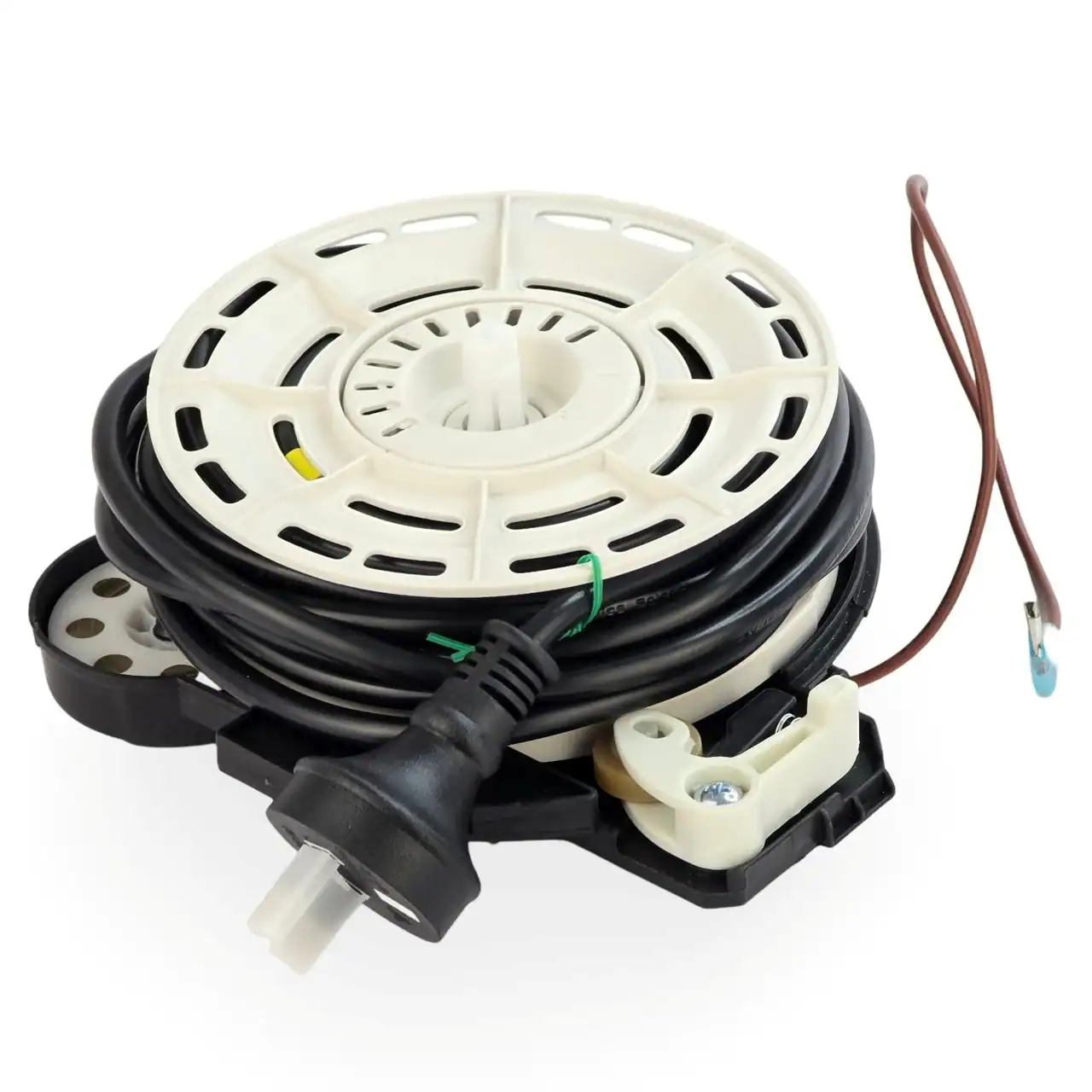
تستخدم الأنظمة القابلة للسحب زنبرك لولبي مسطح ومجموعة بكرة متحدة المركز لإدارة تخزين السلك. تعمل المكابح المطاطية القائمة على الاحتكاك على قفل الموضع، بينما تضمن البكرات التوجيهية الدوران السلس. تشمل نقاط العطل المتكررة إجهاد النابض وتدهور المكابح المطاطية والتلف الحراري الناتج عن القرب من عادم محرك التفريغ.
| المكوّن | الوظيفة الفنية | وضع الفشل الأساسي |
|---|---|---|
| تجميع البكرة | يضم السلك عبر الشفاه العلوية/السفلية وبكرات التوجيه. | الربط الميكانيكي من الحطام أو الجدران المشوهة. |
| زنبرك لولبي مسطح | يوفر انحيازاً باتجاه عقارب الساعة للتراجع التلقائي. | إجهاد المعدن الذي يسبب فقدان الشد. |
| فرامل مطاطية | يحافظ على وضع السلك من خلال التلامس الاحتكاكي. | تصلب أو تشقق السطح المطاطي. |
| السباق والبكرات | ضمان محاذاة متحدة المركز ودوران منخفض الاحتكاك. | اختلال في المحاذاة يؤدي إلى زيادة إجهاد المحرك. |
بنية تجميعات البكرات وآليات الزنبرك
تعمل مجموعة البكرة متحدة المركز كنواة هيكلية لنظام إدارة السلك. ويستخدم هذا التصميم بكرة دائرية ذات حواف علوية وسفلية مدمجة مثبتة بشكل محوري فوق سباق مركزي. تعمل ثلاث بكرات توجيه أفقية متساوية المسافة على تسهيل الدوران بدون احتكاك أثناء التمديد والسحب. تحافظ هذه البكرات على محاذاة البكرة، مما يمنع السلك من التجميع أو القفز على الشفاه أثناء إعادة اللف بسرعة عالية. تسمح هذه البنية ببصمة مدمجة، وغالبًا ما تكون مدمجة مباشرةً فوق محرك التفريغ أو بجواره.
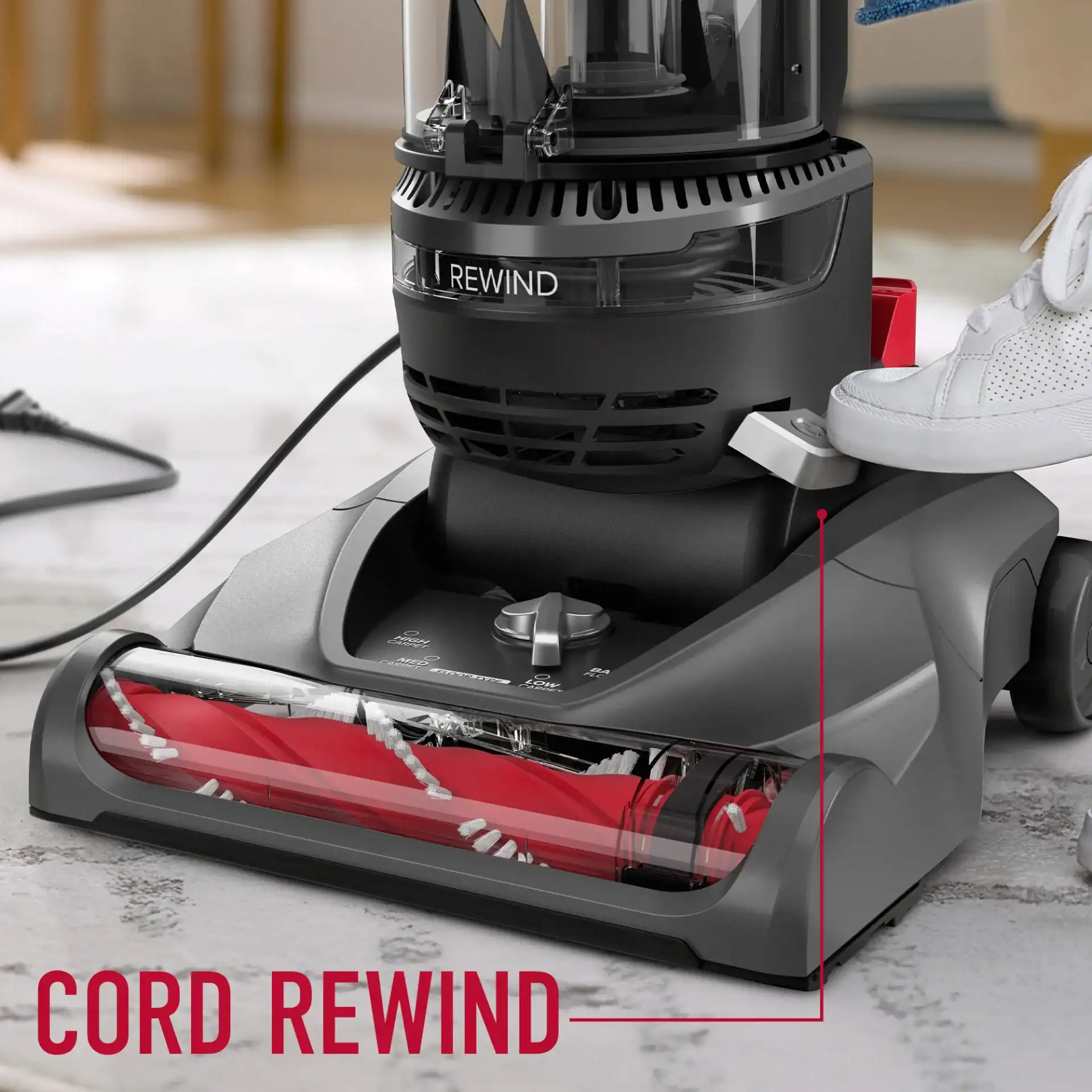
يوفر الزنبرك الملفوف المسطح الطاقة الميكانيكية اللازمة للتخزين التلقائي. يعمل هذا الزنبرك على انحياز البكرة في اتجاه عقارب الساعة، مما يحافظ على شد ثابت على طول السلك البالغ 25 قدمًا بالكامل. لتثبيت السلك عند طول محدد، تقوم عجلة مكابح مطاطية مثبتة على محور ارتكاز بتثبيت الجدار الجانبي السفلي للبكرة من خلال فتحات ممدودة. عندما يضغط المستخدم على اللسان اليدوي أو الدواسة، تنفصل المكابح مما يسمح للشد الزنبركي المخزن بسحب السلك مرة أخرى إلى المبيت حتى تصل السدادة إلى الفتحة الغائرة.
عوامل الإجهاد الميكانيكية ونقاط الفشل الحراري
يمثل إجهاد الزنبرك أكثر الأعطال الميكانيكية شيوعًا في البيئات عالية الاستخدام. يؤدي تكرار دورات الفك واللف المتكررة إلى إضعاف الملف المعدني في نهاية المطاف، مما يقلل من قوة السحب ويترك السلك ممتداً جزئياً. بالإضافة إلى ذلك، تعاني مكونات المكابح المطاطية من تدهور المواد. وبمرور الوقت، يمكن أن يتصلب المطاط أو يتشقق مما يقلل بشكل كبير من الاحتكاك المطلوب لتثبيت السلك في مكانه. يؤدي ذلك إلى “انجراف السلك”، حيث يتراجع السلك أو يتمدد ببطء دون تدخل المستخدم.
يؤدي التعرض الحراري من محركات التفريغ 1200 واط إلى مخاطر كبيرة على نظام الترجيع. يمكن أن تؤدي حرارة العادم إلى تشويه جدران البكرة البلاستيكية أو إذابة عزل السلك إذا تم وضع البكرة بالقرب من مبيت المحرك. بالإضافة إلى الحرارة، فإن تراكم الحطام في بكرات التوجيه يزيد من مقاومة الدوران. يجبر هذا التراكم الآلية على التغلب على مستويات احتكاك أعلى، مما يسرع من تآكل الزنبرك ويمكن أن يتسبب في النهاية في ربط البكرة بالكامل، مما يجعل خاصية السحب غير قابلة للتشغيل.
المفاضلة بين طول الكابل وحجم البكرة
يتطلب تحقيق التوازن بين طول الكابل وحجم البكرة مطابقة مقياس السلك، مثل 14 AWG، مع سعة الأسطوانة لمنع ارتفاع درجة الحرارة والعطل الميكانيكي. تدعم البكرات الصغيرة التي يتراوح طولها بين 105 مم و147 مم أطوالاً تتراوح بين 1-10 ملم، بينما تتطلب الأنظمة الصناعية حوافًا أكبر تصل إلى 16.75 بوصة لإدارة كتلة الكابلات المتزايدة.
القيود الحجمية واختيار مقياس الحبل السري
تستخدم بكرات التفريغ المنزلي عادةً أبعاد 105 × 20 مم أو 147 × 55.5 مم لإيواء كابلات بطول 1-10 أمتار داخل وحدات محمولة مدمجة. أما التصميمات الصناعية فتتراوح أقطار النواة من 7 إلى 13.25 بوصة لاستيعاب 50-100 قدم من 14 AWG SJTW أو أسلاك SOOW 6/4 AWG شديدة التحمل. يؤدي اختيار AWG أقل لسعة تيار أعلى إلى زيادة قطر الكابل، مما يستلزم أحجام شفة أكبر لمنع انحشار اللف والطبقات المفرطة.
إدارة الشد الميكانيكي والحمل الحراري
تزيد الكابلات الممتدة من الكتلة الإجمالية، الأمر الذي يتطلب محركات زنبركية عالية العزم لضمان قوة سحب متسقة عبر طول التمديد الكامل. توفر بكرات بلاستيك ABS مقاومة للصدمات لإعدادات متعددة النواة بطول 10 أمتار، بينما تدعم العلب المصنوعة من الفولاذ أو الفولاذ المقاوم للصدأ شد خطوط 100 قدم 12 جيجا للخدمة الشاقة. تعطي معايير المعدات الحالية لعام 2026 الأولوية للحماية الحرارية الداخلية وقواطع الدائرة للتخفيف من تراكم الحرارة عند تشغيل الكابلات الطويلة أثناء لفها جزئياً.
مكانس كهربائية منزلية ممتازة مصممة خصيصًا لعلامتك التجارية

اختيار المواد اللازمة لنوابض السحب العالية التوتر
يختار المهندسون الأسلاك الموسيقية عالية الكربون أو الفولاذ المقاوم للصدأ 304 لنوابض السحب لتحقيق التوازن بين قوة الشد ومقاومة التعب. وتسمح هذه المواد للنابض بالبقاء على قيد الحياة لآلاف الدورات مع الحفاظ على قوة إرجاع ثابتة، حتى عند تعرضه للإجهاد الحراري من محرك التفريغ أو الرطوبة البيئية.
فولاذ عالي الكربون وسلك موسيقى عالي الكربون لتحمل التعب
يوفر السلك الموسيقي، وهو عبارة عن سبيكة فولاذية عالية الكربون مسحوبة على البارد، قوة شد موحدة ومقاومة عالية للإجهاد للنوابض في ظل دورات التحميل المتكررة. تضمن هذه المادة أن تحافظ بكرات أسلاك التفريغ على شد ثابت على مدار آلاف العمليات دون فقدان الأداء. توفر سبائك الكروم السليكونية تحملًا عاليًا لدرجات الحرارة لمنع ارتخاء الزنبرك في مجموعات المحركات 2026 حيث تكون إدارة الحرارة الداخلية أولوية في التصميم.
توفر متغيرات الفولاذ عالي الكربون المرونة المطلوبة للسحب للخدمة الشاقة مع البقاء ضمن الحد المرن للمادة. هذا المنع للتشوه الدائم ضروري للموثوقية على المدى الطويل. في البيئات المتخصصة التي تنطوي على التعرض للمواد الكيميائية، توفر سبائك البرونز الفوسفوري مقاومة التآكل المطلوبة وأداء التآكل للحفاظ على السلامة الميكانيكية في الظروف القاسية.
مواصفات مقاومة التآكل والحمل الهندسي
يوفر الفولاذ المقاوم للصدأ 304 مقاومة أساسية للتآكل لكل من التطبيقات الداخلية والخارجية، مما يطيل من عمر التعب لأنظمة الترجيع المكشوفة. يقوم المصممون بحساب مؤشر الزنبرك - متوسط القطر مقسومًا على قطر السلك - لخفض متطلبات الشد الأولية وخلق قوة إرجاع سلسة يمكن التنبؤ بها. يضمن هذا التحسين الهندسي أن يظل السلك سهل السحب مع توفير قوة كافية للرجوع بالكامل.
تشتمل المواصفات الميكانيكية لأنظمة الشد العالي على سعة تحميل قصوى تبلغ 5.4047 رطل مع انحراف آمن 4.4047 بوصة لتجنب تشوه السلك الدائم. تستخدم سبائك الفولاذ المصنوعة من سبائك الكروم المتوافقة مع المواصفات القياسية ISO مقاطع عرضية محسنة للأسلاك لتقليل معدلات الفشل في مجموعات السحب المدمجة. بالنسبة للتطبيقات القصوى التي تتطلب مقاومة الأكسدة في درجات حرارة تشغيل عالية جدًا، توفر السبائك الفائقة مثل Inconel الثبات والمتانة اللازمين.
معايير الحماية الحرارية للكابلات الملفوفة
وتعتمد الحماية الحرارية للكابلات الملفوفة على الالتزام بمعايير مثل UL 224 وUL 2556، باستخدام مواد عالية الحرارة مثل البوليمرات الفلورية وأكسيد المغنيسيوم. وتسمح هذه المواد للتركيبات بتحمل درجات حرارة تصل إلى 1100 درجة فهرنهايت وتوفر مثبطات اللهب، مما يضمن الموثوقية في ظل الإجهاد الحراري الدوري في الأنظمة المدمجة القابلة للسحب.
الامتثال للمواد وعتبات مقاومة الحرارة
يتطلب الالتزام بمعيار UL 224 أنابيب عازلة مثبطة للهب مصنفة لـ 125 درجة مئوية و600 فولت مع تصنيف VW-1. وتوفر مركبات الفلوروبوليمر والألياف الزجاجية حماية مستمرة غير نشطة تصل إلى 500 درجة فهرنهايت و400 درجة فهرنهايت على التوالي، مما يحافظ على السلامة الهيكلية في البيئات عالية الحرارة. ويختار المهندسون موصلات ناقل نحاسية مطلية بالنيكل في تركيبات متوازية 12 AWG أو 14 AWG لتقليل فقد الطاقة مع ضمان ثبات الحرارة. بالنسبة للظروف القاسية، يدعم عزل أكسيد المغنيسيوم مع أغلفة من سبيكة 825 التعرض لإزالة الطاقة حتى 1100 درجة فهرنهايت، مما يوفر حلاً قويًا للتطبيقات الحرارية الصناعية.
مواصفات الاختبار التنظيمي والحماية التنظيمية
ويضمن التحقق من السلامة من خلال UL 2556 وIEEE 844 Std-2000 أن الكابلات تتحمل اختبارات نوع تأثير الجلد والإجهاد الحراري الدوري. تغطية جديلة 80% بمقاومات تتراوح بين 0.0018 و0.0045 أوم/قدم تسهّل تبديد الحرارة بكفاءة والوقاية الكهرومغناطيسية. يحافظ اللف الدقيق عبر طرق التحكم الرقمي باستخدام الحاسب الآلي على تفاوتات القطر الداخلي ± 0.0005 بوصة لتحسين نقل الحرارة في التركيبات الأسطوانية. الامتثال لجدول NEC 311.10 يحدد الحد الأدنى لسماكة العزل لسلامة الموصلات متوسطة الجهد، مما يحمي التطبيقات القابلة للسحب من الأعطال الكهربائية أثناء التشغيل.
التحقق من صحة المتانة من خلال بروتوكولات اختبار الدورة
يعتمد التحقق من المتانة على التدوير الميكانيكي القياسي، مما يتطلب أن تتحمل مكونات مثل الخراطيم 40,000 ذبذبة وأن تتجاوز المحركات 500 ساعة تشغيل. تضمن هذه البروتوكولات أن يحافظ التجميع القابل للسحب على السلامة الكهربائية والحرارية في ظل الإجهاد البدني المتكرر، مما يلبي معايير السلامة العالمية للأجهزة المنزلية لعام 2026.
| نوع المكون/الاختبار | متطلبات التحمل | المرجع التنظيمي |
|---|---|---|
| عمر محرك التفريغ الكهربائي | ≥ 500 ساعة تشغيلية | الاتحاد الأوروبي 666/2013/إن 60312-1 |
| الانحناء الميكانيكي للخرطوم | ≥ 40,000 ذبذبة | EN 60312-1 البند 6.9 |
| ارتفاع الغلاف الحراري | ≤ 65 كلفن بعد 4 ساعات | UL 1017 |
| العزل الكهربائي | ≥ 2 MΩ عند 500 فولت تيار مستمر | UL 1017 / CSA c22.2 |
مقاييس التحمل الميكانيكية الموحدة
تستخدم الفرق الهندسية البند 6.9 من المواصفة EN 60312-1:2013 للتحقق من الحدود الهيكلية لنظام التفريغ القابل للسحب. تحدد هذه المواصفة القياسية أن الخراطيم يجب أن تتحمل 40,000 ذبذبة انحناء. يشير الفشل في تلبية هذه العتبة إلى احتمال إجهاد المواد الذي يمكن أن يضر بإحكام إغلاق النظام أثناء دورات السحب. كما أن اختبار متانة المحرك يعزز هذه المتطلبات من خلال المطالبة بما لا يقل عن 500 ساعة تشغيل في ظل التبديل الدوري للتشغيل/إيقاف التشغيل. وتحول هذه المعايير دون أن تصبح بكرة السلك القابل للسحب نقطة عطل قبل المكونات الأخرى التي تعاني من التآكل الشديد.
تحاكي معامل الاختبار الاستخدام الواقعي باستخدام أوعية غبار نصف محملة أثناء تجارب المتانة. يخلق هذا النهج انخفاضًا تمثيليًا في الضغط والتبريد، مما يضمن عمل المحرك وآلية الترجيع في ظل الأحمال الحرارية الموجودة في المنازل النموذجية. من خلال محاكاة هذه الظروف، يمكن للمهندسين التأكد من أن نابض الترجيع الداخلي يحافظ على شدّه وأن أسنان القفل لا تتحلل قبل الأوان بسبب الحرارة أو الاحتكاك.
الامتثال التنظيمي وبارامترات الإجهاد الكمي
تتطلب أسواق أمريكا الشمالية الامتثال لمعايير UL 1017، التي تركز على السلامة الحرارية والكهربائية. تحد هذه الاختبارات من ارتفاع درجة حرارة غلاف المحرك إلى 65 كلفن خلال أربع ساعات من وقت التشغيل المتواصل. إن التحكم في تبديد الحرارة يحمي عزل السلك القابل للسحب من الذوبان أو أن يصبح هشًا. ويتحقق الفنيون من السلامة الكهربائية من خلال قياس مقاومة العزل، والتي يجب أن تظل عند 2 MΩ أو أعلى عند 500 فولت تيار مستمر. كما تُخضع اختبارات الصمود العازل الكهربائي التجميع إلى تيار متردد بجهد 1500 فولت لمدة 60 ثانية لضمان بقاء السلك آمنًا في ظل أحداث التوتر العالي.
يتضمن التحقق من التصادم المادي إسقاط المكنسة الكهربائية من ارتفاع متر واحد ثلاث مرات. يجب أن تظل الوحدة تعمل بكامل طاقتها، وتحديدًا التأكد من عدم خلع نابض الترجيع الداخلي وآلية القفل. تتبع مجموعات أسلاك الطاقة الحديثة أيضًا متطلبات طول صارمة، غالبًا ما تتجاوز 5 أمتار، لتسهيل اختبار تخفيف الإجهاد الموحد. تضمن معايير الإجهاد الصارمة هذه أن المكنسة الكهربائية تتحمل المتطلبات الميكانيكية والكهربائية لدورة حياة المنتج التي تتراوح بين خمس وعشر سنوات.
الآثار المترتبة على تكلفة دمج ميزات الترجيع التلقائي
عادةً ما يؤدي دمج أنظمة الترجيع التلقائي إلى رفع أسعار التجزئة بمقدار 20-301 تيرابايت 3 تيرابايت، وغالبًا ما يكون سعر الوحدات حوالي 1 تيرابايت 4 تيرابايت 150 تيرابايت في عام 2026. بينما تتراوح تكاليف المكونات الخام لنوابض الترجيع التلقائي من $5 إلى $10، ترتفع تكاليف الإنتاج الإجمالية بسبب زيادة الوزن بمقدار 2-5 رطل ومتطلبات خط التجميع الأكثر تعقيدًا.
تسعير التجزئة ووضع السوق
تُظهر بيانات البيع بالتجزئة للأسواق الاستهلاكية لعام 2026 أن الموديلات متوسطة المستوى مثل BISSELL CleanView Rewind بسعر $149.99 تقريباً. وتعكس استراتيجية التسعير هذه القيمة التي يضعها المستهلكون على الإدارة الآلية للأسلاك، والتي أصبحت توقعاً قياسياً للآلات في هذه الفئة.
عادةً ما تستحوذ الموديلات ذات السلك الأوتوماتيكي القابل للسحب على علاوة سعرية تتراوح بين 20 و30% على الموديلات المكافئة غير القابلة للسحب التي توفر قوة شفط ومواصفات محرك مماثلة. وتسمح هذه الفجوة السعرية للمصنعين بالتمييز بين المنتجات بفعالية ضمن شريحة الأسعار من $130 إلى $180، مستهدفين المستخدمين الذين يعطون الأولوية للسرعة وراحة التخزين لأنظمة الأسلاك التي يبلغ طولها 25 قدمًا.
نفقات التصنيع والمتطلبات الهيكلية
تتراوح تكاليف الإنتاج بالجملة لوحدات الترجيع التلقائي عمومًا بين $14.5 و$28.9، اعتمادًا على أحجام الطلبات الصناعية وجودة المكونات. تضيف إضافة زنبرك الالتواء ومبيت السحب اللازم ما يقدر بـ $5 إلى $10 إلى قائمة المواد الأساسية (BOM) لكل وحدة مكنسة كهربائية.
يزيد دمج هذه الآليات من الوزن الإجمالي للمكنسة الكهربائية بمقدار 2 إلى 5 أرطال. وتتطلب هذه الزيادة في الوزن من المصنعين استخدام مواد بلاستيكية أكثر متانة وحاويات معززة لتحمل التوتر الداخلي للزنبركات. بدون هذه التحسينات الهيكلية، يمكن لنظام السحب عالي التوتر أن يضر بسلامة هيكل المكنسة الكهربائية بمرور الوقت.
يزداد تعقيد التجميع بشكل كبير لأنه يجب على فنيي خط الإنتاج معايرة نوابض القوة الثابتة. وتضمن المعايرة المناسبة أن يحافظ السلك على سرعة سحب متساوية ويمنع إجهاد السلك قبل الأوان. وتساهم هذه الخطوات الإضافية في عملية التصنيع في ارتفاع تكاليف العمالة وإجراء اختبارات أكثر صرامة لمراقبة الجودة مقارنةً بنماذج اللف اليدوي.
خاتمة
تعتمد الموثوقية في أنظمة الأسلاك الأوتوماتيكية على التوازن بين المكونات الفولاذية عالية الكربون والدرع الحراري القوي. ويعطي المصنعون الأولوية لهذه الآليات لأنها تحل مشكلة المستهلك الأساسية المتمثلة في تشابك الكابلات. وعلى الرغم من إضافة الوزن وتكلفة الإنتاج، إلا أن تكامل النابض ومجموعة البكرة التي تمت معايرتها بشكل جيد يحدد المتانة الفعلية لأجهزة التنظيف الحديثة.
يضمن التحول نحو البكرات الموحدة لمصنعي المعدات الأصلية والامتثال الصارم للسلامة أن تظل الميزات القابلة للسحب عنصرًا أساسيًا في التكنولوجيا المنزلية. تركز الفرق الهندسية على التخفيف من الإجهاد الحراري وإجهاد الزنبرك لإطالة عمر المنتج. ويشير هذا الالتزام بالتحمل الميكانيكي إلى أن راحة تخزين السلك بدون استخدام اليدين ستظل عاملاً حاسماً للمشترين في الأسواق المحلية والصناعية على حد سواء.
الأسئلة المتداولة
كيف يعمل مبعاد السلك المفرغ من الهواء؟
تستخدم الأسلاك القابلة للسحب بالتفريغ زنبركاً لولبياً أو حلزونياً مسطحاً يحرك بكرة دائرية. وعندما يضغط المستخدم على دواسة أو زر، فإنه يحرر مكابح مما يسمح للزنبرك بسحب السلك إلى المبيت حتى يصطدم السلك بموقف ميكانيكي.
لماذا تفشل أسلاك التفريغ في التراجع بشكل كامل؟
تنشأ مشاكل السحب عادةً من سحب السلك إلى ما بعد نقطة التوقف المحددة له، أو تراكم الأوساخ داخل البكرة، أو فقدان شد الزنبرك. غالباً ما يؤدي تنظيف الآلية أو إعادة شد الزنبرك الحلزوني إلى استعادة وظيفته.
ما هو أقصى طول لسلك تفريغ الهواء القابل للسحب في عام 2026؟
عادةً ما توفر الطرازات الاستهلاكية القياسية للمستهلكين أطوال أسلاك تتراوح بين 25 و30 قدماً (7.6 إلى 9.1 أمتار). في حين أن 25 قدمًا لا تزال هي المعيار القياسي في الصناعة، إلا أن الطرازات ذات السعة العالية قد تصل إلى حد 30 قدمًا.
هل يمكنك إصلاح الترجيع التلقائي المكسور للسلك الأوتوماتيكي؟
الآلية قابلة للخدمة. تنطوي معظم الإصلاحات على تفكيك المبيت لاستبدال نابض الالتواء التالف مقاس 20 مم أو تنظيف السقاطة ومجموعة المكابح لضمان سلاسة الحركة.
هل تتسبب الأسلاك القابلة للسحب في ارتفاع درجة حرارة المكانس الكهربائية؟
لا تتسبب البكرات بطبيعتها في ارتفاع درجة الحرارة، على الرغم من أن الشركات المصنعة تقوم بتغليفها بالقرب من المحرك. تخفف الفرق الهندسية من المخاطر الحرارية من خلال الالتزام بمعايير السلامة UL 1017 و IEC لضمان تبديد الحرارة المناسبة أثناء التشغيل.
هل الأسلاك القابلة للسحب متوفرة في المكانس الكهربائية ذات العصا؟
إن الترجيعات الحقيقية المدمجة للسلك نادرة في المكانس ذات العصا لأن مجموعة البكرة تتطلب مساحة كبيرة. تستخدم معظم الموديلات ذات العصا خطافات التفاف يدوية للحفاظ على تصميم خفيف الوزن وصغير الحجم.

 English
  Español
  Français
  Deutsch
  Português do Brasil
  Русский
  한국어
한국어  日本語
日本語  العربية