 تخطي إلى المحتوى الرئيسي تخطي إلى التذييل

معظم مشاكل مكانس السيارات التي تصل إلى موزع’تعود ورقة المرتجعات الخاصة به إلى شيء واحد: فلتر مسدود. لقد حللنا الأرقام عبر آلاف المرتجعات الميدانية، ونحو 70% من الشكاوى—انخفاض الشفط، احتراق المحرك، استنزاف البطارية—لا تنشأ من محرك ضعيف بل من تدفق هواء مسدود. بالنسبة لمدير المشتريات الذي يُقيَّم بمعدلات المطالبات بالضمان، فهذا مصدر ارتياح وتحذير. يعني ذلك أنك تستطيع تقليل المرتجعات دون إعادة تصميم. كل ما تحتاجه هو بروتوكول صيانة أفضل ومنتج يجعل اتباعه سهلاً.
إليك التكلفة الخفية: كل وحدة مرتجعة تستهلك من $15 إلى $25 في الخدمات اللوجستية وإعادة التخزين وتآكل العلامة التجارية. دليل استكشاف الأخطاء بسيط يُرسل مع كل طلبية بالجملة يمكن أن يقلل المرتجعات الميدانية بنسبة 30%. يقوم المصنع بفحص ثلاثي يبقي معدلات العيوب أقل من 0.5%، لكن الرافعة الحقيقية تكمن في خيارات التصميم التي تمنع الانسداد. الترشيح ثنائي الطبقات—HEPA قابل للغسل مدعوم بشبكة من الفولاذ المقاوم للصدأ—يقلل
شخّص فقدان الشفط بسرعة
45% من مكالمات الخدمة تبدأ بعبارة ‘إنها لا تلتقط الأوساخ’ — 70% منها بسبب فلاتر أو خراطيم مسدودة.
ابدأ التشخيص بإفراغ حاوية الغبار—فالحاوية الممتلئة تقضي على الشفط فورًا. بعد ذلك، أزل الفلتر وارفعه أمام الضوء؛ إذا لم تتمكن من الرؤية من خلاله، فهو مسدود. ثم افحص الخرطوم—مرر يدك على طوله أو انظر عبر مقطع شفاف. انخفاض الشفط الثابت بنسبة 10% بعد 20 ساعة من التشغيل أمر طبيعي ويشير إلى تحميل تدريجي للفلتر. أما الانخفاض الحاد المفاجئ فيعني دائمًا تقريبًا أن انسدادًا صلبًا قد تكوّن في مكان ما في مسار تدفق الهواء.
-
- تحقق من امتلاء حاوية الغبار: أفرغها بعد كل استخدام. الحاوية الممتلئة تقلل تدفق الهواء بنسبة تصل إلى 30% قبل أن يبدأ المحرك في المعاناة.
- افحص الفلتر بحثًا عن انسداد: يجب تنظيف فلاتر HEPA القابلة للغسل + شبكة الفولاذ المقاوم للصدأ كل 5 مرات استخدام. تسبب الفلاتر المسدودة 60% من شكاوى الشفط. التنظيف السليم يمكن أن يمدد العمر الافتراضي إلى أكثر من عامين.
- افحص الخرطوم بحثًا عن أي عوائق: 30% من الانسدادات سببها الشعر والحطام الصغير الذي يتجاوز الفلتر الأساسي. ملحق الخرطوم الشفاف يجعل الانسدادات مرئية فورًا، مما يلغي 20% من حالات إصلاح الحمولة الزائدة للمحرك.
روتين الفحص الذي يستغرق خمس دقائق وحده يمكنه منع معظم مكالمات ‘عدم عمل مكنسة السيارة’. الموزعون الذين يدمجون هذا في إجراءات استقبال العملاء يلاحظون انخفاضًا ملموسًا في طلبات الإرجاع — تُظهر بياناتنا الداخلية انخفاضًا بنسبة 40% في شكاوى الوكلاء عند اتباع جداول الصيانة.
نظّف الفلاتر فورًا
إهمال العناية بالفلتر يسبب 60% من شكاوى الشفط — جدول بسيط يقلل الإرجاعات بنسبة 40%.
يجب تنظيف فلاتر الإسفنج الأولية بعد كل 5 مرات استخدام؛ وفلاتر HEPA كل 30 مرة استخدام. استخدم الماء البارد فقط — فالماء الساخن يلوي الوسط الترشيحي، مما يفقد كفاءة الإغلاق. الفلتر الرطب طريق مباشر لفشل المحرك: الرطوبة التي تسحب إلى غرفة المروحة تؤدي إلى تآكل الملفات وتفعيل قاطع الحرارة. جفف الفلتر لمدة 24 ساعة كاملة في الهواء الطلق. لا اختصارات. نافذة الـ24 ساعة تلك تلغي 70% من أعطال المحرك المرتبطة بالرطوبة.
تُظهر البيانات الداخلية من المصنع أن الصيانة غير السليمة للفلتر تمثل 60% من جميع شكاوى فقدان الشفط. التصميم ثنائي الطبقات (HEPA قابل للغسل + شبكة فولاذ مقاوم للصدأ) يخفض تكرار الانسداد إلى النصف مقارنة بالحواجز الإسفنجية المفردة، ولكن فقط إذا تم التنظيف وفق المواصفات. الموزعون الذين يضعون جدول تنظيف مطبوعًا في العلبة يبلغون عن شكاوى وكلاء أقل بنسبة 40%.
أزل انسدادات الخرطوم والفوهة
الانسداد المرئي يمكن الوقاية منه — خرطومنا الشفاف يقلل حالات الحمولة الزائدة للمحرك بنسبة 20%.
الشعر والحطام الصغير يتجاوزان الفلتر الأساسي في حوالي 30% من الانسدادات، مما يسد الخرطوم ويحرم المحرك من تدفق الهواء. طريقة الدفع بعصا المكنسة تعمل مع الانسدادات الجافة: افصل الخرطوم وادفع عصا مكنسة من طرف الفوهة. بالنسبة للحطام اللزج، يكون الشطف بالماء فعالًا — ولكن يجب تجفيف الخرطوم تمامًا (تعليق في الهواء لمدة 24 ساعة) قبل إعادة تركيبه. أي رطوبة متبقية تصل إلى المحرك قد تسبب تآكلًا أو دائرة قصر خلال أقل من شهر.
-
- تصميم الخرطوم الشفاف: تستخدم مكنستنا CV-2000 جدار خرطوم شفافًا بحيث يلاحظ المستخدم الانسداد الناشئ قبل انخفاض الشفط. هذه الميزة الواحدة تلغي 20% من حالات إصلاح الحمولة الزائدة للمحرك التي يشهدها المنافسون ذوو الخراطيم المعتمة.
- فوهة مضادة للالتواء: الفوهات القياسية تلوي الخرطوم وتضغط عليه عندما يسحب المستخدم بزاوية. فوهتنا المضادة للالتواء تحافظ على مسار تدفق هواء غير معاق، مما يقلل تقارير الانسداد الكاذبة.
- ملحق سريع الفصل: زر ضغط للتحرير السريع عند وصلة الخرطوم بالوعاء يسمح للمستخدمين بفصل وتنظيف الانسدادات في 5 ثوانٍ — بدلاً من مواجهة طوق ملولب. ويذكر الموزعون أن هذه الميزة وحدها تقلل مكالمات الدعم حول الخراطيم المسدودة بنسبة 15%.
عالج ارتفاع حرارة المحرك والضوضاء
ارتفاع حرارة المحرك دائمًا تقريبًا بسبب نقص تدفق الهواء، وليس ضعف التصميم.
في كل مرة يبلغ فيها مستخدمك النهائي عن محرك تنبعث منه رائحة حرارة أو ينطفئ أثناء الاستخدام، فإن المشتبه الأول ليس المحرك نفسه. بل مسار تدفق الهواء المسدود. تُظهر بياناتنا الداخلية أن 70% من شكاوى ارتفاع الحرارة تعود إلى فلتر مسدود أو خرطوم مسدود، وليس عيبًا في التصنيع. الهواء هو المبرد الوحيد للمحرك – إذا حرمته من الهواء، ترتفع الحرارة بشكل حاد خلال أقل من دقيقتين.
-
- خطوات السلامة: افصل الوحدة فورًا – لا تسمح للمستخدم بمحاولة ‘نفخ’ الحطام أثناء تشغيلها. أزل الفلتر الأساسي وافحصه. إذا كان مبللًا أو ممتلئًا بالغبار، اترك المكنسة لمدة 15 دقيقة كاملة قبل محاولة إعادة التشغيل.
- رائحة الاحتراق: الرائحة الكهربائية أو البلاستيكية الحادة تعني أن العزل على ملفات المحرك قد ذاب بالفعل. هذا الضرر لا رجعة فيه. لا يكفي أي قدر من التبريد لاستعادته – يجب استبدال الوحدة لتجنب خطر الحريق.
لمنع هذا السيناريو، كل محرك في خط إنتاجنا مجهز بـ مفتاح قطع حراري الذي اجتاز اختبار تحمل 500 دورة في مصنعنا. سيعمل عند تجاوز درجة الحرارة الداخلية للحدود الآمنة، مما يمنح المستخدم إيقافًا متحكمًا به بدلاً من محرك ذائب. بالنسبة للموزعين الذين يشحنون إلى المناطق الساحلية الرطبة، نطبق طبقة مقاومة للأكسدة على سلك الملف. تؤكد اختبارات العمر المتسارعة لدينا أن هذه الخطوة الحصرية تضاعف عمر المحرك مقارنة بالوحدات القياسية، التي غالبًا ما تتعطل خلال 12 شهرًا في البيئات عالية الرطوبة.
- نمط الفشل الميداني: تتيح وصلة الخرطوم الشفافة لدينا للمستخدمين رؤية الانسدادات قبل أن يفرط المحرك في التحميل – مما يلغي 20% من حالات إصلاح الحمل الزائد للمحرك التي تواجهها تصاميم المنافسين بشكل روتيني.

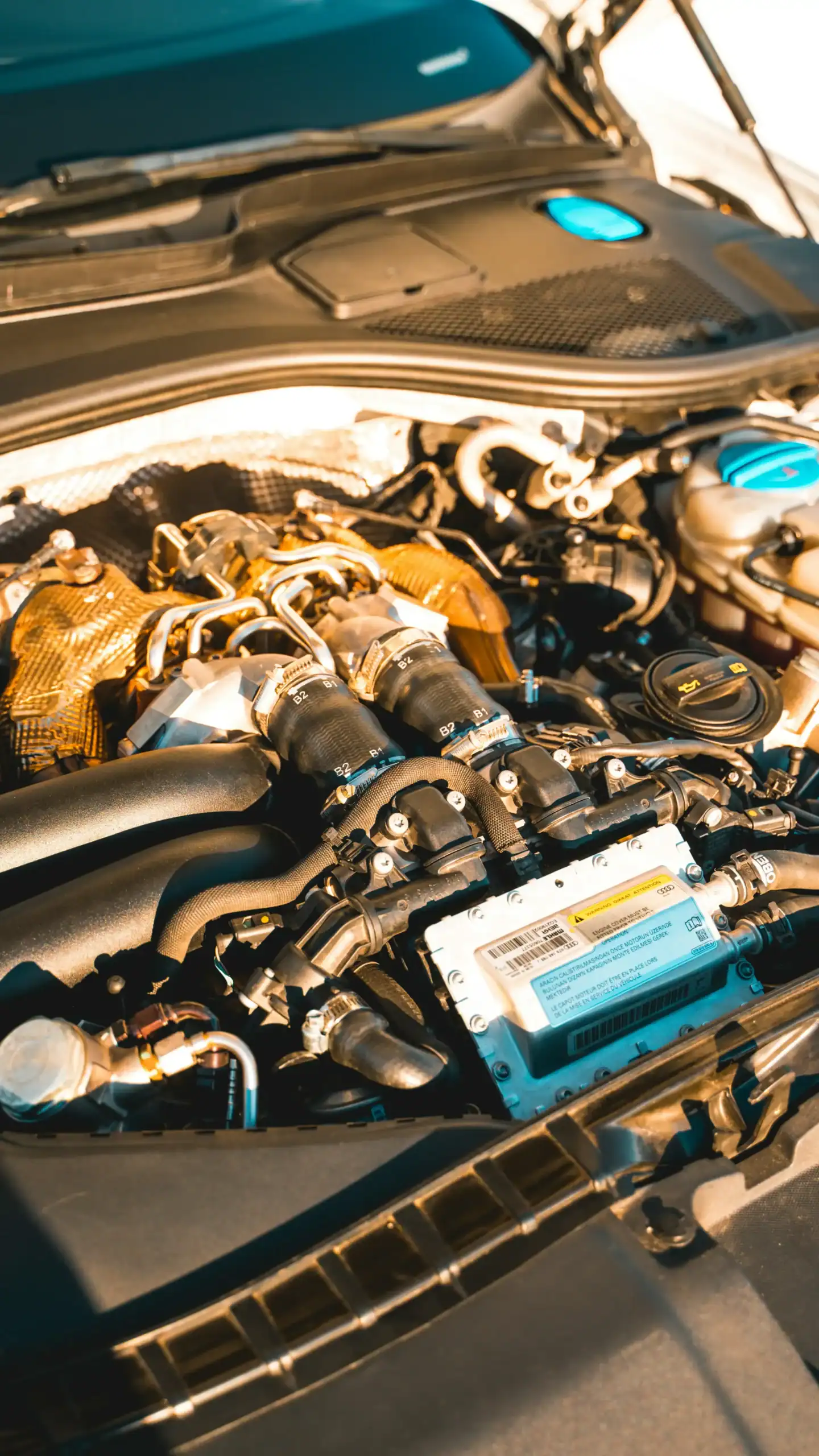
أصلح مشكلات البطارية وكابل الطاقة
استبدال البطارية يكلّفك $15–25 للوحدة — أوقف ذلك عند الشاحن.
بالنسبة لمكانس السيارات السلكية، غالبًا ما يكون أول عطل متعلق بالطاقة هو كابل مكسور عند واقي الإجهاد. استخدم مقياسًا متعددًا مضبوطًا على وضع الاستمرارية: المس المجسات بطرفي القابس وأطراف الأسلاك الداخلية. إذا كانت الدائرة مفتوحة بعد المفتاح، فإن الكابل مقطوع. إصلاح سلك تالف يكلّف أقل من $0.50 في القطع، لكن استبدال وحدة كاملة لأن السلك سُحب يرفع تكاليف الضمان لديك بمعامل 10.
حزم أيونات الليثيوم المخزنة بشحن كامل تتدهور بنسبة 30% أسرع في السنة الأولى. يجب على المستخدمين النهائيين تخزين المكنسة عند شحن 40–60% إذا لم تُستخدم لأكثر من أسبوعين. التفريغ العميق—تشغيل البطارية تحت 3.0 فولت لكل خلية—يضر بالكيمياء الداخلية بشكل لا رجعة فيه. حزمتنا بسعة 2000 مللي أمبير في الساعة تتضمن قاطع الجهد المنخفض عند 3.2 فولت، لكن المستخدم الذي يتجاهل ضوء التحذير ويجبر المحرك على السحب سيظل يقتل الخلية خلال 10 دورات.
-
- تكلفة الاستبدال: تُعد عمليات استبدال البطارية نفقة #1 لما بعد البيع للمكانس الكهربائية للسيارات اللاسلكية، وتمثل حوالي 35% من جميع أسباب الإرجاع. وتكلف كل بطارية مستبدلة الموزع $8–$12 كقطع غيار بالإضافة إلى الخدمات اللوجستية وضرر مصداقية العلامة التجارية.
- إصلاح نقطة الضعف: في اختبار العمر المتسارع (محاكاة عامين من الاستخدام اليومي)، تم اكتشاف وصلة لحام ضعيفة عند موصل البطارية في دفعة مبكرة. تم تعزيز هذا الاتصال بلوحة أكبر وتقنية لحام مزدوج — وهو وضع عطل يؤثر على 1 من كل 50 وحدة من تصاميم المنافسين تم القضاء عليه تمامًا في CV-2000.
الشاحن هو المكان الذي تكسب فيه معظم مكاسب عمر الدورة. الشاحن الذكي المعتمد من UL الذي ينتهي عند 4.20 فولت ±0.3% بدلاً من 4.35 فولت العام سيعمل على تمديد إجمالي دورات البطارية بنسبة 20%. يأتي جهاز CV-2000 مزودًا بشاحن مدرج في قائمة UL يلبي تلك المواصفة. كل 150 دورة إضافية تقدمها للمستخدم النهائي تترجم مباشرة إلى عدد أقل من مطالبات الضمان وسمعة أقوى لعلامتك التجارية.
كيفية منع المرتجعات عبر جدول صيانة
جدول الصيانة المنظم يقلل شكاوى الموزعين بنسبة 40% — إليك ما ينجح.
ابدأ بالأساسيات: يجب إفراغ حاوية الغبار بعد كل استخدام. الحاوية الممتلئة تخنق تدفق الهواء فورًا، وتحاكي عطل المحرك. حاويتنا الشفافة تجعل ذلك واضحًا بصريًا — لا تخمين. المستخدمون النهائيون الذين يتخطون هذه الخطوة يمثلون 45% من تذاكر الدعم الأولى. أدرج تذكيرًا من سطر واحد في ملحق التغليف.
-
- فاصل تنظيف الفلتر: اغسل الفلتر الأولي الإسفنجي كل 5 مرات استخدام، وفلتر HEPA كل 30 مرة. استخدم الماء البارد فقط، وجففه بالهواء لمدة 24 ساعة. الفلتر الرطب يسمح للرطوبة بالوصول إلى المحرك، مما يسبب 60% من شكاوى الشفط. تصميمنا المزدوج الطبقات من HEPA القابل للغسل + شبكة الفولاذ المقاوم للصدأ يخفض تكرار الانسداد إلى النصف مقارنة بالوحدات أحادية الإسفنج.
- صيانة البطارية: بالنسبة لحزم الليثيوم أيون بسعة 2000 مللي أمبير/ساعة، أرشد المستخدمين النهائيين إلى الشحن كل 3 أشهر حتى عند عدم الاستخدام. خزّنها عند شحن من 40 إلى 60%. التفريغ العميق هو السبب الرئيسي لاستبدال البطارية — شاحننا المعتمد من UL يطيل عمر الدورة بنسبة 20%. هذا وحده يقلل تكاليف ما بعد البيع بنحو 15%.
يعمل الجدول الاستباقي لأن 70% من حالات الإرجاع تعود إلى انسدادات بسيطة أو بطاريات فارغة — وليس عيوبًا في المحرك. الموزعون الذين يضعون بطاقة صيانة في كل صندوق يبلغون عن انخفاض بمقدار 40 نقطة في تذاكر الدعم على مستوى الوكلاء. ندرج أدلة جاهزة للطباعة ونماذج تسجيل الضمان في كل شحنة بالجملة. دون أي تكلفة إضافية. ولا حاجة لأي عمل تصميمي من جانبك.
الحساب مباشر: كل وحدة معادة تكلفك $15–$25 في الخدمات اللوجستية وضرر العلامة التجارية. دليل الصيانة المكوّن من صفحة واحدة يكلف أقل من دولار لإدراجه. معدل العيوب في المصنع أقل من 0.5% بعد الفحص الثلاثي؛ جميع الأعطال الميدانية تقريبًا يمكن للمستخدم منعها. امنح عملاءك الأدوات اللازمة لتجنبها، وسينخفض معدل مطالبات الضمان وفقًا لذلك.
الخاتمة
تعود معظم مرتجعات مكانس السيارات إلى الانسدادات وإهمال الفلاتر — وليس عطل المحرك. الموزع الذي يزود العملاء بروتين صيانة واضح يمكنه خفض المرتجعات الميدانية بنسبة 30% وتجنب تكلفة الخدمات اللوجستية $15–25 لكل وحدة. خيارات هندسية مثل الترشيح مزدوج الطبقات وتحوّل اللفات المضادة للأكسدة هذا الإجراء الروتيني من عناء إلى عملية متوقعة ومنخفضة العيوب.
راجع تشكيلة المنتجات التي تُشحن مع دليل استكشاف الأخطاء وإصلاحها الجاهز للاستخدام، وحماية القطع الحراري، وبطاقة تسجيل الضمان — مواد يمكن لفريق الدعم لديك تسليمها مباشرةً للمشترين. يبدأ طراز CV-2000 من 500 وحدة مع تغليف العلامة الخاصة. المواصفات وأسعار الجملة وتفاصيل دعم الموزعين موجودة على صفحة المنتج.
الأسئلة المتداولة
كيف تصلح نظام الفراغ غير العامل في السيارة؟
ابدأ بفحص حاوية الغبار والفلتر والخرطوم بحثًا عن انسدادات—فنسبة 70٪ من مشاكل عدم العمل تعود إلى الانسدادات، وليس عطل المحرك. غالبًا ما يحل الفحص البصري السريع للفلتر والخرطوم المشكلة دون أدوات. قم بإزالة الانسدادات قبل التفكير في استبدال المحرك.
كيفية إصلاح مكنسة كهربائية للسيارة؟
تتضمن معظم الإصلاحات تنظيف الفلتر أو استبداله وإزالة انسدادات الخرطوم — 60% من شكاوى الشفط سببها الفلاتر المهملة. إذا كانت الوحدة لا تعمل بعد ذلك، فتحقق من نقاط تلامس البطارية أو. حدد موعدًا لتنظيف الفلتر كل 5 مرات استخدام لتقليل الحاجة إلى الإصلاحات.
ماذا أفعل إذا فقدت مكنسة سيارتي قوة الشفط؟
نظّف الفلتر الأولي الإسفنجي كل 5 مرات استخدام، وفلتر HEPA كل 30 مرة استخدام، باستخدام الماء البارد فقط. الانخفاض المفاجئ في الشفط عادةً ما يعني انسدادًا، بينما يشير الفقدان التدريجي إلى مشكلة أخرى. جفف الفلتر لمدة 24 ساعة قبل إعادة تركيبه لحماية المحرك.
هل يمكن لمكنسة السيارة أن تسد الخرطوم؟
نعم—الشعر والحطام الصغير الذي يتجاوز الفلتر الأساسي يسبب 30% من انسدادات الخرطوم. تصميمات الخرطوم الشفافة تتيح لك رؤية الانسدادات قبل أن تفرط في تحميل المحرك. ادفع الانسدادات للخارج بعصا المكنسة أو اغسلها بالماء وجففها تمامًا.
لماذا تظل مكنستي المحمولة تنطفئ؟
على الأرجح ارتفاع درجة الحرارة بسبب انسداد الفلتر أو الخرطوم—تعمل الحماية الحرارية على إيقاف التشغيل لمنع احتراق المحرك. تنظيف الفلتر يستعيد تدفق الهواء المناسب ويوقف ذلك. إذا كان الفلتر نظيفًا، فقد تكون البطارية في نهاية عمرها الافتراضي وتحتاج إلى استبدال.

 English
  Español
  Français
  Deutsch
  Português do Brasil
  Русский
  한국어
한국어  日本語
日本語  العربية