 تخطي إلى المحتوى الرئيسي تخطي إلى التذييل

تعد خطة إنقاذ المضخة المدمجة القوية ضرورية لتجار التجزئة الذين يديرون مطالبات ضمان المراتب الهوائية. عندما يتعطل محرك مدمج، يتم إرجاع المنتج بالكامل، مما يؤدي مباشرة إلى تآكل هوامش الربح والإضرار بسمعة العلامة التجارية.
يقيس هذا التحليل المضخات الخارجية مقابل معيار تدفق هواء يتراوح بين 140-500 لتر/الدقيقة. نقوم بتقييم الموردين على خيارات الطاقة المتنوعة - مثل طرازات التيار المستمر بجهد 12 فولت والبطاريات الجافة - وقدرات مصنعي المعدات الأصلية لتأمين ملحق يمكن الاعتماد عليه وذو قيمة مضافة لعملائك.
سيناريو “المحرك الميت”: ماذا تفعل عندما تتعطل المضخة المدمجة؟
إذا تعطلت المضخة المدمجة، افحص الطاقة وفلتر السحب أولاً. إذا كانت معطلة بالفعل، فإن أفضل حل هو مضخة هواء كهربائية محمولة منفصلة.
مضخة المراتب الهوائية المدمجة مريحة حتى لا تكون كذلك. عندما يتعطل المحرك، ليس بالضرورة أن تتعطل المضخة. الخطوة الأولى هي التشخيص السريع. إذا كان المحرك معطلاً بالفعل، فإن المضخة الخارجية المحمولة ليست مجرد مضخة احتياطية - فهي غالباً ما تكون أداة أكثر قوة وتنوعاً في العمل.
| مشكلة المضخة المدمجة | محلول بمضخة خارجية |
|---|---|
| احترق المحرك أو احترق المحرك أو تعطل. | يتجاوز تماماً المحرك الداخلي المكسور. |
| يعتمد على مقبس حائط. | طاقة مرنة: قابس سيارة 12 فولت، أو قابلة لإعادة الشحن، أو طرازات البطارية الجافة. |
| الفلتر مسدود، مما يتسبب في ارتفاع درجة الحرارة. | وحدة مستقلة مزودة بمأخذ نظيف وعالي التدفق خاص بها. |
| محصورة في حالة استخدام واحدة. | يمكن استخدامها في عوامات حمام السباحة والقوارب وأكياس التخزين بالتفريغ. |
تحديد نقاط الفشل الشائعة والإصلاحات السريعة
قبل أن تتخلى عن المضخة، راجع قائمة التحقق هذه. هذه المشاكل مسؤولة عن عدد مذهل من “الإخفاقات”.”
- تحقق من مصدر الطاقة: تأكد من أن السلك غير مهترئ وأن المقبس يعمل بالفعل. قد يكون سلك التمديد التالف هو السبب أيضاً.
- قم بتنظيف فلتر سحب الهواء: يجبر الفلتر المسدود بالغبار أو شعر الحيوانات الأليفة المحرك على العمل بجهد أكبر، مما يؤدي إلى ارتفاع درجة حرارته ويؤدي إلى إيقاف التشغيل الحراري.
- اسمح بفترة تهدئة: معظم المضخات المدمجة غير مصممة للتشغيل لأكثر من خمس دقائق متواصلة. إذا كنت تقوم بنفخ عدة أغراض، فقد يكون للمحرك فتيل حراري يحتاج إلى وقت لإعادة ضبطه. دعه يرتاح.
- استمع إلى النوبة الحركية: إذا سمعت صوت طحن أو طنين قبل أن يتوقف، فربما تكون الحطام الصغير قد أدى إلى تشويش الأجزاء الداخلية. من المحتمل أن يكون المحرك غير قابل للإصلاح في هذه المرحلة.
استخدام مضخة خارجية كنسخة احتياطية موثوقة
عندما يتم التأكد من تعطل المحرك المدمج، فإن المضخة الخارجية هي الحل الأكثر عملية. إنها أداة متخصصة تقوم بشيء واحد بشكل جيد للغاية: تحريك الكثير من الهواء بسرعة.
- تجاوز المشكلة المضخة الخارجية الجيدة تجعل المحرك الميت غير ذي صلة. ما عليك سوى توصيلها بصمام المرتبة والنفخ.
- طاقة لأي موقف: استخدم موديلاً مزوداً بقابس سيارة بجهد 12 فولت عند التخييم، أو احتفظ بمضخة طوارئ للبطارية الجافة في متناول اليد عند انقطاع التيار الكهربائي. لا تعتمد أبداً على مقبس حائط.
- تدفق هواء فائق: تدفع المضخة المخصصة ذات الحجم الكبير والضغط المنخفض (HVLP) ما بين 140-500 لتر من الهواء في الدقيقة. وستقوم بنفخ المرتبة في غضون دقيقتين فقط، وهي سرعة لا يمكن للطرق اليدوية أن تضاهيها.
- استخدام متعدد الاستخدامات: المضخة المحمولة ليست فقط لمرتبتك. استخدمها لألعاب حمام السباحة والقوارب القابلة للنفخ وغيرها من الأغراض، مما يجعلها قطعة مفيدة أكثر بكثير.
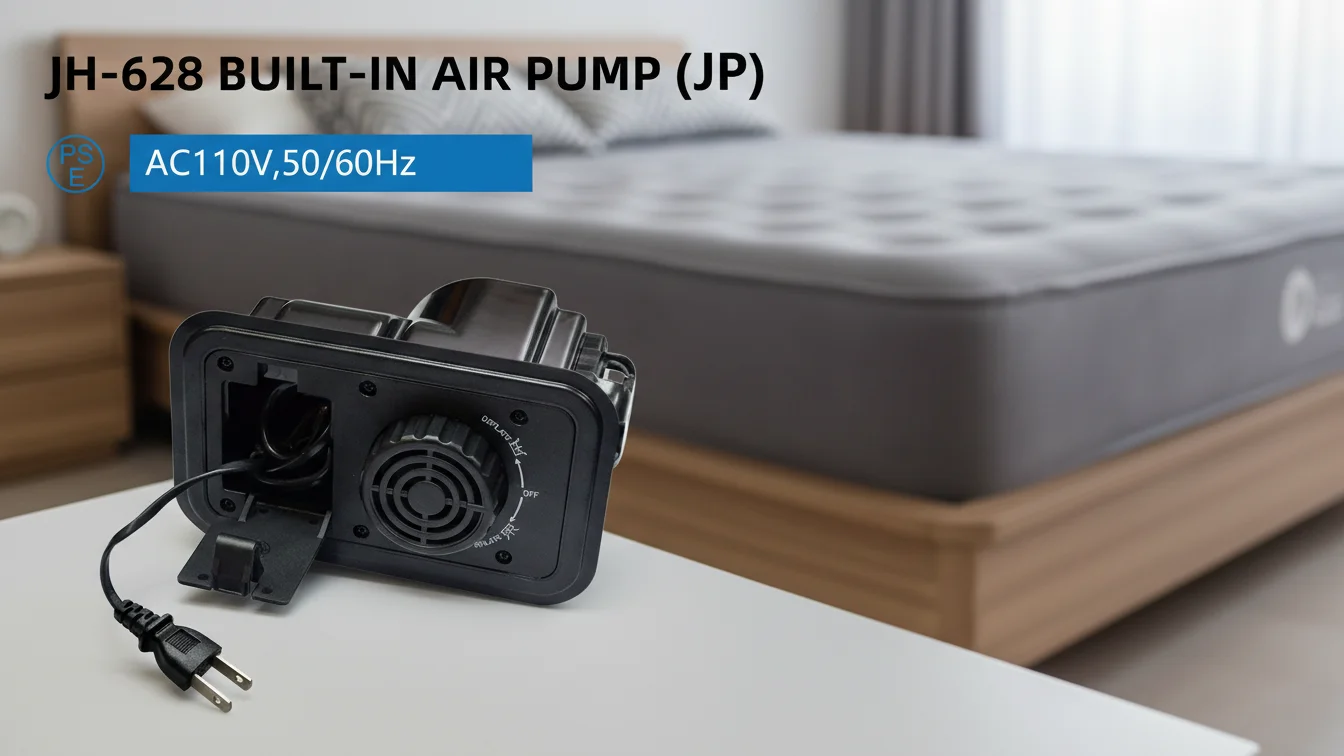
أين يتم إخفاء “الصمام اليدوي” على أسرة المضخات المدمجة؟
الصمام اليدوي على مرتبة هوائية مزودة بمضخة مدمجة هو فتحة منفصلة للنفخ الاحتياطي. وعادة ما يكون موجوداً بعيداً عن وحدة المضخة الكهربائية.
تحديد موقع الصمام الاحتياطي الثانوي
فكّر في الصمام اليدوي كوسيلة أمان ضد الأعطال. إنها فتحة منفصلة تماماً عن المضخة الكهربائية المدمجة، وهي مصممة للحالات التي لا تتوفر فيها الطاقة. لا تبحث عنه داخل مبيت المضخة؛ إنه منفذ مستقل.
عادةً ما يبدو كصمام هواء قياسي مع غطاء بسيط أو قابس من جزأين تراه على أي سرير قابل للنفخ غير كهربائي. تحقق من جوانب المرتبة، غالباً ما تكون بالقرب من رأس أو قدم السرير، للعثور على هذا المنفذ الثانوي.
التوافق مع فوهات المضخة الخارجية
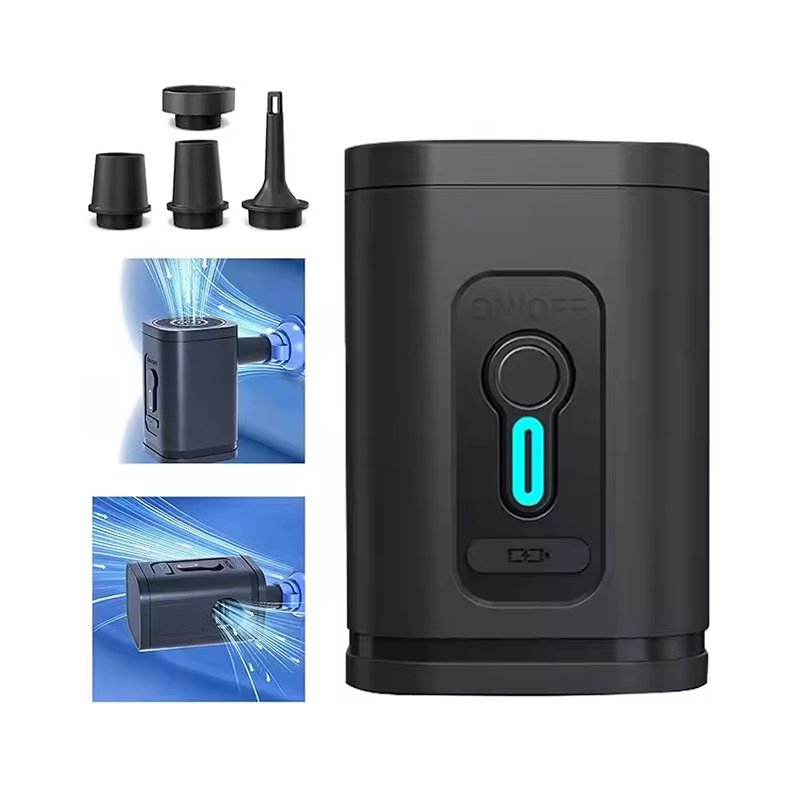
هذا الصمام اليدوي هو نقطة التوصيل لمضخة خارجية، سواء كانت وحدة تعمل بالبطارية أو مضخة قدم يدوية. معظمها مصمم للعمل مع مجموعة فوهة عالمية، وهي معدات قياسية لأي مضخة محمولة عالية الجودة. تتضمن هذه الأطقم عادةً ثلاثة أحجام متشابكة.
- فوهة صغيرة: للأغراض الصغيرة مثل خواتم السباحة أو الوسائد.
- فوهة متوسطة: الحجم القياسي لمعظم صمامات المراتب الهوائية.
- فوهة كبيرة: لنفخ العناصر الكبيرة بسرعة مثل القوارب أو أحواض السباحة القابلة للنفخ.
إن استخدام وظيفة تفريغ الهواء من المضخة الخارجية من خلال هذا الصمام نفسه هو أيضاً أسرع طريقة لإخراج كل الهواء. فهي تقوم بشفط المرتبة بشكل مسطح، مما يجعل طيها وتخزينها بشكل صحيح أسهل بكثير.
مصدر مضخات هواء عالية الأداء وقابلة للتخصيص بالكامل
منطق التكلفة: اشترِ مضخة خارجية $20 مقابل مضخة خارجية $100 جديدة.
إذا كانت مرتبتك الهوائية تتسرب من ختم المضخة المدمج، وليس من ثقب، فإن المضخة الخارجية التي تحتوي على مضخة خارجية ~$20 هي الحل. فهي تتجاوز الختم السيئ، مما يوفر لك حوالي $100.
تشخيص الفشل: ختم المضخة مقابل ثقب الفراش
لا تفشل العديد من المراتب الهوائية المزودة بمضخات مدمجة بسبب وجود ثقب في الفينيل. إنها تفشل لأن وحدة المضخة نفسها تتسرب ببطء من خلال ختمها الداخلي. جسم المرتبة على ما يرام، ولكن مجموعة المضخة لا تستطيع تحمل الضغط على مدار ليلة كاملة.
توفر المضخة الخارجية حلاً بسيطاً وفعالاً. فهي تتصل بالصمام اليدوي المنفصل للمرتبة، متجاوزةً المضخة المدمجة المعطوبة ومانع التسرب الخاص بها. ستحصل على سرير يعمل بكامل طاقته مرة أخرى دون الحاجة إلى ترقيع أي شيء.
استعادة الوظيفة مع تدفق الهواء عالي الحجم والانكماش
لا تفترض أن المضخة الخارجية تمثل انخفاضاً في الأداء. يوفر الطراز الكهربائي عالي الجودة تدفق هواء عالي الحجم، عادةً ما بين 140 إلى 500 لتر في الدقيقة. وهذا أكثر من كافٍ لنفخ سرير بحجم كوين بنفس سرعة الوحدة المدمجة الأصلية.
تحتاج أيضًا إلى مضخة مزودة بوظيفة تفريغ الهواء. عندما تتوقف المضخة الأصلية عن العمل، تفقد القدرة على شفط كل الهواء. تقوم خاصية تفريغ الهواء الموجودة في المضخة الخارجية بهذه المهمة، مما يتيح لك جعل المرتبة مسطحة بما يكفي لطيها بإحكام ووضعها مرة أخرى في حقيبة التخزين الخاصة بها.

“الخطة الاحتياطية”: لماذا يحتاج كل سائق عربة متنقلة إلى وحدة محمولة تحسباً لأي طارئ؟
يتطلب السفر بالمركبات الترفيهية مضخة هواء احتياطية. فالوحدات المدمجة تتعطل ومصادر الهواء عن بُعد لا يمكن الاعتماد عليها، ولكن الوحدة المحمولة التي تعمل بالتيار المستمر بجهد 12 فولت أو التي تعمل بالبطارية تضمن لك نفخ الهواء في أي مكان.
عند تعطل المضخات في الموقع والمضخات المدمجة
لا يلتزم سائقو العربات المتنقلة بالمدن. فهم يسافرون إلى مواقع التخييم والمتنزهات البعيدة حيث تكون مرافق الخدمة على بعد أميال أو غير موجودة. إن الاعتماد على العثور على مصدر هواء يعمل على الطريق هو مقامرة. فمضخات محطات البنزين، على سبيل المثال، مصممة للإطارات ذات الضغط العالي، وليس للإطارات ذات الحجم الكبير. غالباً ما تفتقر إلى تدفق الهواء لملء مرتبة هوائية كبيرة وقد لا تحتوي على الفوهة المناسبة.
تخلق المعدات التي يجلبها الناس معهم مخاطرها الخاصة. فالمرتبة الهوائية المزودة بمضخة مدمجة مريحة إلى أن يحترق محركها. عندما يحدث ذلك، يصبح السرير بأكمله عديم الفائدة إلا إذا كان يحتوي على صمام منفصل ولديك طريقة أخرى لنفخه. يمكن لنقطة الفشل الوحيدة هذه أن تفسد نوم ليلة كاملة بسهولة.
تعدد الاستخدامات مع خيارات البطارية الجافة بجهد 12 فولت تيار مستمر وبطارية جافة
تحل المضخة المخصصة والمحمولة هذه المشاكل بخيارات طاقة موثوقة. يمكن تشغيل الطراز المزوّد بقابس سيارة بجهد 12 فولت تيار مستمر مباشرةً من بطارية عربة سكن متنقلة أو بطارية عربة القطر. وهذا ما يجعلها مثالية لنفخ المعدات في أي موقع تخييم أو محطة توقف على جانب الطريق، مستقلة تماماً عن شبكات الطاقة الخارجية.
لراحة البال الحقيقية خارج الشبكة، توفر الوحدات التي تعمل ببطاريات AA أو D-Cell نسخة احتياطية مضمونة. فهي تعمل أثناء انقطاع التيار الكهربائي أو في المواقف البعيدة عن السيارة، مما يضمن لك عدم تركك أبداً مع مرتبة مسطحة أو عوامات مسبح مفرغة من الهواء. إن وجود خيارات الطاقة هذه يعني أنه يمكن لعملائك نفخ أي شيء يحتاجون إليه، بغض النظر عن مكان وجودهم أو المعدات التي تعطلت.
الأسئلة المتداولة
هل يمكنني استخدام مضخة خارجية على المرتبة إذا كانت المضخة المدمجة بها معطلة؟
نعم، يمكنك ذلك. تحتوي معظم المراتب الهوائية على صمام متوافق مع المضخات الخارجية. تأتي العديد من المضخات المحمولة مع محولات فوهة عالمية لتناسب أحجام الصمامات المختلفة، مما يجعلها حلاً بسيطاً.
أين يوجد منفذ النفخ اليدوي على سرير هوائي مزود بمضخة مدمجة؟
عادة ما يوجد منفذ النفخ اليدوي مباشرة على مبيت المضخة الكهربائية المدمجة. ابحث عن غطاء صغير يمكن فكه أو فتحه للسماح بالنفخ اليدوي.
هل من الأرخص شراء مضخة خارجية أم استبدال المرتبة بأكملها؟
دائماً ما يكون شراء مضخة خارجية جديدة أرخص بكثير. المضخة الكهربائية المحمولة هي استثمار صغير مقارنة بتكلفة مرتبة هوائية جديدة تماماً، مما يجعلها الخيار الأكثر توفيراً إذا لم يكن في المرتبة نفسها تسربات.
هل تنفخ المضخة الخارجية بنفس سرعة المضخة المدمجة؟
تنفخ المضخة الخارجية القوية التي تعمل بالتيار المتردد أو المضخة الخارجية القابلة لإعادة الشحن بنفس سرعة معظم المضخات المدمجة، عادةً في غضون 3-5 دقائق. أما المضخات اليدوية اليدوية أو مضخات القدم فهي أبطأ بكثير، حيث تستغرق من 8 إلى 15 دقيقة وتتطلب جهداً بدنياً.
كم مرة يمكن لمضخة قابلة لإعادة الشحن نفخ مرتبة بشحنة واحدة؟
يمكن لطرازات بطاريات الليثيوم التي نقدّمها عادةً نفخ 15-20 مرتبة هوائية مفردة بشحنة واحدة كاملة، وهو أكثر من كافٍ لرحلة تخييم عادية في عطلة نهاية الأسبوع.
خاتمة
توفر لك المضخة الرخيصة دولارًا واحدًا ولكنها تكلفك أكثر بكثير في المرتجعات عندما تتعطل في أول رحلة للعميل. تستخدم مضخاتنا ذات الحجم الكبير والضغط المنخفض (HVLP) محركات بدون فرش وبطاريات معتمدة لمنع هذه الأعطال بالضبط. إن تخزين معدات موثوقة هو ما يبني ثقة التاجر ويحمي هوامش أرباحك.
لا تخمن الأداء - تحقق منه. اطلب عينة من المجموعة لاختبار تدفق الهواء وعمر البطارية بشكل مباشر. اتصل بفريقنا لمناقشة متطلباتك من صانعي المعدات الأصلية والحصول على عرض أسعار.

 English
  Español
  Français
  Deutsch
  Português do Brasil
  Русский
  한국어
한국어  日本語
日本語  العربية