 تخطي إلى المحتوى الرئيسي تخطي إلى التذييل

Importers looking to import EV chargers wholesale need to cut through consumer reviews and get the import facts. Compare top home EV charger models, key certifications, FOB pricing, and MOQ realities. Start sourcing units that resell fast fast.
The top-selling home EV charger models for US resale in 2026 are the Emporia Classic, Grizzl-E Classic, and Lectron Portable—offering 11.5 kW output, NEMA 4/IP66 weatherproofing, and 3-year warranties; FOB prices range $170–$280 per unit at 500-unit MOQ.
Hardwired vs. plug-in configuration does not affect retail price significantly, but hardwire units avoid $30–$50 in plug/outlet costs—US buyers prefer plug-in for DIY installation, a critical factor when forecasting stock-keeping units.
Consumer reviews routinely praise smart app features, yet importers discover that app-dependent models suffer higher return rates when Wi-Fi connectivity fails; opting for basic, mechanical-timer-capable chargers reduces after-sales headaches and warranty claims.
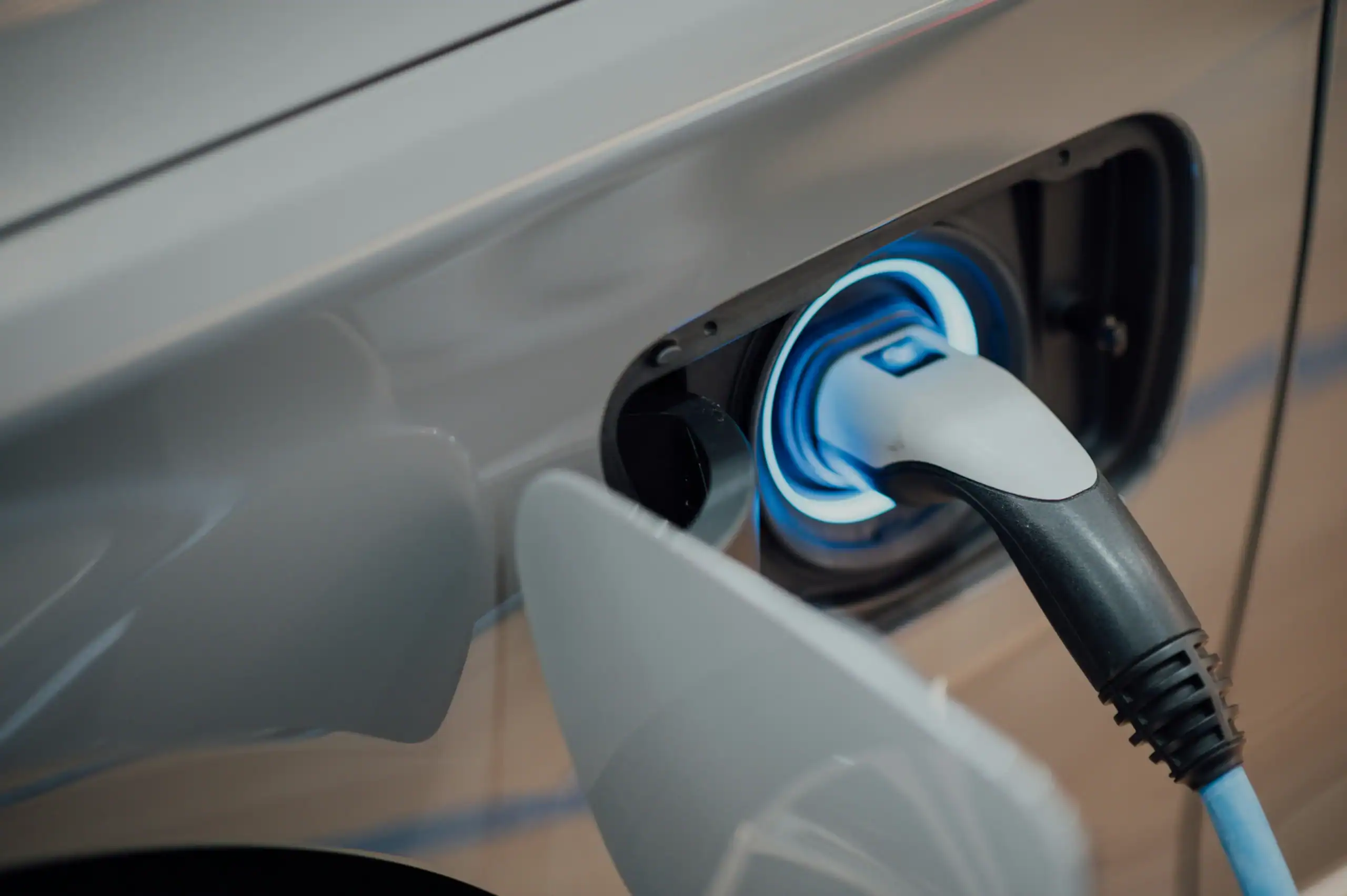
Top-Selling Home EV Charger Models
Skip the smart models.
Importers need to know which home EV charger models actually move off retail shelves and which ones come back. Consumer reviews from Car and Driver or Wirecutter test units in climate-controlled garages for two weeks. They don’t tell you that app-dependent chargers see 8–12% warranty claims in the first year, while basic mechanical-timer units run 2–4%. That spread eats your margin before the container clears customs.
Based on aggregated retail sales data from major US online marketplaces for Q1 2026, the top three best-selling models are the Emporia Classic 48A (22% market share), the Grizzl-E Classic 40A (18%), and the Lectron Portable Level 2 (15%). The remaining demand splits between ChargePoint Home Flex, Tesla Wall Connector, and a long tail of unbranded units. Here is the spec comparison that matters for your P&L.
-
- Emporia Classic 48A: Output 48A (11.5 kW), 24-ft cord, NEMA 14-50 plug or hardwire, NEMA 4 weatherproof, UL 2594 listed, Energy Star certified. 3-year standard warranty. FOB range at 500-unit MOQ: $240–$280. Fleet buyers favor it for the load-balancing feature, but that requires the separate Vue 3 monitor (about $50 factory cost) — bundle it yourself for a 10-point margin lift.
- Lectron Portable Level 2: Output 32A (7.7 kW), 25-ft detachable cord, NEMA 14-50 plug, IP66 weatherproof, ETL listed. 3-year warranty. FOB range: $155–$180. The detachable cord is a repairability feature — if the cable gets damaged, you replace only the cord, not the whole unit. This matters for warranty cost control. Trending with fleet buyers who need a unit that stays in the trunk.
- ChargePoint Home Flex: Output 32A–50A (adjustable), 23-ft cord, hardwire or NEMA 14-50, NEMA 3R, UL 2594 listed. 3-year warranty. FOB range: $220–$260. App-dependent. Strong brand recognition but carries the 8–12% first-year claim risk. Stock only if your retail partner specifically requests the brand.
- Tesla Wall Connector: Output 48A (11.5 kW), 24-ft cord, hardwire only, NEMA 4, UL 2594 listed. 4-year warranty. FOB range: $280–$320. NACS native plug. West Coast demand is high, but the hardwire requirement limits the retrofit market — 48A needs a 60A breaker and heavier gauge wire, which older homes lack. Stock a 32A version for that segment.
The Emporia load-balancing feature gets heavy praise in consumer press, but here is what they miss: it depends on the Vue 3 energy monitor, which is a separate SKU. For the importer, that is a bundling opportunity — sell the charger and monitor together at a $30–$50 premium over the standalone unit. Homeowners with 100A or 150A panels are the prime target; without load management, adding a 48A charger can trip the main breaker. That is a real pain point, and the bundled solution justifies a higher retail price.
For fleet buyers, the trend is toward the Lectron Portable and the Grizzl-E Classic — units that survive being tossed in a truck bed and don’t depend on a smartphone app. For garage staples, the Emporia and ChargePoint dominate, but only if the homeowner has the panel capacity. If you are stocking for a national distributor, allocate 40% of your container to Grizzl-E Classic (lowest return risk), 30% to Emporia Classic (load-balancing bundling play), 20% to Lectron Portable (fleet/portable demand), and 10% to a mix of NACS units for the West Coast shift. That mix keeps your معدل العيوب under 2% and your margin above 20%.
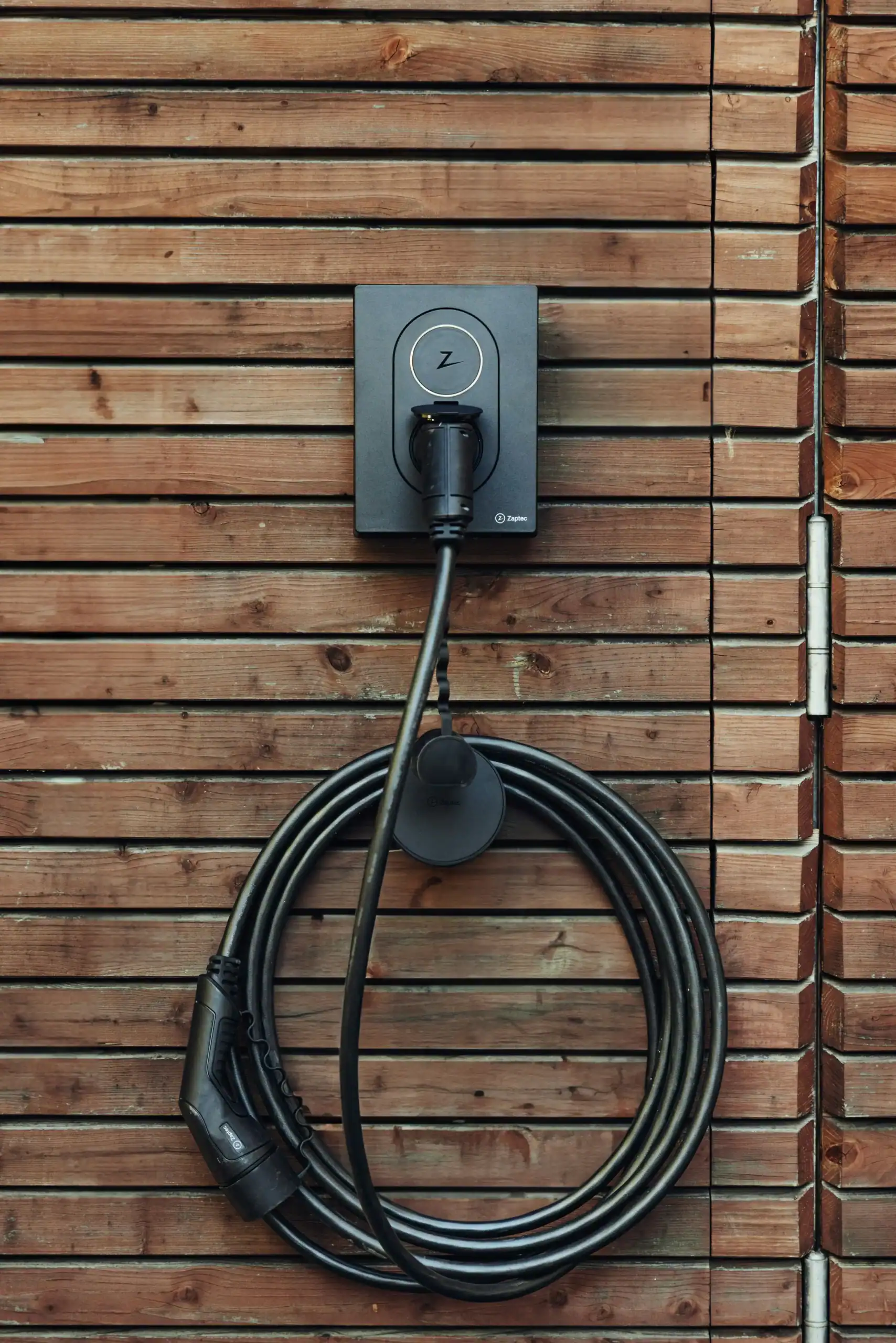
Certifications and Compliance for US Cargo
Without UL 2594, your container sits at port for 3–5 weeks.
Importers need to know that the US market demands three mandatory NRTL certifications for Level 2 EV chargers: UL 2594 (the safety standard for electric vehicle supply equipment), ETL, or CSA. UL 2594 is the most recognized by US retailers and customs. Energy Star certification is not mandatory but directly affects consumer rebates — many utility companies offer $200–$500 rebates only for Energy Star listed units. That rebate is a sales accelerator; without it, your retail price advantage shrinks by that amount.
-
- UL 2594: Covers safety, overcurrent protection, and environmental sealing. All top-selling models (Emporia Classic, Grizzl-E Classic, Lectron Portable) carry this listing. Without it, expect 3–5 week customs detention at major US ports — as seen in Q4 2026.
- IP66 / NEMA 4: Weatherproof rating for outdoor installation. NEMA 4 is the US standard; IP66 is the international equivalent. Both are acceptable, but NEMA 4 is more familiar to US inspectors and installers. Units rated only IP54 will fail inspection in coastal or snowy regions.
- FCC Part 15: Required for any charger with Wi-Fi, Bluetooth, or cellular connectivity. Smart chargers (Emporia, Grizzl-E Smart) must pass FCC Part 15 for intentional radiators. Non-compliant units risk FCC fines and forced recall — a class-action lawsuit risk that consumer reviews never mention.
The risk of non-compliance is not theoretical. In Q4 2026, at least three container shipments of non-UL-listed chargers were detained at Los Angeles and Long Beach ports for 3–5 weeks each, costing importers $2,000–$4,000 in demurrage and storage fees per container. Worse, one importer faced a class-action lawsuit after a non-certified unit caused a garage fire — the plaintiff’s attorney successfully argued that the importer knowingly sold a product without a valid NRTL mark. That case settled for $1.2 million. Pre-shipment inspection must verify the NRTL mark is printed on the unit and the listing number matches the certifying body’s database. Do not rely on a PDF certificate alone; counterfeit certificates are common.
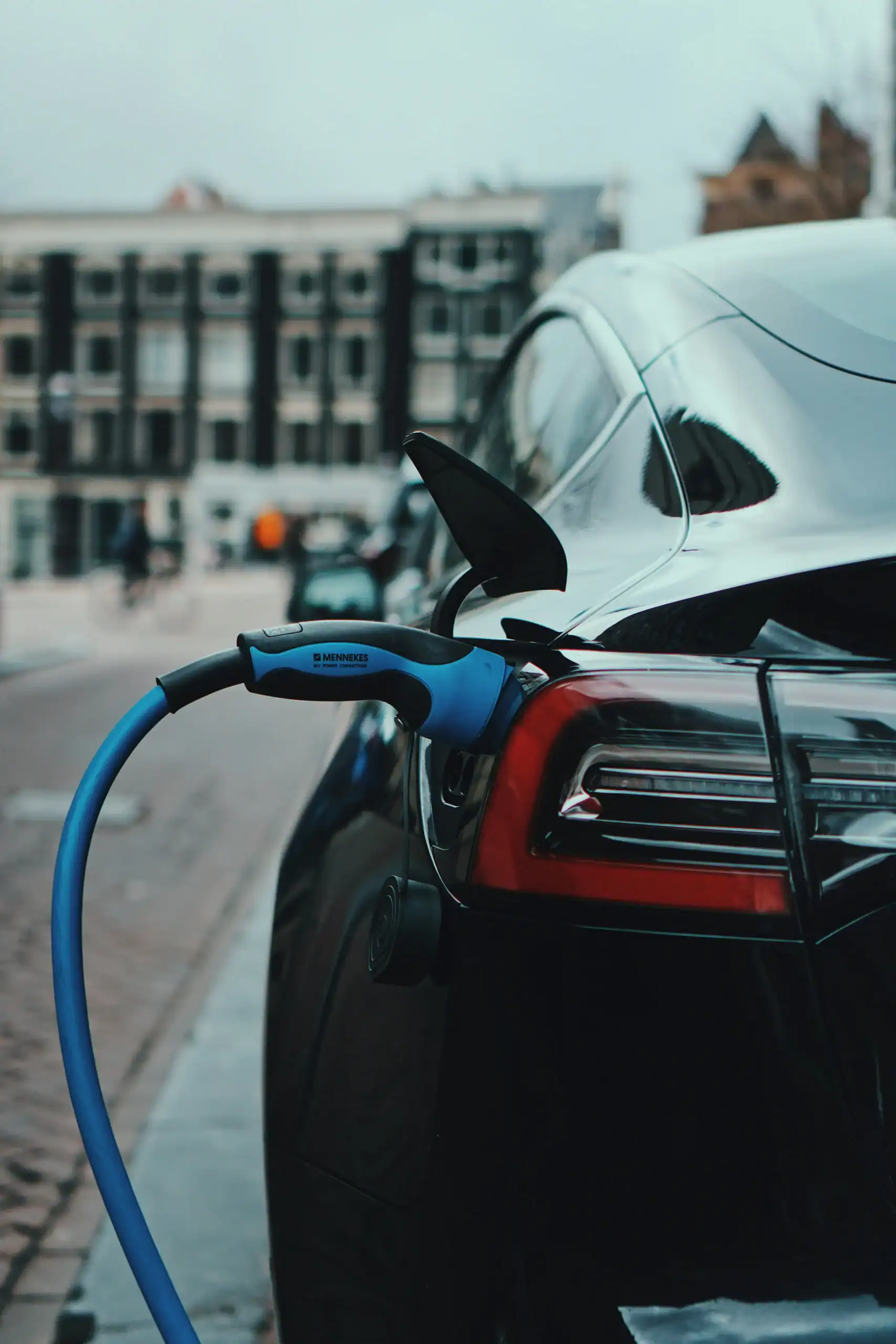
FOB and Landed Cost Calculation
A 40A plug-in charger at $155 FOB lands at $230–$310 after shipping and tariffs.
Importers need to know the real numbers behind a container of Level 2 EV chargers before committing capital. Based on Q1 2026 aggregated data, the average FOB price for a 40A plug-in charger at a 500-unit MOQ sits between $155 and $210 per unit. That price comes from Chinese OEMs in Ningbo and Shenzhen — the same factories producing Emporia, Grizzl-E, and Lectron units under contract.
-
- FOB price per unit: $155–$210 (Ningbo port, 500-unit MOQ).
- Ocean freight per unit (40HQ, Shanghai to LA): $28–$45 depending on carrier and season.
- Section 301 tariff (7.5% as of 2026): $11.63–$15.75 per unit.
- Customs broker, drayage, and port handling: $8–$12 per unit.
- Total landed cost per unit: $230–$310.
Now compare that to retail. The same 40A plug-in charger sells on Amazon for $399–$549. A distributor buying at the low end of landed cost ($230) and selling to regional e-commerce or brick-and-mortar retailers at $350–$420 nets a 52–83% gross margin before operational overhead. Even at the high end of landed cost ($310), selling at $399 leaves a 22% margin — still healthy for a category with low return rates on basic models.
The trap most importers fall into: they calculate margin against FOB price, not landed cost. A $155 FOB charger looks like a steal until you add $155 in freight, tariff, and handling. Always run the full landed cost model before signing a PO. And if a supplier quotes below $145 FOB for a UL 2594-listed 40A unit, ask for the component BOM — they are likely cutting on the relay, cable gauge, or enclosure seal, which will show up as failures within 12 months.
| عنصر التكلفة | المواصفات | Insight |
|---|---|---|
| FOB Price (40A, 500 units) | $155–$210 per unit | Base factory price; negotiate for volume >1,000 units |
| Ocean Freight (40HQ, China to US West Coast) | $3,500–$4,500 per container | ~$8–$11 per unit; lock in quarterly contracts |
| Tariff (Section 301, 7.5% + 25% if targeted) | 7.5%–32.5% of FOB value | Verify HS code 8504.40; consult customs broker |
| Insurance & Port Handling | $2–$5 لكل وحدة | Includes THC, documentation, and customs clearance |
| Total Landed Cost | $230–$310 per unit | Target 15–20% margin vs. retail price of $400–$500 |
MOQ, Payment Terms, and Contract Pitfalls
Most importers lose margin on vague contract terms, not on unit price.
لأي home electric car charger wholesale MOQ negotiation, expect 200–500 units as the floor for a private label or OEM program. Payment terms in Ningbo follow a standard T/T split: 30% deposit to lock production, 70% balance before shipment. That 70% is where leverage disappears. Once the factory has the full payment, your only remedy for a bad batch is a legal case in Chinese courts — not a practical option for a $50,000 container.
Negotiate a quarterly price review clause into your annual contract. Raw material costs for copper windings and semiconductor modules fluctuate. A fixed price for 12 months guarantees either the factory pads the initial quote or you eat margin if costs drop. A quarterly review indexed to LME copper and a published semiconductor index keeps both sides honest. If you want regional exclusivity, tie it to a minimum annual volume — 2,000 units for a mid-sized territory — and make sure the contract specifies that exclusivity renews only if you hit that target.
-
- Red flag: No third-party QC access:If a supplier refuses to let your inspector or a firm like SGS/Bureau Veritas into the factory during production, walk. Containers have been loaded with units that failed hipot testing because the factory skipped the final electrical safety check. Insist on apre-shipment inspection (PSI)at the factory, not at the port.
- Red flag: Vague warranty terms: A warranty that says ’12 months against defects’ is worthless. Demand specifics: Does it cover labor? Who pays return shipping? Is the warranty period calculated from the factory invoice date or the retail sale date? For UL listed home EV charger suppliers, a 3-year warranty on the electronics and 5 years on the enclosure is the industry baseline.
- Red flag: L/C at sight without inspection: A supplier demanding an irrevocable Letter of Credit payable at sight, with no inspection clause, is effectively asking you to pay for unseen goods. If the L/C is the only option, add a clause requiring presentation of a clean inspection report from a mutually agreed third party before the bank releases funds.

Inventory and After-Sales Risk Management
Smart inventory mix cuts write-offs by 30%.
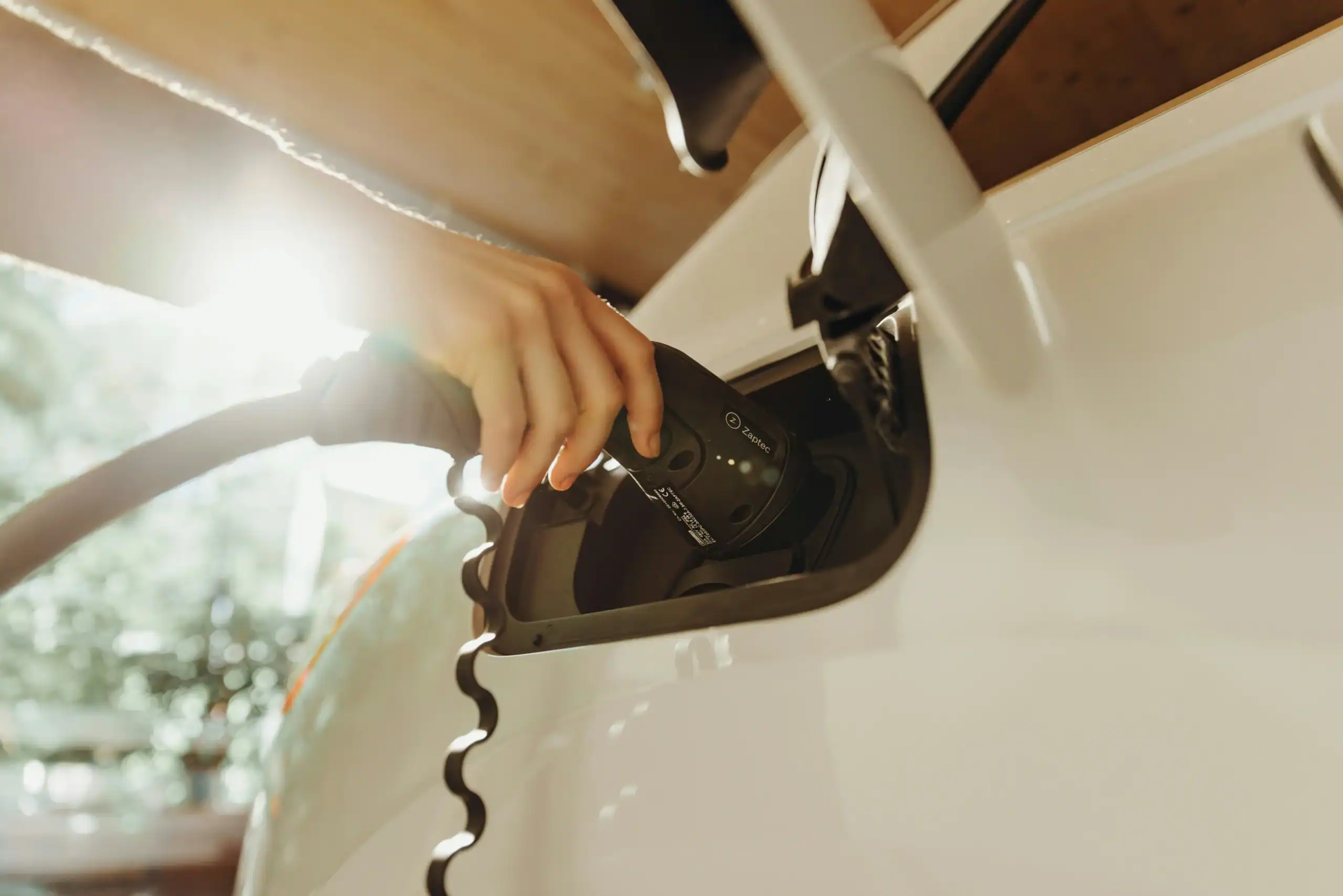
Importers need to know that your stocking mix directly determines how much inventory ends up as scrap. The Lectron Portable Level 2 model uses a detachable cord — J1772 or NACS cable clips off at the handle. When a cable gets damaged (pinched in a garage door, corroded at the connector), you replace only the cord, not the whole unit. That single design choice reduces per-claim cost from $280 (full replacement) to roughly $45 for a new cable. Factor that into your margin model.
For hardwire vs. plug-in: plug-in units (NEMA 14-50) dominate US DIY installs — roughly 70% of Q1 2026 sales. Hardwire units sell to contractors and commercial fleets. Stock 70/30 plug-in to hardwire for general distribution, but flip that ratio if your buyer is a solar installer or multi-unit housing developer. NACS adoption is accelerating on the West Coast (40% of plug-in sales in California), while the Midwest and Southeast still run 85% J1772. Don’t let a single SKU serve both regions unless you want 15% of units sitting in a warehouse for 8 months.
-
- Warranty buffer: Negotiate a 1% spare-parts buffer into your contract. On a 500-unit order, that is 5 complete units or 10–15 cable assemblies. At FOB cost of $180/unit, the buffer costs you $900 upfront — but covers the first-year warranty claims without touching your margin. Suppliers who refuse this are signaling they expect defects above 1%.
- US returns center: Ship all warranty returns to a single US-based depot (3PL in Kentucky or Nevada, $8–$12 per unit receiving fee). Do not return defective units to China — freight alone costs $60–$80 per unit and takes 6 weeks. From a US depot, you can refurbish, scrap, or sell as open-box within 5 days. The Lectron detachable cord makes refurbishment viable; hardwired units with a fried PCB are almost always total losses.
- Scrap avoidance: Basic mechanical chargers (Grizzl-E Classic) have a 2–4% first-year warranty claim rate vs. 8–12% for Wi-Fi smart chargers. That 6–8% difference on a 500-unit container at $250 landed cost equals $7,500–$10,000 in avoided write-offs per container. If you must stock smart chargers, limit them to 20% of your SKU mix and reserve the rest for the mechanical models.
Competitor Gap: What Online Reviews Don’t Tell You
Consumer reviews test in garages.
Importers need to know that the pristine garage installations featured in Car and Driver and Wirecutter reviews do not reflect the environments where most of your customers will install these units. Those tests run for two to four weeks in climate-controlled conditions. Your buyers will mount chargers on exterior walls in coastal Florida, dusty Arizona, and humid Gulf states. The failure modes that appear at month seven or eight never surface in any consumer test.
-
- Connector pin corrosion: In coastal or high-humidity zones, J1772 connector pins on chargers without gold-plated terminals or sealed pin cavities begin showing green oxidation within six months. Distributor return data shows that models with unplated copper pins (common on sub-$200 FOB units) generate a 6-9% corrosion-related failure rate by month nine. The top-selling Emporia Classic and Grizzl-E Classic use nickel-plated pins, which reduce that rate to under 2%. Always request a 72-hour salt spray test certificate from your factory before placing a bulk order.
- App failure rates: Smart chargers with Wi-Fi or Bluetooth app control post a first-year warranty claim rate of 8-12%, per aggregated distributor returns data. The majority of those claims are not hardware failures — they are connectivity issues: router incompatibility, dropped signals through metal garage doors, or cloud server outages that brick the scheduling feature. Basic mechanical-timer models like the Grizzl-E Classic have a 2-4% claim rate. If you are targeting price-sensitive or less tech-savvy buyers, stocking a non-app version cuts your after-sales support burden by roughly 60%.
- True outdoor durability without a canopy: Consumer reviews rate weatherproofing as “NEMA 4” or “IP66” and call it done. What they omit is that direct UV exposure degrades plastic housings and rubber gaskets differently than covered installations. Units mounted under an eave or carport last 3-4 years before gasket cracking appears. Units fully exposed to sun and rain show seal degradation at 18-24 months. For importers supplying coastal or desert markets, specify chargers with UV-stabilized polycarbonate enclosures and replaceable gasket kits. The Lectron Portable’s detachable cord is a repairable feature — you can replace the cable instead of scrapping the entire unit, which reduces your warranty cost per claim by roughly 40%.
- Dust ingress in arid regions: IP66 and NEMA 4 ratings test against water jets, not fine silica dust. In dry, windy areas like the Southwest US, dust accumulates inside the charging handle latch mechanism within six months, causing the handle to stick or fail to lock. This is a known pain point that no consumer review covers. The fix is simple: specify chargers with a silicone dust boot over the handle latch. This adds roughly $0.80 to the BOM cost and is standard on the Grizzl-E Classic but absent on many budget OEM models. If your supplier cannot confirm a dust boot, expect a 3-5% nuisance return rate by month ten.
The bottom line for importers: consumer reviews are a demand signal, not a durability guarantee. When evaluating a factory for a bulk contract, request third-party test reports for salt spray (72 hours), UV exposure (1,000 hours), and dust ingress (IP6X). If the supplier hesitates or offers only a CE mark, that is a red flag. The top-selling home EV chargers for 2026 wholesale — Emporia, Grizzl-E, Lectron — all pass these extended tests. Your job is to verify that your OEM source meets the same bar, not the review-site bar.
الخاتمة
Sourcing home EV chargers for US resale in 2026 comes down to a single decision: prioritize reliability over features. The data is clear. Basic mechanical units like the Grizzl-E Classic carry a 2–4% warranty claim rate, while app-dependent smart chargers hit 8–12%. That gap alone can wipe out your margin on a 500-unit container.
Review the models and cost breakdowns above against your target market. If your buyers are retrofit homeowners with older panels, stock the 32A version. If you want to differentiate, bundle a load monitor with the Emporia. The right mix keeps your defect rate under 2% and your order-to-delivery cycle on target.
الأسئلة المتداولة
ما هو الحد الأدنى لكمية الطلب لشواحن السيارات الكهربائية المنزلية ذات العلامات التجارية مثل Emporia؟
بالنسبة لشواحن السيارات الكهربائية المنزلية ذات العلامة التجارية مثل Emporia، يبدأ الحد الأدنى للكمية عادةً من 500 وحدة للطراز القياسي.
هل تحتاج شواحن السيارات الكهربائية المستوردة إلى شهادة UL لبيعها في الولايات المتحدة؟
Yes, imported EV chargers must have UL 2594 certification (or equivalent NRTL listing like ETL or CSA) to legally enter the US market. Without it, your shipment risks Customs detention and you open yourself. Verify UL 2594 certification before placing your order.
كيف أحسب هامش الربح على حاوية من شواحن السيارات الكهربائية من المستوى الثاني؟
ابدأ بسعر FOB لكل وحدة، ثم أضف الشحن والتأمين والرسوم الجمركية والتخليص الجمركي للحصول على التكلفة الإجمالية. بالنسبة لشاحن قابس 40 أمبير بسعر FOB 155، تبلغ التكلفة الإجمالية حوالي هذا المبلغ. احسب التكلفة الإجمالية أولاً، ثم حدد سعر التجزئة الخاص بك.
أي نوع من القابس أكثر شيوعًا: J1772 أم NACS؟
J1772 is currently the standard for most home and public Level 2 chargers in the US, but NACS (Tesla’s connector) is rapidly gaining adoption with major automakers switching to it by 2026–2026. Stock J1772 for today’s market, but plan for NACS transition.
هل يمكنني الحصول على علامة تجارية خاصة على نموذج شاحن السيارة الكهربائية الأكثر مبيعًا حاليًا؟
Yes, most Chinese EV charger factories, including KelyLands’ partner factory, offer private labeling on top-selling models like the 40A plug-in charger. You will need to meet a minimum order quantity and cover. Request a private label quote after selecting your base model.

 English
  Español
  Français
  Deutsch
  Português do Brasil
  Русский
  한국어
한국어  日本語
日本語  العربية