 تخطي إلى المحتوى الرئيسي تخطي إلى التذييل

إن شاحن الإنقاذ المحمول الذي يمكن الاعتماد عليه هو الأداة الوحيدة التي تمنع مركبة أسطول المركبات الكهربائية العالقة من التسبب في تعطل كبير في التشغيل. غالبًا ما يخلق “كابل الجدة” القياسي مشاكل أكثر مما يحل، مع سرعات شحن بطيئة وقلة القدرة على التكيف مع المنافذ غير القياسية الموجودة في مواقع العمل أو المنشآت القديمة. يمكن أن يؤدي عدم اليقين هذا حول التيار الكهربائي وتوافق المنافذ والسلامة إلى تحويل حدث بسيط لانخفاض البطارية إلى عملية استرداد مكلفة وتأخير كبير في المشروع.
يوفر هذا الدليل إجراءات التشغيل القياسية الفنية القياسية لاستخدام أجهزة الشحن المحمولة في الميدان. سوف نغطي الاختلافات العملية بين سرعات الشحن من المستوى 1 والمستوى 2 ونوضح سبب أهمية ضبط التيار الكهربائي القابل للتعديل للاستخدام الآمن لمقابس 110 فولت أو 240 فولت غير المألوفة. ستتعرف أيضًا على كيفية سماح محولات NEMA المختلفة (مثل 14-50 أو 6-20) لشاحن واحد بخدمة أسطولك بالكامل، بغض النظر عن مصدر الطاقة المتاح في الموقع.
المستوى 1 مقابل المستوى 2: هل يمكنك الشحن أسرع من 3 أميال/ساعة؟
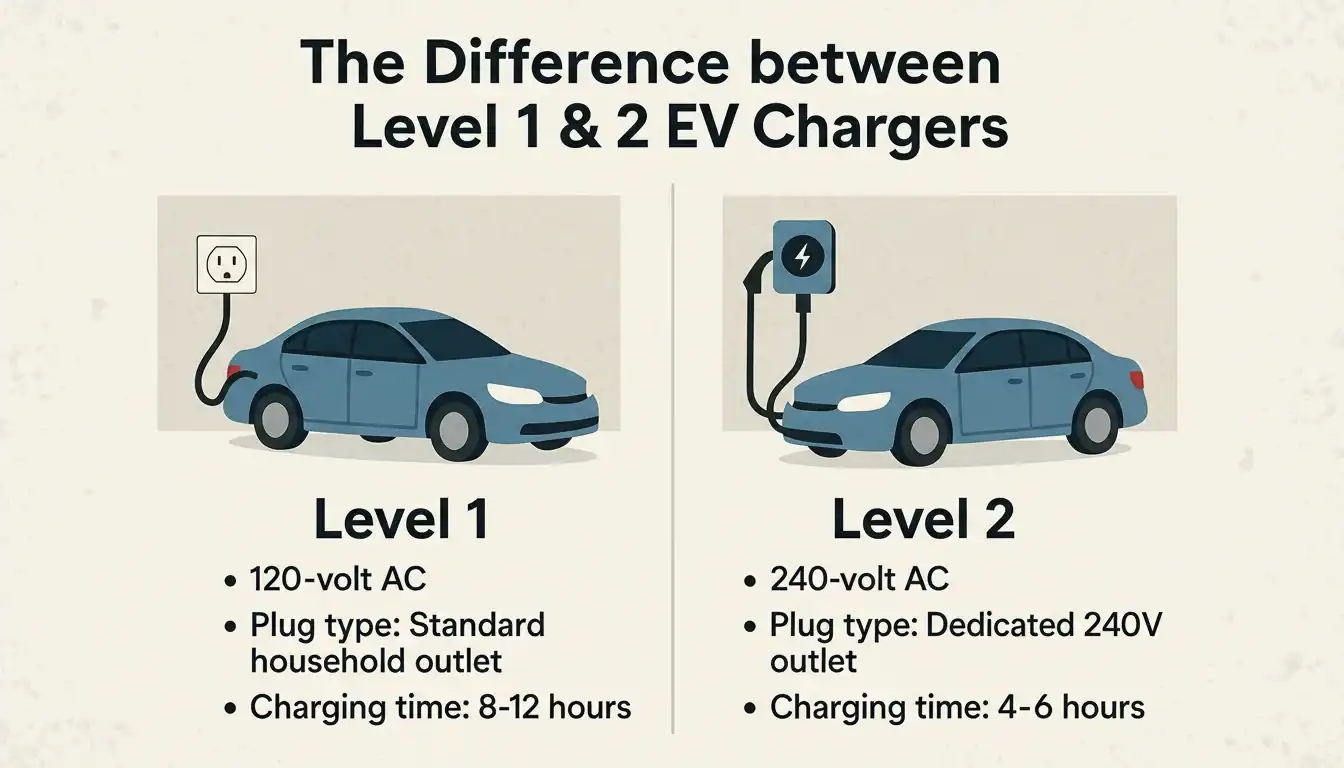
الفرق بين شحن المستوى 1 والمستوى 2 بسيط: يكفي المستوى 1 لإضافة 50 ميلاً تقريباً بين عشية وضحاها، بينما يوفر المستوى 2 شحناً كاملاً في الإطار الزمني نفسه. تحدد المسافة التي تقطعها يومياً المسافة التي تحتاج إليها بالفعل.
شحن المستوى 1: الخيار الليلي القياسي
يستخدم الشحن من المستوى الأول منفذ شحن منزلي قياسي بجهد 120 فولت، وهو نفس المنفذ الذي تستخدمه لهاتفك أو الكمبيوتر المحمول. إنها طريقة الشحن الأكثر سهولة، ولكنها الأبطأ أيضاً. وهي توفر طريقة موثوقة لإضافة نطاق شحن بين عشية وضحاها، ولكنها لن توفر بطارية ممتلئة إلا إذا كانت السيارة متوقفة لعدة أيام. وغالباً ما تكون هذه الطريقة كافية للسائقين الذين يتنقلون يومياً لمسافة قصيرة يمكن التنبؤ بها تقل عن 40 ميلاً ويمكنهم توصيل البطارية كل ليلة.
- توفر لك مدى سير يتراوح بين 3 و5 أميال لكل ساعة يتم توصيلها بالكهرباء.
- عادةً ما يضيف الشحن لمدة 8 ساعات طوال الليل حوالي 40-50 ميلاً من المدى.
- قد يستغرق الشحن الكامل لبطارية سيارة كهربائية عادية من فارغة 40-50 ساعة أو أكثر.
شحن المستوى 2: الحل المنزلي السريع
يتطلب الشحن من المستوى 2 منفذ شحن بجهد 240 فولت، وهو النوع المستخدم في المجفف الكهربائي أو الفرن الكهربائي. وهو يزيد من سرعة الشحن بشكل كبير، مما يجعله الحل العملي اليومي لمعظم مالكي السيارات الكهربائية. مع المستوى 2، يمكنك بسهولة الحصول على شحن كامل طوال الليل، كل ليلة، بغض النظر عن مقدار قيادتك خلال النهار. توفر هذه السرعة المرونة للتعامل مع الرحلات الطويلة غير المتوقعة دون القلق بشأن البدء ببطارية منخفضة.
| المواصفات | شحن المستوى 1 | شحن المستوى 2 |
|---|---|---|
| متطلبات الجهد | 120 فولت (منفذ منزلي قياسي) | 240 فولت (مخرج المجفف/المركبة الترفيهية) |
| سرعة الشحن | 3-5 أميال في الساعة | 12-60 ميلاً في الساعة |
| الوقت اللازم للشحن الكامل (متوسط شحن السيارة الكهربائية) | أكثر من 40-50 ساعة | 4-10 ساعات |
| أفضل حالة استخدام | التنقلات اليومية ذات الأميال القليلة أو السيارات الكهربائية الهجينة الكهربائية الهجينة | الشحن اليومي الأساسي لمعظم مالكي السيارات الكهربائية |
ما مستوى الشحن الذي يناسب عاداتك في القيادة؟
يعتمد الاختيار الصحيح كلياً على احتياجاتك في القيادة اليومية. إذا كانت تنقلاتك قصيرة وثابتة - أقل من 40 ميلاً في اليوم - فقد تجد أن الشحن من المستوى 1 مناسب تماماً، طالما يمكنك توصيلها بالكهرباء كل ليلة. ولكن إذا كانت المسافة التي تقطعها يومياً أعلى أو لا يمكن التنبؤ بها، أو إذا كنت بحاجة إلى أوقات استرداد سريعة بين الرحلات، فإن المستوى 2 هو الخيار العملي الوحيد. فهو يوفر السرعة والثقة في أن سيارتك ستكون جاهزة ببطارية ممتلئة كل صباح، مما يزيل أي قلق بشأن المدى الذي تقطعه للاستخدام اليومي.
سيناريو “منزل الجدة”: هل من الآمن استخدام مقبس عادي 110 فولت؟
يؤدي توصيل سيارة كهربائية بمقبس قياسي بجهد 110 فولت في منزل قديم إلى مخاطر حرائق وصدمات كهربائية خطيرة لأن هذه الأنظمة لم تصمم أبداً لتحمّل السحب المستمر والعالي للطاقة لشحن السيارة.
إن الراحة في استخدام أي مقبس حائط متاح هي إحدى المزايا الرئيسية لشواحن السيارات الكهربائية المحمولة. ولكن عند زيارة مواقع ذات بنية تحتية قديمة، مثل منزل الأجداد، فإن هذه الراحة تأتي مع مخاطر كبيرة وخفية. يبلغ متوسط عمر المنزل في الولايات المتحدة أكثر من 37 عاماً، مما يعني أن نظامه الكهربائي يسبق على الأرجح معايير السلامة الحديثة ومتطلبات السيارات الكهربائية.
الأسلاك القديمة ومخاطر الحرائق المحتملة
غالباً ما تكون الأنظمة الكهربائية في المنازل التي بُنيت منذ عقود مضت عائقاً. فهي لم تُصمم للتعامل مع الحمل المستمر لعدة ساعات المطلوب لشحن السيارة. ويمكن أن تؤدي محاولة القيام بذلك إلى تعريض نقاط الفشل الحرجة داخل الجدران.
- المواد المتدهورة: قد تحتوي التركيبات التي تعود إلى منتصف القرن العشرين على أسلاك ألومنيوم، والتي لا يمكنها التعامل مع نفس الحمل الكهربائي مثل النحاس الحديث. فهو يتمدد وينكمش أكثر، مما يؤدي إلى فك الوصلات ويخلق خطر ارتفاع درجة الحرارة بشكل كبير.
- انتهاكات القانون: ما كان مقبولاً في عام 1970 غالباً ما يكون خطراً من الحرائق بمعايير 2026. قد يكون في المنازل التي يعود تاريخها إلى قرن من الزمان أسلاك أصلية ذات مقبض وأنبوب مع عروات مكشوفة، مما يشكل مخاطر فورية للصعق بالكهرباء والحرائق.
خطر التحميل الزائد على الدوائر الكهربائية
من الأخطاء الشائعة افتراض أن وجود منفذ غير مستخدم يعني وجود دائرة غير مستخدمة. في معظم المنازل، يحمي قاطع الدائرة الواحدة عدة منافذ كهربائية. إن توصيل شاحن سيارة كهربائية بمأخذ في نفس دائرة الثلاجة أو السخان أو أي جهاز آخر عالي السحب يؤدي إلى زيادة الحمل الزائد. في حين أن القواطع الحديثة يجب أن تتعطل، قد تتعطل القواطع القديمة أو المعيبة، مما يسمح للأسلاك داخل الجدار بالسخونة الزائدة وإشعال المواد المحيطة.
غياب ميزات السلامة الحديثة مثل التأريض
التأريض هو خاصية أمان غير قابلة للتفاوض في الإلكترونيات الحديثة، حيث يوفر مساراً آمناً لانتقال تيار العطل. تم تركيب العديد من الأنظمة الكهربائية القديمة بدون أي سلك تأريض. وهذا يخلق خطرين أساسيين:
- صدمة كهربائية: فبدون تأريض، يمكن أن يؤدي أي عطل في الشاحن أو الأسلاك إلى تنشيط الغلاف المعدني للجهاز أو حتى السيارة نفسها، مما يشكل خطر حدوث صدمة شديدة.
- تلف المعدات: يؤدي عدم وجود تأريض إلى جعل الإلكترونيات الحساسة في كل من السيارة الكهربائية والشاحن عرضة للتلف من ارتفاعات الطاقة.
حل السلامة: استخدام GFCI محمول GFCI
إذا كان لا بد لك من الشحن في موقع به أسلاك مشكوك في سلامتها، فإن قاطع الدائرة الكهربائية الأرضية (GFCI) المحمول هو قطعة أساسية من معدات السلامة. يتم توصيل هذا الجهاز بين مقبس الحائط والشاحن. فهو يراقب تدفق الكهرباء باستمرار، وإذا اكتشف حتى اختلالاً بسيطاً في التوازن - مما يشير إلى تسرب أو عطل محتمل للتيار - فإنه يقطع التيار الكهربائي على الفور. يمكن أن يمنع هذا الإجراء حدوث صدمة كهربائية مهددة للحياة. في حين أن العديد من أجهزة الشحن المحمولة الحديثة مزودة بهذه الحماية المدمجة (غالباً ما تسمى RCD أو حماية التسرب من النوع A + DC 6mA)، فإن استخدام GFCI خارجي على منفذ قديم يضيف طبقة هامة من التكرار.
علامتك التجارية على الشواحن المعتمدة عالمياً

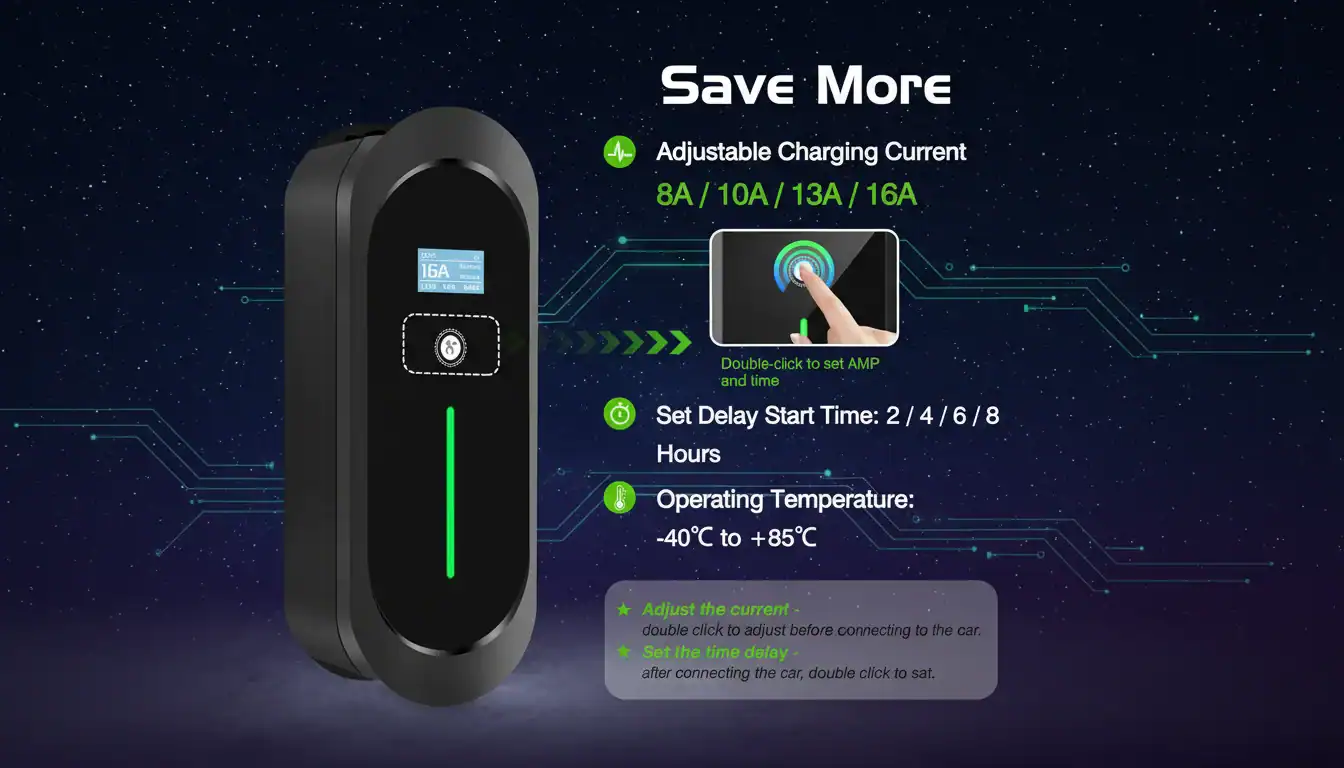
أمبيرية قابلة للتعديل: لماذا التبديل بين 8 أمبير/10 أمبير/13 أمبير/16 أمبير؟
لا يتعلق الأمبيرية القابلة للتعديل بسرعة الشحن، بل هي ميزة أمان مهمة للغاية تعمل على تكييف الشاحن مع قيود أسلاك المبنى، مما يمنع تعطل القواطع الكهربائية ومخاطر الحريق المحتملة.
حماية الأسلاك المنزلية القديمة
في المنازل المبنية قبل القوانين الكهربائية الحديثة، غالباً ما لا تستطيع الأسلاك في المنازل المبنية قبل القوانين الكهربائية الحديثة تحمل السحب العالي والمستمر للطاقة لشاحن السيارة الكهربائية بكامل طاقته. يؤدي اختيار تيار كهربائي أقل، مثل 8 أمبير أو 10 أمبير، إلى تقليل الحمل الكهربائي. وهذا يمنع ارتفاع درجة حرارة أسلاك المبنى ويقلل من خطر حدوث أعطال كهربائية أو حرائق.
- غالبًا ما تحتوي المباني القديمة على أنظمة أسلاك لم يتم تصميمها أبدًا لتحمّل الأحمال المستمرة التي يتطلبها شحن السيارات الكهربائية.
- يعمل خفض التيار الكهربائي كإجراء أمان مباشر لمنع تلف البنية التحتية الكهربائية للمبنى.
- فهو يوفر هامش أمان موثوقاً عند الشحن في أماكن غير مألوفة، مثل منزل أحد الأقارب أو عقار مستأجر له تاريخ كهربائي غير معروف.
مطابقة حد قاطع الدائرة الكهربائية
كل دائرة كهربائية محمية بواسطة قاطع ذو تصنيف أقصى. للاستخدام المستمر مثل شحن السيارة الكهربائية، يجب ألا يسحب الشاحن أكثر من 801 تيرابايت 3 تيرابايت من هذا التصنيف. تسمح لك الأمبيرية القابلة للتعديل بضبط سحب الشاحن يدويًا ليبقى بأمان أقل من نقطة تعطل القاطع، مما يضمن لك جلسة شحن مستقرة وغير متقطعة.
| إعداد الأمبيرية | قاطع الدائرة الكهربائية المطلوبة | خرج الطاقة (@ 240 فولت) |
|---|---|---|
| 8A | دائرة 15A | 1.92 كيلوواط |
| 10A | دائرة 15A | 2.40 كيلوواط |
| 13A | دائرة 20 أمبير | 3.12 كيلوواط |
| 16A | دائرة 20 أمبير (بحد أقصى مستمر) | 3.84 كيلوواط |
- على سبيل المثال، يجب أن تضبط الشاحن على 16 أمبير أو أقل على دائرة كهربائية سكنية قياسية بقوة 20 أمبير للامتثال لقاعدة 80%.
- إن ضبط التيار يدوياً يمنع “التعطل المزعج”، حيث يقوم القاطع بقطع التيار بشكل متكرر.
- تجعل هذه الميزة شاحنًا واحدًا متوافقًا مع مجموعة كبيرة ومتنوعة من المنافذ والإعدادات الكهربائية.
مشاركة دائرة كهربائية مع أجهزة أخرى
في كثير من الأحيان، يكون المنفذ الوحيد المتاح على دائرة كهربائية تشغل أيضاً أجهزة أخرى، مثل مصابيح المرآب أو الأدوات أو الثلاجة. من خلال خفض التيار الكهربائي للشاحن، يمكنك ترك سعة كافية لتشغيل الأجهزة الأخرى في نفس الوقت دون زيادة التحميل على الدائرة الكهربائية والتسبب في انقطاع التيار.
- فهو يوفر المرونة لشحن سيارتك دون الحاجة إلى فصل كل شيء آخر في الدائرة الكهربائية نفسها.
- تُعد الإعدادات المنخفضة مثالية للشحن الليلي عندما لا تكون السرعة حرجة وقد تتم مشاركة الدائرة مع أحمال أخرى.
- هذا الأمر عملي بشكل خاص في أماكن مثل مجمعات المقطورات الترفيهية أو مواقع العمل المؤقتة حيث تكون السعة الكهربائية محدودة ويجب مشاركتها.
محولات NEMA: هل يمكن لشاحن واحد أن يناسب أي منفذ 14-50 أو 6-20؟
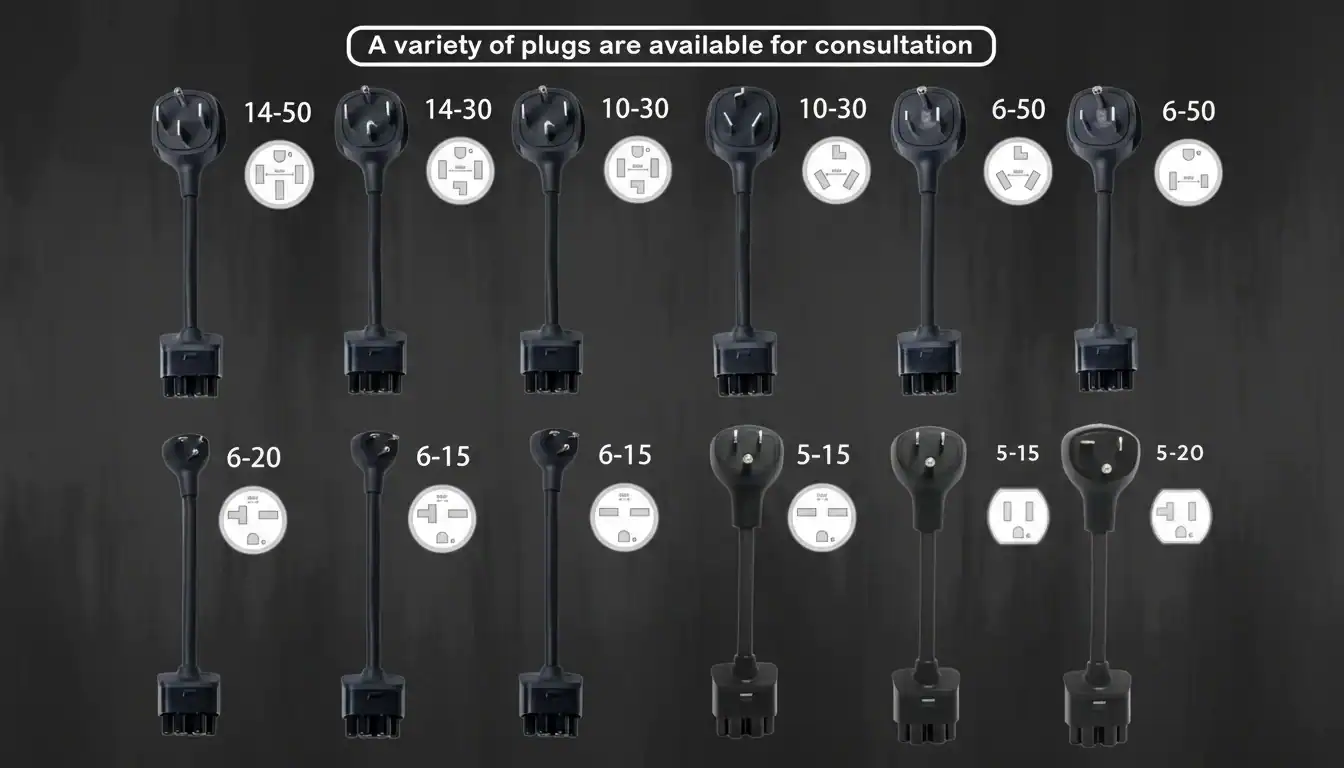
لا يمكن توصيل شاحن السيارة الكهربائية المحمول المزود بقابس NEMA 14-50 بمأخذ 6-20 بدون محول متخصص لأن تصميماتهما المادية وقدراتهما الكهربائية غير متوافقة بشكل أساسي.
عدم توافق التصميم الأساسي
لا يمكن للشاحن المزوّد بقابس NEMA 14-50 أن يتلاءم فعليًا مع مقبس NEMA 6-20. تستخدم المعايير تكوينات وأشكال وأحجام مختلفة تماماً، مما يجعل التوصيل المباشر مستحيلاً. هذا الاختلاف المتعمد في التصميم يمنع المستخدمين من توصيل أنظمة كهربائية غير متطابقة عن طريق الخطأ، مما قد يؤدي إلى تلف المعدات أو مخاطر السلامة.
- موصل NEMA 14-50 هو موصل ذو 4 شقوق مصمم للدوائر الكهربائية ذات القدرة 50 أمبير، 125/250 فولت، وهو شائع في المواقد الكهربائية ومواقف المقطورات.
- يتميز NEMA 6-20 بتصميم فتحة مميزة على شكل حرف T ذات شفرة على شكل حرف T مصنفة لدوائر بقوة 20 أمبير، 250 فولت، وغالبًا ما تستخدم لمكيفات النوافذ عالية الطاقة أو المعدات التجارية.
- هذه الحواجز المادية هي ميزة السلامة الأساسية لمعيار NEMA.
عدم تطابق الأمبير ومخاطر الحمل الزائد
المشكلة الكهربائية الأساسية هي الفرق في سعة التيار الكهربائي. إن محاولة تشغيل جهاز يتوقع إمداد 50 أمبير من دائرة كهربائية لا توفر سوى 20 أمبير، يؤدي إلى خطر كبير من الحمل الزائد. وبدون وجود محول مناسب يحد من التيار، فإن عدم التطابق هذا من شأنه أن يؤدي إلى تعطل قاطع الدائرة الكهربائية على الفور أو، في أسوأ السيناريوهات، ارتفاع درجة حرارة الأسلاك ويشكل خطر نشوب حريق.
| المواصفات | NEMA 14-50 | NEMA 6-20 |
|---|---|---|
| الأمبيرية القصوى | 50 أمبير | 20 أمبير |
| الفولتية | 125/250V | 250V |
| تكوين الشق | 4-شوكة 4 (2 ساخن، 1 محايد، 1 أرضي) | 3-شوكة 3 (2 ساخن، 1 أرضي) |
دور المحولات الواقية
إن المحولات المصممة لهذا التحويل هي أجهزة أمان نشطة، وليست مجرد محولات قابس سلبية. فهي تعمل على سد الوصلة المادية مع إدارة الاختلافات الكهربائية لضمان جلسة شحن آمنة، وإن كانت أبطأ. وقد تم تصميم هذه المحولات لمنع الشاحن من سحب طاقة أكبر مما يمكن لدائرة المقبس التعامل معها.
- سيشتمل المحول عالي الجودة لهذا الغرض على قاطع دائرة كهربائية مدمج، عادةً ما يكون مصنّفاً بقدرة 20 أمبير، لمنع الحمل الزائد بشكل فعال.
- يقوم المحول بتوصيل الحد الأدنى للطاقة، مما يجبر شاحن السيارة الكهربائية على العمل ضمن سعة 20 أمبير لمخرج NEMA 6-20.
- ونتيجة لذلك، يتم تحديد سرعة الشحن من خلال دائرة 20 أمبير، وليس من خلال إمكانات الشاحن نفسه التي تبلغ 50 أمبير.
الخاتمة
يعتبر شاحن السيارة الكهربائية المحمول أكثر من مجرد شاحن احتياطي للطوارئ. يتيح لك فهم ميزات مثل التيار الكهربائي القابل للضبط وتوافق محول NEMA الوصول بأمان إلى سرعات أعلى من المستوى الثاني من المقابس الشائعة. هذه المزايا المتنوعة تحول “كبل الجدة” البسيط إلى أداة شحن أساسية، مما يوفر طاقة يمكن الاعتماد عليها في المنزل أو على الطريق.
بالنسبة لوكلاء السيارات وتجار الإكسسوارات بالتجزئة، فإن تقديم شاحن محمول معتمد يوفر قيمة فورية لعملائك. اتصل بفريقنا لمناقشة حلول مصنعي المعدات الأصلية والأسعار بالجملة والوحدات النموذجية المصممة خصيصاً لسوقك.
الأسئلة المتداولة
هل يمكن شحن السيارة الكهربائية بمولد محمول؟
نعم، يمكن شحن السيارة الكهربائية باستخدام مولد محمول، ولكن يجب اعتباره حلاً للطوارئ أو خارج الشبكة. من الضروري استخدام مولد عاكس عالي الجودة ينتج موجة جيبية نظيفة لحماية مكونات الشحن الحساسة في السيارة. يجب أن يكون للمولد أيضاً خرج طاقة مستمر (قوة كهربائية) كافية لدعم سحب شاحن السيارة الكهربائية. بالنسبة للشاحن القياسي من المستوى 1 (120 فولت)، يوصى باستخدام مولد بقوة لا تقل عن 2000 واط. التأريض المناسب هو أيضاً من متطلبات السلامة الضرورية لقبول السيارة للشحن.
هل يمكنني شحن سيارتي الكهربائية باستخدام محطة طاقة محمولة؟
نعم، يمكنك شحن سيارة كهربائية بمحطة طاقة محمولة كبيرة، ولكن من الأفضل استخدامها في حالات الطوارئ لإضافة بضعة أميال من المدى. عادةً ما توفر سعة بطارية محطة الطاقة شحناً جزئياً صغيراً فقط - على سبيل المثال، قد تضيف وحدة بقدرة 5 كيلوواط في الساعة مسافة تتراوح بين 15 و20 ميلاً. يجب أن تتأكد من أن عاكس التيار المتردد لمحطة الطاقة يمكنه التعامل مع السحب المستمر للطاقة من الشاحن المتنقل لسيارتك الكهربائية، والذي يتراوح عادةً بين 1.4 كيلوواط و1.9 كيلوواط للشحن من المستوى الأول.
ما هو الحد الأقصى للتيار الكهربائي للشاحن المحمول من المستوى 2؟
عادةً ما يتم تحديد الحد الأقصى للتيار الكهربائي لشاحن محمول من المستوى الثاني من خلال المنفذ الذي يتم توصيله به. تم تصميم أقوى الشواحن المحمولة لمنافذ NEMA 14-50، والتي تدعم أقصى سحب مستمر يبلغ 40 أمبير (80% من تصنيف الدائرة 50 أمبير). على الرغم من أن بعض الأنظمة يمكن أن تصل تقنياً إلى 48 أمبير، إلا أنها تتطلب دوائر أقل شيوعاً بقدرة 60 أمبير وهي أكثر شيوعاً في الوحدات المثبتة على الحائط الثابتة بدلاً من الوحدات المحمولة.
هل يوجد شاحن محمول يدعم 240 فولت؟
نعم، تتوفر أجهزة الشحن المحمولة التي تدعم 240 فولت على نطاق واسع ويشار إليها عادةً بأجهزة الشحن المحمولة من المستوى 2. توفر هذه الأجهزة سرعات شحن أسرع بكثير من أجهزة الشحن القياسية من المستوى 1 بجهد 120 فولت. تأتي عادةً مزوّدة بمقابس قابلة للتبديل، مما يسمح لها بالتوصيل بأنواع مختلفة من منافذ 240 فولت، مثل تلك المستخدمة في المجففات الكهربائية (NEMA 10-30 أو 14-30) أو في مواقف السيارات الترفيهية (NEMA 14-50)، مما يجعلها خياراً متعدد الاستخدامات لأصحاب المنازل والمسافرين.

 English
  Español
  Français
  Deutsch
  Português do Brasil
  Русский
  한국어
한국어  日本語
日本語  العربية