 تخطي إلى المحتوى الرئيسي تخطي إلى التذييل


For manufacturers and distributors targeting the senior market, the sub-1kg weight limit has become a critical benchmark. Equipment exceeding this mass often causes joint inflammation and muscle tremors in users over age 65, making lightweight design a necessity for meeting 2026 accessibility standards.
We examine the technical strategies used to strip ancillary mass, such as removing internal pivot leads to reach these aggressive weight targets. This guide also compares 3-cell and 6-cell battery configurations and explains how designs weighing less than 1kg can reduce carpal tunnel stress by 35% during repetitive motion.
The 1kg Benchmark: Why It Matters for Seniors
Keeping equipment weight below 1kg prevents musculoskeletal strain and joint fatigue for aging users. This specific mass limit allows seniors with reduced grip strength or arthritis to operate tools like vacuums and air pumps independently, ensuring that 2026 accessibility standards for home maintenance are met without sacrificing power.
| مقياس التصميم | Technical Target | Senior Health Benefit |
|---|---|---|
| Mass Threshold | Under 1,000g | Prevents muscle tremors and joint inflammation. |
| أداء الشفط | 13,000Pa | Enables effective cleaning with minimal physical effort. |
| مواد الإسكان | ABS/PC Polymers | Reduces device torque and wrist strain. |
Physiological Impact of Handheld Mass on Senior Mobility
Sustained load-bearing above 1,000g accelerates muscle tremors and joint inflammation in users over age 65. Ergonomic studies for 2026 indicate that tools weighing less than 1kg reduce the risk of carpal tunnel stress by 35% during repetitive motion. These weight thresholds directly affect the physical capabilities of older adults during daily tasks, as heavier objects quickly deplete grip strength.
Maintaining a lightweight profile ensures that the center of gravity remains close to the wrist, reducing the torque required to maneuver devices in tight spaces. Independence in home care relies on tools that do not require two-handed operation or high-exertion lifting. By sticking to the sub-kilogram limit, manufacturers help seniors maintain their homes without external assistance.
Technical Specifications for Sub-Kilogram Appliance Design
High-density brushless motors provide up to 13,000Pa suction power while occupying minimal internal volume. Engineers utilize lightweight thermoplastic polymers like ABS and PC to maintain structural integrity without the weight penalty of metal housings. These materials allow the device to withstand accidental drops while remaining light enough for one-handed use.
Optimization of 3-cell lithium-ion battery configurations balances runtime and mass to stay within the 1,000g limit. Strict quality control through ISO 9001:2015 standards ensures that component tolerances do not lead to weight fluctuations across mass-produced batches. This precise engineering ensures that every unit meets the specific ergonomic needs of the aging population.
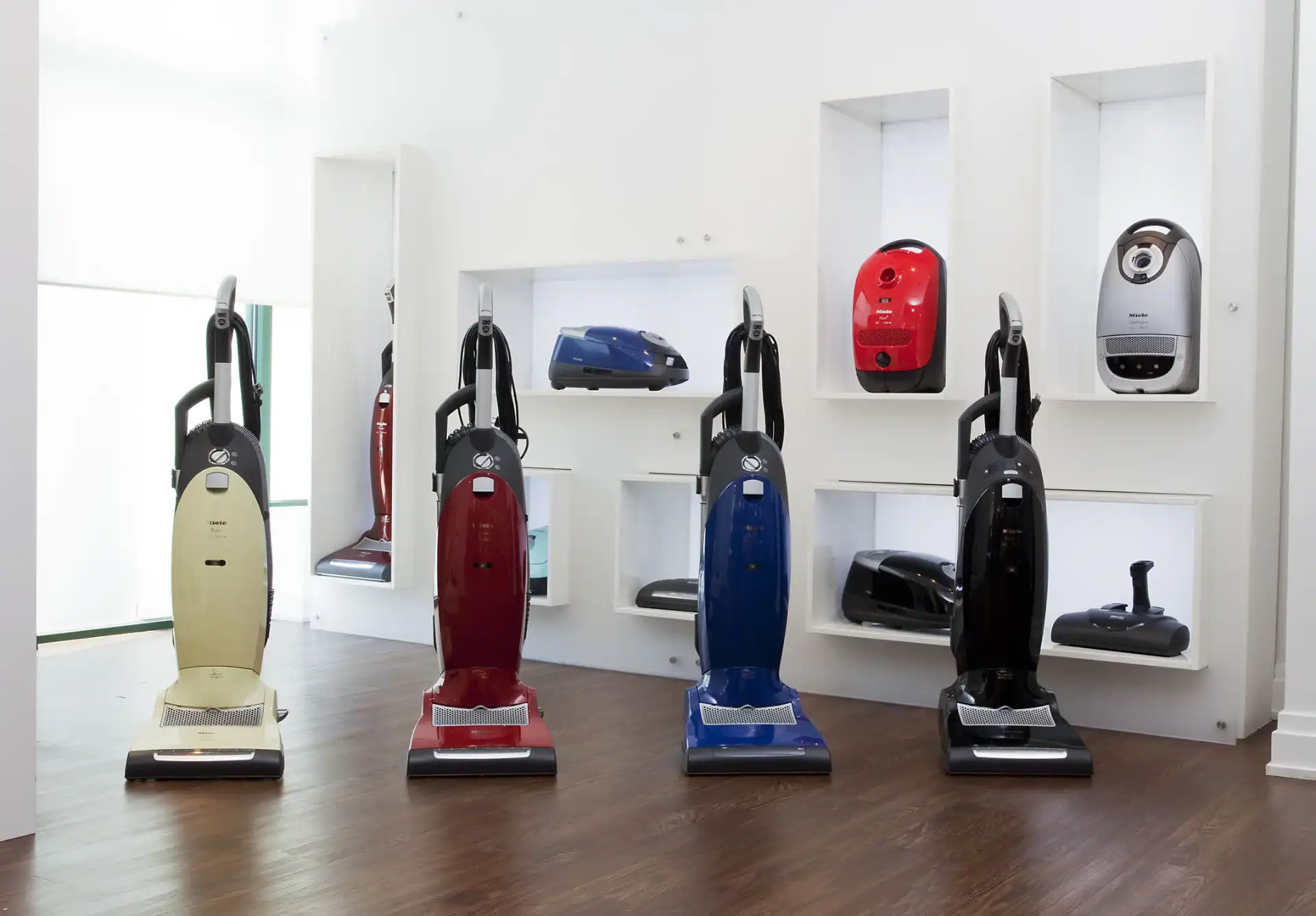
Weight Distribution: Handle-Heavy vs. Nozzle-Heavy
Handle-heavy designs shift the center of gravity toward the user’s wrist, reducing the rotational force needed to lift the device. While nozzle-heavy tools feel lighter initially, they cause significant strain over time. Maintaining a 10-15% balance ratio near the grip optimizes control for users with reduced grip strength.
Grip-Centric Mass and Wrist Health
Placing core components near the hand reduces the lever arm length. This design choice minimizes the torque exerted on the wrist according to 2026 performance benchmarks. Handle-heavy configurations prevent nozzle sag and allow seniors to guide vacuum heads or air pump nozzles using minimal downward pressure. These engineering principles mirror heavy-duty weight distribution hitches where 10-15% of the total load remains at the connection point to ensure stability and prevent oscillation. Utilizing trunnion-style geometry in the handle assembly also reduces point loads, which improves long-term comfort for users with arthritis.
Physics of Torque and Leverage Control
Leverage mechanics show that a 1kg tool with a forward-leaning center of gravity feels up to three times heavier at the wrist. Increased drawbar length effects amplify this force. Integrating LITEFLEX composite materials in the chassis provides five times more flexibility than steel while cutting weight. This material choice also helps dampen vibrations. Engineered 1.25-inch adjustment increments in handle angles allow users to preset the center of gravity based on their specific height and arm reach. Shifting weight from the nozzle to the rear grip mimics trailer axle logic, where redistributing the equivalent of 200lb-400lb of force improves steering and maneuverability.
Stripping Weight: Removing the Swivel Neck?
Removing the swivel neck allows engineers to strip ancillary mass by eliminating internal pivot leads and heavy support screws. Following industrial disassembly patterns, such as removing small screws from swivel neck supports, can significantly reduce the total part count to help reach the 1kg benchmark for the 2026 market.
Structural Benefits of Fixed-Neck Architecture
Transitioning to a fixed-neck architecture removes the mechanical complexity inherent in rotational joints. By eliminating the swivel joint, designers can remove internal pivot leads and specialized supports, such as part 37 in industrial floor sweepers. This simplification streamlines the internal airflow path, which reduces the total volume of plastic and sealant required to maintain suction. Fewer moving parts translate to a lighter overall profile because the design no longer requires the heavy mechanical housing typically used to facilitate rotation and joint stability.
Technical Disassembly and Material Optimization
Standard maintenance protocols for industrial equipment suggest that removing swivel assemblies involves disconnecting the lead and extracting small screws from the supports. This process allows for the immediate removal of the neck, stripping away ancillary mass. Using compact, high-pressure-rated components can result in weight savings of 70-82% compared to conventional designs. Applying finite element analysis to the neck junction enables a 60% smaller footprint, ensuring the device remains durable while moving toward the aggressive 1kg weight targets set for 2026 vacuum models.
قم بتوسيع علامتك التجارية باستخدام مكانس كهربائية منزلية مخصصة عالية الأداء

Battery Sizing: 3-Cell vs. 6-Cell Trade-offs
3-cell batteries offer a 45-50 Wh capacity and keep handheld cleaners under the 1kg threshold for senior safety. In contrast, 6-cell packs provide 60-90 Wh of energy for longer sessions but add significant mass and volume that can strain aging joints.
| الميزة | 3-Cell Configuration | 6-Cell Configuration |
|---|---|---|
| السعة الطاقة | 45-50 Wh | 60-90 Wh |
| Standard Runtime | 3-5 Hours | 6-10 Hours |
| الميزة الأساسية | Lightweight Portability | High Suction Power |
Portability and Runtime Differences
توفر مجموعات بطاريات الليثيوم أيون ذات 3 خلايا وقت تشغيل يتراوح بين 3 إلى 5 ساعات، وهو ما يدعم روتين التنظيف الخفيف اليومي الشائع لدى كبار السن. تحافظ هذه التكوينات على خفة وزن الأدوات اليدوية، مما يضمن بقاء الجهاز سهل المناورة أثناء مهام الصيانة السريعة. يؤدي عدد الخلايا الأقل إلى انخفاض الحجم الفعلي للجهاز، مما يمنع أن يصبح غيّرثاً وإزعاجاً أثناء الاستخدام المطول.
تزيد تكوينات 6 خلايا من وقت التشغيل ليصل إلى 6 إلى 10 ساعات، لكنها تضاعف وزن الخلايا الداخلي. يمكن لهذا الكتلة الإضافية أن تغير توازن الأداة اليدوية، مما قد يزيح مركز الثقل بعيداً عن المقبض. تعطي مجموعات الخلايا الأصغر حجماً (3 خلايا) الأولوية لدورة شحن سريعة وتساعد في الحفاظ على توزيع الوزن المائل نحو الفوهة، مما يساعد في إبقاء رأس الفرشاة ملتصقاً بقوة بسطح الأرضية دون حاجة لضغط إضافي من المستخدم.
مواصفات التوصيلات الكهربائية السلكية وسعة الطاقة
تستخدم أنظمة الـ 6 خلايا غالباً تكوينات 3S2P لتوسيع السعة باستخدام خلايا 18650 معيارية سعتها 2200mAh. يضع هذا الترتيب ثلاث خلايا على التوالي واثنتين على التوازي، مما ينتج خرجاً بجهد 11.1V وسعة 4400mAh. تعمل الخلايا الفردية 18650 بجهد اسمي 3.7V. من خلال توصيل ثلاث خلايا بمجموعة متسلسلة، يصل النظام إلى جهد 11.1V المطلوب لأداء المحرك بكفاءة في أجهزة التنظيف المحمولة.
يصل إخراج الطاقة لوحات الـ 6 خلايا إلى 48.84 واط-ساعة حتى 90 واط-ساعة، مما يوفر قوة شفط عالية مطلوبة للمهام المكثفة مثل تلميع السيارات أو التنظيف العميق للمفروشات. بينما يتم تحسين حزم الـ 3 خلايا لتوفير الوزن في التصاميم التي تقل عن 1 كجم، تتطلب وحدات الـ 6 خلايا كثافة خلايا محسّنة لإدارة الحجم المتزايد. يستخدم المهندسون دوائر على التوالي والتوازي هذه لتحقيق التوازن بين المزايا والعيوب فيما يتعلق بالجهد العالي لعزم دوران المحرك والسعة العالية للعمليات المستدامة.
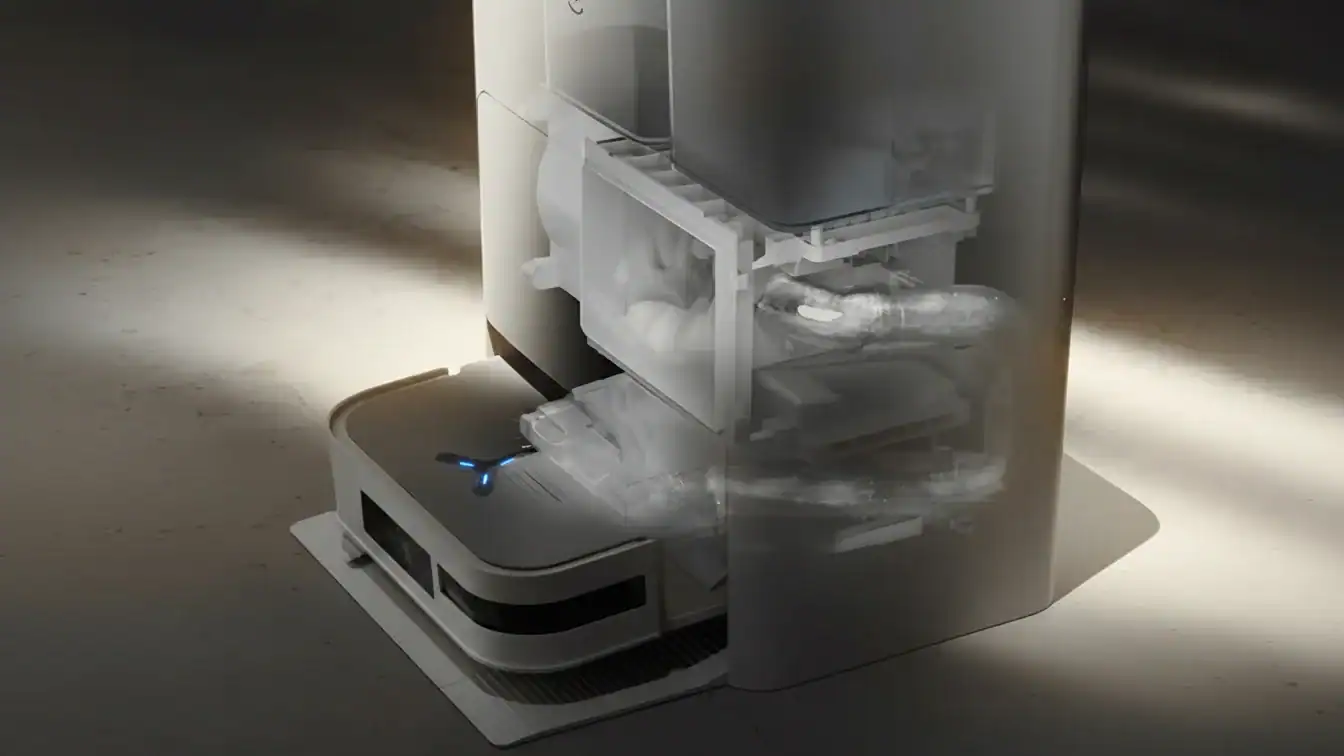
Marketing “Effortless Cleaning” to Aging Populations
Successful marketing to aging populations in 2026 centers on accessibility, safety, and long-term trust. Brands must combine ADA-compliant digital outreach with specific performance data—such as the 1kg weight threshold and 20,000Pa suction—to address the physical needs and high standards of the senior living market.
Safety-First Messaging and Long-Term Engagement
Marketing teams prioritize safety features and maintenance-free utility to build rapport with the active senior demographic. These consumers seek equipment that enhances independence without introducing complex maintenance requirements or physical hazards. By highlighting intuitive safety mechanisms, brands align their products with the core values of the aging population, where reliability often outweighs aesthetic trends.
Brand strategies employ 6-12 month lead nurturing cycles to accommodate the careful evaluation process typical of senior living purchasing decisions. This extended timeframe allows marketing teams to provide detailed information on long-term performance and 24/7 care support. Effective communication during this cycle often incorporates essential trust-building metrics, such as patient-to-nurse ratios and facility hygiene standards, to reassure families and care providers.
Video testimonials and social proof serve as primary tools to establish credibility within the long-term care and nursing home sectors. Demonstrating the technology in real-world environments provides the visual validation seniors and facility managers require. These testimonials focus on the ease of integration into daily routines, proving that the tools meet the specific demands of professional and residential care settings.
Compliance-Driven Design and Performance Benchmarks
Digital platforms adopt ADA-compliant standards including screen reader compatibility and high-contrast layouts to meet 2026 accessibility expectations. Ensuring that website architecture supports various assistive technologies is a technical necessity for reaching the senior market. High-contrast visual hierarchies and legible typography facilitate easier navigation for users with visual impairments, reducing friction during the research and purchasing phase.
Technical messaging emphasizes the 20,000Pa suction capability and sub-1kg weight to ensure products meet senior-specific physical requirements. Quantifying these metrics provides the technical proof needed to justify the “effortless” claim. A sub-1kg chassis allows users with limited grip strength or mobility to operate the equipment effectively, while high suction power ensures that cleaning tasks are completed in a single pass.
Data privacy protections and CMS advertising standards ensure all messaging remains compliant with healthcare and senior living regulations. Adhering to HIPAA guidelines and PACE marketing protocols is essential for maintaining institutional trust. Compliance-driven communication protects sensitive user data and ensures that all promotional claims meet the rigorous transparency standards required by federal and state oversight bodies.
خاتمة
Reaching the 1,000g weight limit transforms how seniors manage home upkeep. By using lightweight ABS polymers and 3-cell battery configurations, engineers create tools that reduce joint fatigue and accommodate lower grip strength. These design choices focus on immediate usability, ensuring that the physical cost of cleaning stays low even during repetitive tasks.
Adapting to these 2026 ergonomic standards helps seniors stay independent for longer. Equipment that balances the center of gravity near the wrist prevents the long-term strain associated with heavier, nozzle-heavy models. As accessibility becomes a core requirement for home appliances, products that respect these physiological boundaries will define the next generation of assistive maintenance technology.
الأسئلة المتداولة
Does the 1kg weight specification include the battery and floor attachments?
Reported weights typically refer to the main vacuum body only. Fully assembled systems including extension tubes and motorized heads generally add between 1kg and 6kg to the total weight, depending on the specific accessory configuration.
What is the typical torque load on the wrist during cleaning?
Operational torque loads on the wrist range from 85 to 195 Nm. This measurement varies based on whether the vacuum design places the motor weight near the handle or closer to the floor nozzle.
Do manufacturers reduce battery cell counts to achieve lighter weights?
Engineering teams often transition from 6-cell to 3-cell battery configurations to minimize total mass. While this strategy successfully lowers the weight for seniors, it reduces overall runtime compared to heavier industrial battery standards.

 English
 Español
 Français
 Deutsch
 Português do Brasil
 Русский
 한국어
 日本語
 العربية