 تخطي إلى المحتوى الرئيسي تخطي إلى التذييل

Choosing the best electric cooler for camping is the critical decision separating a successful off-grid trip from a cooler full of spoiled food, risking both your health and your budget. Many campers learn this the hard way when their thermoelectric unit fails to keep food at a safe temperature in the summer heat. Relying on a system that can only cool 20-30 degrees below the ambient air temperature is a gamble, turning a planned adventure into a costly exercise in wasted groceries.
This guide provides a direct technical comparison between thermoelectric coolers and 12v compressor fridges. We will analyze their real-world ability to hold two distinct temperatures: a refrigerated 40°F and a true freezing point of 0°F. We will also compare the power draw from a continuous fan versus a cycling compressor to understand their impact on your vehicle’s battery. Finally, we’ll break down the price difference to help you decide which technology is the right investment for your trips.
The Temperature Test: Can It Hold 0°F (Freezing) vs 40°F (Cooling)?
A compressor fridge provides true, ambient-independent freezing down to -4°F, while a thermoelectric cooler simply maintains a cool temperature relative to the outside air.
The fundamental difference between these two technologies lies in their ability to generate and hold cold temperatures. One is a portable freezer, engineered for reliable, deep-freeze performance. The other is a simple chiller, designed to keep already-cool items from getting warm too quickly. Understanding this distinction is the most critical factor in sourcing the right product for your market.
Compressor Fridges: Achieving True Freezing (0°F)
Compressor-based car fridges function like a portable freezer, engineered to reach and maintain sub-zero temperatures reliably. These units use a refrigerant and a powerful DC compressor system, allowing them to achieve deep-freeze levels, such as 0°F (-18°C), irrespective of the ambient outdoor temperature. They are built for serious preservation.
- Utilizes powerful compressors, like those from BAIXUE or LG, to actively cool the interior down to -4°F (-20°C).
- The system cycles on and off to hold a precise, user-set temperature, ensuring consistent performance for long-term storage.
- Ideal for week-long camping trips or overland journeys where preserving frozen food is essential.
Thermoelectric Coolers: Maintaining a Cool 40°F
Thermoelectric coolers operate on the Peltier effect, which transfers heat from the inside to the outside using a semiconductor chip. They are designed to keep pre-chilled items cool, typically maintaining a temperature 15-20°C (about 30-40°F) below the surrounding air. This performance metric is often called the “Delta T” or ΔT. They cannot achieve freezing.
- Performance is directly linked to the ambient temperature; it can hold 40°F on a 75°F day but will struggle in hotter conditions.
- These units are best suited for keeping drinks and sandwiches chilled during day trips or short commutes.
- The design is simpler, lighter, and more affordable than compressor models due to the lack of moving parts or refrigerants.
| مقياس الأداء | Compressor Fridge | المبرد الكهروحراري |
|---|---|---|
| تقنية التبريد | DC Compressor (Refrigerant-based) | Peltier Module (Semiconductor) |
| Minimum Temperature | -20°C (-4°F) True Freeze | ~20°C (36°F) Below Ambient |
| Ambient Temperature Impact | Maintains set temperature regardless of heat | Performance degrades as outside temp rises |
| حالة الاستخدام الأساسي | Long-term food/medical storage, freezing | Short trips, chilling drinks & sandwiches |
Cool-Down Speed and Temperature Stability
A critical performance differentiator is how quickly each technology reaches its target temperature and how well it maintains it. Compressor models offer rapid, stable cooling because they generate cold actively. Thermoelectric models are slower and more susceptible to fluctuations because they only transfer existing heat.
- A compressor fridge can cool from room temperature to freezing in about 30-60 minutes.
- A thermoelectric unit requires several hours to cool and works most effectively when loaded with already cold items.
- Compressor models hold a stable internal temperature even if the car’s interior heats up, whereas a thermoelectric unit’s internal temperature will rise with the ambient heat.
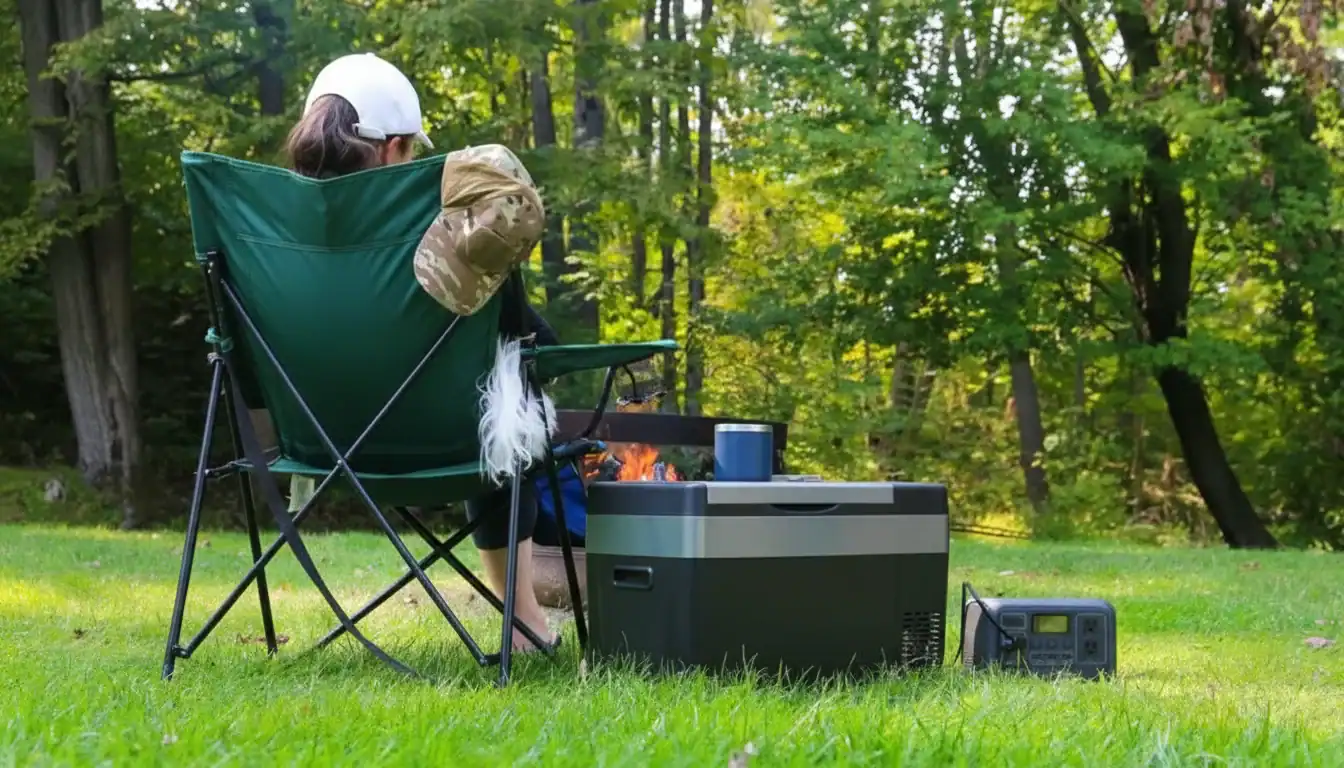
Power Draw: Continuous Fan (Cooler) vs. Cycling (Compressor)
A compressor fridge’s intermittent power spikes deliver true freezing with superior overall efficiency, while a thermoelectric cooler’s continuous fan offers a low-power draw that is less efficient over long periods.
Thermoelectric Coolers: Low and Consistent Draw
A thermoelectric cooler uses a Peltier module and a fan that runs continuously to move air and transfer heat. This design results in a very small and steady electricity draw, making it a simple option for maintaining coolness relative to the ambient temperature. The system doesn’t actively freeze; it just works to create a temperature difference.
- These units typically consume around 3-5 amps (40-60 watts) but run non-stop.
- The continuous operation ensures constant air movement but lacks the power to overcome high external heat or achieve freezing temperatures.
- Because it never cycles off, its total energy consumption over a 24-hour period can be higher than a compressor fridge, making it less efficient for long-term use.
Compressor Fridges: High-Wattage Cycling
A compressor-based car fridge operates in cycles, similar to a home refrigerator. It switches on to actively cool the interior, drawing a significant amount of power for a short burst. Once it reaches the set temperature, it shuts off until the temperature rises again. This cycling makes it highly efficient for maintaining precise temperatures.
| السمة | المبرد الكهروحراري | Compressor Fridge |
|---|---|---|
| وضع التشغيل | Continuous (Always On) | Intermittent Cycling (On/Off) |
| Average Power Draw | 3–5 Amps | 1–2 Amps (averaged over time) |
| Battery Protection | None (high risk of draining battery) | 3-Stage low-voltage cutoff (built-in) |
- When the compressor is active, its power draw spikes. Our models use an efficient Eco Mode that keeps consumption under 45 watts.
- The system’s fan may use minimal power, but the compressor requires the main energy burst to circulate refrigerant.
- Even with high-power bursts, the “off” periods make it far more energy-efficient for maintaining sub-freezing temperatures over days.
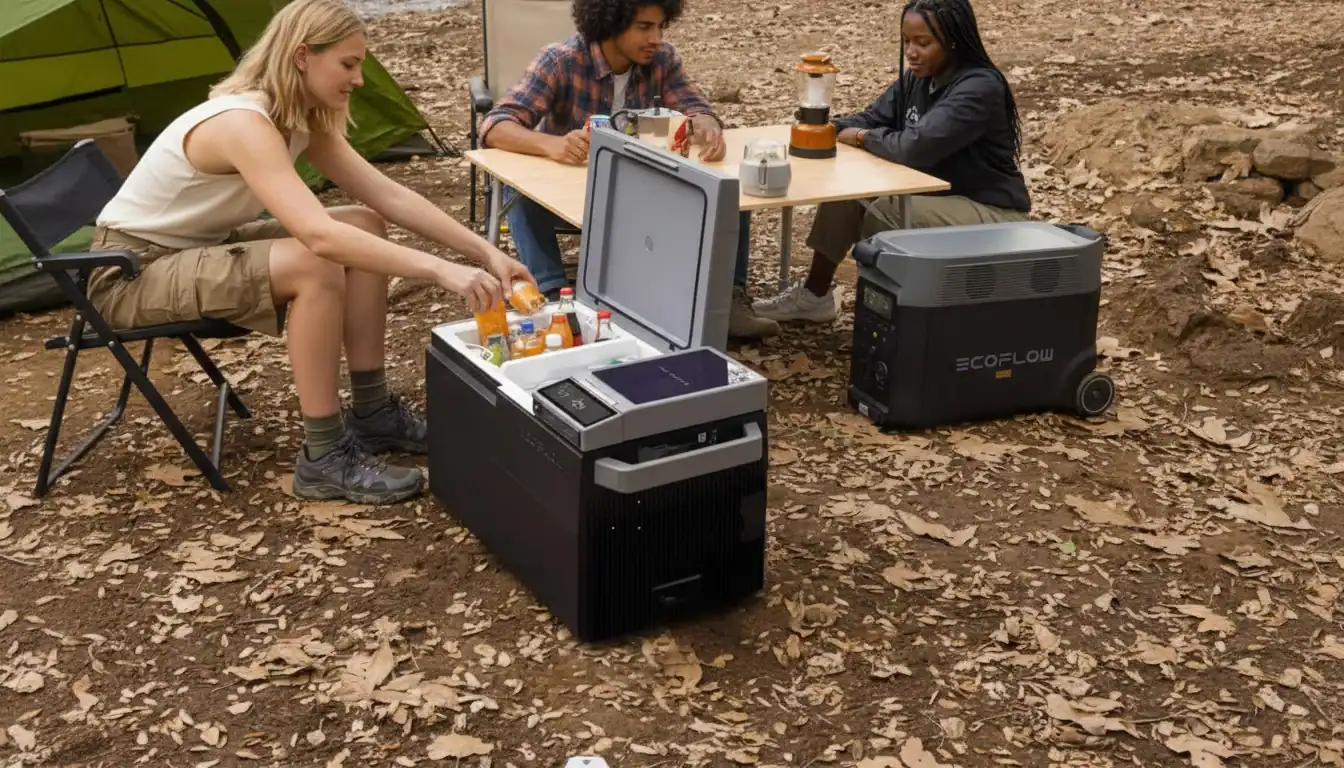
The Energy Efficiency Gap
The fundamental difference is how each system uses power. A thermoelectric cooler offers low-power, continuous air circulation. A compressor provides high-power, intermittent chilling. This makes the compressor far more effective for freezing and dramatically more efficient over long trips, as it only works when needed.
- An active compressor is powerful, but its intelligent cycling results in lower total amp-hours used per day compared to a cooler that never stops running.
- This is why compressor fridges are equipped with 3-stage battery protection; their power spikes require careful voltage management, but their cycling nature protects the vehicle’s battery.
- The choice is a direct trade-off: constant, inefficient power draw for moderate cooling (thermoelectric) versus efficient, cycled power draw for true refrigeration and freezing (compressor).
Source Certified & Customizable Car Coolers

Price Gap: Is the Extra $200 Investment Worth It?
The price difference between value and premium coolers is rarely justified by cooling performance alone; the extra cost typically buys brand trust, a stronger warranty, and specialized features rather than a significant leap in ice retention.
Performance vs. Price Premium
The relationship between cost and cooling power is not linear. Market data shows premium rotomolded coolers often carry a 40-50% price increase over their competitors, but this doesn’t translate to a proportional gain in performance. The actual difference in ice retention is often marginal, usually falling within a 20-30% range. This means the extra investment primarily covers features and brand positioning, not a dramatic improvement in the core insulation capability. For buyers focused purely on keeping items cold for a weekend, the diminishing returns on a high-end model can be hard to justify.
Beyond Cooling: Warranty and Brand Trust
High-end brands build their price premium on factors other than insulation. A robust, long-term warranty is a key differentiator, signaling confidence in the product’s durability. Established brand heritage creates a sense of reliability and customer support that many buyers are willing to pay for. Specialized certifications, such as bear-proof ratings, are not just marketing gimmicks; they are essential selling points for users in demanding outdoor recreation or professional field environments where equipment failure is not an option.
Defining Value: Use Case and User Priorities
Ultimately, the decision to spend more depends entirely on the user’s specific application. The market is split between two clear priorities. Professionals and serious outdoor enthusiasts often prioritize durability and brand trust, viewing the higher cost as an insurance policy against equipment failure in the field. For casual users who need a cooler for day trips or backyard gatherings, the minor performance gains of a premium cooler are often unnecessary. Value is determined by whether the priority is long-term, rugged reliability or simply functional ice retention at a lower initial cost.
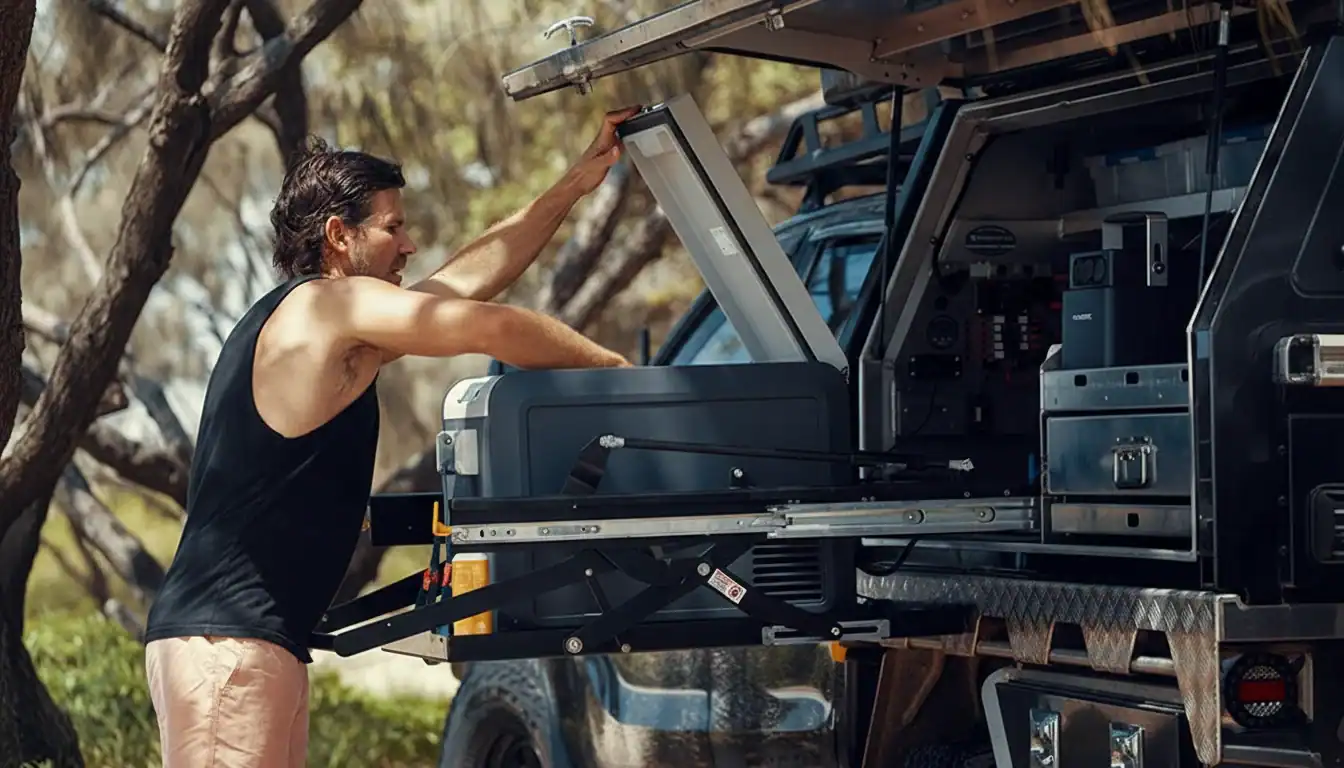
Top Picks: Best for Day Trips vs. Best for Week-Long Camping
The right cooler depends entirely on the trip’s duration. Day trips demand lightweight portability, while multi-day excursions require the reliable, long-term cooling performance of a compressor fridge.
Day Trips: Lightweight and Portable
For short outings, portability is the primary concern. Soft-sided and lightweight hard coolers are the best choice, prioritizing features like shoulder straps and comfortable handles for easy transport. These units typically weigh under 20 pounds, making it simple to carry them from a vehicle to a picnic or beach spot. Their insulation is sufficient to keep drinks and snacks cold for the day. A small thermoelectric model, which cools relative to the outside air, fits this role perfectly as it’s light and doesn’t need ice packs, maximizing internal space.
Week-Long Camping: Durability and Extended Cooling
Extended camping trips demand a shift in priorities toward durability and consistent cooling. Hard-sided compressor fridges are the clear winner here. Their rugged construction and superior insulation, combined with active refrigeration, provide true freezer-level performance that can last for days or weeks. If you have access to a vehicle’s 12V socket or a portable power station, electric compressor fridges eliminate the need for ice entirely, preventing soggy food and creating more usable space. Models with built-in battery protection are essential, as they automatically shut down to avoid draining your car’s starter battery.
| الميزة | Day Trip Cooler (Thermoelectric) | Week-Long Fridge (Compressor) |
|---|---|---|
| تقنية التبريد | Peltier Module (Semiconductor) | DC Compressor (Refrigerant-based) |
| أداء التبريد | Cools 15–20°C below ambient temp | Reaches true freezing (-20°C) |
| Power Draw | Continuous draw while on | Cycles on/off to save power |
| أفضل حالة استخدام | Short trips, keeping drinks cool | Multi-day camping, food safety |
The Deciding Factor: Convenience vs. Performance
The choice between these coolers boils down to a simple tradeoff. Short trips demand low weight and easy handling, where basic cooling is good enough. Week-long trips require high capacity, durability, and consistent cooling performance to ensure food safety far from home. Compressor fridges serve as the ideal solution for any trip longer than a day where power is available, offering true mobile refrigeration instead of just ice-dependent cooling.
الخاتمة
The choice between a thermoelectric cooler and a compressor fridge comes down to specific customer needs. A thermoelectric model is a cost-effective solution for keeping items cool on short trips. For true freezing capabilities essential for week-long camping or storing frozen goods, a compressor fridge is the only reliable option.
Review your current product lineup to ensure you cater to both the budget-conscious day-tripper and the serious RVer. Contact our team to request a full catalog and discuss how our OEM solutions can fill any gaps in your inventory.
الأسئلة المتداولة
Is a compressor fridge better than a thermoelectric cooler?
Yes, a compressor fridge is significantly better for most applications. It uses a refrigerant and compressor system, just like a home refrigerator, allowing it to achieve and maintain true freezing temperatures regardless of the ambient outside temperature. Thermoelectric coolers, by contrast, can only cool to about 30-40°F (18-22°C) below the ambient temperature, making them unreliable in hot climates. Compressor units are also far more energy-efficient for long-term use.
What is the main difference between 12v cooler and fridge?
The main difference is the cooling technology. A “12V cooler” almost always refers to a thermoelectric unit using the Peltier effect, which is limited by ambient temperature. A “12V fridge” uses a compressor-based system that functions like a true refrigerator or freezer. This allows a 12V fridge to maintain a precise, set temperature (e.g., 37°F or 0°F) even in very hot weather, while a thermoelectric cooler’s performance degrades as the outside temperature rises.
Which electric cooler is best for long camping trips?
For long camping trips, a 12V compressor fridge is the undisputed best choice. Its superior energy efficiency and powerful cooling performance are critical for multi-day use. It can safely store perishable food at food-safe temperatures, operate reliably in high heat, and cycles on and off, which conserves battery power. This makes it ideal for pairing with a dual-battery system or a portable solar power station, ensuring consistent performance throughout your trip.
Does the thermoelectric cooler drain the car battery faster?
Yes, over a 24-hour period, a thermoelectric cooler typically drains a car battery faster than a compressor fridge. While a compressor fridge has a higher peak power draw when it starts, it cycles on and off to maintain its target temperature. A thermoelectric cooler runs continuously at a steady, inefficient power draw. This constant operation results in higher overall energy consumption (measured in amp-hours), depleting the battery more quickly than a cycling compressor unit.

 English
  Español
  Français
  Deutsch
  Português do Brasil
  Русский
  한국어
한국어  日本語
日本語  العربية