 تخطي إلى المحتوى الرئيسي تخطي إلى التذييل

عندما يسأل العملاء هل يمكنني اصطحاب غلاية التدفئة المحمولة في حقائب السفر، يجب على الشركات المصنعة للأجهزة تقديم إجابات دقيقة لأن ضمانات الامتثال الغامضة في الطيران تؤدي مباشرةً إلى مصادرة المطار وإرجاع المنتجات الضارة. يتطلب التنقل بين تقاطع تكنولوجيا التدفئة المحمولة وأمن الطيران هندسة دقيقة وتوثيقاً واضحاً. وتواجه العلامات التجارية خسائر مالية مباشرة إذا تسببت منتجاتها في إطلاق إنذارات نقاط التفتيش أو افتقرت إلى الملصقات التنظيمية المناسبة.
يُعد هذا الدليل بمثابة إجراء تشغيل قياسي تقني معياري لتصميم سخانات المياه المحمولة المتوافقة مع اللوائح التنظيمية لإدارة أمن النقل وإدارة الطيران الفيدرالية. نقوم بتفصيل لوائح إدارة أمن المواصلات وإدارة الطيران الفيدرالية التي تؤثر على هذه الأجهزة، ونوضح بالتفصيل قيود بطارية الليثيوم بقدرة 100 وات في الساعة وطرق تفاعل عناصر التسخين الكثيفة المصنوعة من الفولاذ المقاوم للصدأ مع أجهزة الفحص بالأشعة السينية في المطارات. ستتعلم فرق المنتجات بالضبط كيفية تنسيق ملصقات التعبئة والتغليف لإثبات الامتثال للوائح التنظيمية والحفاظ على سلاسة حركة المستخدمين النهائيين عبر نقاط التفتيش الأمني.
هل يُسمح رسمياً بوضع غلايات السفر الكهربائية في الحقائب المحمولة؟
تصنِّف إدارة أمن المواصلات وسلطات الطيران العالمية الكهرباء غلايات السفر المحمولة القياسية الأجهزة، والسماح بها في الأمتعة المحمولة شريطة ألا تحتوي على أي سوائل أثناء الفحص الأمني.
إرشادات أمن الطيران للأجهزة الإلكترونية المحمولة
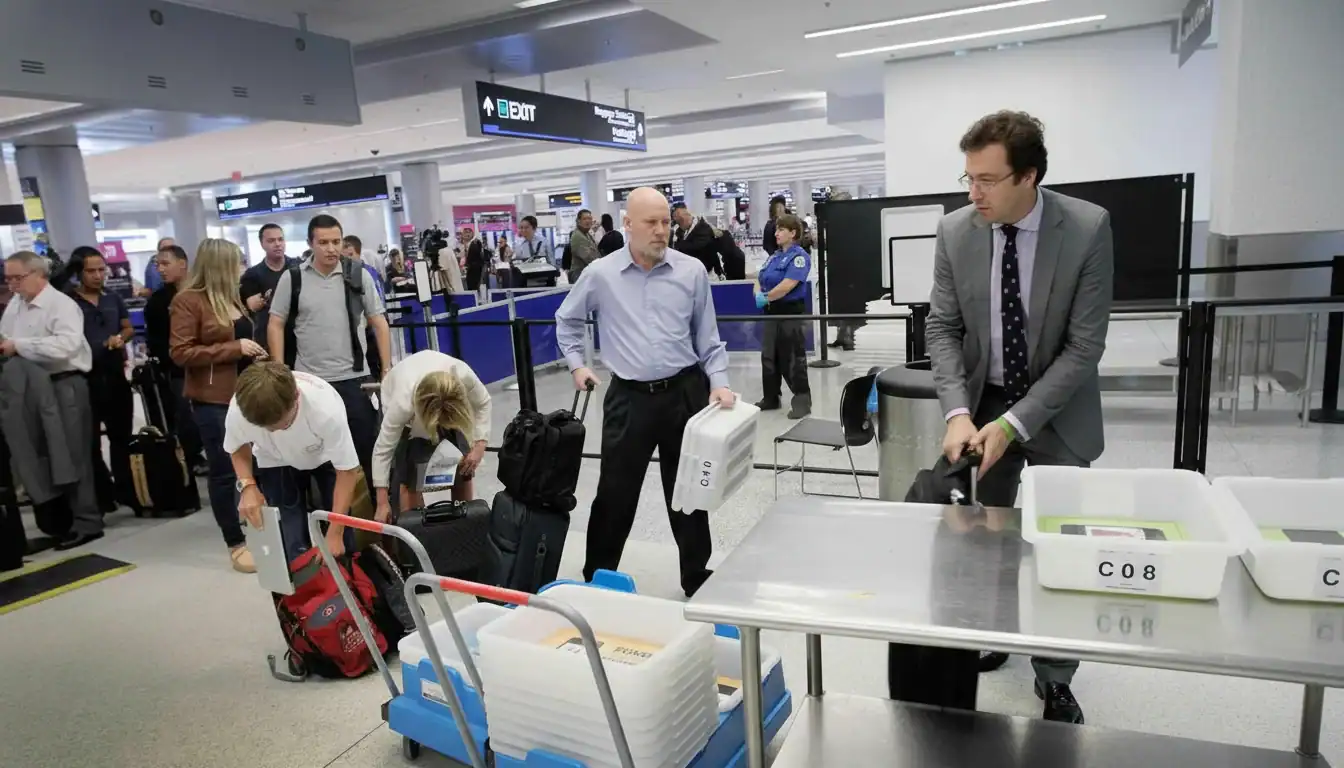
تصنّف إدارة أمن النقل وهيئات أمن الطيران الدولية غلايات السفر الكهربائية كأجهزة إلكترونية محمولة قياسية محمولة بدلاً من تصنيفها كمواد خطرة. واعتباراً من عام 2026، تتعامل نقاط التفتيش الأمني في المطارات مع الأجهزة المحمولة بشكل مماثل لأجهزة الكمبيوتر المحمولة. يطلب موظفو الأمن من المسافرين إزالة الأجهزة الإلكترونية الضخمة من الحقائب المحمولة أثناء عملية الفحص المادي لضمان رؤية مكونات التدفئة الداخلية دون عائق.
للمحافظة على الامتثال عند نقطة التفتيش، يجب على المسافرين تنفيذ بروتوكولات أجهزة محددة:
- ضع غلاية كهربائية في حاوية فحص منفصلة لرؤية واضحة بالأشعة السينية.
- أفرغ حجرة التسخين بالكامل لتتوافق مع الحد الأقصى للسائل البالغ 3.4 أونصة.
- احتفظ بكابلات الطاقة المدمجة ملفوفة بعناية لمنع تداخل المسح الضوئي.
حدود البطارية الداخلية مقابل الموديلات القياسية القابلة للتوصيل بالقابس الكهربائي
يملي مصدر الطاقة المحدد لغلاية السفر امتثالها للوائح سلامة الأمتعة في المقصورة. وتفرض سلطات الطيران قيوداً صارمة على بطاريات الليثيوم أيون، حيث تضع حداً أقصى مسموحاً به عند 100 واط/ساعة (Wh) لأي جهاز مخزن في حقيبة السفر. وتواجه الطرازات التي تعمل بالبطاريات التي تتجاوز هذا الحد مصادرة فورية عند البوابة الأمنية ما لم يحصل الراكب على موافقة مسبقة من شركة الطيران.
تتخطى غلايات السفر السلكية والموصولة بالكهرباء هذه القيود المفروضة على الطيران. فهي تفتقر إلى خلايا الطاقة الداخلية التي تشكل مخاطر الهروب الحراري على ارتفاعات عالية. يقوم المصنعون مثل KelyLands بتصميم غلايات السفر الداخلية بجهد 12 فولت/24 فولت كوحدات توصيل مباشرة، مما يجعلها معفاة هيكلياً من قيود الطيران الخاصة ببطاريات الليثيوم. يضمن تصميم الأجهزة هذا النقل بدون احتكاك عبر نقاط التفتيش الأمنية المحلية والدولية الصارمة.
سياسات الناقل الفردي وقواعد الأبعاد
تحتفظ شركات الطيران الفردية بسلطة فرض قواعد صارمة على الأغراض الشخصية فيما يتعلق بأدوات المطبخ المحمولة. تقوم شركات الطيران بتقييم غلايات كهربائية استناداً إلى الأبعاد المادية، مما يتطلب أن تكون الوحدة ملائمة بشكل مريح تحت مقعد الراكب أو داخل المقصورة العلوية إلى جانب الأمتعة الشخصية.
تنصح شركات الطيران المسافرين بالتحقق من حدود أبعاد الأمتعة الخاصة بشركة الطيران الخاصة بهم لعام 2026 قبل تعبئة الأجهزة ذات الجوانب الصلبة. يحتفظ موظفو البوابة بالحق في فرض فحص البوابة على غلايات السفر إذا تجاوزت الحقيبة المحمولة الإجمالية الوزن أو الحجم المعتمد من شركة الطيران. إن اختيار الطرازات المدمجة، مثل تكوينات سعة 600 ملليتر، يخفف من خطر تجاوز هذه الحدود الصارمة للأبعاد المعتمدة من شركات الطيران.
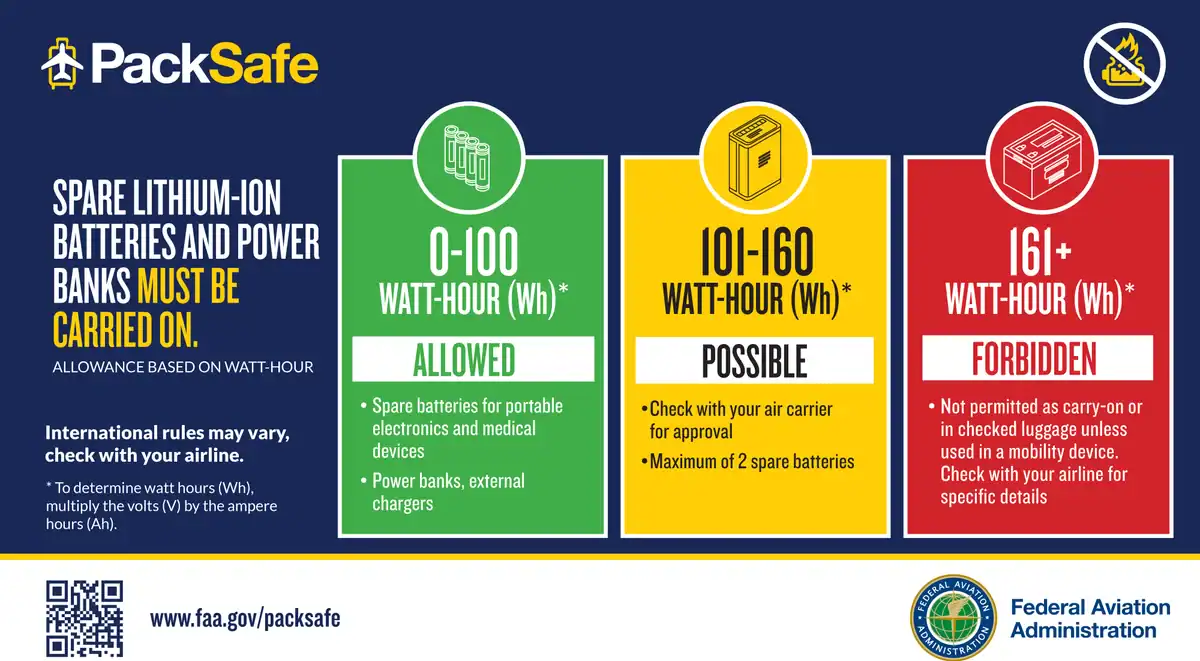
هل الغلايات التي تعمل بالبطاريات تنتهك حد رحلة الليثيوم بقدرة 100 واط في الساعة؟
إن غلايات السفر القياسية التي تعمل بالبطاريات التي تعمل بالبطاريات التي تعمل بالبطاريات التي تعمل تحت عتبة 100 واط/ساعة معفاة من لوائح إدارة أمن النقل وإدارة الطيران الفيدرالية بشأن حمل الحقائب دون الحاجة إلى موافقة شركة الطيران قبل السفر.
إرشادات الطيران الخاصة ببطاريات الليثيوم أيون
تقوم شركات الطيران وإدارة الطيران الفيدرالية بتصنيف بطاريات الليثيوم أيون إلى ثلاث فئات متميزة بناءً على سعة الواط/ساعة (Wh) للتخفيف من مخاطر الهروب الحراري أثناء الطيران. تسمح البروتوكولات الأمنية بوضع البطاريات التي تقل سعتها عن 100 واط/ساعة في حقائب اليد دون الحاجة إلى موافقة خاصة من شركة الطيران. وتفرض سلطات الطيران الحصول على إذن صريح من شركة الطيران لمصادر الطاقة التي تتراوح سعتها بين 100 واط/ساعة و160 واط/ساعة، مع تقييد الركاب بوحدتين احتياطيتين كحد أقصى. تحظر اللوائح بشكل صارم أي بطارية تتجاوز حد الـ 160 واط/ساعة على متن طائرات الركاب في جميع الظروف.
| سعة البطارية (واط/ساعة) | حالة حمل الأمتعة على متن الطائرة | الموافقة المسبقة من شركة الطيران |
|---|---|---|
| أقل من 100 واط/ساعة | مسموح به | غير مطلوب |
| 100 واط/ساعة إلى 160 واط/ساعة | مسموح (الحد الأقصى 2 قطع غيار) | إلزامي |
| أكثر من 160 وات/ساعة | ممنوع منعا باتا | غير متاح (محظور) |
التقييمات النموذجية لساعات الوات-ساعة للغلايات المتنقلة
تتميّز معظم الغلايات التي تعمل بالبطاريات الاستهلاكية بسعات أقل بكثير من الحد الأقصى المسموح به في الرحلات الجوية. يقوم المهندسون بتصميم غلايات السفر القياسية لتعمل في نطاق 0-100 واط في الساعة، مما يضمن الامتثال الفوري لفحص الأمتعة المحمولة القياسي. ويمنع هذا النهج التصميمي المستهدف الاحتكاك عند نقاط التفتيش الأمني في المطارات ويتماشى مباشرةً مع تفويضات سلامة الطيران العالمية.
قد تتخطى بعض بنوك الطاقة ذات السعة العالية أو الغلايات المحمولة الثقيلة حد الـ 100 واط في الساعة، مما يؤدي إلى إجراء مراجعات أمنية ثانوية. يجب أن يتحقق المسافرون من التصنيف الدقيق للواط ساعة المطبوع مباشرةً على قاعدة الغلاية أو حزمة البطارية الخارجية قبل الوصول إلى صالة المطار لتجنب المصادرة. تضمن عمليات التحقق من المواصفات الدقيقة تجربة عبور سلسة.
بروتوكولات التعبئة للبطاريات المدمجة مقابل البطاريات القابلة للإزالة
تفرض الوكالات الأمنية قواعد تعبئة متميزة بناءً على كيفية تفاعل البطارية مع جهاز التسخين. إن الالتزام ببروتوكولات التعبئة المحددة هذه يمنع التأخير ويحافظ على معايير سلامة الشحن في جميع الرحلات الجوية التجارية.
- يمكن للركاب حمل الأجهزة التي تحتوي على بطاريات مدمجة غير قابلة للإزالة في الأمتعة المسجلة، شريطة أن يقوموا بإيقاف تشغيل الأجهزة بالكامل لمنع تشغيلها عن طريق الخطأ في عنبر الشحن.
- تتطلب توجيهات إدارة أمن المواصلات من المسافرين تخزين جميع البطاريات الاحتياطية القابلة للإزالة في الحقائب المحمولة حصرياً، مع إبقاء خلايا الليثيوم المتطايرة خارج مقصورات الأمتعة غير المسجلة.
- يجب أن تحمي أطراف البطاريات الاحتياطية الفردية بشريط غير موصل أو حقيبة سفر مخصصة لمنع حدوث دوائر قصيرة أثناء النقل.
مصدر آمن، غلايات السيارات ذات الهامش العالي 12 فولت/24 فولت
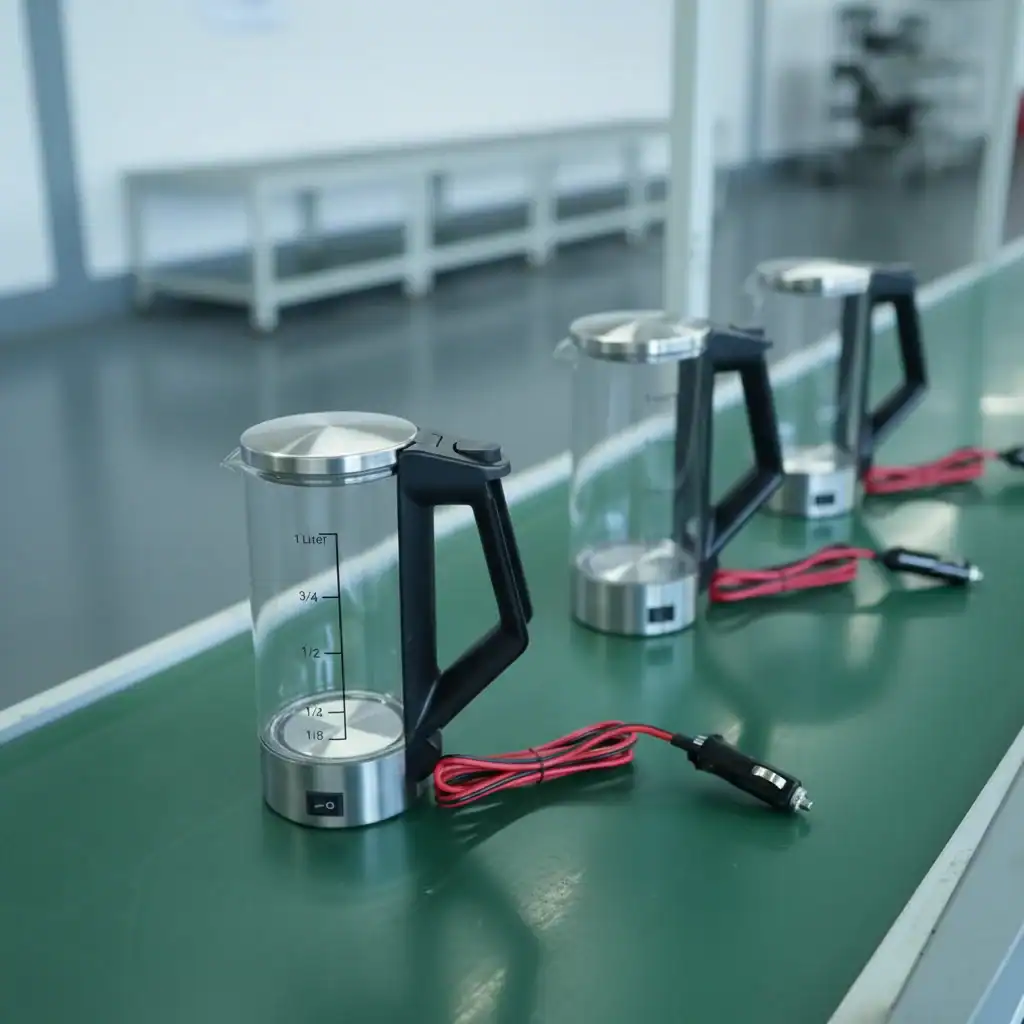
هل يُطلق عنصر التسخين المصنوع من الفولاذ المقاوم للصدأ إنذارات أمن المطار؟
تكتشف الماسحات الضوئية الحديثة في المطارات ألواح التسخين المصنوعة من الفولاذ المقاوم للصدأ بسهولة، ولكن خوارزميات التمييز المتقدمة تصنفها على الفور كأجهزة سفر غير ضارة بدلاً من كونها تهديدات أمنية.
كيفية اكتشاف الماسحات الضوئية الحديثة لمكونات الفولاذ المقاوم للصدأ
تستخدم نقاط التفتيش الأمنية في المطارات معدات حساسة للغاية مصممة لرصد المعادن المغناطيسية وغير المغناطيسية على حد سواء. عندما تحزم غلاية السفر، فإن عنصر التسخين المصنوع من الفولاذ المقاوم للصدأ المخصص للطعام يحتوي على بصمات معدنية محددة تسجل على الفور على أنظمة الكشف بالأشعة السينية والموجات المليمترية. تحدد تقنية الفحص الحالية بسهولة الموقع الدقيق لهذه المواد وكثافتها وشكلها داخل الأمتعة المحمولة المعبأة بإحكام.
| المواد المكوِّنة | الخاصية المغناطيسية | حالة تمييز الماسح الضوئي |
|---|---|---|
| فولاذ مقاوم للصدأ من الدرجة الغذائية (لوح تسخين) | منخفضة/غير مغناطيسية منخفضة/غير مغناطيسية | مسح (معترف به كجهاز) |
| زجاج البورسليكات العالي (هيكل الغلاية) | غير معدنية | شفاف بالأشعة السينية (بدون تنبيه) |
| أسلاك النحاس والراتنج الفينولي | غير مغناطيسية غير مغناطيسية | مسح (إلكترونيات قياسية) |
لماذا تتجنب عناصر التسخين النتائج الإيجابية الخاطئة
تستخدم أنظمة المسح المعاصرة معالجة متقدمة للإشارات لتقليل النتائج الإيجابية الخاطئة. تفرق خوارزميات الأمان بنجاح بين الشكل الملفوف غير المؤذي للسفر تسخين الغلاية المكونات والعناصر المقيدة. تقوم تقنية التمييز هذه بتحليل كثافة وتخطيط المعدن، مما يمنع إطلاق الإنذارات عند فحص الأجهزة المحمولة القياسية. وتعتمد فرق الأمن على هذه الأنظمة الآلية الدقيقة للتحقق من مكونات الأجهزة الداخلية دون الحاجة إلى إجراء عمليات فحص يدوية للأمتعة.
تسريع الفحوصات الأمنية للركاب
يعمل المسح الفعال للمكونات المعدنية الهيكلية على إبقاء خطوط المطار تتحرك مع تطبيق بروتوكولات السلامة الصارمة. تقوم خوارزميات الكشف السريع بمعالجة ملحقات السفر على الفور خلال مرحلة الفحص الأولي بالأشعة السينية. وتوازن هذه القدرة بفعالية بين الكشف عن التهديدات عالية المستوى وسرعة نقل الركاب. ويواجه المسافرون الذين يحملون أجهزة سفر حديثة وجيدة التصميم تأخيرات أقل في نقاط التفتيش، مما يسمح لهم باجتياز الفحص الأمني دون احتكاك. للمساعدة في عملية الفحص الآلي، يجب على المسافرين اتباع إجراءات التعبئة القياسية للأجهزة المحمولة:
- أبقِ الغلاية فارغة تماماً لتجنب تفعيل حد ال 3.4 أونصة من السوائل.
- قم بلف أسلاك الطاقة بشكل أنيق بجانب القاعدة للحفاظ على صورة واضحة للأشعة السينية.
- ضع الجهاز بالقرب من الجزء العلوي من الحقيبة المحمولة إذا احتاج العملاء إلى إجراء اختبار بصري أو مسحة سريعة.
كيف يجب أن تضع العلامات التجارية ملصقات على العبوات لإثبات امتثالها لإدارة أمن النقل/إدارة الطيران الفيدرالية؟
تتعامل أطر أمن الطيران مع سلامة التعبئة والتغليف كإجراء أمني أساسي، مما يتطلب من الشركات المصنعة لشركات B2B تنفيذ بروتوكولات صارمة للتلاعب والمواد التي تحمل مواصفات الأمم المتحدة قبل وقت طويل من وصول الشحنات إلى بوابات المطار.
الأختام والأختام الأمنية الواضحة للعبث والترقيم
يتطلب أمن الطيران الحديث تدابير متميزة ضد التلاعب على عبوات البيع بالتجزئة والجملة للتحقق من سلامة المنتج. تطبق العلامات التجارية أختاماً أمنية واضحة للتلاعب مع ترقيم متسلسل لتأمين العبوة ضد الوصول غير المصرح به. تتحقق فرق الأمن من هذه الأختام في المستودعات للتأكد من الامتثال قبل وقت طويل من وصول الشحنة إلى الطائرة، مما يحول نقطة التفتيش الأمني الأولية مباشرةً إلى سلسلة الخدمات اللوجستية.
تقوم KelyLands بدمج بروتوكولات الختم هذه مباشرة في تصنيع المعدات الأصلية حسب الطلب حلول التغليف. وهذا يضمن النقل الآمن لطلبيات B2B السائبة من الأجهزة داخل السيارات، مما يضمن تلبية كل حاوية لمتطلبات سلسلة الحراسة الصارمة دون تأخير في جداول التصدير.
معايير مواصفات الأمم المتحدة والتوسيم المزدوج
تفرض سلطات الطيران التغليف الذي يجتاز اختبارات إجهاد النقل الصارمة ويعرض وثائق واضحة. يستخدم المصنعون التغليف الموجه للأداء الذي يلبي مواصفات الأمم المتحدة لتحمل ظروف النقل القاسية. وتتطلب بروتوكولات الامتثال وضع ملصقات مزدوجة على كل من داخل الحاوية وخارجها للحفاظ على وضوح الرؤية في حالة تعرض الصندوق الخارجي للتلف أثناء تحميل الشحنة.
| ميزة الامتثال | التعبئة والتغليف بالجملة القياسية | معيار B2B الجاهز للطيران |
|---|---|---|
| الختم الأمني | شريط التغليف الشفاف القياسي الشفاف | الأختام الواضحة للعبث مع ترقيم متسلسل |
| السلامة الهيكلية | كرتون مموج أحادي الجدار | مواصفات الأمم المتحدة / التعبئة والتغليف الموجه نحو الأداء |
| التوثيق | ملصق شحن خارجي خارجي واحد | وضع العلامات المزدوج (داخلي/خارجي) والتحقق من الفحص 100% |
تدعم KelyLands العملاء العالميين من خلال ضمان اقتران علامات الاعتماد المناسبة مثل CE و RoHS و FCC و UKCA بشكل صحيح مع ملصقات النقل الجوي الدولي. هذا التوثيق الاستباقي يزيل الاختناقات الجمركية للموزعين الذين يستوردون غلايات SM و CC سلسلة 12 فولت ذات الحجم الكبير.
البناء المادي للشفافية بالأشعة السينية
يجب أن يسهّل الهيكل المادي لصندوق الشحن الفحص الأمني السريع في المطار مع حماية المكونات الداخلية. تتطلب لوائح الطيران هيكلًا مموجًا صلبًا، باستخدام قوة جدار مزدوج على الأقل لحماية العناصر الثقيلة مثل غلايات الأسطول الثقيلة وشواحن السيارات الكهربائية من السحق تحت وزن الشحنة.
يجب أن يحافظ المصممون على الشفافية بالأشعة السينية في مواد التغليف حتى يتمكن موظفو إدارة أمن المواصلات من تحديد المكونات الداخلية بوضوح. تسمح هذه الشفافية الهيكلية لموظفي الفحص الأمني بالتحقق الفوري من ميزات مثل الكابلات النحاسية النقية ومقابس الباكليت عالية الحرارة دون فتح الكراتين الرئيسية. يجب أن تتحقق الوثائق المطبوعة على العلبة الخارجية بشكل فعال من حالة فحص الشحنة 100% لتتماشى مع معايير أمن الطيران الدولية، مما يحافظ على سير سلسلة التوريد بكفاءة.
الخاتمة
يتطلب التعامل مع لوائح الطيران الخاصة بغلايات السفر اهتمامًا صارمًا بسعات البطاريات وخيارات المواد. يجب على العلامات التجارية التأكد من بقاء منتجاتها تحت حد الليثيوم 100 واط في الساعة وتوفير ملصقات تغليف واضحة لمساعدة المستخدمين على المرور عبر أمن المطار دون تأخير. تحمي مواءمة تصميم المنتج مع معايير إدارة أمن النقل وإدارة الطيران الفيدرالية سمعة علامتك التجارية وتضمن تجربة سفر سلسة لعملائك.
قم بتقييم مخزونك الحالي من الغلايات المحمولة للتأكد من أنها تلبي جميع معايير السفر اللازمة للطيران. تواصل مع فريق KelyLands للحصول على كتالوج معتمد من مصنعي المعدات الأصلية أو لطلب عينة من حلول التدفئة المحمولة المتوافقة مع معايير السفر الخاصة بنا.
الأسئلة المتداولة
هل يمكنني اصطحاب غلاية سفر في حقائب اليد؟
نعم، يمكنك اصطحاب غلاية السفر في حقيبة يدك. يُسمح بغلايات السفر القياسية ذات الأسلاك القياسية عبر أمن المطار طالما أنها فارغة تماماً من السوائل. نظراً لاحتوائها على عناصر تسخين وإلكترونيات داخلية، قد يطلب منك موظفو إدارة أمن المواصلات وموظفو الأمن الدوليون إزالة الغلاية من حقيبتك لفحصها بالأشعة السينية بشكل منفصل. يوصى بشدة بالتحقق من شركة الطيران الخاصة بك قبل المغادرة، حيث أن بعض شركات الطيران لديها سياسات متميزة في المقصورة فيما يتعلق بأجهزة التدفئة.
هل يمكنك اصطحاب غلاية السفر على متن الطائرة؟
نعم، يُسمح باستخدام غلايات السفر على متن الطائرات ويمكن تعبئتها إما في حقيبة يدك المحمولة أو في أمتعتك المسجلة. إذا كنت تحزم غلاية كهربائية عادية في حقيبة يدك المحمولة، فتأكد من أنها فارغة تماماً قبل المرور عبر نقطة التفتيش الأمني. إذا كنت تضعها داخل الأمتعة المسجلة، فاحرص على تبطينها بإحكام بالملابس لحماية عناصر التسخين من التلف الناتج عن الصدمات. لاحظ أنه إذا كانت الغلاية تعمل بالبطارية، فيجب حملها في المقصورة ولا يمكن وضعها في الأمتعة المسجلة.
هل يُسمح بوضع الغلايات التي تعمل بالبطاريات في الحقائب المحمولة؟
لا يُسمح بوضع الغلايات التي تعمل بالبطاريات في حقائب السفر المحمولة إلا إذا كانت تتوافق مع لوائح الطيران الصارمة الخاصة بأيونات الليثيوم. يجب ألا تتجاوز سعة البطارية المدمجة 100 واط/ساعة (Wh) للسماح بها على متن الطائرة دون موافقة مسبقة. تتطلب الغلايات التي تحتوي على بطاريات تتراوح سعتها بين 100 واط/ساعة و160 واط/ساعة إذناً خاصاً صريحاً من شركة الطيران، بينما يُحظر تماماً أي جهاز يتجاوز 160 واط/ساعة على متن طائرات الركاب. بالإضافة إلى ذلك، يجب أن يكون الجهاز مزوداً بضمانات لمنع التشغيل العرضي أثناء الرحلة.
هل تتطلب الغلاية شهادات سلامة خاصة للسفر الجوي؟
على الرغم من عدم وجود شهادة محددة خاصة بالطيران فقط مطلوبة لنقل غلاية السفر على متن الطائرة، إلا أنه يجب أن يلتزم الجهاز بلوائح السلامة الدولية القياسية للمستهلكين. يجب أن تتميز الغلايات بعلامات سلامة معترف بها مثل UL أو CE أو FCC، والتي تشير إلى أن الجهاز قد اجتاز اختبارات صارمة للكهرباء ومخاطر الحريق. بالنسبة إلى الطرازات التي تعمل بالبطارية، يجب أن تفي بطارية الليثيوم أيون الداخلية بمعايير اختبار UN38.3، والتي تضمن استقرار البطارية بما يكفي للنقل الآمن في مقصورات الطائرات المضغوطة.

 English
  Español
  Français
  Deutsch
  Português do Brasil
  Русский
  한국어
한국어  日本語
日本語  العربية