 تخطي إلى المحتوى الرئيسي تخطي إلى التذييل

دمج 3. تقنية المستقبل: تؤثر بنيات Type-C PD (سخان مياه USB) بشكل مباشر على ميزانيات أدوات تصنيع PCB والجداول الزمنية لإطلاق المنتجات لمصنعي الأجهزة المحمولة. الانتقال من مقابس الولاعة التقليدية 12 فولت إلى توصيل USB عالي القوة يجبر الشركات المصنعة للمعدات الأصلية على التنقل عبر بروتوكولات التفاوض التلقائي المعقدة للرقاقات، والفشل في تنفيذ هذا الدمج يعرضها لأعطال حرارية أو استدعاءات منتجات مكلفة. تحتاج الفرق الهندسية إلى مسارات موثوقة لتوحيد توصيل الطاقة عبر النظم البيئية المتنوعة للمركبات الكهربائية والأجهزة الاستهلاكية لحماية هوامش أرباحها وسمعة علامتها التجارية.
هذا المواصفات الفنية يوضح الدليل المتطلبات الدقيقة للأجهزة لنشر قدرات غليان بقدرة 100 واط في البيئات المتنقلة. نوضح التحول الهندسي بعيدًا عن مقابس 12 فولت التقليدية، ونفصل تكاليف أدوات PCB الفعلية لأنظمة الغليان الذكية، وندرس توافق الرقاقات مع شواحن الأجهزة الرئيسية. ستحصل على معايير هندسية قابلة للتنفيذ لتبسيط دورة إنتاج OEM التالية وحل اختناقات التكامل الشائعة المتعلقة بالأداء خارج الشبكة وتوافق باور بانك القياسي.

هل يمكن لتقنية Type-C PD (100 واط) أن تغلي الماء فعليًا في مركبة كهربائية متحركة؟
بينما يمتلك اتصال Type-C PD بقدرة 100 واط الطاقة النظرية لتسخين الماء، فإن التطبيقات الحرارية المستدامة في الأساطيل التجارية لا تزال تعتمد على بنية تحتية مخصصة للتيار المستمر بقدرة 150-300 واط لأوقات غليان عملية وسلامة الأجهزة.
الحقيقة التقنية لقدرة التسخين بقدرة 100 واط
منفذ Type-C لتوصيل الطاقة (PD) بقدرة 100 واط يوفر إجمالي الطاقة اللازمة لتسخين الماء، لكن فيزياء النقل الحراري تفرض جدولًا زمنيًا صارمًا. إن دفع 100 واط إلى عنصر تسخين يطيل أوقات الغليان بشكل كبير مقارنة بالأنظمة المخصصة عالية السحب. تخصص المركبات الكهربائية الحديثة منافذ Type-C عالية الإخراج خصيصًا لشحن الأجهزة الرقمية، مع إعطاء الأولوية لأجهزة الكمبيوتر المحمولة و بنوك الطاقة على الأجهزة الحرارية.
يتطلب الحفاظ على سحب بقدرة 100 واط لغليان الماء المستمر رقاقات متقدمة للحفاظ على تفاوض مستقر للطاقة ومنع المنفذ من خفض الطاقة. بدون مصافحة بروتوكول PD 3.0 الصحيحة، سيخفض مصدر الطاقة القوة الكهربائية، مما يمنع الماء من الوصول إلى غليان كامل متدحرج.
| المواصفات | نظام Type-C PD بقدرة 100 واط | نظام تيار مستمر مخصص 12V/24V |
|---|---|---|
| خرج الطاقة المستدام | الحد الأقصى 100 واط (يتطلب بروتوكول PD 3.0) | من 150 واط (12 فولت) إلى 300 واط (24 فولت) بشكل مستمر |
| سعة دورة التسخين | أكثر من 25 دقيقة لـ 750 مل (خاضع للخفض الحراري) | 30 دقيقة لغليان كامل لـ 1000 مل |
| بنية الأجهزة | يتطلب دوائر متكاملة معقدة للتفاوض التلقائي | توصيل مباشر من النحاس النقي 100% إلى المقبس |
لماذا تظل أنظمة 12 فولت/24 فولت التقليدية هي المعيار
تهيمن تكوينات 12 فولت (150 واط) و24 فولت (250 إلى 300 واط) المخصصة على سوق التدفئة في السيارات لأنها توفر خرج طاقة مستمر أعلى. هذا الإيصال الخام للطاقة يجعل كميات كبيرة من الماء تصل إلى غليان كامل خلال حوالي 30 دقيقة دون الاعتماد على المصافحات الرقمية المتغيرة. يحتاج مشغلو الأساطيل التجارية إلى هذا الأداء المتوقع ويحددون بنية تحتية مخصصة للتدفئة بالتيار المستمر لعدة أسباب تشغيلية:
- توصيل الطاقة المستمر: يضمن الخرج المستمر من 150 واط إلى 300 واط دورة تسخين سريعة دون الخفض الحراري للشرائح الشائع في موزعات USB.
- مواد مقاومة للحرارة: تدير المقابس المصنوعة من الباكليت عالي الحرارة والأسلاك النحاسية النقية أحمال التيار العالي بأمان، مما يمنع انصهار المقابس وحرائق الكهرباء في لوحة القيادة.
- آليات الأمان الفيزيائية: تقوم وحدات التحكم في درجة الحرارة القابلة للاسترداد المدمجة والمصهرات الحرارية غير القابلة للاسترداد بقطع الطاقة فعليًا أثناء سيناريوهات الغليان الجاف، مما يحمي البنية الكهربائية للمركبة تمامًا.
وجهة نظر الشركة المصنعة للمعدات الأصلية (OEM) بشأن الأجهزة الحرارية الناشئة من النوع C
يدرك المصنعون بالجملة القدرات العتادية للغلايات بقدرة 100 واط بتقنية PD، إلا أن توحيد المنتجات يتخلف بشكل كبير عن النظم البيئية للمركبات القائمة بجهد 12 فولت/24 فولت. وتعطي أساطيل الخدمات اللوجستية ومديرو المشتريات الأولوية للموثوقية المثبتة على أحدث تقنيات المستهلكين، ويقومون حصريًا بتوريد الأنظمة المعتمدة للسلامة والمجهزة بحماية فيزيائية من الغليان الجاف وزجاج البوروسيليكات المقاوم للصدمات الحرارية.
يراقب شركاء OEM بنشاط نقطة التقاطع الحراري USB-C. ومع ترسيخ طلب السوق التجاري على الأجهزة الحرارية القائمة على PD، سيطبق المصنعون هندسة السلامة الحالية وطبقة الحماية الثلاثية مراقبة الجودة على هذه النظم البيئية الذكية، مما يضمن تلبيتها للمتطلبات الصارمة للنقل الثقيل.
لماذا يحل توصيل الطاقة (PD) محل ولاّعات السجائر التقليدية 12 فولت؟
يمثل التحول من مقابس 12 فولت التناظرية إلى توصيل الطاقة USB-C (PD) ترقية أساسية في البنية الكهربائية للسيارات، حيث يستبدل أنظمة الجهد الثابت بتفاوض ذكي للطاقة يعمل بواسطة متحكم دقيق وقادر على توجيه ما يصل إلى 240 واط بأمان.
زيادة حدود القوة الكهربائية والكفاءة
تتعامل ولاعات السجائر التقليدية بجهد 12 فولت بشكل موثوق مع ما بين 120 واط و150 واط قبل أن تتعطل الصمامات الداخلية أو تبدأ مكونات القابس في الذوبان تحت الإجهاد الحراري. ويغير توصيل الطاقة USB-C (PD) هذه السعة بشكل جذري. تدفع بروتوكولات PD 3.1 الحديثة ما يصل إلى 240 واط بأمان عبر منفذ مدمج، مما يوفر الهامش اللازم لتشغيل الأجهزة عالية الاستهلاك دون المخاطرة بسلامة الكهربائية للمركبة.
بينما يضع مهندسو السيارات اللمسات الأخيرة على تصميمات المقصورة لعام 2026، فإنهم يستبدلون بشكل منهجي أحزمة الأسلاك النحاسية الضخمة بجهد 12 فولت ببنية تحتية مبسطة من USB-C. يقلل هذا التحول من الوزن الإجمالي للمركبة بينما يحسن بشكل كبير كفاءة نقل الطاقة إلى الأجهزة الطرفية.
توافق عالمي عبر الأجهزة
تاريخيًا، احتاج السائقون إلى محولات 12 فولت مميزة لكل قطعة من معدات المقصورة، مما أدى إلى فوضى في الأسلاك وأخطاء توافق متكررة. يعمل USB-C PD على توحيد توصيل الطاقة في جميع أنحاء المقصورة. نفس المنفذ الذي يشحن بسرعة كمبيوتر محمول ثقيل يشغل أجهزة محمولة ضواغط الهواء أو الأجهزة الحرارية المتخصصة بسلاسة.
يقوم موردون مثل KelyLands بمواءمة خرائط الطريق لمنتجاتهم مع هذه المعايير العالمية. تسمح هذه الاستراتيجية لمديري مشتريات الأساطيل بالتخلص من مخزون محولات 12 فولت الخاصة، مما يبسط الخدمات اللوجستية ويقلل تكاليف استبدال الكابلات التالفة عبر عملياتهم.
التفاوض الذكي للطاقة وبروتوكولات السلامة
مقابس 12V القديمة تعمل على أساس سلبي بجهد ثابت. إذا تعطل جهاز متصل أو حاول سحب تيار زائد، يستمر المقبس التناظري في ضخ الطاقة حتى ينكسر المصهر الفعلي، مما يخلق مخاطر حرارية شديدة. يدمج USB-C PD وحدات تحكم دقيقة مدمجة تتفاوض بنشاط على متطلبات الطاقة قبل بدء الشحن. يوفر هذا النهج القائم على البروتوكول مزايا أمان محددة:
- يزيل المخاطر الحرارية السلبية الناتجة عن الإخراج التناظري ذي الجهد الثابت.
- يستخدم مزود الطاقة القابل للبرمجة (PPS) لإجراء تعديلات فورية على الجهد والتيار.
- يمنع الدوائر القصيرة وسيناريوهات الغليان الجاف في الأجهزة الحرارية للسيارات.
هذا المصافحة النشطة يلغي هيكليًا الأسباب الرئيسية للحرائق الكهربائية في مقصورات المركبات، مما يدفع إلى التبني الجماعي بين مشغلي الأساطيل التجارية الذين يعطون الأولوية لسلامة الأجهزة.
التكامل مع البنى الحديثة للسيارات الكهربائية
تعمل منصات السيارات الكهربائية الحديثة على بنى كهربائية متطورة وعالية الجهد توزع الطاقة ديناميكيًا. يقوم مصنعو السيارات بشكل متزايد بنشر وحدات PD ذكية من DC إلى DC لخفض طاقة البطارية عالية الجهد مباشرة إلى واجهة المقصورة. يؤدي الحفاظ على الدارات التناظرية القديمة بجهد 12 فولت إلى خلق خطوات تحويل غير ضرورية وإضافة أجهزة زائدة إلى هيكل السيارة الكهربائية.
الانتقال إلى USB-C PD الأصلي يدعم مباشرة خرائط التصنيع لمنتجي ملحقات السيارات ذوي النظرة المستقبلية. تتطلب هندسة الأجهزة الحرارية المتقدمة شواحن السيارات الكهربائية والأجهزة الحرارية التي تعمل بالتيار المستمر توافقًا سلسًا للواجهة مع هذه الأساطيل الكهربائية الحديثة المحددة بالبرمجيات.
عزز هوامش الربح باستخدام غلايات السيارات المعتمدة من OEM
ما هي تكاليف أدوات PCB لنظام غليان ذكي من نوع USB-C؟
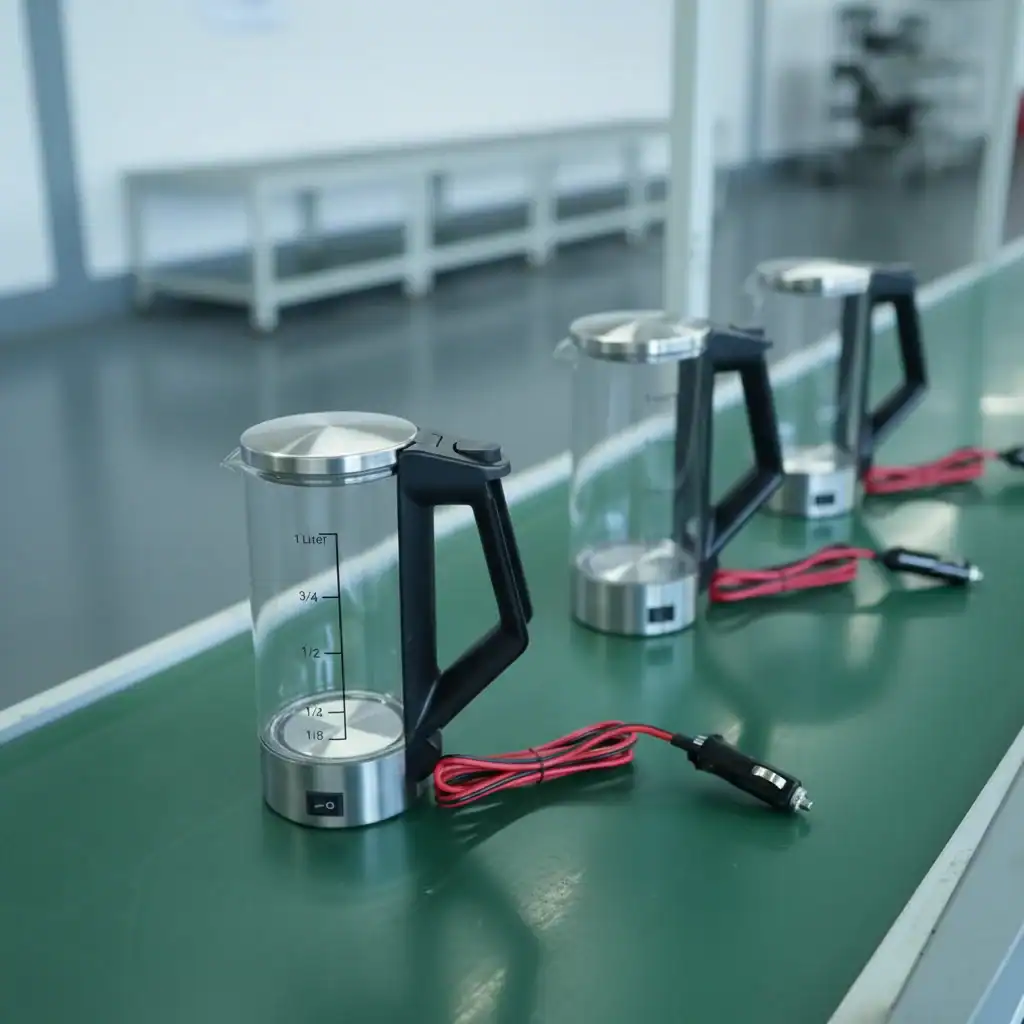
تتطلب أدوات PCB الأولية لنظام غليان USB-C بقدرة 100 واط تخصيصًا دقيقًا لرأس المال، حيث تحدد رسوم الهندسة الأولية والإعداد ربحية دفعات الإنتاج في المراحل المبكرة.
رسوم الهندسة غير المتكررة (NRE) ورسوم الإعداد
تحدد الاستثمارات الأولية جاهزية التصنيع لتصميمات لوحات الدوائر المطبوعة (PCB) المخصصة. تتراوح رسوم الهندسة غير المتكررة (NRE) لأنظمة الغليان الذكية USB-C عادةً بين $50 و$500، وتتدرج مباشرة مع تعقيد بنية توصيل الطاقة. بالإضافة إلى رسوم الهندسة غير المتكررة، تفرض المصانع رسوم إعداد تتراوح بين $200 و$500 لكل دفعة إنتاج. ويغطي ذلك تجهيز خط الإنتاج الفعلي، بما في ذلك قوالب اللحام المخصصة وبرمجة آلات التركيب السطحي.
| فئة التكلفة | نطاق السعر المتوقع | محرك التكلفة |
|---|---|---|
| الهندسة غير المتكررة (NRE) | $50 – $500 | تعقيد التصميم وتكامل بروتوكول مجموعة الشرائح |
| الإعداد للإنتاج (لكل دورة تشغيل) | $200 – $500 | استنسلات اللحام وبرمجة الآلات |
| التصنيع (بكميات صغيرة) | $10 – $50 لكل وحدة | متطلبات اللوحات من 4 إلى 6 طبقات |
تصنيع اللوحات متعددة الطبقات وتوسيع نطاق الإنتاج
تتطلب تطبيقات توصيل الطاقة إدارة حرارية صارمة ومسارات تيار ثابتة. يحقق المصنعون ذلك باستخدام لوحات الدوائر المطبوعة من 4 إلى 6 طبقات. في دورات الإنتاج منخفضة الكمية، تتراوح تكلفة تصنيع هذه اللوحات متعددة الطبقات بين $10 و$50 لكل وحدة. مشترو الأعمال التجارية (B2B) يجب الاستفادة من توسيع نطاق الإنتاج لتحسين الهوامش. يؤدي زيادة حجم الإنتاج إلى تحقيق وفورات الحجم، مما يخفض تكاليف التصنيع لكل وحدة بنسبة 20% إلى 50%.
تفاوت تكاليف التصنيع حسب المنطقة الجغرافية
تحدد المواقع الجغرافية للإنتاج بشكل مباشر نفقات التجهيز والتصنيع الإجمالية. تقدم المراكز التصنيعية الاستراتيجية في الصين حاليًا البنية التحتية الأكثر فعالية من حيث التكلفة لتجهيز لوحات الدوائر المطبوعة لعملاء B2B ذوي الكميات الكبيرة، مما يبسط كلًا من توريد المكونات والتجميع النهائي. إن الاعتماد على الإنتاج المحلي داخل الولايات المتحدة يضاعف نفقات تصنيع وتجهيز لوحات الدوائر المطبوعة الإجمالية بمقدار أربع إلى خمس مرات مقارنة بالمنشآت الخارجية القائمة.
هل تدعم الرقاقة التفاوض التلقائي مع شواحن آبل/سامسونج؟
تنفذ رقاقات Type-C الحديثة مصافحة USB PD 3.0 وPPS في الوقت الفعلي لمواءمة متطلبات الجهد والتيار فورًا، مما يضمن عدم وجود أي احتكاك في التوافق عبر الأنظمة البيئية للأجهزة من Apple وSamsung والأنظمة المملوكة.
نظام توصيل الطاقة USB 3.0 ومصدر الطاقة القابل للبرمجة
تدمج وحدات التحكم الحديثة في الشحن بروتوكولات توصيل الطاقة USB (PD) 3.0 ومصدر الطاقة القابل للبرمجة (PPS) مباشرة في السيليكون. تسمح هذه البروتوكولات القياسية الصناعية للأجهزة بتبادل متطلبات الجهد والتيار الدقيقة ديناميكيًا مع مصدر الطاقة. يلغي هذا التواصل المباشر الاحتكاك في الأجهزة الذي كانت تسببه سابقًا متطلبات الأنظمة البيئية المجزأة.
بما أننا نعمل في عام 2026، فإن الاعتماد على هذه المعايير الموحدة يضمن توصيلًا ثابتًا للطاقة عبر الأجهزة المحمولة. تعمل شريحة ذكية واحدة على توسيع نطاق ناتجها بدقة، بما يتوافق مع ملف تعريف الجهاز المستهدف دون الحاجة إلى محولات ثانوية أو مفاتيح فيزيائية.
مصافحة الجهد في الوقت الفعلي للتوافق عبر المنصات
تبدأ مجموعة الشرائح تفاوضًا فوريًا على المعايير لحظة اتصال الجهاز، مما يحسّن الإخراج لمنصات مثل آبل وسامسونج. بالنسبة للهواتف الذكية القياسية، عادةً ما يثبّت تفاوض PD 3.0 إعدادًا عالي الكفاءة بجهد 9 فولت وتيار 2.2 أمبير. يعمل هذا التبادل المعياري للبيانات في الوقت الفعلي على إقصاء البنى الاحتكارية القديمة غير الفعّالة للشحن بشكل نشط.
لا يقتصر التوافق الشامل عبر المنصات على تزويد الجهاز بالطاقة فحسب؛ بل يقلل بشكل كبير من خسائر تحويل الطاقة. من خلال التفاوض على الجهد المطلوب بدقة على مستوى وحدة التحكم، يمنع النظام الطاقة الزائدة من التسرب كحرارة مهدرة أثناء التشغيل.
الإدارة الحرارية وتوصيل الطاقة بدقة
يؤثر دعم البروتوكول على مستوى مجموعة الشرائح مباشرةً في كل من الإخراج الحراري وكفاءة الطاقة الإجمالية. تعتمد سلامة النظام الحديثة بالكامل على هذا التفاوض البروتوكولي المستمر والآلي بين الشاحن والجهاز المتصل لتنفيذ توصيل الطاقة بدقة.
- يتيح مصدر الطاقة القابل للبرمجة (PPS) إجراء تعديلات دقيقة بزيادات جهد دقيقة تبلغ 20 ملي فولت.
- تعمل التعديلات المتدرجة على تحسين كفاءة الطاقة الإجمالية لتطابق منحنى الشحن الدقيق للبطارية المتصلة.
- تمنع التفاوتات البروتوكولية الصارمة ارتفاع حرارة الجهاز بشكل نشط تحت الأحمال المستمرة الثقيلة.
الخاتمة
إن دمج تقنية توصيل الطاقة 100 واط عبر Type-C في غلايات المركبات الكهربائية يحدّث تجربة المقصورة مع تطلّب هندسة دقيقة للوحات الدوائر المطبوعة. يضمن التفاوض التلقائي الصحيح لمجموعة الشرائح إلى جانب المكونات المتينة مثل المقابس الباكليتية وأسلاك النحاس الخالص أداءً حراريًا مستقرًا وسلامة كهربائية. يتيح الترقية إلى أنظمة الغليان الذكية هذه لعلامات الملحقات تلبية معايير المركبات الحديثة دون المساس بالبنية الكهربائية الرئيسية.
قيّم تشكيلة منتجاتك الحالية لمعرفة ما إذا كان حل الغليان عبر Type-C PD متوافقًا مع خارطة طريق الملحقات القادمة لديك. تواصل مع فريقنا لطلب كتالوج OEM معتمد ومناقشة أدوات مجموعة الشرائح المخصصة لدورة الإنتاج التالية.
الأسئلة المتداولة
سخان مياه يعمل بمنفذ USB-C للتخييم؟
بينما يعتمد التسخين المحمول التقليدي بشكل كبير على أنظمة التيار المستمر 12 فولت، فإن تقنية توصيل الطاقة عبر USB-C بقدرة 100 واط توفر السعة التقنية الكافية لسخانات مياه التخييم. ويمثل هذا تقاطعًا تقنيًا ناشئًا حيث تستخدم معدات التخييم الحديثة البنية التحتية العامة لتوصيل الطاقة عبر USB-C PD للتطبيقات الحرارية، مما يلغي الحاجة إلى حمل محولات مقبس السيارة 12 فولت المتخصصة.
هل يمكن لسخان مياه USB بقدرة 100 واط أن يغلي الماء فعليًا؟
نعم، يمكن لسخان مياه USB-C بقدرة 100 واط غلي الماء، حيث توفر مواصفة Type-C PD بقدرة 100 واط السعة التقنية اللازمة للتطبيقات الحرارية. ومع ذلك، نظرًا لأن 100 واط أقل من الغلاية المنزلية القياسية بقدرة 1500 واط، فإن غلي حجم نموذجي يبلغ 500 مل سيستغرق حوالي 20 إلى 30 دقيقة اعتمادًا على درجة حرارة المحيط الأولية والعزل الحراري للحاوية.
هل تمتلك المصنع حل مجموعة شرائح Type-C PD جاهزًا للـ OEM؟
نعم، القدرة المادية موجودة وناضجة بما يكفي للتكامل الفوري من قبل الشركات المصنعة للمعدات الأصلية (OEM). تستخدم مرافق التصنيع وحدات تحكم مخصصة لاستقبال طاقة Type-C PD مهيأة للتفاوض وتفعيل ملف الطاقة 20V/5A (100W). وهذا يمكّن الشركات المصنعة للمعدات الأصلية من دمج البنية التحتية القياسية عالية الطاقة USB-C بسلاسة في تصاميم المنتجات الحرارية المحمولة المخصصة.
هل سيعمل مع بنك طاقة كمبيوتر محمول قياسي؟
سيعمل بشكل مثالي مع بنك طاقة كمبيوتر محمول عالي السعة، بشرط أن يدعم بنك الطاقة على وجه التحديد إخراج 100W عبر Type-C Power Delivery. تفتقر بنوك الطاقة الاستهلاكية القياسية أو منخفضة المستوى التي تخرج فقط 15W إلى 30W إلى القوة الكهربائية اللازمة لتفعيل وحدة التحكم الداخلية لاستقبال الطاقة (PD sink controller) في عنصر التسخين، مما يجعل بنك الطاقة المعتمد القادر على توفير 100W شرطًا صارمًا.

 English
  Español
  Français
  Deutsch
  Português do Brasil
  Русский
  한국어
한국어  日本語
日本語  العربية