 تخطي إلى المحتوى الرئيسي تخطي إلى التذييل

يتطلب الحفاظ على الأسطح العمودية فائقة النقاء أكثر من مجرد صابون ويد ثابتة. بالنسبة لمشتري B2B ومديري المرافق، فإن الهدف هو التخلص من إعادة العمل اليدوي الناجم عن التنقيط والبقايا المعدنية مع زيادة كفاءة العمال إلى أقصى حد في العقارات واسعة النطاق. يتوقف اختيار مكانس النوافذ والزجاج المناسبة على فهم التقاطع التقني لديناميكيات السوائل والشفط الميكانيكي.
تفصّل هذه المقالة المواصفات الأساسية لأجهزة التنظيف الاحترافية، بدءًا من مقياس متانة الممسحة إلى إدارة طاقة البطارية. ندرس كيف أن الحفاظ على نقاء المياه بين 0-10 جزء في المليون من المواد الصلبة الصفرية TDS يمنع المسارات المعدنية ولماذا تعد مضخات الشفط عالية الأداء التي تصل إلى 5300Pa ضرورية لتحقيق الاستقرار على الزجاج المعماري الرقيق. ستجد أيضًا مقارنة لخيارات المواد مثل مطاط Linatex وأعمدة التمديد المصنوعة من الألومنيوم T6 التي تطيل عمر الخدمة في البيئات عالية الاستخدام.
الوعد “الخالي من التنقيط”: تنظيف الزجاج العمودي
يعتمد الأداء العصري الخالي من التنقيط على الترشيح متعدد المراحل الذي يزيل المعادن الذائبة، بالإضافة إلى التجفيف الميكانيكي بالهواء. من خلال الحفاظ على مستويات المواد الصلبة الذائبة بين 0-10 جزء في المليون، يتبخر الماء بشكل غير مرئي من الأسطح الرأسية. تعمل الأنظمة الصناعية على تحسين ذلك من خلال منفاخ هواء عالي الضغط وتنظيم دقيق للتدفق لإيقاف التدفقات قبل أن تتشكل.
كيمياء المياه النقية والتحكم في المواد الصلبة الصلبة الصافية
يحقق المهندسون نتائج خالية من الخطوط عن طريق تجريد المياه من محتواها المعدني من خلال الترشيح متعدد المراحل. وتستهدف الأنظمة التي تستخدم التناضح العكسي (RO) وإزالة الأيونات (DI) مستوى المواد الصلبة الذائبة الكلية (TDS) بين 0 و10 أجزاء في المليون. عند هذا المستوى من النقاء، تتبخر الرطوبة المتبقية على الزجاج دون أن تترك وراءها بلورات معدنية أو حطام مجهري يشكل عادةً مسارات خطية.
تحتوي مياه الصنبور القياسية على مواد صلبة مذابة تخلق توترًا سطحيًا على الزجاج. تتصرف المياه المنقاة بشكل مختلف؛ فهي تنساب عبر الألواح الرأسية في طبقة رقيقة وموحدة. تسحب الجاذبية هذا الغشاء إلى الأسفل بشكل متساوٍ، مما يمنع تكوين قطرات معزولة تؤدي إلى التقطير. من خلال التخلص من المواد الكيميائية الخافضة للتوتر السطحي والصابون، تزيل هذه الأنظمة أيضًا البقايا اللزجة التي تجذب الغبار المحمول في الهواء وتسبب علامات ما بعد التنظيف عندما يجف السطح.
التجفيف الميكانيكي وتنظيم التدفق
تعمل غسالات الزجاج الصناعية على إدارة المياه من خلال إزاحة الهواء عالي السرعة بدلاً من المسح اليدوي. تستخدم الماكينات المصممة للزجاج المعماري هواءً مضغوطًا بقوة 1 ميجا باسكال تقريبًا مع معدل تدفق هواء يبلغ 0.8 متر مكعب/الدقيقة. تقوم هذه القوة على الفور بقص الرطوبة من الألواح عند خروجها من منطقة الغسيل. وتسمح هذه الدقة بسرعة ناقل تصل إلى 45 مترًا في الدقيقة مع ضمان بقاء الألواح جافة وجاهزة للتجميع الفوري في وحدات زجاجية عازلة.
تعمل تقنية الأتمتة على تنظيم استخدام المياه لمنع التشبع. تحافظ المنظفات الآلية للواجهات على معدلات تغطية تصل إلى 33,600 قدم مربع في الساعة من خلال الجمع بين الفرش الدوارة وتدفق المياه النقية التي يتم التحكم فيها. وعلى جانب المستهلك، تستخدم مكانس النوافذ محركات عالية العزم للحفاظ على إحكام الإغلاق على الإطارات العمودية. يلتقط هذا الشفط كل السوائل تقريبًا عند حافة الممسحة، مما يمنع الجريان السطحي الذي غالبًا ما يصيب طرق التنظيف اليدوي التقليدية. بالنسبة للتطبيقات عالية الوصول، تستخدم الأنظمة التي تغذيها الأعمدة تصميمات هندسية محددة للفوهات لضمان وصول المياه إلى الزجاج دون تكوين تيارات ثقيلة وغير منضبطة.
مادة الممسحة: متانة السيليكون مقابل متانة المطاط
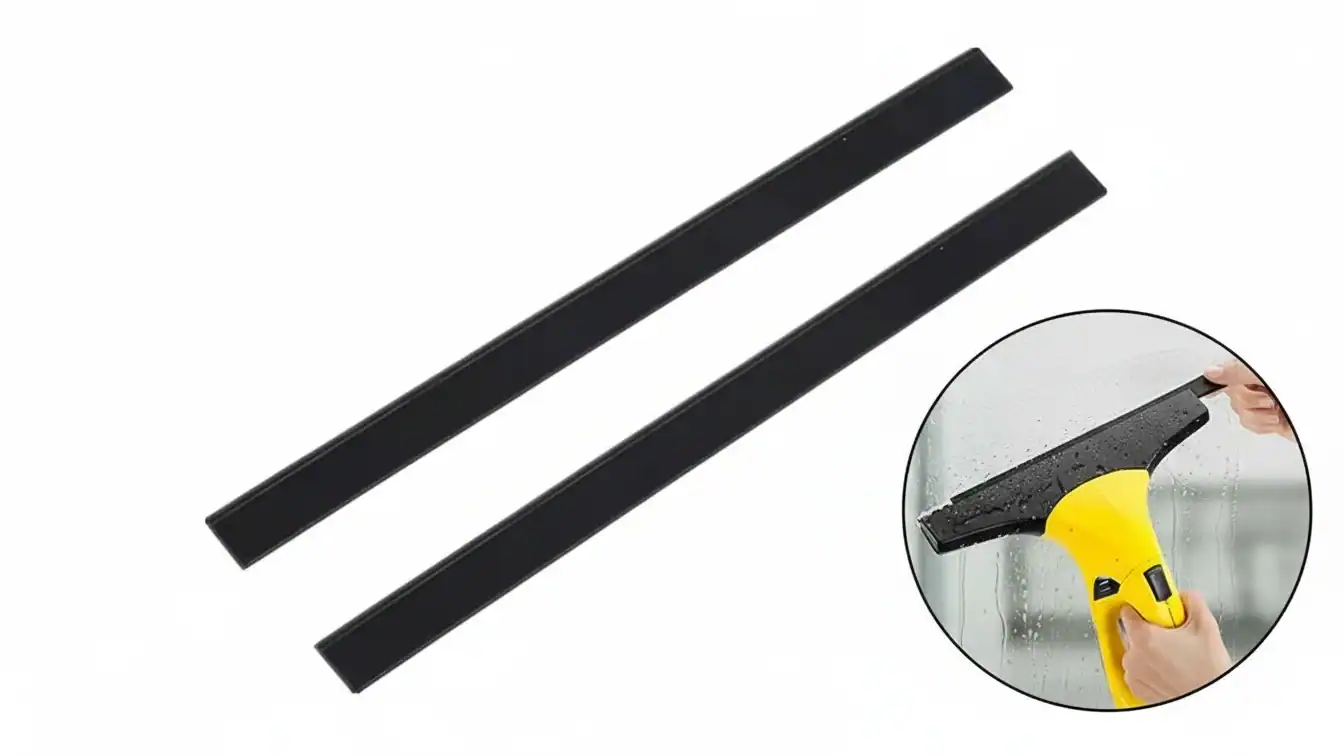
توفر شفرات السيليكون مقاومة فائقة للأشعة فوق البنفسجية ومرونة فائقة للأسطح المسطحة، بينما يوفر المطاط الصلابة المطلوبة لقص الزجاج المسطح بشكل واضح. تطيل المتغيرات عالية الأداء مثل Linatex® وUrethane بشكل كبير من عمر خدمة الشفرات المطاطية مقارنةً بخيارات الصمغ القياسية.
| نوع المادة | المتانة والمقاومة | البيئة المثلى |
|---|---|---|
| سيليكون | مقاومة عالية للأشعة فوق البنفسجية/الحرارية؛ مقاومة خدوش الحواف. | بلاط مزخرف وزجاج غير متساوٍ ومناطق عالية الحرارة. |
| مطاط الصمغ القياسي | منخفض؛ يبلى بسرعة ويتشوه في الزيوت أو أشعة الشمس. | أرضيات ملساء داخلية وزجاج سكني. |
| لينتكس® لينتكس / يوريتان | مقاومة قصوى للتآكل والمواد الكيميائية. | تنظيف احترافي للنوافذ والأرضيات الصناعية. |
مرونة المواد وقدرة السطح على التكيف
يعتمد أداء الممسحة بشكل كبير على مقياس التحمل، وهو مقياس لصلابة المادة. تندرج شفرات السيليكون عادةً ضمن نطاق 50-60 شور أ، مما يجعلها لينة ومتوافقة للغاية. وتسمح هذه المرونة للشفرة بمعانقة خطوط الجص والبلاط المزخرف والأسطح الزجاجية غير المنتظمة حيث يمكن للمواد الأكثر صلابة أن تتخطى هذه الأسطح. وفي حين أن هذه النعومة تساعد في استعادة المياه على الأسطح غير المستوية، إلا أنها تفتقر إلى قوة القص الصلبة اللازمة لتنظيف النوافذ بسرعة عالية على الأسطح الكبيرة والمستوية.
توفر مركبات المطاط الأكثر صلابة حافة أكثر حدة لإزالة الماء بشكل واضح على الزجاج الأملس. يوفر مطاط الصمغ الطبيعي التقاطًا أوليًا ممتازًا للماء ولكنه يفقد سلامته الهيكلية عند تعرضه لأشعة الشمس أو الاحتكاك. غالبًا ما يفضل المحترفون شد الشفرة المطاطية لضمان تشطيب خالي من الخطوط، على الرغم من أنه يجب عليهم إدارة المفاضلة بين صلابة المادة وميلها إلى ترك فجوات على أي سطح غير مسطح تمامًا.
المركبات الصناعية ومقاييس عمر الخدمة
يعتمد عمر خدمة الممسحة على مقاومتها للتآكل الرطب والتدهور البيئي. تتطلب الممسحة المطاطية القياسية في قنوات تنظيف النوافذ الاحترافية عمومًا استبدالها كل بضعة أشهر. حيث تؤدي العوامل البيئية مثل التعرض للأشعة فوق البنفسجية والتلامس مع مواد التنظيف الكيميائية إلى تكسير الروابط العضوية في المطاط الطبيعي، مما يؤدي إلى حواف مستديرة أو شقوق تسبب التشققات.
توفر المطاط الصناعي مثل Linatex® و Primothane® ترقية كبيرة في طول العمر. صُمم مطاط Linatex® الطبيعي خصيصاً لسيناريوهات التآكل العالية، حيث يقاوم التمزق الذي غالباً ما يظهر عند تنظيف زجاج الأمان أو الأرضيات غير القابلة للانزلاق. توفر أنواع اليوريثان والبولي يوريثان أعلى مقاومة للزيوت والمواد الكيميائية، وتحافظ على شكل حوافها حتى في البيئات الباردة. في حين أن هذه المواد المتخصصة تحمل تكلفة أولية أعلى، إلا أنها تقلل من تكرار تغيير الشفرات وتحافظ على ثبات التنظيف على مدى فترات تشغيلية أطول.
تصميم الحافة: التنظيف إلى إطار النافذة
تستخدم التقنية الحديثة لتنظيف الحواف مستشعرات الكشف عن الإطار وفوهات الرش ذات الزاوية الضيقة للتخلص من عمليات اللمس اليدوية. تحقق الروبوتات عالية الأداء تغطية الحواف بنسبة 99.5% من خلال تقييد عرض الرش إلى حدود 1 سم من إطار النافذة، مما يضمن نقاء من الزاوية إلى الزاوية دون وجود بقايا سائلة على العتبات المحيطة.
| ميزة التنظيف | المقاييس الفنية | نتائج الأداء |
|---|---|---|
| دقة الرذاذ | ≤1 سم من الإطار | يزيل الرذاذ الزائد على العتبات |
| تغطية الحافة | 99.5% كفاءة 99.5% | وصول كامل من الزاوية إلى الزاوية |
| نطاق الشفط | 2800 باسكال - 5300 باسكال | ثبات على زجاج رقيق 3 مم |
اكتشاف الإطار ودقة الرذاذ
تدير الأنظمة الإلكترونية والسوائل دقة الحواف من خلال مزيج من مستشعرات الأجهزة وموضع الفوهة الدقيق. تحدد مصفوفات المستشعرات المدمجة الإطارات المادية أو حواف الانحدار للزجاج بدون إطار لتحسين مسارات الحركة. تمنع هذه المستشعرات التصادمات وتسمح للبرنامج بحساب نقاط الدوران الدقيقة عند حدود الزجاج.
يستخدم نظام توصيل السوائل ست فوهات منفصلة لتطبيق محلول التنظيف. ومن خلال تقييد عرض الرذاذ في حدود 1 سم من إطار النافذة، يتجنب الجهاز ترطيب حشيات النوافذ أو الأعمال الخشبية المحيطة بها. تعمل تقنية الانحلال بالموجات فوق الصوتية على تفتيت السائل إلى جزيئات رذاذ 10 ميكرومتر. يضمن هذا الرذاذ الناعم بقاء وسادة المسح المصنوعة من الألياف الدقيقة مقاس 260 مم رطبة باستمرار، مما يوفر رطوبة متساوية على سطح التنظيف بالكامل دون تقطير.
هندسة المربعات ومقاييس تغطية الحواف
يحدد التصميم المادي مدى فعالية الجهاز في التعامل مع محيط الجزء. توفر عوامل الشكل المربعة ميزة ميكانيكية على الوحدات الدائرية من خلال تركيبها مباشرة في زوايا بزاوية 90 درجة. وتنفذ أنماط التنظيف المتخصصة، مثل الحلقات متعددة التمريرات، ما يصل إلى 10 تمريرات لكل بقعة لإزالة التراكمات العنيدة عند هذه التقاطعات. تضمن أنماط الحركة هذه أن تستغرق الماكينة وقتاً أطول في مناطق الحواف ذات الحركة العالية.
يستخدم المهندسون مصدات قابلة للإزالة للسماح للوسادات المصنوعة من الألياف الدقيقة بالحفاظ على التلامس المباشر مع إطار النافذة. يساهم خيار التصميم هذا في تحقيق معدل تغطية حافة 99.5%. ولدعم هذا التلامس الميكانيكي، تولّد مضخات شفط عالية الأداء ضغطًا يتراوح بين 2800Pa و5300Pa. تعمل هذه القوة على تثبيت الوحدة على زجاج رقيق يصل سمكه إلى 3 مم، مما يوفر الاحتكاك اللازم للوسادات لفركها بفعالية دون أن تنزلق بعيداً عن الإطار.
قم بتوسيع نطاق علامتك التجارية باستخدام المكانس الكهربائية المنزلية عالية الأداء من OEM/ODM

وقت تشغيل البطارية: تنظيف 20 نافذة في كل عملية شحن
توفّر مكانس النوافذ اللاسلكية عادةً من 20 إلى 40 دقيقة من وقت تشغيل بطارية الليثيوم أيون، وهو ما يكفي لتنظيف حوالي 60 مترًا مربعًا أو 20 لوحًا قياسيًا. تأتي هذه الكفاءة من استخدام المحرك المتقطع وفوهات الشفط عالية الأداء التي تنجز المهام أسرع بثلاث مرات من الطرق اليدوية.
سعة الليثيوم أيون والتغطية السطحية
توفر الموديلات اللاسلكية الحديثة ما بين 20 و40 دقيقة من قوة الشفط المستمرة لكل دورة شحن. يسمح وقت التشغيل لمدة 20 دقيقة بتنظيف 60 مترًا مربعًا تقريبًا، أي ما يعادل 20 نافذة سكنية قياسية. تعمل فوهات الشفط العريضة مقاس 280 مم على تحسين استخدام الطاقة من خلال تغطية المزيد من الأسطح الزجاجية في تمريرة رأسية واحدة. تتراوح أوقات الشحن لوحدات الليثيوم أيون عادةً من 120 إلى 185 دقيقة حسب سعة البطارية المحددة.
إدارة الطاقة وطول عمر البطارية
غالبًا ما يتجاوز الاستخدام في العالم الحقيقي الفترات المستمرة التي تم اختبارها في المختبر لأن المشغلين لا ينبضون بالمحرك إلا أثناء ضربات الشفط النشطة. تمنع التصاميم خفيفة الوزن التي يبلغ وزنها حوالي 0.7 كجم إجهاد المستخدم، مما يضمن استخدام البطارية بكفاءة في غرف متعددة. ويساعد الحفاظ على مستويات الشحن بين 20% و80% في الحفاظ على السعة طويلة الأمد لخلايا الليثيوم أيون الداخلية. تقوم الخزانات المدمجة سعة 100 مل إلى 150 مل بتجميع المياه المتسخة دون إضافة وزن زائد من شأنه أن يستنزف الطاقة بشكل أسرع.
أعمدة التمديد: الوصول إلى المناور العالية
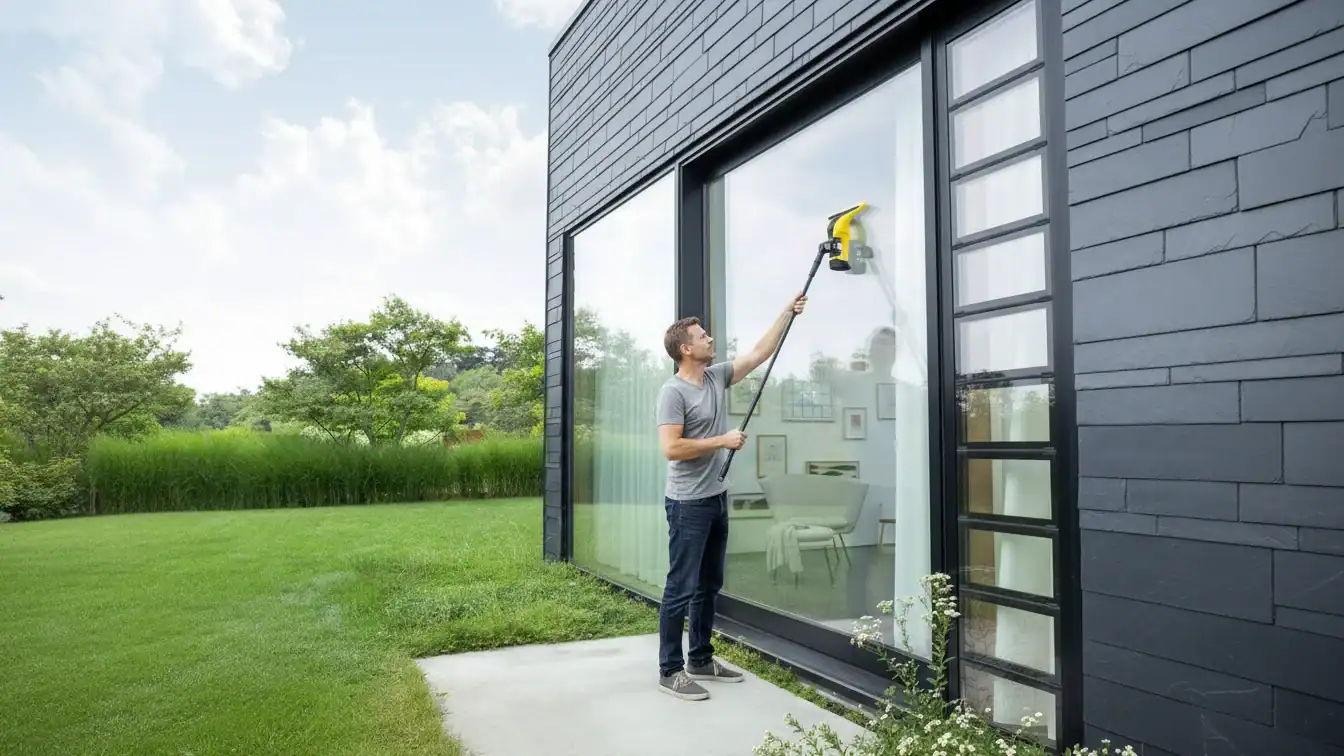
يتطلب تنظيف المناور التي يصل ارتفاعها إلى 9 أمتار أعمدة تمديد صلبة مصنوعة من الألومنيوم T6 أو ألياف الكربون عالية المعامل لمنع الانحناء. تستخدم هذه الأنظمة آليات قفل داخلية ومحولات زوايا للحفاظ على الثبات والتلامس الدقيق، مما يسمح للمشغلين بتنظيف الزجاج العمودي والمائل دون استخدام السلالم.
صلابة المواد وثباتها عند الارتفاع
تعتمد السلامة الهيكلية للأداة طويلة المدى بشكل كبير على السبيكة أو المركب المستخدم. يوفر الألومنيوم T6 زيادة كبيرة في الأداء مقارنةً بالسبائك القياسية T5 لأنه أكثر سمكاً بمقدار 15%، مما يقلل من التمايل عندما يصل العمود إلى امتداده البالغ 8 أمتار. توفر ألياف الكربون عالية المعامل مقاومة أعلى للالتواء. هذه الصلابة ضرورية لمنع العمود من الالتواء أثناء حركات التنظيف الجانبية على ارتفاعات قصوى.
تقترح البروتوكولات المهنية سحب كل جزء من العمود بمقدار 20 سم عند العمل فوق 7.2 متر. هذا التداخل يعزز الوصلات ويزيد من الثبات الكلي للعمود. ولحماية المعدات وتحسين التعامل معها، يستخدم المصنعون مثبتات على شكل كمثرى وأغطية قاعدة مطاطية. تمتص هذه المكونات الاهتزازات وتمنع العمود من الانزلاق على أسطح الأرضيات المختلفة أثناء ضغط المشغل على الزجاج.
أنظمة القفل وحسابات الوصول
يتطلب التمديد الآمن أقفال ميكانيكية يمكنها تحمل وزن ملحقات التنظيف. تضمن أنظمة التشبيك الزنبركية المزدوجة وأنابيب الأخدود على شكل حرف V بقاء الأجزاء مثبتة في مكانها دون التواء. وتسمح هذه الآليات للمشغل بالحفاظ على زاوية ثابتة مقابل الزجاج، وهو أمر حيوي للحصول على نتائج خالية من الخطوط. تشير علامات السلامة الحمراء على كل قسم إلى نقاط السحب القصوى بحيث لا تفقد أطواق القفل قبضتها أبدًا.
ينطوي حساب المدى الفعلي للعمود على إضافة طول الأداة إلى الارتفاع الذي يحملها المشغل عنده. عادةً ما يحقق العمود الذي يبلغ طوله 5.5 متر (18 قدمًا) ارتفاع عمل يبلغ 6.7 متر (22 قدمًا) عندما تكون القاعدة على ارتفاع 1.2 متر فوق الأرض. بالنسبة للمناور المائلة، تسمح محولات الزوايا المصنوعة من الألومنيوم المشغولة باستخدام الحاسب الآلي بتعديلها بزاوية 90 درجة. تضمن هذه المهايئات بقاء الفرشاة أو الممسحة في وضع مستوٍ على اللوح بغض النظر عن درجة ميل السقف، مما يتيح التنظيف الأرضي حتى في أصعب الزوايا المعمارية.
خاتمة
يعتمد التنظيف الرأسي الفعال على العلاقة بين نقاء الماء والشفط الميكانيكي. فاختيار مكنسة عمودية ذات نظام ترشيح منخفض للمواد الصلبة الصفرية يمنع البقع المعدنية، بينما تحدد مطابقة شفرات السيليكون أو المطاط لنوع السطح كيفية تعامل الأداة مع الأنسجة المختلفة. تستخدم الوحدات عالية الأداء مستشعرات حواف دقيقة وأشكال هندسية مربعة للوصول إلى الزوايا التي غالبًا ما يفوتها المسح اليدوي.
تلعب الصيانة وبيئة العمل دوراً مهماً بنفس القدر في الأداء على المدى الطويل. تسمح أعمدة التمديد الصلبة المصنوعة من ألياف الكربون الصلبة بالتنظيف الأرضي للمناور العالية دون المخاطر المرتبطة بالسلالم. تضمن بطارية الليثيوم أيون المُدارة جيدًا واستبدال الشفرات بانتظام بقاء المعدات فعالة، مما يوفر زجاجًا خاليًا من الخطوط في الأماكن السكنية والصناعية.
الأسئلة المتداولة
هل تترك ممسحات تفريغ النوافذ خطوطًا على حواف الزجاج؟
لا تترك مكنسة النوافذ الاحترافية أي خطوط مرئية عند استخدامها مع شفرة مطاطية حادة وغير تالفة بزاوية 45 درجة. يتضمن إكمال العملية تنظيف الحواف بقطعة قماش مبللة أو شمواه لإزالة أي رطوبة متبقية.
هل يمكنني استخدام عمود تمديد للنوافذ العالية والمناور؟
تدعم معظم الأنظمة أعمدة تمديد تلسكوبية تتراوح من 4 أقدام إلى 60 قدمًا. يتم توصيل هذه الأعمدة برؤوس تفريغ النوافذ القياسية من خلال محولات ملولبة أو مخروطية، مما يسمح بالوصول الآمن إلى الأسطح الزجاجية العالية بدون سلالم.
هل يمكن استبدال شفرات الممسحة المطاطية؟
الشفرات المطاطية هي مكونات قابلة للاستهلاك مصممة لسهولة الاستبدال. تسمح معظم القنوات للمستخدمين بقلب الشريط المطاطي لاستخدام حافة جديدة قبل استبدال الوحدة بأكملها. غالبًا ما يستبدل محترفو الصناعة هذه الشفرات أسبوعيًا للحفاظ على نتائج التنظيف المثلى في سيناريوهات الاستخدام العالي.

 English
  Español
  Français
  Deutsch
  Português do Brasil
  Русский
  한국어
한국어  日本語
日本語  العربية