 跳转到主要内容 跳转到页脚

Procurement teams recognize that equipment failure translates directly into lost revenue and operational delays. Selecting a motor for industrial use requires a data-driven approach to reliability that goes beyond surface-level specifications to ensure hardware can survive professional environments.
This guide examines the engineering standards that define commercial durability, such as the 1,000-hour Mean Time Between Failures (MTBF) benchmark. We also detail how hardware choices like tungsten-reinforced carbon brushes extend life to 5,000 hours and how bypass cooling systems maintain thermal stability during the continuous duty cycles typical of professional service.
Defining “Commercial Grade”: 1000+ Hours MTBF
Commercial grade reliability is measured by Mean Time Between Failures (MTBF), calculated by dividing total uptime by the number of failures. While residential motors often lack verified ratings, commercial benchmarks target at least 1,000 operational hours, utilizing IEC 61709 stress models to predict performance under heavy duty cycles.
| Reliability Metric | Technical Standard / Formula | Operational Benchmark |
|---|---|---|
| Motor MTBF (Commercial) | Total Uptime / Number of Failures | 1,000+ Hours |
| Electromechanical Stress | IEC 61709 Stress Models | Voltage/Temp Adjusted |
| Industrial Electronics | Exponential Failure Distribution | 30,000 – 70,000 Hours |
Calculating Mean Time Between Failures for Motors
MTBF serves as a primary reliability metric for repairable systems like air pump motors. The calculation requires dividing total operational hours by the number of failures recorded during that period. For instance, a motor running for 2,080 hours with four failures results in an MTBF of 520 hours. This data-driven approach allows facilities to schedule maintenance based on actual performance rather than guesswork.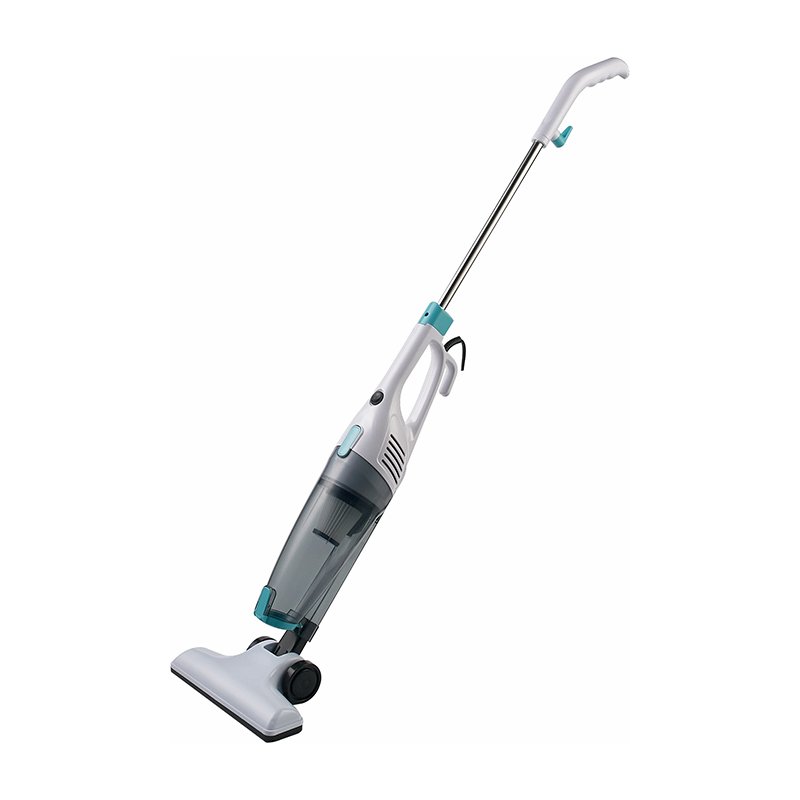
The reliability equation, Reliability = e^(-time/MTBF), provides a mathematical look at system health. This formula shows that MTBF represents the specific point where approximately 63% of units in a fleet will have failed under constant failure rates. Engineers use this probability curve to determine the risk of downtime during critical operations.
This metric applies specifically to hardware that can be serviced, distinguishing it from Mean Time To Failure (MTTF). In commercial motors, technicians can replace carbon brushes or thermal fuses to extend the life of the asset. Because the motor remains in service after these repairs, MTBF tracks the intervals between these necessary technical interventions.
Engineering models for 2026 equipment emphasize uptime-to-failure ratios to validate heavy-duty labeling. By tracking these ratios, manufacturers provide proof of durability that exceeds standard consumer expectations. This shift toward quantified reliability ensures that equipment labeled as commercial can withstand the rigors of professional environments.
Performance Benchmarks and IEC 61709 Standards
The IEC 61709 standard provides the necessary reference failure rates and stress models for electromechanical components. These models adjust the base MTBF according to environmental factors like ambient temperature and voltage fluctuations. High-heat environments typically lower the MTBF, requiring more robust cooling or superior winding insulation to maintain the 1,000-hour benchmark.
Industrial panel PCs often reach between 30,000 and 70,000 hours MTBF due to their solid-state nature. Mechanical motors in portable tools face significantly higher friction and heat, making 1,000 hours a substantial entry-level threshold for commercial-grade windings. This gap highlights the difference between static electronics and high-wear mechanical assets.
A 1,000-hour MTBF implies the motor can sustain roughly 42 days of continuous runtime. In a typical B2B service environment where the motor runs intermittently, this rating translates to several years of reliable use. Organizations use these figures to calculate the total cost of ownership and expected replacement cycles for their tool fleets.
Component-level reliability remains the foundation of system-wide uptime. Parts such as fan belts or bearings must have an individual MTTF that exceeds the motor’s MTBF. This engineering requirement prevents cascading mechanical failures, ensuring that a single inexpensive part does not cause the entire commercial motor assembly to fail prematurely.
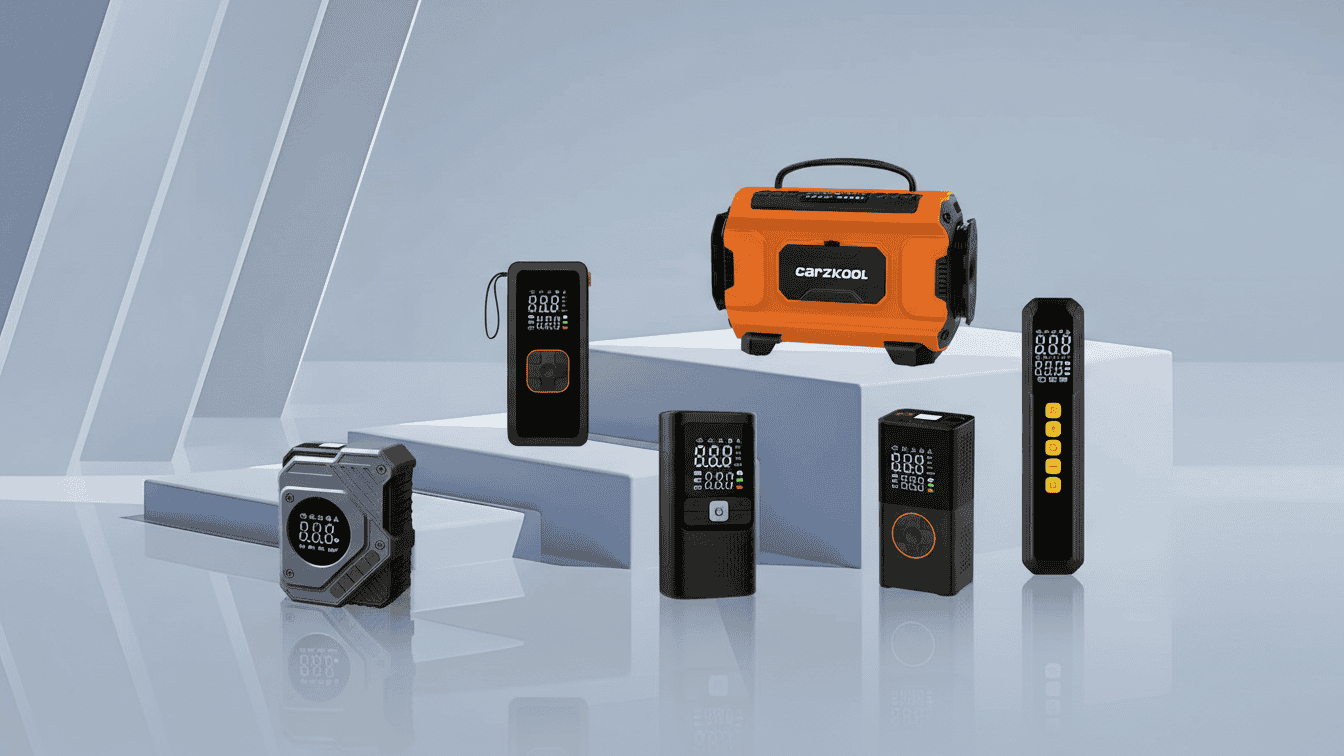
Cooling Systems: Bypass vs. Flow-Through
Bypass systems recirculate coolant internally at temperatures below 110°F to facilitate rapid warm-up and prevent thermal shock. Flow-through designs prioritize full heat exchanger circulation once warmed, utilizing 60 PSI relief valves to manage pressure surges and maintain stable motor winding temperatures during continuous 2026 commercial operations.
Bypass Recirculation and Thermal Stability
Bypass systems recirculate coolant through the engine block using dedicated passages when thermostats remain below 110°F (43°C). Dual poppet thermostats with wax motors and o-rings create a positive seal to restrict hot coolant return during the warm-up phase. Bottom bypass configurations in 03 and V3 series engines route flow through internal pipes to ensure uniform cylinder head temperatures and prevent thermal shock. Active 3-way valves modulate between the primary circuit and bypass paths to maintain precise temperature regulation under varying loads.
Flow-Through Regulation and Pressure Safeguards
Flow-through systems direct the entire coolant volume through the heat exchanger once the thermostat poppet closes the bypass sleeve. Integrated pressure relief valves set at 60 PSI protect the cooling circuit from high static pressure and return-line surges. Electric water pump systems, such as the Davies Craig EWP, eliminate mechanical bypass components to reduce parasitic losses and stabilize winding temperatures. Perpendicular bypass controls in V8 intake manifolds utilize Robertshaw thermostats to manage high-velocity coolant transition to the radiator.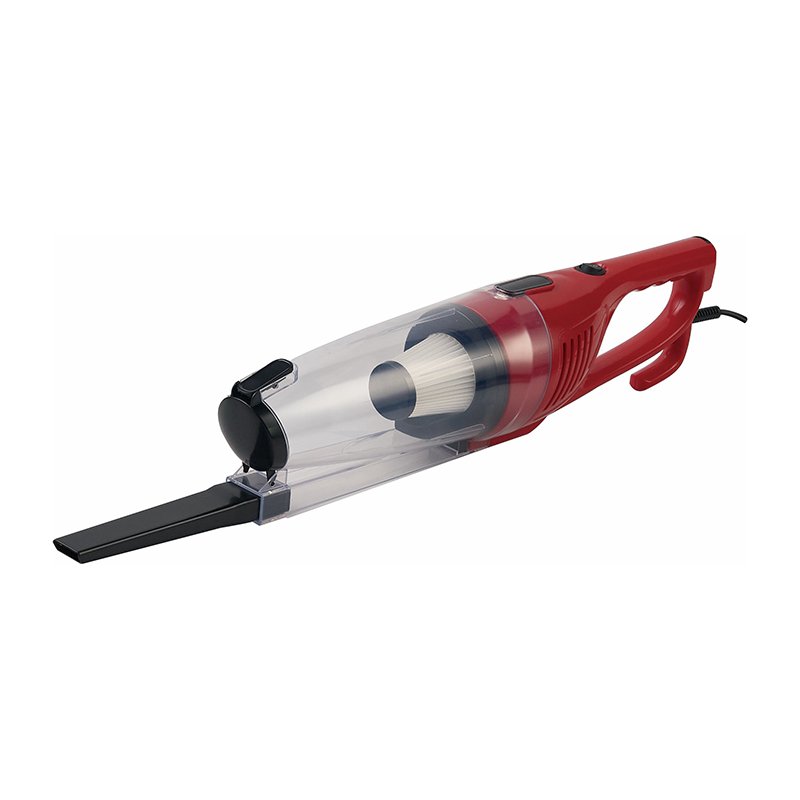
Brush Life: Carbon Brushes that Last
High-performance carbon brushes utilize tungsten-reinforced edges and self-lubricating graphite to extend operational life from 2,000 to over 5,000 hours. Maintaining precise 0.5mm alignment prevents the tripled wear rates associated with friction, ensuring 2026-standard reliability for industrial car accessories and EV components.
Material Engineering for Reduced Friction
Tungsten-reinforced edges and self-lubricating graphite reduce physical erosion during high-speed motor rotation. Nano-coatings lower surface friction by 40%, cutting sparking and mechanical noise to 54 dB compared to the 70 dB industry average. Negative temperature coefficient properties allow graphite components to maintain stable electrical resistance at temperatures reaching 200°C.
Longevity Benchmarks and Alignment Standards
Industrial motors achieve 5,000+ hours of service with enhanced brushes, while EV-grade components reach 8,000 hours. IEEE 2022 data indicates that mechanical misalignment of 0.5mm triples the wear rate on the commutator surface. Surge-resistant cores cut sparking by 55%, preventing the heat buildup that leads to premature brush failure in household and automotive applications.
Premium OEM/ODM Home Vacuum Cleaners Tailored to Your Brand

Warranty Strategy: 1 Year Commercial vs. 5 Year Home
Manufacturers differentiate warranty terms based on duty cycles and intended environments. Home use assumes short, intermittent sessions of one to two hours, while commercial use involves continuous, high-stress operation. By 2026, most brands provide shorter commercial coverage to offset the accelerated wear associated with professional applications, rental services, and high-hour machinery usage.
| Application Category | Typical Warranty Duration | Operational Design Life |
|---|---|---|
| Residential / Consumer | 24 – 36 Months | Intermittent (1-2 hours per session) |
| Commercial (Standard) | 3 – 12 Months | Continuous (3,000+ Total Hours) |
| Commercial (Premium/Vanguard) | 36 Months | High-Duty (5,000+ Total Hours) |
Usage Classification and Operational Boundaries
Manufacturers define commercial use as any application involving business operations, income production, or rental services. If you apply a product rated for home use in a commercial setting, the manufacturer often voids the residential warranty immediately. This distinction exists because residential machinery assumes a light duty cycle, typically limited to sessions of one or two hours. In contrast, professional environments require all-day reliability, which leads to much faster component fatigue.
Engine classifications often reflect this gap in durability. While a residential engine might carry a 24-month or 36-month warranty, the same engine drops to a 3-month or 12-month coverage period when used for business purposes. Once a machine performs commercial work, it remains classified as a commercial unit for its entire service life, regardless of subsequent ownership or usage changes.
Hardware Longevity and Core Component Protection
Commercial-grade hardware utilizes specific internals designed to survive 3,000 to 5,000 hours of operation. These machines often feature Hydro-Gear transmissions and advanced filtration systems to manage the heat generated during extended workdays. Engines in these units, such as those from the Kawasaki or Vanguard series, utilize twin-cylinder configurations with 25 to 37 horsepower to provide the torque necessary for heavy-duty tasks without overheating.
To protect core components, KelyLands 2026 quality standards allow for 18-month warranty extensions on critical parts like compressors and printed circuit boards (PCBs). However, commercial contracts generally include deductibles and specific exclusions. These exclusions often cover high-PSI applications or prime power usage where the machinery runs as the primary energy source. These structural differences ensure that professional users receive hardware built for endurance while residential users benefit from longer coverage suited to low-hour maintenance.
Thermal Protection: Auto-Reset vs. One-Shot Fuses
Motor protection in 2026 relies on two distinct strategies: auto-resetting PTC thermistors that restore power after cooling and one-shot fuses that permanently break the circuit for maximum safety. While auto-reset units reduce maintenance for minor overloads, one-shot cutoffs provide the fastest, most reliable isolation during severe electrical faults.
Resettable PTC Thermistors for Operational Continuity
Polymeric PTC thermistors transition to a high-resistance state within milliseconds to seconds during overcurrent events. This physical change functions as a tripped gate that restricts current flow to protect motor windings without achieving a total circuit disconnection.
The internal chemistry of these devices allows them to reset to a low-resistance standby mode once the motor temperature drops. In applications such as 3S lithium-powered air pumps, this reset typically occurs within 30 seconds after the fault is cleared. This feature enables users to resume operation after a short cooling period without requiring hardware replacement.
The resettable design lowers warranty-related returns by permitting hardware to recover from minor, intermittent overloads. Engineering teams must account for material degradation over time, as repeated cycling increases the base resistance (R1) and can lead to shifts in long-term reliability for high-cycle motor accessories.
One-Shot Thermal Cutoffs for High-Reliability Safety
Single-use thermal cutoffs (TCOs) utilize a thin metal wire or strip that melts in 5 to 10 milliseconds when exposed to a 150% overload. This rapid response ensures near-instant protection during catastrophic electrical failures, far exceeding the response speed of resettable thermistors.
These fuses provide absolute circuit isolation, making them a standard requirement for high-voltage EV chargers and heavy-duty vacuum motors. In these systems, auto-recovery features could create hazardous conditions if the device attempts to restart while a severe electrical fault remains unresolved.
Tin-plated leads and bi-metallic elements ensure that these cutoffs maintain stable performance across a wide operating range from -40°C to +85°C. Since a triggered one-shot fuse requires manual component replacement, it ensures a technician or user addresses the root cause of the motor fault before the system can operate again.
Final Thoughts
Industrial reliability comes from specific engineering choices rather than branding alone. Choosing a motor with a 1,000-hour MTBF and bypass cooling ensures the system handles heavy workloads without overheating or premature failure. High-density carbon brushes and precise thermal protection like PTC thermistors keep the hardware running through demanding cycles. These technical benchmarks define the gap between consumer-grade equipment and tools built for professional use.
Selecting the right motor affects long-term operational costs and equipment uptime. Professional users rely on these metrics to plan maintenance cycles and avoid sudden downtime during critical tasks. A shorter commercial warranty reflects the high-intensity nature of these environments, while robust internal components ensure the motor survives years of daily use. Understanding these reliability standards helps organizations build a fleet that performs consistently under pressure.
Frequently Asked Questions
Does the motor utilize bypass or flow-through cooling?
KelyLands commercial units typically employ bypass cooling systems. This design keeps the cooling air for the motor separate from the working air, preventing dust and debris from entering the internal motor housing, which is a common cause of failure in standard flow-through designs.
What is the expected MTBF for these motors?
Industrial-grade brushless motors target a Mean Time Between Failures (MTBF) exceeding 50,000 hours. For brushed universal motors used in portable tools, the lifespan depends on workload, but using high-density carbon brushes ensures durability under heavy-duty cycles.
Are the carbon brushes replaceable on KelyLands vacuum cleaners and pumps?
Yes, carbon brushes in brushed DC motors are designed as replaceable maintenance items. Swapping worn brushes before they damage the commutator allows the motor to continue operating efficiently, significantly extending the product’s service life for professional users.
What are the specific terms of the KelyLands warranty?
The standard warranty covers the full unit for 12 months. Core components, specifically compressors and PCBs, include an extended 18-month coverage to protect B2B clients and distributors against manufacturing defects in critical high-value parts.

 English
  Español
  Français
  Deutsch
  Português do Brasil
  Русский
  한국어
한국어  日本語
日本語  العربية