 Passer au contenu principal Passer au pied de page

Une bouilloire de voyage bi-tension fiable représente la différence exacte entre un séjour à l'hôtel en toute sécurité et un incendie électrique catastrophique. Lorsque les voyageurs branchent par erreur des appareils standard de 110 V sur des prises européennes de 220 V, les acheteurs en gros sont confrontés à des risques immédiats de rappel de produits et à une grave responsabilité de la marque. Les fabricants ont besoin de solutions matérielles infaillibles pour éliminer le risque de fonte des plastiques, de fusibles grillés et de courts-circuits dangereux causés par des erreurs manuelles de l'utilisateur.
Cette référence technique décompose l'ingénierie exacte requise pour protéger les utilisateurs à travers les différents réseaux électriques internationaux. Nous analysons les mécanismes des circuits imprimés à commutation automatique, détaillons les seuils de puissance maximale pour les prises hôtelières mondiales et présentons les options de personnalisation pour les cordons d'alimentation amovibles sur les marchés du Royaume-Uni, de l'Union européenne et de l'Union africaine. Les acheteurs trouveront des spécifications exploitables qui leur permettront de s'assurer que leur prochaine Production OEM run répond aux normes de sécurité transfrontalières sans avoir recours à des interrupteurs de tension manuels facilement oubliés
Pourquoi les bouilloires américaines standard de 110 V prennent-elles feu dans les prises de courant européennes de 220 V ?
L'application d'une tension de 230 V à un élément chauffant conçu avec une résistance fixe pour 120 V double la consommation de courant, déclenchant une défaillance thermique catastrophique en moins de 30 secondes.
Le fossé de tension entre les infrastructures américaines et européennes
Les réseaux américains fonctionnent sur 120 V, alors que les systèmes européens fonctionnent sur 230 V. Cette différence physique crée une inadéquation immédiate et massive de la puissance pour les appareils de voyage à tension unique. Cette différence électrique physique crée un décalage de puissance immédiat et massif pour les appareils de voyage à tension unique. Selon la loi d'Ohm, lorsque la tension double par rapport à une résistance interne fixe, le courant double également. Le fait de brancher une bouilloire standard de 110 V sur une prise de 220 V fait passer un courant excessif dans l'élément chauffant. Le système est alors entièrement surchargé, ce qui fait fondre instantanément les composants internes, compromet l'isolation du câblage et enflamme le boîtier en plastique.
Risques de contournement de l'étiquette et d'erreur de l'utilisateur
Les erreurs de conception des appareils et l'utilisation incorrecte des adaptateurs sont à l'origine de la grande majorité des incendies d'origine électrique dans le secteur de l'hôtellerie et de la restauration. Les données modernes sur les incidents révèlent que les utilisateurs contournent l'étiquetage bi-tension dans environ 83% des cas d'incendie signalés. Cette erreur généralisée de l'utilisateur se manifeste généralement par deux actions spécifiques :
- Confondre les adaptateurs physiques passifs de la forme de la fiche avec les transformateurs actifs de réduction de la tension.
- Surcharger les convertisseurs de voyage standard de 50 W avec des éléments chauffants à forte consommation de plus de 1 500 W.
L'envoi d'un courant européen de 230 V directement dans un appareil américain standard contourne toutes les tolérances internes. L'appareil ne peut pas dissiper l'excès de chaleur, ce qui entraîne une combustion rapide des composants.
Défis de fabrication pour une conformité universelle
L'intégration de la gestion de la tension universelle dans les appareils de chauffage économiques nécessite des frais d'ingénierie importants. L'ajout de composants internes robustes, tels que des circuits imprimés à commutation automatique et des thermostats robustes à double couche, pour gérer en toute sécurité les tensions de 100 à 240 V, fait grimper les coûts de production. Les marques produisant des articles du segment budgétaire évitent ces mises à niveau des composants pour maintenir des prix de vente au détail bas. Ce raccourci de fabrication rend les bouilloires de voyage de base très vulnérables aux défaillances thermiques lorsqu'elles sont emportées au-delà des frontières.
Stratégies d'atténuation de l'industrie
Les secteurs des voyages et des appareils ménagers dépendent fortement des systèmes d'alerte manuels et de la protection des infrastructures pour prévenir les incendies d'appareils. Les campagnes de sensibilisation et les plaques signalétiques normalisées vont plus vite que les mises à jour technologiques des biens de consommation de masse. Les fabricants n'ayant pas mis en place de dispositifs de sécurité physique dans les appareils bon marché, les hôtels dépendent entièrement des systèmes de protection GFCI (Ground-Fault Circuit Interrupter, ou disjoncteur de fuite à la terre). Les établissements appliquent des politiques strictes en matière d'appareils électroménagers afin de s'assurer que leurs dispositifs de protection électrique localisés coupent le courant avant qu'un écart de tension ne se transforme en incendie dans la chambre.
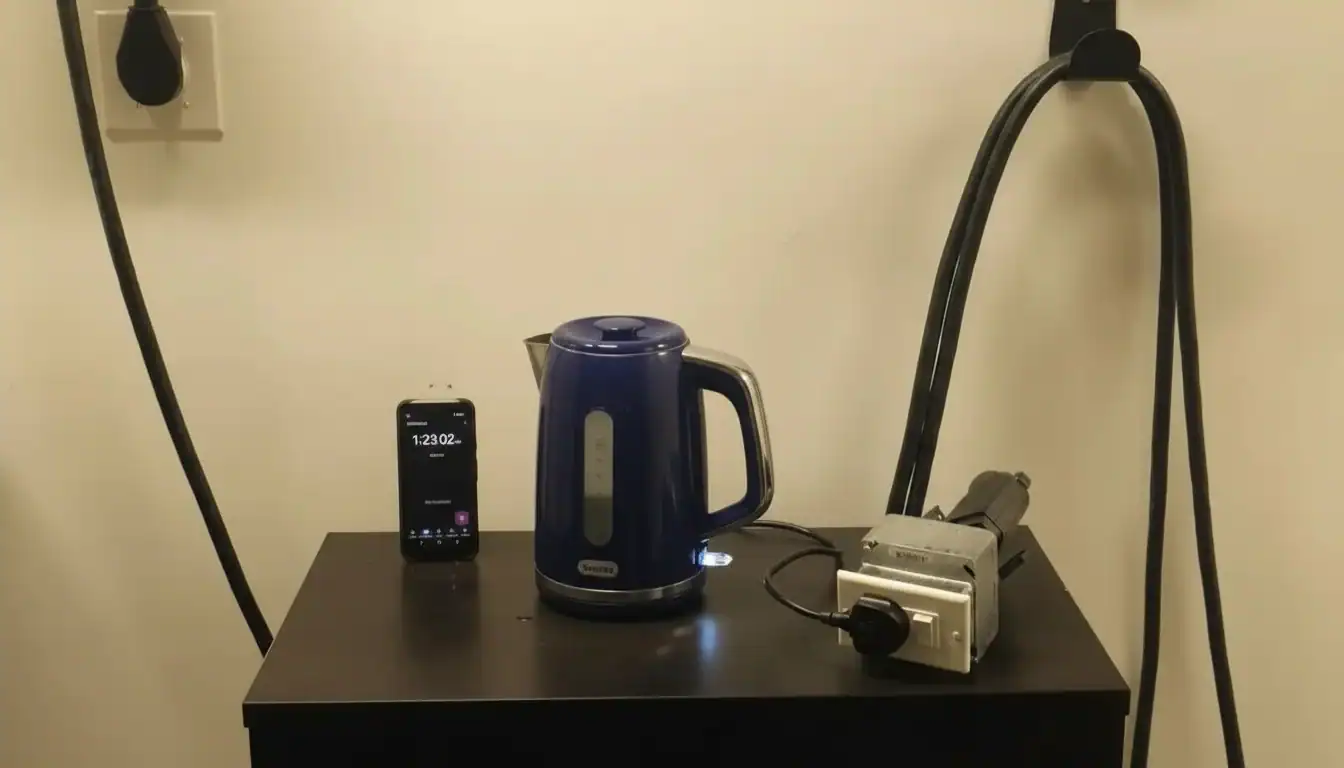
Comment un circuit imprimé à commutation automatique permet-il d'éviter les erreurs désastreuses de l'utilisateur ?
Les circuits imprimés modernes à commutation automatique éliminent les 83% incendies électriques internationaux résultant d'une inadéquation manuelle de la tension en détectant et en s'adaptant instantanément aux entrées du réseau grâce à l'architecture SMPS à l'état solide.
Alimentation à découpage bi-tension (SMPS)
Les circuits imprimés à commutation automatique utilisent l'architecture des blocs d'alimentation à découpage (SMPS) pour détecter automatiquement les variations de tension d'entrée et s'y adapter sans intervention manuelle. Les contrôleurs modernes à commutation automatique éliminent complètement les cadrans de tension physiques, ce qui évite aux utilisateurs d'exposer accidentellement un élément chauffant interne de 110V à un réseau de 220V.
L'architecture du SMPS réduit ou régule activement la consommation d'énergie en fonction des limites de tension locales. Cette régulation active garantit des performances de chauffage constantes tout en évitant les cascades électriques rapides qui font fondre l'isolation du câblage et détruisent les composants en moins de 30 secondes en cas de décalage de tension élevée.
| Mécanisme de contrôle de la tension | Méthode d'ajustement | Profil de risque de défaillance |
|---|---|---|
| Interrupteur manuel Legacy | Basculement physique dépendant de l'utilisateur | Élevée (représente 83% des incendies) |
| Commutation automatique de base | Détection active du SMPS | Faible (régulation à l'état solide) |
| KelyLands Smart PCB | SMPS + système de triple sauvegarde | Zéro (seuil physique au niveau du matériel) |
Thermostat à double couche et systèmes bimétalliques
Des capteurs matériels s'interfacent directement avec le circuit imprimé pour interrompre l'alimentation électrique en cas de surchauffe extrême ou d'ébullition à sec. Ces systèmes déploient des interrupteurs bimétalliques déclenchés par la vapeur et basés sur la température, qui envoient des signaux de coupure d'alimentation immédiats à la carte de contrôle à la milliseconde exacte où la température interne dépasse les limites opérationnelles sûres.
Lorsque le niveau de l'eau descend en dessous des seuils de sécurité, le circuit imprimé coupe instantanément la connexion électrique. Les fabricants comme KelyLands renforcent cette protection grâce à un système exclusif de triple sauvegarde. Cette architecture intègre des déclencheurs d'arrêt automatique, des contrôleurs de température récupérables et des fusibles thermiques irrécupérables pour garantir que l'appareil protège l'infrastructure électrique de l'utilisateur contre les surcharges.
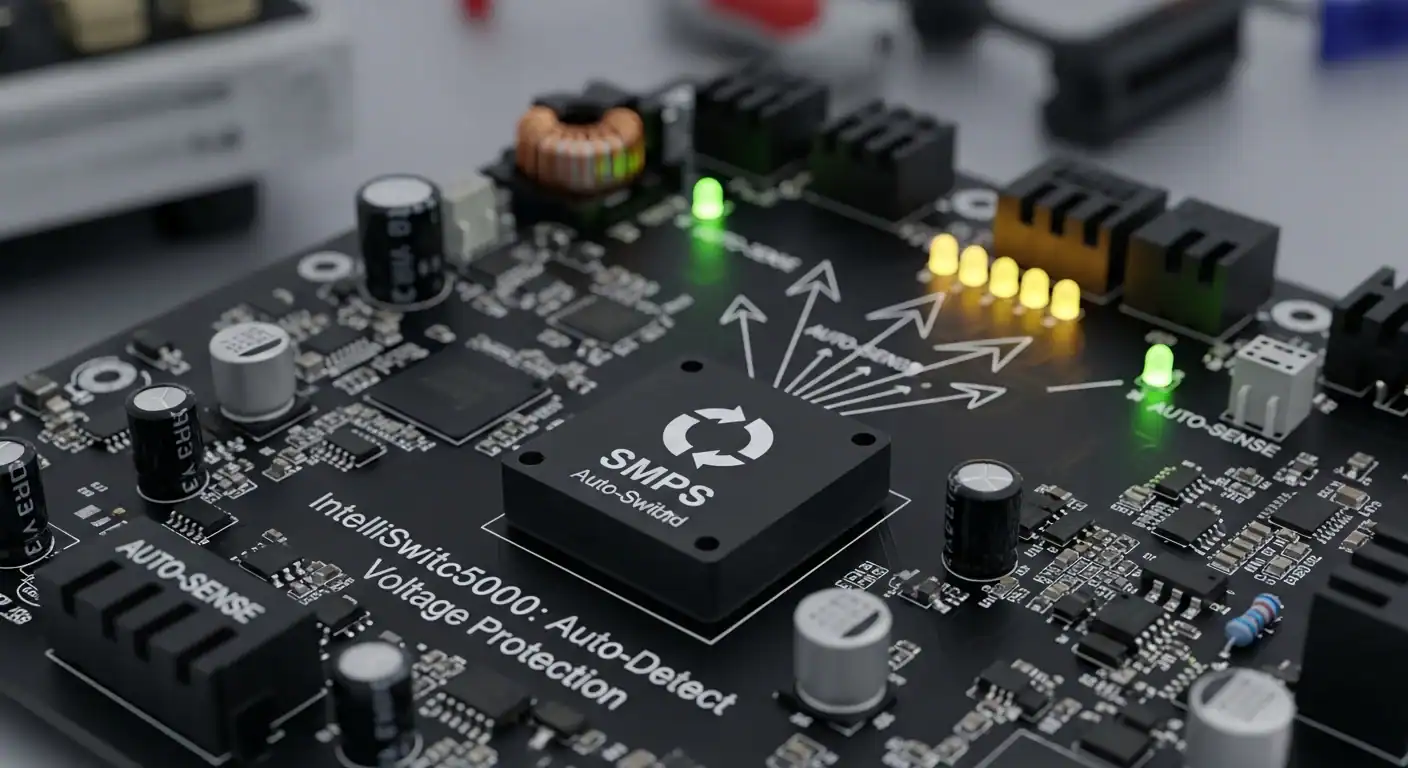
Intégration de circuits imprimés intelligents par rapport aux relais mécaniques
Les commandes de circuits imprimés à semi-conducteurs offrent une fiabilité à long terme que les commutateurs mécaniques traditionnels ne peuvent égaler. Les relais mécaniques se dégradent physiquement sur des milliers de cycles, fusionnent et créent de graves risques d'incendie lorsqu'ils ne parviennent pas à ouvrir le circuit en cas d'emballement thermique.
Les circuits imprimés intelligents intégrés résolvent ce problème de fatigue matérielle grâce à la commutation à l'état solide, ce qui garantit que les déclencheurs d'arrêt automatique s'activent avec une précision numérique. Cette approche moderne de la commande répond directement aux normes de sécurité mondiales strictes de 2026 imposées par les acheteurs commerciaux de gros volumes et les flottes internationales de tourisme d'accueil.
Bouilloires de voiture 12V/24V de première qualité pour les acheteurs en gros
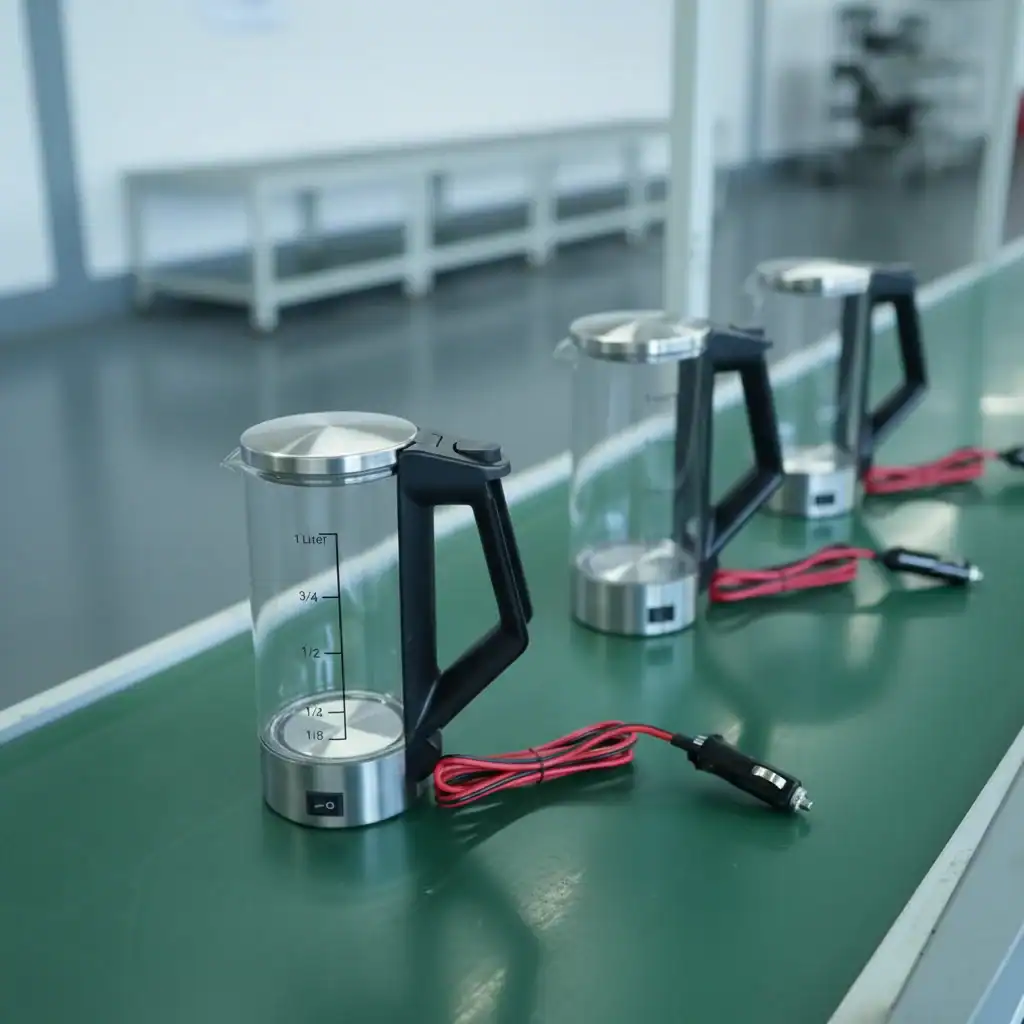
Pouvons-nous personnaliser le cordon d'alimentation amovible pour les marchés du Royaume-Uni, de l'Union européenne et de l'Union européenne ?
La conception modulaire du cordon d'alimentation permet un déploiement rapide sur les marchés du Royaume-Uni, de l'Union européenne et de l'Union africaine en intégrant des normes spécifiques à chaque région sans modifier le boîtier principal de la bouilloire.
Conception modulaire des connecteurs pour les marchés mondiaux
La personnalisation des cordons d'alimentation repose sur des interfaces interchangeables plutôt que sur la reconstruction de l'ensemble de la base de la bouilloire. Les ingénieurs intègrent les normes de prise spécifiques à chaque région, telles que les formats UK, EU et AU, dans une interface de prise unifiée. Cette architecture modulaire permet aux marques de déployer des produits à l'échelle mondiale tout en conservant le boîtier d'origine de l'appareil complètement intact.
KelyLands prend en charge le développement OEM/ODM complet afin d'aligner ces schémas de connexion personnalisés directement sur les spécifications du client. Nous adaptons les interfaces des prises aux exigences des réseaux locaux, ce qui évite aux utilisateurs finaux d'avoir recours à des adaptateurs de voyage externes encombrants et dangereux.
Certifications de sécurité et de conformité des matériaux
L'adaptation des cordons aux prises internationales exige une adhésion sans compromis aux normes électriques et matérielles locales. Nous fabriquons ces composants électriques à l'aide de matériaux ignifuges classés V-0 et de fiches en bakélite haute température. Ces matériaux de qualité industrielle empêchent la surchauffe et protègent les prises des véhicules ou des hôtels sous des charges lourdes et continues.
- Obtenir les homologations régionales obligatoires, notamment CE pour l'Europe et UKCA pour le Royaume-Uni, grâce à des tests de sécurité rigoureux effectués par des tiers.
- Utiliser des boîtiers ignifugés classés V-0 pour éliminer les risques de combustion en cas de fonctionnement prolongé à haute puissance.
- Effectuer des tests de performance 100% sur tous les composants électriques personnalisés avant de les autoriser pour l'assemblage en série.
Délais d'exécution et considérations sur les coûts B2B
La mise en œuvre de nouveaux cordons d'alimentation spécifiques à une région nécessite des phases structurées de prototypage et de certification. Le cycle de développement d'un produit standard s'étend sur 8 à 10 semaines, couvrant la conception initiale, les tests de sécurité et la certification locale finale. Ce délai permet de s'assurer que les composants personnalisés répondent à toutes les exigences réglementaires en matière de sécurité avant d'entrer en production à grande échelle.
La rentabilité est directement liée aux volumes de commande, ce qui rend les cordons modulaires très pratiques pour la distribution en vrac B2B. Nous alignons ces demandes de composants personnalisés sur les minimums de vente en gros standard. KelyLands exige une quantité minimale de 1 000 pièces pour les configurations de bouilloires sur mesure, ce qui optimise l'efficacité de la production de l'usine et garantit des prix unitaires compétitifs pour les distributeurs mondiaux.
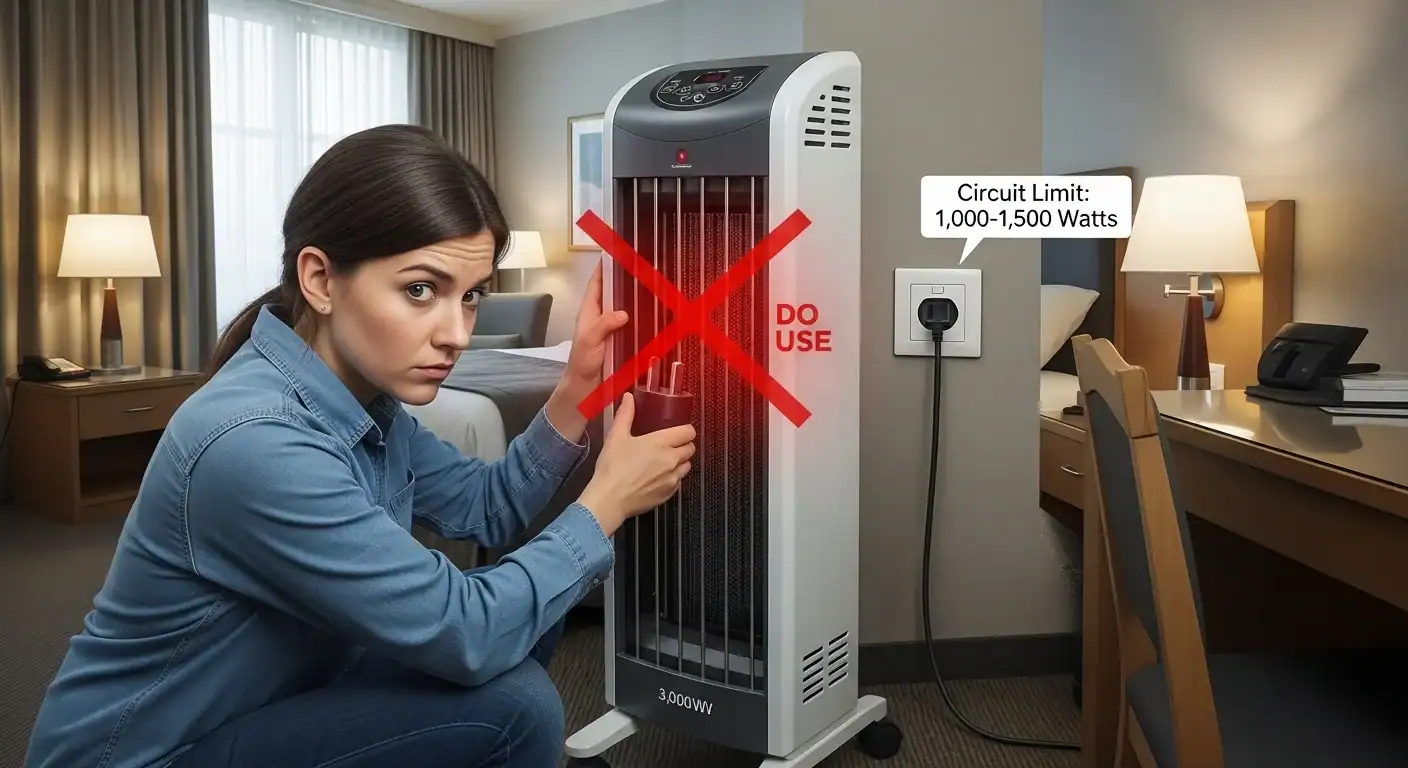
Quelle est la puissance maximale autorisée pour les prises de courant des hôtels internationaux ?
Les infrastructures hôtelières limitent les circuits des chambres individuelles à 1 000-1 500 watts pour éviter les pannes localisées en cascade, ce qui fait que les appareils de chauffage domestiques standard de 3 000 watts constituent une grave responsabilité dans les environnements de voyage.
Capacités électriques standard des types de prises dans le monde
Les normes électriques régionales dictent le courant maximum qu'un type de prise spécifique peut supporter avant que la contrainte thermique ne compromette le matériel. Les prises de type E et F, omniprésentes en Europe, supportent de manière fiable jusqu'à 16 ampères à 230 volts. Cette configuration supporte une charge maximale théorique d'environ 3 680 watts dans des conditions optimales.
| Environnement électrique | Puissance maximale supportée | Quincaillerie / Limite de l'interrupteur |
|---|---|---|
| Prise UE de type E/F (base théorique) | 3,680W | 16A @ 230V |
| Chambre d'hôtel moderne typique (restreint) | 1 000W - 1 500W | Disjoncteur partagé 10A |
| KelyLands 24V SM Series (Mobile/Off-Grid) | 250W - 300W | Fusible automobile 15A |
À l'inverse, les petits formats sans mise à la terre, comme les prises de type C, plafonnent à un maximum strict de 2,5 ampères. Cette restriction sévère réduit considérablement le nombre d'appareils compatibles. Le branchement d'éléments chauffants à forte consommation sur ces prises à faible ampérage garantit une surchauffe rapide, la fonte du boîtier de la prise et le déclenchement d'incendies électriques structurels.
Infrastructure hôtelière et limites des circuits locaux
Les hôtels partagent les alimentations électriques principales entre des centaines de chambres. Les circuits individuels ne peuvent pas supporter simultanément les charges théoriques maximales sans déclencher une défaillance catastrophique du système. Les gestionnaires immobiliers installent des disjoncteurs très sensibles et appliquent des politiques rigoureuses de gestion de l'énergie afin de garantir l'intégrité électrique continue du bâtiment.
De nombreuses propriétés anciennes limitent de manière agressive les prises individuelles dans les chambres à 1 000 ou 1 500 watts. Cela crée des risques opérationnels immédiats pour les voyageurs non préparés :
- Les appareils électroménagers standard franchissent ce seuil instantanément, déclenchant les disjoncteurs de la pièce.
- Le câblage immobilier vieillissant subit un stress thermique lorsqu'il est poussé à sa capacité maximale.
- D'ici 2026, les hôtels modernisés déploieront des systèmes intelligents d'équilibrage de la charge qui couperont automatiquement l'alimentation de certaines prises dès qu'ils détecteront une consommation excessive.
Correspondance entre les spécifications des appareils et les seuils de sécurité en watts
Les bouilloires domestiques standard consomment couramment entre 1 500 et 3 000 watts. Cette consommation massive dépasse les seuils de sécurité de la quasi-totalité des circuits internationaux de l'hôtellerie. L'achat d'appareils de voyage de faible puissance permet aux utilisateurs de contourner les disjoncteurs sensibles et protège l'infrastructure de l'établissement contre les fortes contraintes de charge. Les responsables des achats doivent sélectionner des appareils spécialement conçus pour les environnements d'hébergement et de mobilité restreints afin de respecter les normes de sécurité.
KelyLands a conçu des bouilloires 12V (150W) et 24V (250W/300W) spécialisées pour les voitures afin de résoudre ce problème pour les flottes et les professionnels mobiles. Équipées de prises en bakélite résistantes et d'un câblage en cuivre pur 100%, ces unités spécialement conçues fonctionnent parfaitement dans les installations hors réseau fortement restreintes. Ils offrent des performances d'ébullition constantes sans solliciter les sources d'alimentation électrique limitées ni déclencher les risques de sécurité inhérents aux adaptateurs de voyage 110V/220V.
Conclusion
Équiper bouilloires de voyage avec un circuit imprimé à commutation automatique élimine les risques d'incendie associés aux réglages manuels de la tension dans les prises de courant des hôtels internationaux. Le contrôle de la puissance maximale garantit que l'appareil fonctionne en toute sécurité dans les différentes normes électriques régionales sans déclencher les disjoncteurs. Le fait de s'appuyer sur des dispositifs de sécurité techniques protège l'utilisateur final et réduit les retours de produits coûteux pour les importateurs internationaux.
Examinez les exigences de votre marché cible afin de déterminer les configurations de prises et les limites de puissance appropriées pour votre future ligne de produits. Contactez notre équipe d'ingénieurs pour demander un échantillon OEM personnalisé et discuter de la production de lots en gros.
Questions fréquemment posées
Où acheter une bouilloire de voyage à double voltage ?
Bouilloires de voyage à double tension peuvent être facilement achetés sur les principales plateformes de commerce électronique grand public comme Amazon, chez les détaillants spécialisés dans le matériel de voyage et dans les grands magasins. Pour les commandes commerciales, de gros ou en vrac, les réseaux de chaîne d'approvisionnement B2B tels qu'Alibaba, Global Sources et les accords d'achat direct avec les fabricants d'appareils offrent les stocks les plus fiables et les structures de prix les plus compétitives.
La bouilloire passe-t-elle automatiquement du 110V au 220V ?
La plupart des appareils à double tension standard bouilloires de voyage nécessitent un réglage manuel plutôt qu'une commutation automatique. Ils sont généralement dotés d'un sélecteur de tension encastré à la base, qu'il faut tourner manuellement pour sélectionner le réglage 110-120 V ou 220-240 V avant de les utiliser. Bien que certains appareils intelligents modernes soient dotés de circuits de commutation internes automatiques 100-240 V, les éléments chauffants de grande puissance sont généralement dotés d'un interrupteur manuel afin de garantir une sécurité maximale et d'éviter que les coûts de fabrication n'augmentent de manière significative pour les appareils de segment budgétaire.
Puis-je commander plusieurs types de fiches (UK/US/EU) dans un même lot de vente en gros ?
Oui, lorsque vous passez des commandes en gros, la plupart des fabricants d'électronique et des distributeurs B2B vous autorisent à mélanger les types de fiches (tels que les normes britanniques, américaines et européennes) au sein d'un même lot de production. Il s'agit d'une pratique industrielle standard pour faciliter la distribution internationale. Toutefois, les fournisseurs exigent généralement que vous respectiez des quantités minimales de commande spécifiques pour chaque variation de fiche individuelle afin de couvrir le processus d'assemblage personnalisé.
Que se passe-t-il si un client branche l'appareil sur la mauvaise tension ?
Le fait de brancher une bouilloire sur une tension incorrecte présente des risques importants pour la sécurité et le fonctionnement de l'appareil. Si la bouilloire est réglée sur 110 V mais branchée sur une prise européenne de 220 V, l'élément chauffant consommera un courant excessif, ce qui entraînera une surchauffe immédiate. Cela peut faire sauter le fusible thermique interne, endommager irrémédiablement l'appareil ou provoquer un incendie - les données sur les incidents de courant montrent qu'environ 83% des incendies d'appareils électroménagers impliquent des utilisateurs qui contournent les paramètres d'étiquetage de la bi-tension. Inversement, si l'appareil est réglé sur 220 V et branché sur une prise de courant américaine de 110 V, il manquera cruellement de puissance et ne parviendra pas à faire bouillir l'eau efficacement.

 English
  Español
  Français
  Deutsch
  Português do Brasil
  Русский
  한국어
한국어  日本語
日本語  العربية