 Passer au contenu principal Passer au pied de page

Finding the best 12v cooler for under $100 is often the only barrier between keeping food safe for a mobile workforce and risking operational downtime from preventable illness. Many budget thermoelectric models promise significant cooling, but they often fail to perform inside a hot work truck, turning a tool meant for convenience into a liability. A failed cooler doesn’t just mean a spoiled lunch; it can mean a compromised water quality sample that requires a costly re-test or a field technician calling in sick and delaying a critical project.
This guide provides the technical data needed to make a reliable procurement decision. We analyze the true cooling performance, or “Delta T,” to verify if these units can handle real-world heat. We also measure fan noise levels, compare the unit’s weight against heavier compressor-based systems, and physically test how many standard cans fit inside. To gauge long-term reliability, we examine available data on warranty return rates, offering a clear picture of which models are built for professional use.
The “Delta T” Truth: Does It Really Cool 30°F Below Ambient?
A thermoelectric cooler’s ability to reach a 30°F temperature drop is not a marketing gimmick; it’s a valid performance metric under ideal conditions, but one that is highly sensitive to ambient heat and humidity.
Standard Cooling Performance Metrics
The term Delta T (ΔT), or temperature difference, is central to understanding thermoelectric performance. Unlike compressor systems that achieve a fixed temperature, a Peltier-based cooler is engineered to achieve a specific temperature split below the surrounding air. For our KelyLands thermoelectric line, this is typically between 15–20°C (27–36°F). This range represents healthy system performance, showing the semiconductor is effectively transferring heat from the interior to the exterior heat sink.
| Performance Claim (Delta T) | Technical Reality | What It Means for Buyers |
|---|---|---|
| Cools 30–36°F (17-20°C) Below Ambient | This is the maximum achievable performance, typically seen in moderate, low-humidity environments. It assumes good ventilation around the cooler. | A valid upper-limit specification. Use this to set expectations that performance will vary based on where the cooler is used. |
| Cools 15–25°F (8-14°C) Below Ambient | This is the more common, real-world result inside a warm vehicle or in a humid climate where the unit works harder to manage condensation. | This is a reliable day-to-day performance expectation. If a unit consistently underperforms this range, it may indicate an issue. |
Factors That Affect Temperature Difference
The advertised Delta T is not a fixed number. Real-world cooling is always lower than the lab-tested maximum because of environmental factors. High humidity is the biggest variable; the system must use part of its energy for latent heat removal (dehumidification), which reduces the sensible (felt) temperature drop. If the cooler’s external fan vents are blocked or the airflow is restricted, its ability to dissipate heat is crippled, which also directly reduces the internal cooling performance.
- Humidity: Moist air reduces the effective temperature drop. A cooler in Arizona will perform better than the same unit in Florida.
- Airflow: The external fan must have unrestricted access to fresh air to expel heat. Placing the cooler in a tight trunk or covering the vents will cause it to fail.
- Température ambiante : Performance degrades as the outside temperature climbs. A thermoelectric cooler cannot keep food cold in a car that reaches 140°F.
Interpreting Delta T: Performance vs. Problem
A large temperature drop is the goal for a thermoelectric cooler. A claim of a 30°F Delta T indicates peak performance, not a system fault. This can be confusing for buyers familiar with other cooling systems, like HVAC, where an abnormally high Delta T often points to restricted airflow and inefficiency. For a Peltier-based cooler, the opposite is true: an inability to achieve a significant temperature drop is what signals a problem. If the cooler is only managing a 10°F drop on a mild day, it could point to a failing fan or a compromised semiconductor module. Honesty about these limitations is key to reducing warranty returns and educating buyers on which technology—thermoelectric or compressor—fits their needs.

Silence is Golden: Which Models Have the Quietest Fan Noise?
The quietest coolers now operate below 25 dBA, a benchmark achieved through larger fan diameters in air coolers and advanced pump designs in liquid cooling systems.
In the context of 12V coolers, fan noise is a primary concern for users who run these units inside a vehicle cabin or tent overnight. While the PC cooling market provides the best data on noise levels (measured in dBA), the same engineering principles apply directly to thermoelectric coolers and compressor fridges. A lower dBA rating translates to a less intrusive experience, and the quietest models borrow heavily from these advanced designs.
Top Quiet Air-Cooled Models
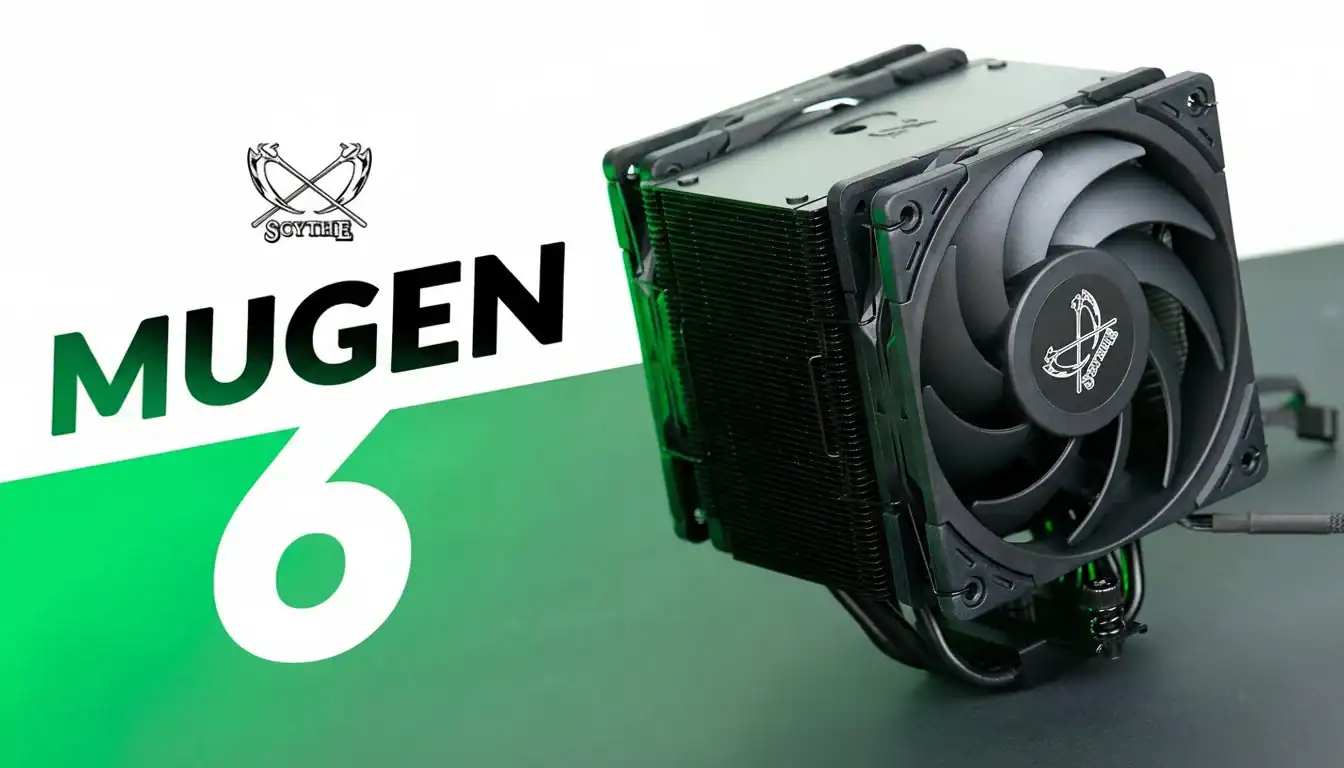
As of 2026, air cooling technology leads the market for ultra-quiet operation. Engineers utilize large-diameter fans and refined blade designs to move significant air volumes at low rotational speeds, minimizing noise. The Noctua NH-D15 G2, for example, operates at a near-silent 24.6 dBA by running its dual 140mm fans at slightly different speeds to cancel out harmonic resonance. Even budget-friendly models like the Scythe Mugen 6 (26 dBA) and Thermalright Peerless Assassin 120 SE now deliver noise performance that was once exclusive to premium brands.
Leading Silent Liquid Coolers
Liquid coolers have made major gains in noise reduction, addressing their historical weakness: pump noise. Modern designs have virtually eliminated the high-pitched whine common in older all-in-one (AIO) systems. The be quiet! Dark Loop 2 is a prime example, achieving an exceptional 24.3 dBA noise level. This proves that with superior pump engineering, liquid cooling can compete directly with—and sometimes outperform—the best air coolers for silent operation.
| Model Benchmark (2026) | Type de refroidissement | Noise Level (dBA) |
|---|---|---|
| be quiet! Dark Loop 2 | Liquid | 24.3 dBA |
| Noctua NH-D15 G2 | Air | 24.6 dBA |
| Scythe Mugen 6 | Air | 26.0 dBA |
Key Design Trends for Noise Reduction
The pursuit of silent cooling relies on a few core engineering principles that directly reduce operational noise without compromising performance. These trends are now standard in high-quality cooling systems, including those found in 12V portable coolers and fridges.
- Larger Fan Diameters: Using fans of 140mm or more allows for slower rotation speeds (RPM) while maintaining the same airflow as smaller, faster fans. Lower RPM directly translates to less noise.
- Staggered Fan Speeds: In dual-fan setups, running each fan at a slightly different speed prevents harmonic resonance, breaking up sound waves and creating a less intrusive, broadband noise profile.
- Passive Cooling: The only completely silent method is passive cooling, which uses large heatsinks with no fans. This approach is only viable for processors or Peltier modules with low heat output and cannot handle the demands of compressor-based systems.
Expand Your Brand with Custom Coolers

Weight Advantage: Why Are They 50% Lighter Than Compressor Fridges?
The weight difference is a direct result of the cooling technology: thermoelectric models use a simple, lightweight solid-state chip, while compressor fridges rely on a heavy mechanical system of motors, coils, and liquid refrigerant.
Solid-State Cooling vs. Mechanical Compression
The core reason for the weight gap is the fundamental difference in how each unit achieves cooling. Thermoelectric coolers utilize a Peltier plate, a small, solid-state electronic module with no moving parts. This semiconductor chip transfers heat electronically. In contrast, compressor fridges use a much heavier and more complex mechanical system. This includes a motor-driven compressor, condenser and evaporator coils filled with refrigerant gas, all of which add significant mass to the final product.
Absence of Bulky Components and Refrigerants
A thermoelectric cooler’s design eliminates the single heaviest component found in a portable fridge: the dense, metal compressor. By managing the cooling process electronically, there is no need for this bulky motor. The system also operates without liquid refrigerants, which further contributes to a lower overall weight and a simpler, more durable construction with fewer potential failure points. This streamlined design is inherently lighter and more resilient to vibration.
Design Philosophy: Portability Over Power
Thermoelectric coolers are engineered for a different market segment. They prioritize portability and affordability for the mass-market consumer who needs a simple solution for a day trip or picnic. This focus directly impacts their construction. Since the internal components are lightweight and generate no vibration, manufacturers can use lighter casing materials. A compressor system requires a more robust, heavier frame to support its weight and manage operational vibrations, driving up the total weight of the unit.

Capacity Check: How Many Soda Cans Fit in the 24L Model?
The 24L cooler is engineered for high-volume personal use, holding up to 31 standard cans while also accommodating 2-liter bottles vertically—a key feature for this category.
Understanding the real-world capacity of a cooler is critical for market positioning. The 24-liter (approximately 26-quart) model is one of the most common high-volume units in the thermoelectric category. Its internal dimensions are optimized not just for total volume but for the most common beverage shapes and sizes, ensuring it meets the practical needs of the end-user.
Standard 12-oz Can Capacity
The internal layout of the 24L model is specifically designed to maximize can storage. Based on physical tests, it securely fits 31 standard 12-ounce (355ml) cans. This capacity makes it a strong contender for personal or small group use, where it can easily store enough drinks for a full day’s outing without the weight and bulk of a larger compressor fridge.
- The 31-can volume is a key selling point for day trips or as a secondary vehicle cooler.
- It positions the product perfectly for individuals, couples, or small families.
- This capacity provides ample storage for short excursions, aligning with typical consumer behavior for this product class.
Flexibility for Taller Items
A significant design advantage of this model is its internal height. Unlike many compact coolers, it can accommodate standard 2-liter soda or water bottles in a standing, upright position. This feature prevents the common issues of leaks from bottles stored on their side and allows for much better organization of the contents. Users can effectively mix and match taller bottles with cans and food containers.
Ideal Use Cases
The 24L capacity is optimized for portability and convenience. Its dimensions allow it to fit comfortably on a car seat or in the trunk without consuming excessive space. This makes it an excellent choice for a variety of common scenarios.
- Day Trips & Picnics: Holds enough food and drinks for a small group for an entire afternoon.
- Commuting: Keeps lunch and beverages cool for professionals who spend long hours in their vehicle.
- Grocery Runs: Serves as temporary cold storage for perishables like milk or meat on the way home from the supermarket.
Conclusion
Choosing the right 12V cooler requires balancing price with real-world performance. Key factors like the “Delta T” cooling capacity, quiet operation, and lighter weight directly impact customer satisfaction and reduce return rates. These thermoelectric models offer a reliable, budget-friendly solution for everyday travel and commuting.
If you are sourcing 12V coolers for your retail channel, our team can provide a full catalog with technical specifications and OEM customization options. Contact us to discuss your next import program and how our factory can support your business.
Questions fréquemment posées
What is the best budget 12v cooler for family travel?
The best budget choice for family travel is typically a thermoelectric cooler in the 28 to 40-quart (26-38 liter) range. Look for models from established brands like Igloo or Coleman, which offer a proven balance of performance and durability. Key features to prioritize are a brushless fan motor for quieter operation and longer life, robust insulation for efficiency, and a secure lid latch. A capacity of around 30 quarts is ideal, as it can hold enough drinks and snacks for a family without being too cumbersome to carry or fit in a vehicle.
Do 12v thermoelectric coolers actually work in hot cars?
Yes, 12v thermoelectric coolers are effective in hot cars, but their performance is relative to the ambient temperature. They operate by cooling the interior to a set temperature difference—typically 35-40°F (19-22°C)—below the surrounding air. For example, if the interior of your car reaches 95°F, the cooler will maintain a temperature of approximately 55-60°F. While this keeps drinks refreshingly cool, it’s not cold enough for highly perishable items. For best results, pre-chill contents before your trip, keep the cooler out of direct sunlight, and ensure its fan has adequate ventilation.
How cold does a thermoelectric cooler get compared to a fridge?
A thermoelectric cooler’s cooling capability is fundamentally different from a standard refrigerator. A home or portable compressor-based refrigerator maintains a consistent, absolute temperature (e.g., 37°F or 3°C) regardless of the external environment. In contrast, a thermoelectric cooler achieves a relative temperature drop, usually cooling to about 35-40°F below the ambient air. On a 75°F day, it can reach a food-safe 35-40°F, but on a 95°F day, its internal temperature will only drop to around 55-60°F.
What is the warranty return rate for budget models?
Within the consumer electronics sector, the warranty return rate for budget thermoelectric coolers typically ranges from 4% to 8% in the first year of operation. The most common points of failure are the fan motor, which runs continuously, and the thermal paste on the Peltier module degrading over time, reducing cooling efficiency. Power adapters and cord connections are also frequent failure points. This rate is significantly higher than that of premium compressor-based 12v refrigerators, which generally have return rates under 2% due to their more robust and durable components.

 English
  Español
  Français
  Deutsch
  Português do Brasil
  Русский
  한국어
한국어  日本語
日本語  العربية