 Passer au contenu principal Passer au pied de page

Jour 1, vous passez la commande de 2 000 unités au prix FOB, et les certifications de réfrigérateur cosmétique qu’Amazon exigera plus tard ne figurent pas dans le fil de discussion. Jour 14, l’échantillon de pré-production arrive et réussit le contrôle visuel, vous approuvez donc l’échantillon. Jour 45, le conteneur arrive à l’entrepôt FBA — et l’annonce est supprimée parce que le certificat CE téléchargé par le fournisseur porte le numéro de modèle du compresseur, et non le modèle thermoélectrique que vous avez acheté. Cette commande de $50,000 reste en traitement pendant que vous courez après un document corrigé.
Cette inadéquation se produit plus souvent qu’elle ne le devrait. Un réfrigérateur cosmétique à compresseur et un réfrigérateur à refroidissement thermoélectrique ont des profils d’émission électromagnétique, donc un rapport CE pour l’un ne couvre pas l’autre. La plupart des vendeurs en marque blanche se concentrent sur la tolérance de qualité — alignement des charnières, température de refroidissement, emplacement du logo — et ne demandent jamais si le rapport d’essai nomme la référence exacte. Cette seule négligence transforme une préparation FBA de routine en examen de conformité.
Corriger le problème après l’arrivée du conteneur est la solution coûteuse. Une déclaration FCC SDoC manquante peut entraîner la suppression de l’annonce sous 30 jours ; en Allemagne et en France, un numéro WEEE non enregistré peut faire retenir votre compte. Sauter la vérification coûte plus cher que le test lui-même. Un fournisseur de Ningbo disposant d’une ligne de production de réfrigérateurs portables existante, comme KelyLands, peut généralement partager des rapports spécifiques au modèle avant que vous ne vous engagiez. Demander ces rapports au stade du devis ne coûte rien. Attendre après l’expédition des marchandises peut coûter toute la marge du premier lot.
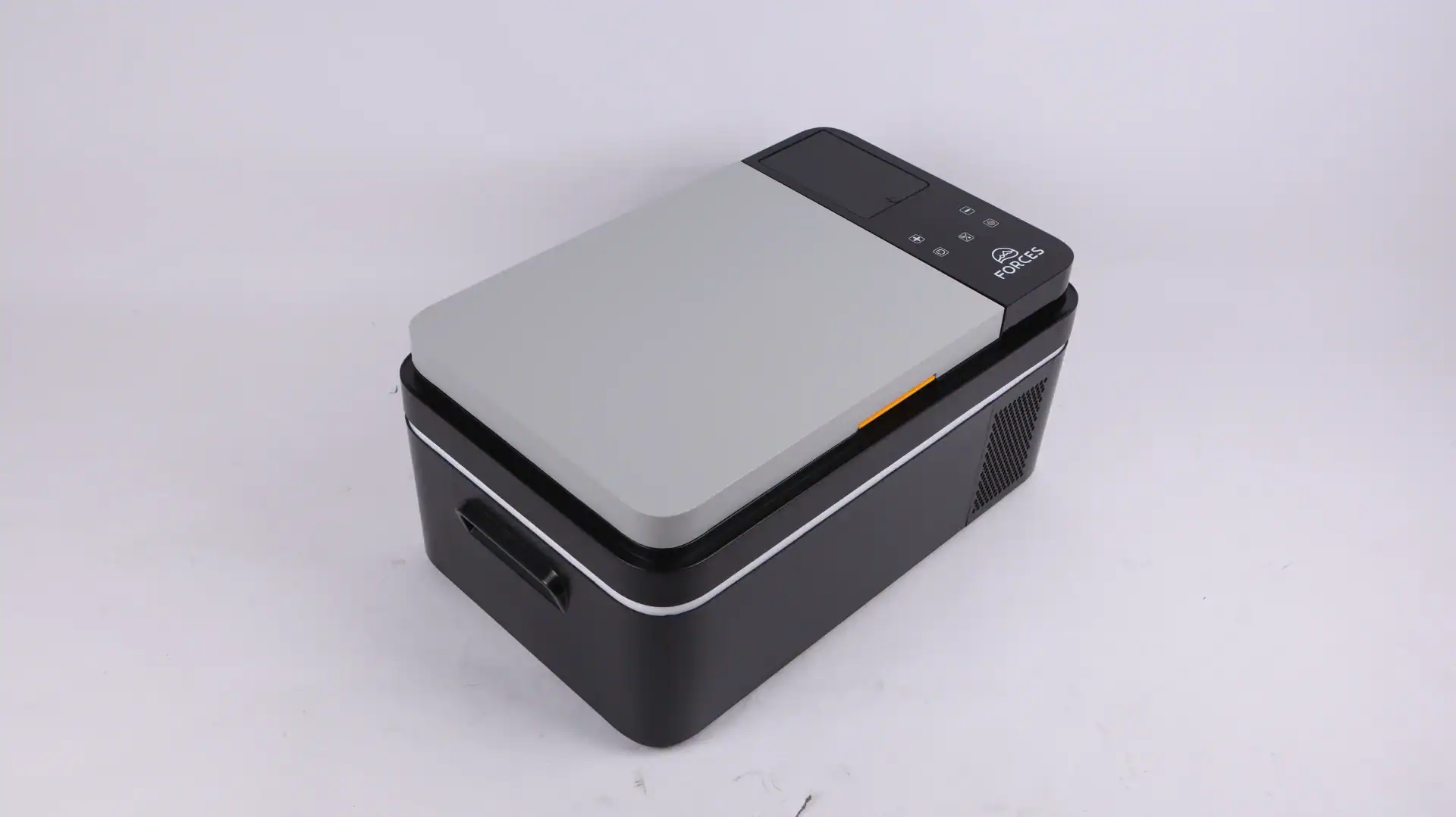
Certifications obligatoires vs facultatives selon la marketplace
Un rapport CE de compresseur ne couvre pas un réfrigérateur thermoélectrique.
Pour un réfrigérateur cosmétique vendu sur Amazon, les exigences de certification varient selon le marché de destination. Sur Amazon US, la Déclaration de conformité du fournisseur FCC (SDoC) n'est pas facultative pour tout appareil doté d'un moteur à courant continu et d'une alimentation à découpage — ce qui inclut les réfrigérateurs 12V vendus avec un adaptateur secteur. L'absence de ce document déclenche la suppression de l'annonce, généralement dans les 30 jours suivant l'examen des documents par Amazon.
Amazon US : FCC SDoC, UL 60335-1 et Prop 65
FCC SDoC couvre la compatibilité électromagnétique. Le piège : de nombreux fournisseurs détiennent un certificat CE pour la version à compresseur d'un mini-réfrigérateur, puis expédient un réfrigérateur cosmétique thermoélectrique avec les mêmes documents. Le profil CEM est différent. Demandez le numéro de modèle exact sur le rapport et faites-le correspondre à l'unité que vous importez.
UL 60335-1 est la norme de sécurité pour les appareils électroménagers. Ce n'est pas une obligation fédérale d'importation générale, mais Amazon et les principaux détaillants l'exigent comme condition de mise en vente. Pour un réfrigérateur cosmétique de marque privée, un rapport d'essai UL 60335-1 émis par un NRTL est le document qui résiste à un examen de conformité Amazon. La Prop 65 de Californie est une exigence d'avertissement distincte. Si votre produit est vendu en Californie, l'étiquette d'avertissement doit figurer sur le carton, sinon l'annonce peut être supprimée.
Amazon UE/RU : CE, UKCA, RoHS et WEEE
Vendre dans l'UE signifie marquage CE sous la directive basse tension et la directive CEM, plus la conformité RoHS pour les substances restreintes. Le Royaume-Uni utilise le marquage UKCA pour les marchandises mises sur le marché de la Grande-Bretagne. Un rapport CE seul ne satisfait pas automatiquement aux exigences UKCA ; vérifiez si la documentation de votre fournisseur est toujours valable pour le Royaume-Uni.
L'enregistrement WEEE est l'obligation que la plupart des vendeurs de marques privées négligent. L'Allemagne et la France l'appliquent, et Amazon peut retenir des fonds ou bloquer les annonces lorsque le numéro d'enregistrement manque. Utilisez un service de conformité comme take-e-way si vous n'avez pas d'entité européenne chargée de l'enregistrement.
Lorsque vous vous approvisionnez auprès d'une usine basée à Ningbo, demandez si le pool de certifications couvre déjà à la fois les versions à compresseur et thermoélectriques. Une usine qui a développé sa gamme de réfrigérateurs portables via un partenaire dédié — comme l'investissement de KelyLands en 2018 dans une usine de réfrigérateurs portables à Ningbo — dispose généralement des rapports corrects au niveau du modèle. Vérifiez néanmoins chaque certificat par rapport à votre SKU exact avant l'expédition FBA.
-
- FCC SDoC : Requis pour tout réfrigérateur cosmétique avec moteur à courant continu / alimentation à découpage. Faites correspondre le rapport à votre modèle exact.
- UL 60335-1 : Exigence de sécurité au niveau du détaillant. Demandez un rapport d'essai NRTL, pas une auto-déclaration.
- CE / UKCA : Vérifiez le type de produit sur le certificat. Un certificat de compresseur ne couvre pas une unité thermoélectrique.
- Prop 65 / DEEE : Les avertissements Prop 65 s'appliquent aux ventes en Californie. L'enregistrement DEEE est obligatoire en Allemagne et en France.
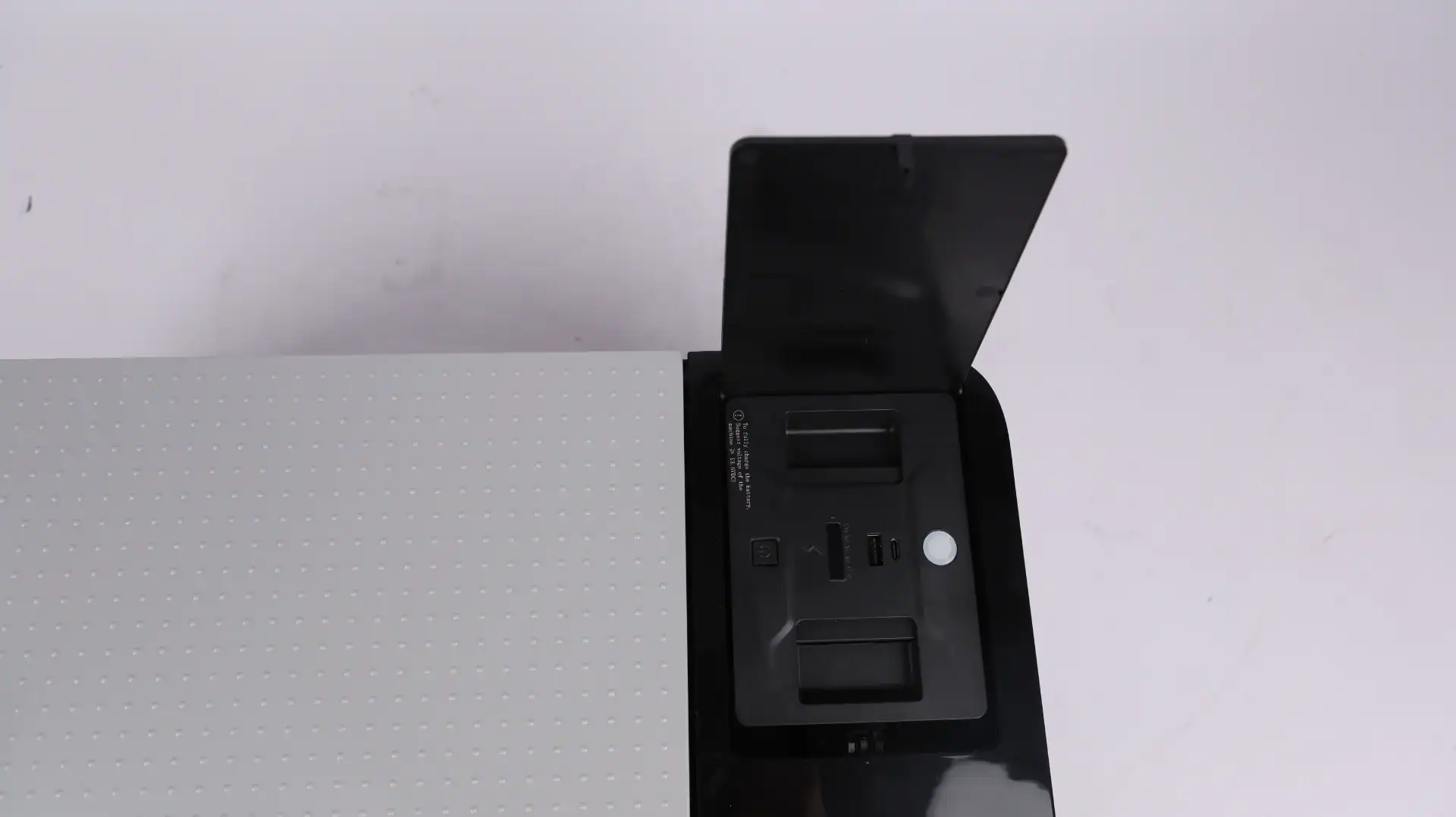
Ce que doit inclure un véritable rapport d’essai
Un rapport d'essai sans numéro de rapport vérifiable n'est qu'un PDF.
Une pièce jointe intitulée “ Rapport d'essai CE ” n'est pas une preuve. Un véritable document de conformité est délivré par un laboratoire tiers et porte un numéro de rapport que vous pouvez vérifier dans la base de données publique du laboratoire. Les fournisseurs envoient parfois une auto-déclaration à la place. Ce document a de l'importance, mais il ne remplace pas un essai indépendant.
Auto-déclaration de l'usine contre rapport de laboratoire tiers
La différence réside dans qui effectue l'essai et qui signe le résultat. Une auto-déclaration d'usine est rédigée sur papier à en-tête de l'entreprise et peut être basée sur des essais internes. Un rapport tierce partie provient d'un laboratoire comme TUV, SGS ou Intertek après avoir testé une unité réelle. Les examens de conformité d'Amazon attendent la version validée par le laboratoire, pas une lettre du fournisseur.
Vérifiez le numéro de modèle sur le rapport. De nombreux fournisseurs de Ningbo détiennent la documentation CE pour un réfrigérateur à compresseur, mais pas pour la version thermoélectrique du même boîtier. Ces deux appareils ont des profils CEM différents, donc le rapport pour un modèle ne couvre pas l'autre. Demandez à voir le numéro de modèle exact sur le rapport avant de comparer les prix.
Comment vérifier le numéro de rapport sur TUV, SGS et Intertek
Chaque grand laboratoire gère un portail de vérification public. TUV et SGS disposent tous deux de pages de recherche de rapports, et Intertek possède un répertoire de certificats. Saisissez le numéro de rapport et vérifiez que les détails retournés correspondent au devis du fournisseur. Le titulaire du rapport, le modèle de produit, la liste des normes et la date d'émission doivent tous correspondre.
-
- Titulaire du rapport : Doit correspondre à l'entreprise auprès de laquelle vous commandez. Un rapport détenu par une autre entité signifie que l'essai n'a pas été effectué pour la gamme de produits de votre fournisseur.
- Numéro de modèle : Doit correspondre exactement à votre référence produit. Une appellation générique comme “ série de refroidisseurs portables ” ne suffit pas pour un examen Amazon.
- Normes : Pour un réfrigérateur cosmétique aux États-Unis, le rapport de sécurité doit faire référence à la norme UL 60335-1. Pour l'UE, le dossier CE doit être conforme aux normes EN pertinentes.
Un exportateur basé à Cixi comme KelyLands, avec une fabrication interne à Yuyao et Ningbo, devrait être en mesure de fournir le numéro de rapport original pour le modèle exact de réfrigérateur cosmétique avant que vous ne passiez une commande. Si l'équipe commerciale ne promet les documents qu'après le paiement, considérez le devis comme non vérifié.
Coût et délais des lacunes de certification
Les lacunes de certification coûtent le plus cher après la signature du bon de commande, pas avant.
Les lacunes de certification apparaissent rarement lors de l'approbation des échantillons. Elles se manifestent lorsqu'Amazon ouvre un examen de documents, qu'un transitaire demande la Déclaration de conformité, ou qu'un concurrent signale votre annonce. À ce moment-là, le stock est immobilisé dans un entrepôt FBA et la solution la plus simple est généralement la plus coûteuse.
Budgetisation d'un processus de certification propre
Un réfrigérateur cosmétique thermoélectrique n'est pas un réfrigérateur à compresseur aux yeux d'un laboratoire d'essai. Il possède un moteur à courant continu et une alimentation à découpage, ce qui le place sous FCC SDOC même s'il fonctionne avec un adaptateur 12 V. Demandez le numéro de modèle exact sur chaque certificat ; un rapport CE pour le refroidisseur à compresseur 15 L du fournisseur ne sert à rien pour votre SKU thermoélectrique 4 L.
-
- FCC SDOC : Tests EMC plus la déclaration de conformité du fournisseur. Budget environ $1,000–$2,500 par SKU dans la plupart des laboratoires tiers, et prévoyez 2 à 4 semaines.
- UL 60335-1 : Le rapport de sécurité qu'Amazon US demandera probablement. Ce n'est pas un poste de dépense bon marché : attendez-vous à $6,000–$12,000 pour un réfrigérateur thermoélectrique lorsque le test est effectué correctement.
- CE (LVD + EMC) : Pour l'UE/Royaume-Uni, prévoyez $2,000–$4,000 y compris le dossier technique. L'UKCA peut souvent partager les mêmes données d'essai, alors ne payez pas deux fois pour les mêmes mesures.
- Prop 65 : L'application en Californie concerne les avertissements d'exposition, mais les détaillants veulent généralement d'abord des données d'analyse chimique. Le dépistage du plomb, du cadmium et des phtalates coûte généralement $800–$2,000 par SKU.
Une campagne complète à partir de zéro peut atteindre $10,000–$20,000 par SKU lorsque vous ajoutez le temps de laboratoire et les frais administratifs. C'est ce chiffre qui explique pourquoi tant de vendeurs cherchent à trouver un fournisseur qui détient déjà le rapport.
Le raccourci du pool de certification
C'est là que la gamme de réfrigérateurs de voiture existante de KelyLands change la donne. L'usine de réfrigérateurs de Ningbo qui produit les mini-réfrigérateurs et les refroidisseurs de voiture de KelyLands maintient déjà des rapports d'essai pour ces modèles. Si votre réfrigérateur cosmétique partage la même carte d'alimentation et le même module thermoélectrique, l'organisme de certification peut souvent modifier le rapport existant pour couvrir un nouveau numéro de modèle plutôt que de lancer une campagne complète.
Un amendement de famille de modèles prend généralement une à deux semaines au lieu de quatre à huit, et coûte une fraction d'un nouvel essai. Demandez directement au fournisseur : ‘ Mon SKU peut-il être ajouté à votre rapport existant sur les réfrigérateurs de voiture ? ’ S'ils hésitent ou envoient un certificat pour une gamme de produits différente, supposez qu'une campagne d'essai complète vous attend et chiffrez-la avant de signer.
| Certification / Essai | Coût estimé par SKU | Délai typique | Avantage KelyLands |
|---|---|---|---|
| FCC SDoC (États-Unis) | $2 000 – $5 000 | 2 à 4 semaines | Le pool contient des rapports FCC pour les réfrigérateurs à moteur DC 12 V ; la vérification exacte du modèle évite les nouveaux tests |
| UL 60335-1 Sécurité (États-Unis) | $8 000 – $15 000 | 4 à 6 semaines | Les rapports UL existants sur des unités thermoélectriques comparables réduisent le risque d’approbation |
| CE – DBT + CEM (UE) | $3 000 – $6 000 | 3 à 4 semaines | Détient des dossiers CE spécifiques au modèle ; profil CEM thermoélectrique vs compresseur vérifié |
| UKCA (Royaume-Uni) | $2 500 – $5 000 | 3 à 4 semaines | Peut tirer parti des données CE pour accélérer le processus UKCA documentation |
| RoHS + WEEE (UE/RU) | $1,000 – $2,500 | 1 à 2 semaines | L'usine fournit déjà les déclarations RoHS ; enregistrement WEEE via un partenaire de conformité |
| Proposition 65 de la Californie (États-Unis) | $500 – $1,500 | 1 semaine | Rapports de dépistage plomb/cadmium disponibles pour les modèles existants de réfrigérateurs cosmétiques |

Liste de contrôle de conformité Amazon avant l’expédition FBA
Téléchargez chaque rapport de test avant l'arrivée de l'expédition.
Les documents que vous téléchargez sur Seller Central avant l'expédition de la première palette FBA sont les mêmes enregistrements qu'Amazon consulte lorsqu'une plainte d'acheteur est escaladée. Télécharger tôt vous donne le temps de détecter les incohérences. Attendre qu'Amazon le demande vous laisse courir contre une échéance de suppression avec des stocks déjà dans l'entrepôt.
Documentation à préparer avant la vente de la première unité.
-
- Rapports de test : Un rapport valide comporte le numéro de modèle exact, la tension et la marque de l'unité de gestion des stocks (SKU) que vous référencez. La gamme de réfrigérateurs portables KelyLands, produite grâce à un partenariat avec une usine de Ningbo depuis 2018, comprend des mini-réfrigérateurs et des glacières de voiture — demandez toujours l'identifiant de modèle spécifique afin que le fournisseur fournisse le bon rapport.
- Déclaration de conformité (DoC) : Une déclaration signée énumérant les directives de l'UE ou les règles FCC applicables au produit. La partie responsable aux États-Unis ou dans l'UE la signe, pas l'usine. Assurez-vous que le document couvre la configuration thermoélectrique — un rapport CE pour la version à compresseur n'est pas transférable car le profil CEM est différent.
- Images du produit : Amazon compare les images de l'annonce au rapport de test et aux photos de l'étiquette. Une étiquette qui affiche un numéro de modèle alors que le rapport en montre un autre bloque l'examen et déclenche des demandes supplémentaires.
- FCC SDoC : Obligatoire pour tout produit équipé d’un moteur CC et d’une alimentation à découpage — y compris les réfrigérateurs 12 V vendus avec adaptateur CA. L’absence de ce document entraîne la suppression de l’annonce dans un délai de 30 jours.
Ce qui se passe lors de la vérification ou du retrait documentaire
Une vérification documentaire débute par un e-mail de demande de conformité envoyé depuis Seller Central. Le non-respect des échéances, une correspondance erronée des numéros de modèle, ou un rapport qui ne fait pas mention explicite de la marque sur l’annonce conduisent tous au même résultat : l’ASIN est supprimé. Vos unités restent en entreposage FBA, et les frais de stockage continuent de courir pendant que vous refaites tester ou acquérez la documentation correcte.
Un retrait va au-delà de la simple suppression. Amazon place en attente tous les FNSKU liés à l’ASIN concerné — aucune vente, aucun réapprovisionnement, aucune échéance indiquée. La seule défense efficace est la prévention : confirmez que la documentation correspond bien à l’étiquetage du produit avant le départ du conteneur de l’usine. Une fois la marchandise intégrée au réseau Amazon, les négociations se déroulent selon les règles d’Amazon.
Conclusion
Une seule incompatibilité entre le rapport d’essai et le produit physique suffit à faire échouer une vérification documentaire Amazon en 2026. L’SDoC FCC maintient l’annonce aux États-Unis, tandis que les marquages CE, UKCA, RoHS et WEEE couvrent les marchés de l’Union européenne et du Royaume-Uni. Un rapport d’essai émis par un organisme tiers tel que TÜV, SGS ou Intertek — vérifiable par son numéro de rapport — constitue la seule documentation recevable.
-
- L’SDoC FCC est obligatoire pour les réfrigérateurs cosmétiques à moteur CC ; un manquement peut entraîner la suppression de votre annonce Amazon sous 30 jours.
- Confirmez que le certificat CE correspond bien à votre modèle exact — les versions thermoélectriques et compresseur ont des profils CEM différents.
- Vérifiez les numéros de rapport d’essai sur les bases de données de TÜV, SGS ou Intertek avant d’accepter la documentation fournie par le fournisseur.
- L’Allemagne et la France imposent l’enregistrement WEEE ; utilisez un service de conformité tel que Take-E-Way pour éviter toute retenue.
Avant de passer votre prochaine commande, comparez le portefeuille de certifications de chaque fournisseur au modèle spécifique de réfrigérateur cosmétique que vous prévoyez de marquer. Demandez explicitement le SDoC FCC, la norme UL 60335-1 et les rapports d'essai CE, puis vérifiez les numéros de rapport en ligne. Vous pouvez consulter la gamme actuelle de réfrigérateurs cosmétiques sur la page catégorie produit de KelyLands pour voir quels modèles disposent déjà de dossiers de conformité documentés.
Questions fréquemment posées
Quelles certifications sont requises pour les réfrigérateurs cosmétiques sur Amazon ?
Les annonces Amazon US nécessitent généralement la certification FCC SDOC, les tests UL 60335-1 et les avertissements California Prop 65, tandis que les annonces UE/Royaume-Uni nécessitent CE, UKCA, RoHS et WEEE. Votre obligation exacte dépend de la place de marché et du type de réfrigérateur. Confirmez d'abord la place de marché et le type de réfrigérateur.
Puis-je réutiliser un rapport de test d'usine pour ma marque de distributeur ?
Vous pouvez réutiliser un rapport d'essai d'usine uniquement si le modèle, la tension et la construction correspondent à votre SKU et si le rapport provient d'un laboratoire tiers reconnu. Un réfrigérateur cosmétique reconditionné provenant du. Demandez le numéro du rapport avant de payer pour de nouveaux essais.
Comment vérifier un rapport de certification d'un réfrigérateur cosmétique ?
Vérifiez le numéro du rapport directement dans la base de données en ligne de TUV, SGS ou Intertek avant de le considérer comme valide. Une auto-déclaration d'usine n'est pas un rapport de test tiers, donc un numéro manquant ou invérifiable.
Combien coûte le test de certification par référence ?
Le coût de certification varie selon le laboratoire, le marché et le modèle de réfrigérateur, vous devez donc prévoir un budget séparé pour les tests FCC, UL, CE et Prop 65. Il n'y a pas de prix fixe sans modèle confirmé, mais il est possible de vérifier. Envoyez la spécification exacte du SKU pour estimer les frais de certification.
KelyLands peut-il fournir un support de certification pour les réfrigérateurs cosmétiques ?
KelyLands peut prendre en charge les certifications car elle contrôle son partenariat d'usine de réfrigérateurs portables et travaille avec des laboratoires sur la conformité à l'exportation. Pour un réfrigérateur cosmétique de marque privée, demandez à l'équipe commerciale l'existant. Contactez l'équipe commerciale avec votre spécification cible pour vérifier les approbations.

 English
  Español
  Français
  Deutsch
  Português do Brasil
  Русский
  한국어
한국어  日本語
日本語  العربية