 Passer au contenu principal Passer au pied de page

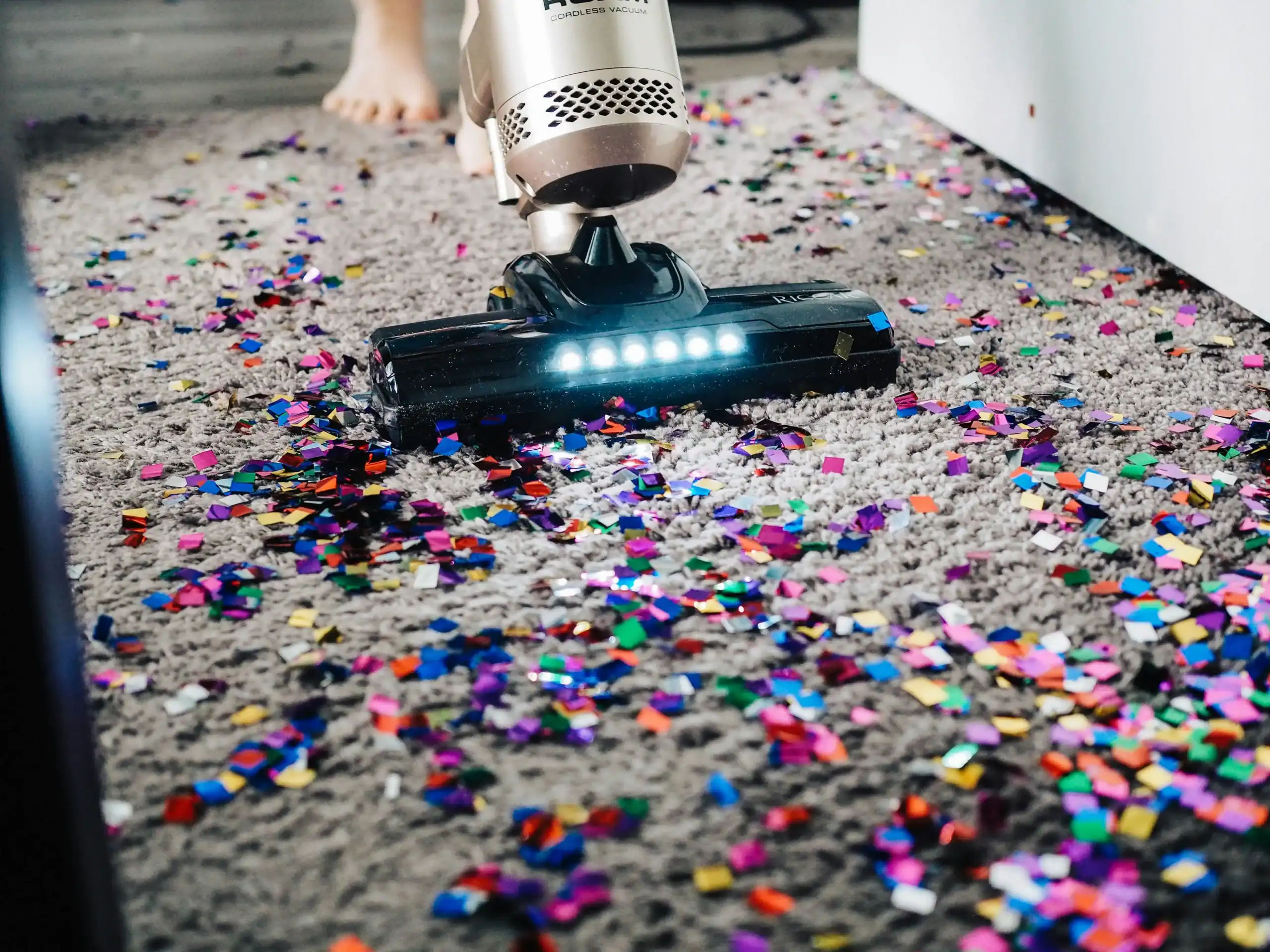
System failures and performance drops often trace back to a single variable: 8. Filter Maintenance. When airflow is restricted, energy costs typically rise by 5% to 15% while the added strain on blower motors risks premature hardware replacement. Designing for the end-user requires building safeguards that prevent these predictable oversights from compromising equipment lifespan.
This analysis compares the performance of G1 metal mesh against pleated HEPA media—which offers 10x more surface area—and highlights the mold risks associated with re-installing filters before the 48-hour drying window. We also explore how digital alerts and automated delivery models remove human error, helping systems maintain optimal pressure levels through consistent component swaps.
Why Allergies Flare Up: Clogged Filters
Clogged filters allow allergens like pollen and dust to bypass the system and recirculate indoors, directly triggering respiratory symptoms. This blockage increases static pressure, causing a 5-15% spike in energy use and straining the motor through significantly restricted airflow.
Particle Bypass and Indoor Air Quality Degradation
High-efficiency particulate air (HEPA) filters capture 99.97% of particles as small as 0.3 microns, including common irritants like pollen, animal dander, and mold spores. When the filter media reaches saturation, it loses its ability to trap these microscopic particles. These irritants then bypass the physical barrier and recirculate into the living space, where they remain suspended in the breathing zone.
The constant movement of trapped particles through the air supply often triggers immediate respiratory flare-ups, such as sneezing, persistent coughing, and itchy eyes. Beyond simple bypass, the buildup of dust and bacteria on damp filter surfaces creates a breeding ground for mold. This secondary contamination further degrades the air quality as spores enter the ventilation stream.

Mechanical Consequences of Restricted Airflow
Clogged filters significantly increase static pressure within a system, forcing blower motors to consume more power to move the same volume of air. This mechanical strain typically results in a 5% to 15% increase in energy usage. Furthermore, restricted airflow over evaporator coils or through vacuum motors causes components to overheat and undergo short cycling, which increases the risk of premature mechanical failure.
Pressure imbalances within the ductwork or housing produce distinct audible signals, such as whistling, rattling, or heavy vibrations at vents and exhausts. Airflow obstruction also reduces the effective suction power of cleaning equipment. This drop in performance leaves heavy allergens deeply embedded in carpets and upholstery rather than removing them from the environment.
Design: Pre-Filter Mesh vs. Pleated HEPA
Vacuum designs rely on G1 metal mesh to block large particles and hair, preserving airflow for the secondary filter. Pleated HEPA media captures 99.97% of fine dust at 0.3 microns, using an expanded surface area to prevent pressure drops and protect the motor from microscopic debris.
Metal Mesh Barriers for Primary Debris Capture
G1 metal mesh uses expanded aluminum or galvanized alloy foil to catch hair and large debris before they reach the motor. These washable materials withstand high temperatures exceeding 250°C, allowing for repeated maintenance cycles without degrading the physical filter structure. By acting as a primary barrier, the mesh protects internal components from mechanical obstruction.
The coarse design maintains high airflow velocity with minimal resistance. This ensures consistent suction power throughout operation because the large apertures do not clog easily. Metal mesh also avoids shedding fibers into the airstream, supporting clean industrial ventilation and simplifying the maintenance process for high-volume debris management.
Pleated HEPA Efficiency and Airflow Optimization
Pleated configurations increase the filter surface area by 10x over flat designs, which reduces the pressure drop to ≤250 Pa. Micro glass fiber media achieves a 99.97% efficiency rating for particles at 0.3μm, adhering to EN779 and Type C standards. This high-efficiency media traps microscopic allergens and fine dust that coarse mesh barriers cannot capture.
V-form mini-pleat structures optimize dust-holding capacity and prevent rapid clogging. By spreading the air load across a wider surface, the filter extends the lifespan of the vacuum motor and maintains air purity. This geometry balances airflow requirements with filtration depth, ensuring the system captures fine particulates without placing excessive strain on the power unit.
Washable Filters: The Drying Time Risk (Mold)
Washable air filters require a strict 24-48 hour drying period before reinstallation to prevent mold germination. Moisture trapped in reusable mesh or synthetic media can trigger microbial growth within 48 hours, especially if indoor relative humidity exceeds 70%, potentially circulating spores sized 2-20µm through the vehicle or home environment.
| Métrique de maintenance | Spécifications techniques | Seuil de sécurité |
|---|---|---|
| Drying Duration | 24 – 48 heures | Empêche la germination microbienne |
| Humidité relative intérieure | 25% – 60% | Inhibe la prolifération fongique |
| Intervalle de nettoyage | Toutes les 2 – 4 semaines | Compense l'efficacité faible MERV 1-4 |
Croissance microbienne et fenêtre critique de 48 heures
Les spores de moisissure germent sur les matériaux de filtre humides en 24 à 48 heures lorsque l'humidité persiste. Réinstaller un filtre avant qu'il ne soit complètement sec permet à la croissance microbienne de s'ancrer dans la maille ou le média synthétique. Les filtres électrostatiques permanents créent souvent des terrains d'multiplication pour les bactéries et les champignons lorsque les propriétaires négligent de les laisser sécher complètement entre les cycles de nettoyage. Ce piège à humidité fait circuler des spores nocives, généralement de 2 à 20 µm, directement dans l'habitacle ou l'espace de vie.
La structure des filtres réutilisables, qui comprend souvent des cadres métalliques et des couches synthétiques denses, peut cacher une humidité résiduelle. Bien que l'extérieur puisse sembler sec au toucher, le noyau interne retient souvent suffisamment d'eau pour soutenir des colonies fongiques. Une fois ces colonies établies, la vitesse de l'air du système CVC distribue les spores dans l'ensemble des conduits, compliquant les futures interventions de remédiation.
Seuils d'humidité et protocoles de maintenance
Un fonctionnement sûr nécessite de maintenir l'humidité relative intérieure entre 25 % et 60 % pour inhiber la prolifération de moisissures dans les systèmes CVC et les systèmes de filtration par vide. Les espèces de moisissure sur les matériaux papier ou synthétiques germent rapidement lorsque l'humidité relative maintient des niveaux à 70 % ou plus pendant plusieurs jours. Une gestion climatique adéquate limite la viabilité biologique de toute humidité accidentelle restante dans le média filtrant après le nettoyage.
Les filtres lavables ont généralement des classifications MERV 1-4, offrant une efficacité de capture des particules inférieure à celle des unités HEPA jetables ou plissées. Les utilisateurs doivent nettoyer ces composants toutes les 2 à 4 semaines pour maintenir le débit d'air et l'hygiène du système. Les protocoles de sécurité alignés sur l'OSHA exigent le séchage complet de tous les composants humides sous 48 heures pour éviter la dégradation de la qualité de l'air intérieur. Sauter la fenêtre de séchage complet augmente la sollicitation du système CVC et présente des risques sanitaires importants dans les climats à forte humidité.
Elevate Your Brand with Custom High-Performance Vacuum Solutions

Digital Reminders: App/Screen Alerts to Clean
Digital reminders use screen indicators like Samsung’s ‘CF’ code or mobile app notifications from Xiaomi’s Mi Home to prompt maintenance. These systems track run-time or airflow resistance, alerting users every two weeks or when performance dips, which removes the guesswork from manual cleaning schedules.
| Monitoring Method | Maintenance Trigger | System Example |
|---|---|---|
| On-Unit Display Codes | Bi-weekly timer or run-time | Samsung Wall-Mounted AC (CF Code) |
| IoT App Notifications | Calculated operational hours | Xiaomi Mi Home / Mijia Pro Eco |
| Airflow Monitoring | Pressure drop (Delta-P) | Smart Wi-Fi Thermostats / FILTERSCAN |
Visual Interface Alerts and App Notifications
Samsung wall-mounted units display a ‘CF’ (clean filter) reminder on the indoor screen as a primary visual cue for bi-weekly maintenance. This system automates the tracking of operational intervals, ensuring users address dust buildup before it impacts efficiency. Mobile platforms like the Mi Home/Xiaomi Home app send push notifications to users based on calculated run-hours for devices like the Mijia Pro Eco series. These digital logs offer a more precise timeline than manual checks, as they account for actual usage intensity rather than simple calendar dates.
Smart Wi-Fi thermostats provide another layer of notification by activating ‘change filter’ lights or sending direct text and email alerts. These devices often monitor the HVAC system for restricted airflow. When the sensors detect that the filter has become too dense with debris to allow proper air passage, the system bypasses standard timers to request immediate intervention, preventing potential blower motor strain.
Sensor Calibration and IoT Data Monitoring
The FILTERSCAN Air Filter Monitor records clean air filter calibration parameters to track the real-time state of the media. The device retains this data through power cycles, which ensures that monitoring remains accurate even after electricity outages. In industrial settings, the Viledon Process View system utilizes QR codes on filter stages to document changes and measurements. This mobile integration uses algorithms for early problem detection, identifying performance anomalies before they lead to system downtime.
Industrial monitoring tools like GoldLink Connect and Digital Matter SMR track pressure drops to generate automated maintenance jobs. These systems often target a delta-P of less than 1 psi for self-cleaning designs. By setting absolute thresholds—such as specific pressure levels or odometer intervals in telematics—facility managers receive automated email reminders. This data-driven approach replaces visual inspections with physics-based triggers, maintaining optimal air quality through consistent, documented upkeep.
Subscription Models: Auto-Shipping Replacement Filters
Auto-shipping models eliminate the risk of system failure by delivering fresh cartridges before pressure drops occur. For industrial and automotive applications, these subscriptions ensure absolute retention between 0.03 and 1.2 microns remains consistent, protecting against vessel failures caused by overdue swaps.
Reducing User Error and Pressure Vessel Fatigue
Automated delivery schedules prevent filtration systems from exceeding the critical 35 psi change-out ΔP limit during high-flow operations. When operators neglect manual cartridge swaps, the resulting spike in differential pressure—often reaching 90 psi at 70°F—compromises the physical integrity of the filtration unit. Regular replacement intervals protect acier inoxydable housings rated for 150 to 300 psi from chronic structural stress, effectively shielding high-pressure vessels from potential failures at 3000 PSIG.
Maintaining these schedules supports consistent 9. pour les systèmes nécessitant des réglages hydrauliques automatisés de la porte. Ces actionneurs travaillent en tandem avec des arbres en acier SW85, qui offrent une limite d'élasticité de 85 000 PSI pour soutenir l'intégrité structurelle du cadre de poussée. Cette combinaison de matériaux à haute résistance et de contrôle hydraulique sensible permet à la porte avant de réagir dynamiquement aux charges changeantes de débris et aux conditions du sol. across various system scales. Single SFN series units handle 21 GPM, while multi-cartridge setups scale up to 1040 GPM. Predictive logistics ensure the system operates within its engineered parameters, avoiding the turbulence and flow restrictions associated with clogged or fouled media.
Technical Standardization of Subscription Cartridges
Subscribed replacements utilize absolute-rated media to achieve 99.98% efficiency with a beta 5000 rating. These cartridges provide reliable surface area coverage, such as 7.2 sq. ft. per 10-inch length for HP-PESE membranes or 6.8 ft² for Proflow II media. Subscription shipments include application-specific gaskets made from Viton, EPDM, or Silicone to meet 2026 durability standards, ensuring a leak-proof seal within the housing during every cycle.
Standardized shipping cycles ensure that polyethersulfone (PES) membranes are swapped before they reach their 80 psid forward pressure limit at 75°F. This proactive approach maintains the structural integrity of the membrane support and prevents media migration. Using 30-inch or 40-inch cartridges in multi-cartridge housings allows the system to meet the high-purity requirements of Class 10,000 cleanrooms and industrial liquid processing without unexpected downtime.
Conclusions finales
Effective air quality relies on a balance between robust hardware design and consistent maintenance habits. Multi-stage systems using metal mesh and HEPA media capture a wide range of pollutants, yet the human factor remains the most significant variable in system performance. Smart alerts and automated delivery schedules remove the guesswork, ensuring equipment runs at peak efficiency while preventing risks like mold growth or motor strain.
Modern filtration shifts the responsibility from the user to the device itself. Sensor-based tracking and standardized replacement cycles transform maintenance into a seamless background process rather than a manual chore. This data-driven approach maintains high-efficiency standards across residential and industrial settings, extending equipment life and protecting respiratory health through reliable, documented upkeep.
Questions fréquemment posées
Do portable vacuum cleaners include a ‘Check Filter’ warning light?
Many high-performance models feature a dedicated ‘Check Filter’ indicator or lamp that signals when airflow is restricted. To maintain the system after cleaning or replacement, users reset the sensor by holding the power button for three to five seconds. This ensures the unit achieves 99.99% filtration efficiency on particles between 0.3 and 10µm according to EN60312-1:2017 standards.
Are vacuum filters standard sizes or proprietary designs?
Filters use proprietary designs rather than standard universal sizes to ensure an airtight seal and peak suction performance. Most kits include specific components such as two pre-filters and one fine dust filter tailored to the vacuum’s internal housing. Maintenance cycles require replacing pre-filters every six months and fine dust filters every 12 months to maintain optimal performance.
Can B2B clients implement a subscription model for replacement filters?
Our facility focuses on bulk manufacturing and wholesale distribution, providing standardized replacement kits that enable retail partners to manage their own recurring fulfillment services. By maintaining bulk stock of 6-month and 12-month replacement kits, distributors can offer automated shipping schedules to end-users through their own e-commerce platforms.

 English
 Español
 Français
 Deutsch
 Português do Brasil
 Русский
 한국어
 日本語
 العربية