...

EV充電器OEMガイド:カスタム金型とCMFデザイン

Private label EV chargers with IP67/IK10 ratings & TPU cables. Get full OEM customization, from Pantone colors to embossed logos. Factory direct.

読書時間: 8分  |  単語数 2063

Working with a private label ev charger manufacturer is the one decision that separates a commoditized product from a brand with defensible market share. When every charger on the market is a generic black box, you are forced to compete on price alone, which inevitably leads to margin compression and a diluted brand identity.

This guide serves as a practical manufacturing brief, focusing on the core customization questions that determine brand value. We cover the technical process for CMF design, from matching specific finishes like “Tesla Silver” to customizing LED breathing light patterns. We also break down the costs and engineering limits for mold modifications like logo embossing and the logistics of creating drop-test certified packaging for Amazon FBA.

CMF Design: Can We Match the “Tesla Silver” or “Matte Black” Finish?

Matching a factory automotive finish isn’t about finding the right paint; it’s about simulating a complex, multi-layer industrial process on materials that can’t withstand automotive-grade oven curing.

Replicating Factory Automotive Finishes on Accessories

While an exact 1:1 match to a vehicle’s multi-layered, oven-cured paint is not feasible for accessories, KelyLands can simulate these premium aesthetics. We use specialized CMF (Color, Material, Finish) processes on high-strength ABS and PC plastics to create a look that complements modern EV designs. The core difference lies in the industrial process itself.

  • Automotive paint involves complex, high-temperature robotic application, a process fundamentally different from what’s used for consumer electronics.
  • We achieve similar visual depth and quality using methods like dual-layer spray coating, protective UV finishing, and color-matched masterbatches mixed directly into the polymer.
  • To ensure perfect alignment with your brand standards, we develop custom CMF physical samples for your approval before starting mass production.
Characteristic Automotive Factory Finish (e.g., Tesla) KelyLands CMF Accessory Finish
Core Process Multi-layer robotic spray, high-temperature oven curing Injection molding with masterbatch, spray coating, UV finishing
Material Substrate Metal body panels (Steel, Aluminum) High-strength polymers (PC, ABS)
Production Feasibility Not viable for temperature-sensitive electronics Optimized for high-volume accessory manufacturing

Achieving a “Matte Black” Aesthetic with Plastic Injection Molding

We offer two primary methods to create a durable and consistent matte black finish. The first and most resilient option is mold texturing, where a matte surface is etched directly into the steel injection mold. This makes the finish an integral part of the plastic housing, completely resistant to wear, scratches, or peeling. For a different tactile feel, we can apply a soft-touch rubberized paint or a flat matte coating after the part is molded. This second method provides a more premium, velvety feel. Achieving custom colors for housings and cables, including specific matte shades, typically requires a Minimum Order Quantity (MOQ) of 500 units.

Pantone Matching for “Tesla Silver” and Custom Colors

We can precisely match specific brand colors, including complex shades like “Tesla Silver,” by using the Pantone Matching System. You provide the Pantone code, and our engineers create a custom-colored masterbatch for injection molding. This ensures absolute brand consistency across your entire product line. Our process supports a wide range of polymers like ABS, PC, PP, and the TPU used for our flexible cables. We can also produce finishes with metallic flakes or pearlescent effects to simulate an automotive-grade metallic appearance. Before starting mass production, we provide physical color chip samples to guarantee the final shade meets your exact specifications.

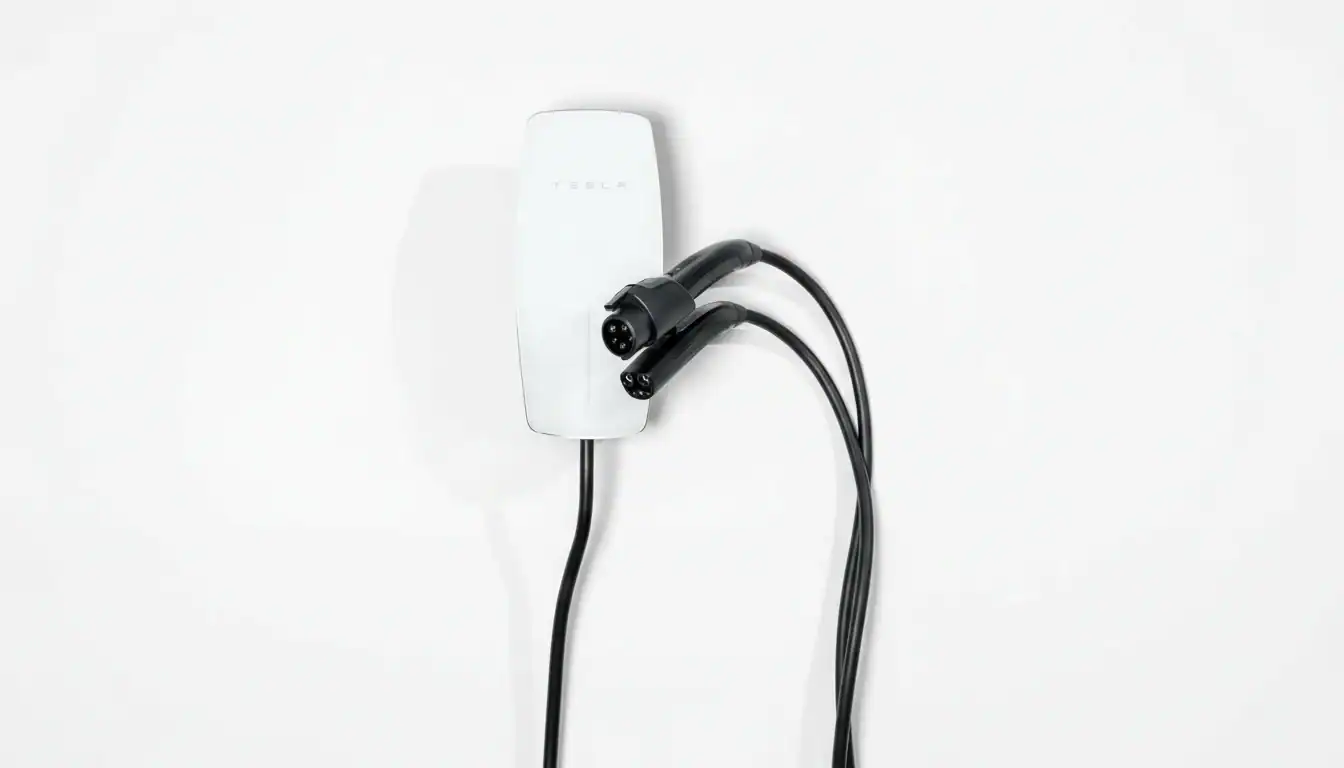
A wall-mounted electric vehicle charger with black cables on a white background.
Sleek wall-mounted Tesla electric vehicle charger with dual cables.

LED Logic: Can You Customize the Breathing Light Patterns?

Yes, LED breathing light patterns are fully customizable, but the method depends on the underlying circuit. Analog systems offer simple frequency adjustments by changing physical components, while digital microcontroller systems provide complete programmable control over brightness, speed, and complex patterns.

Analog Circuit Customization

For analog-based breathing lights, customization is a hardware-level adjustment. The effect is typically driven by an operational amplifier circuit where the values of specific resistors and capacitors in the feedback network dictate the breathing frequency and feel. Changing these component values allows you to modify the oscillation speed. While this approach is simple, compact, and cost-effective, its flexibility is limited to what’s physically soldered onto the PCB. You can add a rotary potentiometer to give the end-user real-time control over the speed, but the fundamental pattern remains fixed.

パラメータ Analog Customization Digital (Microcontroller) Customization
Control Method Physical components (resistors, capacitors) Software code (PWM signals)
Flexibility Low (fixed breathing rate and pattern) High (programmable patterns, speeds, brightness)
Implementation Cost Lower (fewer, simpler components) Higher (requires microcontroller and firmware development)
最適なユースケース Cost-sensitive, single-function devices Premium products needing unique brand signaling

Digital and Microcontroller Customization

Using a microcontroller with pulse-width modulation (PWM) unlocks extensive, software-defined control over the LED. This method allows for precise and programmable adjustments to nearly every aspect of the breathing effect, making it ideal for OEM clients who want a unique visual identity for their products. Instead of changing hardware, you modify firmware to achieve the desired result.

  • Adjust the brightness range to create effects from “heavy breathing” (high peak brightness) to “soft breathing” (low peak brightness).
  • Implement smooth dimming transitions with adjustable fade rates and unique non-linear patterns.
  • Manage independent breathing patterns across multiple LEDs using dedicated driver ICs for complex status indicators.
  • Utilize pre-built software libraries to deploy various effects like heartbeat, strobe, or custom sequences beyond simple fading.

Source Certified OEM Portable EV Chargers

Our rugged, IP67-rated chargers meet global standards, ensuring customer satisfaction and product longevity. Take advantage of low MOQs and full OEM customization to build your brand with a reliable supply chain partner.

OEM/ODMソリューションの探求 → こちら

CTAイメージ

Mold Modification: What Is the Cost to Emboss My Logo in Plastic?

Embossing your logo directly into the plastic housing is a permanent branding solution defined by a one-time tooling fee, a standard MOQ, and a clear production timeline, making it highly cost-effective at scale.

Adding a custom embossed logo is a straightforward process for private label orders. It provides a premium, durable branding feature that won’t peel or fade over the product’s lifetime. The primary investment is in modifying the injection mold, which then allows your logo to be seamlessly integrated into every unit produced.

Initial Tooling and Mold Fees

The main investment for embossing a logo is the one-time fee for mold modification. This payment covers creating the custom tooling needed to press your brand’s signature directly onto the product’s plastic housing. Standard tooling costs for a logo typically range from $300 to $1,000 USD. This is a single charge for each unique logo design. We use durable steel and aluminum molds to guarantee high precision and long-term use across thousands of production runs.

パラメータ 仕様 商業的インパクト
Tooling Fee $300 – $1,000 USD (One-Time) A fixed, upfront investment per unique logo design.
Minimum Order (MOQ) 3,000 Units Required production volume to justify the custom tooling setup.
Production Lead Time 52 – 75 Days Covers mold creation, sampling, and the first mass production run.
Embossing Depth 0.3mm – 0.8mm Ensures logo clarity without compromising housing integrity.

Minimum Order Quantity (MOQ) Requirements

Custom molding is an efficient process that requires a minimum production volume to be viable. This volume spreads the initial tooling investment out, making the per-unit cost competitive. The standard MOQ for products with an embossed logo starts at 3,000 units. After paying the one-time tooling fee, the per-unit production cost is nearly identical to a non-customized product. Embossing is particularly cost-effective for clients with annual orders between 50,000 and 100,000 units.

Production Timeline and Process

The complete timeline for adding an embossed logo involves design confirmation, mold fabrication, and the start of mass production. The entire process, from your design approval to the first full production run, takes approximately 52 to 75 days. This period includes creating the physical mold, producing initial samples for you to approve, and then launching full-scale manufacturing. Our team coordinates each step to maintain a clear and predictable schedule.

Technical Specifications and Design Limits

Embossing delivers a permanent, high-end branding solution. To ensure logo clarity and the structural integrity of the product housing, we follow a few key design constraints. The depth of the logo relief is limited to a range of 0.3mm to 0.8mm. This specific depth prevents the plastic from weakening or failing while keeping the logo sharp and visible. We use stamping techniques for flat surfaces and hydroforming for curved components to achieve the best possible finish for your design.

Various plastic enclosures parts arranged side by side on a gray surface, showcasing their design and internal structure.
Arranged EV charger plastic enclosures showcase design for car accessories. Perfect for OEM/ODM applications by KelyLands.

Packaging: Is the Box Drop-Test Certified for Amazon FBA?

Yes, our packaging is engineered to meet Amazon’s current ISTA 6-Amazon standards, ensuring your products arrive at fulfillment centers undamaged and ready for processing without delays or penalties.

Meeting Current ISTA 6-Amazon Standards

KelyLands ensures our packaging adheres to Amazon’s latest ISTA 6-Amazon specifications. These protocols are designed specifically for the modern e-commerce supply chain and supersede the older, less relevant ISTA 3A/3B tests. Adhering to these updated standards is critical for any brand selling through FBA.

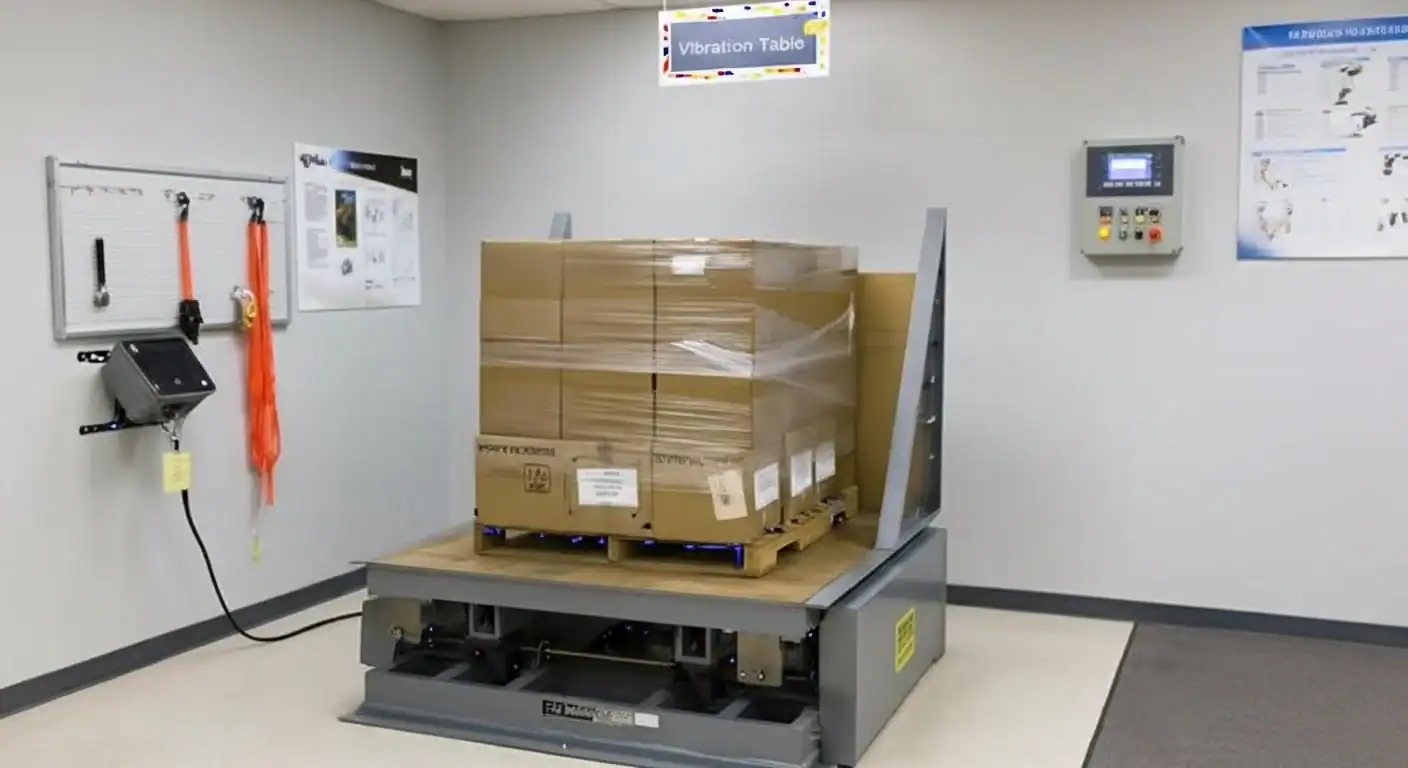
  • Our boxes undergo comprehensive testing that simulates real-world conditions, including multi-axis drops, prolonged vibration, and compression from stacking.
  • Compliance with these standards directly prevents product damage, reduces customer returns, and ensures a seamless receiving process at Amazon’s fulfillment centers.

Choosing the Right Certification Tier

We help you select the appropriate Amazon certification tier based on your product and business goals. KelyLands designs packaging solutions that qualify for all three primary tiers, each offering distinct advantages for cost, customer experience, and operational efficiency.

  • Frustration-Free Packaging (FFP): The highest tier, focusing on easy-to-open, minimal-waste packaging that improves the end customer’s unboxing experience.
  • Ships in Own Container (SIOC): This certification allows your product to ship in its own branded box without needing an additional Amazon overbox, which reduces material waste and shipping costs.
  • Prep-Free Packaging (PFP): Ensures your items arrive at fulfillment centers ready to be shipped, requiring no extra bagging, bubble wrap, or taping by Amazon staff.

Our Testing and Validation Process

We manage the entire certification process by working with Amazon’s approved APASS (Packaging Support and Supplier Network) labs. This network guarantees that the testing methods and results are recognized by Amazon. For durable and non-fragile goods like our portable chargers, we can also guide you through Amazon’s self-testing process to achieve compliance more quickly.

  • Professional lab validation is mandatory for all fragile and liquid-containing products to guarantee certification, a process we manage on your behalf.
  • Upon successful testing, we provide you with the official test reports and documentation required for FBA vendor compliance, giving you a clear path to market.

結論

From CMF design and LED behavior to mold modifications and packaging, every detail offers an opportunity for brand differentiation. These customizations transform a standard portable EV charger into a product that reflects your brand’s quality and market position. This process ensures your product not only functions reliably but also looks and feels unique to your customers.

If you are ready to develop a custom EV charger, gather your brand assets like logo files and color specifications. Contact our team to request a sample or get a detailed quote for your project.

Packaged boxes secured on a vibration testing table in a lab setting, surrounded by control equipment and informational posters.
Packaged goods undergo testing on a vibration table in a lab environment, showcasing industrial quality assurance.

よくある質問

What is the MOQ for custom color EV chargers?

For custom color requests, the Minimum Order Quantity (MOQ) is typically between 500 and 1,000 units. This allows us to accommodate the custom material sourcing and production line setup required to match your specific color requirements precisely.

Can you emboss my logo on the connector head?

Yes, we offer logo customization on the connector head as part of our OEM/private label services. This can be achieved through methods like embossing, debossing, or high-resolution printing to ensure your branding is prominently and durably displayed. This process typically involves a one-time tooling adjustment fee.

Do you offer custom cable lengths for OEM orders?

Absolutely. We provide custom cable lengths for all OEM orders to meet the specific requirements of your installation or product integration. Standard lengths are typically 18 to 25 feet, but we can accommodate custom specifications upon request.

What is the lead time for private label production?

The lead time for an initial private label production run is typically 8 to 12 weeks. This includes design finalization, tooling modifications, and sample approval. For subsequent reorders, the lead time is reduced to approximately 4 to 6 weeks.