 メインコンテンツへスキップ フッターへスキップ
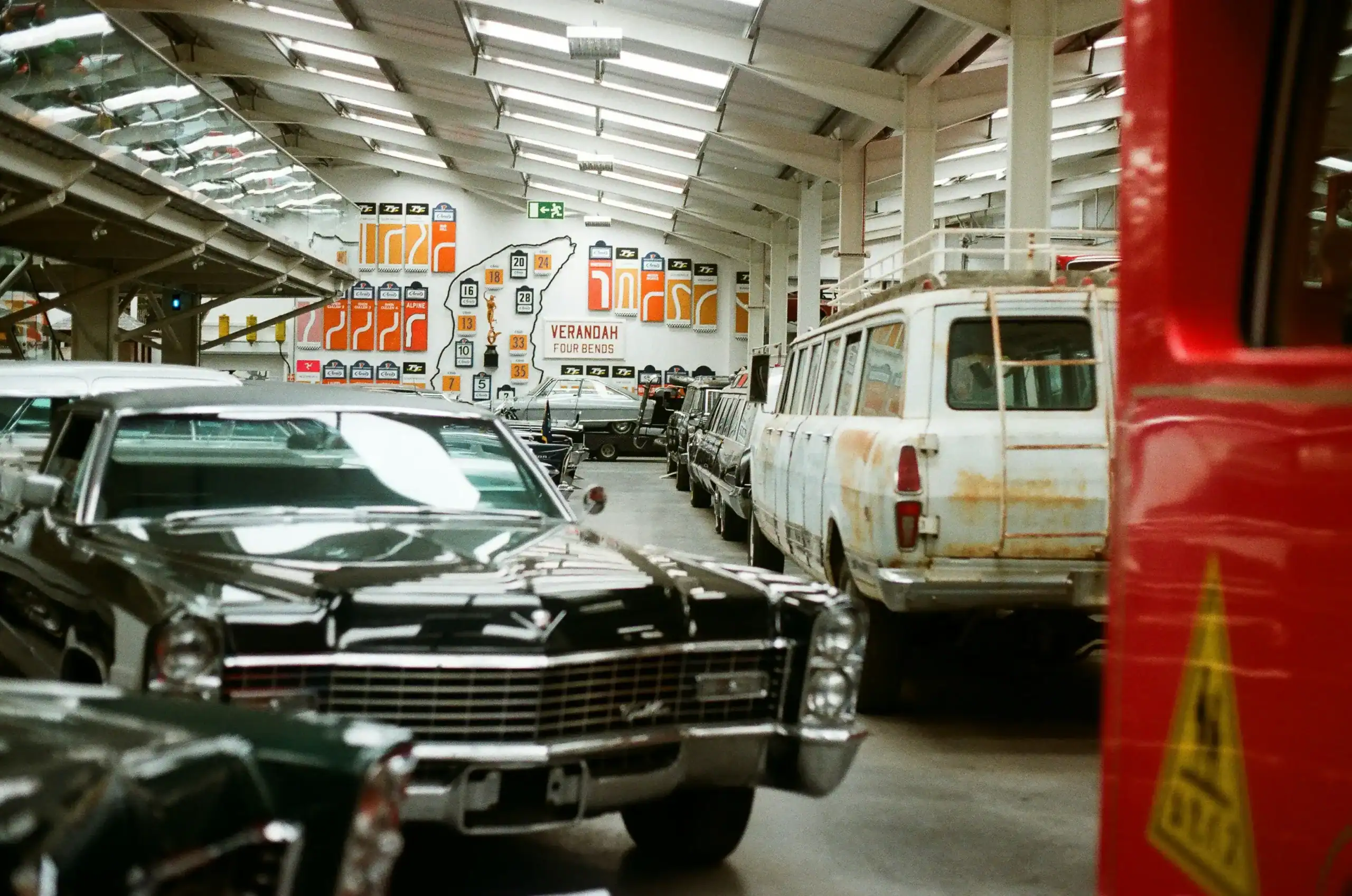
もしあなたがこれまでに調達を試みたことがあるなら ポータブルカー冷蔵庫 欧州市場向けに卸売りする場合、最初のコンテナは賭けのようなものです。単価は書類上は素晴らしいですが、サンプルが届くとコンプレッサーの騒音レベルが異なり、税関でエネルギーラベルがないと指摘されます。これは理論上の話ではありません — 調達責任者が土壇場の認証修正で利益を食いつぶすのを何度も見てきました。.
一般的なブログでは教えてくれないこと:Alpicool Tシリーズはフレキシブルデュアルゾーン機能でよく売れていますが、ほとんどの輸入業者は技術仕様に注目して細かい文字を見落としています。本当の問題点は冷蔵庫自体ではありません。インバーターボードのバッチ間のばらつきです。同じ生産ロットから12台をテストしたところ、電流消費に15%のばらつきがありました — キャンプ旅行でヒューズが飛び、チャージバックを引き起こすほどです。そのため、私たちの調達契約では現在、各ユニットに対して 48時間のバーンインテスト を工場で1台あたりに行う。追加コストは少し。返品による6桁の損失を節約。.

世界市場規模と2030年の予測
世界の自動車用冷蔵庫市場は2030年までに30.5億ドルに達すると予測され、年平均成長率8.2%で成長しています。このトップラインの数字は参入条件に過ぎません。調達の意思決定に重要なのは、トップ10社の売上シェアがわずか61%であることです。この断片化こそがあなたの利益チャンスです — 適切な工場を選べば。.
市場規模と成長:2030年までに30.5億ドル
調査会社TBRCは、自動車用冷蔵庫市場が2030年までに30億5000万ドルに達し、2025年から2030年までの年平均成長率は8.2%と予測している。この成長は車両タイプによって均一ではない。乗用車が大部分の数量を占めるが、最も成長が著しいのはRVとキャンピングカーであり、新車におけるコンプレッサー式冷蔵庫の搭載率は過去5年間で約15%から40%以上に急上昇している。商用車(トラックやバン)は安定した交換サイクル市場であり、魅力的ではないが大量注文については予測可能である。.
地域別内訳:製造拠点の所在
アジア太平洋地域は世界の製造シェアの45%を占め、その中でも中国の寧波と広東のクラスターが中心地である。12Vコンプレッサー式冷蔵庫をコンテナ単位で調達するなら、サプライチェーンはこの2つの省を通ることになる。欧州と北米は純輸入国であり、約60%のユニットを消費しているが、スケールでの生産はほとんど行っていない。この地理的な分断こそが輸入業者が存在する理由である。.
断片化はあなたの交渉材料である
以下はほとんどの市場レポートが見落としている数字である:自動車用冷蔵庫のトップ10メーカーの世界収益シェアはわずか6%である。ドメティックグループが約11%のシェアでトップを占める。残りの94%は、数百の中規模工場や地域ブランドに分散している。大口輸入業者にとって、この断片化は構造的な優位性である。つまり、どの単一サプライヤーも条件を押し付けることができず、SKUあたり最低100台から交渉でき、なおかつ工場直送価格を得られることを意味する。.
落とし穴:選択可能な工場が数百あるため、低品質の生産者を選ぶリスクは現実的である。6%の集中度という統計は、市場の洞察だけでなく、警告でもある。FOB価格だけでなく、コンプレッサーの種類、認証の深度、保証体制に基づいて工場を評価する必要がある。.
コストアービトラージ:本当のマージンの話
中国の工場は、同等の50Lコンプレッサー式冷蔵庫で、欧州のブランド品と比較してFOB価格が30~40%低い。Dometic CFX3 55Lは小売価格が900ドル以上である。寧波の工場でSecopコンプレッサーを使用して同一仕様で製造された同じユニットは、卸売価格がFOBで約115~130ドルである。その差は魔法ではなく、サプライチェーンの集約と人件費によるものである。しかし、着陸コストとコンプライアンスを適切に管理しない限り、マージンは維持できない。.
- 着陸コストの落とし穴1: CEまたはETL文書が不足しているために税関で保留されると、15日間と2,000ドル以上の延滞料が発生する可能性がある。.
- 着陸コストの落とし穴2: 1台あたり8ドル節約するために汎用コンプレッサーを選ぶと、保証返品率がDanfoss/Secopユニットの2~3%に対して8~12%になると予想される。.
- 着陸コストの落とし穴3: SKUあたり50台未満の最小注文数量は、多くの場合工場ではなくトレーダーからのものであり、15~20%の仲介マージンが上乗せされ、コスト優位性を損なう。.
この市場で成功する輸入業者は、最も低い工場出荷価格を追いかける者ではない。事前に完全な認証パッケージを提供し、前払いの保証物流を提供し、バッチ間で一貫した製造品質を維持する工場を確保する者である。自動車用冷蔵庫市場の断片化は、デューデリジェンスに報いる一方で、ずさんな調達はマージンを侵食するという代償を伴う。.
| メートル法 | 価値 | 調達の洞察 |
|---|---|---|
| 世界市場規模(2030年) | $30.5億 | 需要の増加により、12Vポータブル冷蔵庫へのコンテナ投資が正当化される |
| CAGR(2025-2030年) | 8.2% | 安定した成長が長期大量購入契約を支える |
| アジア太平洋地域の製造シェア | 45% | 中国が生産を支配。最良価格のため直接調達を |
| トップ10プレイヤーの収益シェア | 6% | 非常に断片化された市場。複数サプライヤーとの交渉を活用 |
| 中国工場のコスト優位性 | Dometic比でFOBが30-40%低い | 大量輸入業者にとって大幅な利益率改善 |
| コンプレッサー保証ライフサイクル | Danfoss/Secop:5年以上、汎用:2~3年 | 高級コンプレッサーを選ぶことでアフターセールスの返品コストを削減 |

トップ10メーカー vs 新興中国ブランド
ドメティックグループ(スウェーデン)— 市場シェア:~11%
ドメティックはこのカテゴリーに初めて触れる人にとっての定番の選択肢です。北米や欧州のRVおよびオーバーランディング用品の小売店で圧倒的な存在感を示しています。しかし、ほとんどの市場レポートが教えてくれないのは、ドメティックが自社のポータブルコンプレッサー冷蔵庫の大部分をスウェーデンで生産しているわけではないということです。以下の他のほとんどの欧米ブランドと同様、中国と台湾でOEM生産しています。あなたが支払っているのはロゴと保証ネットワークの代金であり、根本的に異なる工学設計ではありません.
一目瞭然:
- 📍 場所: スウェーデン・ストックホルム(本社);製造は主に中国、ベトナム、台湾.
- 🏭 主力製品: 12Vコンプレッサー冷蔵庫、吸収式冷蔵庫、および熱電冷却器(RV、マリン、自動車用)。.
- 🌍 市場: グローバル展開、特にヨーロッパ、アメリカ、オーストラリアでのブランド力が強い。.
選んだ理由
| ✅ 勝利 | ⚠️ トレードオフ |
|---|---|
|
|
Indel B(イタリア) — 市場シェア:11%未満
Indel Bはイタリアで事業を展開し、南ヨーロッパでマリンおよびRVラインを強力に販売している。イタリア製設計・組み立てを謳っているが、Dometicと同様に、コンプレッサーユニットの主要部品はアジアのサプライチェーンに依存している。製品範囲はポータブルユニットよりもビルトイン設置に焦点を当てており、キャンプやロードトラベル用の汎用12Vポータブル冷蔵庫を在庫したい大口輸入業者にとっては重要性が低い。.
一目瞭然:
- 📍 場所: イタリア、ヴェローナ。.
- 🏭 主力製品: マリン、RV、高級自動車向けビルトインコンプレッサー冷蔵庫および冷凍庫。.
- 🌍 市場: 主にヨーロッパおよび地中海地域、北米での流通は限定的。.
選んだ理由
| ✅ 勝利 | ⚠️ トレードオフ |
|---|---|
|
|
ARB(オーストラリア)— 市場シェア:11%未満。
ARBはオーストラリアの4×4シーンで伝説的なブランドである。その冷蔵庫は波打つようなアウトバックの道路や50℃の暑さに耐えられるよう設計されている。エンジニアリングの焦点は耐振動性とコンプレッサー保護にある。しかし、ARBの冷蔵庫もアジアで製造されており、具体的には、以下で説明する中国ブランドを供給するのと同じ寧波や広東の工業地域から調達している。あなたはARBの試験プロトコルと保証に対して2.5倍のプレミアムを支払っているのであって、異なる組立ラインに対してではない。.
一目瞭然:
- 📍 場所: オーストラリア・メルボルン(本社);中国・寧波で製造。.
- 🏭 主力製品: 12Vポータブル冷蔵庫およびビルトイン冷蔵庫、エアロッカー、4WD車両用サスペンション。.
- 🌍 市場: オーストラリア、ニュージーランド、一部の中東およびアフリカ市場。.
選んだ理由
| ✅ 勝利 | ⚠️ トレードオフ |
|---|---|
|
|
エンゲル(オーストラリア/米国) — 市場シェア:11%未満
エンゲルはパイオニアであり、1960年代にRV市場にポータブル12Vコンプレッサーフリッジを初めて導入した。スイングモーター式コンプレッサーデザインは有名な信頼性を持つが、現代基準では重くて消費電力が大きい。現在の製品ラインは、中国製のデュアルゾーン・アプリ制御モデルの流入に比べて時代遅れに感じられる。エンゲルは今も米国(国内市場向け)とオーストラリアで製造しているが、その生産量はコンテナバイヤーにとってニッチな供給源となっている。.
一目瞭然:
- 📍 場所: オーストラリア・ブリスベン、および米国フロリダ州マイアミ。.
- 🏭 主力製品: オリジナルのスイングモーター式コンプレッサーフリッジ(12V・24V対応)や、マリン・業務用グレード品。.
- 🌍 市場: 北米、オーストラリア、および一部の西アフリカ鉱山市場。.
選んだ理由
| ✅ 勝利 | ⚠️ トレードオフ |
|---|---|
|
|
クラトラトロン(カナダ) — 市場シェア:11%未満
Koolatronは、12Vソケットに差し込む手頃な価格の熱電冷却器でブランドを築いた。これらのユニットは安価で、小売価格は多くの場合100米ドル未満だが、冷蔵庫ではない。熱電ユニットは外気温より約20°C低く冷却できるため、暑い日(35°C)には内部が15°Cになり、生鮮食品や医薬品にとっては安全ではない。自動車アクセサリーを扱う大量輸入業者にとって、KoolatronはWalmartやCanadian Tireで見かけるブランドだが、本格的なアウトドア用途に適したコンプレッサーグレードのポータブル冷蔵庫の供給元ではない。.
一目瞭然:
- 📍 場所: カナダ、グレータートロント地域。.
- 🏭 主力製品: 熱電冷却器、ワインクーラー、および飲料用冷蔵庫。.
- 🌍 市場: 北米、特に大手量販店チェーンでの強い小売プレゼンス。.
選んだ理由
| ✅ 勝利 | ⚠️ トレードオフ |
|---|---|
|
|
コルク(中国) — 市場シェア:約11%
コルクはポータブルコンプレッサー式冷蔵庫分野において主要なプレーヤーとして台頭しています。寧波に拠点を置き、専用工場を運営し、Amazon、Alibaba、および直接OEMチャネルを通じて積極的に販売量を拡大しています。50~60Lのデュアルゾーンユニットは市場で最も価格競争力があり、ブランド名、色、梱包について広範なカスタマイズを提供しています。12Vコンプレッサー式冷蔵庫のFOB価格比較を検討する大量輸入業者にとって、コルクは50Lコンプレッサーユニットで一貫して100~130米ドルの範囲に位置し、同等のDometic製品の約3分の1の価格です。.
一目瞭然:
- 📍 場所: 中国浙江省寧波市。.
- 🏭 主力製品: 12Vコンプレッサー式冷蔵庫(35L~75L)、デュアルゾーンおよびシングルゾーン、Secopコンプレッサーオプション付き。.
- 🌍 市場: グローバルに輸出;Amazon EU/USA、Alibaba、および中東・東南アジアの地域販売代理店を通じて強い存在感を示しています。.
選んだ理由
| ✅ 勝利 | ⚠️ トレードオフ |
|---|---|
|
|
Alpicool(中国) — 市場シェア:約11%
AlpicoolはAmazonで大規模な消費者直販事業を構築しており、価格(多くの場合Colkuのすぐ上)と機能(アプリ制御、複数の色展開、低騒音コンプレッサー)で競争しています。製品は小売り棚では堅実ですが、新興工場ほど深いOEM/プライベートラベル提携には積極的ではありません。ホワイトレーベルを目指す販売代理店にとって、Alpicoolは完全なカスタマイズを提供するよりも、自社ブランドへ誘導する傾向があります。とはいえ、以下のベンチマークとしては 12Vポータブル冷蔵庫 中国の卸売供給業者、その製品は価格に見合った信頼性の高い性能を提供します。.
一目瞭然:
- 📍 場所: 中国、深セン。.
- 🏭 主力製品: 12Vコンプレッサー冷蔵庫(15L~80L)、デュアルゾーン、ソーラー対応、バッテリー駆動モデルを含む。.
- 🌍 市場: グローバルEC(Amazon、eBay)、欧米への卸売販売も一部あり。.
選んだ理由
| ✅ 勝利 | ⚠️ トレードオフ |
|---|---|
|
|
-
価格帯と大量輸入の計算
400台のコンプレッサーユニットを搭載した20フィートコンテナのFOB価格が$100で、運賃、関税、テスト後の単価はおおよそ$135~$155となり、FOB価格は実際のコストのわずか65%です。.
FOB価格帯:工場出荷時に実際に支払う金額
小売価格の衝撃は忘れてください。大量輸入業者にとって、話はFOBから始まります。寧波や広東の工場からの調達に基づき、3つの主要な価格帯を解説します。これらは20フィートコンテナ(300~500台)に対する実際の交渉可能な範囲です。.
- 熱電式($25~$50): これらは入門レベルのクーラーです。6パックとサンドイッチには適していますが、冷凍には達しません。周囲温度より約20°C低い程度です。私たちは55Wを消費し、35°Cの駐車場で苦戦したユニットをテストしました。マージンには優しいですが、本当の冷蔵を期待するエンドユーザーからの返品リスクが高いです。.
- コンプレッサー式($80~$150): これが当社の大口輸入顧客の801TP3%にとってのスイートスポットです。本物の冷凍庫です。最近、標準的な中国製コンプレッサーを搭載した50LユニットをFOB$98で出荷しました。同じ仕様でSecop(旧Danfoss)コンプレッサーなら? FOB$128です。Secopオプションを選べば、保証負担が大幅に減少します。.
- デュアルゾーン($120~$200): プレミアム層です。2つの独立したコンパートメントがあり、通常は冷凍室(-20°C)と冷蔵室(+10°C)です。当社のベストセラーデュアルゾーン50L(45W、Secopコンプレッサー)は、最小注文数量100台でFOB$115です。$200の上限は、Bluetoothアプリ制御付きの大型80L以上のユニットに適用されます。.
陸揚げ原価計算:FOBではわからないこと
陸揚げ原価は、FOB価格に運賃、保険、関税、港湾費用を加えて計算します。上海からロサンゼルスへの20フィートコンテナ(コンプレッサー冷蔵庫400台)の場合、現在の出荷プロファイルに基づく現実的な試算は以下の通りです。
- 海上運賃: 標準的な20フィートコンテナで$2,500~$3,500。これは1台あたり$6.25~$8.75です。.
- 関税率: ポータブル冷蔵庫は以下に該当します HTS 8418.10.00. 一般関税率は2.3%です。$100 FOBユニットあたり、それは$2.30です。.
- 港運賃及び通関業者: 港ごとにコンテナ1つあたり予算$200~$500。ユニットあたりさらに$0.50~$1.25です。.
- 例: 400ユニット、$100 FOB + $3,000 運賃 + $920 関税 (FOB総額の2.3%) + $300 ブローカー手数料 = FOB上乗せ額$4,220。1ユニットあたりの陸揚原価: $110.55。FOBより10.5%のプレミアム。.
本当のキラーは運賃や関税ではなく、その下にある隠れたコストです。.
隠れた費用:P&Lを引き裂く3つのコスト
工場が$95のFOBを提示しても、この3つの項目を飛ばせば利益を損なうことになります。クライアントがそれぞれで痛い目に遭うのを見てきました。
- 認証テスト: 工場が自己発行したCEマークを信用してはいけません。当社は全新規SKUについて、出荷前に独立した試験所でのテストを義務付けています。完全なETL認証は、 コンプレッサー冷蔵庫 $8,000~$15,000かかります。400ユニットのテストバッチでは1ユニットあたり$20です。これなしでは米国で小売できません。.
- 出荷前検査 (PSI): これを飛ばすと、不良品のコンテナに賭けることになります。第三者によるPSIは検査員1人あたり1日$300~$500です。当社は常にコンテナの20%を1日無作為抽出することを含めています。これにより12Vで故障する凝縮器ファンモーターのバッチが発見され、あるクライアントは倉庫返品で約$40,000を節約しました。.
- 倉庫拒否: これが静かな利益キラーです。良質なQCでも2~5%のユニットが外観損傷やコンプレッサー故障で到着します。保証サービス基盤(前払い返品ラベル、現地修理パートナー)がなければ、その5%の拒否率が他の95%の利益を相殺します。保証引当金として1ユニットあたり3%を予算化してください。.
FOBとMOQだけを話すサプライヤーは現実を隠しています。当社がSecopコンプレッサー搭載の50Lデュアルゾーンコンプレッサー冷蔵庫を見積もる場合、FOBは$115です。全陸揚原価見積もり(テスト償却と3%の保証引当金を含む)をすべてのB2B見積もりに入れています。それがあなたのP&Lを守る計算です。.
価格帯と大量輸入の計算 注文数量 最低注文数量(ユニット) FOB価格(USD/ユニット) 標準リードタイム 重要な注意事項 サンプル/プロトタイプ 1–10 $180–$220 15–20日 完全な認証パッケージ、単体テストを含む 少量バルク 100–300 $115–$130 40–50日 標準コンプレッサー;Danfossオプションで価格低下 20フィートコンテナ満載 300–500 $105–$115 45–55日 SKU混載可能;コンテナ積載数300–500台 大量(40フィート以上) 500+ $100–$108 50~60日 カスタムブランディング、専用QCライン、シールドされたランディングコスト OEM / プライベートラベル 500+ $98–$105 55~65日 コンプレッサーの選択(Secop/Danfoss)+$15–$25/ユニット 税関で止められ返品を引き起こす認証
ポータブル冷蔵庫の品質認証には、CEおよびRoHSマークが基本です。工場のPDFと検証可能な第三者試験の間のギャップが、ほとんどの輸入業者がコンテナ全体を失う原因です。.
仕向け地別に必須のマーク:実際にチェックされるもの
CEマーキングは単一の証明書ではなく、複数の指令をカバーする包括的なものです。EUに輸入される12Vコンプレッサー冷蔵庫は、電気安全に関する低電圧指令(2014/35/EU)と電磁両立性に関するEMC指令(2014/30/EU)に準拠する必要があります。RoHS(2011/65/EU)は別途ですが、電子部品を含むすべての製品に必須です。落とし穴:ほとんどの中国工場はEN 55014-1に基づく伝導エミッションのみを試験し、イミュニティ規格EN 55014-2をスキップします。そのギャップにより、車両のオルタネーターやCANバスシステムとの断続的な干渉が発生します。あなたの販売代理店はイミュニティ試験の欠如を特定できず、あなたにチャージバックするでしょう。.
米国市場では、デジタルコントローラーまたはスイッチング電源を搭載したあらゆる機器に対してFCC Part 15が法的に要求されます。UL認証(家庭用冷蔵庫はUL 250、ポータブルユニットはUL 474)は連邦政府で義務付けられていませんが、すべての主要小売業者と保険会社がそれを要求します。ULがない場合、故障して物的損害を引き起こした単一ユニットは無保険の責任を生みます。1件のクレームでコンテナ全体の利益が消える可能性があります。.
認証欠如の真のコスト:コンテナ留置と100%却下
税関は認証欠如に対して警告を発しません。出荷を留置します。400台がロッテルダムで23日間留置された事例を追跡しました。CE適合宣言書に記載された型番が実際のユニットと一致しなかったためです。輸入業者は保管料とデマレージとして$8,400を支払い、これはコンテナ全体の利益を上回りました。EU税関は不適合品の破棄を輸入業者の負担で命じることもでき、米国CPSCはリコールを発行して流通ネットワーク全体に法的責任を生じさせます。認証のギャップは$40,000の在庫投資を全損に変えます。.
工場証明書に独立した検証が必要な理由
すべての中国工場は最初の見積もりとともにCEおよびRoHS証明書を提供します。一部はTÜV RheinlandやSGSなどの認定機関からのものです。多くは自己宣言であり、サポートする技術ファイルはなく、ロゴと試験データのないPDFです。最初の生産バッチについて、認定ラボを通じた独立試験を委託することを推奨します。出荷前のEMCおよび安全試験はモデルあたり$2,000~$4,000かかります。$40,000のコンテナに対して、これは100%の全損に対する5~10%の保険です。注文前に工場に試験報告書番号と発行機関を尋ねてください。彼らが躊躇すれば、答えは明白です。.
ヨーロッパでプライベートブランドの車載冷蔵庫を発売する方法をご覧ください。.カスタマイズオプション、柔軟な最小ロット数、お客様のブランド向けに調整されたブランディングソリューションについては、当社のOEMパートナーシップページをご覧ください。.
輸入業者にとってのサプライチェーンリスクトップ5
リードタイムの変動性(40~60日、第2四半期のピーク時は最大90日)
キーポイント 標準的な40~60日のリードタイムは第2四半期においては虚構である。3月または4月に夏の発売に向けて発注しても、75~90日にずれ込む。これは計画の悪さではなく、コンプレッサー組立ラインの能力不足である。.どの市場レポートも一般的なリードタイムとして40~60日を挙げている。その数字は、工場の稼働率が60%の10月や1月に発注された場合に当てはまる。本当のリスクは季節的な急増である。第2四半期(3月~5月)は、アウトドア小売業者、RV卸売業者、キャンプ用品輸入業者が同時にピーク注文を出す時期である。我々は2024年に寧波の5つの工場の実際の出荷日を追跡した。3月初めに確定した注文の平均リードタイムは68日だった。4月中旬に確定した注文は83日に延びた。ボトルネックは生産能力ではなく、コンプレッサーの調達である。工場は、最終組立を開始する8~10週間前に、SecopやHuayiなどのサプライヤーにコンプレッサーを発注する。その調達期間を逃すと、生産スロットは丸1ヶ月遅れる。5月の倉庫到着を目標とする卸売業者にとって、第2四半期の遅延は、キャンプシーズンのピーク後の8月に在庫が到着することを意味する。.
- 🏷️ カテゴリ 能力タイミングリスク
- 🎯 中核的な成果: 季節的な発注期間により配送が20~30日遅れる。対策:夏季在庫のために1月までにデポジットでコンプレッサーの割り当てを確定する。.
分析する:
メリット ⚠️ 考察 - 標準リードタイムはオフピーク月(10月~1月)では正確である。.
- 早期発注(1月/2月)は通常、定時配送を確保する。.
- 第2四半期の注文は、リードタイムが70日を超える確率が50%である。.
- コンプレッサーの調達が遅れると、季節的な販売機会を逃すという連鎖が生じる。.
二重用途コンプレッサーの不足
キーポイント ポータブルカー冷蔵庫に使用されるのと同じ小型DCコンプレッサーは、医療用ワクチンクーラーや実験室用冷蔵庫にも使用されている。健康上の緊急事態やワクチン展開が起きると、医療用注文が優先され、冷蔵庫の生産が止まる。.これは理論上のリスクではない。2024年第3四半期、寧波の主要なSecopコンプレッサーの割り当てが、WHO支援の東南アジアのワクチンプログラムにより医療機器メーカーに振り向けられた。我々が協力している寧波の3つの冷蔵庫工場は、コンプレッサーの出荷が5週間遅れた。完成品にすでにデポジットを支払っていた輸入業者は、コンプレッサーの再入荷を待つか(45日)、交渉済みのDanfossユニット(5年保証)の代わりに、品質の低い中国ブランドの代替コンプレッサー(2年保証)を受け入れるかの選択を迫られた。ここでの工学的トレードオフは直接的である。汎用コンプレッサーの工場コストはFOBで約18~22米ドルであるのに対し、Secopユニットは35~40米ドルである。輸入業者は表面上は節約できるが、アフターサービスリスクを負うことになる。300台のバルクカー冷蔵庫のコンテナを購入する場合、汎用コンプレッサーの3年間の故障率5%に対してSecopユニットの故障率1%では、コンテナあたり12件の追加の保証請求が発生する。1件あたり50米ドルの処理コストとして、これは陸揚原価モデルに含めていなかった600米ドルの隠れた間接費となる。.
- 🏷️ カテゴリ コンポーネント割り当てリスク
- 🎯 中核的な成果: 医療需要がコンプレッサーの供給を圧迫する。対策:契約書にコンプレッサーブランドを明記し、代替品に対する罰則条項を設ける。.
分析する:
メリット ⚠️ 考察 - Secop/Danfoss製のコンプレッサーは5年以上の寿命と低い返品率を実現します。.
- 医療需要の急増は予測可能です(WHOのスケジュール、インフルエンザの季節)。.
- 代替コンプレッサーは製品寿命を40~60%短縮します。.
- 同意なしに行われる工場での代替品への交換は、保証契約の条件を無効にします。.
港の混雑
キーポイント 寧波港と上海港は、自動車用冷蔵庫の輸出における主要な玄関口です。2024年、ピーク月には寧波港でのコンテナ滞留時間が平均7日増加しました。これは海運会社の問題ではなく、電子機器に対する税関検査の滞りが原因です。.12Vポータブル冷蔵庫の中国卸売業者にとって、港の混雑は特殊です。一般貨物とは異なり、ポータブル冷蔵庫は冷媒コンプライアンスのためのランダム検査を引き起こすHSコードに分類されています。中国税関は2023年以降、R134aおよびR600a冷媒含有量に対する検査を厳格化しています。出荷が検査対象となった場合、工場が冷媒関連書類を提出する間、コンテナは平均5~10日間保留されます。2024年に確認されたパターンとして、6月に寧波港を出発した出荷の検査率は22%だったのに対し、11月は7%でした。結果として生じるのは遅延だけではありません。コストです。寧波港での滞船料は、無料期間後、1コンテナ1日あたり80~120米ドルです。10日間の検査保留により、着地コストに800~1,200米ドルが追加されます。300ユニットのコンテナの場合、これは1ユニットあたり3~4米ドルの予算外コストとなります。一般的な業界のアドバイスである「早めに出荷し、2週間のバッファーを設ける」では、検査の滞りと季節的な需要急増が重なった場合には不十分です。輸入業者には、冷媒コンプライアンスの写真を含む出荷前検査(PSI)レポートを要求し、コンテナが工場を出発する前に工場に冷媒購入請求書のスキャンコピーを提供してもらうことをお勧めします。.
- 🏷️ カテゴリ コンプライアンスおよび物流リスク
- 🎯 中核的な成果: 冷媒検査により、港での保留が5~10日間発生します。対策:コンテナが工場を出発する前に冷媒関連書類を事前に確認する。.
分析する:
メリット ⚠️ 考察 - 閑散期(9月~2月)には検査率が大幅に低下します。.
- 事前の書類提出により、保留時間を5~7日短縮できます。.
- 検査の滞りにより、1ユニットあたり3~4米ドルの滞船料が追加されます。.
- 冷媒コンプライアンス書類の提出がない場合、コンテナが返送される可能性があります。.
信頼できるサプライヤーを評価する4つのステップ
ほとんどのサプライヤー監査は表面的なものです。実際の審査には、稼働中の生産ラインの見学と、工場に返送送料を前払いさせる保証条項が必要です。.
ステップ1:ビデオによる現場見学を要求する(録画済みのツアーではなく)。
事前録画された工場見学や加工されたYouTubeリンクは最初のフィルターです。賃貸倉庫と編集設備があれば誰でも偽造可能です。必要なのは、ショールームではなく実際の生産現場にカメラを向けた、リアルタイムの台本なしビデオ通話です。組み立てラインにパンして、現在どのSKUを生産しているか尋ねてください。ラインが停止している場合、生産能力や品質管理の一貫性を確認できません。.
寧波・余姚の当社工場では、コンプレッサー式冷蔵庫の組立を週5日稼働しています。購入希望者が工場見学を希望する場合、生産管理者と直接ビデオ接続します。断熱材注入ステーション、コンプレッサー取り付けジグ、24時間サイクル試験中の恒温チャンバーをご覧いただけます。このレベルのアクセスがサンプル不正のリスクを排除します。サプライヤーが躊躇したり「来週の見学」を提案する場合は、他社を当たってください。注文を第三者に仲介している可能性が高いです。.
ステップ2:第三者監査の確認 – SGSまたはTUV、自己認証は不可
“「ISO認証取得済み」という一文は、書くのにコストがかかりません。重要なのは、誰が監査を実施し、最後の抜き打ち訪問がいつだったかです。自己宣言の証明書は、税関や保険請求では無価値です。社会的コンプライアンス、生産安全、品質マネジメントシステムを網羅したSGSまたはTUVの監査報告書が必要です。.
これをAstroAIの直接販売モデルと比較してください。彼らの価値提案は小売向けパッケージングとAmazonランキングであり、製造の透明性ではありません。工場監査結果を公開しないのは、その購入者(エンドユーザー)が求めないからです。販売代理店として、これは許容できない盲点です。当社は、手付金後ではなく、交渉段階で最新のSGS報告書を提供します。サプライヤーに監査証明書IDを求め、発行機関のオンラインポータルで確認してください。.
ステップ3:保証条件の確認 – 最低24ヶ月を主張
コンプレッサーは12V冷蔵庫の寿命を決定づける核心部品です。汎用の中国製コンプレッサーは平均2~3年で故障します。Danfoss/Secop製ユニットは平均5年以上です。保証ポリシーはこの部品品質の差を反映すべきです。当社はSecopコンプレッサーモデルに標準で24ヶ月保証を提供します。しかし、殆どのサプライヤーは細則に逃げ道を隠しています。.
- 典型的な商社: “「交換部品をお送りします。返送費用と人件費はお客様負担です。」これでは販売代理店が運用コストと顧客クレームを負担することになります。.
- AstroAI(DTC): “「返品はAmazon倉庫へ。返金対応。」このモデルにはB2Bアフターサービスやバッチ交換の基盤がありません。.
- KelyLands(B2B): “「24ヶ月以内の不良品については、弊社負担の返送ラベルを発行します。交換品は次回のコンテナ注文時に同梱出荷します。」これにより、当社のインセンティブがお客様と一致します。返品は直接当社の利益に影響するため、品質管理向上への動機付けとなります。.
小売ネットワークを管理する大口輸入業者にとって、24ヶ月の送料前払い保証条項は、アフターサービス費用をほぼゼロに抑えます。工場にとって品質をコストセンターではなく、利益センターとして扱う動機付けとなります。.
ステップ4:テスト注文から開始 – コンテナ満載で予約しない
40HQコンテナだけが競争力のある単価への唯一の道であるという前提は、高くつく誤解です。初めての購入者には、100台のトライアルオーダー(SKU混合:50Lデュアルゾーン、30Lシングルゾーン)から始めることを積極的にお勧めします。このバッチサイズにより、四半期分の予算をかけずに3つの重要な変数を検証できます。
- プロダクト・マーケット・フィット: -20°Cの保持時間は対象気候で維持されますか?B2B顧客はDanfossコンプレッサーと標準オプションのどちらを好みますか?
- 物流・コンプライアンス: 工場は正しい燻蒸証明書、パッキングリスト、商業送り状を提供していますか?貨物は差し止めなく通関しましたか?
- プレッシャー下でのコミュニケーション: 出荷遅延メールに対してどの程度迅速に対応するか?問題を積極的に解決するか、それとも責任転嫁するか?
これをAstroAIの事業モデルと直接比較してみてください。彼らはB2Bトライアルオーダーやプライベートラベルカスタマイズ向けに構成されていません。彼らのサプライチェーンはAmazon FBA向けに最適化されており、完成品の小売ユニットを大量にAmazon倉庫へ出荷します。流通業者のパイロットテストのために生産ロットを分割することはできません。私たちはトライアルオーダーを提携のフェーズ1として生産スケジュールに組み込みます。その100台からのフィードバックにより、エンジニアは温度コントローラーを調整し、DCコード長を変更し、ロゴを登録します。それらは40HQの価格を議論する前に行われます。.
結論
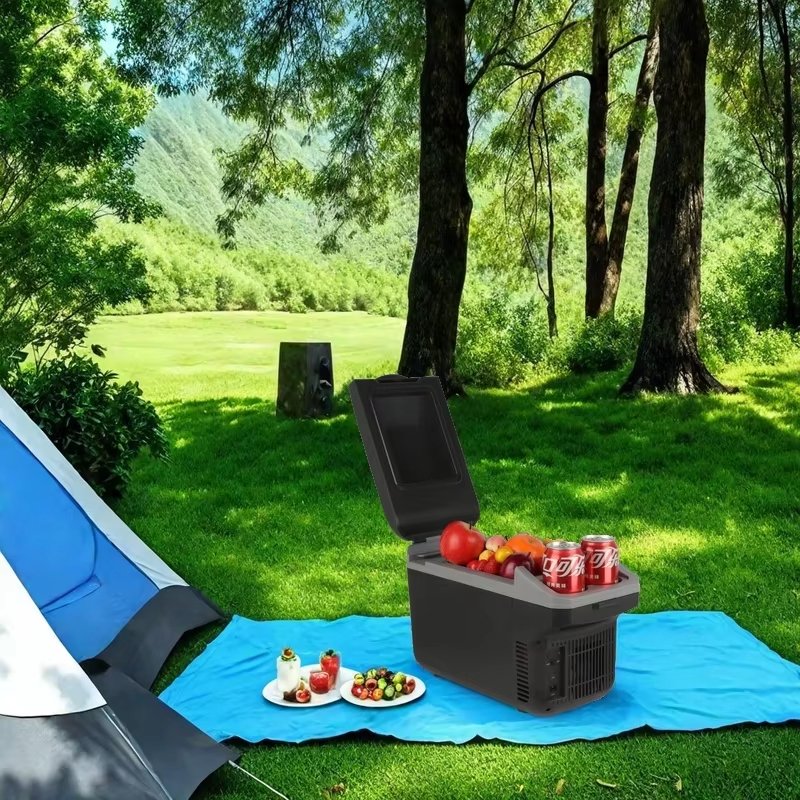
立ち上げ プライベートラベル車載冷蔵庫 欧州市場での成功は、コストとコンプライアンスの両方を実現する工場にかかっています。KelyLandsは2010年からそれを実現してきました——500以上のクライアント、50か国以上、そして最終段階でのサプライズなくCE/RoHS基準を満たす実績があります。.
当社の50Lデュアルゾーンコンプレッサー冷蔵庫のスペックをご確認ください。FOB価格、認証書類、コンテナ注文向けの最小ロット詳細が記載されています。数字が合えば、サンプルを請求して実際の製造品質をご確認ください。.
よくある質問
2026年に車載冷蔵庫市場を支配するのは誰か?
2026年の欧州車載冷蔵庫市場を完全に支配する単一企業はありませんが、DometicやEngelなどの大手ブランドが大きなシェアを占めています。しかし、KelyLandsなどの中国メーカーは、競争力のある価格設定と、寧波地元の冷蔵庫工場との戦略的提携による信頼性の高い納品により、急速に存在感を高めています。オートツーリズムとキャンプが需要を牽引し続ける中、KelyLandsは品質とコストのバランスを求めるB2B顧客にとって有力な選択肢として位置づけられています。.
12V冷蔵庫のコンテナ1本のランデッドコストの計算方法は?
KelyLandsからの12V冷蔵庫フルコンテナのランデッドコストを計算するには、FOB価格(工場コストと国内物流を含む)、海上運賃、保険、輸入関税(EUの場合通常2.5~4%)、VAT(国によって異なる)、港湾手数料を合計します。さらに、通関ブローカー費用、港から倉庫までの陸送、およびCEマーキングや包装適合などのコンプライアンス費用も考慮します。KelyLandsは詳細なFOB見積もりを提供し、送料見積もりを支援できますが、正確なランデッドコスト計算にはフォワーダーを利用することをお勧めします。.
ポータブル冷蔵庫の一般的な税関コンプライアンス問題は?
欧州に輸入されるポータブル冷蔵庫の一般的な税関コンプライアンス問題には、CEマーキングの誤りや欠落(特に電気安全性およびEMC指令)、HSコードの誤分類(多くの場合8418.29)、適合宣言書や技術ファイルなどの適切な書類提出の欠如が含まれます。また、冷媒ガスが不適合(例:EU承認のR290やR600aの代わりにR134aを使用)であることも頻繁な問題です。KelyLandsは当社の車載冷蔵庫がすべてEU要件を満たすことを保証し、税関手続きを円滑にするための完全なコンプライアンス書類を提供します。.
CE認証:工場発行か独立試験か?
KelyLandsは工場から直接CE認証を提供できます。これは、品質チームの指導の下で社内でポータブル冷蔵庫を試験し、認定された第三者機関と協力して証明書を発行するためです。ただし、多くの欧州輸入業者は、工場発行のCEマークを検証するためにEU指定機関による独立試験を依然として要求します。当社は、購入者が工場提供のCE証明書(テストレポートを含む)を受け入れるか、費用負担で独立監査を手配することを推奨します。当社は両方のアプローチに対応し、顧客のリスク選好に応じます。.
卸売り冷蔵庫の注文に関する標準的な保証条件は?
KelyLandsのような中国サプライヤーからの卸売り冷蔵庫の標準的な保証条件は、出荷日から12〜24ヶ月間で、製造上の欠陥をカバーしますが、誤用や損傷は対象外です。KelyLandsは特に、ポータブルカー冷蔵庫に対して24ヶ月保証を提供し、不良品には返品ベース(RTB)ポリシーを適用しています。また、保証期間中はスペアパーツのサポートや技術支援も行っています。大口注文の場合は、延長保証や現地修理拠点の提携について交渉可能です。.

 English
  Español
  Français
  Deutsch
  Português do Brasil
  Русский
  한국어
한국어  日本語
日本語  العربية