 メインコンテンツへスキップ フッターへスキップ
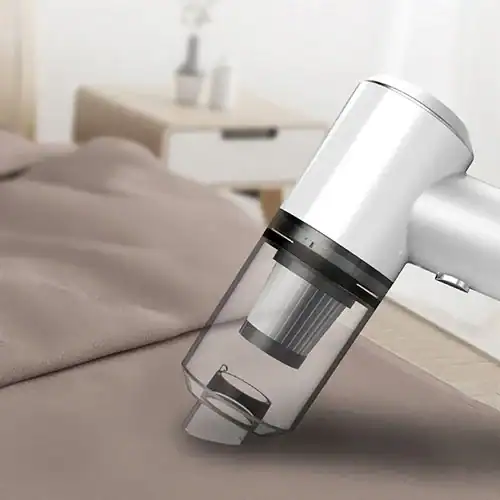
高出力吸引システムの構築には、リチウムイオン電池特有の「電圧降下」を克服する必要があります。バッテリ式は初期ピーク後は出力が急落するのに対し、コード式モーターは交流電源から7〜12アンペアを連続的に供給され、3000Paという吸引能力の上限を維持します。この構造上の優位性により、熱的制限や放電限界のためにコードレス機種が性能を落としがちな400サイクル以上の使用による構造的電圧劣化を回避し、1500Wの持続出力を実現できます。.
この技術分析では、従属的なDC-DCモジュールから全システムACフロントエンドへの移行を評価し、以下の評価ボードの性能を参照しています。 onsemi 600W-ACDC-GEVB そして GAPTEC 絶縁ベンチマーク。私たちは、以下の規格への準拠がいかに ANSI C84.1 そして IEC 62368 一定のトルクを確保し、バッテリーメンテナンスの継続的なオーバーヘッドと比較して 総所有コスト を実現するかを検証します。.
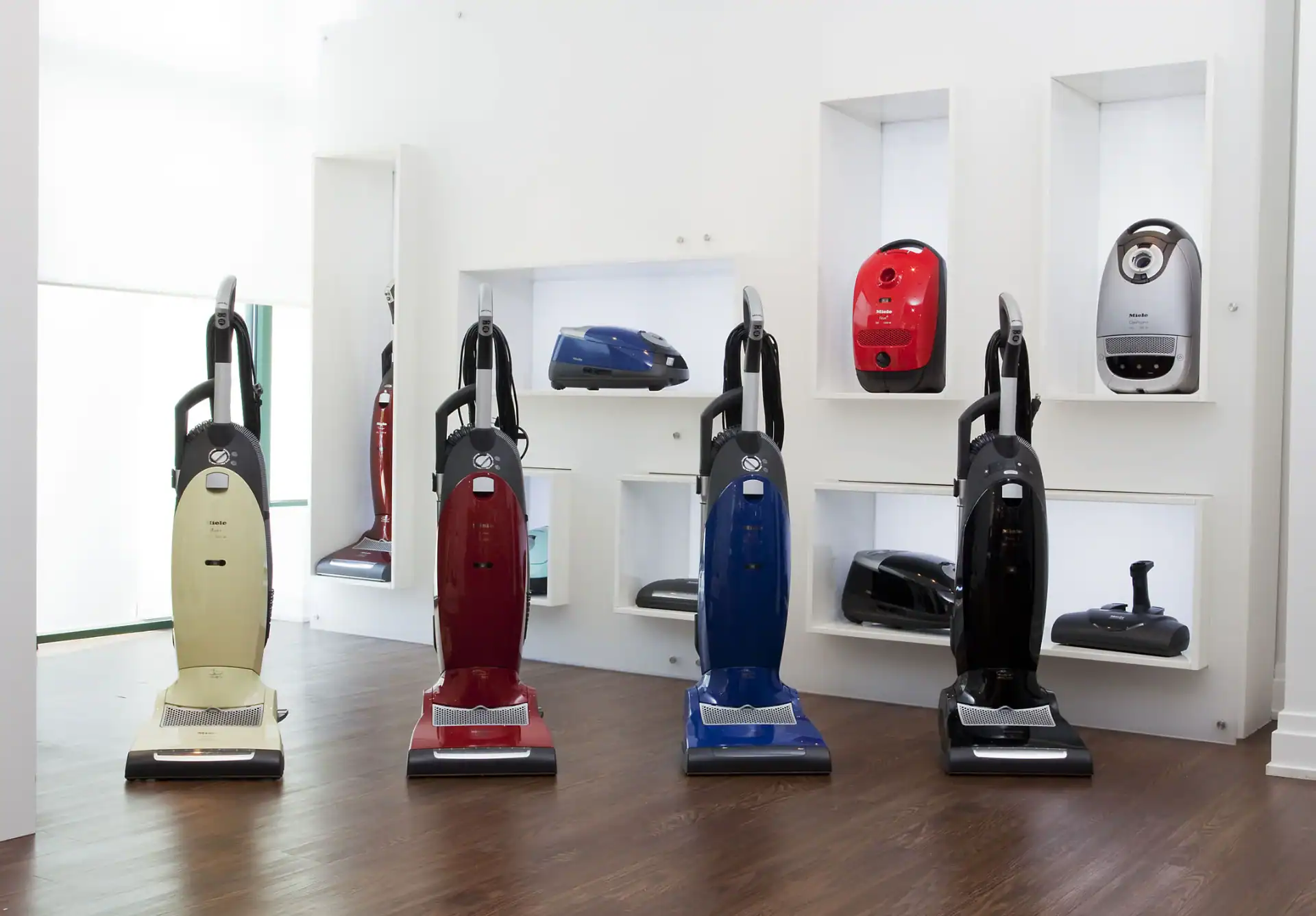
パワーギャップ:600W AC vs 150W DC
150W DCから600W ACへ移行することは、コンポーネント制御から全システム管理へのシフトを意味し、直接電源接続のための電力力率補正と複雑な安全絶縁を追加します。.
600W AC設計は単なる150Wモジュールのスケーリングではありません。これは電源チェーンにおける根本的な変化を象徴しています。150W DCユニットがより大きなシステム内の従属的なコンバーターとして機能するのに対し、600W ACフロントエンドは産業用またはIT負荷に対する主要なゲートウェイとして振る舞います。.
建築的役割:フルシステムフロントエンド vs. 従属モジュール
この違いは、これらのユニットが電源に対してどこに位置するかにかかっています。onsemiの600W-ACDC-GEVBなどの600Wシステムは、110〜230 Vrmsの交流家庭用電源を直接処理します。一方、150WのDCコンバーターは通常、前段調整済み高電圧DCリンクの背後に配置されます。.
- 600W ACフロントエンド: 110〜230 Vrmsを48V 12.5Aに変換します。.
- 150W DCモジュール: +380 VDCの公称リンク(例:Power Integrations RD-239)で動作します。.
- PFC効率: 600Wシステムは、インターリーブPFCステージを用いて約97%の効率を実現する必要があります。.
- スイッチング周波数: 150W DCステージは、前段調整済み環境での高密度化を最大化するため、最大250 kHzを対象としています。.
600W設計では、効率を維持するためにPFCステージを考慮する必要があります。150W DCユニットは、前段がすでに高電圧バスを安定化しているため、この複雑さを回避できます。.
技術的ベンチマーク:安全規格と熱性能
電源レベルと入力電圧が上昇するにつれて、安全要件は厳しくなります。交流電源に接続されたシステムは、小さなDCモジュールには必要とされない厳格な絶縁と物理的な間隔を要求します。.
- 絶縁: GAPTEC 150W AC-DC電源の場合、4000 Vacまで。.
- 浮遊距離および絶食距離: 8mmの一次-二次絶食距離および9.2mmの浮遊距離(IEC 61800-5-2準拠)。.
- 規制準拠: 家電およびIT機器の安全性に関するIEC/EN/UL 62368およびEN60335規格。.
- 性能目標: ±1%の電圧調整、150~200mV p-pのリップル。.
600W ACクラスでは、BOM(部品表)の複雑さを管理するためにインターリーブLLC共振トポロジが要求されます。この熱管理戦略により、ユニットは敏感な産業用電子機器に必要とされる厳しい±1%の調整を損なうことなく、高密度に対応することができます。.
コード式モーターが優れた吸引性能を発揮する理由
直接AC給電により1500Wの出力と3000Paの吸引力を実現します。これらのモータはバッテリー放電の制限を超え、重い空気流抵抗下でも最高トルクとRPMを維持します。.
| パフォーマンス指標 | コード付ユニット | コードレスユニット | ハンドヘルドユニット |
|---|---|---|---|
| 吸引圧力(Pa) | 2000~3000 Pa | 1500~2500 Pa | 1000~2000 Pa |
| 標準消費電力 | 500W – 1500W | 200W – 400W | 100W – 200W |
| 最大電流 | 7〜12アンペア(AC) | Battery Discharge Ltd | Battery Discharge Ltd |
制約のないAC電源と電流安定性
コード式モーターはリチウムイオン電池の放電サイクルに inherent なパフォーマンスのボトルネックを取り除くため、AC電源から直接エネルギーを引き出します。バッテリー式ユニットは消耗に伴い「電圧降下」が発生するのに対し、コード式システムは開始から終了まで平坦な電力曲線を維持します。これにより、エンジニアはポータブルツールに必要な厳格なエネルギー効率よりも、純粋な機械的作業を優先するスルーフローモーター設計を活用できます。.
- AC電流消費量: 110-230V商用電源から連続7-12アンペア。.
- 出力上限: 一般的なハンディタイプの100-200ワット範囲を大幅に超え、最大1500W負荷に対応します。.
- 電源構成: 高負荷時最大97%効率を実現するPFC(力率補正)搭載の頑丈なフロントエンド電源を採用。.
高出力ACフロントエンドは、DC対応機種よりも重用途クリーニングの熱的要請に対応します。これらのモーター内の産業用グレードコンポーネントは、持続する高回転数動作によって生成される熱を管理し、内部回路を保護するためにパフォーマンスを絞らせないようにします。.
吸引力指標: Pa評価とトルク動力学
吸引力は電流と機械的トルクの関係にかかっています。コード式システムでは、軽量負荷時にモータートルクが電流の2乗に比例して増大します。この関係により、電流を2倍にすることでトルクが4倍になり、ノズルが異物抵抗に遭遇してもファンが空気の慣性を克服し、高速度の空気流を維持することができます。.
- 吸引力の最低値: ディープカーペット吸引で最大3000Paに達する最小2000Pa評価。.
- 負荷のダイナミクス: 気流抵抗は処理される空気の量を減少させ、逆説的にモーターの負荷を下げ、密封された最大吸引に達するまでRPMを上昇させます。.
- トルクの飽和: 高電圧AC電源により、モーターは電池式DCモーターでは過剰な重量を伴わなければ達することできない飽和限界に達することができます。.
掃除ヘッドが表面に対してシールされると、コード式モーターは気流の欠如を利用してファンをより速く回転させます。これにより、重い粒子を持ち上げるために必要な高圧差が生まれます。電池式ユニットは、これらの急増を持続するための電流オーバーヘッドが不足していることが多く、深層クリーニング動作中に弱い持ち上げ力となります。.
AC電源の優位性:一定の電圧 vs バッテリー劣化
AC電源はANSI C84.1に従い±5%以内の規制された安定性を提供します。バッテリーは、充電状態の減少、内部抵抗、サイクルに基づく化学的電圧の低下により本質的に劣化します。.
| 特徴 | AC電源 | バッテリー蓄積DCエネルギー |
|---|---|---|
| 電圧調整範囲 | 114V – 126V(±5%) | 充電状態(SOC)に応じて変動 |
| 電圧特性 | 一定波形 | 直線的または頭部低下 |
| 長期的安定性 | 製品寿命を通じた安定性 | 構造的な電圧低下(400回以上のサイクル) |
| システム管理 | パッシブ型(変圧器・給電設備) | アクティブ型(BMSおよびDC-DC調整) |
一定電圧によるグリッド安定性とANSI C84.1規格
北米の公用電力は予測可能な入力範囲を維持します。電力会社は変圧器のタップ設定と設計されたフィーダー構成を使用し、機器の寿命を通じてAC波形が一定に保たれることを確保しています。これにより、化学エネルギー源に見られるような大きな変動に対応するためにシステムを過大設計する必要がなくなります。.
- 規格: ANSI C84.1 レンジA
- サービス電圧 114V〜126V(定格120Vの±5%)
- 調整方法: 変圧器タップ調整および配電フィーダー設計
- 負荷性能: 配電システムは定常状態を最小限に抑えます 電圧降下 通常の負荷範囲内
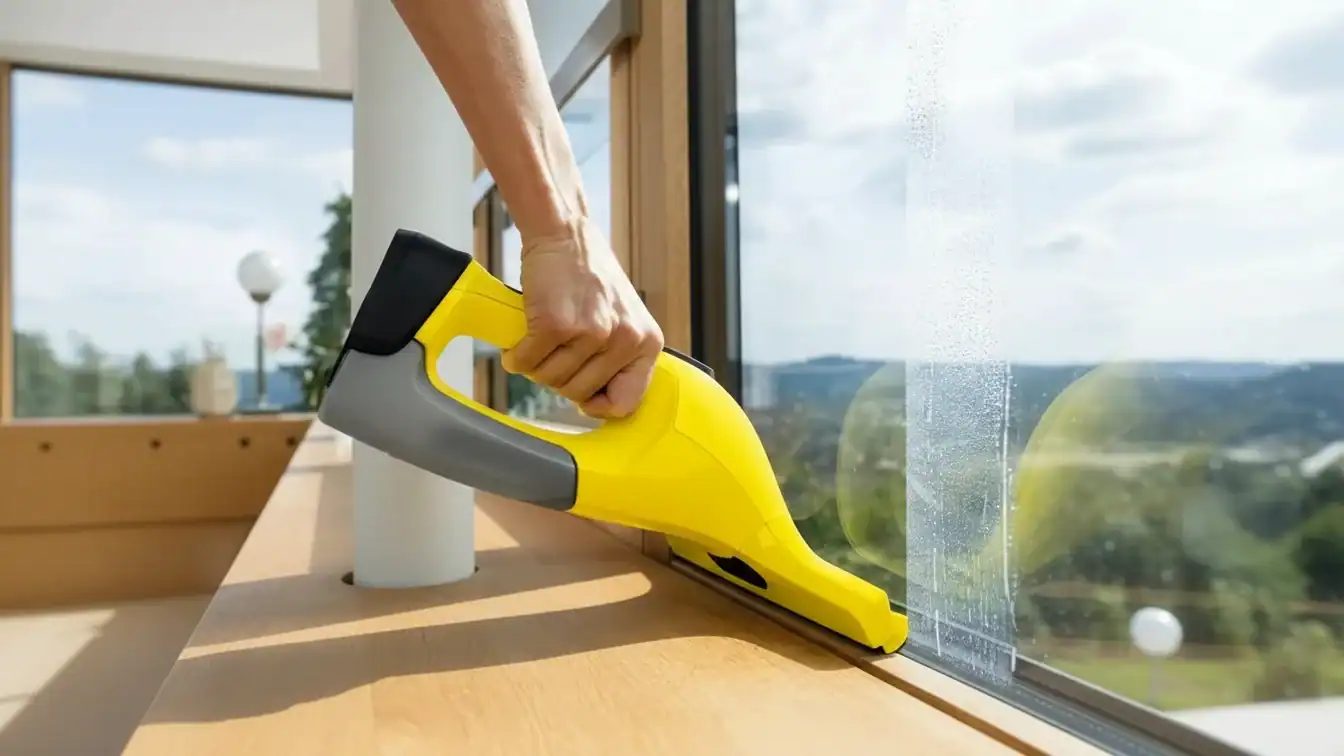
バッテリー電圧ダイナミクス:電圧降下、放電曲線、サイクルによる低下
バッテリーは多段階で電圧低下が生じます。負荷をかけた瞬間、内部抵抗により端子電圧の瞬時サグが発生します。この影響は経年劣化や低温環境下で悪化します。AC電源は既定で安定供給されますが、バッテリーシステムではモーターやヒーターへの一貫した出力を模擬するため、能動型のDC-DC制御が必要です。.
- 鉛蓄電池の特性: 放電サイクルを通じてほぼ直線的な電圧降下を示します。.
- リチウムイオン電池の特性: 放電終盤(0%付近)にかけて急激な電圧低下を生じる前に、平坦な電圧 plateau を維持します。.
- ボルトドロップ(電圧低下): Li1.2Ni0.15Mn0.55Co0.1O2 などの先進カソード材料は構造的劣化を受け、400~500サイクルで放電電位が低下します。.
- 待機時の制限: 長期的な安定性を優先するため、エンジニアの設計目標ではリチウムイオン電池の定格電圧をセルあたり4.00Vに抑えるケースが多く見られます。.
- 温度補償: 安全な端子電圧を維持するには、鉛蓄電池のセルあたり温度係数として-3~-4mV/°Cが必要です。.
AC電源と バッテリーパワーの間にあるのは 管理面でのオーバーヘッドです。エントリーレベルのAC供給は安定した入力レールを提供しますが、バッテリーシステムでは同等のパフォーマンスを得るためにバッテリー管理システム(BMS)と二次DC-DC回路が不可欠であり、構築コストと複雑さが大幅に増します。.
高性能OEM/ODM掃除機でブランドを拡大する

コスト効率:コード式の方が長期的な価値を提供する理由
コード式工具はTP4T100の バッテリー交換や パフォーマンス低下を防ぎ、電源環境が整った作業現場では継続的な5,500 RPM出力を実現するとともに、初期費用を抑制します。.
初期費用の節約とバッテリーメンテナンスの見えないコスト
専用バッテリーや充電器が必要なくなるため、コード式設備を購入することで初期資本支出を抑えることができます。コードレスシステムは可動性に優れていますが、3年という標準的な期間を通じて総所有コストを押し上げる定期的なメンテナンスコストが発生します。.
- 1. バッテリー交換コスト: 2. 単体あたり$100、約1,000回の充電サイクル後にセルの劣化に伴い必要となります。.
- 3. ワークフローのオーバーヘッド: 4. 「パックのやりくり」や、ダウンタイムを防止するための冗長な 5. バッテリー予備品を不要にします 6. 。.
- 7. 購入価格: 8. コード付きモデルは、複雑な電源管理回路を通さないため、コードレス版よりも大幅に低コストです。 複雑な電源管理エレクトロニクスを回避できるため、これらのバージョンは.
10. 技術的な耐久性:持続的なパフォーマンス vs コードレスの劣化
11. コード付きツールはAC電源から直接電力を得ており、97%の効率で600W出力を実現できる高効率フロントエンドを採用していることが多いです。これにより、作業時間の長さにかかわらずモーターに安定した電力が供給され、バッテリー電圧の低下に伴うトルク低下を防ぎます。.
- 12. サイカルソーのパフォーマンス: 13. 回転数5,500 RPMの持続的な速度。.
- 14. スタンダードドリル: 15. パワーフェードなしの3,100 RPM。.
- ハンマードリル機能: 高衝撃な煉瓦・コンクリート加工に最適な分当り52,700回(BPM)の打撃力。.
- 人間工学: バッテリパック未装着時の工具重量軽減により、一日中続く研削や钻孔作業における作業者の疲労を軽減します。.
600W AC電源アーキテクチャにより、より高いコンポーネント定格と優れた熱設計が実現します。これは、深い切削や集中した钻孔作業時に150W DCベースのコードレスモジュールが過熱したり安全遮断が発動したりする可能性がある過酷な使用サイクルにおいて、工具の耐久性を発揮することを意味します。.
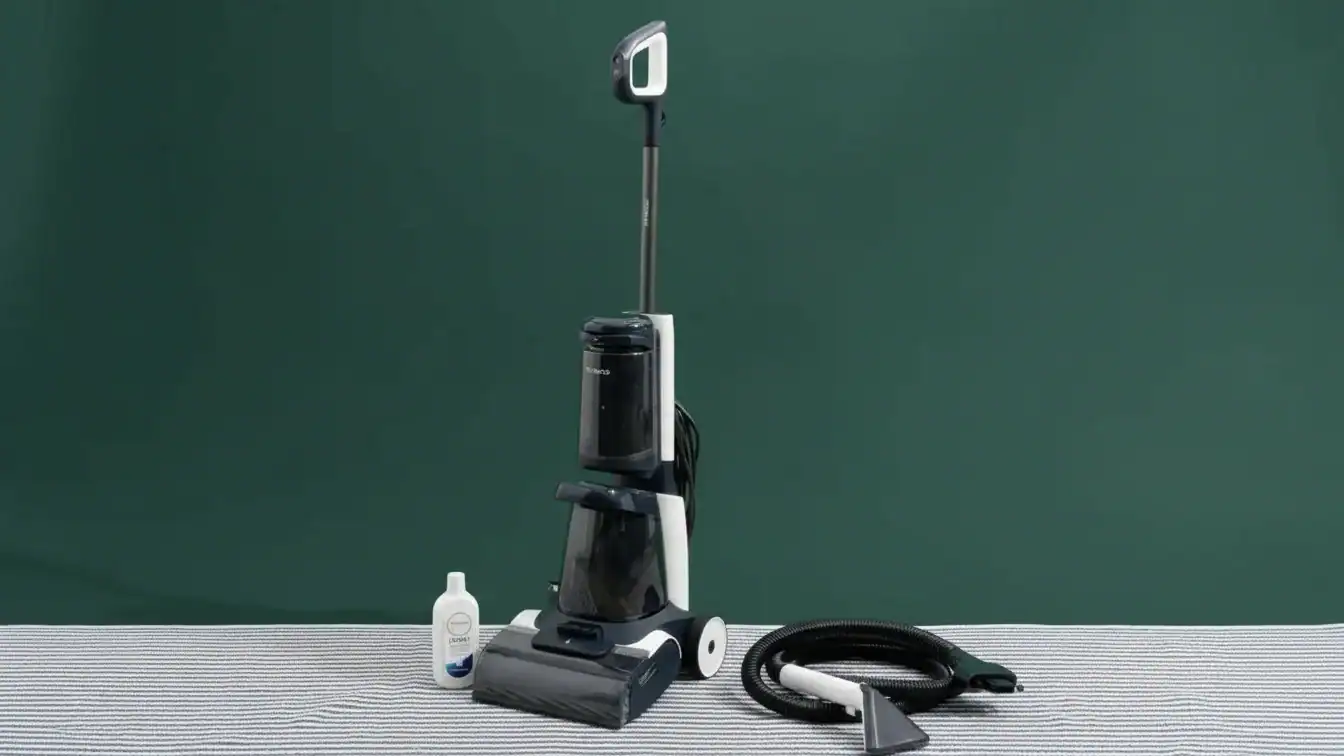
信頼性のエンジニアリングとライフサイクルコスト
エンジニアは信頼性を貨幣価値に変換し、MTBFを年間故障確率へと変換することで、25〜40年のコスト比較を可能にし、管理されない故障リスクに対する予防的投資正当化を支援します。.
MTBFと故障リスクモデルを通じた信頼性の定量化
信頼性は定性的な属性ではなく、時間の数学的関数です。平均故障間隔(MTBF)が3年のコンポーネントは、年間故障率28.34%を有します。このMTBFを2年に短縮すると、年間信頼性は約60.65%まで低下します。これらの確率により、エンジニアはライフサイクルコスト(LCC)モデルへ明確なドルコストを投影できます。.
故障リスクモデルは、予想されるコストを控除することによりこれらの率を貨幣化します。故障費用が$25,000のコンポーネントの場合、モデルは2年ごとに全額を計上するか、またはMTBF由来の確率に基づきリスクコストを年次平滑化します。この透明性により、資産生命周期全体における最低コスト戦略を特定できます。.
予防的・予測的メンテナンス戦略は、一貫して最低のライフサイクルコスト選択肢を表します。これらのモデルがより多くの初期資源を必要とする場合でさえ、壊滅的な停止を回避することで事後対応型モデルを上回ります。例えば、現在価値が$2,732の予防的投資は、5年後のコスト$5,000の管理されていない将来故障に対して経済的に正当化されます。.
規格、分析期間、および必須のLCC閾値
規制フレームワークはLCC分析の期間と深度を規定します。NIST Handbook 135やIowa LCCAガイドラインを含む公的セクターの工学規格は、建築システムに対して25年間のデフォルト分析期間を義務づけています。USACE ER 1110-1-8173は、これらの分析期間を40年間、または代替的な耐用年数の最低共通倍数まで延長します。.
- NIST Handbook 135: エネルギーおよび建築システム向けの米連邦割引基準を定義します。.
- ISO 15686シリーズ: サービスライフの計画と経済的持続可能性のための国際的なフレームワークを提供します。.
- BS/EN 16627: 建設調達および経済評価のルールを標準化します。.
- ASHRAE 90.1: 米陸軍部隊(USACE)の軍事建設代替案の評価における基礎エネルギー基準として機能します。.
工学的LCCは、有効性を保つために所有コストの全範囲を反映しなければなりません。アイオワ州などの州ガイドラインでは、提案されるどの設計も、コード最小限のベースラインと比較して25年間のLCCが同等以下であることを証明することを要求しています。この比較には、以下のデータポイントを明示的に含める必要があります。
- 初期資本: 取得、設置、およびコミッショニングコスト。.
- メンテナンスモード: 定期、予測、予防、および是正費用。.
- 運用への影響: オーバーホール、ターンアラウンド損失、および計画外停止による二次的被害。.
- 寿命末期: 環境処分、交換時期、および残存スクラップ価値。.
最終的な所感
コードレスの利便性は、高負荷の産業用または清掃タスクにおいて性能のわなです。AC電源は、バッテリーが巨大なコストと不可避の化学的故障なしには届かない、最大吸着力と熱安定性を保証します。.
$100バッテリー交換サイクルを排除するため、すべての高強度ゾーンでは有線機器を優先してください。3年間のライフサイクル監査を実施し、過酷な業務を出力不足のバッテリー依存ツールから移行させましょう。.
よくある質問
600W ACエアコンプレッサーと150W DCコードレスモデルでは、吸着力(kPa)はどのくらい異なりますか?
600W AC掃除機における業界標準の吸着力は14〜18 kPaです。150W DC コードレススティック 一般的なモデルは8〜12 kPaです。ACモーター搭載モデルは総吸引力が1.5〜2倍になります。.
高出力モーターに熱過負荷保護機能はありますか?
はい。高出力モーターはIEC 60335-1規格に準拠した熱過負荷保護機能を備えています。これにより、過酷な清掃タスク中の過熱を防止し、運転時の安全性を確保します。.
モーターは「クールダウン(冷却)期間」なしで連続運転に対応していますか?
はい。これらのACモーターは30分以上の連続運転をサポートします。バッテリー式DCモーターに一般的にみられる熱的な制約を回避するため、AC電源の放熱特性を活用しています。.

 English
  Español
  Français
  Deutsch
  Português do Brasil
  Русский
  한국어
한국어  日本語
日本語  العربية