 メインコンテンツへスキップ フッターへスキップ

B2Bバイヤーは、ポータブル電子機器を調達する際、高性能なエンジニアリングと競争力のある価格帯のバランスを取るのに苦労することがよくあります。小ロットの試作から中規模生産への移行は通常、2,000台のMOQを中心に展開され、固定セットアップ時間と機械較正を償却することで、ユニットコストを約30%削減できます。.
このガイドでは、130°C定格のモーター導体や端子台など、部品表(BOM)を構成する技術部品について詳しく説明します。また、5,000台からフル40HQコンテナ積載までの段階的発注によって物流コストの削減を確保し、輸送費を最大25%削減する方法についても検討します。.
BOM内訳:モーター/プラスチック/コード
最新のBOM構造では、最大1kVの電圧スパイクに対応するため、XLPE絶縁の錫メッキ銅導体を優先しています。2026年のエンジニアリング仕様では、80%の被覆率を持つEMIシールドと、130°C定格の熱硬化性ポリエステル端子台が重視され、ポータブル電子機器の熱安定性と長期的な信頼性を確保しています。.
| コンポーネント | 材料仕様 | 技術要件 |
|---|---|---|
| モーター導体 | 細撚り錫メッキ銅 | 0.6/1 kV最小定格 |
| ケーブル絶縁 | XLPE(架橋ポリエチレン) | RHHW-2の厚さを超える |
| EMIシールド | 編組または接着銅箔 | ≥80%被覆率 |
| 端子台 | 熱硬化性ポリエステル | 130°C UL RTI定格 |
導体および絶縁体の電気規格
エンジニアは、モーターアセンブリにおいて柔軟性と導電性を最適化するため、細線撚り錫メッキ銅導体を指定します。この選択は、2026年の生産サイクルで一般的な高振動環境における耐久性のある接続をサポートします。RHHW-2の厚さ基準を超えるXLPE絶縁体を使用することで、優れた放熱性と最大1 kVの電圧スパイクに対する保護が確保されます。.
シールド要件には、ベアリング電流と電磁干渉(EMI)を効果的に遮断するための、少なくとも80%の被覆率を持つ編組または接着銅箔が含まれます。内部ハーネスおよび制御ケーブルには、難燃性低煙(FRLS)特性により、高密度電子レイアウトに必要な安全マージンが提供されます。.

プラスチックハウジングおよびコンポーネントハードウェア
端子台は、過酷な熱負荷下でも構造的完全性を維持するため、130°CのUL RTI耐熱性定格を持つ熱硬化性ポリエステルベースに依存しています。ハウジング設計には、耐衝撃性と正確なパントーン一致のために特別に選択されたABS、PC、PPポリマーが使用されています。これらの材料は、現代の電子機器シェルに必要な機械的保護と美的整合性を提供します。.
電気接続は、長期使用における腐食を防ぐために、ニッケルメッキ銅とメッキ鋼ハードウェアを組み合わせて構成されています。設計レイアウトでは、モーターコードに50〜100メートルの長さ制限を必須としています。この制約により、静電容量の問題が最小限に抑えられ、追加の出力チョークを必要とせずに重大な電圧降下が防止されます。.
人件費と間接費の効率
労務費および間接費の効率性は、2026年のエンジニアリング基準に対する生産量を測定して、コスト差異を特定します。実際の労働時間を標準時間配分と比較することにより、メーカーは労働効率と間接費吸収率を計算し、賃金や機械稼働率の変動にもかかわらず、一括価格設定が収益性を維持できることを保証します。.
分散分析と生産性ベンチマーク
直接労働能率差異の計算には、実際労働時間と標準労働時間の差に標準賃率を掛ける必要があります。これにより、組立工程における生産性のギャップが特定されます。 カーアクセサリー および需要の高い電子機器。2026年の生産目標は、以下のような品目について エアポンプとバキューム 通常、1ユニットあたり1.5~2.0標準労働時間の範囲です。1,620ユニットの生産ロットが、割り当てられた2,430時間ではなく2,325時間で完了した場合、工場は有利差異を記録します。これらの時間削減は、品質を損なうことなく直接費を削減し、工場全体のスループットを向上させます。.
標準率と製造間接費吸収モデル
標準変動製造間接費率(多くの場合、労働時間1時間あたり$2近く)を適用することで、生産される各ユニットの運営コスト負担が決定されます。メーカーはこれらのモデルを使用して、光熱費や間接材料費をユニット単価全体に統合します。40HQコンテナ向けの大規模生産ロットは、工場家賃や管理職給与をより多くの商品量に分散させることで、固定製造間接費を希薄化します。この数量レバレッジにより、ユニットあたりの吸収率が大幅に低下し、競争力のあるMOQ価格設定をサポートします。変動製造間接費と実際の労働時間との緊密な連携を維持することで、生産速度が低下したり手直し需要が増加したりした場合のマージン低下を防ぎます。.
MOQの壁(2,000台)
2,000ユニットのMOQは、高コストの小ロットから最適化された中規模生産への移行点として機能します。この数量により、メーカーは固定費の段取り費用と機械校正時間を償却でき、価格を約30%引き下げることが可能になると同時に、拡大中のブランドにとって在庫リスクを管理可能な範囲に保ちます。.
中規模成長のための戦略的調整
アパレル製造は、明確な価格帯を通じてこの移行を示しています。500ユニットのテスト生産は、多くの場合1ユニットあたり約$8.00の費用がかかりますが、2,000ユニットの階層に拡大すると、そのコストは$5.50のベンチマークまで削減されます。この削減は、中規模ブランドに、マーケティングやより広範な流通ネットワークに再投資するために必要なマージンを提供します。.
ウェルネスやチャイルドレジスタント包装などの分野では、2,000ユニットの水準が検証ポイントとして機能します。ブランドは、大量市場向け注文のような極端な財務的コミットメントなしに、インフルエンサーへのサンプル配布や初期市場投入にこの数量を使用します。サプライヤーは、労働力の校正が安定し、ユニットあたりの製造間接費が削減され、工場のマージン安定性が確保されるため、この基準を好みます。.
生産の物理的特性とコスト償却
生産の物理的特性は、段取り時間の不変性のためにこれらの最小数量を決定します。工場が100ユニットを生産するか2,000ユニットを生産するかに関わらず、機械の校正に必要な時間は同じです。高精細オフセット印刷や、箔押しやエンボス加工などの複雑な仕上げには、数時間のプレス調整と版取り付けが必要です。これらの固定労働時間を2,000ユニットに分散することで、特殊電子機器やカスタム包装にとってプロセスが商業的に viable になります。.
材料調達もこれらの障壁に影響します。オーガニックコットンやカスタムポリマーなどの特殊部品は、リードタイムと価格を安定させるために大量調達が必要です。ブランドが2,000ユニット未満を注文する場合、多くの場合、在庫材料にプレミアムを支払うか、調達遅延に直面します。2,000ユニットの階層に移行することで、より効率的な材料使用と、サプライチェーン全体にわたる予測可能な生産スケジュールが可能になります。.
高性能家庭用掃除機でブランドを拡大する

段階的価格設定(5k/10k/40HQ)
KelyLandsは、5,000ユニットと10,000ユニットで価格改定が発生する数量ベースの割引モデルを採用しています。フル40HQコンテナを注文すると、輸送効率が最大化され、固定物流費がより多くのユニットに分散され、カーアクセサリーおよび EV充電器.
| 注文数量ティア | 生産メカニズム | 財務への影響 |
|---|---|---|
| 5,000台 | 半自動組立への移行 | 1台あたりの人件費削減 |
| 10,000 Units | Bulk raw material procurement (ABS/PC/TPU) | 8x efficiency gains in manufacturing |
| 40HQ Container | Full Container Load (FCL) logistics | 18-25% reduction in freight costs |
Volume Brackets for 5,000 and 10,000 Unit Orders
Orders reaching the 5,000-unit threshold trigger a shift to semi-automated assembly lines. This transition reduces labor-per-unit costs for essential items like air pumps and 掃除機 by minimizing manual handling. At this level, KelyLands supports full customization of functional modules, including Wi-Fi connectivity or solar input integration.
The 10,000-unit tier enables bulk procurement of raw materials such as ABS, PC, and TPU. This high-volume approach mirrors engineering models where efficiency gains scale significantly once production reaches specific thresholds. Production lead times for these batches typically range from 30 to 40 days, as the factory maintains a continuous material flow to prevent downtime.
Standard customization requirements also shift between these tiers. While a 500-unit minimum allows for basic Pantone color matching on product housing, the 5,000-unit level provides the leverage needed for deep technical modifications. Clients using these brackets benefit from more predictable manufacturing overhead and a stable supply chain for 2026 procurement cycles.
Landed Cost Optimization with 40HQ Container Loads
A 40HQ container typically fits between 800 and 1,200 compressor カー用冷蔵庫, depending on whether the models range from 15L to 80L in size. Shipping a full 40HQ container reduces the per-unit freight cost by approximately 18-25% compared to less-than-container (LCL) shipments. This saving stems from consolidated customs fees and lower terminal handling charges per item.
Full container orders also minimize the risk of inventory damage during transit. By eliminating the need for mid-journey reloading common in LCL shipments, we ensure that arrivals meet the 100% functionality standards required by QC labs like HKTO and SGS. This stability is vital for maintaining the 18-month warranty on core parts without increasing the return-to-base ratio.
Maximizing 40HQ volume allows B2B distributors to maintain higher stock buffers for seasonal demand spikes. Large-scale procurement through FCL logistics secures the lowest possible unit price while providing a protective margin against fluctuating shipping rates. This strategy ensures that distributors remain competitive throughout the year by leveraging consolidated logistics and improved inventory management.
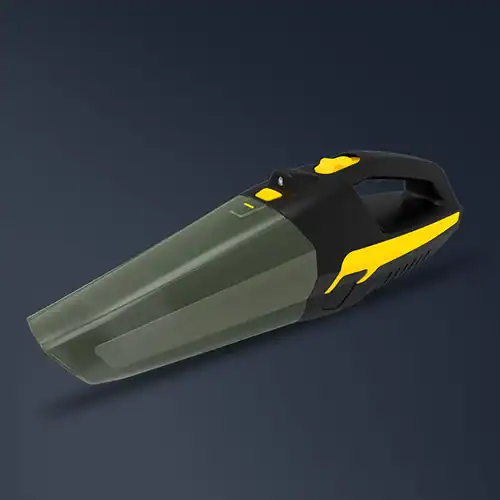
Shared run strategies optimize production by aggregating multiple small-batch orders into single high-mix, low-volume (HMLV) cycles. This approach uses bilevel programming and rapid changeover techniques to minimize setup costs, allowing buyers to secure volume-based pricing while maintaining high quality through strict process capability controls.
Order Pooling and Resource Allocation
Manufacturers aggregate multiple low-volume orders into high-mix, low-volume (HMLV) batches to bridge the gap between small MOQ requirements and factory efficiency. This consolidation creates a unified production stream from disparate small-scale demands. Engineering teams apply bilevel programming models to synchronize platform manufacturing benefits with consumer Quality of Service (QoS) indicators, ensuring the system balances resource efficiency with specific delivery requirements.
Resource allocation across these shared production lines relies on Analytic Hierarchy Process (AHP) and Improved Order Relation Analysis (G1) weights. These mathematical frameworks prioritize order flow and equipment usage to maximize output. Integrating Just-in-Time (JIT) principles within this shared batch framework further reduces inventory holding costs and prevents bottlenecks in the supply chain.
Operational Efficiency and Process Control
Maintaining speed during flexible runs requires the implementation of Single-Minute Exchange of Die (SMED) techniques. These methods minimize changeover times between different product configurations, allowing for shorter and more responsive production windows. Manufacturers target a process capability index (Cpk) greater than 2 to ensure output remains stable and within specifications throughout these varied setups, providing high reliability even when switching designs frequently.
Digital twins monitor tolerance stacking and allow for real-time process adjustments based on exact material dimensions. This technology prevents the accumulation of small dimensional errors that can occur during high-mix production. Intelligent IT systems manage data interoperability across the facility, ensuring precise tracking of components throughout multi-client manufacturing runs to maintain data integrity and product traceability.
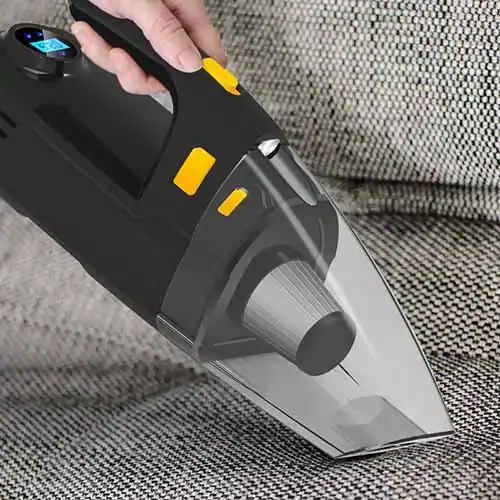
為替リスク管理
Businesses manage currency risk through regulatory frameworks like CRR2, utilizing daily valuation updates and delta risk calculations. Operational mitigation involves setting intraday and overnight limits alongside the strategic use of forward contracts, options, and swaps to stabilize profit margins against FX shocks.
Regulatory Frameworks and Valuation Standards
Financial institutions calculate capital requirements for foreign exchange risk in non-trading book positions using the alternative standardised approach (SA) or the alternative internal model approach (IMA). These methods follow 2026 banking standards to ensure that organizations maintain sufficient funds to absorb market fluctuations. Risk management teams apply CRR2 Article 325q to define specific FX risk factors, while Article 325r(5) guides the calculation of delta risk to quantify exposure sensitivity.
Operational precision requires daily updates to valuation bases to isolate currency shocks from other economic variables. Teams choose between the last available accounting value or fair value, maintaining a consistent application throughout the reporting period. For complex portfolios involving multi-currency pairs like EUR/USD and EUR/GBP, sensitivity-based methods simplify these into single sensitivities. This reduction enhances computational efficiency while providing a clear view of how specific currency movements impact the balance sheet.
Operational Limits and Hedging Instruments
A comprehensive risk framework establishes specific trading boundaries to control individual currency positions. These include intraday and overnight limits, along with monthly stop-loss thresholds that prevent excessive exposure. Monitoring systems track these indicators in real-time, addressing principal risk, replacement cost risk, and liquidity risk for each currency in use. This layered approach ensures that operational activities remain within the organization’s risk appetite during volatile periods.
Hedging instruments provide a practical defense for profit margins against abnormal market movements. Forward contracts secure costs for significant transactions, such as a €1M inventory import, while currency swaps and options offer flexibility for long-term investments and export receivables. To validate these strategies, stress test scenarios simulate extreme FX shifts. These tests evaluate the resilience of the entire supply chain, identifying potential gaps in liquidity or replacement cost coverage before they manifest in financial losses.
最終的な所感
Optimizing vacuum production depends on aligning 技術仕様 with volume strategy. Fine-stranded copper and heat-resistant polymers ensure durability, while reaching the 2,000-unit MOQ unlocks the first significant price break. This volume allows factories to amortize calibration times and stabilize labor costs. Brands that focus on these technical baselines and volume thresholds gain a predictable cost structure for their product launches.
Scaling toward 10,000 units or full 40HQ loads provides a strong defense against rising freight and raw material costs. Shared run strategies offer a way for brands to pool resources and benefit from high-mix production cycles without sacrificing quality. Successful distributors pair these logistics gains with proactive currency risk management to keep retail prices stable. This approach protects the margins needed to support long-term warranties and consistent market growth.
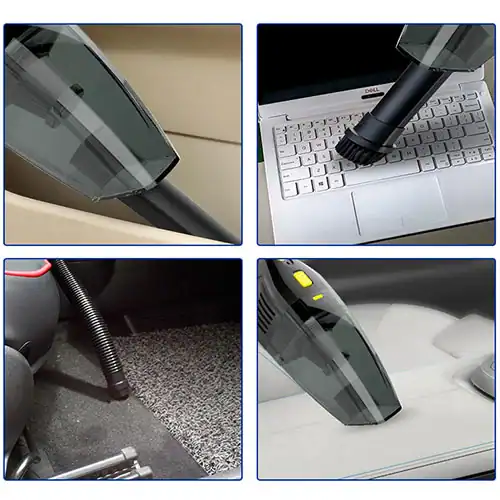
よくある質問
What is the typical manufacturing cost for a residential vacuum cleaner in 2026?
Production costs for residential units generally range from $50 to $1,000 per unit. Final pricing depends on suction power, battery capacity, and filtration systems. High-volume runs significantly lower these costs through bulk material purchasing and improved assembly efficiency.
How do volume discounts impact the per-unit price of vacuum cleaners?
Increasing order size by ten times the base MOQ often reduces per-unit costs by 20% to 50%. These savings result from economies of scale in motor procurement and plastic injection molding processes.
What are the standard Minimum Order Quantities (MOQs) for OEM vacuum production?
While many factories require 1,000 units, specialized manufacturers provide more flexible options. Non-branded models often start at 50 units, while customized or branded OEM projects typically require between 100 and 500 units.
How long does the mass production process take for portable vacuum cleaners?
Mass production cycles generally last between 30 and 40 days. Initial sample prototyping and validation phases require an additional 7 to 30 days depending on the complexity of the housing design and functional modules.
What components drive the highest costs in a vacuum cleaner’s Bill of Materials (BOM)?
The motor and plastic housing serve as the primary cost drivers. For cordless models, lithium-ion battery packs and HEPA filtration systems also represent a significant portion of the total manufacturing expense.

 English
  Español
  Français
  Deutsch
  Português do Brasil
  Русский
  한국어
한국어  日本語
日本語  العربية