 メインコンテンツへスキップ フッターへスキップ

清掃業務では、機器の稼働時間が施設の規模と一致しない場合に損失が生じます。見積りの精度は、rawな電池仕様を実際の清掃面積に換算することにかかっており、特に労働コストとクライアントの期待が高まるこれからのサービス契約においては重要です。.
当社はパフォーマンスを規定する技術指標を検証し、リチウムイオン(Li-ion)セルのエネルギー密度150〜250Wh/kgを従来の電源と比較します。本分析では、作業単位(単独の窓1枚が1単位となるのが一般的)の業界基準を定義し、高速充電プロトコルが1日の総生産量に与える影響も評価します。.
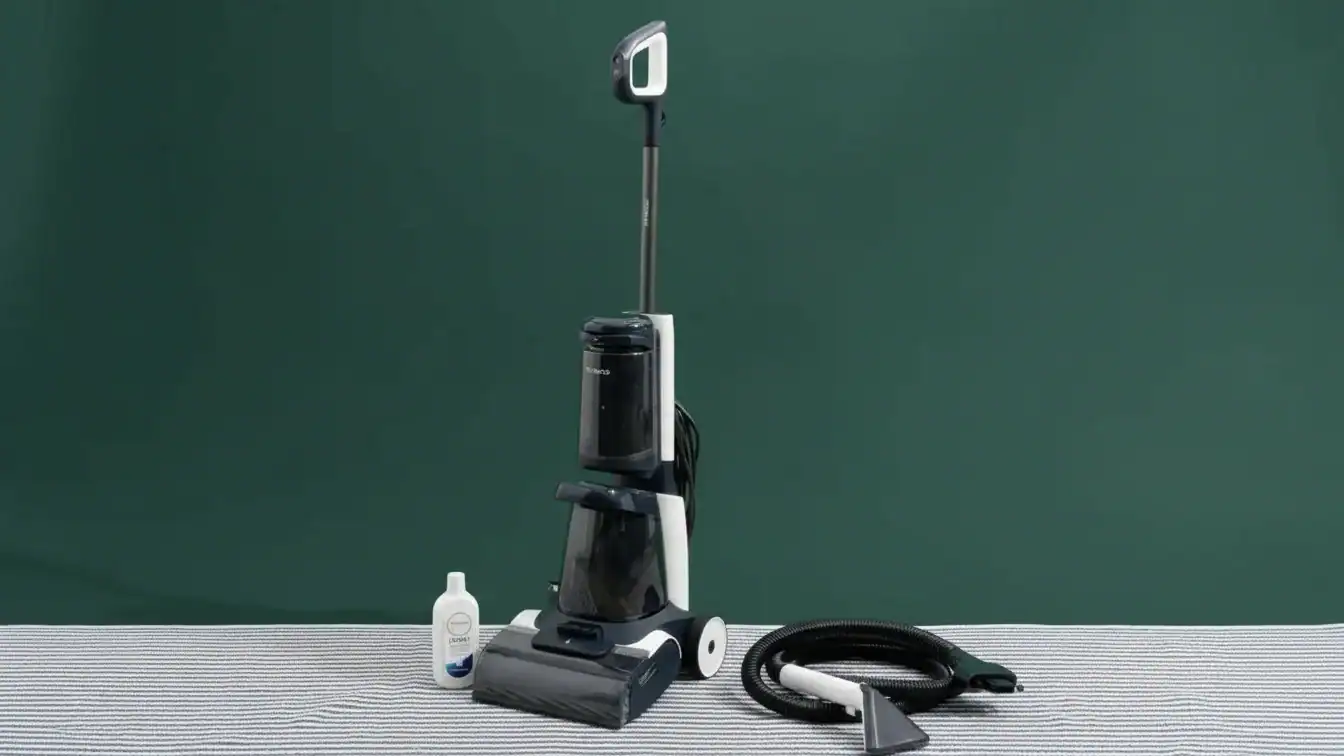
電池技術:リチウムイオン vs ニッケル水素
リチウムイオン電池はニッケル水素電池の約2倍のエネルギー密度を持ち、150〜250Wh/kgの範囲で提供されます。KelyLands ポータブル掃除機 の製品(カーエアポンプ等)においては、これが長時間の稼働と軽量設計につながります。また、リチウムイオンは月間自己放電率5%という低さと1〜3時間での急速充電に優れ、一方ニッケル水素電池はフル充電に10〜12時間を要します。.
エネルギー密度と電圧構成
リチウムイオンの重量エネルギー密度は150〜250Wh/kgに達し、ニッケル水素セルの60〜120Wh/kgを大幅に上回ります。リチウムイオンセルは公称3.6〜3.7Vで動作するのに対し、ニッケル水素セルは1.2Vしか発揮しません。この電圧差により、ニッケル水素パックはリチウムイオン同等品と同じ電気的な電位を得るために、約3倍のセル数を必要とします。.
リチウムイオンの容積エネルギー密度は平均250〜670Wh/Lで、これはエンジンたちがハンドheld カー用掃除機 やポータブルなミニ冷蔵庫などのコンパクトな設計を実現することを可能にします。これらの高いエネルギー対重量比により、清掃機器はユーザーの身体的負担を増やすことなく、より広範囲の床面積をカバーすることができます。.
メンテナンスサイクルと耐久性
リチウムイオン電池は1〜3時間で急速充電に対応します。標準的なニッケル水素パックは、セルの健全性を保ち過熱を防ぐために通常10〜12時間を要します。標準的なニッケル水素セルは保管開始後の初月に最大50%の容量を失いますが、リチウムイオンは同じ期間中に95%以上の容量を維持します。.
Li-ionのサイクル寿命は一般的に1,500サイクルまで延長し、プロ仕様のツールには5年のサービス仕様が付くことがよくあります。Li-ionはまた、広範な温度範囲にわたって安定した出力電圧を維持します。この安定性は、一貫した吸引力と エアポンプ さまざまな気候での性能を保証します。.
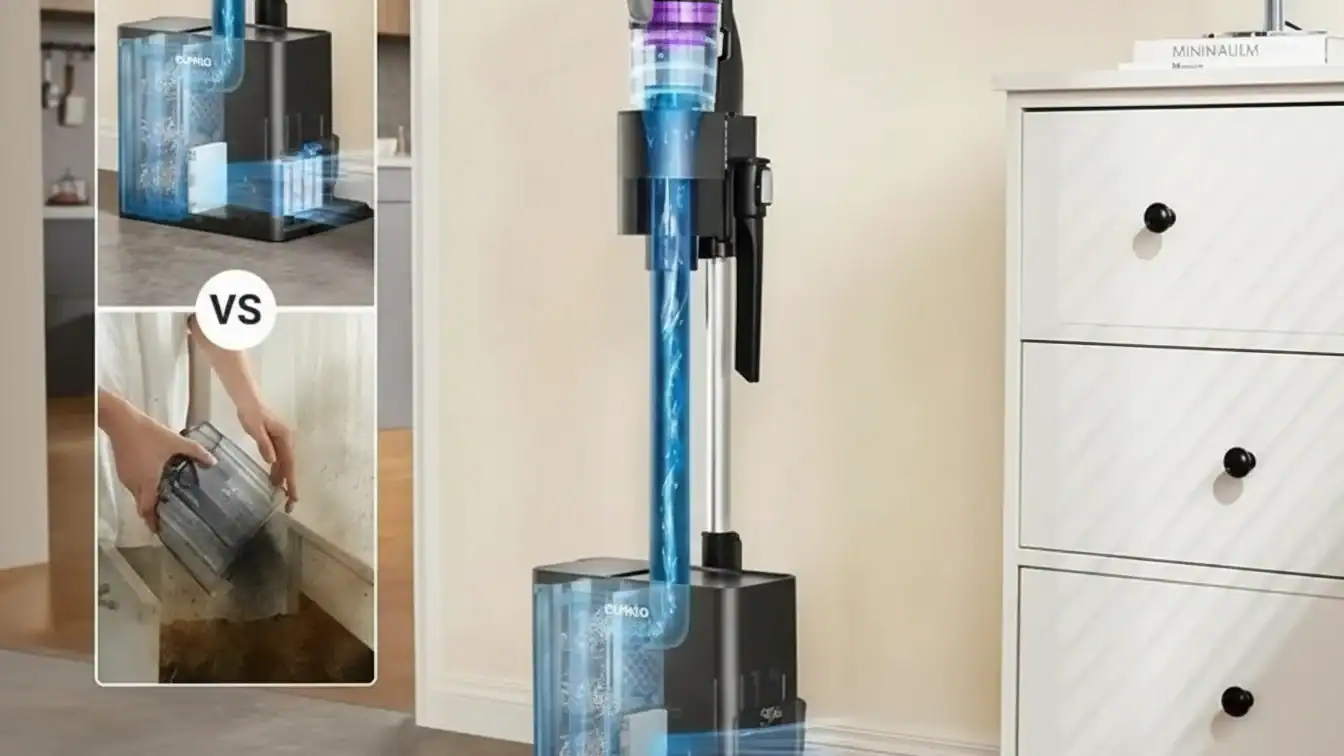
「1枚」の定義:評価基準の標準化
業界では「1枚の窓」を、単一の枠付きガラスユニット、またはダブルハングやスライド式など基本的な2枚重ねセットとして標準化しています。この定義は、各窗ガラスの清掃作業に焦点を当てており、大型のピクチャーウィンドウや複雑なフレンチウィンドウは労働時間と手間の増加を反映し、複数ユニットとしてカウントされます。.
| 窓の構成 | 単価換算 | 作業時間への影響 |
|---|---|---|
| ダブルハング/スライダー | 1窓 | 単一フレームで1〜2枚の窓ガラスを共用。. |
| ピクチャーウィンドウ(大) | 2〜4窓 | 表面面積に基づく(一般的に4フィート以上)。. |
| フレンチウィンドウ/格子 | ベース+追加オプション | 個々の格子セグメントごとに+$0.50. |
| ガラスドア | 1窓ごとに1枚 | 個別の作業単位として扱われます。. |
コアユニットと枚数ベースのロジック
単一の基本窓ユニットは、固定型や上下昇降型の窓のように、一枚または二枚のガラス板で構成されます。これらの窓では、一つの板が静止側になることが一般的です。プロの評価者は、スライド式窓セットに2つの独立したガラス面があるにもかかわらず、共通の枠を共有し同様の設定時間を要するため、これを1ユニットとしてカウントします。このロジックは、2026年の契約に対してサービス見積もりを過大評価することを防ぎます。.
プロのカウントシステムは、入札の一貫性を保つために「枚数の定義」に依存しています。この基準は、枠に完全に囲まれた個々のガラスの部品を主要な作業単位として識別します。現地の調査では、技術者がハッシュマークカウントを使用して、階レベルやアクセシビリティに応じて窓を分類します。この体系的なアプローチにより、様々な建築レイアウトや物件タイプ across で入札プロセスが一貫して正確に行われます。.
高細密ガラスに対する複雑さ調整
ディバイディッドライトやフレンチペインは、クリアでオープンなガラスに比べて大幅な追加労働を伴います。技術者は、グリッド内で必要とされる詳細なスクイージー作業を考慮し、基本窓レートに枚数セグメントあたり約$0.50の割増しを適用することが多いです。これにより、大きな窓枠内の小さく個々のガラスセグメントの詳細化が時間がかかる性質であることを価格に反映させます。.
どの方向にも4フィートを越える大型ピクチャーウィンドウは、総表面積に基づいて2〜4標準窓相当と見なされます。評価者は、ガラスドアがスライド式かヒンジ式かに関わらず、個別の単位として扱います。6/6のような多層構造の上下昇降窓の場合、合計コストには基本レートプラス各内部グリッドに対する追加料金が含まれます。この階層化された価格モデルは、稼働時間と面積カバーの見積もりが利益を保ちながら、クライアントに対する透明性を提供することを保証します。.
スワップ可能な電池:商業利用における解決策
業務用着脱式バッテリーはLiFePO4化学を採用しており、1.0〜1.5kWhのエネルギーを供給し、2,000〜5,000回の充電サイクルに対応します。3分間のパック交換を可能にするこれらシステムにより、モバイル機器は従来の再充電待ち時間を回避し続けることができ、平方フィートのカバレッジは利用可能なパック数によってのみ制限されます。.
| バッテリーモデル | エネルギー容量 | 技術基準 |
|---|---|---|
| Green Cubes Industrial (1000) | 1,040 Wh (52.0 V) | IP65 / 40Aパルス出力 |
| Bretford 1024 Swappable | 1,024Wh(LiFePO4) | 2,000サイクル / 約12.7kg |
| Vanguard Si 1.5kWh | 1,510Wh(48V) | IEC 61960 / CAN J1939 |
1. LiFePO4 ChemistryとHot-Swapのメリット
2. リチウム鉄リン酸塩(LiFePO4)化学は、 3. 安定性と高いサイクル寿命を持つため、 4. コマーシャル用の交換式パックの主要な 総所有コスト 5. 電源として採用されています。これらのシステムは2,000〜5,000回のサイクルを提供し、標準的なリチウムイオンパックで見られる500〜1,500回を大幅に上回ります。この耐久性により、毎日、高強度で設備を使用するフリートオペレーターにとって総所有コストが低く抑えられます。.
6. Hot-Swap対応アーキテクチャは、手動または自動の電池交換を約3分でサポートします。この機能により、充電中に機械が停止する必要がなくなり、24時間365日の設備活用を可能にします。システム設計では、スワップ中に電子機器への電力供給を維持するため、デュアルバッテリーレイアウトや並列構成が採用されることが多いです。この仕組みにより、稼働時間は固定された制限から物流変数へと変化し、清掃可能面積はプラグイン時間ではなく、パック在庫数と充電器のスループットに応じて決まります。.

7. コマーシャルパックの仕様と産業規格
8. Vanguard 48V Si 1.5のような標準化された交換式ソリューションは、1.51kWhの容量を持ち、二次型リチウム電池のパフォーマンスに関するIEC 61960規格に準拠しています。高出力モデルは産業用清掃の厳しい要求に対応し、一部のモデルでは20Aの連続放電と40Aのパルスに対応し、重用途を駆動します。急速充電により、設備とバッテリーの比率がさらに最適化されます。1,425Wの充電器であれば、Vanguardパックをわずか75分で100%容量に復旧させることができます。 vacuum motors. 9. 環境耐性は、横断的な業界应用にとって重要です。IP65およびIP67の保護等級により、-40°Cから+60°Cまでの環境で信頼性の高い動作が可能となり、これらのバッテリーは冷蔵倉庫から屋外の建設現場まで幅広く適しています。CAN J1939通信プロトコルの統合により、バッテリーマネジメントシステム(BMS)は正確な残量データと稼働時間予測を提供できます。これらの技術的洞察により、オペレーターはスワップスケジュールを効果的に管理でき、シフト中の予期しない電力喪失を防ぐことができます。.
環境耐久性は業界横断的な用途において極めて重要です。IP65およびIP67の等級により、-40°Cから+60°Cまでの環境で確実に動作し、冷蔵倉庫から屋外の建設現場まで幅広く対応します。CAN J1939通信プロトコルの統合により、バッテリーマネジメントシステム(BMS)が正確なSOCデータと稼働可能時間の予測を提供します。これらの技術的な詳細は、作業者が交換スケジュールを効果的に管理し、シフト中の予期せぬ電源停止を防ぐのに役立ちます。.
高性能カスタム掃除機でブランドを拡大する

充電時間:USB-C急速充電
USB-C急速充電はPower Delivery (PD) 3.1プロトコルを採用し、最大240Wの電力伝送を実現します。この規格により高速なエネルギー伝送が可能になり、ダイナミック電圧スケーリングによる安全性を維持しつつ、対応するスマートフォンが15〜30分で50%の容量に達します。.
Power Deliveryプロトコルとダイナミック電圧スケーリング
USB Power Delivery (PD) 3.1規格は、48V/5A構成を用いて15Wから240Wまでの電力レベルをサポートします。24ピンのコネクタ内のインテリジェントアルゴリズムが、リアルタイムのバッテリーニーズに基づき、5V、9V、12V、15V、20Vの電圧プロファイルを調整します。この通信により、充電器は接続された機器に必要な正確なワット数を供給します。.
このシステムはバッテリー残量が少ない状態で最大電流を最大化し、デバイスが満充電に近い状態になると出力を抑制して電池の寿命を保護します。これらのPD対応ポートは、従来のUSB-A 12W固定出力充電器と比較して最大20倍の電力可能性があります。これにより、自動車環境でのエネルギー伝送が大幅に効率的になります。.
パフォーマンスベンチマークとハードウェア効率
Samsung S20+およびiPhone 14 Proモデルは、PD 3.0アダプターを使用することで約26〜30分で50%の充電を実現します。ガリウムナトリウム (GaN) コンポーネントにより充電器の効率が95%を超え、これはコンパクトな充電器や車載アダプターにおける発熱を大幅に削減します。 2. エンジニアは、容量(アンペア時、Ah)に公称電圧を掛け、質量または体積で割ることにより総エネルギーを計算します。 パワーバンク.
USB-Cケーブルは5A容量で定格されており、USB-IF仕様によると標準的な2.4Aケーブルと比較して70%の効率向上を実現します。高エンドラップトップやワークステーションはPD 3.1を活用し、100W以上の充電tierを通じて約90分で80%の充電達成を目指し、外出先でもリソース集約型のアプリケーションを動かせる十分な電力を提供します。.
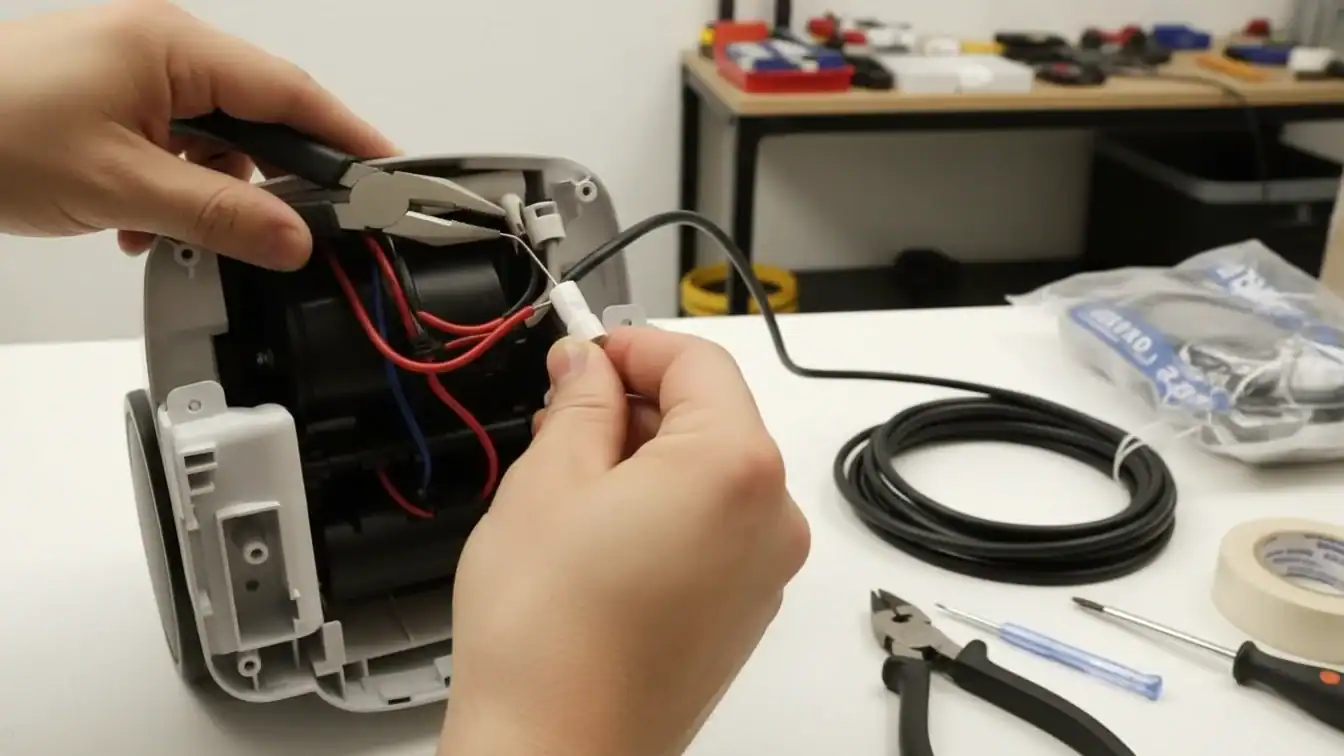
LEDインジケータ:充電完了の見分け方
LEDインジケータは3Vから24Vの低電圧動作による視覚的状態アラートを提供します。これらのコンポーネントはL70寿命基準に基づき稼働時間制限とメンテナンス要件を追跡し、出力が初期レベルの70%に低下した時点で一貫した視覚的フィードバックを通じて運用の安全性を確保します。.
状態監視と信頼性指標
LEDインターフェースは3V、5V、12V、24Vなど特定の低電圧範囲内で動作し、リアルタイムの障害信号を提供します。エンジニアはL70およびB50の信頼性ベンチマークを用い、光出力が30%低下するタイミング、すなわちコンポーネントのピーク耐用年数の終了を示す時期を特定します。この技術的閾値は明確な稼働時間制限を設けることで過駆動故障を防ぎます。新しいプラットフォームは展開前に初期の製造欠陥を検出するため1,000時間の連続バーンインテストを受験します。さらにメーカーは、小型ユニットで50 lm/W、先進的な産業システムで120 lm/Wとされる効果ベンチマークを監視するためのインターフェースレイアウトやデジタルディスプレイ統合のカスタマイズを提供します。.
適合規格と環境耐久性能
長期信頼性は、ケース温度55°Cおよび85°Cで実施される厳格なIES LM-80およびLM-84テストに依存します。これらのテストにより、インジケータ寿命を20,000時間から50,000時間と見積もるTM-21投影が可能になります。過酷な環境での用途には、IP65およびIP67の侵入保護規格が粉塵および短期間の水没への耐性を保証します。安全プロトコルには、照射量制限に基づき光学 Hazard レベルをExemptからGroup 3まで分類するIEC 62471光生物学的分類も含まれます。UL、CE、RoHS規格への適合は、さらに商業および産業利用における必須の規制安全要件を満たしていることを保証します。.
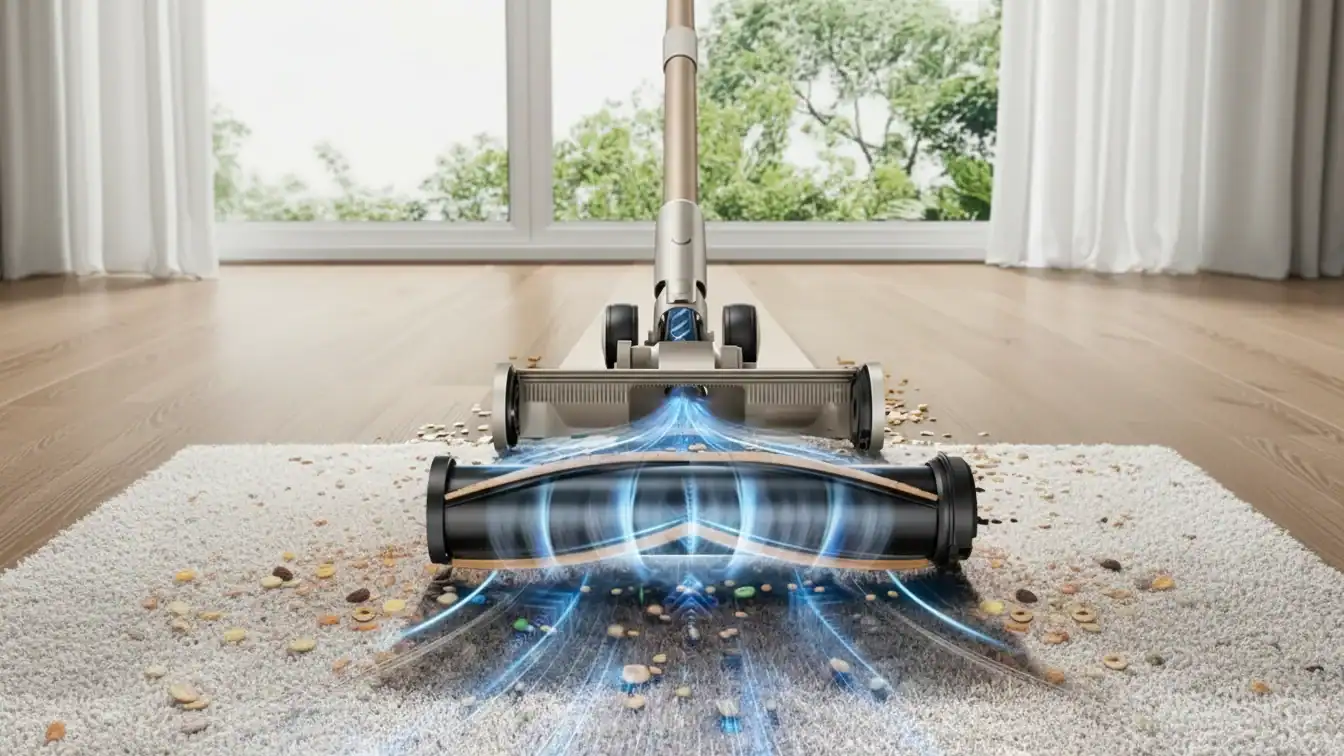
最終的な所感
適切な電源と指標の選択は、窓清掃の速度とコストに直接影響します。Li-ion技術は携帯用ツールに必要な重量削減とエネルギー密度を提供し、LiFePO4パックは継続的な商業シフトに必要な耐久性を提供します。「1枚の窓」を一貫した標準として確立することで、チームは1回の充電で処理できるガラス面積を正確に算定でき、見積もりの誤差や能力不足の機器選択を防ぎます。.
技術者は、これらの電池規格をスマート充電プロトコルや信頼性の高いLEDフィードバックと組み合わせることで、ワークフローをより細かく制御できます。USB-C PD 3.1を用いた迅速な電力補給や、ホットスワッピブルバッテリーの使用により、長時間の休憩なく運用を継続できます。効率へのデータ駆動型アプローチは、建物の建築的複雑さにかかわらず、すべての充電が測定可能な表面積カバー量に変換されることを保証します。.
よくある質問
1回のフル充電あたりの通常洗浄カバー面積はどのくらいですか?
硬质床面における静悄悄モードでのクリーニング範囲の業界標準は80〜140 m²です。最終範囲はナビゲーション効率とバッテリー容量によって決定されます。高性能モデルは143分サイクルで最大202 m²に達します。.
これらのユニットのバッテリーは連続動作のために交換可能ですか?
最新の大多数のモデルは非着脱式バッテリーを採用しています。メーカーはホットスワップ可能なパックよりも充電後に再稼働できる機能を優先しており、現在、標準化された着脱式バッテリーユニットを義務づける業界の規格は存在しません。.
これらのデバイスはユニバーサルUSB-C充電に対応していますか?
USB-Cは高出力掃除機システムではユニバーサル規格ではありません。ほとんどのユニットは一貫した電力供給と安全性を確保するために、通常14.4V・45W仕様の特許出願済みのLi-ionドックを使用しています。.

 English
  Español
  Français
  Deutsch
  Português do Brasil
  Русский
  한국어
한국어  日本語
日本語  العربية