 メインコンテンツへスキップ フッターへスキップ

Most sourcing guides tell buyers to fixate on the pre-production sample before signing off on a 化粧品用冷蔵庫工場Audit. That advice is backwards. The sample is a curated artifact — hand-picked components, extra bench time, a fresh QC sticker. One buyer who lost a $50K order watched the sample sail through approval, then the mass production run shipped with a liner off-gassing chemical odors, a Peltier module drifting 4°C off spec, and condensation beading inside the door seal.
The audit has to verify what the sample never shows: the material spec, the thermal test record, and the subcontractor chain. Ask to see the liner pellets on the injection molding floor — check whether they’re food-grade HIPS or cheaper ABS. Factories in Ningbo that also run automotive accessory lines often share molds, and cheaper ABS can off-gas odors that ruin the unboxing moment for a beauty product. Ask for the Peltier module temperature cycling test — a 72-hour continuous run at 4°C with 65% humidity — to expose condensation failures. If foaming is outsourced, demand the subcontractor’s QC report instead of the assembly line’s inspection sheet.
Seven red flags separate factories that hold quality tolerance across a full production run from those that just assemble pretty samples. They sit on the molding floor, the warehouse, and the after-sales bench. Walk the line with a clear cosmetic fridge factory audit checklist and you’ll spot most of them before paying a deposit — and before FOB pricing locks you into a batch you can’t sell.
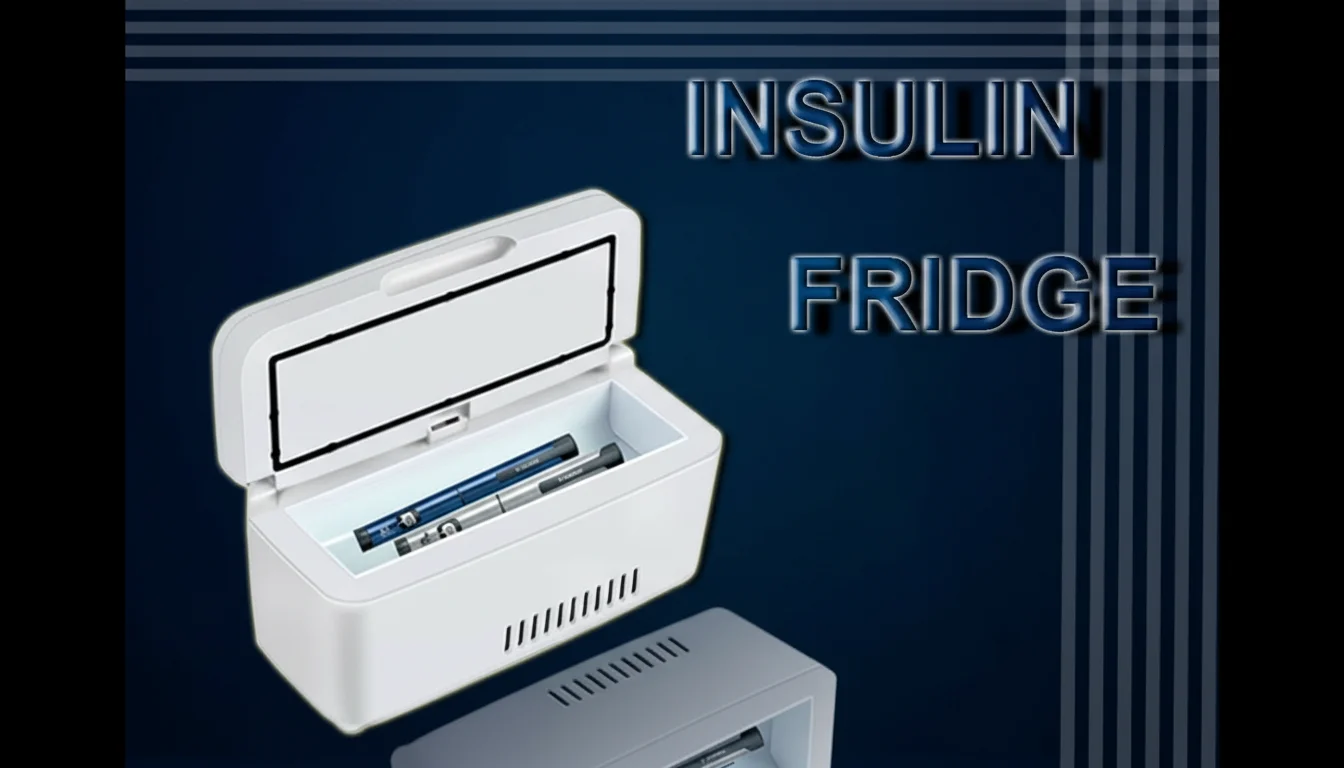
Why Cosmetic Fridge Audits Matter More Than Spec Sheets
A spec sheet tells you what a fridge should do.
The worst cosmetic fridge order in recent memory: pre-production sample held 4°C, label looked premium, and the wholesale units sweated water on the door seal by week eight. The difference between that sample and the mass run was never visible in the spec sheet. It was visible on the factory floor — if the buyer knew where to look.
Peltier module and thermostat QC walkthrough
Thermoelectric Peltier modules fail quietly. They don’t break with a bang; they form condensation inside the liner, rust the terminal pins, and ruin the compressor’s reputation (there is no compressor). A cosmetic fridge factory audit checklist that skips the test records is not an audit. Ask to see the Peltier module temperature cycling test log before you look at a single finished unit.
The test that matters most: a 72-hour continuous run at 4°C with 65% humidity. That combination exposes condensation failures — water droplets forming on the interior walls or ceiling of the fridge. If the factory says “we test every unit for 2 hours,” that’s fine for basic function, but it won’t reveal the slow-forming moisture damage that appears after weeks on a bathroom counter.
-
- Thermostat calibration log: The thermostat controls when the Peltier module cycles off. A mis-calibrated thermostat keeps the module running constantly, freezing the liner and driving up condensation. Look for written calibration records against a reference sensor.
- Aging room run data: A factory with a proper aging room will show you temperature graphs, not just talk. If the only evidence is a showroom demo, that’s a clearance sign, not quality proof.
Verifying insulation thickness and condensation control
Condensation control is insulation, foam density and door seal geometry — in that order. The critical check: Peltier units pull moisture from the air when the internal plate drops below the dew point. Weak insulation means the outer shell sweats, the compressor runs longer, and the liner’s temperature fluctuates enough to ruin serums that cost $90 per ounce.
In Ningbo, smaller factories commonly outsource the foaming step. Don’t accept the assembly line’s verbal reassurance. Request the subcontractor’s QC report — foam density, injection consistency and curing time — because foaming voids create hot spots that no final inspection catches.
Also check the liner material. A factory running automotive accessory lines on the same injection machines may swap the liner resin without telling you. Food-grade HIPS resists odor absorption and handles repeated temperature swings well. Cheaper ABS, especially recycled ABS, can off-gas a chemical smell that you won’t detect in the sample unit until the first container arrives.
Once the insulation thickness looks right, ask for the 72-hour condensation test record: 4°C hold, 65% RH ambient, no droplets on the interior. If the factory hesitates, they’re not testing it. And if they can’t show you documented QC criteria for their cosmetic fridge supplier lines, you’re not buying a fridge — you’re buying an expensive learning lesson.

7 Red Flags to Watch During a Factory Visit
Seven shop-floor signals separate a real cosmetic fridge factory from a trading showroom.
A spec sheet tells you what a factory wants you to believe. The shop floor shows what will actually land in your container. For a private label cosmetic fridge, these seven field-observable signals matter more than the sales deck or the FOB quote.
Red Flag 1: No in-house temperature cycling test record
Peltier modules cool through thermoelectric transfer, and condensation forms inside the enclosure when the seal or insulation fails. A factory that runs a 72-hour continuous test at 4°C with 65% humidity will have a logbook to prove it. No logbook, no test. Your first production batch becomes the test batch, and customers find out before you do.
Red Flag 2: Mixed production lines with automotive parts
A Ningbo factory that runs automotive accessory lines may share injection molds between categories. The risk is the liner material. Cosmetic fridge liners should be molded in food-grade HIPS; automotive-grade ABS can off-gas odors into the enclosure. Ask whether the liner mold is dedicated. Also ask who handles foaming — smaller shops outsource it, so the subcontractor’s QC report matters more than the assembly line inspection.
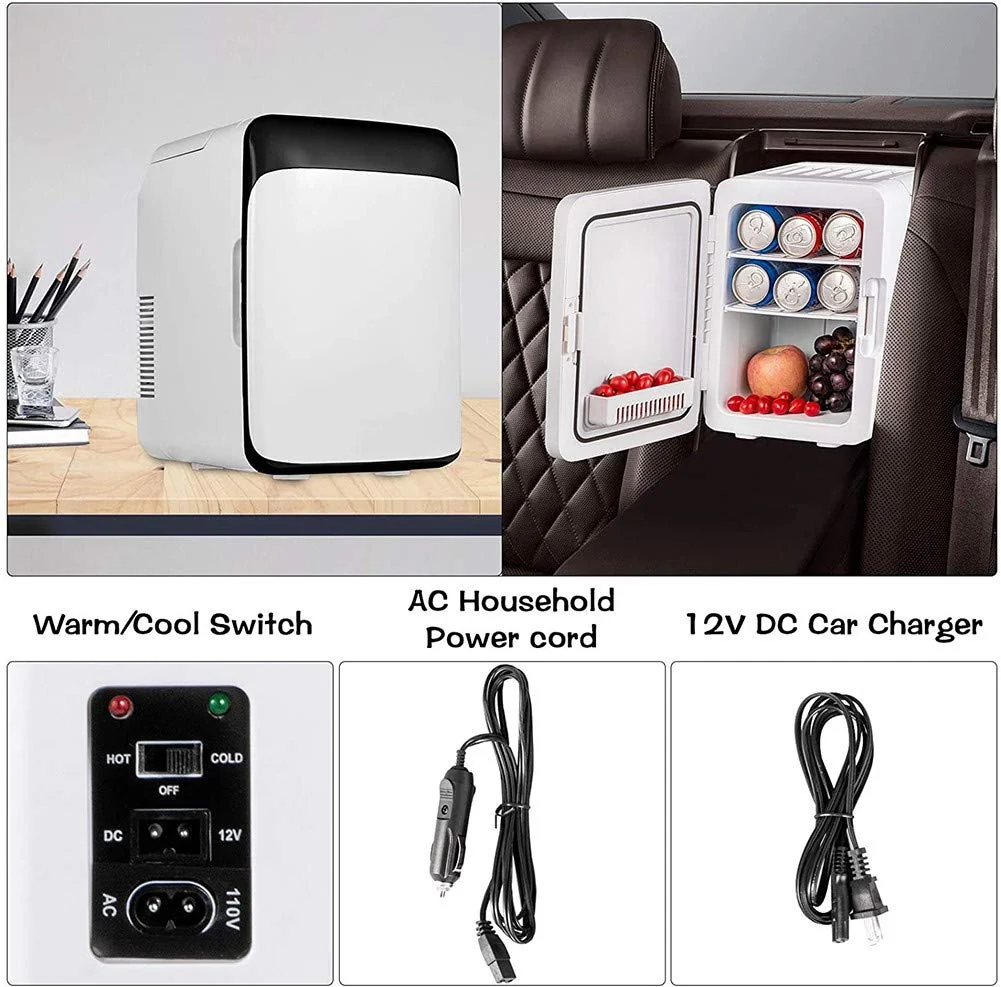
Red Flag 3: Unlabeled ABS versus recycled plastic pellets
Raw material pellets arrive in sealed bags stamped with grade and batch numbers. Unlabeled bins on the molding floor mean the factory cannot prove what is in the hopper. Recycled ABS costs less but carries inconsistent flow properties and residual odor. For a liner that sits in a bedroom or bathroom, that odor becomes a return reason.
Red Flag 4: Manual soldering without jigs on control boards
Cold solder joints fail intermittently — the fridge passes the factory test, then dies after weeks of vibration in transit. Hand soldering with positioning jigs produces repeatable joints. Freehand soldering produces a different joint every time, which means a different failure rate in every batch.
Red Flag 5: No IP or brand protection clause history
Your logo, product design, and packaging are the assets. A factory that hesitates to sign an IP protection or exclusivity clause has likely burned that trust before. Ask for references from existing brand clients who operate under NDA. Reputable fridge factories in Ningbo keep this clause in their standard contract template.
Red Flag 6: Warehouse stock without FIFO date codes
Cosmetic fridges contain thermoelectric modules, fans, and foam insulation — all three degrade in humidity. Warehouses that do not rotate stock first-in, first-out will ship aging components that have sat through a humid Ningbo summer. Date codes on cartons should match production batch records. If the warehouse team cannot explain their rotation system, the stock is not being rotated.
Red Flag 7: No dedicated after-sales RMA bench
When a customer receives a dead unit, your brand absorbs the damage, not the factory. A dedicated RMA repair bench with spare parts and trained technicians shows the factory handles warranty returns after the final payment. KelyLands built its mini fridge segment in 2018 around a partnership with a Ningbo portable fridge factory, securing competitive pricing and reliable delivery. If the floor has no repair station, your warranty cost becomes your problem.
These seven checks take a couple of hours on the factory floor. Skip them, and you are betting your brand on a well-rehearsed sales pitch. The factory that produces temperature cycling logs, material certs for HIPS, and a functioning RMA bench is a partner. Everything else is a gamble.
What a Real Ningbo Cosmetic Fridge Line Should Show You
Four production zones in sequence: molding, foaming, assembly, aging room.
A serious Ningbo cosmetic fridge line should not look like a job shop. It should flow in a fixed sequence: molding, foaming, assembly, and an aging room. If the factory skips any of these zones or jams them into one open warehouse, you are looking at a mini fridge OEM factory red flag that will surface as condensation failures or off-gassing in your first batch.
Sample factory layout: molding, foaming, assembly, aging room
Start at the molding zone. This is where the liner and outer shell are injected. Ask which grade of plastic is loaded in the hopper. The unique insight here matters: a factory that also runs automotive accessory lines may share injection molds, so the liner could be made from cheap ABS that off-gasses odors instead of food-grade HIPS. For a cosmetic fridge, HIPS is the safer call because it resists chemical interaction with creams and serums. ABS is cheaper and tougher, but it can leach styrene-like smells when warmed by the Peltier module.
-
- Molding zone: Check hoppers for raw HIPS pellets. Unlabeled or mixed recycled pellets are an instant fail.
- Foaming zone: Ningbo smaller factories often outsource foaming. Request the subcontractor’s QC report, not just the assembly line’s inspection certificate.
- Assembly zone: Watch one unit being built. The thermoelectric module should be seated with thermal paste, and the thermostat probe should be anchored, not dangling.
- Aging room: Every finished fridge should run for 24-72 hours before packing. If units go straight from assembly to cartons, walk away.
について aging room is your best proof of QC discipline. In a proper setup, fridges run for 24-72 hours at set temperatures to expose early Peltier failures. Ask for the temperature cycling test log. A factory that cannot produce a Peltier module temperature cycling test record for the last 30 days is hiding something.
How KelyLands’ Mr. Zhou partnership model reduces audit risk
Auditing a factory is one thing. Auditing the partnership behind the factory is another. KelyLands entered the portable fridge segment in 2018 through a partnership with Mr. Zhou, who runs the Ningbo-based fridge production line. That matters because it means the line is not a rented bench at an anonymous OEM; it is a dedicated operation with a named partner who owns the output quality.
That ties directly to the factory audit checklist. A named partner is easier to hold accountable than a sales agent. When the line has an owner who answers for competitive pricing and reliable delivery, the audit conversation shifts from ‘can you make it’ to ‘how do you guarantee it’ — and that is the level of scrutiny a 12. ABSシェルおよび内部ライナーの射出成形金型コスト MOQ deserves before deposit.
So when you walk a Ningbo cosmetic fridge manufacturer audit, ask who owns the factory floor. If the answer is a trading company or a sales desk, request written evidence of who controls molding and foaming. A partner like Mr. Zhou’s operation — embedded in the Ningbo supply chain and backed by an export team managing 500+ clients across 50+ countries — gives you a paper trail of accountability instead of a promise.

Audit Scorecard: Minimum Pass Criteria Before Paying Deposit
No deposit until you hold the supplier’s US/EU compliance files and their signed 72-hour test record.
A cosmetic fridge factory audit has one objective: keep you from wiring a deposit to a supplier that cannot prove repeatability. Everything else is noise. Before you discuss price, color, or packaging, ask for three files: the US/EU compliance snapshot for the exact model, the in-house temperature cycling log, and the subcontractor list for foaming and insulation.
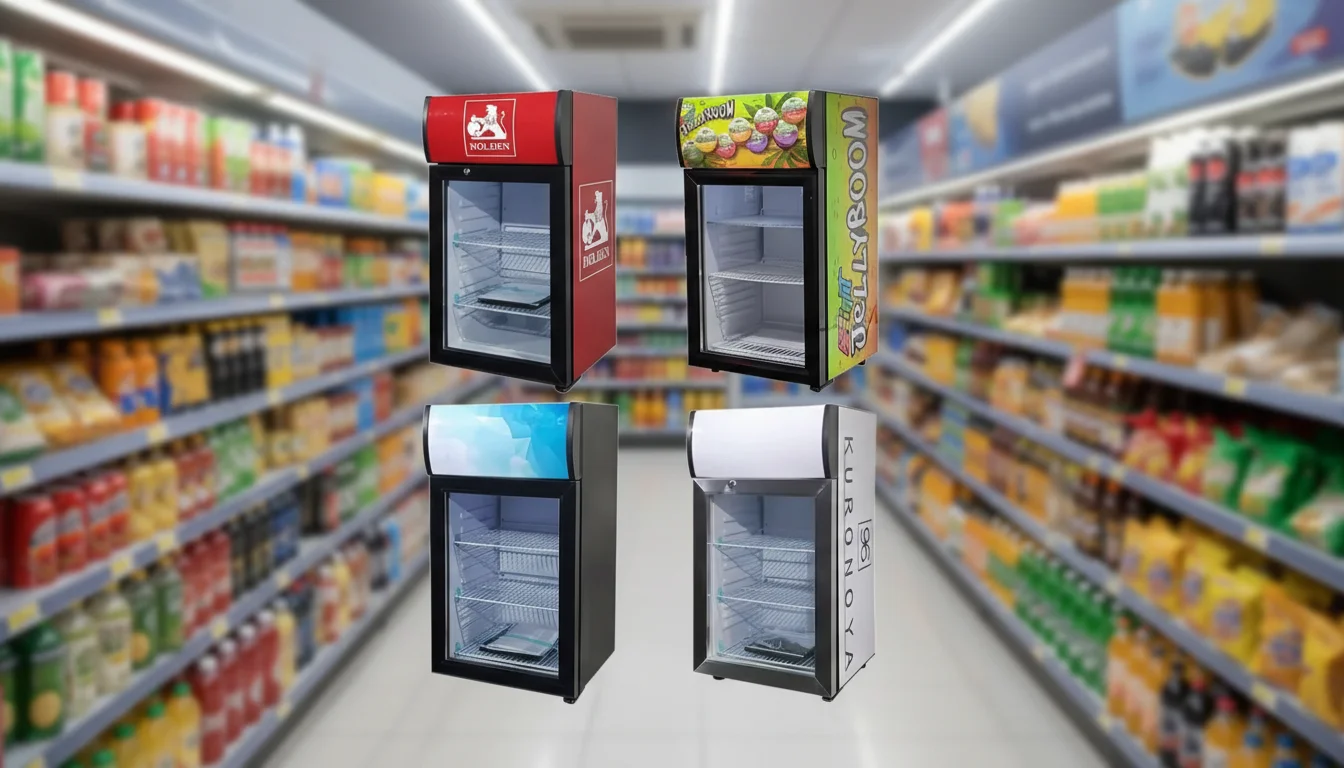
US/EU compliance snapshot checklist
For US entry, request a UL 60335-2-24 or ETL test report for the specific refrigerator model, FCC records for the electronic control board, and a California Proposition 65 declaration if you sell into California. For the EU, ask for CE marking documents that cover LVD and EMC, RoHS and REACH declarations, and WEEE registration for the countries where the product will be sold.
Every certificate must match the model number on the quote and carry a recent date. A generic ‘UL approved’ line in an email is not evidence. If the factory sends compliance paperwork for a previous model, treat it as a red flag, not goodwill.
-
- US safety: UL 60335-2-24 or ETL report for the exact model, plus FCC records for the electronic module.
- EU compliance: CE technical file covering LVD and EMC, RoHS/REACH declarations, and WEEE registration where applicable.
- Liner material: State whether the interior liner is food-grade HIPS or ABS. Recycled pellets without a traceable source are a reason to push back.
Walking away or renegotiating
The minimum order quantity for a 12. ABSシェルおよび内部ライナーの射出成形金型コスト is a number, not a wall. Factories quote high to protect line changeovers. When the only custom work is color, logo, and packaging on an existing shell, ask for a staged release: production split into two batches, with the second batch authorized only after the first clears the 72-hour condensation test at 4°C and 65% humidity.
Walk away if the factory cannot show an in-house Peltier module temperature cycling test record. Walk away if they will not name the subcontractor doing the foaming or share that subcontractor’s QC report. And walk away if quality tolerance — scratch limits, finish defects, cosmetic classification — cannot be written into the purchase contract before the deposit.
The scorecard mirrors the partnership model KelyLands used when investing in a Ningbo portable fridge factory in 2018. That partnership was built around two commitments: competitive pricing and reliable delivery. Both are meaningless without a signed test record in front of you.
結論
The audit is where a cosmetic fridge purchase is won or lost, not the spec sheet. The seven red flags — missing cycling-test records, mixed automotive molding lines, unlabeled ABS resin, hand-soldered boards, thin IP protection, no FIFO rotation, and absent RMA benches — are the same failure patterns that surface later as condensation complaints and warranty claims. A supplier that clears all seven gives you a defensible foundation for a private-label program.
-
- Ask for the 72-hour continuous run test at 4°C and 65% humidity before approving production.
- Confirm the liner uses food-grade HIPS, not cheaper ABS that can off-gas odors inside the fridge.
- Check whether Peltier modules have temperature cycling records; missing data means recurring condensation failures.
- Inspect warehouse FIFO date codes and the after-sales RMA bench; both signal long-term batch accountability.
Hold every Ningbo candidate to the same benchmark: documented cycling-test records, cosmetic-grade material certificates, and a dedicated RMA bench — if any are missing, negotiate the minimum order terms or walk away. Review KelyLands’ mini fridge and car cooler lineup to see how a factory partnership with a named production lead handles sample approval, FOB pricing, and quality tolerance before you commit to a container.
よくある質問
コスmetic fridge工場監査で最も警戒すべき赤旗は何ですか?
自社製造での温度サイクル試験記録がないことが最大のリスキーサインです。ペルチェ素子とサーモスタットの合格/不合格ログがない状態で調達すれば、未知の不良率を受け入れることになります。テストログを残すことを納品条件にしてください。.
断熱と結露制御はどうやって確認できますか?
Measure insulation thickness and confirm the factory runs condensation checks on finished units. If they cannot produce a condensation test record, external sweating becomes your warranty problem. Require a condensation test record before PO.
Why is an aging room required in a fridge factory?
An aging room runs finished fridges continuously to catch early failures before packing. If the line has no aging room, you are paying for units that fail in your first container. Make aging time part of the QC spec.
When should I walk away from a Ningbo fridge factory?
Walk away if you see automotive parts running on the same line as cosmetic fridges. Mixed production lines mean cleaning and QC protocols are not dedicated enough for cosmetics. Refuse a factory that cannot segregate lines.
How does KelyLands reduce audit risk?
KelyLands uses a direct Ningbo fridge factory partnership led by Mr. Zhou, so buyers audit an owner-operated line instead of a trading office. Ask for the factory owner’s name before you fly out.

 English
  Español
  Français
  Deutsch
  Português do Brasil
  Русский
  한국어
한국어  日本語
日本語  العربية