 メインコンテンツへスキップ フッターへスキップ
家電分野の小売業者と流通業者は、ペットの福祉が購買決定を左右するという消費者行動の変化に直面している。調査によると、犬の70%が騒音過敏症を患っており、大きな音で素早く動く掃除機に遭遇すると、しばしば「攻撃ニューロン」を発火させる神経学的な生存本能を経験する。これらの機器は、人間の耳には聞こえない20kHz以上の超音波周波数を発することが多く、ペットのコルチゾールと心拍数を急上昇させ、日常的な家事を捕食者の脅威として認識させることになる。.
本稿では、効果的なペット不安解消ソリューションの工学的要件を検討し、特にサイリスタベースの制御を利用して初期突入電流を最大80%削減するソフトスタートモーターに焦点を当てる。また、減音されたサウンドプロファイルを持つ製品を調達することで、ブランドが「ファーベイビー」ペアレント層を取り込める方法についても詳述する。この層は現在、ペット不安市場を推定131億ドルの評価額へと押し上げている。.
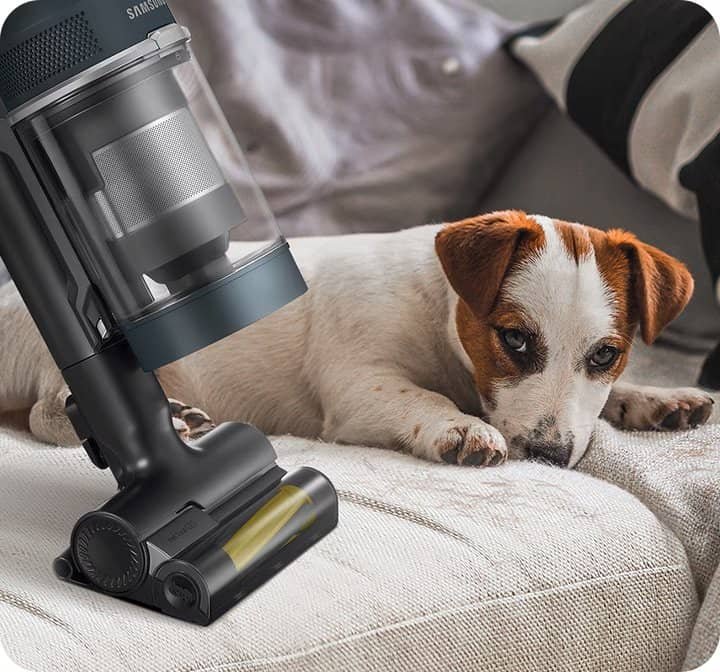
なぜ犬は掃除機を攻撃するのか:怒りではなく痛み
2026年までに、研究により、犬は怒りではなく恐怖に基づく防御的攻撃によって掃除機を攻撃することが確認されている。扁桃体は、突然の大きな音と素早い動きに反応して「攻撃ニューロン」を発火させ、生存本能を引き起こす。このプロセスはコルチゾールと心拍数を急上昇させ、犬にその家電製品を正当な捕食者の脅威として扱わせる。.
| 生物学的マーカー | 神経学的トリガー | 生理学的影響 |
|---|---|---|
| コルチゾールと血糖値 | HPA軸の活性化 | 極度のストレスと「レッドゾーン」パニック行動。. |
| バソプレシン濃度 | 扁桃体の「攻撃ニューロン」“ | 即時の防衛的攻撃と噛みつき。. |
| 視覚誘発電位 | 高速運動刺激 | 掃除機を高速の脅威として知覚すること。. |
扁桃体の活性化と防衛的生存本能
犬が新たな脅威に遭遇すると、扁桃体は「攻撃ニューロン」を発火させる、例えば 掃除機. この神経学的イベントは理性的思考を迂回し、犬を防衛的攻撃状態に追い込む。研究では、これらの攻撃的反応が、犬の脳内のバソプレシン濃度の上昇と関連している。バソプレシンは社会的および防衛的行動を調節する化学物質である。犬の視覚系は人間よりも速く刺激を処理するため、犬は掃除機の素早く不規則な動きを高速の捕食者的脅威として知覚する。適切な順化なしに大きな家庭内騒音に継続的にさらされると、扁桃体が過敏になり、将来の攻撃的爆発の閾値が低下する。.
騒音過敏症と生理的ストレスマーカー
突然の騒音は交感神経-副腎髄質系を引き起こし、心拍数と血圧の即時のスパイクをもたらす。統計データによると、掃除機が高周波のビープ音や機械的な唸り音を発するとき、極度の恐怖反応が有意に起こりやすくなる。この恐怖誘発性の攻撃性は、視床下部-下垂体-副腎皮質系を通じて血糖値とコルチゾール値を上昇させる。これらの機器はしばしば認識されないストレスを生み出し、犬の生理的予備力を消耗させ、最終的に動物を「レッドゾーン」パニック行動へと追い込み、生き残るために機械と戦わざるを得ないと感じさせる。.
超音波周波数:人間に聞こえないもの
人間は一般に20 kHzまでの周波数を聞くことができるが、多くの家庭用電化製品はこの閾値を超える超音波騒音を発する。成人は15 kHzを超えると感度を失うことが多いが、ペットはこれらの高い周波数を明確に知覚するため、機器が80 dB以上の音圧レベルで作動すると、著しい感覚的ストレスが生じる。.
20 kHzの境界と人間の聴覚限界
標準的な人間の聴覚は20 Hzから20,000 Hzまで及ぶ。生物学的老化により、成人の知覚は通常、約15〜17 kHzというより狭い上限に制限される。この自然な低下により、子供やペットには聞こえるが高齢者には聞こえなくなるという感覚的なギャップが生じる。.
超音波周波数は厳密に20kHzを超える領域から始まります。10〜20kHzの範囲は、敏感な集団に大きな影響を与える拡張高周波帯域として機能します。乳幼児や家庭動物はこの帯域で高い感度を維持しており、成人には知覚できない騒音に対して脆弱です。.
掃除機モーター 14〜17kHzの範囲で高周波の倍音を頻繁に発生させます。これらの放出音は、成人の人間には検知されないことが多い一方で、犬や猫には完全に可聴です。この違いは、特定の家電製品が作動しているときに家庭のペットが苦痛や興奮の兆候を示すことが多い理由を説明します。.
音圧レベルと高周波曝露リスク
労働衛生基準では、10〜16kHzの周波数帯域で音圧レベルが80dBを超える場合に特定のリスクが特定されます。これらのデシベルレベルでの曝露は、時間の経過とともに測定可能な難聴を引き起こします。高周波騒音は、オペレーターにとって音がかすかに感じられる場合でも、聴覚系に大きな機械的ストレスを及ぼします。.
高周波放出への長期曝露は、14〜17kHzの範囲で年間約1dBの永続的閾値シフトを引き起こします。この難聴の加速は、適切な高周波減衰なしで機械が稼働する環境で持続します。これらの特定の帯域を監視することは、長期的な聴覚障害の防止に役立ちます。.
主周波数が技術的に可聴範囲外であっても、非聴覚的な生理学的影響が発生します。ユーザーは高周波機器への長時間曝露後、疲労、吐き気、耳鳴りをしばしば報告します。これらの潜在的症状は、脳が意識的な音として認識するかどうかに関係なく、身体が超音波エネルギーに反応することを示しています。.
ソフトスタートモーター:「突然の轟音」を防ぐ“
ソフトスタートモーターはサイリスタベースの制御を使用して電圧を徐々に上昇させ、初期突入電流を最大80%削減します。この技術は、突然の機械的な「轟音」とトルク変動を制御された加速に置き換え、敏感な動物を驚かせる急激な音響ショックを防ぎます。.
| ソフトスタートパラメータ | 技術仕様書 | 騒音プロファイルへの影響 |
|---|---|---|
| 突入電流の削減 | 最大80% | 点火時の鋭い10倍デシベルスパイクを排除します。. |
| 初期電圧ランプ | 30-50%削減 | 緩やかな加速により、機械的な「轟音」を防ぎます。“ |
| 電流制限範囲 | 300% – 1000% | カスタマイズ可能な、穏やかな起動シーケンスを可能にします。. |
| 保護トリップ時間 | 0 – 10 Seconds | Mitigates humming caused by phase imbalances. |

Eliminating Inrush Currents and Mechanical Shock
Standard vacuum motors often experience a sudden surge that results in a loud mechanical “clunk” or “roar.” Soft start mechanisms reduce inrush current by up to 80%, which stops the immediate high-decibel spike common during startup. By smoothing this transition, the vacuum reaches its operating speed without the sharp acoustic transients that trigger fight-or-flight responses in pets. This controlled approach replaces erratic power surges with a linear increase in energy.
Gradual torque ramping also removes the noise caused by DC components and sudden mechanical vibrations. Symmetric three-phase current distribution maintains uniform speed profiles, ensuring the motor does not stutter or fluctuate. Polarity balancing and multi-frequency control further stabilize the system, maintaining quiet operation even when the vacuum runs at less than half of its total voltage capacity.
Thyristor Control and Voltage Ramping Parameters
Thyristor (SCR)-based systems manage the power-up sequence by reducing initial voltage by 30% to 50% during the startup phase. Adjustable ramp times and current limits between 300% and 1000% allow engineers to customize how quickly the motor reaches full power. These settings ensure the motor builds speed predictably, avoiding the unpredictable noise patterns that often distress sensitive animals. The technology essentially stretches the “startup” sound over several seconds to lower the peak volume.
Bypass contactors engage once the motor reaches its target speed to shunt the SCRs. This transition maintains energy efficiency and reduces heat-related electrical noise. Closed-loop firing circuits provide noise immunity and protect against phase imbalances, which prevents the low-frequency motor humming that can persist throughout a cleaning session. These technical protections maintain a consistent acoustic environment that feels safer for pets.
カスタム高性能掃除機でブランドを拡大する

「トリーツテスト」:ペットを静音掃除機に慣らす
The Treat Test pairs low-decibel vacuum sounds with high-value rewards to shift a pet’s emotional response from fear to positive anticipation. Success relies on a minimum 48-hour acclimation period and maintaining noise levels below 75-82dB to prevent sensory overload and cortisol spikes.
Psychology of Noise Exposure and Positive Reinforcement
Counter-conditioning uses high-value treats to rewire a pet’s instinctive fear response into reward-seeking behavior. Vacuum motors that operate under 75dB facilitate this transition by keeping auditory stimuli below the animal’s panic threshold. Standard upright models often exceed this limit, causing sensory overload that overrides the influence of positive reinforcement. Low-vibration technology further aids this process by minimizing the mechanical vibrations felt through floor surfaces before the sound even reaches the pet’s ears. We initiate these sessions with the vacuum turned off, establishing a neutral baseline through visual exposure before introducing motor noise.
Acclimation Timelines and Environmental Control Standards
Veterinary research indicates that cats require a minimum two-day acclimation period and dogs require one day to stabilize physiological responses to new environmental stimuli. Active monitoring of the training area should include stable relative humidity and temperature to ensure the animal remains in a low-stress state. Lab animal facility standards recommend isolating high-noise equipment from primary living areas to prevent chronic stress and behavioral variability. We apply gradual distance reduction protocols by starting the vacuum in an adjacent room and moving it closer over three to five days as the pet demonstrates consistent calm.
「ファーベイビー」ペアレントへのマーケティング
Modern pet owners view dogs as family members, shifting demand toward products that prioritize animal emotional health. This ‘fur-baby’ parent demographic drives a massive calming market, choosing quiet appliances and tech-enabled anxiety solutions to maintain a stress-free home environment for their pets.
Psychological Drivers and Pet Humanization Trends
The transition of pets from outdoor animals to integral family members reshapes how consumers evaluate household technology. Buyers prioritize welfare-first product designs, specifically seeking items that mitigate animal stress during routine domestic activities like cleaning. Marketing strategies that highlight reduced decibel levels or quiet-running motors align with this emotional bond, as noise sensitivity affects over 70% of dogs. Owners look for non-pharmaceutical interventions to manage household triggers, viewing noise reduction not just as a human convenience, but as a critical animal health feature.
Market Projections and Technology Integration in 2026
The global pet anxiety solutions market maintains a steady climb toward a USD 3.1 billion valuation by 2032, with dog-specific products representing over 52% of the sector. This growth responds to research indicating that a vast majority of the canine population displays significant sensitivity to environmental sounds. Technical innovations prioritize passive evaporation pheromone diffusers capable of covering 700 square feet for 30 days without requiring electricity. Melatonin-based products currently hold a 27% revenue share, while AI-driven wearables monitor vital signs in real-time. These integrations allow owners to manage urban stressors through data-backed behavioral interventions and science-backed ingredients like alpha-casozepime or L-tryptophan.
最終的な所感
Pet owners are moving away from traditional, loud cleaning tools and toward designs that respect animal biology. Choosing vacuums with soft-start motors and dampened ultrasonic output lowers the physiological stress that usually triggers a dog’s flight-or-fight response. These engineering choices transform a once-terrifying appliance into a manageable part of the household routine.
The focus on pet emotional health is driving a new standard for home maintenance. Manufacturers now face pressure to build products that accommodate the sensitive hearing and high stress levels of domestic animals. Prioritizing low-frequency profiles and gradual power sequences ensures a calmer home environment, making life easier for both the pets and the people who care for them.
よくある質問
Do 2026 pet-focused vacuums include a soft-start motor to prevent the sudden roar?
Current 2026 designs utilize soft-start technology to ramp up suction gradually, preventing the ‘sudden roar’ that triggers dog anxiety. While no industry standard mandates this, high-quality pet models prioritize keeping noise levels between 50-70 dB to accommodate the 70% of dogs that exhibit noise sensitivity.
Are the vacuum sound profiles tested for ultrasonic frequencies that disturb pets?
We analyze sound profiles to ensure high-frequency mechanical noise remains outside the range most likely to cause distress in sensitive animals. Maintaining noise levels below 70 dB helps prevent noise phobias, which affect over 70% of the canine population during household cleaning.
How is brush roll noise dampened for use on hardwood floors?
Engineers use soft-material dampeners and precision-balanced brush rolls to reduce vibration noise on hard surfaces. This mechanical refinement ensures the vacuum doesn’t produce the sharp clicking or rattling sounds that often startle pets in quiet homes.

 English
  Español
  Français
  Deutsch
  Português do Brasil
  Русский
  한국어
한국어  日本語
日本語  العربية