 メインコンテンツへスキップ フッターへスキップ

産業エンジニアリングチームは、手動ダイヤルの触覚的な信頼性と自動調整ヘッドの自動化された効率性のどちらかを選ぶという選択にしばしば直面します。適切な高さ調整技術を選択することで、システムが負荷下で精度を維持できるか、機械的なドリフトに屈するかが決まります。生産要件がより厳しくなるにつれて、手動制御とセンサー駆動の自動化の間のトレードオフは、メンテナンススケジュールと組立精度の両方に影響を及ぼします。.
手動システムが提供する0.003mmの繰り返し精度と、バーニアねじによって達成される0.00077インチの増分という性能指標を調べることで、これら2つのアプローチを比較します。この分析は、 耐久性ベンチマーク、すなわち5,000サイクルの耐久試験を含み、 100kgの荷重下および自動車用振動基準への準拠にわたります。コスト構造と機械的故障モードを調べることで、最も安定した昇降メカニズムをワークフローに統合するために必要なデータを提供します。.
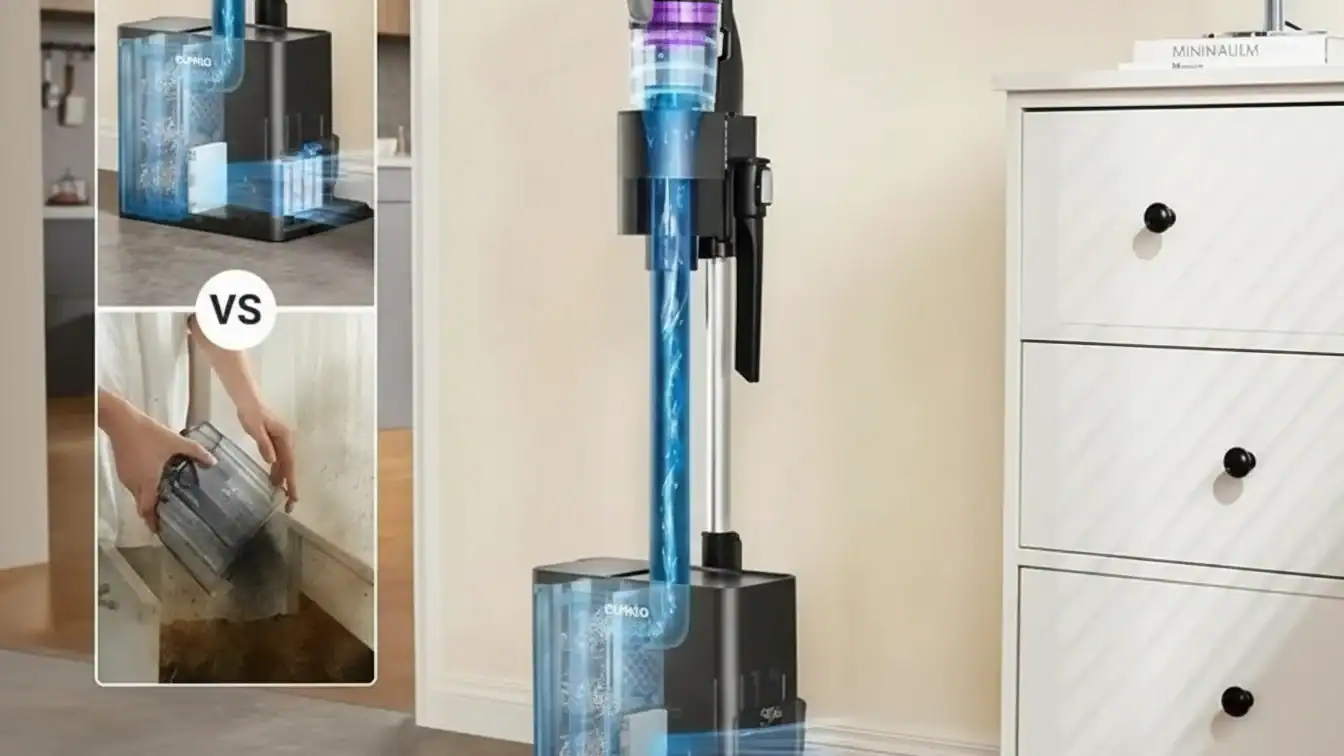
ハイパイルにおける「ノーズリフティング」の必要性
ノーズリフティングは、高架スタンド上のCからEクラスの航空機に乗客搭乗ブリッジを整列させるための、重要な2軸垂直移動を提供します。このメカニズムは、油圧チャックとバランスプレートを利用して安定性を確保し、動的荷重下での信頼性の高い作動を維持するために480V三相電源システムを使用しながら、転倒を防止します。.
航空機整列のための垂直昇降メカニズム
昇降システムにより、CからEクラスの航空機に対応するため、2軸上の正確な垂直・水平移動が可能になります。ハイパイル空港スタンドでは、多くの場合、大きな高低差が生じるため、ブリッジの床面を航空機のドアと水平に保つための特殊なトンネル昇降機構が必要です。エンジニアは、溶融亜鉛メッキ鋼板と自動スポット溶接を利用してこれらのトンネルを構築し、過酷なターマック環境での長期使用に必要な耐食性と構造的完全性を提供します。.
これらの昇降システムを 確実に操作するには、 特定の電気要件を満たすことが必要です。2026年規格では、モーター疲労なしに一貫した昇降サイクルをサポートするため、60Hzで480V ±10%の三相電源が要求されています。この高電圧構成は、全負荷時の垂直移動に必要なトルクを提供し、ノーズローダーが航空機ハンドリングの重要なドッキング段階で安定性と応答性を維持することを保証します。.
油圧安定性と安全荷重要件
油圧式拡張機構は杭の上部内径に挿入され、ゴム板を押圧して確実な把持を維持します。この機構はチャッキングシリンダーを使用して半径方向の圧力を加え、高摩擦接続を創出することで、吊り上げ中の鉛直方向の滑りを防止します。杭の内壁に係合することで、油圧システムは構造変形のリスクを最小限に抑え、外部クランプ方式よりも安定したアンカーポイントを提供します。.
バランスプレートとケーブルは水平安定性を提供し、吊り上げ中の転倒を防ぐため、安全性の低いワイヤーノース方式に代わります。この工学的アプローチは荷重を中心化し、クレーンが杭を位置決めする際の揺れを低減します。バイブロハンマーの安全プロトコルはさらに、総荷重がクレーンの定格容量の50%未満に保たれることを義務付けています。この 制限は振動強度を 管理し、高杭打設作業に伴う動的応力からクレーンのブームと油圧システムを保護します。.
手動ダイヤル:精度を求めるプロの選択
2026年のプロフェッショナル技術者は、その機械的安定性と触覚フィードバックにより、手動ダイヤルに依存しています。これらのシステムは電子ドリフトを排除し、0.003mmという高い再現性を実現します。アナログカウンターと微調整ネジを使用することで、プロはデジタル代替品に見られるソフトウェアの遅延やバッテリー依存なしに高い精度を達成します。.
| 技術的特徴 | 仕様 | 産業上の利点 |
|---|---|---|
| 再現性 | 0.003mm | 高公差の金型および治具製造における一貫性を保証します。. |
| 微調整範囲 | 10mm | サブミリメートル位置決めのための細かい制御を提供します。. |
| ステム互換性 | 6mm / 8mm | 標準マウントは、さまざまな工業用インジケーターに対応します。. |
| 測定力 | 0.5N~3N | 繊細なワークピースの表面変形を防ぎます。. |
機械的安定性とダイレクトリーディングインターフェース
アナログ1回転設計は連続的な 視覚的フィードバックを提供し、表示の ジャンプ(デジタルセンサーで一般的)を回避します。この機械的インターフェースにより、技術者は処理遅延なくリアルタイムで動きを監視できます。手動システムは8mmまたは6mmのステムマウントを利用し、標準的な工業用ハイトゲージインジケーターとの互換性を確保します。このユニバーサルフィットにより、専用ダイヤルインジケーターを既存のワークフローに簡単に統合できます。.
機械式アップ/ダウンカウンターは、300mmまたは600mmの全ストロークにわたってエラーのない追跡を可能にします。物理的なギアとカウンターを使用することで、システムは信頼性の高いゼロ点を維持し、作業環境で敏感なセンサーに影響を与える可能性のある電子干渉を回避します。この直接読み取り機能により、複雑な検査作業中に迅速かつ直感的な調整が可能です。.
技術的公差と接触力の管理
微調整送りねじは、0.001インチの分解能で正確な位置決めを行うための10mmの移動範囲を提供します。このレベルの機械的制御により、ユーザーはワークピースまたはマスターブロックに対して機器を正確にゼロ調整できます。ベースの焼き入れおよびラップ仕上げされた表面は、平面度を維持し、5μmまでの直角度を保証します。これらの材料選択により、摩耗を防ぎ、何千回もの測定サイクルにわたって機器の安定性を保ちます。.
測定力は0.5N~3Nに保たれ、測定対象の表面の完全性を保護します。低い接触力は、柔らかい材料や薄肉部品の変形を避けるために不可欠です。これらの物理的な力を効果的に管理することで、ゲージは0.003mmの繰り返し精度基準を維持し、これは精密金型やツーリングの精度を検証するために重要です。.
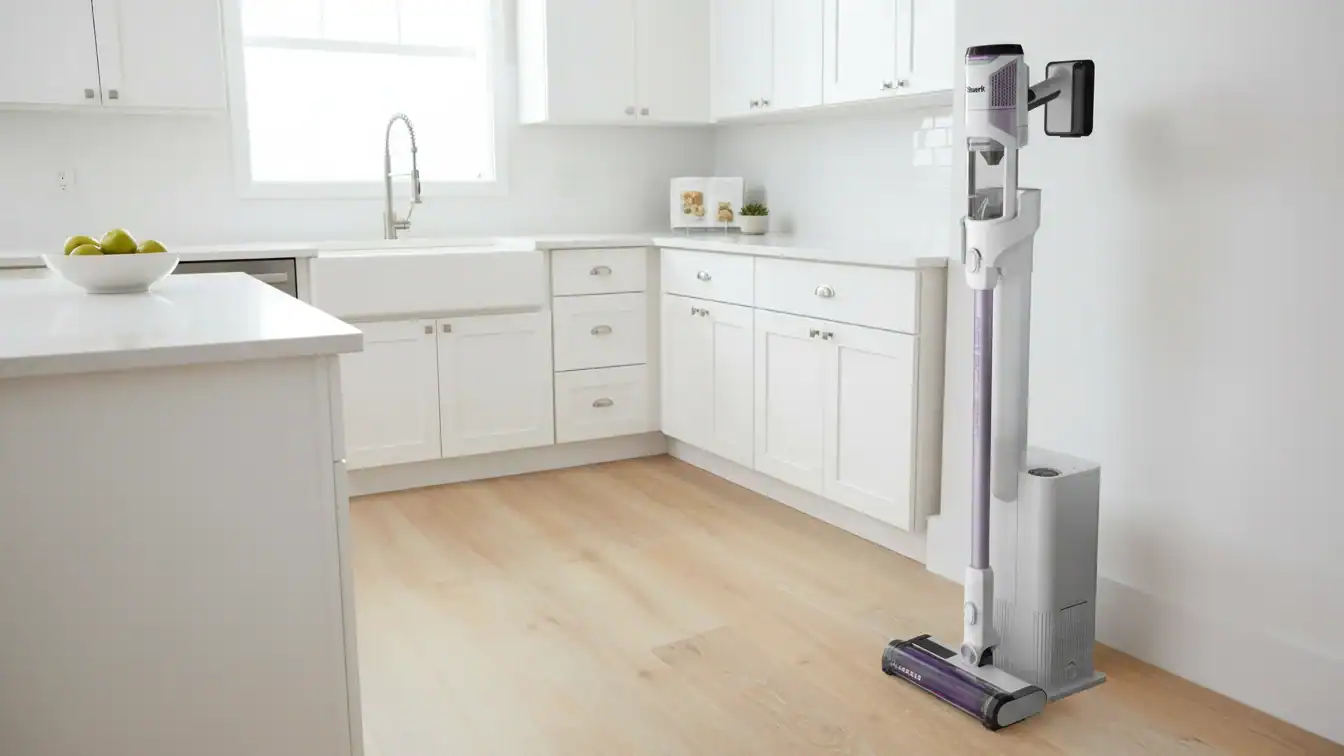
自動調整ヘッド:利便性とのトレードオフ
自己調整ヘッドは、特殊なバーニアねじやモーター駆動のフィードバックループを通じて位置決めを自動化し、手動校正の必要性を排除します。これらのシステムは0.00077インチという細かい精度の増分を提供しますが、二重管状部材やセンサーなどの複雑なコンポーネントが関与するため、製造コストと潜在的な故障箇所が増加します。.
| 調整タイプ | 機械的構成 | 精度/範囲 |
|---|---|---|
| ファインバーニヤ | 14RH/20RHねじピッチ比 | 0.00077″刻み |
| Coarse Turnbuckle | 20RH/20LH Thread Style | High-Speed Positioning |
| Total Linear Range | Dual Tubular Members | ±0.100″ Range |
Vernier Mechanics and Micron-Level Precision
Mechanical self-adjustment relies on dual tubular members with unequal thread pitches to achieve high stability. By utilizing a 14RH/20RH ratio, the system creates lockable increments of 0.00077 inches. This configuration allows for micron-level linear positioning that manual systems struggle to replicate without extensive downtime for calibration.
The hardware uses self-locking features to maintain settings during high-vibration operations. Precision balls and conical lead-in ramps provide uniform radial expansion of the slotted ends, ensuring the assembly remains secure without external actuators. Internal splines and spring-loaded locking skirts maintain perfect alignment during high-cycle operations, though this complexity requires more time during initial assembly compared to standard threaded rods.
Automated Feedback Systems and Integration Costs
Motor-driven variants replace manual vernier adjustment with electronic feedback loops. These systems use a controller to process signals from strap tension or pressure sensors, which then drives a gear rack to reach specific thresholds. This automation eliminates human error in tightening and ensures consistent pressure across different operational cycles.
The shift to electronic automation introduces significant integration costs. Spool assemblies, gear trains, and feedback sensors require robust shielding to survive harsh environments, particularly in automotive manufacturing. KelyLands R&D teams focus on balancing these smart digital controls with mechanical durability, ensuring that automated components meet the rigorous demands of ISO 9001:2026 standards while maintaining long-term repeatability.
プレミアムOEM/ODM掃除機でブランドを拡大する

メカニズムの耐久性:ディテントの5,000サイクル試験
Testing detents for 5,000 cycles ensures adjustment mechanisms remain safe and functional throughout their lifespan. By applying a 100 kg load during repetitive operation, we identify potential failure modes like deformation or stiffness. This standard validates that the hardware maintains its structural integrity and performance under heavy use in 2026.
Core Standards for Mechanical Endurance Testing
Testing teams rely on the EN 1725:2023 standard to validate the strength and long-term durability of adjustment hardware. During these procedures, a 100 kg test dummy simulates real-world user weights up to 110 kg while the mechanism operates through repetitive motions. The hardware must complete 5,000 full cycles without showing structural failure or losing its primary function. This process reveals common mechanical failure modes, including detent wear, material deformation, and component fatigue, ensuring the product remains reliable over years of daily use.
Quantitative Metrics and Dynamic Wear Inspection Protocols
Technical assessments employ Real-time Wear Testing (RWT) and Accelerated Wear Testing (AWT) to track component degradation. Technicians monitor pressure waveforms to verify that mechanisms attain target pressures for at least 5% of every individual cycle. Detailed inspections at 5,000-cycle intervals provide precise measurements of mechanical stiffness and help detect developing structural looseness. High-speed video analysis documents kinematics and hydrodynamic performance, providing a visual record of potential failure points that standard observation might miss.

「ガタつき」試験:最大高さでの安定性確保
The rattle test uses electrodynamic shakers to apply sine and shock forces to components at their maximum height. By simulating road vibrations up to 150Hz and maintaining noise levels below 2.5 sones, engineers identify structural weaknesses and loose-fit issues, ensuring the product remains quiet and stable under 2026 automotive standards like GMW14011.
Root-Cause Analysis via Multi-Axis Vibration
Engineers apply multi-axis sequential excitation—encompassing vertical, fore-aft, and lateral directions—to isolate specific failure modes in telescopic カーアクセサリー frames. This testing methodology focuses on the maximum lever arm extension, where components experience the highest risk of structural resonance. By simulating real-world dynamic loads at these extreme positions, the process identifies vulnerabilities that single-axis tests typically miss.
Squeak & Rattle (S&R) systems utilize a frequency range from 0.5Hz to 150Hz to mimic specific road surface profiles. These electrodynamic setups provide precise control over displacement and acceleration, allowing for the diagnosis of rattles in height-adjustable mechanisms without the interference of hydraulic noise. This precision ensures that mounting tables and internal guides maintain structural integrity during intense vibration cycles.
Vibration Metrics and Regulatory Benchmarks
Validation requires reaching strict velocity targets to simulate harsh driving conditions. Testing protocols mandate maximum velocities of 94 in/s for sine forces and 137 in/s for shock forces. These metrics, combined with a maximum displacement of 4.0 inches peak-to-peak, confirm that the component can withstand chuckhole transients and sudden impacts without mechanical failure or excessive movement.
Compliance with 2026 industry standards, including GMW14011, BMW PR311.2, and Ford CETP-01.10-L-413, hinges on maintaining operational noise below 2.5 sones N10 within semi-anechoic chambers. Monitoring these levels helps detect Buzz, Squeak, and Rattle (BSR) aging signs early in the development cycle. High-force actuators delivering over 10kN of peak force test payloads up to 350kg, ensuring stability across a temperature range of -40°C to +65°C.
最終的な所感
Choosing between manual and auto systems requires balancing the need for speed against long-term mechanical reliability. Manual dials provide a dependable, cost-effective solution for high-tolerance work where electronic interference or surface softness might compromise a sensor. Motorized heads simplify operation by automating the calibration process, yet they introduce complexity that raises the price point and increases potential maintenance requirements.
Strict testing protocols like EN 1725:2023 and GMW14011 ensure these mechanisms withstand years of heavy use. Engineers run components through 5,000 cycles under 100 kg loads to reveal material fatigue before products reach the workshop or tarmac. As the industry adopts 2026 standards, the focus remains on reducing noise and vibration through multi-axis testing, ensuring that both manual and automated systems stay stable at their maximum extension.
よくある質問
Does manual height adjustment increase the bill of materials cost significantly?
マニュアル height adjustment utilizes basic pneumatic cylinders that add roughly $10 to $20 to the bill of materials (BOM). This allows manufacturers to keep product costs within the $100 to $200 range. Automated systems add a much higher premium of $50 to $150 because they require integrated motors and sensors.
Is auto-adjustment technology effective on ultra-soft or high-pile carpet?
Auto-adjust systems often fail on ultra-soft carpeting because the surface lacks the traction required for accurate weight-sensing. In 2026, most user guides recommend switching to a manual override when operating on high-pile surfaces to prevent the mechanism from defaulting to incorrect heights.
What is the maximum clearance height provided by these mechanisms?
Standard height-adjustment mechanisms offer a maximum clearance of 22 inches. This aligns with the common industry range of 16 to 22 inches measured from the floor to the base of the unit.

 English
  Español
  Français
  Deutsch
  Português do Brasil
  Русский
  한국어
한국어  日本語
日本語  العربية