 メインコンテンツへスキップ フッターへスキップ
適切な充電式空気ポンプを調達することは、旧式のDセルモデルに関連する高い返品率や顧客からの苦情に対する重要な防御策です。旧式のポンプを在庫することは、経常的なバッテリーコストや性能の低さに対してユーザーとの摩擦を生み、小売店のマージンを直接的に損ない、ブランドの信頼を損なうことになる。.
この分析では、エネルギー密度や最大500 L/minの風量など、主要な性能データに焦点を当て、技術シフトをベンチマークします。ユニバーサルUSB-C充電や統合パワーバンク機能などの機能が、現場での一般的な問題をどのように解決し、在庫の認知価値を高めるかを評価します。.
USB-Cリチウムポンプはなぜ旧来の “4x D-cell ”市場を殺すのか?
USB-Cリチウムポンプは、より小さなパッケージでより大きなパワーを提供し、長期的なランニングコストが安く、どこでも充電できる。この性能と利便性のミックスにより、Dセルモデルは時代遅れになる。.
| 特徴 | USB-Cリチウムポンプ | レガシー4x D-セルポンプ |
|---|---|---|
| 電源 | 充電式リチウム電池内蔵 | 使い捨てアルカリ乾電池 |
| 経年コスト | 充電回数数百回 | 高い;一定の交換コスト |
| エネルギー密度 | 高い(160-270Wh/kg) | 低い |
| 利便性 | 普遍的な充満(車、力銀行) | 予備バッテリーの携帯が必要 |
| 環境への影響 | 最小限の廃棄物 | 埋立廃棄物への貢献 |
エネルギー密度と長期的コスト節約
Dセルポンプからのシフトはトレンドの問題ではなく、物理学と経済学の問題だ。古いバッテリー技術はかさばり、弱く、ランニングコストが高い。リチウムイオンは、ポータブルパワーの方程式を完全に変え、旧モデルが非効率的で時代遅れに見えるようにします。.
- リチウムイオンバッテリーはエネルギー密度が非常に高く、通常160~270Wh/kgです。これにより、より軽量で小型のポンプ本体から、より大きな膨張力を得ることができる。.
- 充電式システムは、使い捨てのD-cellを購入するための定期的なコストから解放されます。そのため、ポンプの耐用年数を通じた総所有コストを大幅に削減できます。.
- 最大1,000回の充電が可能な充電式ポンプ1台で、何百個もの使い捨て電池が埋立地に廃棄されるのを防ぐことができる。.
USB-Cの利便性とマルチトリップ性能
キャンプやアウトドアでインフレータブルを使う人にとって、実用性はすべてに勝る。特定の充電器を探したり、予備のD電池を箱ごと持ち運んだりしたい人はいない。現代の標準は、他のすべてのギアと連動する1本のケーブルと、旅行中ずっと使えるバッテリーだ。.
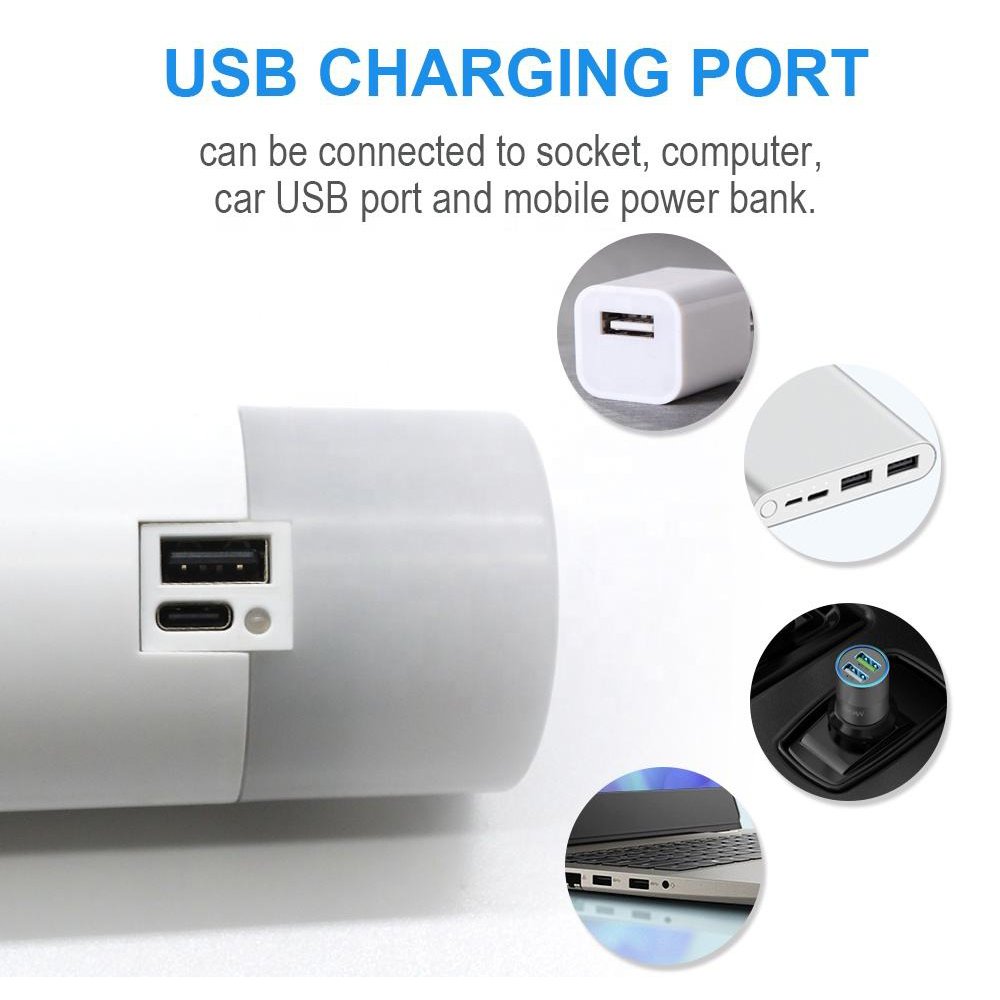
- 私たちのポンプは、ユニバーサルUSB-C充電ポートを使用しています。カーチャージャー、パワーバンク、そしてすでにお持ちの標準的な壁面アダプターに対応しています。.
- 1回の充電で、シングルエアマットレス15~20枚を膨らませることができる。これならコンセントを探す必要もなく、何度ものキャンプをカバーできる。.
- パワーバンクとしても機能するモデルもある。D電池ポンプでは不可能な、緊急時の携帯電話の充電が可能だ。.

4000mAhのポンプは1回の充電で3つのクイーン・エア・ベッドを膨らませることができますか?
はい。4000mAhのポンプは3~5回の膨張サイクルに対応し、クイーンベッド3台を簡単に扱えます。大風量でベッドを素早く膨らませ、電力を節約して複数の用途に使用できます。.
電源なしで何度も空気を入れる必要がある旅行を計画しているバイヤーにとって、ポンプの容量を確認することは非常に重要です。標準的な4000mAhの充電式ポンプは、このシナリオのために特別に設計されています。1回の充電で大型のインフレータブルを数台確実に扱うことができる。.
充電1回あたりの使用回数」パフォーマンス・ベンチマーク
4000mAhのリチウムバッテリーは、標準的なクイーンサイズのエアベッドで3~5回のフルインフレーションに十分なパワーを供給します。これは、このカテゴリーのポンプの一般的な業界基準であり、バッテリー切れを起こすことなく、グループ全員分のキャンプを設営できることを保証します。.
正確な膨張回数はいくつかの要因に左右されます。マットレスの具体的なサイズ、目指す硬さのレベル、バッテリーの全体的な健康状態などが、最終的な使用回数に影響します。新品のポンプであれば、3~5回という使用回数の上限が設定されています。.
高エアフローがバッテリー効率を最大化する方法
複数のベッドを膨らませるのに重要なのは、バッテリーの大きさだけではありません。私たちのポンプは、140 L/分から500 L/分までの大容量のエアフローを使用しています。この設計は大量の空気を素早く動かし、典型的なクイーンベッドを約3分で満たします。.
この急速な膨張は、モーターが1マットレスあたりごく短時間しか作動しないことを意味する。各サイクルで消費されるのは、バッテリーの総容量のごく一部です。素早く仕事を終わらせることで、ポンプは次のベッドやその次のベッドのためにパワーを温存します。.
カスタムブランドのエアポンプ
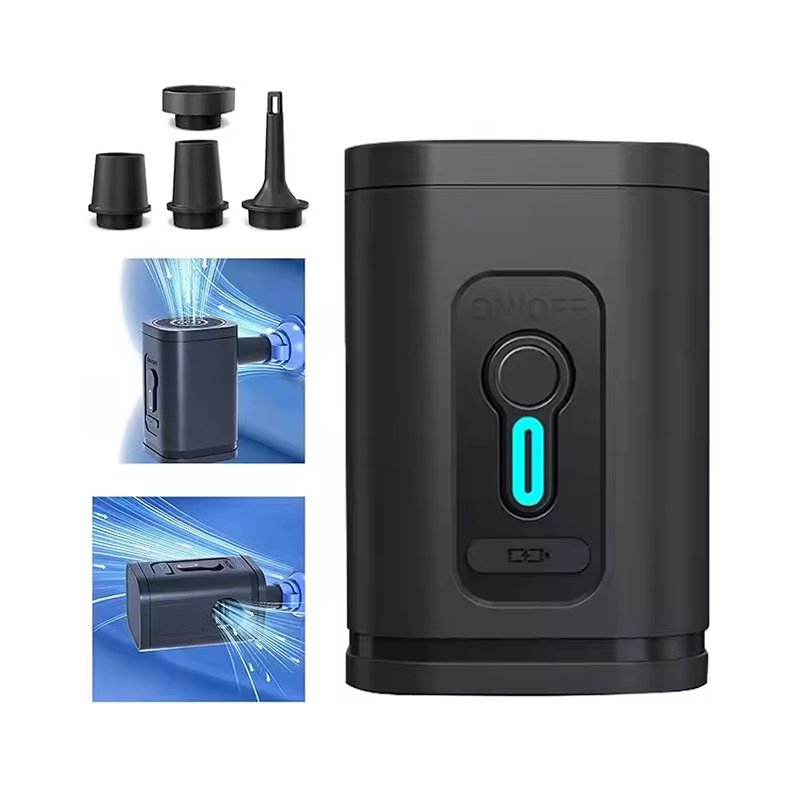
パワーバンクモード:ポンプは緊急時に携帯電話を充電できるか?
そう、私たちのポンプの多くはパワーバンク機能を備えている。内蔵のリチウム・バッテリーは、専用の出力ポート経由で携帯電話を充電し、重要な緊急ツールとなっている。.
デュアル・パーパス・パワーバンクの仕組み
仕組みは簡単だ。ポンプは内蔵の充電池を使って他の機器に電力を供給する。ユーザーはデバイスの充電ケーブルをポンプの指定されたUSB出力ポート(標準的なUSB-Aまたはより近代的なUSB-C)に接続する。この機能は、シンプルなインフレーターを多用途のマルチツールに変える。電源が限られているキャンプ旅行や道路脇の緊急キットの強力なセールスポイントだ。.
緊急充電の主な仕様
顧客から性能について尋ねられた場合、いくつかの重要な仕様がこの機能を定義します。専用充電器の代わりにはなりませんが、ピンチには対応します。.
- 電源: この機能は、ポンプに内蔵された充電式リチウム・バッテリーで駆動する。膨張と充電の両方に信頼性の高い電源を提供します。.
- バッテリー容量(mAh): バッテリーの容量は、携帯電話に供給できる充電量に直接影響します。当社のユニットは、緊急時の充電に十分な容量を備えています。.
- 充電出力: 出力性能はモデルによって異なります。ハイエンド・ユニットの中には、互換性のあるデバイスの高速充電に対応し、実用性をさらに高めているものもあります。.
USB-C充電は現代のキャンプギアの互換性に必須か?
すべての “キャンプギア ”にUSB-Cを義務付ける単一のルールはない。この規格はスピーカーやパワーバンクなど特定の電子機器に適用され、キャンパーが1本のケーブルを使用することで充電を簡素化する。.
どのデバイスが充電基準に該当するか?
この規制は、広い意味での「キャンプ用品」を対象としているわけではない。特定のポータブル家電を対象としており、その多くはキャンプ旅行に不可欠なものである。これにより、いずれにせよ荷造りする機器に共通の充電ソリューションが確保される。.
- ポータブル・スピーカーとパワーバンク
- 充電式ヘッドランプと携帯型GPSユニット
- デジタルカメラ
- ノートパソコンおよびその他の高出力機器(2026年初頭時点)
エアポンプを最新の充電エコシステムに合わせる
私たちはこの現実を想定して製品を設計しています。私たちの充電式エアポンプ、特にバックパッキングに人気のある手のひらサイズのモデルは、USB-C充電ポートを備えています。これはコンプライアンスのためだけでなく、ユーザーの利便性のためでもある。つまり、当社のポンプは携帯電話やパワーバンク、ヘッドランプと同じ充電ケーブルを共有できるため、キャンパーが荷造りするケーブルの数を減らすことができるのです。.
また、パワーバンク機能を搭載したモデルもあります。ポンプの充電に使用されるUSB-Cポートは、緊急時に携帯電話の充電にも使用でき、シンプルなインフレーターが多機能なサバイバルツールに変身する。.
よくある質問
1回の充電で何枚のエアマットレスを膨らませることができますか?
これはポンプのバッテリーとマットレスのサイズによります。私たちの充電式モデルは、1回の充電でシングルエアマットレスを15~20枚膨らませることができ、週末の旅行には十分すぎるほどです。より大きなベッドの場合、大容量ポンプは通常、再充電が必要になる前にクイーンサイズのマットレスを2~3枚扱うことができます。.
充電中にポンプを使用できますか?
この機能はパススルー充電と呼ばれ、すべてのモデルに標準装備されているわけではない。対応しているものもありますが、多くは対応していません。確かなことは、お使いのポンプのユーザーマニュアルの製品仕様を確認することです。.
リチウム電池は航空用として認証されていますか?
はい、当社のリチウム電池はUN38.3の認証を受けています。これは、リチウム電池を空輸、海上輸送、陸上輸送する際に要求される国際安全規格です。この認証は、バッテリーが輸送中の安全性と安定性に関する厳しいテストに合格したことを意味し、当社の品質管理プロセスの重要な部分です。.
標準的な携帯電話のパワーバンクでエアポンプを充電できますか?
はい。当社の最新のポンプは標準的なUSB-C充電ポートを使用しているため、ほとんどの携帯電話のパワーバンクと互換性があります。効率よく充電するために、パワーバンクの出力がポンプのマニュアルに記載されている充電要件を満たしていることを確認してください。.
ポンプが保管されている場合、バッテリーの寿命はどのくらいですか?
正しく保管されたリチウムイオンバッテリーの寿命は約2~4年です。最良の結果を得るには、ポンプを涼しく乾燥した場所に保管し、30~50%程度の部分充電をしてください。バッテリーを劣化させる可能性があるため、完全に空の状態やフル充電の状態で長期間保管することは避けてください。.
最終的な所感
旧式のD-cellポンプを在庫していると、お客様の返品や在庫切れを招きます。当社のUN38.3認証リチウムポンプは、USB-Cの利便性と信頼性の高いマルチトリップ性能に対する市場の要求を満たしています。この規格は、ブランドの評判を保護し、製品のセルスルーを保証します。.
性能データは明らかですが、実際に手に取って検証することが、契約を確実なものにするのです。当社では、小売店やOEMパートナー向けに、エアフローや製造品質を直接テストできるサンプルキットを提供しています。サンプルキットのご注文や、プライベートブランドの仕様についてのご相談は、当社までお問い合わせください。.

 English
  Español
  Français
  Deutsch
  Português do Brasil
  Русский
  한국어
한국어  日本語
日本語  العربية