 メインコンテンツへスキップ フッターへスキップ


For manufacturers and distributors targeting the senior market, the sub-1kg weight limit has become a critical benchmark. Equipment exceeding this mass often causes joint inflammation and muscle tremors in users over age 65, making lightweight design a necessity for meeting 2026 accessibility standards.
We examine the technical strategies used to strip ancillary mass, such as removing internal pivot leads to reach these aggressive weight targets. This guide also compares 3-cell and 6-cell battery configurations and explains how designs weighing less than 1kg can reduce carpal tunnel stress by 35% during repetitive motion.
The 1kg Benchmark: Why It Matters for Seniors
Keeping equipment weight below 1kg prevents musculoskeletal strain and joint fatigue for aging users. This specific mass limit allows seniors with reduced grip strength or arthritis to operate tools like vacuums and air pumps independently, ensuring that 2026 accessibility standards for home maintenance are met without sacrificing power.
| 設計指標 | Technical Target | Senior Health Benefit |
|---|---|---|
| Mass Threshold | Under 1,000g | Prevents muscle tremors and joint inflammation. |
| 吸引性能 | 13,000Pa | Enables effective cleaning with minimal physical effort. |
| ハウジング素材 | ABS/PC Polymers | Reduces device torque and wrist strain. |
Physiological Impact of Handheld Mass on Senior Mobility
Sustained load-bearing above 1,000g accelerates muscle tremors and joint inflammation in users over age 65. Ergonomic studies for 2026 indicate that tools weighing less than 1kg reduce the risk of carpal tunnel stress by 35% during repetitive motion. These weight thresholds directly affect the physical capabilities of older adults during daily tasks, as heavier objects quickly deplete grip strength.
Maintaining a lightweight profile ensures that the center of gravity remains close to the wrist, reducing the torque required to maneuver devices in tight spaces. Independence in home care relies on tools that do not require two-handed operation or high-exertion lifting. By sticking to the sub-kilogram limit, manufacturers help seniors maintain their homes without external assistance.
Technical Specifications for Sub-Kilogram Appliance Design
High-density brushless motors provide up to 13,000Pa suction power while occupying minimal internal volume. Engineers utilize lightweight thermoplastic polymers like ABS and PC to maintain structural integrity without the weight penalty of metal housings. These materials allow the device to withstand accidental drops while remaining light enough for one-handed use.
Optimization of 3-cell lithium-ion battery configurations balances runtime and mass to stay within the 1,000g limit. Strict quality control through ISO 9001:2015 standards ensures that component tolerances do not lead to weight fluctuations across mass-produced batches. This precise engineering ensures that every unit meets the specific ergonomic needs of the aging population.
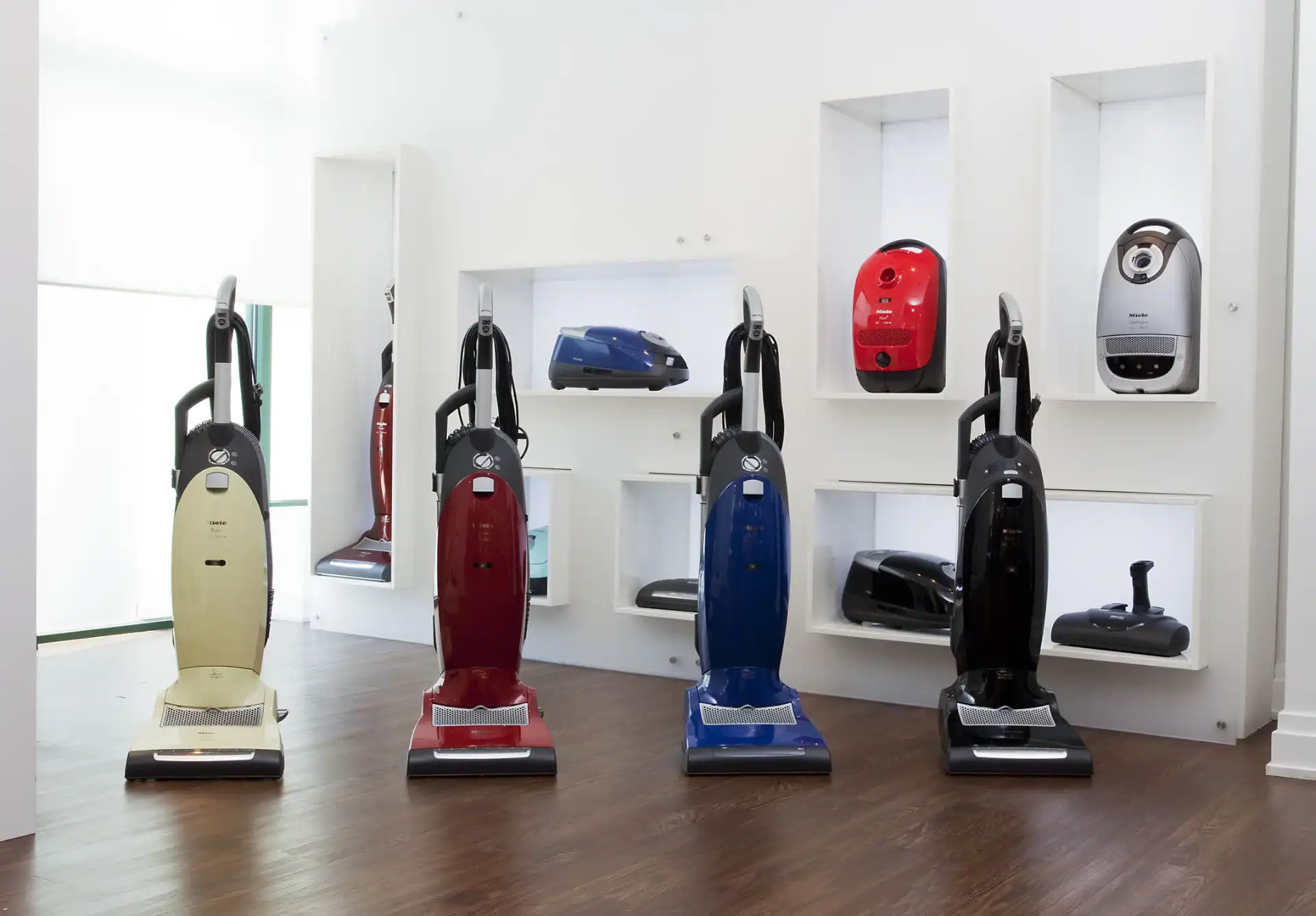
Weight Distribution: Handle-Heavy vs. Nozzle-Heavy
Handle-heavy designs shift the center of gravity toward the user’s wrist, reducing the rotational force needed to lift the device. While nozzle-heavy tools feel lighter initially, they cause significant strain over time. Maintaining a 10-15% balance ratio near the grip optimizes control for users with reduced grip strength.
Grip-Centric Mass and Wrist Health
Placing core components near the hand reduces the lever arm length. This design choice minimizes the torque exerted on the wrist according to 2026 performance benchmarks. Handle-heavy configurations prevent nozzle sag and allow seniors to guide vacuum heads or air pump nozzles using minimal downward pressure. These engineering principles mirror heavy-duty weight distribution hitches where 10-15% of the total load remains at the connection point to ensure stability and prevent oscillation. Utilizing trunnion-style geometry in the handle assembly also reduces point loads, which improves long-term comfort for users with arthritis.
Physics of Torque and Leverage Control
Leverage mechanics show that a 1kg tool with a forward-leaning center of gravity feels up to three times heavier at the wrist. Increased drawbar length effects amplify this force. Integrating LITEFLEX composite materials in the chassis provides five times more flexibility than steel while cutting weight. This material choice also helps dampen vibrations. Engineered 1.25-inch adjustment increments in handle angles allow users to preset the center of gravity based on their specific height and arm reach. Shifting weight from the nozzle to the rear grip mimics trailer axle logic, where redistributing the equivalent of 200lb-400lb of force improves steering and maneuverability.
Stripping Weight: Removing the Swivel Neck?
Removing the swivel neck allows engineers to strip ancillary mass by eliminating internal pivot leads and heavy support screws. Following industrial disassembly patterns, such as removing small screws from swivel neck supports, can significantly reduce the total part count to help reach the 1kg benchmark for the 2026 market.
Structural Benefits of Fixed-Neck Architecture
Transitioning to a fixed-neck architecture removes the mechanical complexity inherent in rotational joints. By eliminating the swivel joint, designers can remove internal pivot leads and specialized supports, such as part 37 in industrial floor sweepers. This simplification streamlines the internal airflow path, which reduces the total volume of plastic and sealant required to maintain suction. Fewer moving parts translate to a lighter overall profile because the design no longer requires the heavy mechanical housing typically used to facilitate rotation and joint stability.
Technical Disassembly and Material Optimization
Standard maintenance protocols for industrial equipment suggest that removing swivel assemblies involves disconnecting the lead and extracting small screws from the supports. This process allows for the immediate removal of the neck, stripping away ancillary mass. Using compact, high-pressure-rated components can result in weight savings of 70-82% compared to conventional designs. Applying finite element analysis to the neck junction enables a 60% smaller footprint, ensuring the device remains durable while moving toward the aggressive 1kg weight targets set for 2026 vacuum models.
高性能カスタムホームバキュームでブランドを拡大

Battery Sizing: 3-Cell vs. 6-Cell Trade-offs
3-cell batteries offer a 45-50 Wh capacity and keep handheld cleaners under the 1kg threshold for senior safety. In contrast, 6-cell packs provide 60-90 Wh of energy for longer sessions but add significant mass and volume that can strain aging joints.
| 特徴 | 3-Cell Configuration | 6-Cell Configuration |
|---|---|---|
| エネルギー容量 | 45-50 Wh | 60-90 Wh |
| Standard Runtime | 3-5 Hours | 6-10 Hours |
| 主な利点 | Lightweight Portability | High Suction Power |
Portability and Runtime Differences
3セルリチウムイオンパックは3〜5時間の連続稼働を実現し、シニア層に多い軽量の日常クリーンをサポートします。この構成によりハンドヘルド工具の俊敏性を保ち、短時間のメンテナンス作業中でも機器の操縦性を確保します。セル数の削減は物理的な小型化に直結し、長時間使用しても製品が重たく感じられないよう設計されています。.
6セル構成は稼働時間を6〜10時間に延長しますが、内部セルの重量は約2倍になります。この増加分の質量はハンドヘルド工具のバランスを変化させ、重心がハンドルから遠ざかる可能性があります。小規模な3セルパックは高速充電サイクルを優先し、ノズル側への重量配分を最適化することで、ユーザーが余分な下圧をかけなくてもブラシヘッドを床面にしっかりと密着させるのを支援します。.
配線仕様と電力容量スペック
6セルシステムは、標準的な2200mAhの18650セルを用いて容量を拡張するため、3S2P構成を採用することが多いです。これは3個のセルを直列、2個を並列に接続する構成で、11.1V出力・4400mAh容量を実現します。単体の18650セルは公称電圧3.7Vで動作します。3個のセルを直列パックとして配線することで、携帯用清掃家電のモーター効率的なパフォーマンスに必要な11.1Vに達します。.
6セルユニットのエネルギー出力は48.84Wh〜90Whに達し、車内デティールリングや upholstery(座席)のディープクリーンといった過酷な作業に必要な高出力吸引力を提供します。1kg未満の設計に最適化された軽量3セルパックとは対照的に、6セルユニットは増加する体積を管理するためoptimizedなセル密度を必要とします。エンジニアはこれらの直並列回路を用い、モータートルクに必要な高電圧と持続稼働に必要な大容量の間のトレードオフを最適化しています。.
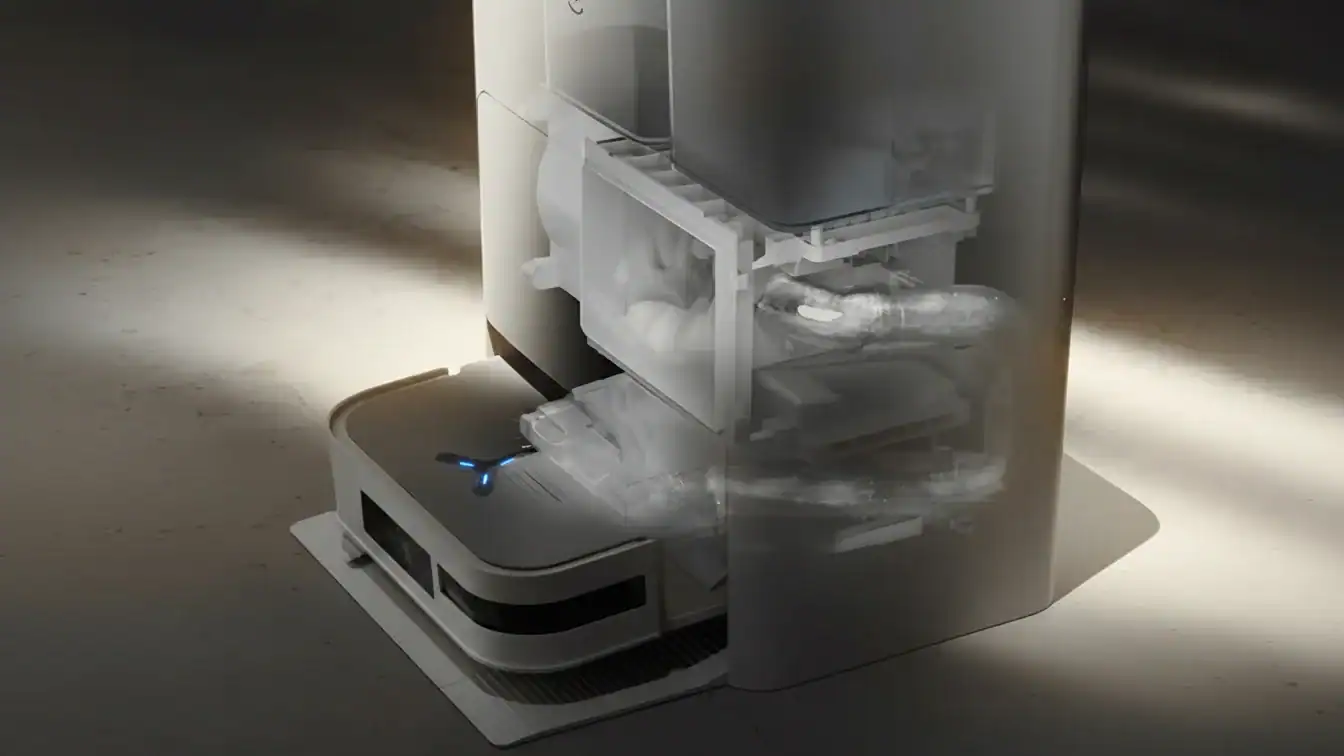
Marketing “Effortless Cleaning” to Aging Populations
2026年の高齢者層に向けたマーケティングの成功は、アクセシビリティ、安全性、そして長期的な信頼に焦点を当てるものでした。ブランドはADA準拠のデジタルアプローチと、1kgの重量制限や20,000Paの吸引力といった具体的な性能データを活用し、シニア向け施設市場の物理的ニーズと高い基準を満たす必要があります。.
安全性を最優先したメッセージングと長期的なエンゲージメント
マーケティングチームは、アクティブな高齢者層との信頼関係を築くため、安全性の特徴とメンテナンスフリーの利便性を優先します。これらの消費者は、複雑なメンテナンス要件や物理的な危険を伴わずに自立性を高める機器を求めています。直感的な安全メカニズムを強調することで、ブランドは製品を高齢化社会の中核価値観——審美的なトレンドよりも信頼性が勝る——と一致させます。.
ブランド戦略は、シニア向け施設の購入決定プロセス特有の慎重な評価に対応するため、6〜12ヶ月のリードタイムを活用したナーチャリング・サイクルを採用します。この長期時間枠により、マーケティングチームは長期的なパフォーマンスや24/7のケアサポートに関する詳細情報を提供できます。このサイクル中効果的なコミュニケーションは、患者対ナース比や施設の衛生基準など、信頼構築に必要な指標を活用し、家族やケア提供者に安心を与えます。.
ビデオでの顧客の声やソーシャルプルーフは、長期介護やケアホーム分野での信頼性を確立するための主要なツールです。実際の環境で技術を実演することで、高齢者や施設管理者が必要とする視覚的な根拠を提供します。これらの顧客の声は、日常生活への容易な統合に重点を置き、そのツールがプロフェッショナルおよび住宅型ケア環境の特定の要請を満たすことを実証します。.
コンプライアンス主導のデザインとパフォーマンス基準
デジタルプラットフォームは、2026年のアクセシビリティ基準を満たすため、スクリーンリーダー対応や高コントラストレイアウトを含むADA準拠の基準を採用します。ウェブサイトのアーキテクチャが多様な支援テクノロジーをサポートすることは、高齢者市場にリーチするための技術的な必須条件です。高コントラストのビジュアル階層と読みやすいタイポグラフィは、視覚障害を持つユーザーのナビゲーションを容易にし、調査および購入フェーズでの摩擦を軽減します。.
技術的なメッセージングは、高齢者特有の身体的要件を満たすことを確認するため、20,000Paの吸引能力と1kg未満の重量を強調します。これらの指標を定量化することで、「容易さ」という主張を支える技術的な証明を提供します。1kg未満のフレームは、握力や Mobility が限られているユーザーが機器を効果的に操作できるようにし、高い吸引パワーは掃除タスクが一度の通過で完了することを保証します。.
データプライバシー保護とCMS広告基準により、すべてのメッセージングが医療および高齢者施設規制と準拠していることが確保されます。HIPAAガイドラインやPACEマーケティングプロトコルを遵守することは、機関からの信頼を維持するために不可欠です。コンプライアンス主導のコミュニケーションは機密性の高いユーザーデータを保護し、連邦および州の監督当局が必要とする厳格な透明性基準を満たすようすべての宣伝文句を確実にします。.
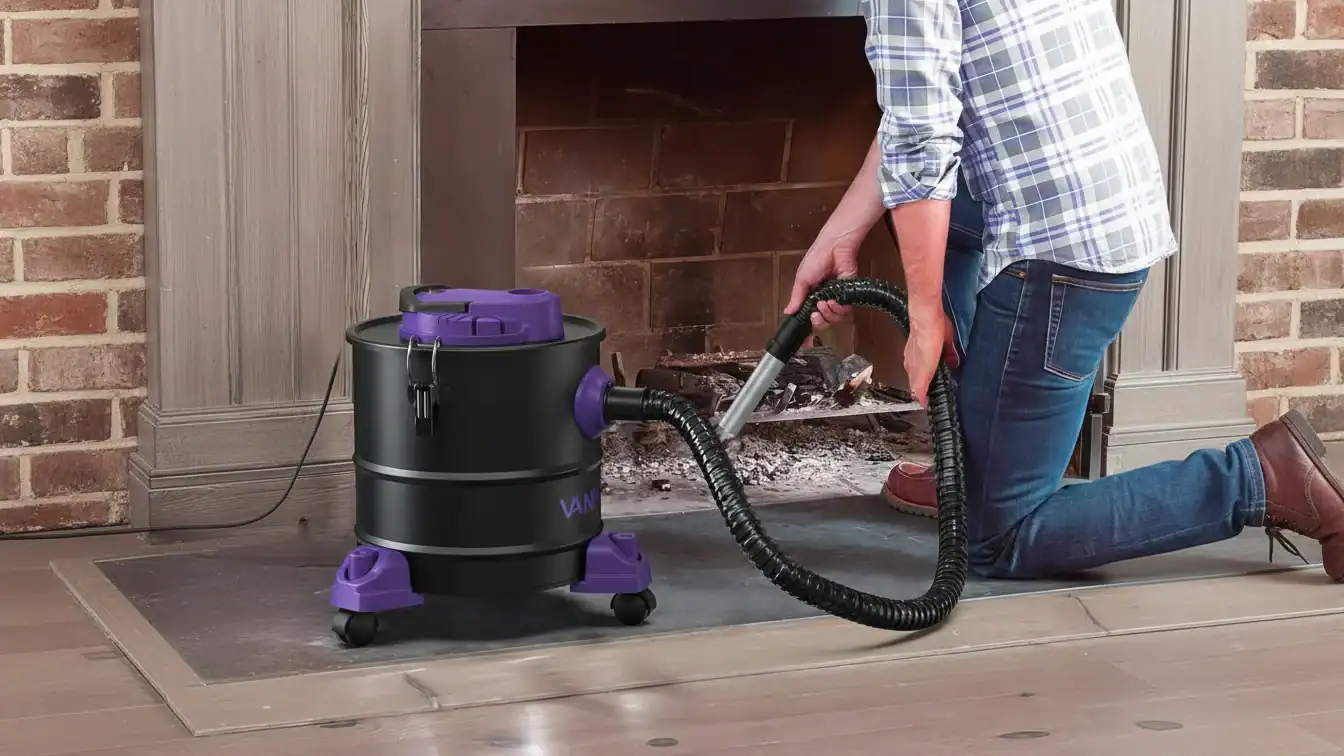
最終的な所感
1,000gという重量制限は、高齢者が家庭の維持管理をどのように行うかを変革します。軽量なABSポリマーと3セルバッテリー構成を使用することで、エンジニアは関節の疲労を軽減し、低い握力にも対応するツールを作成します。これらの設計選択は即時の使いやすさに重点を置き、繰り返し作業中でも清掃の物理的コストを抑えることを保証します。.
Adapting to these 2026 ergonomic standards helps seniors stay independent for longer. Equipment that balances the center of gravity near the wrist prevents the long-term strain associated with heavier, nozzle-heavy models. As accessibility becomes a core requirement for home appliances, products that respect these physiological boundaries will define the next generation of assistive maintenance technology.
よくある質問
Does the 1kg weight specification include the battery and floor attachments?
Reported weights typically refer to the main vacuum body only. Fully assembled systems including extension tubes and motorized heads generally add between 1kg and 6kg to the total weight, depending on the specific accessory configuration.
What is the typical torque load on the wrist during cleaning?
Operational torque loads on the wrist range from 85 to 195 Nm. This measurement varies based on whether the vacuum design places the motor weight near the handle or closer to the floor nozzle.
Do manufacturers reduce battery cell counts to achieve lighter weights?
Engineering teams often transition from 6-cell to 3-cell battery configurations to minimize total mass. While this strategy successfully lowers the weight for seniors, it reduces overall runtime compared to heavier industrial battery standards.

 English
 Español
 Français
 Deutsch
 Português do Brasil
 Русский
 한국어
 日本語
 العربية