Standard equipment resistance levels often start at 2.5kg, which acts as a maximal effort threshold for frail seniors and users with mobility impairments. This high entry point increases the risk of musculoskeletal injury and prevents effective neurological adaptation. To provide inclusive care, manufacturers are pivoting toward an ultra-lightweight class where total system weight stays under 1.5kg.
We examine the technical requirements for these systems, including the use of carbon fiber tubes to achieve a 42-50% weight reduction over aluminum. This overview also breaks down the performance of micro BLDC motors with 3-5 mm diameters and the energy density of 21700 Li-ion cells, which provide 1805 mAh/oz to keep hardware portable yet powerful.
The Weight Barrier: Why 2.5kg is Too Heavy for Some
Standard 2.5kg increments often exceed the physical capabilities of frail seniors and individuals with mobility impairments in 2026. Inclusive design requires reducing entry-level weights to 0.5kg and implementing ergonomic features like 10-degree seat backs to ensure safety, accessibility, and measurable progress in functional strength.
Biomechanical Impacts on Senior Mobility
Clinical protocols from 2026 link 2.5kg resistance levels directly to the peak muscle power required for essential daily movements, such as climbing stairs. While this weight serves as a common industry standard, frail older adults often experience 2.5kg as a maximal effort threshold. Forcing this level of intensity during initial training phases accelerates fatigue and elevates the risk of musculoskeletal injury.
Starting weights as low as 0.5kg allow for critical neurological adaptation. These ultra-light loads enable users to build fundamental strength and movement patterns without overwhelming weakened systems. Research indicates that finer gradations in weight help seniors maintain lower extremity muscle power, which is vital for maintaining independence and preventing mobility-related disabilities.
Engineering Standards for Inclusive Equipment
Modern engineering for inclusive fitness equipment adheres to ASTM F3101-15 and DOJ 2010 standards. These guidelines mandate a 30” x 48” clear floor space to facilitate seamless wheelchair transfers and proper positioning. Beyond space requirements, manufacturers incorporate specialized hardware to support users with limited core control or reduced range of motion.
Designers include 10-degree upright seat backs to provide necessary trunk stability for users training with limited postural control. Additionally, 3-position twist-select mechanisms allow users to adjust weight stacks from a seated position. This engineering choice removes the need for standing or excessive reaching, ensuring that individuals with significant mobility impairments can operate the equipment independently and safely.
Material Sourcing: Carbon Fiber Tubes vs. Aluminum
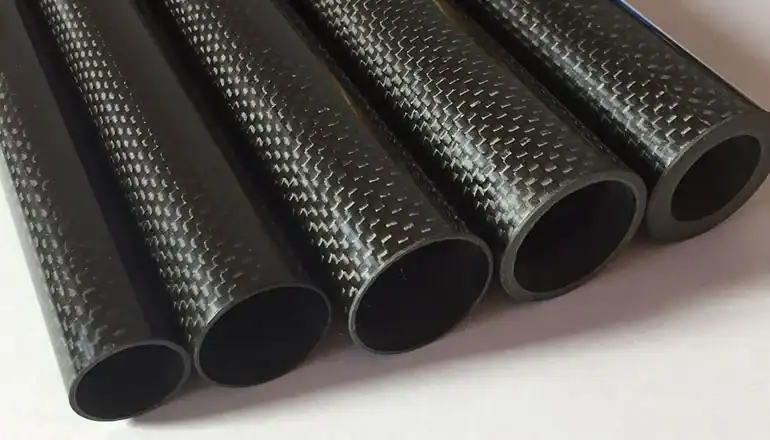
Carbon fiber tubes provide a 42-50% weight reduction compared to aluminum while offering 3.8x higher specific tensile strength. This material transition is essential for keeping high-performance vacuum cleaners and pumps under the 1.5kg threshold while maintaining superior rigidity and fatigue resistance.
| Mechanical Property | Carbon Fiber Tubes | Aluminum (7075 Alloy) |
|---|---|---|
| Density (g/cm³) | 1.55 – 2.0 | 2.7 – 2.8 |
| Tensile Strength (MPa) | Up to 7,000 | ~572 |
| Elastic Modulus (GPa) | 70 – 700 | 69 – 79 |
| Thermal Expansion | 2 in/in/°F | 13 in/in/°F |
| Thermal Conductivity | 5 – 10 W/m·K | ~205 W/m·K |
Weight Efficiency and Specific Stiffness
Carbon fiber density ranges from 1.55 to 2.0 g/cm³, significantly lower than the 2.7-2.8 g/cm³ found in aluminum alloys. Replacing aluminum tubes with carbon fiber equivalents in 2026 product designs achieves weight savings of up to 60%. This reduction allows handheld devices to remain agile without sacrificing structural integrity.
The specific stiffness (E/ρ) of carbon fiber is 1.71x higher than aluminum. This property prevents flex and vibration in elongated tools, such as vacuum extension wands or reach-assist accessories. Designers can maintain precision in 3D scanners and senior care devices where dimensional stability is a primary requirement.

Tensile Strength and Thermal Conductivity Specs
Mechanical durability tests show that carbon fiber reaches a tensile strength of up to 7,000 MPa. This figure far exceeds the 572 MPa typically found in 7075 aluminum alloys. Carbon fiber composites also resist permanent deformation, returning to their original shape after heavy loading, which extends the lifecycle of high-use accessories.
Aluminum offers superior thermal conductivity at 205 W/m·K, making it more effective for components that require rapid heat dissipation. Thermal expansion in aluminum is 6.5 times higher than carbon fiber. Carbon fiber provides better dimensional stability in high-temperature environments, ensuring that parts fit and function correctly even as temperatures fluctuate during operation.
Motor Sizing: High-Speed Micro BLDC Motors
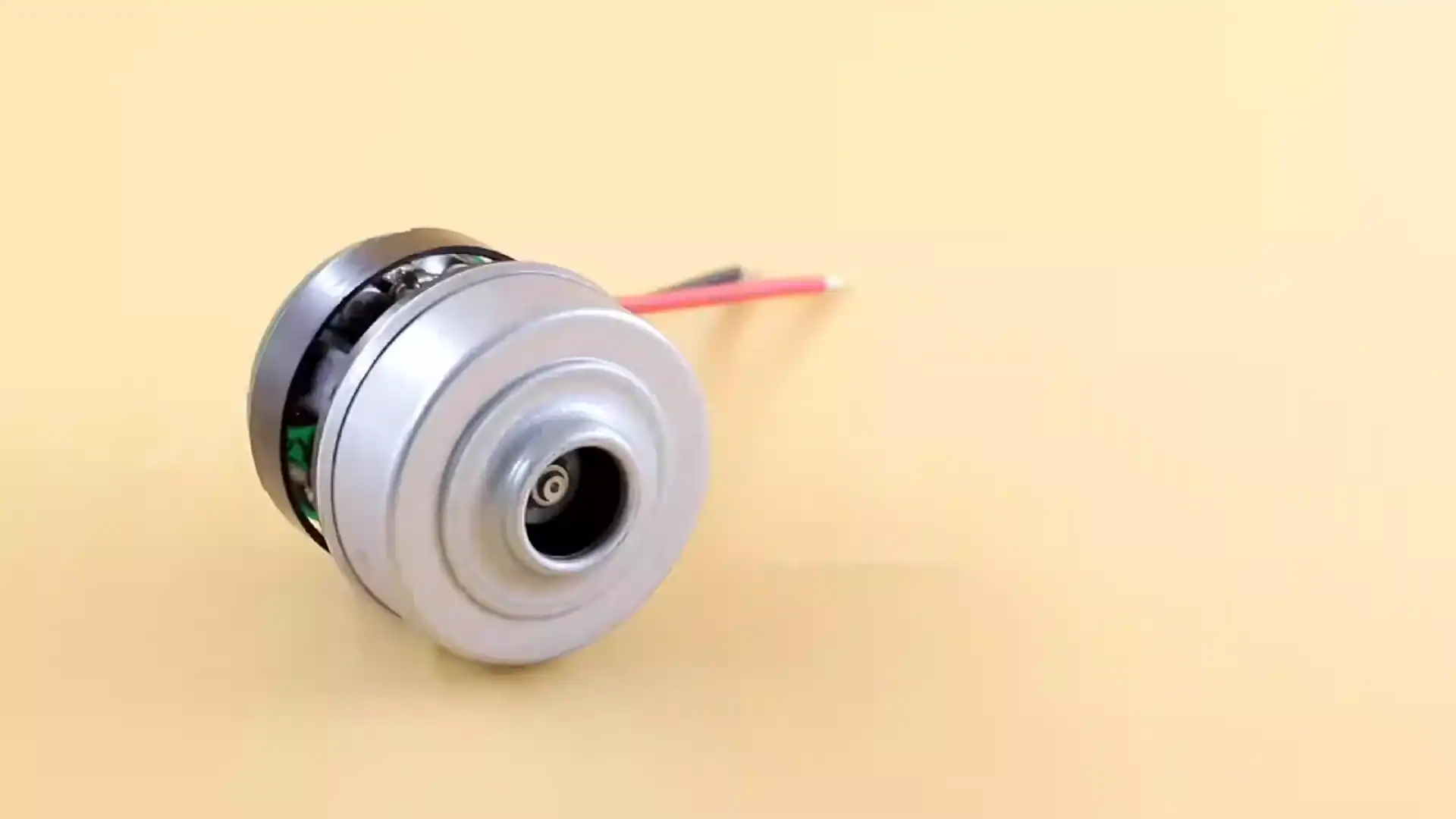
Sizing micro BLDC motors for 2026 ultra-lightweight designs involves matching stator dimensions, such as 3-5 mm diameters, to high-speed requirements up to 100,000 RPM. Engineers must align KV ratings and torque limits—typically under 217 mNm—with the 1.5 kg weight limit to ensure efficiency without adding unnecessary thermal mass or battery burden.
| メートル法 | Micro-Series (3-5 mm) | High-Performance Range |
|---|---|---|
| Max Rotational Speed | 96,000 min⁻¹ | 100,000 min⁻¹ |
| Continuous Torque | 0.13 mNm | 217 mNm |
| Power Output | 0.44 W | 282 W |
| Standard Voltage | 3 V – 6 V | 24 V – 48 V |
Micro BLDC Geometry and Sizing Conventions
Stator sizing follows a diameter-by-height convention. A 2306 motor, for example, indicates a 23 mm diameter and 6 mm height. Micro-series motors utilize diameters as small as 3 mm to 5 mm for precision high-speed applications in ultra-lightweight systems. These compact frames allow developers to integrate propulsion or motion control into extremely tight enclosures without exceeding the 1.5 kg total system weight.
Slotless 2-pole motor designs minimize mass while supporting rotational speeds up to 100,000 min⁻¹. Short motor lengths between 8 mm and 15 mm reduce total assembly weight for handheld 2026 prototypes. This geometry prioritizes a high power-to-weight ratio, ensuring that the physical footprint of the motor does not compromise the portability of the final device.

Performance Parameters for Ultra-Lightweight Systems
KV ratings between 800 and 1400 match the specific load inertia of propellers and small actuators used in lightweight robotics. Continuous power output reaches 282 W with torque capacities up to 217 mNm in high-performance variants. Selecting the correct KV rating ensures the motor operates within its peak efficiency band, preventing excessive heat generation during sustained flight or movement cycles.
Operating voltages between 24V and 48V balance the need for high RPM with compact battery pack constraints. Engineers validate these selections using vendor-specific torque-speed graphs, such as achieving 90 mNm at 12,000 min⁻¹ for stable operation. Proper alignment between the motor’s electrical constants and the battery’s discharge capabilities prevents voltage drops that could lead to system instability under peak loads.
Scale Your Brand with Premium OEM/ODM Vacuum Solutions

Battery Trade-off: Smaller Packs for Less Weight
Ultra-lightweight designs prioritize energy density by utilizing 21700 Li-ion cells and carbon fiber frames to keep power components under 150g. By accepting lower total runtimes, engineers achieve high performance-to-weight ratios, such as 1960 mAh/oz, which are critical for portable electronics and car accessories in 2026.
Energy Density and High-Performance Cell Selection
Selecting 21700 Li-ion cells enables a significant reduction in mass without sacrificing the energy required for modern devices. A single cell provides approximately 1805 mAh/oz, allowing a 5,000 mAh capacity to weigh just 74.5g. This cell geometry offers a superior balance of volume and energy compared to older 18650 standards, supporting the goal of keeping portable hardware under 1.5kg.
Internal energy management requires careful calculation of voltage conversion losses. A cell holding 5,000 mAh at a nominal 3.6V delivers between 3,050 mAh and 3,300 mAh at a 5V output. Design teams manage these losses by targeting a cell efficiency of 6498 mWh/oz. This strategy minimizes the physical footprint of the battery pack while maintaining reliable power delivery for car accessories and mobile tools.

Structural Weight Reduction and Casing Materials
Lightweight casing materials complement high-density cells to reduce total system weight. Carbon fiber frames decrease the mass of the outer shell by 40% compared to standard plastics or aluminum. Some minimalist shells weigh only 0.5 oz, allowing the device to remain lightweight during long-distance transport or intense field use.
Advanced hardware uses these materials to maintain a slim 0.42-inch profile. Modern units reach density ratios of 1960 mAh/oz, outperforming traditional power banks that rely on heavier metal housings. This engineering focus ensures that high-performance electronics remain accessible for users who prioritize minimal carry weight without losing essential durability features like IPX5 protection.
Balance Point: Handle Ergonomics
Ergonomic design for 2026 prioritizes a power grip geometry that centers the tool’s mass over the thenar eminence. By maintaining a neutral wrist position and using specific diameters between 30 mm and 45 mm, manufacturers minimize joint strain and improve control for extended use.
Anatomical Interface and Power Grip Geometry
Power grip design wraps the hand around the handle to align force along the palm plane, which reduces effort compared to pinch grips. Contoured surfaces include anterior convex lines for finger joints and posterior concave sections to support the thenar eminence. These geometric choices ensure the tool settles into the hand’s natural resting state.
Neutral wrist positioning prevents radial deviation and protects the user from long-term musculoskeletal strain during operation. Elliptical handle profiles accommodate varying finger lengths and thumb positions, allowing for effective ambidextrous functionality across various industrial or clinical tasks.

Technical Dimensions and Mass Alignment
An optimal handle diameter of 41 mm fits the 5th to 95th percentile of adult users, while the broader acceptable engineering range spans 30 mm to 50 mm. Standard grip lengths between 110 mm and 150 mm provide sufficient surface area for axial load resistance without adding unnecessary weight to the assembly.
Center of gravity integration aligns the tool’s mass with the grip axis to lower the perceived weight in devices weighing under 1.5 kg. Flute cuts and surface textures provide essential vibration dampening and secure handling so the operator can maintain control without applying excessive grip force.
最終的な所感
Designing for the featherweight class shifts focus from raw power to precision and accessibility. Moving toward 0.5kg increments and using carbon fiber composites lets seniors and people with limited mobility train safely. Engineers now choose 21700 Li-ion cells and micro BLDC motors to keep performance high while cutting system weight. These decisions ensure tools stay usable for those who find standard 2.5kg increments or heavy handheld devices unmanageable.
Success in 2026 depends on how these parts work together. Aligning a tool’s center of gravity with its handle geometry prevents wrist strain, while micro-motors give the needed torque without adding bulk. When manufacturers prioritize energy density and anatomical interfaces, they build products that feel natural. This balance between weight reduction and strength defines the current move toward inclusive, high-performance hardware.
よくある質問
Is the vacuum tube constructed from carbon fiber or aluminum?
Most ultra-lightweight designs in 2026 utilize 6000 or 7000 series aluminum alloys, such as 6061-T6 or 7005-T6, to balance structural integrity with low weight. Titanium serves as a premium alternative, while carbon fiber appears primarily in hybrid components rather than the main tube assembly.
What is the total handheld weight of the unit without the floor head attached?
The handheld base weight typically ranges from 3.5kg to 4.2kg. High-end titanium mono-tube configurations often start at a 4.2kg baseline, ensuring the device remains manageable for extended use without additional attachments.
Does the design include a soft-touch trigger for users with restricted hand mobility?
While the industry lacks a formal ‘Soft Touch’ certification for triggers, manufacturers focus on overall handle ergonomics and frame adjustments. These design choices aim to reduce physical strain for users with arthritis or limited grip strength by optimizing the balance point.