 메인 콘텐츠로 건너뛰기 푸터로 건너뛰기

스마트 홈 아키텍처에 Wi-Fi를 기본값으로 사용하면 즉각적인 엔지니어링 병목 현상이 발생하여 모듈당 1W를 소비하며, 10대마다 5Mbps의 ‘Wi-Fi 세금'을 부과합니다. 최적화되지 않은 IoT 배포에서 64% 고장률이 나타나는 실제 데이터와 달리, 단순 센서 작업에 대역폭이 높은 프로토콜을 의존하는 것이 네트워크 불안정과 과도한 전력 소비의 주요 원인이 됩니다.
이 글은 Zigbee, Bluetooth LE 5.2와 같은 저전력 대안으로의 기술적 전환을 분석하고 지그비 그리고 블루투스 LE 5.2, Thread 위에서 Matter 표준이 어떻게 이러한 에코시스템을 통합하여 로컬 실행을 보장하는지 살펴봅니다. 또한 AWS IoT Core와 Google IoT의 인프라 경제성을 평가하여 엔지니어가 UX 응답성과 하드웨어 전력 예산 및 운영 비용 사이에서 균형을 잡는 데 도움을 드립니다. AWS IoT Core vs Google IoT , esaminations how the.
Matter standard
스마트 홈 Wi-Fi가 필요하지 않습니다. Zigbee와 Thread와 같은 프로토콜은 90%만큼 더 적은 전력을 소모하며, 라우터 혼잡을 방지하고 인터넷 접속이 중단되어도 로컬 제어가 가능합니다.
대체 프로토콜: Zigbee, Z-Wave, Thread
스마트 홈 엔지니어링에서는 종종 중앙 Wi-Fi 허브보다 메시 네트워킹을 우선시합니다. 이러한 프로토콜은 장치들이 서로 신호를 중계하도록 하여, 라우터의 대역폭이나 처리 능력에 부담을 주지 않고 범위를 확장합니다.
- 전력 소비량: BLE와 Zigbee는 약 0.1W에서 작동하며, 이는 Wi-Fi 모듈에 필요한 1W 대비 90% 절감 효과를 나타냅니다.
- Matter 통합: 최근 기기들은 각 센서마다 전용 Wi-Fi SSID를 요구하지 않기 위해 Thread와 BLE를 이용해 설정을 처리합니다.
- 1. 간섭 완화: 2. 서브-GHz 대역이나 특정 2.4 GHz 채널을 사용함으로써 이러한 프로토콜은 표준 IEEE 802.11 환경에서 발생하는 혼잡을 피합니다.

3. 대역폭 관리 및 엔지니어링 확장성
4. Wi-Fi 기기 10대마다 네트워크에서 추가로 5 Mbps를 소모합니다. 고밀도 배포 환경은 스마트폰과 노트북 속도를 저하시키는 “Wi-Fi 세금” 효과를 만듭니다. 스마트 엔지니어링은 Wi-Fi를 대역폭이 많이 필요한 작업에 할당하고, 센서는 메시 프로토콜로 오프로드합니다.
- 5. 처리량 할당: 6. Wi-Fi 7은 4K 비디오에 46 Gbps를 처리하는 반면, 20 MHz 협대역 채널은 전구 켜기/끄기 같은 단순 트리거를 관리합니다. 공기 펌프 토글.
- 8. 로컬 실행: 9. 비Wi-Fi 프로토콜은 로컬 허브 제어를 가능하게 합니다. ISP에 문제가 생겨도 앱 연결성은 유지됩니다.
- 10. 네트워크 확장: 11. 허브 기반 메시 프로토콜은 수백 개의 저데이터 스마트 기기를 추가할 때 발생할 수 있는 라우터 부하 문제를 방지합니다.
12. 특정 사용 사례에 맞는 적절한 프로토콜 선택은 안정적인 네트워크 보장을 확실히 합니다. Wi-Fi는 대용량 파일 전송 및 비디오 스트리밍에 탁월하지만, Zigbee, Z-Wave, Thread는 진정한 확장 가능한 스마트 홈을 위한 저지연·저전력 기반을 제공합니다.
앱 연결 기능
13. Bluetooth LE, Wi-Fi, NB-IoT는 자동차 액세서리를 스마트폰과 연결하여 냉장고 및 EV 충전기 14. 에 대한 실시간 제어를 가능하게 하되, 전력 소모와 데이터 처리량 간 균형을 맞춥니다.
15. 표준 프로토콜: Bluetooth LE, Wi-Fi, IoT 메시
연결 방식은 전원 규격과 차량 액세서리 및 스마트폰 간 전송 데이터 양에 따라 선택됩니다. 엔지니어는 배터리 의존 센서의 경우 저전력 소비를 우선시하는 반면, 충전기 같은 고전압 시스템에는 광대역을 활용합니다.
- 블루투스 LE (5.2): 2.4GHz ISM 대역에서 동작하며, 처리량은 2Mbps, 소비 전력은 마이크로암페어 수준입니다.
- Wi-Fi 통합: 처리량은 10~20Mbps이나 평균 120mA의 전력을 소모하며, 최대 800mA까지 피크 전류가 발생합니다.
- Zigbee와 Thread: 무선 센서-게이트웨이 링크를 위한 메시 네트워킹을 통해 30~100m 범위에서 250kbps 처리량 지원.
- 셀룰러 IoT: NB-IoT와 LTE-M은 글로벌 대역을 지원하며, 원격 산업용 애플리케이션을 위해 최대 2A의 출력 전력을 처리할 수 있습니다.
자동차 액세서리에서의 기능 통합
하드웨어 제조사는 이러한 프로토콜을 통합하여 최종 사용자에게 전기 매개변수와 기계적 출력에 대한 세밀한 제어를 제공합니다. 스마트폰 앱은 이러한 장치의 주요 인간-기계 인터페이스(HMI) 역할을 합니다.
- 스마트 냉장고 제어: 모듈은 -20°C까지의 온도 모니터링과 조정 가능한 배터리 보호 임계값을 지원합니다.
- EV 충전 관리: OCCP 1.6/2.0 프로토콜은 최대 22kW까지의 현재 조정 및 예약 충전을 가능하게 합니다.
- 스마트 에어펌프: 앱을 통해 최대 150 PSI의 목표 압력을 설정하고 실시간으로 공기 주입 사이클을 모니터링할 수 있습니다.
- 저전력 아키텍처: Bluetooth 4.2/Smart BLE는 차량의 배터리 성능에 미치는 영향이 최소화되면서도 안정적인 디바이스 연결을 유지합니다. 배터리 수명을.
Matter 표준은 이제 Thread와 BLE를 통해 이러한 생태계를 통합하여 단일 프로토콜 간 상호 운용성을 제공합니다. 이를 통해 단순한 센서 작업을 위한 전용 Wi-Fi 대역폭에 대한 의존도가 줄어들고, 트래픽이 저전력 메시 네트워크로 전환됩니다.
weighing 인프라 비용과 사용자 경험 비교
IoT 비용 균형을 맞추려면 프로토콜 대역폭을 UX 요구사항에 맞게 조정해야 합니다: LoRaWAN($4~$6/년)은 기본 모니터링에 적합하며, 데이터 소모량이 많은 셀룰러($12+)는 실시간 응답성을 지원합니다. 자동차 액세서리 기능.
| 비용 구성 요소 | 입문용 / 기본형 | 고급형 / 기업용 |
|---|---|---|
| 앱 개발 | $45,000 ~ $100,000 | $300,000 ~ $500,000+ |
| 클라우드(40만 메시지) | $183.60 (AWS IoT) | $1,382.40 (Google IoT) |
| 연결성 (장치당) | $4 ~ $6/년 (LoRaWAN) | $12+/년 (셀룰러) |
| 하드웨어 단가 | $10 ~ $50 (센서) | $200 – $5,000 (게이트웨이) |
핵심 비용 요인과 소프트웨어-하드웨어의 균형
소프트웨어 개발은 전체 예산의 40-50%%를 차지합니다. 통합 복잡성으로 인해 40-60%%의 예산 초과가 발생하므로, 초기 단계에서 모듈형 논리를 구축하는 것이 지출을 억제하는 데 필수적입니다. 하드웨어 구성 요소는 일반적으로 초기 프로젝트 비용의 30-40%%를 차지합니다.
- 단순 애플리케이션: 기본 데이터 로깅 및 제한된 장치 지원을 위해 $45,000–$100,000.
- 중간 등급 솔루션: 최대 50개 장치에 대한 실시간 데이터 및 클라우드 스토리지를 위해 $100,000–$300,000.
- 기업 플랫폼: AI/ML 통합 및 다중 장치 동기화를 위해 $300,000–$500,000+.
- 엣지 컴퓨팅: 지연 시간을 줄이는 고성능 게이트웨이당 $200–$5,000.
연결성 프로토콜 및 클라우드 인프라 경제
클라우드 제공업체의 가격 모델은 운영 마진을 크게 변경시킵니다. AWS IoT Core는 기본 메시징에 대해 기기당 연간 $0.042를 부과하는 반면, Google IoT Core는 동일한 용량에 대해 $1,382.40을 청구합니다. 잘못된 프로토콜이나 제공업체를 선택하면 확장 시작 전에 데이터 처리 예산이 수천 달러까지 불어날 수 있습니다.
- AWS IoT Core: 400,000건의 메시지에 대해 $183.60.
- Azure IoT Hub: $10–$25 per unit monthly ($250 for 400,000 messages).
- Low-Bandwidth Connectivity: LoRaWAN ($4–$6/year) or NB-IoT ($6–$12/year).
- High-Bandwidth UX: Cellular ($12+) supports data-intensive, responsive features.
- Premium Features: AI/ML integration ($50k–$200k) and security compliance ($15k–$50k).
고성능 OEM/ODM 진공 청소기 솔루션으로 브랜드 규모 확대

성능 데이터: 연결성 신뢰성 지표
Connectivity reliability is measured by SNR and latency benchmarks, with data showing a 64% failure rate for IoT devices under non-optimized real-world conditions.
| 기술 지표 | Benchmark / Value | Hardware Context |
|---|---|---|
| Target Latency | < 3 Seconds | SIM7000G Cellular Modules |
| Real-World Failure Rate | 64% | Non-optimized IoT deployments |
| Data Throughput | 0.3 to 50 kB/s | LoRaWAN LPWAN Networks |
| Operational Power | ~0.1W | BLE, Zigbee, Thread Protocols |
| Gateway Capacity | 10,000 Devices | LoRaWAN Star-of-Stars Topology |
Fundamental Metrics: RSSI, SNR, and Latency Benchmarks
Connectivity reliability is a physics-based calculation, not a marketing estimate. Engineers use specific indicators to diagnose why hardware loses communication with mobile apps. If the signal-to-noise ratio drops, packet loss increases and error rates climb rapidly.
- Signal-to-Noise Ratio (SNR): The primary metric for determining wireless signal quality and minimizing transmission errors.
- Relative RSSI: Used to correlate signal strength drops directly with increased latency spikes during hardware testing.
- Latency Threshold: A benchmark of under 3 seconds (including a 15% safety margin) is required for reliable cellular module performance.
- Network Response Time: Acts as a KPI for evaluating how efficiently a device communicates with its gateway.
Network Scalability and Real-World Failure Analysis
Scalability depends on protocol selection. While Wi-Fi handles high-bandwidth tasks like video streaming, it consumes roughly 1W of power. Low-power alternatives like Zigbee or BLE consume 0.1W, allowing for massive device counts without taxing local network bandwidth.
- Protocol Throughput: LoRaWAN networks balance power and range with data rates between 0.3 and 50 kB/s.
- Bandwidth Scaling: Standard installations require approximately 5 Mbps of bandwidth for every 10 smart devices added to the network.
- Failure Modeling: Reliability Block Diagrams (RBDs) model failure rates across device and cloud layers using exponential distributions.
- Matter Interoperability: This standard uses Thread and BLE for commissioning, reducing total reliance on Wi-Fi for device-to-device communication.
Real-world data shows 64% of IoT devices fail due to intermittent connections, unpatched vulnerabilities, or environmental interference. Reliability requires moving beyond lab simulations to test hardware under scaled traffic and real-world RF environments.

IoT 제품 매니저를 위한 전략적 권고사항
Align application protocols with hardware limits by using lightweight MQTT for low-power BLE/Zigbee and GSMA standards for cellular IoT to manage latency and power constraints.
Aligning Communication Protocols with Hardware Power and Bandwidth
Application-layer protocols determine device longevity. Using HTTP on constrained links creates unnecessary overhead that drains batteries and bottlenecks throughput. Product managers should prioritize lightweight alternatives like MQTT or CoAP for devices running on short-range radios.
- Bluetooth Low Energy (BLE 5): 1–2 Mbps throughput with microampere average current draw.
- Zigbee (IEEE 802.15.4): 250 kbps data rate optimized for tens of microamperes.
- Wi-Fi (802.11): 10–20 Mbps throughput but requires up to 800 mA peak current, limiting it to line-powered hardware.
Reserve Wi-Fi for high-bandwidth tasks like firmware updates or media streaming. For sensors relying on microampere budgets, keep the radio in deep-sleep modes and use asynchronous interaction models to handle intermittent connectivity common in mesh environments.
Integrating Global Standards for Cellular and Mesh Scalability
Enterprise-scale deployments require protocols that handle thousands of nodes or wide-area coverage without crashing the user interface. GSMA IoT Device Application Requirements (DAR) provide the blueprint for making mobile apps resilient to the fluctuating speeds of cellular IoT.
- LTE-M (Cat-M1): 375 kbps typical uplink for mobile wide-area use.
- NB-IoT: 20–250 kbps uplink designed for high latency and deep indoor penetration.
- LoRaWAN: 250 bit/s to 11 kbit/s for ultra-low power over several kilometers.
- BLE Mesh/Zigbee: Supports device counts in the tens of thousands for campus-wide networking.
Product managers must design the app UI to manage sparse update cycles. When using LoRaWAN or NB-IoT, the interface should reflect data latency rather than expecting real-time polling, which exhausts device power and network capacity.
결론: 연결성의 최적점 찾기
Match hardware to three tiers: LPWA for sensors, LTE Cat-1 bis for mid-speed versatility, and 5G RedCap for high-bandwidth industrial use to optimize cost and performance.
A Banded Strategy for Technology Selection
IoT deployment requires segmenting devices by throughput and power requirements. Choosing the wrong tier leads to premature battery failure or unnecessary hardware overhead. A banded strategy ensures the radio matches the data lifecycle.
- LPWA Tier (NB-IoT/LTE-M): Optimized for massive sensor fleets. LTE-M provides a 7x coverage gain over legacy LTE, making it the standard for basement or remote deployments.
- Mid-Speed Tier (LTE Cat-1 bis): The current default for interactive devices. It supports 500 kbit/s uploads and 8 ms transaction times using a single-antenna design to keep BOM costs low.
- High-Performance Tier (5G RedCap): Designed for analytics-heavy workloads. It reduces silicon complexity by 65% compared to full 5G while maintaining 150 Mbit/s downlink speeds.
Comparative Benchmarks for Cost and Power Efficiency
Economic and technical envelopes drive the final hardware selection. Understanding the trade-offs between latency, module cost, and power draw is vital for maintaining industrial ROI over a 10-year device lifespan.
- Module Economics: LTE-M modules average US$20. For high-density fleets, connectivity tariffs can drop to US$0.01 per sensor monthly.
- Latency Performance: LTE Cat-1 bis outperforms NB-IoT significantly, processing small packets in 8 ms versus 400 ms.
- 전력 효율성: 5G RedCap achieves up to 50% lower power consumption than standard LTE Cat-4 under similar workloads.
- Bandwidth Specs: NB-IoT operates on 200 kHz channels, while 5G RedCap utilizes 20 MHz channels to provide a 20x speed increase over LTE-M.
Engineering teams should treat LTE Cat-1 bis as the pragmatic middle ground for most interactive applications. Reserve LPWA for low-rate battery-powered sensors and transition to 5G RedCap only when network slicing or gigabit-class throughput becomes a functional requirement.
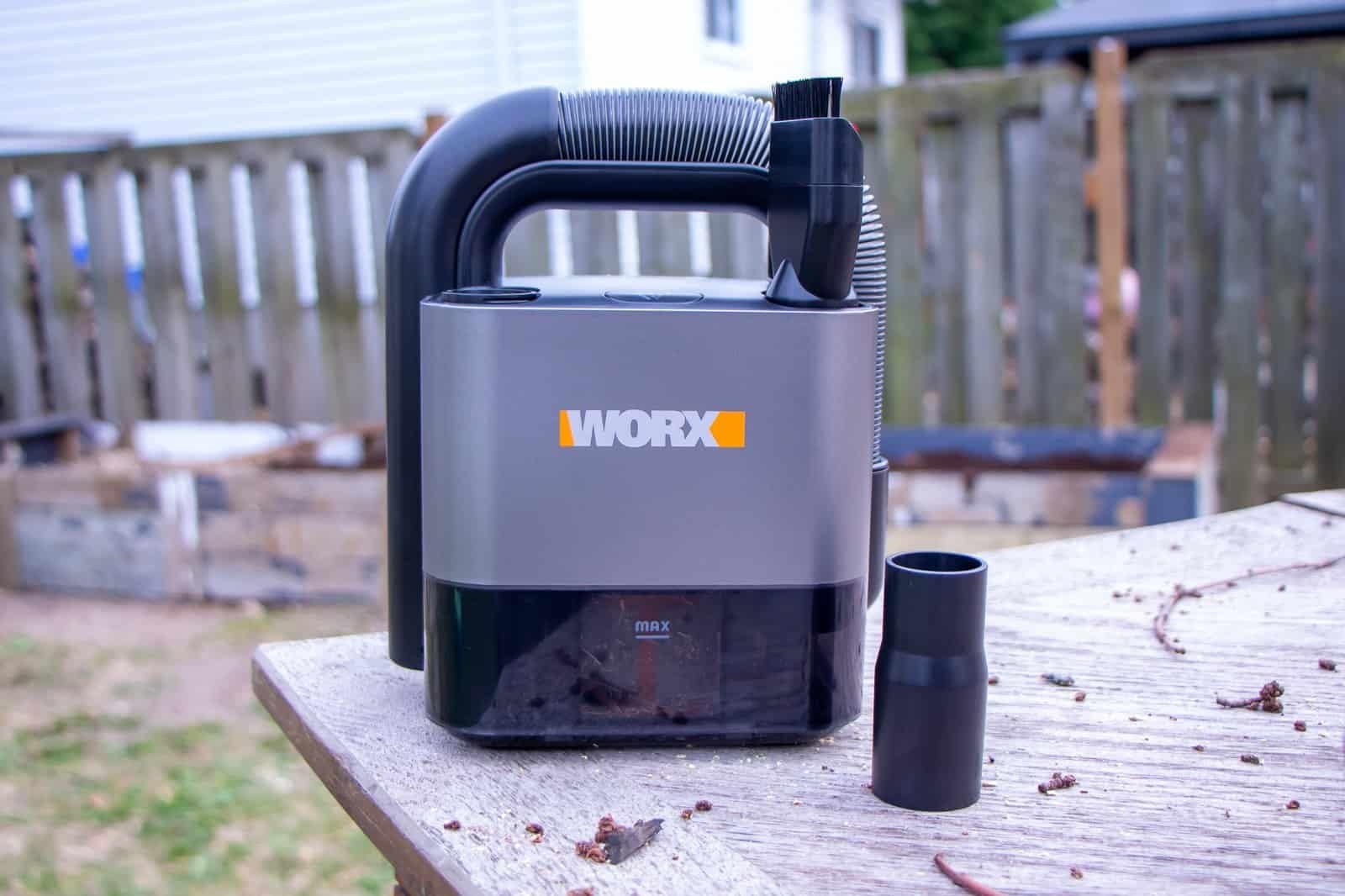
마지막 생각
Stop taxing your Wi-Fi with low-data sensors. Protocols like Thread and Zigbee cut power consumption by 90% and ensure local control remains functional even when your internet provider fails.
Transition to a Matter-certified hub immediately. This offloads sensor traffic to mesh networks, reserving Wi-Fi bandwidth for high-throughput tasks like 4K video streaming or large firmware updates.
자주 묻는 질문
Does the portable vacuum include a Wi-Fi or Bluetooth module for connectivity?
Smart vacuums use Bluetooth modules like the HC-05 (2.45GHz) or combo Wi-Fi/Bluetooth chips like the Murata LBEE5WV2GF. These modules manage app-based suction control, movement, and real-time monitoring.
What user data is collected via the companion mobile application?
The application tracks cleaning history, navigation paths, operational status, and maintenance logs. IoT modules transmit this data to provide a clear view of device performance and usage patterns.
Can the App send push notifications for filter replacement or maintenance?
Yes. The system triggers alerts for maintenance tasks once usage thresholds are reached. Microcontrollers process these commands and send them directly to the app as push notifications.
What is the effective range and speed of the Bluetooth connection?
Standard modules like the HC-05 reach 10 meters with a 1Mbps transfer rate. High-performance modules, such as the GOC-BA440, utilize Bluetooth 5.0 to achieve UART speeds of 4Mbps for faster data synchronization.

 English
  Español
  Français
  Deutsch
  Português do Brasil
  Русский
  한국어
한국어  日本語
日本語  العربية