 메인 콘텐츠로 건너뛰기 푸터로 건너뛰기

A China factory audit is the single most reliable tool for predicting whether a bulk order of car accessories will arrive on spec — or become a warranty claim waiting to happen. For a procurement director evaluating a supplier in the Cixi or Ningbo cluster, the audit report often decides the difference between a 12-month selling season and a container of returns sitting in a customs warehouse.
Here’s the part most buyers miss: the real value isn’t in the scorecard. A third‑party audit costs $850 to $1,200 per manday — call it $2,000 for a two‑day visit. That same $2,000 can save you 15% of revenue if it uncovers a capability gap before production starts. What actually drives long‑term improvement is the corrective action plan (CAPA) that follows. Importers who enforce a 14‑day CAPA closure see measurable drops in future claims. Yet most never read that section of the report.
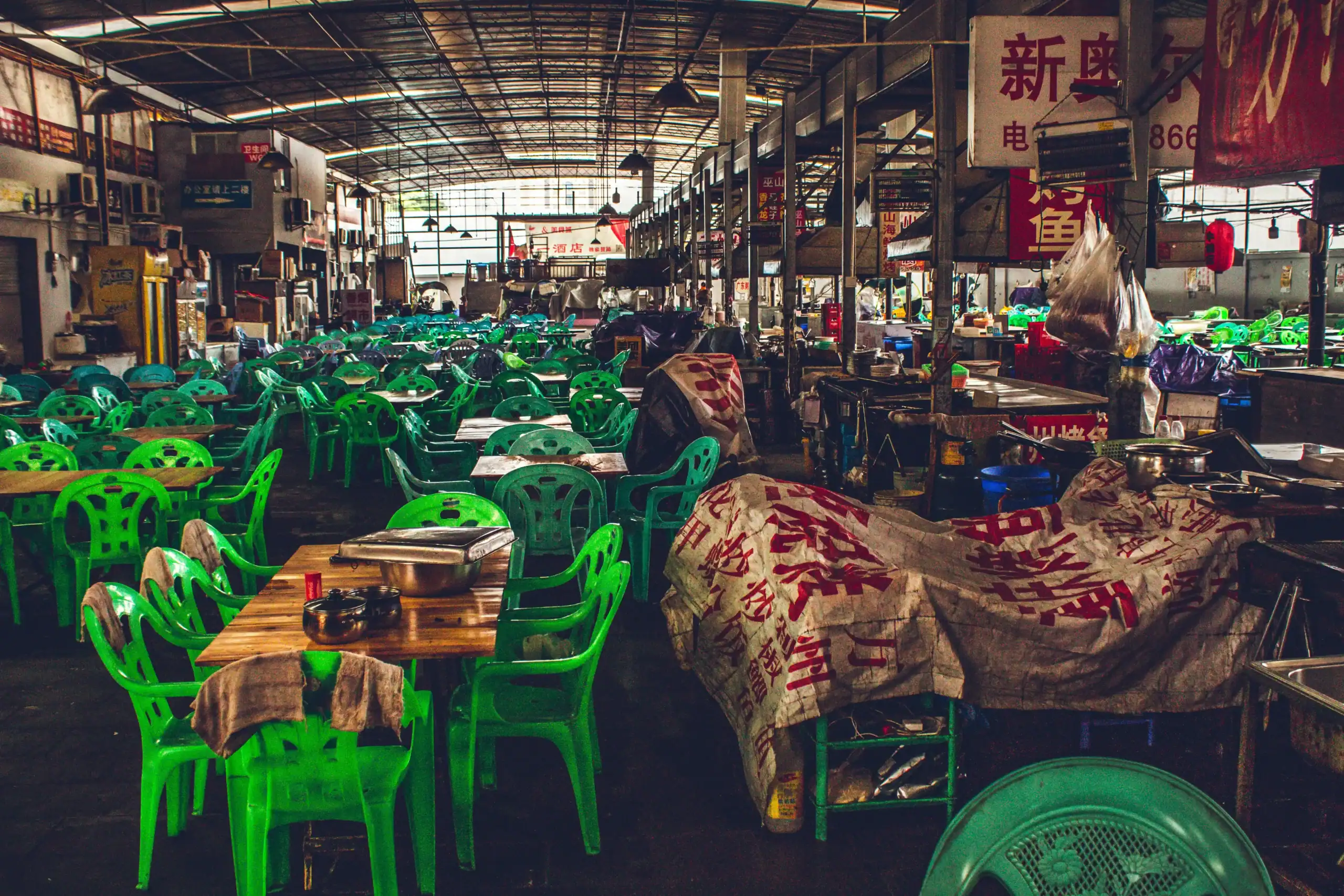
Audit Scope Types
Blending QMS, social, and process audits in one visit cuts travel cost by 40%, but each must score separately to keep findings.
A single audit type tells you one side of the story. For a car accessory factory—whether it’s assembling tire inflators or cooling compressors—you need four dimensions: 품질 관리 시스템(QMS), Process Capability (cpk), Social Compliance, and Security (CTPAT). Each catches a different failure mode that can sink a container.
-
- QMS (ISO 9001 alignment): Verify the factory has a documented ISO 9001:2015 system—not just a certificate. Check if their internal audit records align with real shift logs. For car accessories, a weak QMS means inconsistent calibration of digital gauges and missed solder joint inspections. Cross-check the last 7 days of production records against the day’s output; coached factories often backfill records.
- Process Capability (cpk): Measure cpk for your specific SKU—e.g., the sealing pressure of a 12V tire inflator valve. Target cpk > 1.33. Industry data shows Process Capability audits that achieve this threshold reduce returns by 22% for automotive accessories. Ask for thermal cycling test logs on solder joints, not just a QC pass certificate—cold joints pass visual but fail after 50 cycles.
- Social Compliance: Look beyond SA8000 paperwork. Walk the dormitories and check fire extinguisher dates, exit signage, and worker ID cards against payroll. Hidden dormitories are common—overcrowded sleeping areas with blocked exits. A blended QMS + Social audit reduces product launch delays by 30% because you avoid last-minute production stops from labor disputes or safety shutdowns.
- Security (CTPAT): For CTPAT audits, verify container seal procedures, access control, and shipping yard fencing. Many Chinese factories use shared warehouses—ask whose seals are applied and who holds the key. A single lost container seal can trigger a customs hold costing $2,000+ in demurrage.
Combining two or three types in one visit reduces travel costs by roughly 40%—an important factor when third-party audit rates in China run $850 to $1,200 per manday. But do not combine the scores. A factory with a perfect QMS score might still have a cpk of 0.8 on your specific product. Score each dimension independently in your China factory audit report sample, then weigh them by your product’s risk profile. For electronics-heavy items like EV 충전기, security and process capability should carry double the weight of general QMS.
The real value lies in the Corrective Action Plan (CAPA) issued per audit type. Enforce a 14-day CAPA closure deadline—importers who do this see a measurable drop in future claims. Most procurement teams never read the CAPA section. That is where suppliers admit the root cause, like ‘we used subgrade potting compound on the circuit board.’ If you ignore that, you are buying the same defect in the next batch.
| Audit Type | Core Standard | What’s Verified | Why Car Accessory Buyers Care |
|---|---|---|---|
| QMS Audit | ISO 9001:2015 | Documented processes, management review, CAPA closure speed | Ensures repeatable quality; weak QMS leads to 15% higher defect rates. |
| Process Capability | Cpk > 1.33 | Machine calibration, in-line QC, thermal cycling logs for electronics | Reduces returns by 22% for items like tire inflators and fridges. |
| 사회적 준수 | SA8000 / BSCI | Working hours, child labor, dormitory conditions, safety equipment | Avoids brand reputational risk and order delays from forced labor bans. |
| Security (CTPAT) | CTPAT Guidelines | Container seals, visitor logs, raw material access control | Prevents counterfeit components and cargo theft; required for US importers. |
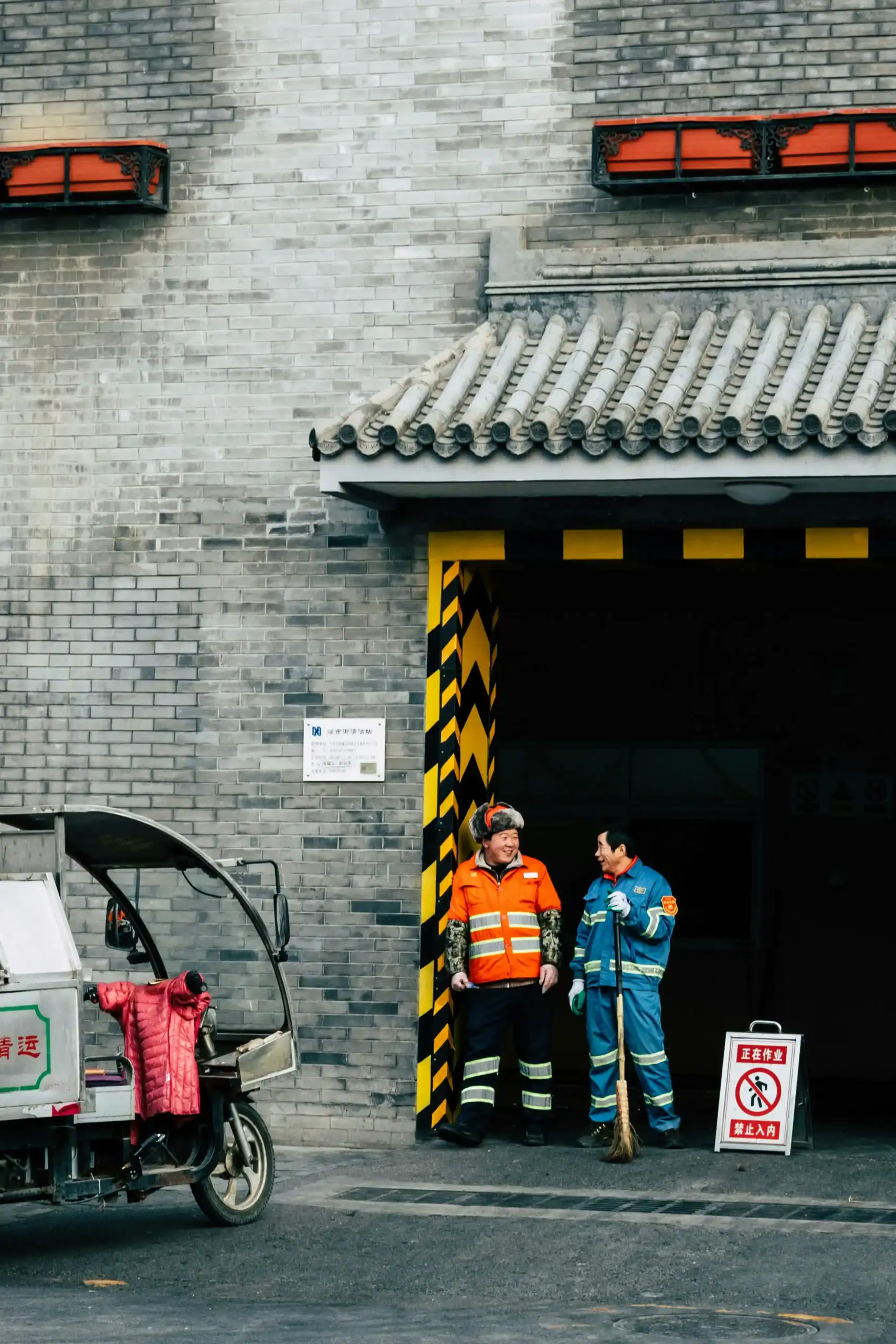
The 6-Point Checklist
An audit pass score means nothing without verifying these six operational checkpoints.
Standard audit reports focus on paperwork and certifications. A factory can fake an Alibaba profile, rent calibrated instruments, and temporarily staff extra QC workers—what we call ‘audit coaching.’ To see past the facade, you need to verify six specific operational checkpoints that expose the real production environment.
-
- 1. Legal License vs. Alibaba Profile: Cross-check the business license business scope (统一社会信用代码) against the products shown on Alibaba. 30% of suppliers list items they don’t legally manufacture. Request a photocopy with the factory’s actual address and verify via China’s National Enterprise Credit Information Publicity System.
- 2. Machinery Maintenance Logs & Calibration Dates: Ask for the last three calibration certificates for equipment critical to your product—torque wrenches, pressure gauges, and temperature sensors for EV charger assembly. If the calibration date is older than 12 months, the factory is likely skipping process control. Randomly pick one machine and ask the operator to show you the serial number, then check it against the log.
- 3. In-Line QC Stations (Worker Count & Timing): Count QC personnel on the actual line—not the ‘showroom line’ set up for auditors. A 타이어 인플레이터 line should have one QC station after solder joint inspection and another after final pressure calibration. If there’s only one QC for a 20-person line, expect 5–8% field failures. Cross-check the count against the previous 7 days’ production records to spot temporary staffing.
- 4. Storage Conditions (Condensation Risk for Electronics): Walk the warehouse. Look for moisture damage on raw materials—especially PCBs, motors, and compressor units. For 자동차 냉장고 and EV chargers, condensation in storage causes hidden corrosion that surfaces after 3 months. The storage area should be climate-controlled below 60% relative humidity. If you see cardboard boxes on concrete floors without pallets, flag it.
- 5. Training Records (Can Workers Explain CP?): Pull one operator from each shift and ask them to explain the control plan (CP) for their station—what dimension they check, the acceptable tolerance, and what to do if out of spec. If they can’t answer, the CP is for the auditor’s binder only, not the production floor. Genuine training records will show dated, signed attendance with tests—not just a workshop photo.
- 6. Management Review (CAPA Closure Speed): Request the last 10 corrective action reports (CAPA). The real test is closure time: factories with effective management close CAPAs within 14 days. Importers who enforce that timeline see a measurable drop in warranty claims. If the CAPA file shows ‘closed’ in 48 hours or sits open for months, the factory is either ignoring problems or filing fake reports.
Pass criteria is not about ticking boxes—it’s about consistency. A supplier that flunks even two of these six points will likely ship a 20-foot container with 12% defect rate. The supplier tricks are predictable: rented instruments, staged QC stations, and archived training records from a different factory. The only way to beat them is to verify with your own eyes and the last 7 days of real production data.
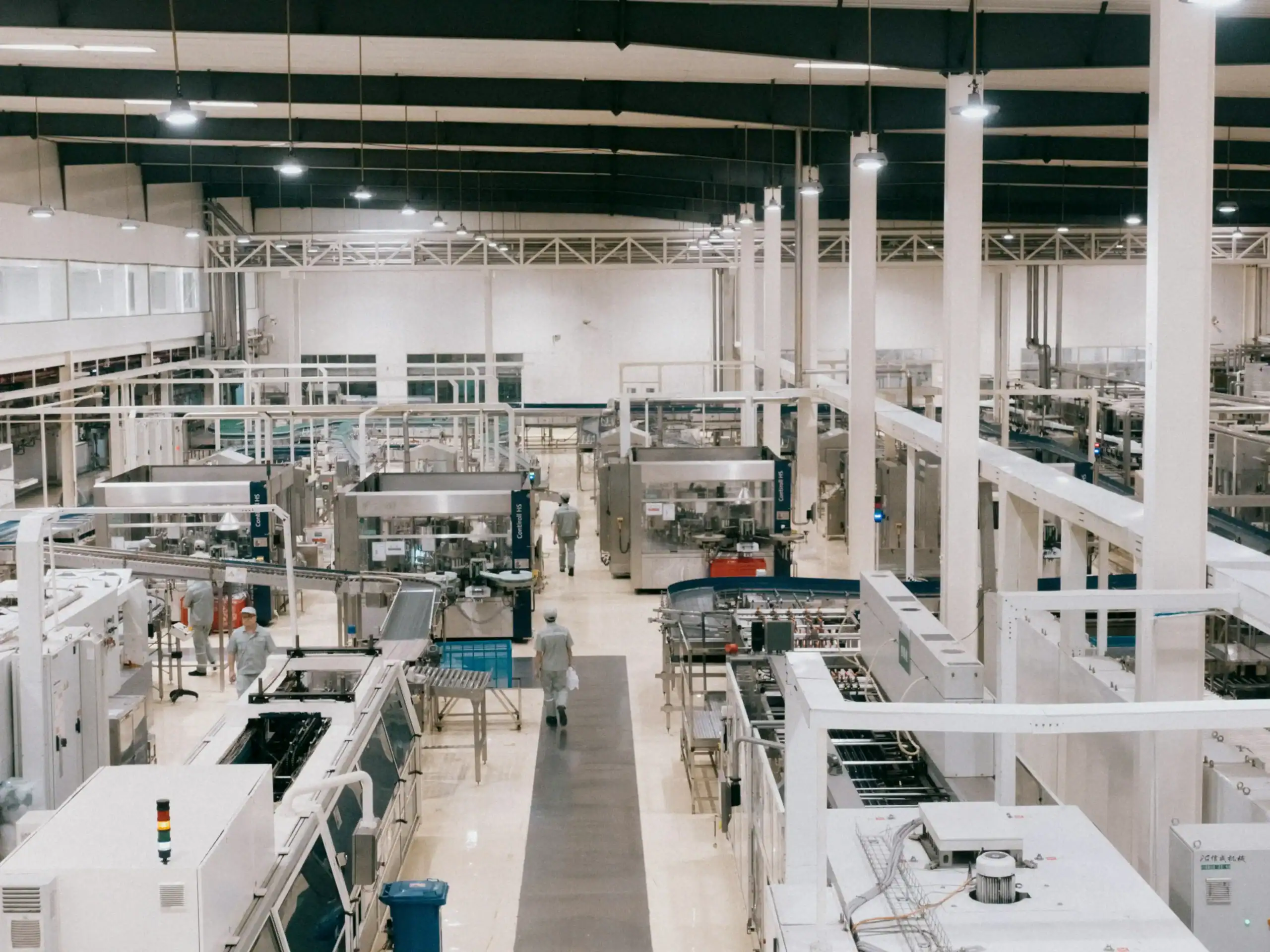
Detecting Showroom Factories
A showroom line costs $500 to stage but can cost you a container of rejects.
Many factories run a separate ‘showroom line’ for auditors — a clean, quiet production area staffed with temporary workers and calibrated instruments. The real production happens on the second shift, using the standard machinery and operators. Your audit score misses the actual process capability if you only walk the showroom floor.
-
- Cross-check machine serial numbers with maintenance logs: Walk the entire shop floor and record serial numbers of every machine in the production line. Then ask for the past 90 days of maintenance logs. If a serial number appears in the logs but the machine is missing from the floor — or vice versa — you’ve caught a substitution.
- Ask an operator to demonstrate a setup change: Pick any machine operator at random and ask them to walk through a changeover from one SKU to another. Hired hands for the showroom line cannot perform a real setup. They will hesitate, look for a supervisor, or give a memorized script. A genuine operator knows the sequence of dies, temperature adjustments, and cycle tests without prompting.
- Arrive 30 minutes early unannounced: Arriving before the scheduled start time catches the factory unprepared — the showroom line will be half-cleaned, temporary QC staff will not yet be in place, and you can see what the shop floor looks like at rest. Check the dust on the machine surfaces and the wear on the dies. That tells you which machines actually run.
Real case: A tire inflator supplier in 닝보 rented a clean room for a day specifically for our audit. The room was spotless, all gauges were calibrated, and QC stations were fully staffed. We asked to see the last 7 days of production records — the output numbers didn’t match the factory’s stated capacity. We then requested thermal cycling test logs for the circuit boards; the ‘QC manager’ couldn’t find them. Later we discovered the real assembly line was in a different building, with no temperature control and uncalibrated torque drivers. That single audit saved us from taking delivery of a container with a projected 35% field failure rate.

Audit vs Inspection
Audit scores the factory’s potential; inspection catches what actually left the line.
A factory audit evaluates process capability: does the supplier have the equipment, training, and QMS to consistently build a 12V tire inflator to spec? A pre-shipment inspection (AQL 2.5 or 4.0) validates that this specific batch of 5,000 units meets your agreed defect threshold. They serve different functions and one does not replace the other.
-
-
- 빈도: Audit once per supplier qualification or annually; inspection every shipment (especially for new tooling or after a CAPA).
- Cost: Audit $850–$1,200 per manday + $150/day translator. Inspection $350–$600 per man-day for a 1–2 day on-site visit.
- What it catches: Audit flags systemic risks — uncalibrated torque wrenches, missing solder inspection logs, fake shift records. Inspection catches cosmetic defects, dimension drift, and damaged packaging in that batch.
-
Here’s where importers bleed money: they pass a factory on audit, skip the pre-shipment inspection to cut costs, and get a container of car fridges with condensation behind the control panel. That audit score is worthless when the factory rushed your order on a third shift using untrained temps. No audit predicts the quality of a specific run.
-
- Audit coaching trick: Some lenders temporarily staff extra QC and rent calibrated instruments for audit day. Cross-check last 7 days’ production records against actual output to spot the gap.
- Real leverage: 그리고 corrective action plan (CAPA) is where the audit pays off. Enforce a 14-day closure window and you’ll see measurable drops in future claims — yet most buyers never read the CAPA section.
- For tire inflators specifically: Ask for thermal cycling test logs on each batch, not just a certificate. Cold solder joints pass visual AQL but fail after 50 cycles. That’s a $25,000 return you could have caught during pre-shipment inspection.
Contract negotiation tip: include a clause that any audit failure score below 70% (or a failed CAPA re-audit) triggers mandatory 배송 전 검사 at the supplier’s cost for the first three orders. That turns audit findings into enforceable action, not just a report you file.

Cost & Timeline Breakdown
Audit cost recovery: $1,500 upfront saves $25,000 in chargebacks.
A third-party audit in China runs $950–$2,200 per man-day, depending on scope. A standard 2-day on-site engagement plus a translator at $150/day gives a total between $2,200 and $4,700. The report takes another three working days.
-
- Audit fee: $950–$2,200 per day for qualified third-party auditors.
- Translator: $150 per day if your auditor doesn’t speak Mandarin.
- Timeline: 현장 2일, 서면 보고서 작성 3일.
계산상으로는 당신에게 유리합니다. 20피트 컨테이너의 자동차 액세서리에 대한 $1,500 감사는 $25,000 차지백으로 이어질 문제를 발견할 수 있습니다. 대부분의 유통업체는 재작업, 반품 또는 항구 지연을 피함으로써 첫 번째 선적 내에 감사 비용을 회수합니다.
| 항목 | 비용 | 기간 | 주요 인사이트 |
|---|---|---|---|
| 제3자 감사 (인일당) | $850 – $1,200 | 현장 1일 | QMS, 프로세스 또는 사회적 범위를 포함합니다. |
| 번역가 (1일당) | $150 | 감사 1일당 | 중국어만 사용하는 공장에 필요합니다. |
| 결합 2일 감사 | $2,000 (평균) | 현장 2일 + 보고서 3일 | QMS와 Social을 결합하여 출시 지연을 30%만큼 줄입니다. |
| 보고서 작성 및 CAPA 종결 | 감사 비용에 포함 | 보고서 3일, CAPA 14일 | CAPA를 시행하면 향후 클레임이 눈에 띄게 줄어듭니다. |
| 단일 감사로 얻을 수 있는 잠재적 절감액 | 선불 ~$1,500 | 첫 선적 내에 회수됨 | 20피트 컨테이너에 대한 $25,000 차지백을 방지합니다. |
Building a Repeatable Supplier Vetting System
체계적인 검증 체인은 반품률을 30% 줄입니다. 대부분의 수입업체는 3단계를 건너뜁니다.
감사를 한 번 통과하면 공장의 하루 모습만 보여줍니다. 12개월 동안의 배치 일관성을 예측하기에는 충분하지 않습니다. 해결책은 감사가 드러내는 모든 격차에 후속 조치를 강제하는 반복 가능한 5단계 검증 시스템입니다.
-
- 데스크톱 문서 검토(무료): 여행에 한 푼도 쓰기 전에 사업자등록증, ISO 9001:2015 인증서, 수출 라이선스를 확인하세요. 이 단계만으로도 자격이 없는 리드의 약 40%가 걸러집니다. Alibaba 프로필이 숨기는 불일치한 회사 이름이나 만료된 인증서를 발견하게 될 것입니다.
- 현장 감사(신규 공급업체 필수): 예고 없이 도착하여 기계 일련번호를 유지보수 로그와 대조 검증하십시오. QMS + 공정 능력 통합 감사는 맨데이당 $850~$1,200이 소요되지만, 취약한 타이어 인플레이터 한 컨테이너에 뒤따르는 $25,000 차지백을 예방합니다. 쇼룸 라인이 아닌 실제 교대 생산 실적을 확인하십시오.
- 14일 이내 CAPA 후속 조치: 공장이 시정 조치 계획(CAPA)을 마감하지 않으면 감사 점수는 의미가 없습니다. 모든 부적합 사항에 대해 14일 마감 기한을 적용하십시오. CAPA 섹션을 읽고 추적하는 유통업체는 현장 클레임에서 측정 가능한 감소를 확인합니다 — 대부분의 바이어는 그 보고서 부분을 열어보지조차 않습니다.
- 실제 금형에 대한 초도품 검사: 승인된 샘플은 전용 청정 라인에서 생산되었을 수 있습니다. 실제 생산 금형과 동일한 작업자로 초도품 검사를 요구하십시오. 예를 들어 12V 차량용 냉장고, 의 경우, 이 검사는 육안 검사로 놓치는 컴프레서 장착 문제를 잡아냅니다.
- 핵심 SKU에 대한 분기별 재감사: 공장 역량은 변동합니다. 다음과 같은 대량 SKU에 대한 분기별 재감사는 휴대용 에어 펌프 또는 EV 충전기를 대상으로 하여 공정을 관리 가능한 상태로 유지합니다. 지속적으로 통과하는 공급업체는 솔더 조인트에 대한 열사이클 테스트 로그도 공유할 것입니다 — 주저하는 업체는 문제 신호입니다.
다섯 단계를 모두 실행하는 수입업체는 고객 반품에서 30% 감소를 보고합니다. 이는 추측이 아닙니다 — 일회성 감사와 결함이 있는 제품 컨테이너가 되기 전에 공백을 메우는 살아있는 시스템 간의 측정된 차이입니다.
결론
감사 보고서는 출발점이지 종착점이 아닙니다. 14일 CAPA 마감을 시행하는 수입업체는 더 적은 보증 클레임과 더 예측 가능한 납기를 확인합니다. 그러한 후속 조치가 없다면, 통과 점수조차 실제 생산 위험을 숨깁니다.
이 체크리스트를 다음 공급업체 평가에 적용하십시오. 그런 다음 이미 그 검사를 통과한 제품을 살펴보십시오 — 예를 들어 디지털 타이어 인플레이터가 포함된 당사의 12V 게이지. 일관된 조립과 교정은 철저한 감사가 보장해야 하는 부분입니다. 벌크 제품 페이지를 방문하여 벤치마크를 직접 확인하세요.
자주 묻는 질문
중국에서 공장 감사란 무엇인가요?
중국 공장 감사는 대량 주문을 확정하기 전에 공급업체의 법적 지위, 생산 공정 및 품질 관리 시스템을 현장에서 평가하는 것입니다. 이는 배치 문제를 방지하는 데 도움이 됩니다. 풀 컨테이너 주문을 하기 전에 항상 감사를 실시하세요.
공장 감사 비용은 얼마인가요?
중국의 전문적인 제3자 감사는 일반적으로 $850에서 $1,200 사이의 비용이 발생하지만, 총 비용은 범위와 감사관 수에 따라 달라집니다. 많은 수입업자들이 잘못된 항목을 감사하여 과도하게 지출합니다. 먼저 감사 범위를 계획한 후, 소요되는 인일을 예산에 반영하세요.
공장 감사의 유형은 무엇입니까?
네 가지 주요 유형은 품질경영시스템(QMS), 공정 능력, 사회적 규범 준수 및 보안 감사입니다. 자동차 액세서리의 경우, 한 번의 방문에서 유형을 결합하면 여행 비용을 40% 절감할 수 있습니다. 제품의 위험 수준과 시장 요구 사항에 맞게 감사 유형을 선택하세요.
공장 감사와 품질 검사의 차이점은 무엇인가요?
공장 감사는 생산 전에 공장의 시스템과 역량을 평가하는 반면, 품질 검사는 생산 후 완제품이 사양에 부합하는지 확인합니다. 두 가지 모두 필요합니다: 적절한 공급업체를 선택하기 위한 감사. 공급업체 선정에는 감사를 사용하고, 출하 승인에는 검사를 사용하세요.
How long does a factory audit take?
A standard factory audit takes one full day for a single facility, often split into morning documentation review and afternoon production floor walk. For complex factories with multiple production lines. Confirm the audit duration with the third-party firm based on factory size.

 English
  Español
  Français
  Deutsch
  Português do Brasil
  Русский
  한국어
한국어  日本語
日本語  العربية