 메인 콘텐츠로 건너뛰기 푸터로 건너뛰기

Grasping the underlying heating physics (12V vs 24V car kettle heating speed) is the exact barrier between an optimized fleet rest schedule and accumulating hours of costly operational downtime. When commercial drivers rely on standard low-voltage accessories, they face agonizing delays just to heat a single beverage or meal. This prolonged waiting cuts directly into legally mandated rest periods, draining driver morale and eroding route efficiency across long-haul operations.
This manual functions as a strict technical standard operating procedure for navigating in-cab electrical appliance specifications. We break down the exact mathematical formulas that allow higher voltage systems to double wattage output, establish realistic boiling benchmarks for standard liquid volumes, and map out exact electrical compatibility protocols. Fleet managers and operators get clear guidelines to prevent blown fuses, avoid critical equipment damage, and standardize the right hardware for their specific cab electrical configurations.
How Does 24V Voltage Double the Heating Wattage (W=V*A)?
Doubling the operating voltage mathematically doubles the total power output without increasing the current draw, creating a highly efficient heating cycle for commercial vehicle systems.
The Mathematics of Power Output (P = V × I)
The standard electrical formula P = V × I dictates that power (Watts) equals voltage (Volts) multiplied by current (Amps). A system drawing 10 amps on a 12V circuit produces 120 watts of power. Apply that exact same 10-amp current to a 24V circuit, and you yield 240 watts, directly doubling the energy output without requiring a higher amperage draw. KelyLands leverages this principle to engineer 12V car kettles operating at 150W and 24V configurations that reliably reach 250W or 300W.
| System Voltage | Current Draw (Amps) | Power Output (Watts) |
|---|---|---|
| Standard 12V Circuit | 10A | 120W |
| Standard 24V Circuit | 10A | 240W |
| KelyLands 24V Heavy-Duty | 10.4A – 12.5A | 250W - 300W |
Practical Impacts on Boiling Speed
A 24V electrical supply pushes more energy into the kettle’s heating element per second compared to a standard 12V setup. This increased energy transfer translates directly to faster thermal acceleration, cutting down the wait time for boiling water. Commercial truck drivers utilize 24V systems to heat heavy-duty 1000ML kettles rapidly during brief rest stops. KelyLands engineers integrate precise safety mechanisms, including recoverable temperature controllers and thermal fuses, to manage this rapid heating cycle safely.
System Efficiency and Wiring Protection
A 24V appliance delivers high power output while drawing fewer amps than a lower-voltage system. Lower current drastically reduces resistive losses along the wiring, meaning the system wastes less energy generating unwanted heat in the cables. This efficiency prevents dangerous overheating scenarios during extended use in vehicle cabins. KelyLands equips these high-efficiency 24V kettles with 100% pure copper cables and high-temperature Bakelite plugs to eliminate socket melting risks and ensure stable power transmission.
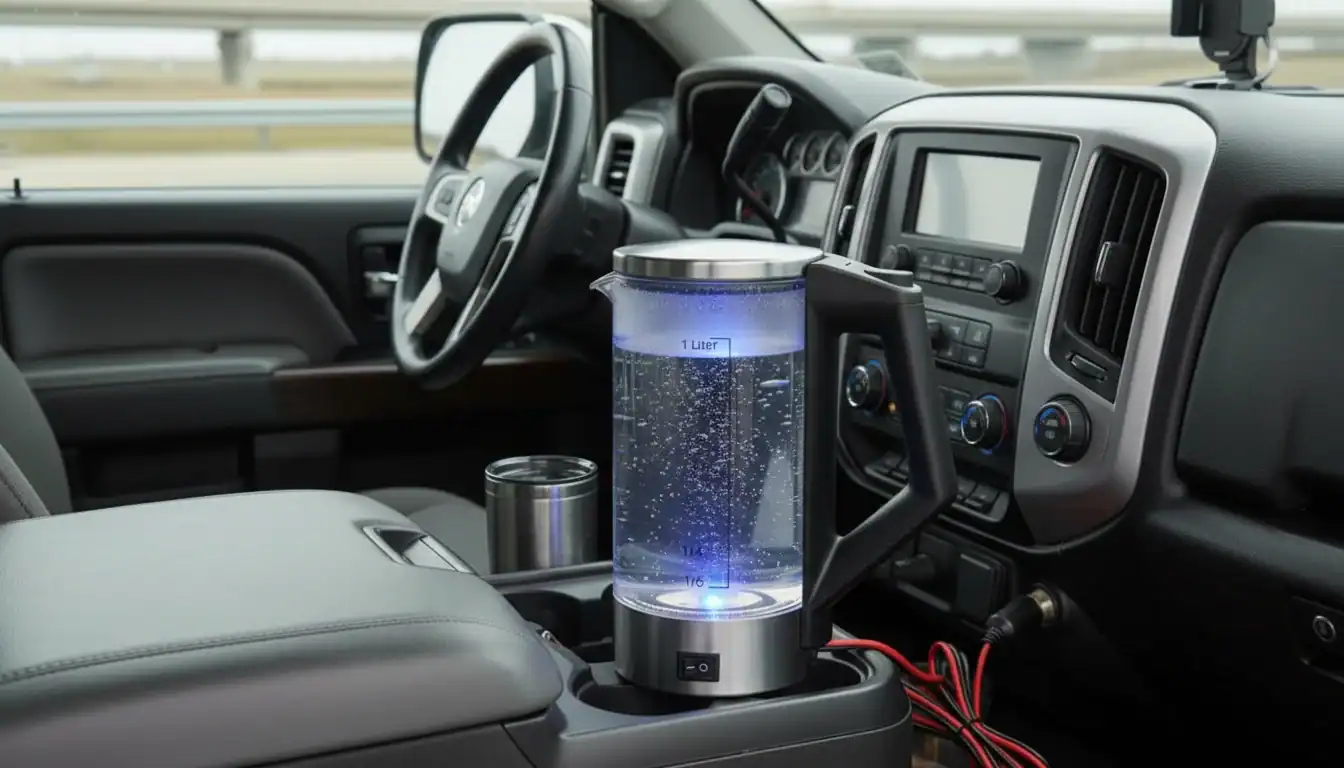
Why Does a Standard 12V Kettle Take 30 Minutes to Boil 500ml?
The 30-minute boiling benchmark for 12V kettles stems directly from the strict power limits of standard vehicle electrical systems, which safely deliver only a fraction of the wattage found in household appliances.
The Physics of Low Wattage: 150W vs. Household Standards
A standard household electric kettle draws upwards of 1500W, allowing rapid energy transfer to the water. A 12V cigarette lighter socket safely supports only 120W to 180W. KelyLands 12V car kettles operate precisely at 150W to balance vehicle electrical safety with heating performance.
This massive drop in available energy means the heating element transfers heat to the water much more slowly. Engineers rely on a standard 30-minute benchmark to bring 500ml of water to a near-boiling state under these specific power limitations.
Compounding Factors: Battery Fluctuation and Environmental Heat Loss
Real-world conditions push boiling times toward the 30-minute mark due to variables outside the kettle’s control. If the vehicle engine remains off during use, the battery voltage steadily drops as it discharges. This voltage drop proportionally lowers the actual wattage output of the heating element.
Cold ambient temperatures inside a winter truck cab or an RV force the heating element to fight continuous heat loss, slowing the overall temperature rise. Many standard 12V kettles peak at 80–90°C (176–194°F) rather than a true rolling boil because the heat escaping into the cold air eventually equals the low wattage entering the water.
Socket Resistance and Connection Bottlenecks
The physical connection to the vehicle plays a critical role in how efficiently the kettle draws power. Loose, dirty, or corroded 12V sockets introduce electrical resistance. This resistance wastes a portion of the limited power as heat at the plug rather than transferring it directly into the water.
Engineers at KelyLands utilize 100% pure copper cables and high-temperature Bakelite plugs to combat this exact issue. These commercial-grade materials ensure maximum power delivery and prevent the socket from melting during the extended 30-minute heating cycle.
Source High-Safety OEM Car Kettles Today
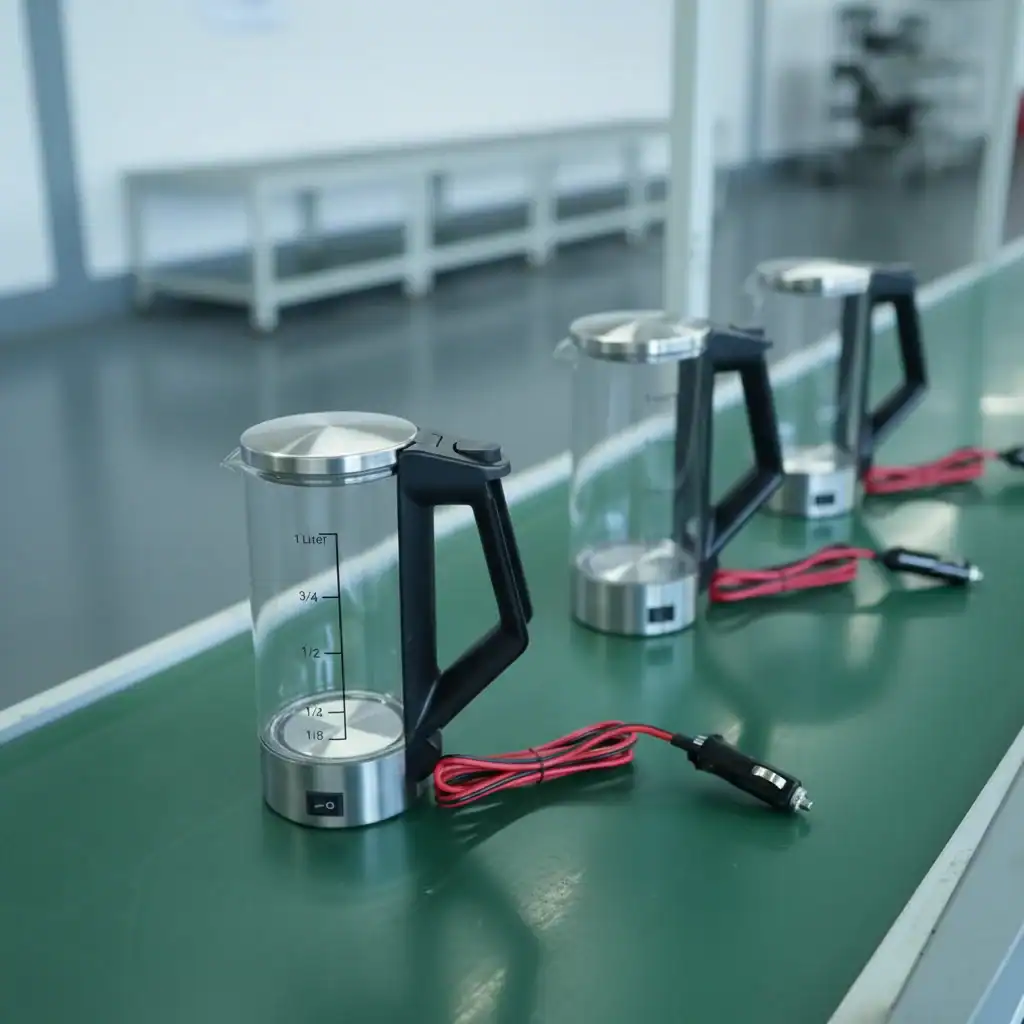
The 15-Minute Benchmark: Can a 24V Kettle Match Home Speeds?
24V vehicle electrical systems cap power output around 300W to protect circuitry, making a 15-minute boil time achievable only with smaller water volumes and maximized material efficiency.
Wattage Limits: 24V Truck Systems vs. Home Outlets
A standard home outlet delivers massive power, pushing between 1500W and 3000W to boil a full liter of water in under three minutes. A 24V vehicle socket operates under strict electrical constraints. Truck and RV electrical systems typically cap accessory power at 250W or 300W to prevent blown fuses and protect the underlying wiring infrastructure.
This fundamental difference in raw energy delivery dictates the absolute maximum speed limits of any mobile heating appliance on the market today. Expecting a 24V car kettle to match kitchen speeds ignores the physical limitations of vehicular power architecture.
The 15-Minute Reality for 24V Kettles
Reaching a 15-minute boil time depends entirely on the water volume paired with the exact power output of the 24V appliance. A 24V, 300W kettle will heat a small 400ml to 500ml portion of water in roughly 15 to 20 minutes under ideal ambient conditions. Scaling up the water volume naturally extends this timeline.
KelyLands engineers its 24V heavy-duty 1000ML (CC407 series) and compact 600ML kettles for consistent, safe performance rather than deceptive speed claims. These models reliably bring their full capacities to a rolling boil in approximately 30 minutes. Drivers must align their speed expectations with the realities of 24V electrical boundaries rather than expecting an instant home-kitchen experience from a dashboard socket.
Material Efficiency Over Raw Power
Since 24V sockets cannot supply home-level wattage, manufacturers must rely on premium materials to minimize heat loss and maximize energy transfer. KelyLands integrates specific industrial-grade components to optimize the heating cycle:
- 100% Pure Copper Cables: Guarantees maximum electrical throughput without overheating the wiring during a sustained 250W to 300W draw.
- High-Temperature Bakelite Plugs: Eliminates melting and fire hazards common in cheap ABS plastics, securing the vehicle’s dashboard connection.
- High Borosilicate Glass: Utilized in the SM400 model, this material traps heat effectively during the extended boiling phase and prevents thermal shock.
These engineering choices retain water temperature for extended periods, making the appliance highly efficient for long-haul drivers who depend on durable equipment through 2026 and beyond.
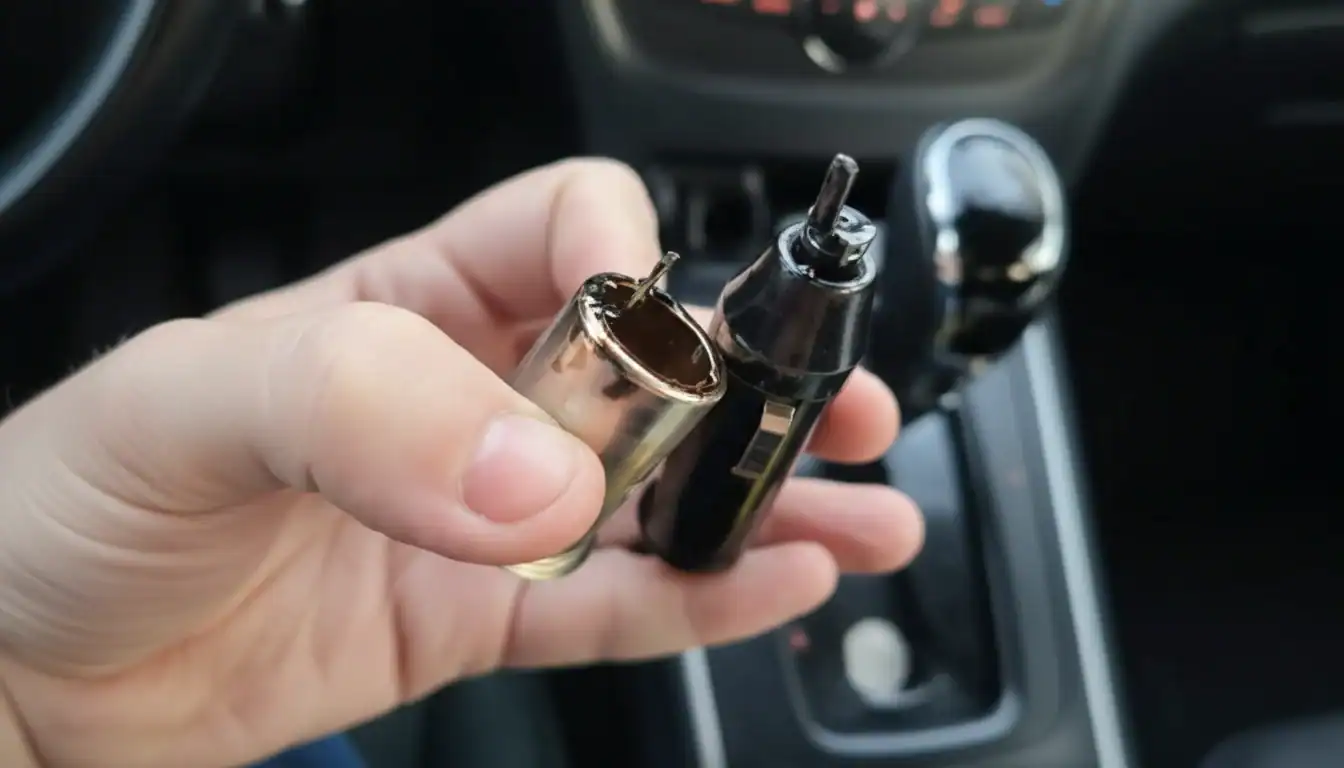
Compatibility Check: What Happens If You Plug 24V into a 12V Socket?
Applying a 24V power supply to a 12V circuit instantly doubles the voltage, triggering catastrophic thermal overloads and permanent component failure before standard fuses can react.
Immediate Effects of Overvoltage
Applying a 24-volt power supply to a 12-volt appliance creates an immediate and dangerous electrical surge. The excess voltage forces internal components to draw massive amounts of current, generating rapid and abnormal heat. Sensitive internal electronics, including sensors and control modules, fail almost instantly under the intense electrical load. Standard 12V fuses blow right away, losing their protective capability and leaving the remaining circuit exposed to further heat damage.
| Internal Component | 12V Standard Operation | 24V Overvoltage Impact |
|---|---|---|
| Heating Element | Stable 150W thermal output | Rapid thermal overload and potential melting |
| Circuit Fuses | Protects against minor current spikes | Blows instantly, exposing remaining circuitry |
| Capacitors & MOSFETs | Operates within safe thermal limits | Catastrophic breakdown and component burnout |
KelyLands eliminates mismatch risks by manufacturing distinct 12V (150W) and 24V (250W to 300W) appliances, ensuring fleet operators equip vehicles with the exact hardware required for their specific electrical architecture.
Permanent Damage to Internal Circuitry
Exposure to double the required voltage causes irreversible destruction to the core electrical components. The high voltage spike directly triggers capacitor breakdown, transistor failure, and MOSFET burnout. These catastrophic failures destroy the device permanently, forcing a complete replacement rather than a simple component repair. Even if a device survives the initial surge, the elevated voltage accelerates the aging of electrolytic capacitors, causing electrolyte leakage and eventual circuit failure.
KelyLands builds physical safety into its designs using a Triple Safeguard system. This integrated protection includes irrecoverable thermal fuses that physically shut down the equipment before dangerous external voltage mismatches cause widespread electrical fires.
Safe Operations and Prevention Methods
Drivers must verify their vehicle’s socket output and use the correct electrical accessories to prevent equipment loss. Test the socket output with a multimeter to confirm the actual voltage before connecting sensitive equipment. To run a 12V device in a 24V truck, you must install a step-down buck converter that drops the 18-30V input to a stable 12V output. Operators need to size step-down converters properly by choosing a unit rated for at least 25% more current than the appliance’s maximum draw.
The safest approach involves purchasing dedicated voltage appliances. KelyLands equips all its 12V and 24V car kettles with 100% pure copper cables and high-temperature Bakelite plugs to handle the exact demands of each system safely, entirely eliminating the need for aftermarket converters.
결론
Understanding the voltage differences between 12V and 24V systems helps fleets choose the right kettle to maximize heating efficiency while preventing electrical failures. Supplying drivers with dedicated 24V kettles ensures faster boiling times and puts less strain on the heavy-duty vehicle electrical architecture. Matching the correct kettle to your cabin power sockets ultimately guarantees daily operational safety and extends the lifespan of dashboard components.
Assess your current fleet cabin setups to confirm drivers use the correct voltage accessories for their routes. Reach out to our team to request a KelyLands product catalog or evaluate sample kettles for your upcoming procurement cycle.
자주 묻는 질문
How long does a 12v kettle take to boil?
표준 12V car kettle typically takes between 20 to 30 minutes to bring 500ml of water to a rolling boil. This duration depends on the kettle’s specific wattage (usually ranging from 120W to 150W), the starting temperature of the water, and ambient weather conditions.
Why is a 24V kettle faster than a 12V kettle?
A 24V kettle is faster because it delivers significantly more power. According to the power formula (P = V × I), a 24V system produces double the wattage of a 12V system when drawing the exact same amount of current. This massive increase in raw power allows the heating element to transfer thermal energy into the water at a much faster rate, cutting the boiling time dramatically while also reducing resistive heat losses in the wiring.
Can I use a 12V kettle in a 24V lorry?
No, you cannot plug a 12V kettle directly into a 24V lorry socket. Applying 24 volts to a heating element designed for 12 volts forces it to draw dangerously high levels of current. This will immediately overload the circuit, permanently burn out the kettle’s heating element, blow the vehicle’s fuses, and potentially create a serious fire hazard. You must use a dedicated 24V kettle for a 24V system.
What is the highest wattage for a 24V car kettle?
The maximum safe wattage for a standard 24V truck or lorry kettle is typically between 250W and 300W. This operational ceiling is strictly dictated by the 10A to 15A fuse ratings found on standard vehicle auxiliary power outlets (cigarette lighter ports). Drawing 10 amps on a 24V circuit securely yields 240 watts of continuous power without risking melted vehicle wiring or blown fuses.

 English
  Español
  Français
  Deutsch
  Português do Brasil
  Русский
  한국어
한국어  日本語
日本語  العربية