 메인 콘텐츠로 건너뛰기 푸터로 건너뛰기

부동산 유지보수 또는 펠릿 스토브 서비스를 위한 장비를 조달하는 B2B 구매자는 재 회수를 위해 표준 작업장 진공청소기를 사용할 때 상당한 책임 위험에 직면하게 됩니다. 일반 진공 캐니스터는 140°F를 초과하는 열 부하를 처리하지 못해 플라스틱 하우징이 녹고 먼지가 폭발할 가능성이 있기 때문에 점화 챔버가 되는 경우가 많습니다. 잘못된 장비를 선택하면 기계만 손상되는 것이 아니라 주거 및 상업 공간에서 직접적인 화재 위험을 초래할 수 있습니다.
최대 1200°F의 온도를 견디는 300 시리즈 스테인리스 스틸 부품을 중심으로 안전한 재 처리에 필요한 엔지니어링 표준을 살펴봅니다. 이 가이드에서는 99.95%의 입자를 포집하는 H13 HEPA 필터를 포함하여 미세 그을음에 필요한 2단계 여과 시스템을 세분화하고, 극한의 열에서도 장비의 안정성을 보장하는 UL-19 준수 테스트에 대해 자세히 설명합니다.
가정용 진공청소기가 폭발하는 이유: 재의 위험
표준 진공 청소기는 140°F(60°C)를 초과하는 열 한계와 가연성 먼지의 존재로 인해 재를 취급할 때 폭발 위험이 있습니다. 내부 모터 아크, 정전기, 가연성 수거 백으로 인해 미세한 재 입자가 공기 흐름에 떠다니면 일반 캐니스터가 점화 챔버로 변합니다.
열 불안정성 및 내부 화재 위험
일반 가정용 진공청소기는 플라스틱 하우징과 가연성 종이 또는 패브릭 백을 사용하여 불씨에 노출되면 발화합니다. 이러한 표준 재료는 벽난로나 난로 잔재에서 발생하는 열 에너지를 억제하는 데 필요한 내열성이 부족합니다.
진공 캐니스터 내의 일정한 공기 흐름은 뜨거운 재에 지속적으로 산소를 공급합니다. 이 공기 흐름은 연소를 가속화하고 집진 장치를 밀폐된 화재로 만듭니다. 가정용 애쉬백에 대한 안전 매뉴얼은 구조적 용융과 봉쇄 시스템의 치명적인 고장을 방지하기 위해 최대 온도 제한을 140°C(60°F)로 지정하고 있습니다.
연기가 나는 재료는 표면적으로는 차가워 보이지만 내부적으로는 얇은 게이지의 강철이나 플라스틱 통을 손상시킬 만큼 충분히 뜨거운 상태를 유지하는 경우가 많습니다. 이러한 재료가 고장 나면 화재가 주변 환경으로 빠르게 확산될 수 있습니다.
가연성 먼지 및 모터 점화원
미세 재 입자는 가연성 먼지에 대한 NFPA 652 표준에 정의된 폭발성 대기를 형성합니다. 진공이 이러한 입자를 고속 공기 흐름에 매달아 놓으면 먼지 폭발에 이상적인 조건이 만들어집니다.
표준 진공 모터는 정상 작동 중에 카본 브러시에서 전기 아크를 생성합니다. 이러한 아크는 모터 하우징에 유입되는 부유 먼지의 직접적인 점화원 역할을 합니다. 또한 비전도성 플라스틱 호스는 정전기 방전 아크를 형성하여 진공 캐니스터 내부의 기포를 유발할 수 있습니다.
일반 필터는 0.3μm보다 작은 입자를 걸러내지 못합니다. 이로 인해 가연성 먼지가 모터 하우징과 전기 부품에 도달하여 안전 장벽을 우회하고 2차 발화 사고의 위험을 높일 수 있습니다.
내열성: 금속 호스 및 탱크 사양
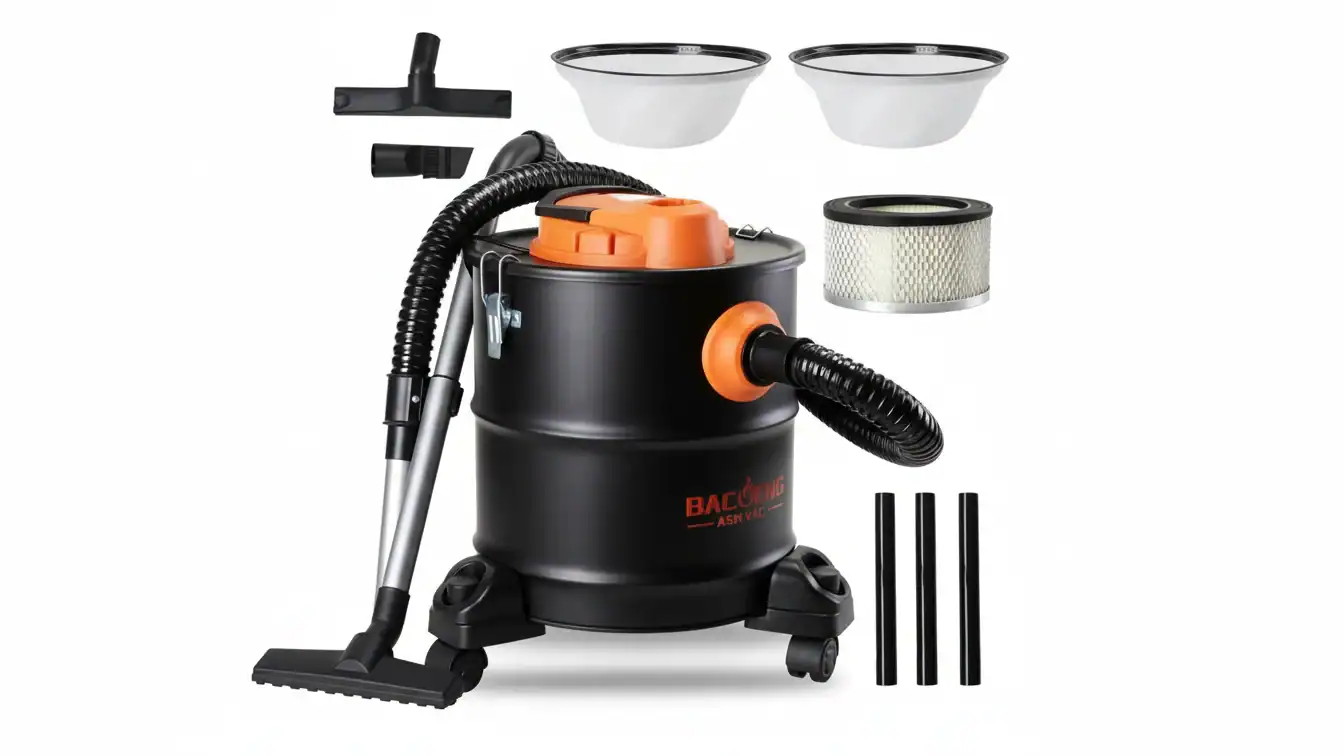
재 청소기는 주름진 300 시리즈 스테인리스 스틸과 강화 금속 탱크를 사용하여 최대 1200°F의 열을 처리합니다. 이 시스템은 UL-19 표준과 특수 브레이드를 사용하여 열 스트레스에서도 구조적 무결성을 유지하여 스토브나 벽난로를 청소하는 동안 누출이나 압력 강하가 발생하지 않도록 합니다.
| 재료 또는 표준 | 기술 벤치마크 | 성능 기능 |
|---|---|---|
| 300 시리즈 스테인리스 스틸 | -380°F ~ 1200°F | 골판지 코어는 붕괴를 방지하는 동시에 재 투과를 제로로 유지합니다. |
| UL-19 유형 1 분류 | 752°F 전도성 테스트 | 누수 없이 15분 동안 전도성 내열성을 유지합니다. |
| SS 304/321 브레이드 | 14 ~ 4500 PSI | 강화된 레이어는 열팽창과 높은 작동 압력을 관리합니다. |
스테인리스 스틸 구조 및 열 제한
합금 304, 321, 316L을 포함한 주름진 300 시리즈 스테인리스 스틸은 특수 재 처리 시스템을 위한 구조적 기반을 제공합니다. 이러한 소재는 표준 유틸리티 진공청소기에 사용되는 플라스틱 부품의 녹는점을 훨씬 뛰어넘는 -380°F ~ 1200°F의 온도 스펙트럼에서 무결성을 유지합니다. 이러한 합금을 사용하면 장작 난로나 펠릿 버너의 변동하는 열 부하에 노출되어도 호스가 유연하고 내구성을 유지할 수 있습니다.
금속 코어에 설계된 환형 프로파일은 두 가지 용도로 사용됩니다. 완전 진공 흡입 시 붕괴를 방지하는 데 필요한 강도를 제공하고 침투를 방지합니다. 이러한 봉쇄는 다공성 물질을 통해 빠져나갈 수 있는 미세 재 입자를 차단하는 데 필수적입니다. 스테인리스 스틸은 열전도율이 약 15W/m-K로 비교적 낮기 때문에 호스 표면을 따라 열을 고르게 분산시켜 작동 중 국부적인 약점을 방지하는 데 도움이 됩니다.
압력 등급 및 UL-19 준수 테스트
열과 흡입으로 인한 물리적 스트레스를 관리하기 위해 이 호스는 스테인리스 스틸 304 또는 321 브레이드 보강재를 1~2겹 사용합니다. 이 브레이딩 덕분에 14~4500 PSI의 작동 압력을 처리할 수 있습니다. 내부 주름 코어가 누출 방지 밀봉을 제공하는 반면, 외부 브레이드는 고온 파편으로 인해 금속이 팽창할 때 안전을 유지하는 데 필수적인 주요 종방향 하중을 견뎌냅니다.
안전 프로토콜은 복사열 및 전도열에 대한 특정 테스트가 포함된 UL-19 표준의 적용을 받습니다. 유형 1 등급을 받으려면 호스가 752°F 전도성 열원에서 누출이나 20PSI를 초과하는 압력 강하 없이 15분 동안 견딜 수 있어야 합니다. 또한 DIN EN ISO 10380 표준을 준수하면 반복적인 열팽창 사이클과 굴곡 움직임을 견딜 수 있어 계절에 따라 장기간 사용할 수 있는 안정적인 장비임을 보장합니다.
여과: 미세 재를 위한 난연성 HEPA
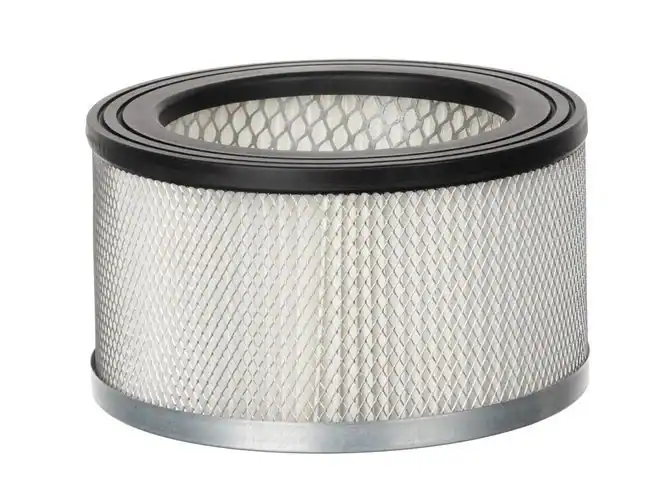
애쉬 진공 시스템은 이중 레이어 접근 방식을 사용하여 열 및 미세 입자 위험을 관리합니다. 내화성 프리필터가 불씨를 차단하고, H13 HEPA 카트리지가 99.95%의 미크론 이하 그을음을 포집합니다. 이 조합은 벽난로 유지보수 시 열로 인한 손상을 방지하고 강화 강철 용기 안에 호흡 가능한 먼지를 포함합니다.
| 필터 구성 요소 | 기술 사양 | 기본 안전 기능 |
|---|---|---|
| 기본 프리필터 | 유리섬유 / 난연성 미디어 | 연기가 나는 불씨와 거친 재를 차단합니다. |
| 최종 HEPA 필터 | H13 등급(≥99.95% @ 0.3µm) | 미크론 이하의 그을음과 호흡성 먼지를 포착합니다. |
| 필터 하우징 | 폴리프로필렌 및 금속 카트리지 | 무거운 흡입 부하에서 미디어 안정화 |
듀얼 스테이지 아키텍처: 기본 프리필터 및 HEPA 통합
재 진공 시스템은 벽난로 잔해의 독특한 열적 및 물리적 특성을 처리하기 위해 특수한 2단계 여과 트레인을 사용합니다. 유리섬유 프리필터는 1차 방어선 역할을 하며 연기가 나는 불씨와 거친 재가 내부 진공 부품에 도달하는 것을 막는 열 차단막 역할을 합니다. 이 1차 보호막은 모터의 열 손상을 방지하고 뜨거운 입자가 화재에 안전한 스틸 캐니스터 내부에 머물도록 합니다.
폴리프로필렌과 금속 카트리지 하우징의 통합으로 필터 매체를 지지하는 데 필요한 구조적 무결성을 제공합니다. 고성능 모터는 종종 상당한 흡입력을 발생시켜 약한 필터를 무너뜨릴 수 있습니다. 이러한 강화 하우징은 무거운 하중에서도 미디어의 형태를 유지하여 진공이 최고 효율로 작동하도록 보장합니다. 대부분의 기본 필터는 헹굼 세척이 가능한 소재를 사용하므로 시스템의 난연성을 저하시키지 않으면서도 유지보수가 용이합니다.
성능 메트릭: H13 등급 및 미세 입자 캡처
재 포집 효율은 0.3µm 크기의 입자 99.95%를 포집하는 EN 1822-1:2019 표준을 충족하는 HEPA H13 등급으로 정의됩니다. 목재 및 석탄 연소로 인한 비산재는 일반적으로 질량 중앙 지름이 1µm에서 10µm 사이이며, 0.1µm 이하의 미크론 이하 그을음도 적지 않기 때문에 이는 필수적입니다. 표준 매장용 진공청소기는 이러한 작은 입자를 포집할 수 있는 밀도가 부족하여 먼지를 우회하고 실내 공기질을 악화시키는 경우가 많습니다.
이 시스템은 고밀도 HEPA 층을 통과하는 공기 흐름을 유지하기 위해 초당 약 53리터의 공기를 이동시킬 수 있는 1200W 모터를 사용합니다. 이 높은 배기량 덕분에 필터에 미세먼지가 쌓여도 진공이 일관된 흡입력을 유지할 수 있습니다. 이 기계는 여과 등급을 난로 재의 특정 입자 크기 분포와 일치시켜 주거 및 경공업 청소 작업 모두에 안전한 솔루션을 제공합니다.
맞춤형 고성능 진공청소기로 브랜드 가치 높이기

모터 보호: 회분 침투 방지
미세한 재 입자는 표준 씰을 우회하여 모터 브러시, 베어링 및 정류자에 침전되어 마찰과 화재 위험을 증가시킵니다. 이러한 시스템을 보호하려면 고열 환경에 대한 2026년 안전 기준을 충족하는 밀폐형 하우징, 부식 방지 코팅, 미립자 차단막을 사용해야 합니다.
미립자 유입으로 인한 기계적 마모 및 열 위험
전기 모터에 재가 침투하면 브러시, 스러스트 베어링, 정류자 등 중요한 내부 부품이 손상됩니다. 미세 입자는 이러한 전도성 및 회전 표면에 침전되어 전기 저항을 증가시키고 물리적 마모를 가속화합니다. 애쉬 층으로 덮인 소형 모터 어셈블리는 열을 효과적으로 방출하지 못해 장시간 청소하는 동안 국부적인 과열과 화재 위험이 발생할 수 있습니다.
스러스트 베어링에 먼지가 유입되면 흡입 효율이 즉각적으로 떨어지고 결국 부품이 고착됩니다. 기계적 마찰 외에도 재의 반응성 표면 화학 작용은 수개월 또는 수년에 걸쳐 내부 부식을 유발합니다. 이러한 화학적 상호 작용은 모터 내의 반응성 금속 표면을 저하시켜 진공 시스템의 작동 수명을 크게 단축시킵니다.
밀폐형 하우징 및 장벽 보호를 위한 엔지니어링 표준
엔지니어링 솔루션은 냉각 공기 흐름으로부터 모터를 분리하는 것을 우선시합니다. 밀폐된 모터 하우징은 공기 중의 파편이 미립자가 침전될 수 있는 민감한 내부 챔버로 유입되는 것을 방지합니다. 고급 모터 설계에는 종종 싱크로트론 분석을 통해 테스트된 특수 코팅이 적용되어 미세 입자의 마모와 화학 결합에 저항하여 모터가 고열 조건에서 견딜 수 있도록 합니다.
보호 프로토콜은 다양한 비산재 특성과 필터 및 하우징의 호환성을 보장하기 위해 ASTM C618 표준을 준수하는 경우가 많습니다. 또한 기술 설계에는 수분 기반 먼지 최소화 및 침출수 및 미립자 노출을 차단하는 엔지니어링 장벽이 통합되어 있습니다. 이러한 표준은 기계적 고장 없이 고밀도 미립자 하중을 처리하는 모터의 능력을 반영하는 최소 10.0의 즉각 베어링 값(IBV) 등 특정 안정성을 유지하기 위해 재 혼합물을 요구합니다.
펠렛 스토브 청소하기: 틈새 사용 사례
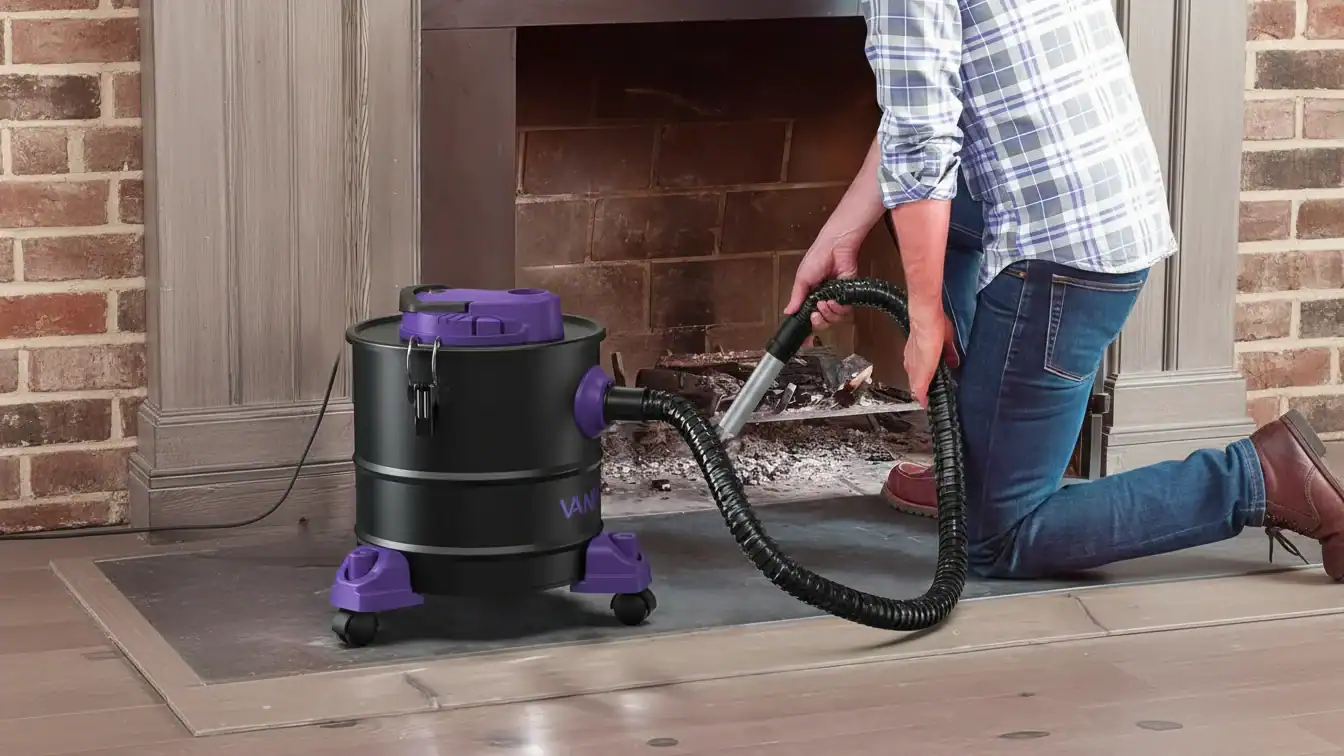
펠릿 스토브 유지관리는 매일 재통을 비우는 것부터 500kg의 연료를 연소시킨 후 대청소를 하는 것까지 체계적인 일정에 따라 이루어집니다. 열교환기 핀과 화덕에 특수 재 진공 청소기와 브러시를 사용하면 단열재로 작용하여 열 전달 효율을 떨어뜨리는 탄소가 쌓이는 것을 방지할 수 있습니다.
유지보수 주기 및 열 효율 계수
2~3일에 한 번씩 재통을 비우고 유리를 닦으면 에어워시 시스템의 효율성이 유지되고 불꽃이 잘 보입니다. 미세한 재를 정기적으로 제거하면 공기 흐름을 방해하여 연소 불량을 유발하거나 시야창에 짙은 그을음이 쌓이는 것을 방지할 수 있습니다.
500kg에서 1톤의 펠릿을 연소한 후에는 정밀 청소를 실시하세요. 이 임계값은 숨겨진 내부 채널과 배플에 재가 자주 침전되어 해결하지 않으면 배기 흐름이 막힐 수 있는 지점을 표시합니다.
열교환기 핀에서 탄소 침전물을 제거하는 것은 실내 온도를 유지하는 데 필수적입니다. 재는 단열재 역할을 하며, 열교환기의 금속 표면을 코팅하면 R-값을 높여 열이 실내로 효과적으로 전달되는 것을 차단합니다.
매달 개스킷과 압력 스위치를 점검하면 진공으로 구동되는 배기 흐름이 밀폐된 상태를 유지할 수 있습니다. 안전한 밀봉은 연기 누출을 방지하고 센서가 스토브가 연료를 계속 공급하는 데 필요한 정확한 작동 압력을 감지할 수 있도록 합니다.
컴포넌트 프로토콜 및 도구 요구 사항
화실과 굴뚝 라이너를 청소하려면 특수 재 진공 청소기가 필요합니다. 이 기계는 일반 가정용 진공청소기로는 파괴되거나 먼지가 되어 실내로 다시 빠져나갈 수 있는 미세 입자를 포집하도록 설계된 여과 시스템을 갖추고 있습니다.
육각 렌치 또는 이와 유사한 단단한 도구로 번 포트 구멍을 청소하면 산소 공급이 일정하게 유지됩니다. 개방형 공기 구멍은 완전 연소를 가능하게 하여 연료 효율을 극대화하고 클링커 형성 비율을 줄입니다.
작은 브러시로 송풍기 모터를 청소하면 임펠러에서 먼지가 제거됩니다. 깨끗한 팬 블레이드는 더 조용하게 작동하고 대류 튜브를 통해 공기를 더 효율적으로 이동시켜 최대 작동 시 모터가 과열되는 것을 방지합니다.
호퍼와 오거 플레이트에서 톱밥과 이물질을 제거하면 기계 고장을 방지할 수 있습니다. 톱밥이 연료 공급 경로 내에서 발화하면 불규칙한 공급이 발생하거나 과발화 위험이 발생할 수 있습니다.
유지보수를 시작하기 전에 항상 스토브의 플러그를 뽑고 완전히 식을 때까지 기다리세요. 청소하는 동안 전기적 손상이나 합선을 방지하기 위해 오거 모터와 제어 보드에 물이 닿지 않도록 주의하세요.
마지막 생각
올바른 재 진공 청소기를 선택하려면 열과 가연성 먼지의 구체적인 위험성을 이해해야 합니다. 일반 가정용 청소기는 연기가 나는 불씨를 처리할 수 있는 내열성과 미크론 이하의 그을음을 걸러낼 수 있는 여과 밀도가 부족하기 때문에 실패합니다. 300 시리즈 스테인리스 스틸 부품과 H13 HEPA 필터를 갖춘 시스템에 투자하면 벽난로 유지보수 중 모터 점화 및 구조적 고장의 위험을 제거할 수 있습니다.
장기적인 화재 안전과 실내 공기질은 열 부하에 맞는 장비에 달려 있습니다. 금속 탱크와 강화 호스는 뜨거운 이물질과 집안 환경 사이에 필요한 장벽을 제공합니다. 주택 소유주는 체계적인 유지보수 주기를 준수하고 인증된 내열성 도구를 사용하여 치명적인 화재나 먼지 노출의 위험 없이 난방 시스템을 효율적으로 운영할 수 있습니다.
자주 묻는 질문
애쉬 진공 필터는 난연성이 있나요?
예. 이러한 시스템의 필터는 대부분 유리섬유 구조로 되어 있어 난연성을 보장합니다. 이 특수 소재 덕분에 잔열로 인해 필터가 발화할 위험 없이 벽난로에서 나오는 미세 입자를 진공으로 안전하게 포집할 수 있습니다.
진공 호스는 어떤 온도를 견딜 수 있나요?
재 진공 호스에는 최대 140°F의 온도를 견디는 금속 라이닝이 포함되어 있는 경우가 많습니다. 이 등급은 일반적인 104°F 요건을 초과하는 것으로, 아직 따뜻한 불씨가 남아 있을 수 있는 잔해물을 취급할 때 안전 완충 역할을 합니다.
금속 탱크는 단일 벽인가요, 이중 벽인가요?
업계 표준 재 청소기는 단일 벽 강철 캐니스터가 특징입니다. 이러한 강철 탱크는 폐기 시 재를 안전하게 보관하는 데 필요한 내구성과 내열성을 제공하며, 이중 벽 설계는 일반적으로 현재 2026년 시장 모델에서는 찾아볼 수 없습니다.

 English
  Español
  Français
  Deutsch
  Português do Brasil
  Русский
  한국어
한국어  日本語
日本語  العربية