 메인 콘텐츠로 건너뛰기 푸터로 건너뛰기
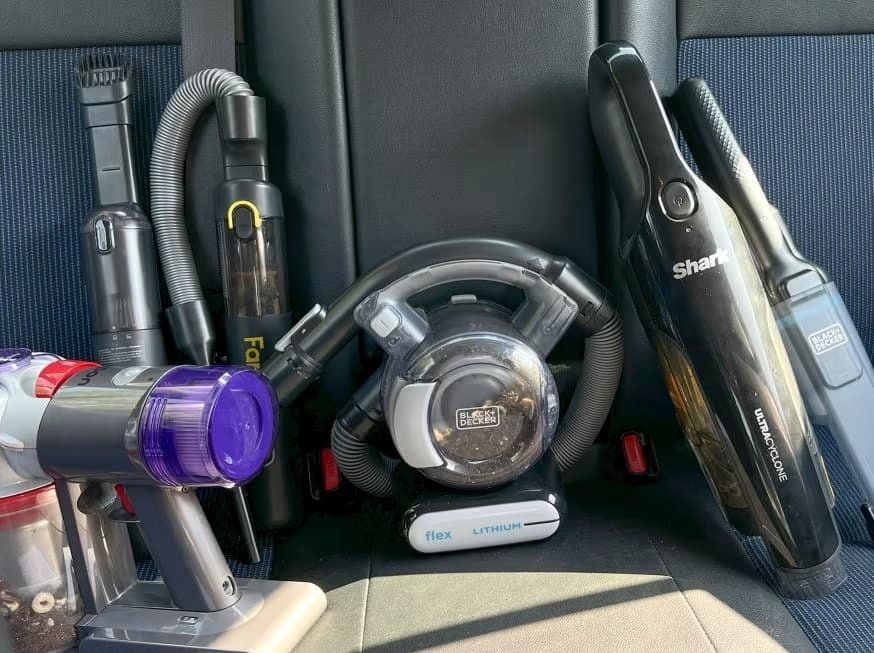
기존 산업용 진공 청소기 운영은 15분 고강도 작동 후 4시간의 충전 병목 현상으로 자주 중단됩니다. 교체식 모듈화 방식을 도입하면 모터 성능이 고정된 배터리 한계에 구속되지 않도록 분리하여, 가동 중지 시간을 최대 40%까지 줄이고 라이프사이클 CAPEX를 30% 절감할 수 있습니다.
이 분석은 Ruwac과 같은 제조업체가 사용하는 표준화된 48V Class A 시스템 및 25.2V 리튬이온 어셈블리로의 전환에 대해 상세히 다룹니다. Ruwac 그리고 MetroVac. 우리는 4,000mAh 모듈의 소싱 요구사항과 범용 호환성에 미치는 SBMC 기술적 환경의 영향, 그리고 위험 환경에서 고출력 방전 하드웨어에 필수적인 안전 프레임워크—특히 Reese의 법칙(ANSI/UL 4200A)과 ATEX—에 대해 탐구합니다. SBMC 기술적 환경 ANSI/UL 4200A (Reese의 법칙) ATEX—필수적인 안전 프레임워크.
“Dead Vac” 시대 종료
급속 교체 가능한 배터리 플랫폼은 가동 시간을 물류 변수로 전환하여 산업용 진공 청소기가 충전 주기를 기다리는 대신 전원 팩을 교체함으로써 24/7 운영이 가능합니다. 대신 충전 주기를 기다리는 것이 아닙니다.
급속 교체 기능으로 전원 공급 병목 현상 해결
Vanguard Si 리튬 팩으로 전환하면 Ruwac BA211PRO와 같은 산업용 장비가 무한히 작동할 수 있습니다. 일반적인 무선 가동 시간은 고출력 설정에서 보통 15분 뒤에 종료됩니다. 교체식 팩은 이 제한을 모터의 실제 능력과 분리하여 하드웨어가 현장에 유지되고 배터리는 충전기를 통해 순환되도록 보장합니다.
지속 작동 설계는 서비스 센터와 공장에서의 24/7 운영이 일반적인 4시간 충전 병목 현상을 피하도록 합니다. 이 모듈화 철학은 전원을 교체 가능한 구성 요소로 취급하며, 교체 가능한 40갤런 호퍼를 갖춘 VAC-U-MAX 1050의 논리를 반영합니다. 자산 활용도가 높아지는 이유는 도구가 반 교대 동안 벽에 연결되어 있지 않기 때문입니다.
산업용 흡입 성능 기준 및 안전 규정 준수
고출력 흡입과 안전성은 이제 코드가 필요하지 않습니다. MetroVac CHV 시스템은 듀얼 배터리 팩이 100인치( 수직 흡입력, )의 흡입력을 발휘하여 산업 등급 성능을 달성함을 입증합니다. 제조업체들은 이제 민감한 구역에서 공기압 제품 대체를 위해 이러한 휴대용 장치를 엄격한 위험 장소 규정에 맞추고 있습니다.
- 흡입 성능: 250W 모터를 통한 최대 100인치의 밀폐 수주 리프트.
- 안전 표준: 엔지니어링 가연성 먼지 환경에 대한 UL, CSA, ATEX 규정 준수.
- 작동 출력: 중형 가정용 기기에는 20,000Pa, 휴대용 변형 제품에는 13,000Pa를 공급합니다.
중앙 집약형 시스템은 상호 교환 가능한 백하우스와 블로어를 사용해 단일 고장 지점을 방지합니다. 포터블 리튬 장비 또한 동일한 논리를 적용하며, 배터리를 고정 내장 부품이 아닌 교체 가능한 모듈로 취급함으로써 운영자는 거의 중단 없는 가동 시간을 유지하고 다운타임 없이 OSHA 규정을 준수할 수 있습니다.
교체식의 장점
교체 가능한 모듈 방식은 충전 대기 시간을 물류 변수로 전환해 CAPEX를 30% 절감시키고, 표준화된 안전한 에너지 유닛을 통해 24/7 연속 운행을 가능하게 합니다.
| 성과 지표 | 교체식 시스템의 영향 |
|---|---|
| 자본 지출(CAPEX) | 전체 수명 주기당 20–30% 절감 |
| 운영 다운타임 | 15–40% 절감 |
| 플릿 에너지 비용 | 25–75% 절감 |
| 기계식 교환 속도 | 20분 미만(표준 장비 기준) |
표준화 된 모듈성 및 확장 가능한 전력
교체식 배터리 오토바이 컨소시엄(SBMC)은 업계의 보편적 호환성을 위한 기술 표준을 정립하고 있습니다. 48V 전압 클래스 A 시스템에 집중함으로써 제조사는 운송과 물류를 복잡하게 만드는 규제상 “위험물” 분류를 피할 수 있습니다. 이 표준화로 OEM사는 모든 차량 클래스별 맞춤형 설계 없이도 전력을 확장할 수 있습니다.
- 에너지 및 중량: 안전한 수작업 취급과 인체공학적 교체를 보장하기 위해 모듈은 2kWh 및 12kg로 제한됩니다.
- 아키텍처 스케일링: 멀티 팩 구성은 직렬 최대 2개, 병렬 최대 8개 배터리(2S8P) 지원을 제공합니다.
- 구동계 출력: 표준화된 모듈은 경량 전기자동차(L1e~L7e)용으로 11kW(~20kWp)까지 출력을 확장합니다.
- 인터페이스 표준: 일반적인 기계식 잠금 장치, 기하학적 구조 및 통신 프로토콜로 브랜드 간 충전소 호환성을 지원합니다.
Economic Performance and Operational Uptime
Efficiency gains in industrial settings prove that the “dead battery” moment is a supply constraint, not a tool limitation. HeavyTech and Ruwac data show that treating power as a rotatable module—similar to collection containers—drives asset utilization higher than traditional charging allows. For fixed installations and portable vacs, modularity eliminates single-point failures.
- Hot-Swappable Electronics: Dual-battery bays and integrated backups allow main pack exchanges without powering down the device.
- Mechanical Precision: Precision-machined steel brackets and locating pins ensure repeatable, vibration-damped powertrain swaps.
- Industrial Power: Systems like the MetroVac CHV deliver 100″ sealed water lift from 250W motors, matching corded performance via swappable packs.
- 안전 규정 준수: Battery systems designed for hazardous locations align with UL, CSA, and ATEX standards for explosion-proof environments.
The shift to swappable architectures moves costs from full-device replacement to cheaper spare battery rotation. This logic applies to everything from e-scooters to 40-gallon industrial 진공 시스템은, ensuring that work stops when the job is done, not when the battery hits zero.
클릭인 배터리 소싱
Sourcing focuses on ISO 9001-certified 25.2V Li-ion assemblies. Compliance requires meeting Reese’s Law (ANSI/UL 4200A) for coin-cell security and EU safety standards for high-capacity power modules.
| 사양 | Target Metric / Requirement | Primary Standard |
|---|---|---|
| 공칭 전압 | 25.2V (18V – 29V range) | 업계 벤치마크 |
| Energy Capacity | 4,000 mAh (approx. 100 Wh) | High-Rate Discharge Class |
| 품질 관리 | Cell consistency and assembly | ISO 9001 |
| Ingestion Security | Tool-secured or Dual-action | ANSI/UL 4200A-2023 |
Technical Benchmarks and Quality Management for Li-ion Packs
Standardized click-in batteries for cordless appliances center on 25.2V lithium-ion assemblies. These modules are engineered for high-rate discharge to support motors reaching 60,000 rpm. Sourcing these components requires vetting manufacturers for cell consistency and high-cycle reliability.
- Capacity Target: 4,000 mAh (4.0 Ah) per module, typical of the Dyson SV15 series.
- Voltage Range: Nominal operation between 18V and 29V.
- Manufacturing Audit: Vendors must hold ISO 9001 인증 to ensure pack safety.
- Market Entry: Conformity with EU battery safety guidelines is required for global export.
Safety Compliance for Ingestion Hazards and Mechanical Security
If a swappable module contains button or coin cells—common in remotes or smart sensors—it triggers strict federal safety mandates. Engineering must prioritize child-resistant access to prevent accidental ingestion, which is now a major enforcement priority for the CPSC and ACCC.
- US Requirement: Compliance with 16 CFR Part 1263 (Reese’s Law) using ANSI/UL 4200A-2023.
- Mechanical Latching: Compartments must require a tool or two simultaneous, independent hand movements to open.
- Durability Testing: Modules must survive drop and crush tests without liberating the internal cells.
- Australian Compliance: Adherence to AS 5347:2023, including mandatory warning labels on packaging.
- Labeling: Standardized ingestion warnings must appear on the product, packaging, and manual.
맞춤형 고성능 진공 청소기로 브랜드 확장하기

서비스 용이성 증대
Serviceability cuts downtime via STPA modeling and structural stiffness standards, ensuring assets remain repairable while meeting industrial performance limits and lifecycle cost targets.
Systems-Theoretic Modeling of Service Processes
Engineers use System-Theoretic Process Analysis (STPA) to identify maintenance failures before equipment leaves the factory. This proactive modeling treats serviceability as a control problem rather than a simple checklist. By analyzing the service control structure, we find where diagnostic feedback loops break down.
Specific analytical steps include:
- STPA Step 3: Identifying Unserviceable Control Actions (UCA) for maintenance tasks like sensor replacement.
- STPA Step 4: Detecting loss scenarios in diagnostics that lead to extended system unavailability.
- STAMP Techniques: Generating hardware and software requirements to improve component access and reduce repair complexity.
This methodology identifies missing controls in the field. If a technician lacks the feedback to verify a repair, the system stays “dead” regardless of the hardware quality. Effective modeling solves this by designing self-diagnostics into the core architecture.
Structural Performance Limits and Maintenance Standards
Physical integrity relies on strict adherence to stiffness standards. We use AISC LRFD and ASCE 7-02 para. 1.3.2 to control lateral drift, vibrations, and deflections. These aren’t just safety metrics; they prevent the subtle structural shifts that make components unserviceable over time.
- Load Combination: Application of D + 0.5L (dead plus half live load) to mitigate long-term creep and settlement.
- 처짐 한계: Use of AASHTO LRFD criteria to manage excess vibrations in heavy equipment and bridges.
- Warranty Support: Standard 18-month coverage on core components like compressors and PCBs to back design integrity.
- Modular Integration: Use of interchangeable modules, such as 40-gallon collection containers or swappable battery packs, to eliminate single-point failures.
Industrial systems like Ruwac and VAC-U-MAX demonstrate that “zero downtime” is a logistics goal. By pairing swappable lithium battery technology with UL/CSA/ATEX safety standards, these units maintain continuous operation in hazardous locations. Serviceability here means the power supply or debris capacity never dictates the workflow.
마지막 생각
Fixed internal batteries are a liability that turns equipment into a brick during recharge. High-performance operation requires treating power as a rotatable logistic rather than a permanent component.
Audit your fleet for recharge bottlenecks and transition to ISO 9001-certified, 25.2V modular systems. Standardize on click-in packs to eliminate downtime and cut lifecycle costs by 30%.
자주 묻는 질문
Is the battery pack user-replaceable without tools (Click-in)?
Yes. Swappable battery packs use tool-less, click-in, or press-and-push systems. This allows operators to exchange batteries instantly without specialized mechanical knowledge or tools.
What is the rated cycle life of the battery locking mechanism?
Mechanical locking mechanisms in these designs typically handle 10,000 to 20,000 cycles. This industry-standard durability ensures the click-in system remains secure throughout the equipment’s service life.
Does the packaging comply with UN38.3 standards for separated lithium batteries?
Yes. All separately packaged lithium batteries must meet UN38.3 standards. This mandatory requirement includes vibration, thermal, and drop tests to ensure safe global transport by air, sea, and land.

 English
  Español
  Français
  Deutsch
  Português do Brasil
  Русский
  한국어
한국어  日本語
日本語  العربية