 Перейти к основному содержанию Перейти к нижнему колонтитулу

Двухзонная логика (портативный холодильник-морозильник) в устройстве напрямую определяет либо успех на рынке, либо всплеск гарантийных претензий. Если плохая изоляция или общий воздушный поток вызывают утечку температуры, результатом становятся расплавленные товары и замороженные напитки, что снижает прибыль и подрывает репутацию вашего бренда с каждым возвратом.
В этом анализе рассматриваются основные инженерные решения, лежащие в основе настоящего независимого охлаждения. Мы оцениваем, как пенополиуретан высокой плотности и электромагнитный клапан управления позволяют устройству надежно поддерживать морозильную камеру при температуре -18 °C и холодильную камеру при температуре 4 °C, предотвращая сбои в работе, характерные для моделей более низкого класса.
Одинарная и двойная система: Один компрессор или два?
В системах с одним компрессором воздух используется совместно, что приводит к колебаниям температуры. В двухкомпрессорных системах используются два независимых цикла охлаждения, обеспечивающие точную и стабильную температуру, что позволяет реализовать функции холодильника и морозильника.
| Аспект | Система с одним компрессором | Система с двумя компрессорами |
|---|---|---|
| Стабильность температуры | Подвержен колебаниям при перемещении воздуха между отсеками. | Поддерживает постоянную, точную температуру без воздухообмена. |
| Запах и влага | Совместное использование воздуха приводит к передаче запахов и избыточной влажности. | Отсутствие передачи запаха между отделениями и меньшее накопление влаги. |
| Свежесть продуктов | Повышенный риск ожога морозильной камеры из-за перепадов температуры. | Сохраняет продукты свежими дольше и значительно уменьшает их пригорание в морозильной камере. |
| Продолжительность жизни | Один компрессор работает жарче и быстрее изнашивается. | Рабочая нагрузка распределяется, что предотвращает перегрев и продлевает срок службы устройства. |
| Резервирование | Полный отказ системы охлаждения при выходе из строя одного компрессора. | Если один компрессор выходит из строя, другой часто может поддерживать охлаждение. |
Эксплуатационные различия: Общее и независимое охлаждение
Однокомпрессорный агрегат - это простая конструкция. Он прогоняет холодный воздух от одного источника охлаждения через все отделения. Такой общий воздушный поток является основной причиной нестабильной температуры и передачи запаха - ваша замороженная рыба может стать причиной неприятного запаха ваших охлажденных напитков.
Двухкомпрессорные системы работают как два отдельных прибора в одном корпусе. Каждое отделение имеет свой собственный цикл охлаждения. Это означает, что между ними нет воздухообмена, что позволяет поддерживать стабильную и точную температуру в каждой зоне.
Применение: Двухзональный температурный контроль KelyLands
Наши двухзонные модели используют эту независимую логику системы для обеспечения настоящей гибкости. Вы можете настроить одно отделение на работу в качестве холодильника при температуре 4°C для напитков и продуктов, а другое - в качестве глубокой морозильной камеры при температуре -18°C для мяса и мороженого. Элементы управления полностью разделены.
Такая конструкция напрямую предотвращает ожог морозильной камеры и сохраняет свежесть продуктов. Устраняя колебания температуры, характерные для однокомпрессорных холодильников, вы получаете надежную работу, которая защищает качество содержимого, что очень важно для длительных поездок или чувствительных грузов.
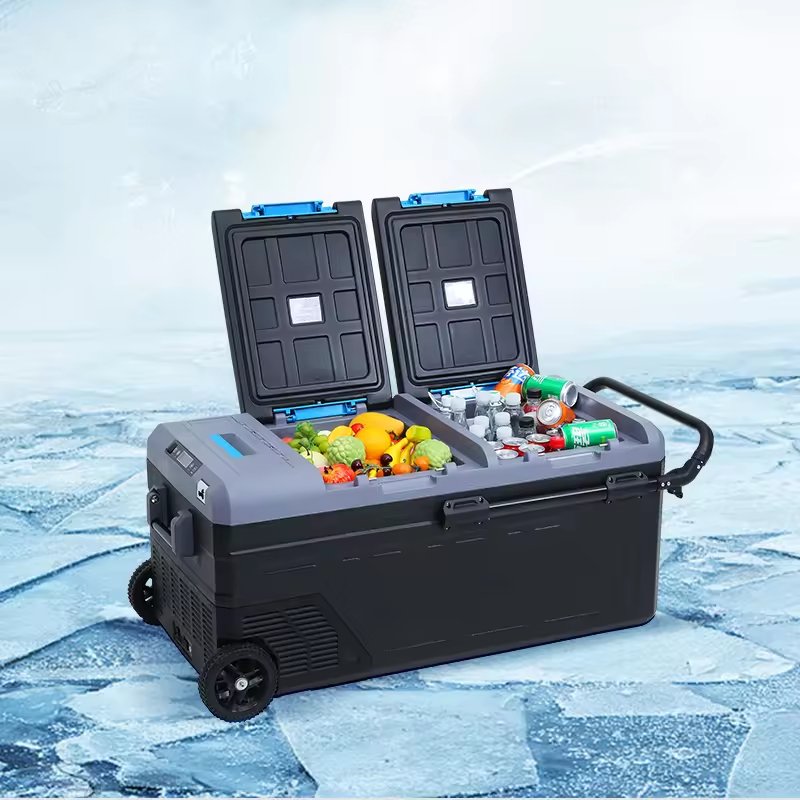
Логика работы электромагнитного клапана: Как он направляет поток хладагента?
Электромагнитный клапан - это электромагнитный затвор. Он использует электрический сигнал для открытия или закрытия путей хладагента, направляя охлаждение в холодильник или морозильную камеру для независимого управления.
Основной механизм: Электромагнитные ворота
Электромагнитный клапан - это простой, но эффективный переключатель для управления хладагентом. Он не использует сложные механические связи, а использует базовый электромагнитный принцип для управления потоком с высокой точностью. Вся операция происходит за миллисекунды.
- Во-первых, клапан получает электрический сигнал от температурного контроллера холодильника, когда зона требует охлаждения.
- Этот ток подается на внутреннюю медную катушку, которая мгновенно генерирует магнитное поле.
- Магнитная сила тянет небольшой металлический плунжер, физически открывая отверстие и позволяя хладагенту течь по назначенной линии. Когда сигнал прекращается, поле разрушается, и пружина толкает плунжер, останавливая поток.

Включение двухзонального температурного контроля
В двухзонном холодильнике электромагнитный клапан выполняет роль регулятора движения хладагента. После выхода из компрессора хладагент должен быть направлен на нужную испарительную спираль - либо в морозильную камеру, либо в холодильную. Это решение принимает электромагнитный клапан.
Когда температура в морозильной камере должна достигнуть -18°C, контроллер открывает клапан, ведущий к ее испарителю. Как только эта температура достигнута, он может закрыть этот канал и открыть другой, чтобы направить хладагент в холодильное отделение. Такое точное управление потоками является основной технологией, обеспечивающей независимые температурные настройки в наших двухзонных моделях холодильников/морозильников.
Прямые поставки сертифицированных автомобильных холодильников с индивидуальным брендом

Изоляция перегородок: Может ли она предотвратить просачивание температуры?
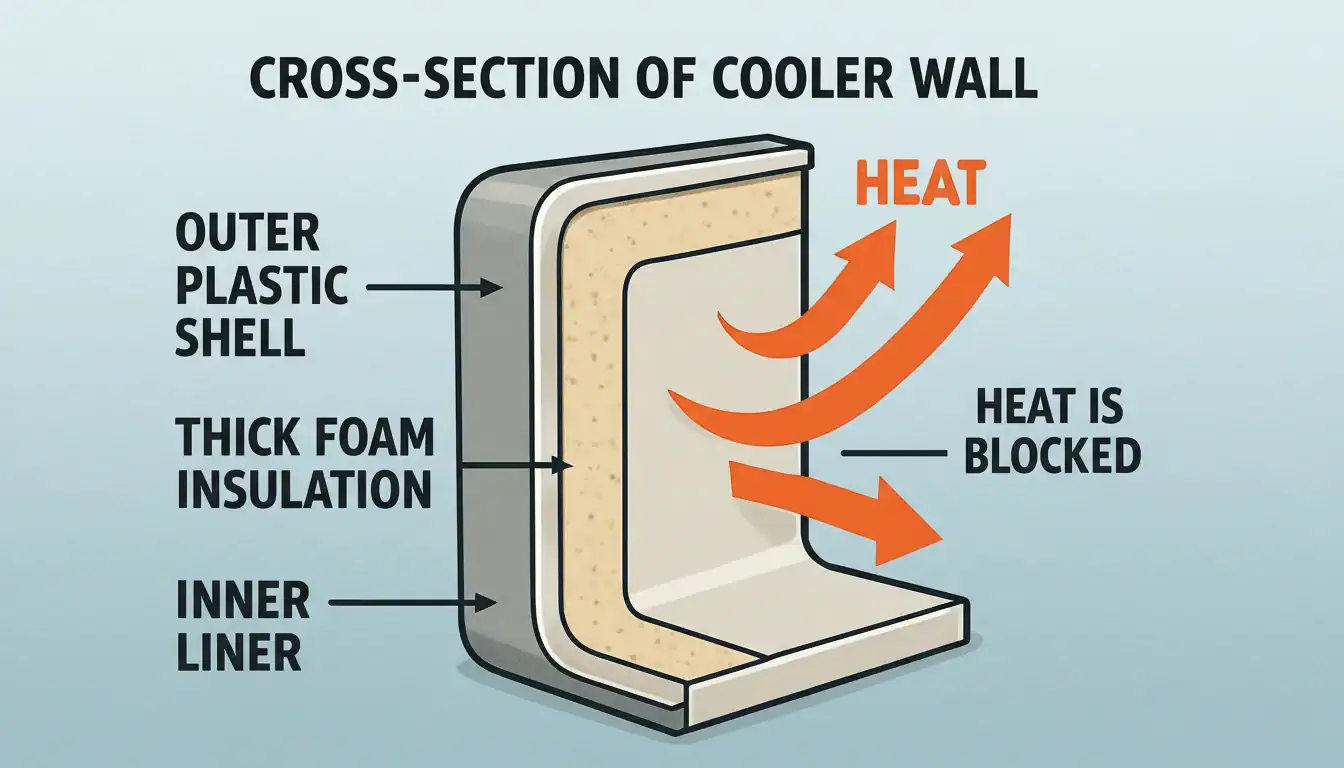
Да, изоляция разделительной стенки предназначена для предотвращения утечки температуры. Сплошной слой пенополиуретана высокой плотности создает тепловой барьер, позволяя одной зоне замерзать, а другой оставаться холодной.
Понимание теплового зазора в перегородках
Пропускание температуры происходит, когда тепло или холод перемещаются через перегородку, разделяющую две зоны, настроенные на разные температуры. Если с одной стороны замораживается мясо, а с другой - охлаждаются напитки, вам нужен надежный барьер, чтобы они не зависели друг от друга.
Частой причиной такого отказа является тепловой мост. В этом случае тепло обходит изоляцию, проходя через конструктивные элементы или щели в перегородке. Простое уплотнение перегородки для предотвращения утечки воздуха также имеет решающее значение для блокирования конвективной передачи тепла между двумя зонами.
Роль пенополиуретановой изоляции высокой плотности
В наших двухзонных холодильниках для изоляции перегородок используется пенополиуретан (ППУ) высокой плотности. Это не просто наполнитель. Жесткая пена создает сплошной тепловой блок с высокой теплоизолирующей способностью, эффективно разделяя холодильное и морозильное отделения.
В отличие от более мягких материалов, пенополиуретан высокой плотности не сжимается и не проседает со временем. Это обеспечивает стабильные эксплуатационные характеристики и предотвращает образование теплового моста в течение всего срока службы устройства, что означает меньшее количество жалоб со стороны конечных пользователей.
Сценарий: Можно ли сохранить мясо замороженным, а пиво - холодным?
Да. Двухзонные компрессорные холодильники имеют отдельные изолированные отсеки с независимым управлением. В одном можно замораживать мясо, а в другом - охлаждать напитки.
Двухзональная архитектура позволяет создать отдельный климат
Суть этой возможности заключается в физическом дизайне. Эти устройства - не просто одна большая коробка с хлипкой перегородкой. В них есть два физически отдельных отсека, разделенных настоящей изолированной перегородкой. Такая конструкция очень важна, поскольку она предотвращает перепады температуры. Морозильная камера может поддерживать глубокую заморозку, не переохлаждая и не замораживая содержимое расположенной рядом холодильной камеры. Таким образом, оба климата остаются стабильными и независимыми.
Двухзонный контроль для точного регулирования температуры
Цифровая панель управления дает вам возможность напрямую управлять каждой зоной. Вы устанавливаете температуру для каждого отделения независимо друг от друга, так что компромисс исключен. Это позволяет добиться настоящей глубокой заморозки - до -20°C (-4°F), чтобы сохранить мясо в замороженном состоянии надолго. В то же время в другом отделении можно установить идеальную температуру охлаждения, например 4°C (39°F), чтобы сохранить пиво, газировку и другие продукты в охлажденном состоянии.
Часто задаваемые вопросы
Могу ли я установить одну зону как морозильную, а другую - как холодильную?
Да, двухзонные холодильники предназначены именно для этого. Вы можете настроить одно отделение на заморозку при температуре -18°C (-0°F), а в другом поддерживать стандартную температуру холодильника около 4°C (40°F). Каждая зона управляется независимо, чтобы обеспечить безопасность и правильное хранение различных типов продуктов.
Как двухзонный холодильник регулирует температуру независимо друг от друга?
В таких системах часто используются электромагнитные клапаны для управления потоком хладагента. Клапан действует как электрический переключатель, направляя охлаждение в конкретную зону, которая в нем нуждается, на основании сигналов термостата. Это обеспечивает точное, независимое управление температурой и повышает энергоэффективность.
Можно ли отключить одну зону для экономии электроэнергии?
Да, вы можете отключить одно из отделений, когда оно не нужно. При этом энергопотребление холодильника снижается до уровня, аналогичного однозонному устройству. Такая гибкость делает двухзонные модели эффективными, даже если вам нужна только одна температура.
Каков типичный максимальный размер двухзонного портативного холодильника?
Самые большие двухзонные портативные холодильники обычно имеют объем около 100 кварт (около 95 литров). Эти модели обеспечивают значительную вместимость для длительных поездок или больших групп, сочетая размер с портативностью, необходимой для путешествий на автомобиле.
Заключительные мысли
Хотя однокомпрессорные агрегаты дешевле, они вызывают нарекания в работе, связанные с нарушением температурного режима и переносом запахов. Наша двухзонная система с независимым управлением - единственный способ гарантировать ‘холодильник и морозильник’, который ожидают конечные пользователи. Такая надежность защищает ваш бренд и устраняет дорогостоящие проблемы после продажи.
Технические характеристики говорят сами за себя, но производительность должна быть проверена. Мы рекомендуем заказать двухзонный образец, чтобы проверить температурную стабильность и качество сборки из первых рук. Свяжитесь с нашей командой, чтобы получить полный каталог или начать обсуждение OEM-производителя для вашего рынка.

 English
  Español
  Français
  Deutsch
  Português do Brasil
  Русский
  한국어
한국어  日本語
日本語  العربية