


Many commercial cleaning firms overlook how asset depreciation eats into their bottom line until they attempt to sell used hardware. Distinguishing between high-tech electronic assets and traditional mechanical tools helps owners project actual cash returns and better manage their secondary market listings.
We break down the 2026 valuation frameworks for commercial vacuums, comparing the liquidation floors for corded and cordless models. This guide explores why copper-wound motors retain a scrap value of up to $4.50 per pound while battery-powered units often face a 50% price penalty within just three years of service.
The Depreciation Curve: Electronics vs. Tools
Electronics shed 30–70% of their value in the first year due to rapid technological obsolescence, while traditional tools follow a more stable 16% annual depreciation rate. Managing these assets requires distinct accounting methods—declining balance for tech and straight-line for tools—to accurately project resale returns in 2026.
Technological Obsolescence and Early-Year Value Loss
Laptops and smart electronics lose 30–70% of their initial purchase price within the first 12 months. This sharp decline stems from rapid advancements in processing power and battery efficiency that render older models functionally obsolete, even if they remain in perfect physical condition. Portable devices like vacuum controllers and smart car fridges often see value drops of £240 on a £600 investment by the second year. While physical wear matters, the market saturation of newer, more efficient 2026 hardware releases exerts the strongest downward pressure on resale prices.
Comparative Depreciation Rates and Accounting Methods
Mechanical tools follow a more predictable path, sustaining a 16% annual depreciation rate across a standard 8-year useful life. Financial managers use the declining balance method to track high-tech devaluation, applying a 40% rate to the remaining book value each year to reflect real-world market pricing. Desktop computers and stationary equipment maintain a maximum official depreciation rate of 26% per year over a 3-to-10-year span. Applying the double declining balance method helps organizations match their books to the 2026 market, as it doubles the 20% straight-line rate to 40% for IT assets.

The “Used Battery” Stigma in the Second-Hand Market
Buyers often penalize used battery-powered assets with a 50% value drop over three years, despite technical data showing only 1-2% annual degradation. This stigma persists due to a lack of standardized diagnostic benchmarks, making the battery a high-risk ‘black box’ for second-hand participants.
Information Asymmetry and Asset Valuation Gaps
Traditional automotive markets rely on a century of odometer-based pricing to gauge residual value. Lithium-ion systems currently lack these established historical benchmarks, leaving buyers without a reliable metric for long-term health. Since the аккумуляторной батареи constitutes the majority of the asset’s total cost, any uncertainty regarding its condition translates into an aggressive price penalty. Statistics show that 3-year-old electric units often lose more than half their original price, while mechanical alternatives retain roughly 61% of their value. This discrepancy stems from an information gap rather than actual physical wear or mechanical failure.
Technical Degradation Metrics and Market Recovery
Технические данные свидетельствуют о том, что аккумуляторные системы, выпущенные после 2016 года, обладают гораздо более высокой долговечностью, чем это принято считать на потребительском рынке. Удельная потеря ёмкости у большинства блоков составляет всего 1–2 % в год, а полная замена батареи требуется лишь 1 % электромобилей, произведённых после 2016 года. Замена аккумуляторной батареи.. Участники рынка сокращают разрыв доверия за счёт внедрения интеллектуальной диагностики и чётких протоколов передачи гарантии. Сертифицированные батареи циркулируют на вторичном рынке в шесть раз быстрее, чем единицы без оформленного отчёта о состоянии. Прогнозируемый рынок батарей второго жизненного цикла объёмом 4,2 млрд долл. США к 2035 году дополнительно стабилизирует остаточную стоимость, гарантируя, что даже изношенные блоки сохраняют ценность для применений в накопителях энергии для электросетей и переработке.
Refurbishment Potential: Corded Resale Value
Электроинструмент с питанием от сети в 2026 году стабильно сохраняет более высокую цену перепродажи по сравнению со свободными аналогами, часто удерживая до 70 % от первоначальной рекомендованной розничной цены. Эта стабильность обусловлена долговечностью двигателей с медными обмотками и строгим соблюдением нормативов NEC 2020 по восстановлению оборудования, которые гарантируют безопасность и производительность без рисков деградации аккумуляторных батарей.
Сохранение стоимости и преимущество сетевого инструмента
Покупатели на вторичном рынке предпочитают инструмент с питанием от сети, чтобы избежать репутационных рисков, связанных с подержанными батареями, и непредсказуемых расходов на замену ячеек. Поскольку двигатели сетевого инструмента не содержат чувствительных химических компонентов, они обеспечивают предсказуемый срок службы, что соответствует циклам ликвидационных продаж в сфере B2B. Восстановленное промышленное электрооборудование позволяет сэкономить 40–60 % по сравнению с новыми единицами, что поддерживает высокий спрос на б/у технику на вторичном рынке.
Модели оценки на 2026 год обычно устанавливают базовый уровень в 70 % от первоначальной рекомендованной цены для брендового сетевого инструмента при наличии документально подтверждённых журналов технического обслуживания. Высокий уровень сохранения стоимости объясняется inherent долговечностью двигателей с медной обмоткой и отсутствием проприетарных аккумуляторных платформ, которые нередко приводят к моральному устареванию. Управляющие активами опираются на такую стабильную оценку, чтобы обосновать закупку сетевого оборудования для долгосрочных промышленных проектов.
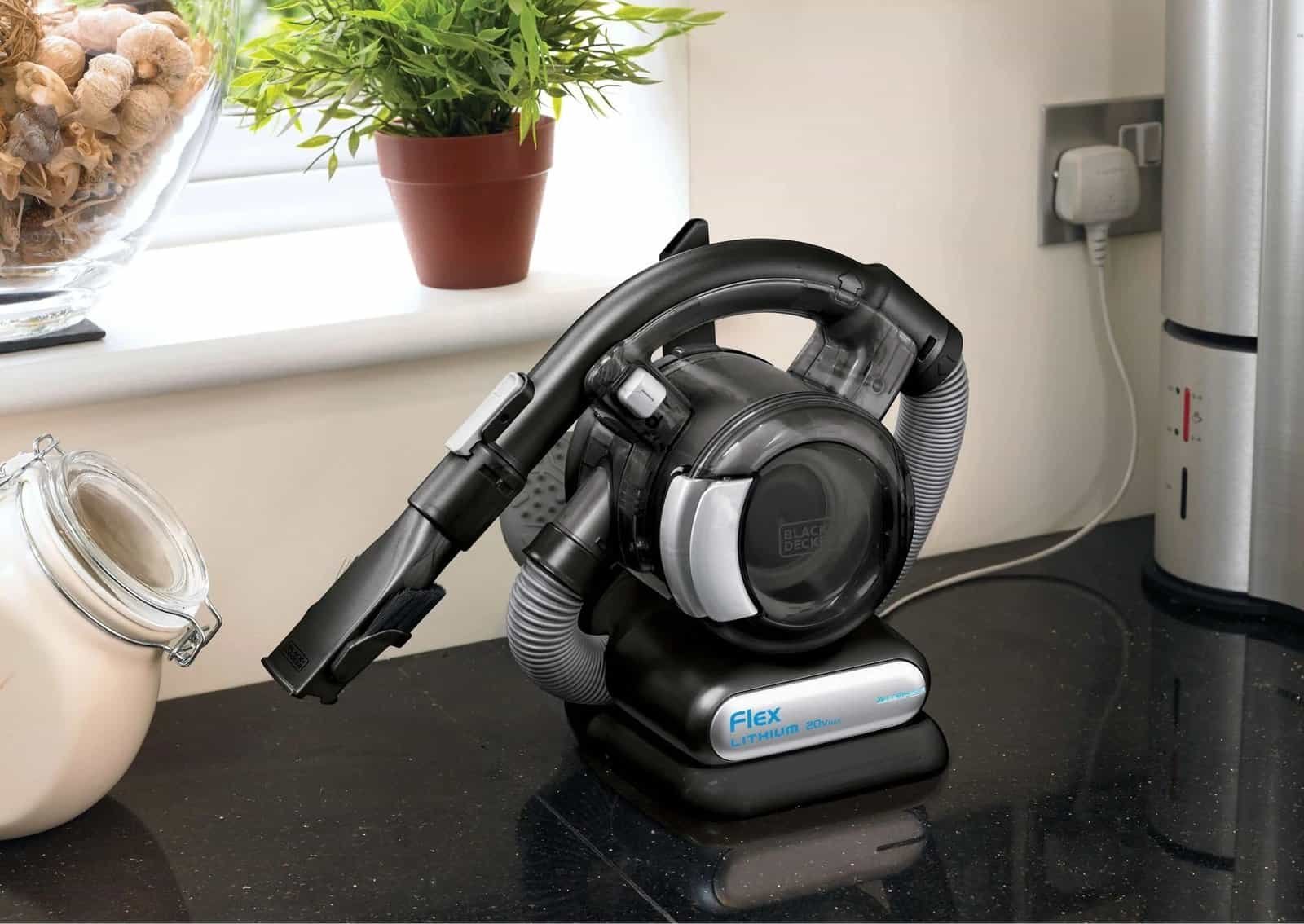
Нормативные стандарты для восстановленного оборудования
Разделы 240.88 и 408.8(B) стандарта NEC 2020 устанавливают правовую основу для восстановления автоматических выключателей и распределительных устройств. Эти правила позволяют восстанавливать работоспособность таких компонентов, как выключатели в литом корпусе и высоковольтные цепевые выключатели, сохраняя при этом их рыночную стоимость. Полевое маркирование восстановленных распределительных щитов позволяет коммерческим организациям безопасно ликвидировать активы при условии соблюдения местного электрического кодекса и требований к испытаниям на работоспособность.
Соответствие стандарту NEMA CS 100-2020 гарантирует, что восстановленные активы отвечают строгим критериям безопасности и маркировки. Данный стандарт определяет предписываемые мероприятия, необходимые для подтверждения того, что подержанное оборудование выполняет заявленные функции после refurbishment. Ограничения по разделу NEC 240.88(B)(1) запрещают восстановление электронных расцепителей на низковольтных выключателях, что устанавливает жёсткий потолок потенциала перепродажи более сложных электронных компонентов по сравнению со стандартным электромеханическим сетевым оборудованием.
Scale Your Brand with High-Performance Vacuum Manufacturing

Liquidation Value for Commercial Cleaning Companies
Liquidation value represents the estimated net cash a cleaning business generates by selling assets and settling debts in a short timeframe. In 2026, this value serves as a safety floor, typically recovery 50% of inventory book value and 70% of accounts receivable, while specialized equipment fluctuates based on secondary market demand.
Valuation Frameworks and Asset Recovery Floors
Calculating a cleaning company’s base value requires a clear distinction between orderly and forced liquidation. An orderly liquidation assumes the business has several months to identify buyers for specialized equipment and vehicles, which generally secures higher recovery rates. Forced liquidation assumes a rapid exit, often at auction, where assets sell quickly at a steep discount to their book value.
Standard market assessments in 2026 weigh the relationship between EBITDA multiples and the hard asset floor. While healthy operations might trade at 3x to 5x EBITDA, the liquidation value establishes the absolute minimum price for an exit. When a business experiences financial distress, this floor ensures that creditors and owners understand the cash-in-hand reality of the company’s tangible assets.
Owner dependence and customer concentration significantly influence the final recovery. If a cleaning service relies heavily on the owner’s personal relationships or a single large contract, the intangible value disappears during a sale. In these scenarios, the valuation shifts focus entirely to physical inventory and the strength of the accounts receivable aging report.
Technical Recovery Benchmarks for Equipment and Receivables
Inventory recovery rates for cleaning supplies and chemicals average approximately 50 cents on the dollar. This discount reflects the logistical challenges of transporting bulk chemicals and the limited demand for partially used stock. High-quality, sealed concentrates from reputable brands maintain the best recovery percentages in the secondary market.
Liquidation discounting for accounts receivable often reaches 30%, meaning buyers pay roughly 70% of the book value. This reduction accounts for the increased difficulty of collecting payments once a service provider ceases operations. Clients sometimes delay final payments during business transitions, making a verifiable and current AR report vital for a successful asset sale.
Resale performance for specialized hardware like HEPA-filtered vacuums and industrial floor scrubbers remains steady in the second-hand facility management market. These items hold value better than generic janitorial tools because of their high replacement costs and технические характеристики. Maintaining detailed maintenance logs for this equipment helps support higher recovery values during the liquidation process.
Tax Implications: Capital Asset Depreciation Schedules
Businesses recover the cost of automotive accessories like portable fridges and Зарядные устройства для электромобилей through the Modified Accelerated Cost Recovery System (MACRS). For the 2026 tax year, these assets typically fall under the 5-year property class, allowing owners to apply Section 179 deductions and bonus depreciation to front-load expenses and lower the adjusted basis before liquidation.
| Asset Category | Recovery Period | 2026 Tax Provision |
|---|---|---|
| Portable Electronics & Tools | 5-Year Property | 40% Bonus Depreciation |
| Section 179 Equipment | Immediate Expensing | $1,220,000 Annual Limit |
| Vehicle Accessories | 5-Year Property | Half-Year Convention |
MACRS Recovery Periods and Convention Rules
IRS guidelines classify portable пылесосы, air pumps, and car fridges as 5-year property under the Modified Accelerated Cost Recovery System. Businesses calculate annual deductions by applying the half-year convention, which treats the asset as if it entered service on July 1st regardless of the actual purchase date. If a company acquires more than 40% of its total annual assets during the final three months of the fiscal year, the mid-quarter convention replaces the half-year rule to adjust the timing of the tax recovery.
The double declining balance method allows owners to accelerate deductions during the early years of the asset’s life. Taxpayers switch to the straight-line method only when the resulting annual allowance becomes higher than the declining balance figure. To establish the depreciable basis for all accessories, the owner must first subtract the estimated salvage value from the original purchase price. This ensures the total depreciation over the five-year period aligns with the actual cost incurred by the business.

Section 179 Expensing and 2026 Bonus Allowances
Section 179 provides an immediate tax benefit by allowing businesses to deduct the full purchase price of qualifying equipment in the year of acquisition. This provision applies up to a $1,220,000 annual limit for the 2026 tax year. For property that exceeds these limits or does not qualify for full expensing, the 40% bonus depreciation allowance provides an additional layer of tax relief. This allowance applies to qualified assets placed in service throughout 2026, significantly reducing the taxable income for that reporting period.
Tracking the adjusted basis is essential for managing the long-term tax impact of these assets. Owners calculate this figure by subtracting all accumulated depreciation from the initial purchase cost. During a resale or liquidation event, the difference between the sale price and the adjusted basis determines the taxable gain or loss. Under GASB #34 standards, assets must possess a useful life of at least one reporting period to qualify for capitalization and subsequent depreciation schedules.
The “Scrap Value” of Copper Motors vs. Plastic/Lithium
Copper motors retain high scrap value because they contain 10% to 18% high-grade copper windings. While lithium batteries scrap for only $0.10 to $0.30 per pound, processed copper fetches up to $4.50 per pound. This makes copper-based tools significantly more valuable at the end of their lifecycle compared to units with integrated batteries or plastic housings.
Copper Concentration and Material Density in Electric Motors
DC motors used in high-performance accessories contain 15% to 18% copper windings by weight. This concentration defines the core material value, as fractional electric motors generally yield between 9% and 10% copper. The remaining 90% of the unit consists of low-value steel, which provides the structural weight but offers minimal financial return compared to the internal wiring.
General electric motors average $0.19 per pound when sold as-is at recycling centers. This price reflects the standard blend of copper and high steel content found in industrial and consumer units. Motor units with plastic-heavy casings or aluminum windings fall into the Copper Bearing Material (CBM) category. These units command lower market rates because they require more intensive processing to separate the metallic content from non-recyclable debris.
Scrap Yield and Market Pricing for Recycled Components
Clean #1 copper wire or tubing reaches prices between $3.30 and $4.50 per pound according to 2026 market assessments. Manual disassembly of small motors often doubles the scrap value, increasing returns from a baseline of $26.70 to approximately $53.92 through material separation. This value increase rewards the labor required to strip copper windings away from the steel frame and electronic housing.
Lithium batteries offer a minimal recovery rate, typically fetching only $0.10 to $0.30 per pound at scrap yards. Steel components from motor frames contribute a baseline value of approximately $0.10 per pound to the total recovery calculation. Copper-based tools outperform battery-integrated units because they provide a high density of high-demand metal, whereas lithium and plastic components yield negligible returns at the end of their service life.
Maximizing ROI at End-of-Life
Businesses maximize ROI by applying rigorous valuation models—sales comparison, cost, or income approaches—to time the sale of assets before they reach forced liquidation value (FLV). Tracking equipment over an 84-month period reveals a standard 25% first-year drop followed by 10% annual depreciation, stabilizing at 40% residual value.
| Lifecycle Milestone | Residual Value (FMV) | Valuation Logic |
|---|---|---|
| Year 1 | 75% | Initial 25% depreciation from new purchase price. |
| Year 4 | 52% | Standard 15% annual reduction model over 4 years. |
| Year 6 (84-Month) | 40% | Residual floor for functional machine tools. |
Valuation Frameworks for Asset Recovery
Determining the market price of used equipment requires a blend of three primary methodologies. The sales comparison approach uses current market data from similar asset transactions to establish a benchmark, adjusting for the specific condition and age of the machinery. This method provides the most accurate reflection of what a willing buyer will pay in an open market.
The cost approach focuses on calculating the current replacement cost of the asset and subtracting accumulated physical depreciation. This is effective for specialized machinery where active resale markets are limited. Additionally, the income approach assesses value based on the revenue-generating potential of the asset if it remains in use. For functional machinery, the Fair Market Value (FMV) often includes installation and assembly costs, which adds a premium over uninstalled units.
Depreciation Curves and Liquidation Timing
Predicting residual value involves a standardized depreciation model where equipment loses 25% of its value in the first year, followed by a 10% annual decline. Using the formula Resale Value = Original Price × (1 – Depreciation Rate)^Years allows managers to project capital recovery at any point in the lifecycle. For example, a $260,000 machine typically retains approximately $100,000 in value after six years of operation.
Timing the exit is the most critical factor in maximizing ROI. Monitoring residual value over an 84-month (7-year) cycle helps owners avoid the steep losses associated with Forced Liquidation Value (FLV). While Fair Market Value assumes an orderly sale with reasonable exposure time, FLV represents the gross proceeds from an immediate auction. Maintaining the equipment to support an “installed FMV” status ensures the highest possible retention of original capital during liquidation.
Заключительные мысли
Managing the lifecycle of commercial cleaning equipment requires a clear understanding of how different technologies age. While smart electronics and battery-powered units offer modern convenience, their rapid value loss often surprises owners who expect long-term retention. Choosing corded machinery or mechanical tools provides a more stable financial floor, as these assets benefit from high copper scrap prices and steady demand for refurbished industrial gear. Businesses that track these tools through specific accounting methods like MACRS gain a more accurate view of their recovery potential well before the equipment reaches its service limit.
Success in the 2026 secondary market depends on documented maintenance and strategic timing. Selling assets before they reach a forced liquidation state allows cleaning companies to capture the highest possible returns instead of settling for auction-floor prices. By focusing on the intrinsic material value of copper and the safety standards of reconditioned components, managers turn old inventory into a predictable source of cash. This strategy balances the high initial cost of procurement with a realistic exit plan that protects the company’s financial health.
Часто задаваемые вопросы
Do commercial and industrial vacuum cleaners hold their resale value?
Industrial models maintain moderate value due to a projected 4.3% CAGR through 2035. In the 2026 secondary market, well-maintained commercial units typically resell for 50-70% of their original cost, following a standard depreciation schedule that leaves a 20% residual value after seven years.
Is it worth purchasing a used cordless vacuum cleaner?
Purchasing used cordless models involves higher risk because lithium-ion batteries typically have an effective lifespan of only two to three years. These units depreciate significantly faster than corded alternatives, which rely on long-lasting copper motors rather than consumable power cells.
What is the scrap value of a non-functional vacuum cleaner?
Scrap value for пылесосы remains low, typically ranging from $0.10 to $0.50 per pound. The primary value resides in the copper found within the motor windings, while the plastic housing and filtration components offer negligible returns at recycling centers.
How do cleaning equipment depreciation schedules affect business taxes?
Most cleaning equipment follows a straight-line depreciation model over five to seven years. For 2026 tax filings, commercial entities often write down these assets to a 20% residual value, though portable electronics may require accelerated schedules due to faster technological obsolescence.

 English
 Español
 Français
 Deutsch
 Português do Brasil
 Русский
 한국어
 日本語
 العربية