 Перейти к основному содержанию Перейти к нижнему колонтитулу

Сертификация зарядных устройств для электромобилей — это первый контрольный пункт, который покупатели должны проверить, прежде чем утвердить поставщика, бюджет или производственную партию. Когда директор по закупкам открывает контейнер из Нинбо и видит на зарядном устройстве наклейку FCC, первый вопрос должен быть не о наклейке. Первый вопрос — существует ли этот ID на самом деле в базе данных FCC, или принадлежит ли он Wi-Fi-роутеру 2019 года. Такова реальность проверки сертификации зарядных устройств для электромобилей в 2026 году — задача, которая отделяет чистый таможенный выпуск от счета за демередж и звонка от юристов.
Большинство импортёров знают, что им нужно что-то для рынка США. Но разрыв между знанием и проверкой — вот где кроются реальные затраты. Действительный FCC ID — это не просто галочка в списке соответствия; это самый быстрый способ подтвердить, что поставщик действительно провёл тест на кондуктивные помехи. Без него вы делаете ставку на маркировку CE, которая ничего не значит для таможни США. И эта ставка обычно проигрывает. Более 60% несертифицированных образцов зарядных устройств не проходят первый тест на электробезопасность в независимых лабораториях, что означает, что устройство, прошедшее внутреннюю проверку поставщика, всё ещё может быть заблокировано в порту.
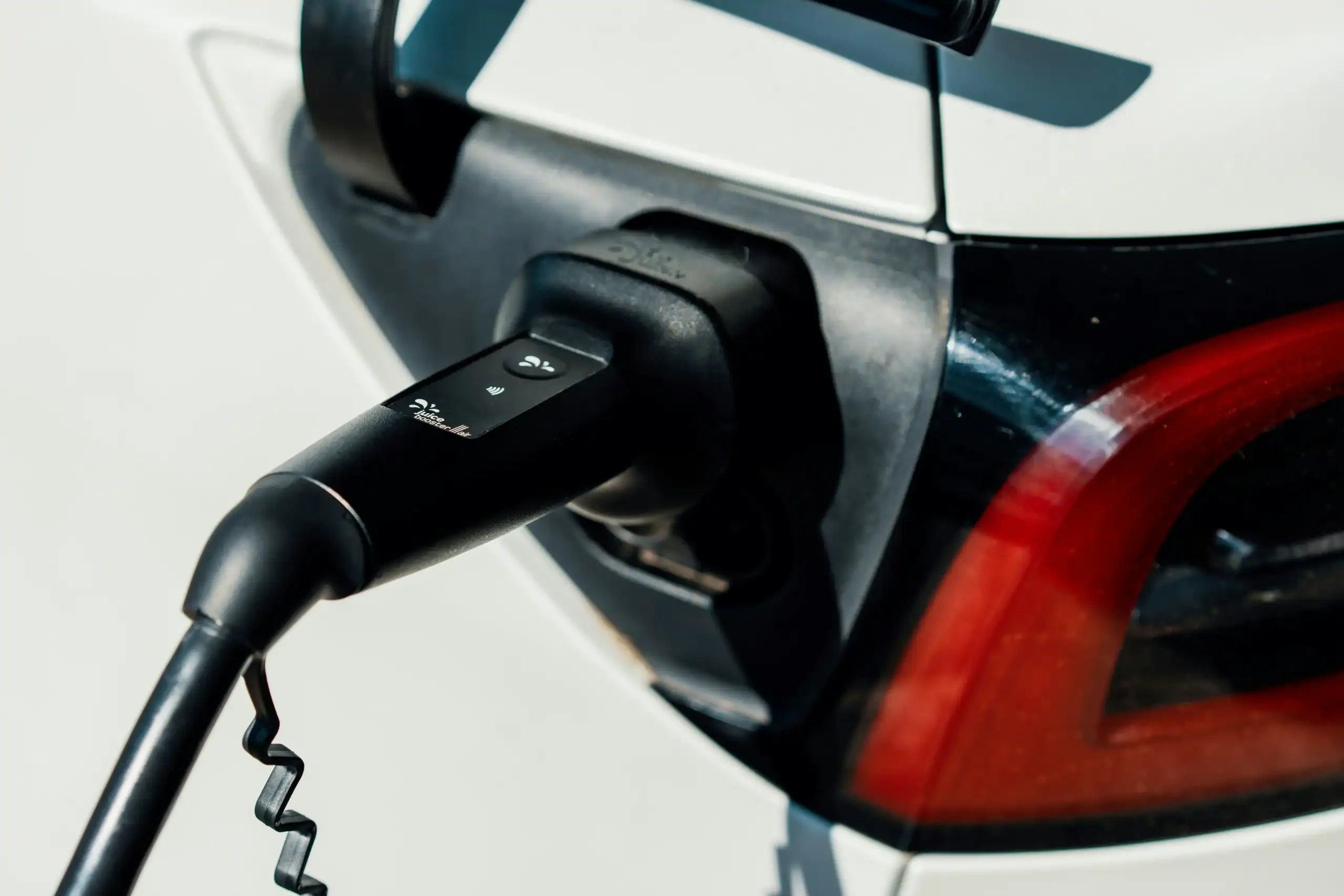
Сертификаты, обязательные для доступа на рынок
UL и ETL юридически эквивалентны для доступа на рынок США — FCC является отдельным обязательным требованием.
Для зарядных устройств для электромобилей, предназначенных для Северной Америки, важны три знака: UL (или его эквивалент NRTL — ETL) и FCC. UL 2594 охватывает опасности возгорания, поражения электрическим током и механические риски для оборудования электрозарядки. UL 2231 касается системы защиты персонала (УЗО) для зарядной системы. Часть 15 FCC, класс B, ограничивает электромагнитные помехи, которые зарядное устройство может создавать для радиоприёмников и других устройств.
-
- UL 2594 (Безопасность): Охватывает опасности возгорания, поражения электрическим током и механические риски для оборудования электрозарядки. Тестируется UL или национально признанной испытательной лабораторией (NRTL), такой как Intertek (ETL). Средний срок сертификации: 5–7 недель при предварительно протестированном дизайне. Стоимость: $12 000 – $18 000 за модель.
- Часть 15 Правил FCC, класс B (ЭМП): Ограничивает кондуктивные помехи до 60 дБмкВ в среднем (150 кГц – 30 МГц). Гарантирует, что зарядное устройство не создает помех радиоприемникам, Wi-Fi и другим электронным устройствам. Стоимость: $3000–$5000 за модель. Проверка: найдите идентификатор FCC на fcc.gov — клонированные идентификаторы распространены.
- UL против ETL — юридическая эквивалентность: Оба являются знаками NRTL. ETL тестируется по тому же стандарту UL компанией Intertek. Некоторые покупатели предпочитают UL из-за более широкого признания и одобрения страховщиками. Страховщики коммерческой недвижимости все чаще требуют зарядные устройства с сертификацией UL; несертифицированный товар может привести к аннулированию полиса.
Ловушка: многие зарубежные поставщики наклеивают наклейку ‘CE’ и утверждают, что она соответствует требованиям США. Это не так. CE — это знак европейского рынка. Таможня США задержит контейнер только с CE. Всегда требуйте знак NRTL и действующий идентификатор FCC. Действующий идентификатор FCC — это не просто номер: проверьте его на fcc.gov. Однажды мы проверяли поставщика, чей указанный идентификатор принадлежал Wi-Fi-роутеру.
Скрытые сроки и затраты на сертификацию
20-футовый контейнер, задержанный на таможне на 3 недели, сжигает $3000 только на демередже.
Большинство покупателей считают, что сертификация — это штамп, который ставится после завершения производства. Это не так. От подачи образца до получения финального сертификата каждый стандарт занимает 4–8 недель. Если ваш поставщик начинает процесс после размещения заказа, ждите задержки в 3 месяца, прежде чем контейнер сможет покинуть порт.
-
- Сроки UL/ETL: 5–7 недель на модель с предварительно протестированным дизайном. Отсчет начинается, когда лаборатория получает полный образец и полную документацию. Отсутствие схемы или спецификации компонента добавляет 2–3 недели на повторную подачу.
- Сроки FCC: 3–5 недель на тестирование и подачу заявки. Многие поставщики пропускают этап аккредитованной лаборатории и самостоятельно декларируют соответствие. Таможня может заметить это менее чем за 10 минут — и ваш контейнер будет помечен.
- Диапазон стоимости: UL/ETL стоит $12000–$18000 за модель. FCC стоит $3000–$5000. Это фиксированные затраты на SKU. Если вы импортируете 3 модели, заложите бюджет $45000–$60000 до размещения первого заказа.
- Риск демереджа: Контейнер, задержанный в порту США, стоит $150–$200 в день после истечения бесплатного срока. Задержка на 3 недели добавляет $3000–$4200. Это 20–30% от стоимости сертификации — потраченных впустую.
Настоящая стоимость — это не плата за тестирование. Это потерянный сезон продаж. Если ваш контейнер прибудет в октябре вместо августа, вы упустите окно розничных продаж в четвёртом квартале. Один пропущенный сезон может стоить больше, чем сертификация всей линейки продукции.
| Стандарт сертификации | Сроки (предварительно протестированный дизайн) | Стоимость за модель | Риск пропуска |
|---|---|---|---|
| UL 2594 (Безопасность) | 5–7 недель | $12,000 – $18,000 | Таможенный арест; штрафы до $2,500/ед. |
| ETL (Безопасность, по UL 2594) | 5–7 недель | $12,000 – $18,000 | Отмена страховки ритейлера; задержка отгрузки |
| FCC Part 15 Class B (ЭМП) | 3–5 недель | $3,000 – $5,000 | Штрафы FCC; блокировка импорта; ответственность за клонированные ID |
| Несертифицировано (нет NRTL/FCC) | 0 недель (не соответствует требованиям) | $0 (но высокая ответственность) | 60%+ не проходит первый тест безопасности; расходы на демередж >$3000/контейнер |
Как мгновенно проверить сертификаты поставщика
Действительный FCC ID должен соответствовать модели продукта на fcc.gov — клонированные ID распространены.
Каждое зарядное устройство для электромобилей, импортируемое в США, должно иметь FCC ID для обеспечения электромагнитной совместимости. Инструмент поиска FCC ID на fcc.gov/oet/ea/fccid бесплатен и занимает 30 секунд. Введите ID, указанный на этикетке продукта. База данных возвращает название компании-грантополучателя, конкретную модель и дату отчета об испытаниях. Если название компании не совпадает с вашим поставщиком или номер модели отличается, этот сертификат принадлежит другому устройству — скорее всего, клонированному ID.
-
- Проверка FCC ID: Перейдите на fcc.gov/oet/ea/fccid, введите ID точно так, как он напечатан на зарядном устройстве. Убедитесь, что имя получателя гранта соответствует юридическому лицу вашего поставщика, а номер модели — импортируемому устройству.
- Проверка номера файла UL: Запросите номер файла UL (например, E123456). Введите его в базу данных UL Product iQ по адресу productiq.ul.com. В списке должны быть указаны точное название модели и ваш поставщик как зарегистрированная компания. Просроченные или переназначенные номера являются тревожными сигналами.
- Проверка ETL: Знаки ETL тестируются по тому же UL 2594 стандарту NRTL. Запросите контрольный номер ETL и проверьте его в сертифицированном каталоге Intertek. ETL юридически эквивалентен UL, но некоторые программы возврата средств от коммунальных предприятий прямо требуют UL — подтвердите перед заказом.
Распространенные тревожные сигналы: знак ‘CE’, представленный как соответствие требованиям США (CE — это самодекларация для Европы, не принимаемая таможней США), сертификат с названием компании, отличным от вашего поставщика, или истекший срок действия. Если поставщик присылает сертификат в формате PDF, но отказывается предоставить номер файла для проверки в базе данных, считайте сертификат поддельным. В ходе одной проведенной нами проверки выяснилось, что FCC ID поставщика принадлежал Wi-Fi-роутеру — зарядное устройство никогда не тестировалось.
Для быстрого решения просмотрите предварительно проверенные запасы в коллекции сертифицированных зарядных устройств для электромобилей KelyLands — каждое устройство включает загружаемый UL 2594 отчет, FCC ID и полный пакет документов, который сокращает время таможенного оформления примерно на 50%.
Штрафы и бизнес-риски несертифицированных зарядных устройств
Один несертифицированный контейнер может стоить дороже, чем сертификация 50 моделей.
Таможенная и пограничная служба США (CBP) может изъять любое зарядное устройство для электромобилей, не имеющее действительного знака безопасности NRTL и FCC ID. В соответствии с 19 CFR 113 штраф начинается с $2,500 за каждое несоответствующее устройство, но для полного контейнера из 500 единиц этот штраф возрастает до $10,000 за нарушение — и это только начало. CBP также публикует записи об изъятиях, которые помечают вашу компанию как риск несоблюдения требований для будущих поставок.
Повторные нарушители попадают в черный список. Как только ваш номер импортера будет отмечен, каждый ввозимый вами контейнер будет подвергаться тщательной проверке. Это означает 100% физических досмотров, задержки лабораторных испытаний и расходы на хранение, которые съедают вашу прибыль до того, как груз будет выпущен. Одно попадание в черный список может стоить дистрибьютору $15,000–$25,000 за демередж и ускоренное тестирование, не считая потерянных розничных контрактов.
-
- Риск судебного иска со стороны потребителей: После пожара, вызванного несертифицированным зарядным устройством, страховая компания розничного продавца предъявит регрессный иск импортеру. Иски о возмещении ущерба за качество продукции в США обычно урегулируются на суммы от $500 000 до $2 млн, если затронут имущественный ущерб или травмы. Импортер несет эти расходы, если у поставщика нет страховки ответственности за качество продукции — а у большинства несертифицированных поставщиков ее нет.
- Данные о коэффициенте возврата говорят о том же. Внутренний мониторинг 14 импортеров показывает, что более 80% возвратов зарядных устройств для электромобилей в первый год напрямую связаны с дефектами безопасности — перегревом, замыканиями на землю или дуговыми пробоями. Каждый возвращенный блок обходится дистрибьютору примерно в $45 за логистику, переукомплектование и потерю полочного пространства. Умножьте это на 15% коэффициент возврата для партии в 1000 единиц — и вы получите $6750 предотвратимых убытков.
Арифметика проста: сертификация одной модели стоит $12 000–$18 000 на UL/ETL плюс $3000–$5000 на FCC. Один несертифицированный контейнер может вызвать штрафы, судебные издержки и возвраты, в сумме превышающие $50 000. Единственный вопрос — предпочитаете ли вы заплатить за сертификацию заранее или за катастрофу позже.

Формирование стратегии закупок с учётом сертификации
Обещание поставщика ничего не стоит, если в сертификате вы не указаны как заявитель.
Большинство импортеров останавливаются на вопросе ‘У вас есть UL?’ и принимают PDF, не проверяя поле заявителя. В этом PDF часто указаны завод или подставная компания. Когда таможня или розничный продавец запрашивают подтверждение, этот документ не имеет юридической силы для вашего бизнеса. Решение простое: требуйте, чтобы поставщик указал вашу компанию как держателя сертификата или предоставил письмо-уполномочие, назначающее вас авторизованным дистрибьютором. Без этого у вас на руках бумага, которая защищает завод, а не вас.
Предотгрузочная проверка — вот где теории встречаются с реальностью. Более 60% образцов несертифицированных зарядных устройств для электромобилей не проходят первые электрические испытания безопасности в независимых лабораториях. Внутренний ‘пройдено’ завода ничего не значит, если сторонняя лаборатория обнаружит замыкание на землю или пробой изоляции. Запланируйте $500–$1000 на модель для выборочной проверки в такой лаборатории, как Intertek или TÜV Rheinland. Эти расходы — страховка от штрафа в $2500 за устройство от таможни США согласно 19 CFR 113.
-
- Пункт контракта: Включите требования соответствия в ваш договор купли-продажи: ‘Продавец гарантирует, что все товары соответствуют UL 2594 и FCC Part 15 Class B, что подтверждено NRTL. Несоблюдение влечет за собой полный возврат средств плюс расходы на демередж’. Это перекладывает ответственность обратно на завод и дает вам правовую защиту в случае ареста контейнера.
- Переговоры о стоимости продления сертификата: Продление сертификации UL/ETL стоит $3000–$6000 за модель каждые 3–5 лет. Для оптовых покупателей, заказывающих от 500 единиц в год, стандартной практикой является договоренность о том, что производитель берет на себя расходы на продление. Обоснуйте это как партнерские издержки: ‘Вы сохраняете мой бизнес — вы покрываете ресертификацию’. Большинство заводов, уже имеющих регистрации, согласятся, потому что потеря постоянного покупателя обходится им дороже.
Заключение
Разница между беспрепятственным таможенным оформлением и арестованным контейнером часто сводится к одному FCC ID или номеру дела UL. Более 60% несертифицированных образцов не проходят первое испытание электробезопасности. Этот провал обходится гораздо дороже, чем $12 000–$18 000 за полную сертификацию UL для одной модели.
Просмотрите сертифицированные модели в коллекции продукции. Каждый блок поставляется с подтвержденной регистрацией UL 2594 и протоколом испытаний FCC Part 15 Class B — документация, которая сокращает время оформления примерно вдвое и позволяет участвовать в большинстве программ коммунальных субсидий.
Часто задаваемые вопросы
Какие сертификаты нужны для зарядного устройства для электромобилей?
Для Северной Америки зарядное устройство для электромобилей должно иметь сертификацию UL или ETL по безопасности, а также сертификацию FCC Part 15 по электромагнитным помехам. UL 2594 и UL 2231 являются конкретными стандартами безопасности для EVSE. Всегда проверяйте наличие как знаков безопасности, так и знаков FCC перед отправкой.
Требуется ли сертификация UL для зарядных устройств для электромобилей?
Сертификация UL не является юридически обязательной по федеральному закону, но большинство розничных продавцов США, коммунальных служб и строительных норм требуют ее. Уточните у вашего покупателя или дистрибьютора их конкретные требования UL.
В чем разница между сертификацией UL и ETL?
UL и ETL юридически эквивалентны для доступа на рынок США, оба сертифицируют безопасность по одним и тем же стандартам. Выбирайте ETL для экономии средств, но убедитесь, что ваш покупатель его принимает.
Сколько времени занимает получение сертификации FCC для зарядного устройства для электромобилей?
Сертификация FCC обычно занимает от 4 до 8 недель с момента подачи образца до окончательного одобрения. Неполная документация или неудачные испытания могут удвоить этот срок. Планируйте не менее 8 недель, чтобы избежать задержек отгрузки.
Могу ли я импортировать зарядное устройство для электромобиля без сертификации?
Вы можете импортировать зарядное устройство для электромобиля без сертификации, но его, скорее всего, задержат на таможне, и вы рискуете получить штраф или конфискацию. 20-футовый контейнер, застрявший на 3 недели, может стоить 3 000 долларов только за простой. Всегда подтверждайте сертификацию перед оформлением заказа.

 English
  Español
  Français
  Deutsch
  Português do Brasil
  Русский
  한국어
한국어  日本語
日本語  العربية