 Перейти к основному содержанию Перейти к нижнему колонтитулу

Починка сломанного замка автомобильного холодильника — это первый контрольный пункт, который покупатели должны зафиксировать перед утверждением поставщика, бюджета или производственного слота. «Замок автомобильного холодильника сломан? Навсегда исправьте неисправную защёлку» — это первый контрольный пункт, который покупатели должны зафиксировать перед утверждением поставщика, бюджета или производственного слота. Один покупатель потерял $50K на заказе 500 автомобильных холодильников, потому что предсерийный образец не соответствовал серийной партии. Починка сломанного замка автомобильного холодильника начинается с защёлки, а не с замка. Тот $0.08 ABS-зажим срезало вбок на первой гребенчатой дороге, и дверцы распахнулись прямо во время движения.
Корневая причина кроется в допуске по качеству, который большинство процессов утверждения образцов никогда не проверяют. Стальная пружинная защёлка с металлической ответной планкой стоит $0.60–$1.20 за единицу и выдерживает 10 000–30 000 циклов; ABS-клипса выходит из строя уже через 2 000. Эта разница в цене FOB в $0.50–$1.10 — самая дешёвая страховка, которую вы купите, особенно учитывая, что ABS становится хрупким ниже -20°C — прямо в рабочем диапазоне работающего 12V компрессорного холодильника.
Для любого, кто ставит на эти холодильники собственный бренд, реальная цифра, за которой нужно следить, — это стоимость полевого ремонта. Двадцать пять возвращённых устройств по $20–$40 каждое за доставку и возврат на склад в сумме дают $500–$1,000, в то время как модернизация защёлки на всём заказе стоит всего $300. Требуйте отчёт об испытаниях защёлки на циклы с минимум 10 000 циклов и удерживайте поставщика на этом уровне для каждой производственной партии.
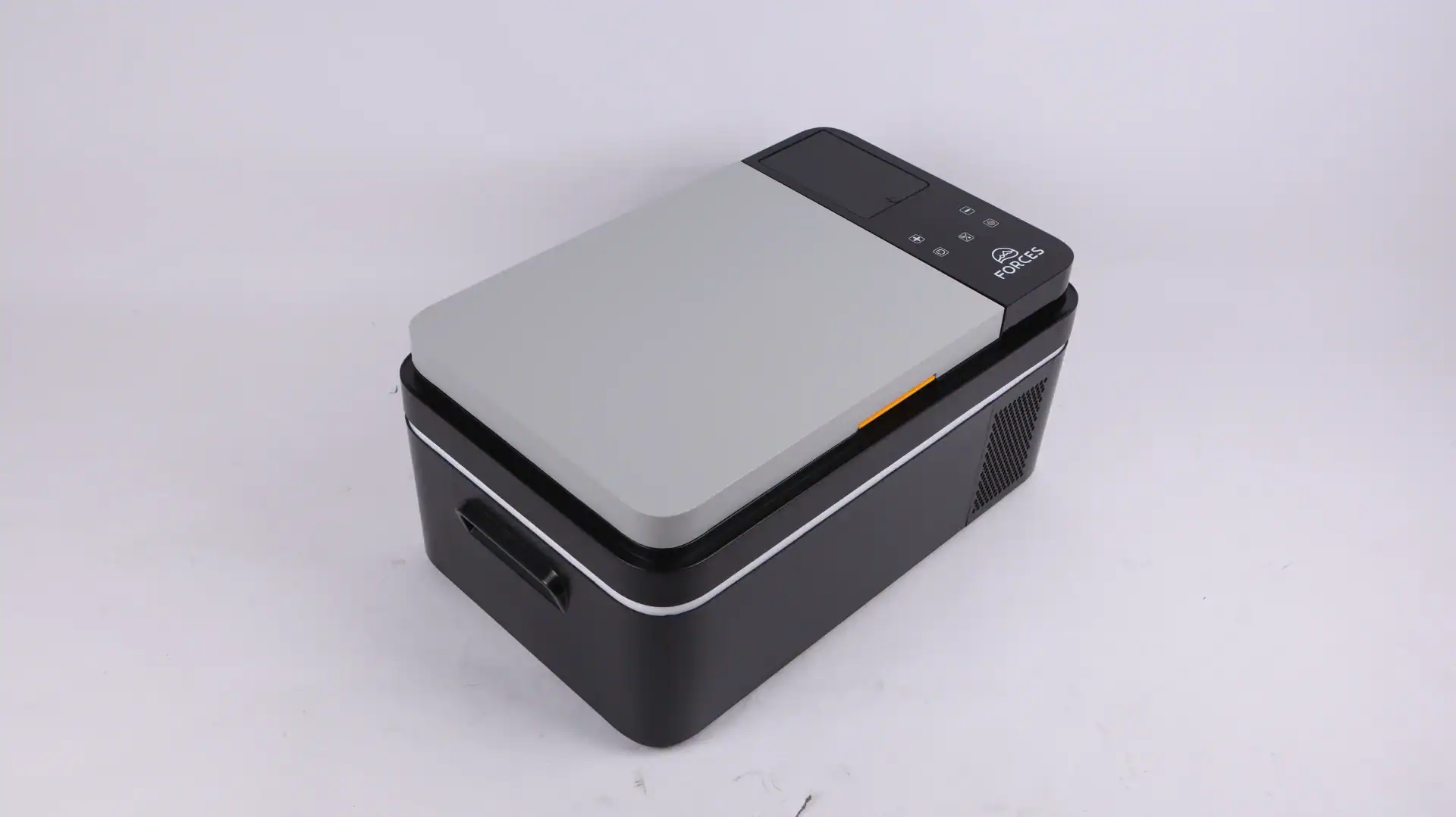
Почему замки автомобильных холодильников распахиваются на ухабистых дорогах
Защёлки автомобильных холодильников убивает кручение, а не выдёргивание.
Защёлка автомобильного холодильника редко выходит из строя из-за прямого открывания рывком. Гребенчатые неровности дороги заставляют дверцу перекашиваться по диагонали, и защёлка ударяется об ответную часть под углом. Эта диагональная нагрузка превращает вертикальное усилие закрытия в напряжение сдвига поперёк пластикового стопорного язычка. Усилие на выдёргивание — наименьшая из ваших проблем.
Физика быстро становится неприятной. Загруженный холодильник на 50 л создаёт примерно 15 Н·м крутящего момента на нижней петле. На защёлке длиной 2 см это превращается в более чем 75 кгс усилия сдвига. ABS-стопорные язычки не рассчитаны на такой вектор нагрузки.
Холод делает ABS-пластик хрупким
ABS — стандартный материал для дешёвых защёлок-клипс, потому что он легко формуется и стоит почти ничего. Но ABS становится хрупким ниже -20°C — прямо в рабочем диапазоне компрессорного холодильника на 12V. При каждом открытии дверцы защёлка охлаждается под воздействием внутреннего объёма с температурой -18°C. Холод в сочетании с дорожной вибрацией приводит к тому, что язычок защёлки трескается, а не сгибается.
Вот почему более сильное нажатие на дверцу при закрывании — это временное решение, а не починка. Язычок не ослаб от перегрузки; он срезался, потому что охрупчивание на холоде и диагональный перекос превысили предел сдвига материала. Ремень-стяжка поможет добраться до дома. Он не устраняет режим отказа.
Единственная надёжная защита
Сталь меняет расчёт. Стальная торсионная пружина возвращается в исходное состояние без сбоев после циклов нагрузки, а ударная планка из цинкового сплава не деформируется под сдвиговой нагрузкой. Данные производства однозначны: защёлки-фиксаторы из АБС-пластика обычно выдерживают 2 000–5 000 циклов, тогда как усиленные сталью защёлки работают 10 000–30 000 циклов.
Когда поставщик собирает холодильник для эксплуатации на ухабистых дорогах, спецификация защёлки должна быть в инженерной ведомости материалов, а не в файле жалоб послепродажного обслуживания. Завод-партнёр KelyLands в Нинбо устанавливает усиленные сталью защёлки в отдельные экспортные модели, используя пружины из углеродистой стали 65Mn и ударные планки из цинкового сплава. Эта пара материалов — разница между защёлкой, которая открывается на первой же ухабистой трассе, и той, что держится годами.
Диагностика неисправности: защёлка, ответная планка или петля?
Пять минут диагностики отделяют замену защёлки $10 от возвратной отправки $40 и испорченной поездки.
Прежде чем заказывать любую заменяемую деталь, проведите проверку по трём пунктам. Большинство отказов защёлок автомобильных холодильников относятся к одной из трёх категорий, и для каждой требуется разный ремонт. Замените не тот компонент — и дверца снова откроется на следующей стиральной доске.
Проверка по трём пунктам
Сначала возьмитесь за дверцу за ручку и нажмите прямо вниз, наблюдая за штифтами петель. Люфт вбок — любое боковое движение в петле — означает изношенные штифты, а не неисправную защёлку. Провисшая дверца нарушает соосность ударной планки и заставляет защёлку выглядеть неисправной, хотя это не так.
Во-вторых, закройте дверцу и вставьте щуп толщиной 1–2 мм между зацепом защёлки и ударной планкой. Неравномерный зазор по поверхности контакта означает, что планка смещена. Выравнивание занимает пять минут, и это часто ошибочно принимают за сломанный замок.
В-третьих, приведите защёлку в действие 20 раз. Проверьте на предмет задержки возврата пружины. Защёлка, которая щёлкает, но не зацепляется, имеет изношенную пружину. Пружина, которая идёт с натугой или застревает в конце хода, нуждается в замене, а не в регулировке.
Сопоставьте симптом с неисправной деталью
-
- Дверца закрывается, но щёлкает без зацепления: Изношенная пружина защёлки. Замените пружину и ударную планку комплектом — неравномерный износ сокращает срок службы новой детали.
- Дверца провисает и не закрывается ровно: Изношенные штифты петель. Набор для ремонта защёлки это не исправит. Сначала замените штифты, затем повторно проверьте зазор ударной планки.
- Дверца не закрывается заподлицо; видимый зазор: Смещённая ответная планка. Ослабьте винты планки, закройте дверцу, чтобы уплотнитель встал на место, затяните винты и повторно измерьте щупом.
- Язычок защёлки срезан или треснул: Отказ защёлки из АБС-пластика. Замените на комплект защёлки со стальным усилением. Это тот единственный случай, когда сама деталь является первопричиной, а не симптомом износа петель.
Почему характер отказа имеет значение
Загруженный 50-литровый холодильник испытывает примерно 15 Н·м крутящего момента на петле на ухабистых дорогах, что преобразуется в более чем 75 кгс сдвигающего усилия на 2-сантиметровый захват защёлки. АБС-пластик становится хрупким ниже -20°C — как раз в рабочем диапазоне работающего автомобильного холодильника. Именно это сочетание приводит к тому, что пластиковый язычок срезается, а не сгибается.
Инструменты для этой проверки простые: щуп 1–2 мм, отвёртка T15 Torx и фонарик. Большинство неисправностей обнаруживаются в течение 5 минут, и решение — это комплект замены US$5–$15 — а не новый холодильник.
KelyLands устанавливает системы защёлок со стальным усилением на отдельные модели холодильников именно по этой причине: пружина из углеродистой стали 65Mn и ответная планка из цинкового сплава, протестированные на 10 000 циклов. Когда защёлка выходит из строя в полевых условиях, пластиковый язычок почти всегда является первопричиной — не петля и не пользователь.
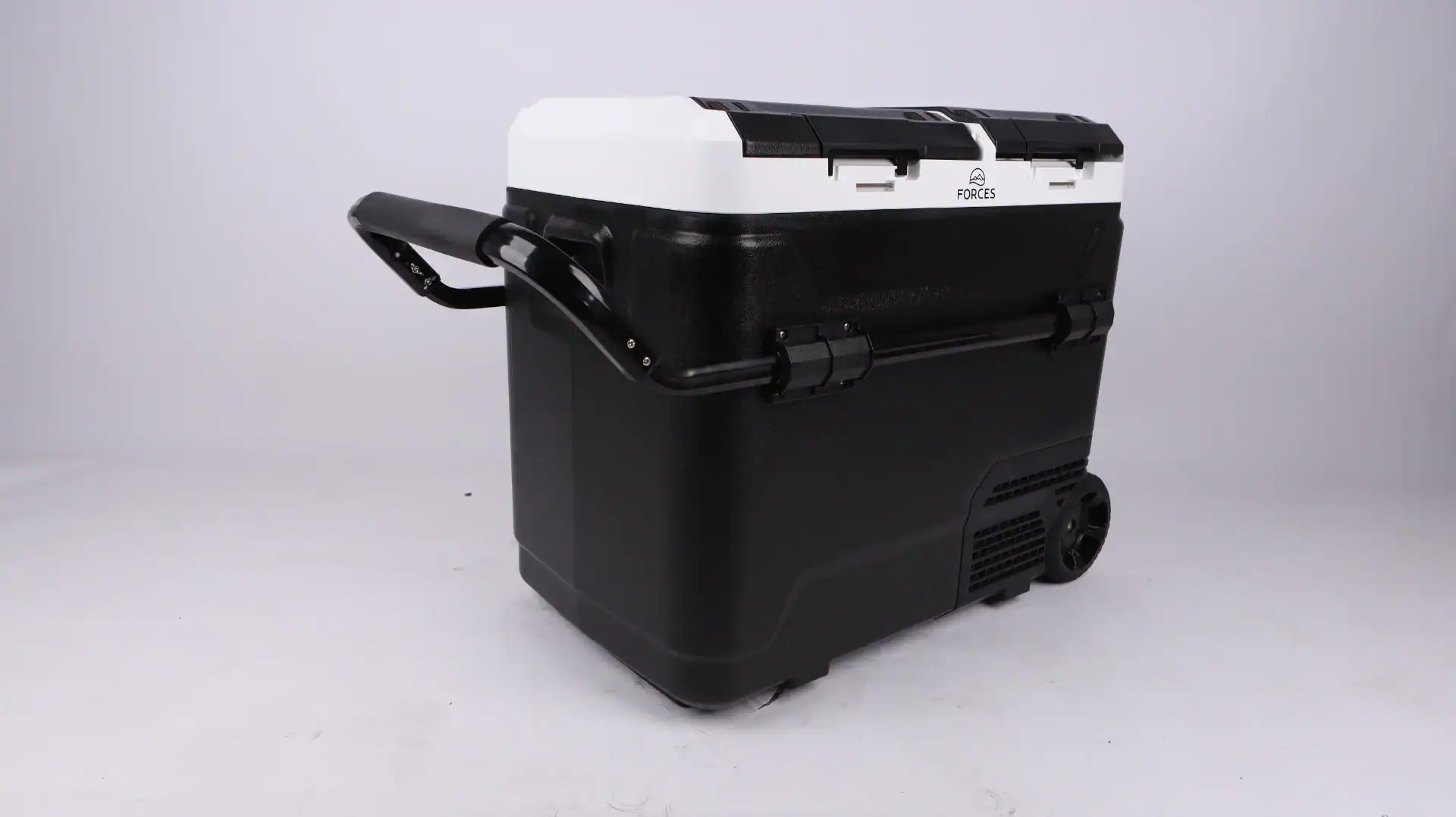
Как исправить неисправную защёлку автомобильного холодильника (пошагово)
Сломанная защёлка автомобильного холодильника устраняется комплектом US$5–$15, если заменить пружину и ответную планку вместе.
Защёлка на 12-вольтовом компрессорном холодильнике является изнашиваемой деталью, а не деталью на весь срок службы. Если защёлка вашего автомобильного холодильника постоянно открывается, пружина, скорее всего, потеряла упругость. Ремонт занимает около 20 минут и не требует особых навыков.
Инструменты и запасные части
Вам понадобятся отвёртка T15 Torx, шестигранный ключ на 2,5 мм, силиконовая смазка и комплект замены защёлки. В большинство комплектов входят новая пружина, ответная планка и винты. Рассчитывайте на US$5–$15 за оригинальные запчасти.
-
-
- Отвёртка T15 Torx: Снимает внутреннюю накладку и винты ручки.
- Шестигранный ключ 2,5 мм: Регулирует положение ответной планки.
- Силиконовая смазка: Сохраняет плавность работы шарнирных узлов при отрицательных температурах.
- Комплект для замены защелки: Выбирайте комплект с пружиной из углеродистой стали 65Mn и ответной пластиной из цинкового сплава или нержавеющей стали 304. Металлическая ответная пластина служит примерно в пять раз дольше, чем ABS.
-
Пошаговая замена защелки
-
- Шаг 1: Освободите карманы двери: Уберите бутылки и банки, чтобы внутренняя обшивка могла отогнуться без сопротивления.
- Шаг 2: Снимите внутреннюю обшивку: Открутите от четырёх до шести крепёжных винтов, обычно T15 Torx, и подденьте обшивку, отделяя её от дверной рамы.
- Шаг 3: Выдвиньте узел ручки с защёлкой: Он вынимается как единый узел. Обратите внимание на ориентацию пружины и стопорного язычка перед заменой деталей.
- Шаг 5: Выровняйте ответную пластину: Ослабьте винты ответной пластины, закройте дверь, чтобы установить зазор 1–2 мм, затем затяните.
- Шаг 6: Проверьте при полузагрузке: Загрузите обратно несколько бутылок, закройте дверь и убедитесь, что защёлка защёлкивается и держит. Если возможно, проедьте по неровному участку.
Большинство 12-вольтовые компрессорные холодильники используют винты M4, поэтому стандартный комплект защёлки подходит для разных брендов. Стоимость замены замка автомобильного холодильника остаётся в диапазоне US$5–$15, даже если вы не покупаете у оригинального производителя.
Для замены пружины защёлки автомобильного холодильника заказывайте пружину и ответную планку как комплект. Замена старой ABS-планки на новую стальную пружину оставляет ту же слабую точку на месте.
Почему это важно для поиска поставщика
Этот 20-минутный ремонт — также проверка качества. KelyLands указывает пружины из углеродистой стали 65Mn и металлические ответные планки в системах защёлок с усилением сталью, используемых на своей линии холодильников, собираемых в Нинбо. Эту же спецификацию следует требовать от любого поставщика.
Если вы импортируете холодильники под частной маркой, запросите отчёт о циклических испытаниях защёлки перед размещением заказа. Дешёвая ABS-защёлка может выйти из строя уже через 2 000 циклов, тогда как блок с усилением сталью выдерживает 10 000–30 000 циклов. Уровень отказов в $5 на заказе из 500 единиц означает $500–$1 000 прямых затрат на возвраты — которых можно избежать с помощью модернизации стоимостью $0,60 за единицу.
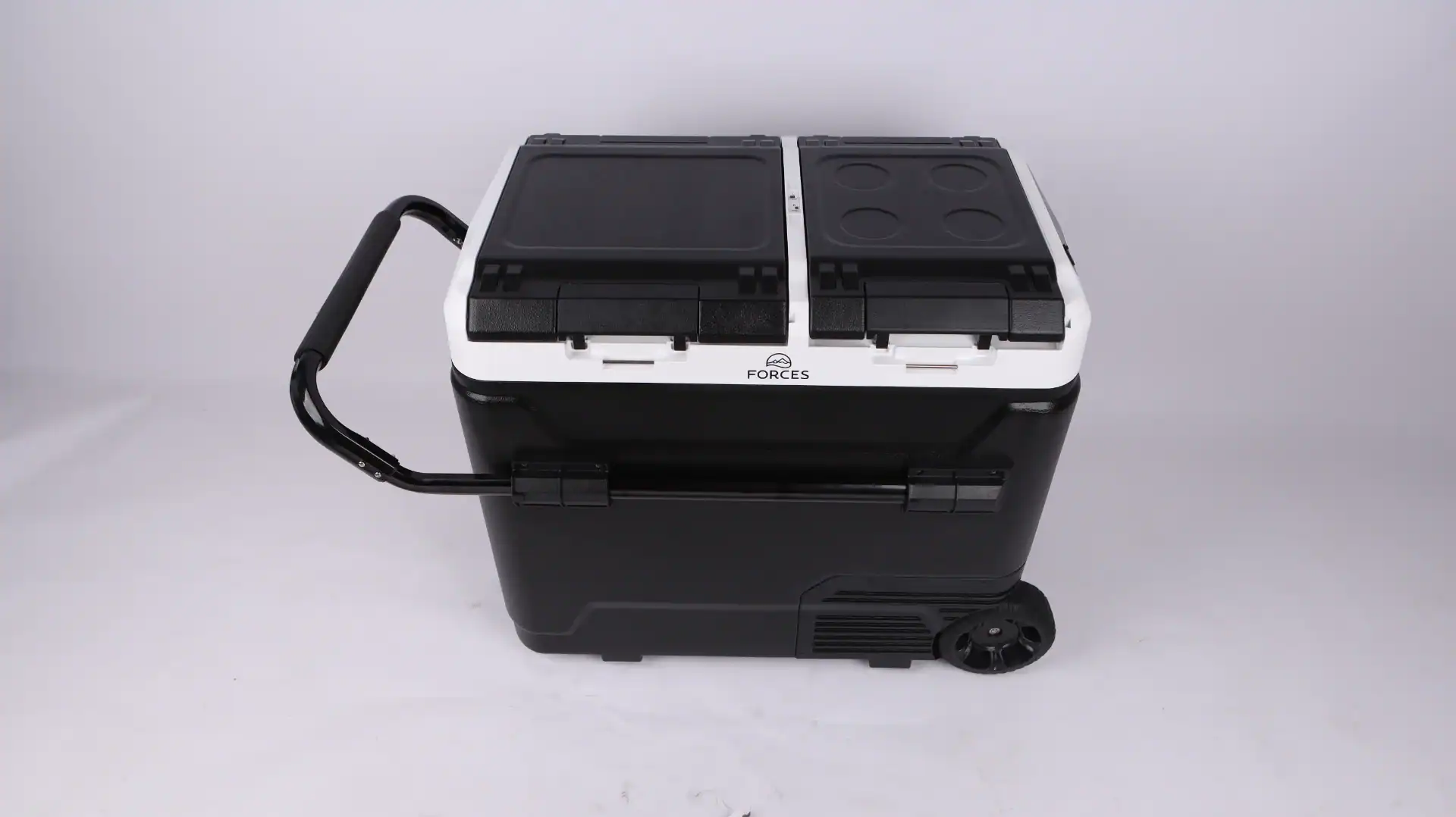
ABS против защёлок с усилением из стали: что должны требовать покупатели OEM
ABS-защёлка за $0,08 может создать возвраты на $1 000; сталь стоит всего на $300 дороже за 500 единиц.
Поставщик экономит примерно $0,52–$1,12 на единицу, устанавливая ABS-защёлку с защёлкивающимся зажимом вместо защёлки со стальной пружиной и металлической ответной планкой. Эта разница выглядит безобидно в котировке. Это самый предсказуемый гарантийный риск в 12V компрессорном холодильнике.
Стоимость и ресурс в циклах
-
-
- Защёлка-клипса из АБС-пластика: Примерно $0.08 за единицу. Ресурс составляет от 2 000 до 5 000 циклов открывания/закрывания. При температуре ниже -20°C АБС-пластик становится хрупким, а работающий автомобильный холодильник эксплуатируется именно в этом диапазоне.
- Защёлка со стальной пружиной и металлической ответной планкой: $0.60 – $1.20 за единицу. Ресурс достигает 10 000 – 30 000 циклов. Пружина обычно изготавливается из углеродистой стали 65Mn, а ответная планка — из цинкового сплава или нержавеющей стали.
-
Эти цифры циклов имеют значение в реальных условиях. Внедорожные пользователи открывают холодильник несколько раз в день. Защёлка из АБС на 2 000 циклов может стать гарантийным случаем уже в первый год. Стальная версия переживает остальную часть устройства.
Расчёт возвратов меняет решения о закупках
Один возврат из-за сломанной защёлки обходится в $20 – $40 за доставку и обработку возврата, не считая ущерба для онлайн-отзыва. При заказе 500 единиц уровень отказов 5% означает $500 – $1,000 прямых затрат на возвраты. Установка стальных защёлок на каждую единицу добавляет к тому же заказу всего $300.
Для собственной торговой марки это самое простое для обоснования улучшение качества. Дополнительные $300 — меньше, чем счёт за возвраты, которого вы пытаетесь избежать.
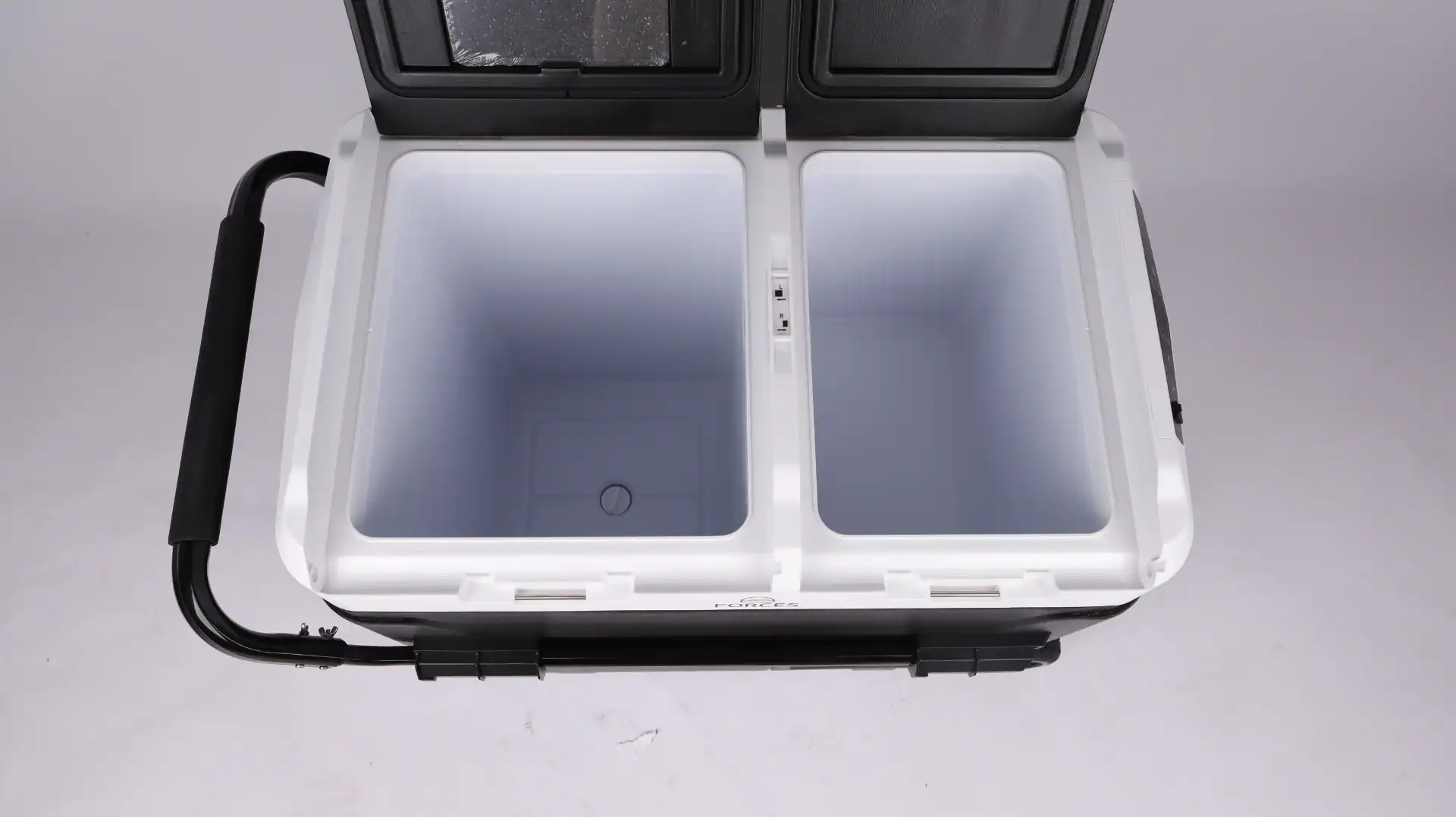
Что закупщики бренда должны требовать от поставщиков
Не принимайте защёлку только потому, что она щёлкает. Требуйте документально подтверждённые доказательства до начала производства.
-
- Отчёт о циклических испытаниях защёлки: Требуйте отчёт сторонней организации TÜV или SGS, подтверждающий минимум 10 000 циклов. Если поставщик колеблется или присылает самостоятельно выданный PDF, считайте защёлку дешёвым типом из АБС.
- Спецификация материала пружины: Подтвердить углеродистую сталь 65Mn. Обычная углеродистая сталь или немаркированная пружинная сталь быстрее теряют упругость в холодных условиях.
- Материал ответной планки: Требуется цинковый сплав или нержавеющая сталь. Они обеспечивают примерно пятикратный срок службы по сравнению с ABS-ответной планкой и предотвращают самопроизвольное открывание защёлки на ухабистых дорогах.
- Перепроверить физическую деталь: Испытание магнитом ответной планки и пружины занимает десять секунд. Поставщики могут приложить лист технических характеристик, но не могут подделать магнит.
KelyLands устанавливает стальные усиленные защелочные системы на отдельные автомобильный холодильник модели и может предоставить документацию по циклам защелки для покупателей, заказывающих производство под собственной маркой. Запросите спецификацию пружины и ответной планки в письменном виде, затем проверьте перед утверждением образца.
Заключение
Пропуск проверки защелки не просто рискует тем, что дверца распахнется на удаленной тропе — это гарантирует возвраты при следующей партии. Каждая неисправная защелка стоит $20–$40 за доставку и возврат на склад, а уровень отказов 5% при заказе на 500 единиц сжигает $500–$1,000 маржи в течение первого года. Комплект защелки с стальным усилением, предотвращающий это, добавляет около $0.60 за единицу — дешевая страховка от ответственности за возвраты.
-
- Скручивание от вибрации на неровной дороге, а не сила вытягивания, срезает усики защелки из АБС-пластика.
- Защелки из АБС выдерживают 2 000–5 000 циклов; защелки со стальной пружиной служат 10 000–30 000 циклов.
- Замена защелки стоит US$5–$15; игнорирование проблемы стоит $20–$40 за каждый возврат плюс ущерб бренду.
- Требуйте отчет по испытаниям защелки на циклы с углеродистой сталью 65Mn и ответной планкой из нержавеющей стали 304.
Перед следующим заказом контейнера запросите у фабрики три документа: отчет по испытаниям защелки на циклы, спецификацию пружинной стали и материал ответной планки. Если они не могут показать минимум 10 000 циклов с углеродистой сталью 65Mn и ответной планкой из цинкового сплава или нержавеющей стали 304, риск несете вы. Просмотрите страницу автомобильного холодильника на KelyLands — защелки с металлическим усилением и полная документация по циклам защелки входят в стандартную комплектацию заводских сборок.
Часто задаваемые вопросы
Почему замок моего автомобильного холодильника продолжает открываться на ухабистых дорогах?
Она открывается, потому что неровные дороги заставляют дверцу перекашиваться по диагонали, превращая усилие закрывания в напряжение сдвига на пластиковой защёлке. Загруженный холодильник может создавать нагрузку более 75 кгс. Замените защёлку на конструкцию с пружиной из стали, если вы ездите по грунтовым дорогам с колеёй.
Можно ли использовать навесной замок, чтобы дверца автомобильного холодильника оставалась закрытой?
Вы можете временно использовать навесной замок, если у холодильника есть проушина, но это лишь скрывает неисправность защёлки и может перегрузить петлю. Ремень с храповым механизмом — более безопасное временное решение. Затем замените защёлку и ответную планку как комплект.
Как понять, что защёлка или петля моего автомобильного холодильника сломаны?
Если дверца не выравнивается или провисает, проблема в петле; если она закрывается, но не остается закрытой, вероятно, сломана защелка или ответная планка. Осмотрите пластиковый усик. Проведите пятиминутную диагностику перед заказом любых запасных частей.
Сколько стоит замена защёлки автомобильного холодильника?
Замена подходящих защелки и ответной планки обычно стоит 5–15 долларов США. Работа по самостоятельной замене бесплатна, но доставка запасной части может значительно увеличить общую стоимость. Перед покупкой уточните точную модель и схему крепежа.
Почему уплотнитель моего автомобильного холодильника пропускает холодный воздух после того, как сломалась защёлка?
Оно протекает, потому что сломанная защёлка больше не прижимает дверь к уплотнителю, оставляя зазор, через который выходит холодный воздух. Тёплый воздух поступает внутрь. Сначала почините защёлку, затем проверьте уплотнитель; замените уплотнитель, если зазор останется.

 English
  Español
  Français
  Deutsch
  Português do Brasil
  Русский
  한국어
한국어  日本語
日本語  العربية