 Перейти к основному содержанию Перейти к нижнему колонтитулу

Правильное сохранение вина с помощью термоэлектрического винного холодильника имеет решающее значение для ритейлеров, стремящихся избавиться от жалоб на вибрацию. Стандартные компрессорные холодильники создают кинетическую энергию, которая портит дорогие сорта вин, разрушая танины и осадок. Этот единственный недостаток напрямую ведет к возвратам клиентов и подрывает репутацию бренда, предлагающего хранилища профессионального уровня.
В этом анализе оценивается основная технология, предотвращающая этот сбой: полупроводниковый модуль Пельтье. Мы оцениваем устройства по таким параметрам, как отсутствие вибраций, стабильность влажности и точность поддержания температуры в двух зонах, чтобы помочь покупателям найти бесшумные и надежные шкафы, которые будут защищать коллекцию вин, как положено.
Вибрационная химия: Почему тряска портит дорогое вино?
Вибрация разрушает вино, добавляя кинетическую энергию, которая ускоряет химические реакции. Постоянное движение разрушает танины, вызывает окисление и препятствует оседанию осадка, что приводит к преждевременному старению вина.
Молекулярные нарушения и ускоренное старение
Вино - сложная жидкость, находящаяся в хрупком химическом равновесии. Постоянная вибрация придает бутылке кинетическую энергию, которая дестабилизирует взвешенные соединения, такие как танины, пигменты и кислоты. Такое перемешивание, по сути, расшатывает химический состав, ускоряя реакции, на которые должны уйти десятилетия.
Исследования показывают, что это не просто теория. Вибрация наносит ощутимый вред:
- Он уменьшает количество эфиров, вырабатывающих аромат.
- Он увеличивает количество соединений, создающих неприятные нотки, например, ацетона.
- Он не дает оседать осадку в старых винтажах, который лишает вино аромата и приглушает его характер.
Преимущество безвибрационного термоэлектрического охлаждения
В традиционных винных холодильниках используются компрессоры - та же технология, что и в кухонных холодильниках. Эти компрессоры создают постоянные низкочастотные вибрации, которые со временем портят вино. Лучшее решение полностью исключает движущиеся части.
В наших устройствах используется твердотельный модуль Пельтье - полупроводниковая технология, которая охлаждает без каких-либо механических движений. Это позволяет создать абсолютно бесшумную и свободную от вибраций среду. Устраняя основной источник повреждений, связанных с хранением, эта стабильность защищает тонкую химическую структуру вина. Благодаря этому каждая бутылка выдерживается именно так, как было задумано виноделом, сохраняя на долгие годы задуманный вкусовой профиль.
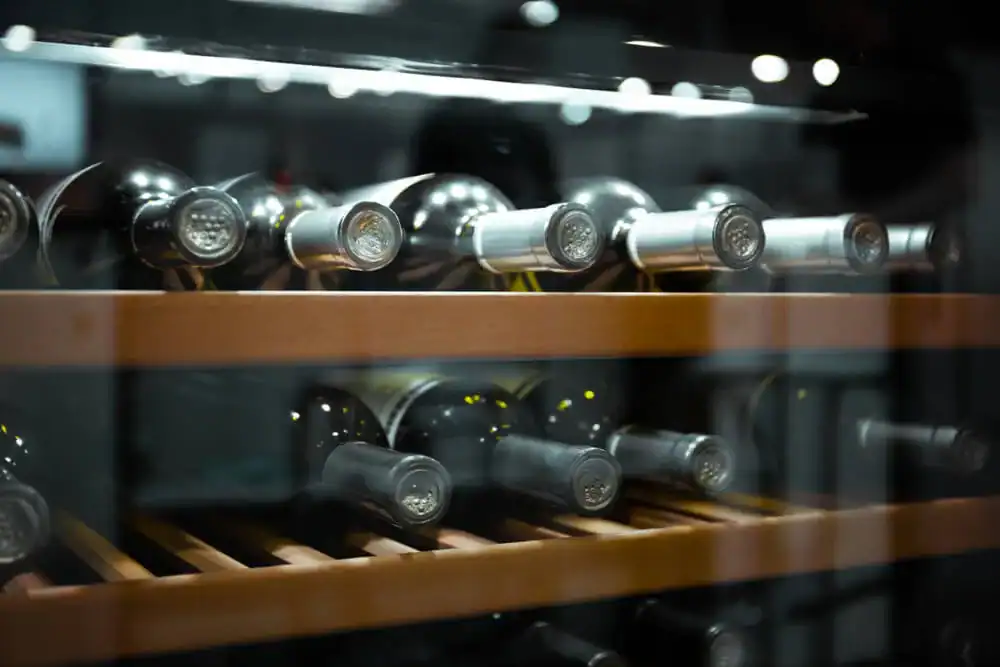
Технология нулевой вибрации: Как работает твердотельное охлаждение?
Твердотельное охлаждение использует эффект Пельтье для создания разницы температур с помощью электричества, а не движущихся частей. Это исключает вибрацию и шум, которые повреждают чувствительные продукты, такие как вино или средства по уходу за кожей.
В обычных холодильниках для циркуляции хладагента используется компрессор - механический насос. Этот процесс эффективен, но создает постоянные микроколебания и шум. Твердотельное, или термоэлектрическое, охлаждение позволяет полностью избавиться от компрессора. Он использует другой физический принцип, чтобы обеспечить бесшумное охлаждение без каких-либо движущихся частей.
| Атрибут | Твердотельные (термоэлектрические) | Компрессор на основе |
|---|---|---|
| Основные технологии | Эффект Пельтье (полупроводник) | Цикл сжатия паров |
| Движущиеся части | Нет (за исключением небольших вентиляторов) | Мотор, насос, поршень |
| Вибрация | Ноль | Постоянные микроколебания |
| Уровень шума | Почти бесшумный (~28 дБ) | Слышимый гул (35-45 дБ+) |
| Хладагенты | Нет (без фреона) | Требуются химические хладагенты |
Эффект Пельтье: Охлаждение с помощью электричества, а не движения
Термоэлектрическое охлаждение основано на явлении, называемом эффектом Пельтье. Основным компонентом является полупроводниковый модуль - небольшая твердая пластина, известная как прибор Пельтье, зажатая между двумя керамическими пластинами. Когда через этот модуль проходит постоянный электрический ток (DC), он заставляет тепло перемещаться с одной стороны устройства на другую.
Таким образом, одновременно создаются горячая и холодная стороны. Холодная сторона поглощает тепло изнутри холодильника, а горячая сторона рассеивает это тепло в окружающем воздухе, часто с помощью небольшого тихого вентилятора. Весь процесс охлаждения происходит на молекулярном уровне без каких-либо насосов, поршней или компрессоров.
Бесшумная работа: Преимущество безкомпрессорной конструкции
Главное преимущество такой конструкции - полное отсутствие вибрации. Охладители с компрессорным приводом постоянно генерируют микровибрации, которые нарушают осадок в стареющем вине и могут разрушить сложную молекулярную структуру элитной косметики. Твердотельная технология полностью устраняет эту проблему, защищая целостность чувствительных продуктов.
Такая конструкция также делает устройства исключительно тихими. Например, холодильники KelyLands для ухода за кожей работают с уровнем шума до 28 дБ в экономичном режиме, что тише шепота и идеально подходит для спален, детских комнат или офисов. Еще одно ключевое преимущество - экологичность. При отсутствии компрессора нет необходимости в химических хладагентах, таких как фреон, которые могут нанести вред озоновому слою.
Запустите свой бренд с помощью минихолодильников на заказ

Контроль влажности: Защищает ли он пробки лучше, чем сухие компрессы?
Да. Термоэлектрические охладители работают без компрессора, естественным образом поддерживая стабильную влажность. Это предотвращает высыхание воздуха, сохраняя пробки влажными и защищая вино от окисления.
Оптимальный диапазон влажности для сохранения пробки
Для защиты коллекции вин влажность воздуха в хранилище должна находиться в диапазоне от 50% до 80%. В этом диапазоне пробки достаточно влажные, чтобы не распускаться и создавать плотное уплотнение, но не настолько влажные, чтобы плесень стала проблемой. Отклонение от этого диапазона приводит к определенным, предсказуемым поломкам.
Если уровень неверен, пробка выйдет из строя одним из двух способов:
- Ниже 50% Влажность: Пробки высыхают, сжимаются и теряют герметичность. Это позволяет кислороду проникать в бутылку и портить вино в результате окисления.
- Выше 80% Влажность: Избыток влаги способствует образованию плесени и грибка на пробке и этикетке, что может нарушить герметичность и повлиять на вкус вина.
Как бескомпрессорное охлаждение поддерживает стабильную влажность
В наших устройствах для охлаждения используется полупроводниковый модуль Пельтье. Эта технология не имеет компрессора, что является ключом к правильному управлению влажностью.
В традиционных винных холодильниках используются компрессоры, которые активно вытягивают влагу из воздуха в процессе охлаждения. Этот процесс делает внутреннюю среду очень сухой, создавая постоянную борьбу за поддержание влажности, достаточной для защиты пробок.
Бескомпрессорная система полностью исключает этот эффект высушивания. Она поддерживает постоянный уровень внутренней влажности естественным образом, сохраняя целостность пробки, что позволяет вину правильно стареть, не нуждаясь в дополнительном увлажняющем оборудовании.

Двухзонный: Может ли он одновременно управлять красной (16°C) и белой (8°C) зонами?
Да. В двухзонных холодильниках используются два термоизолированных шкафа с независимыми цифровыми термостатами, что позволяет одной стороне держать белое вино при температуре 8°C, а другой - красное при 16°C.
Как работают термоизолированные шкафы
Двухзонные модели имеют два отдельных отсека, физически разделенных изолированным барьером. Такая конструкция предотвращает перепад температур между секциями. Каждая зона имеет свой собственный независимый цифровой термостат и элементы управления, что позволяет устанавливать и поддерживать разные температуры, не влияя на другую сторону.
Роль двухъядерного охлаждения в больших устройствах
Для больших устройств объемом более 20 л стандартного охлаждения недостаточно. Мы используем технологию Dual-Core Cooling, чтобы гарантировать производительность. В этой системе используются два отдельных модуля охлаждения Пельтье - по одному для каждой зоны. Благодаря этому оба отсека быстро и стабильно достигают заданной температуры, что очень важно для поддержания точного перепада между 8 и 16 °C.
Часто задаваемые вопросы
Почему холодильник с нулевой вибрацией лучше для вина, чем обычный компрессорный холодильник?
Стандартные компрессорные холодильники создают вибрации, которые ускоряют химическое разрушение вина и нарушают его естественный осадок. Этот процесс приводит к изменению вкуса и аромата вина. Технология термоэлектрического охлаждения является твердотельной и не вибрирует, что помогает сохранить качество вина по мере его выдержки.
Достаточно ли тихи термоэлектрические винные холодильники для гостиной?
Да, они практически бесшумны. В экономичном режиме наши устройства работают с уровнем шума всего 28 дБ. Для сравнения, компрессорные модели могут создавать 35-45 дБ шума, как в тихой библиотеке. Поскольку в термоэлектрических холодильниках отсутствуют крупные движущиеся части, они отлично подходят для тихих жилых помещений и спален.
Как стеклянная дверца защищает вино от повреждения светом?
Двери оснащены стеклом с защитой от ультрафиолетового излучения, которое отсеивает почти все вредные ультрафиолетовые лучи. Ультрафиолетовое излучение разрушает танины и другие важные соединения, что приводит к появлению привкуса “светового удара”. Это специализированное стекло помогает сохранить структуру, цвет и аромат вина.
Может ли этот холодильник поддерживать стабильную температуру для длительной выдержки красного вина?
Да, стабильность температуры - самый важный фактор для правильной выдержки вина. Эти охладители созданы для поддержания постоянной температуры в идеальном диапазоне 55-65°F (13°C-18°C). Предотвращая перепады температуры, охладитель позволяет избежать преждевременного старения и дает возможность вину полностью раскрыть свою сложность.
Заключительные мысли
Хотя компрессорные установки могут снизить первоначальные затраты на инвентарь, они рискуют вашей репутацией в случае возврата из-за жалоб на шум или поврежденное вино. Наша полупроводниковая конструкция без вибраций - единственный способ обеспечить бесшумную консервацию, которую ожидают серьезные коллекционеры. Это отличие защищает ваш бренд и оправдывает премиальную цену.
Не просто читайте о качестве - подтвердите его. Мы рекомендуем заказать образец, чтобы испытать нашу бесшумную работу на уровне 28 дБ и стабильный контроль влажности из первых рук. Свяжитесь с нашей командой, чтобы обсудить спецификации OEM и получить первый заказ на поставку.

 English
  Español
  Français
  Deutsch
  Português do Brasil
  Русский
  한국어
한국어  日本語
日本語  العربية