 Перейти к основному содержанию Перейти к нижнему колонтитулу

Логика "2 в 1" (электрический охладитель и подогреватель) напрямую противостоит высоким текущим расходам и финансовым рискам, связанным с сезонными запасами. Складирование отдельных охладителей, которые продаются только летом, приводит к устареванию запасов и снижению маржи, что является постоянной проблемой для дистрибьюторов автозапчастей и автостоянок.
В этом анализе основное внимание уделено основным преимуществам одного круглогодичного SKU. Мы оцениваем терморегулируемый нагрев до 65°C и стандартную готовность к питанию от сети переменного/постоянного тока, что делает этот универсальный, устойчивый к сезону продукт для ваших клиентов.
“Бесплатный” обогреватель: Как смена полярности создает тепло?
При изменении направления электрического тока в модуле Пельтье его горячая и холодная стороны меняются местами. Это позволяет мини-холодильникам KelyLands переключаться с охлаждения на эффективный подогрев содержимого до 65°C.
Наука внутри: Понимание эффекта Пельтье
В наших мини-холодильниках не используются компрессоры или химические хладагенты, такие как фреон. В основе технологии лежит твердотельный полупроводник, называемый модулем Пельтье. Когда постоянный ток (DC) проходит через этот модуль, он заставляет тепло переходить с одной стороны на другую. Одна сторона охлаждается, а противоположная нагревается.
Функция "2 в 1" основана на простом принципе: изменение полярности тока мгновенно меняет направление теплового потока. Холодная сторона становится горячей, а горячая - холодной. Достаточно одного переключения, чтобы превратить прибор из охладителя в обогреватель.
Практичная согревающая способность: Достигает 65°C
Термоэлектрическая технология обеспечивает надежный терморегулируемый подогрев. Внутренняя температура поддерживается на стабильном уровне от 50 до 65 °C. Эта функция превращает сезонный холодильник в ценный круглогодичный продукт для ваших клиентов.
Он идеально подходит для подогрева косметических средств, таких как маски для лица и полотенца, что соответствует тенденции “сохранения красоты”. В нем также можно согреть бутылку молока или упакованный ланч. Такая двойная функциональность дает ритейлерам единый универсальный SKU, который продается зимой так же хорошо, как и летом.

Обед дальнобойщика: Можно ли безопасно хранить горячую пищу при температуре 60°C (140°F)?
Да. Наши термоэлектрические подогреватели нагреваются до 65°C (149°F), сохраняя продукты гораздо выше бактериально опасной зоны 60°C (140°F), что делает их надежным решением для приготовления горячих блюд.
Опасная зона безопасности пищевых продуктов‘
Бактерии быстрее всего размножаются в ‘опасной зоне’ - диапазоне температур от 4 до 60°C (от 40 до 140°F). Это простое правило безопасности продуктов питания, которое должен знать каждый.
Чтобы остановить этот рост, все горячие продукты, которые не будут съедены в течение двух часов, должны храниться при постоянной температуре выше 60°C (140°F). Здесь нет места ошибкам.
Терморегулируемый нагрев до 65°C
Наши приборы созданы именно для этой цели. Функция подогрева использует встроенный термостат для поддержания внутренней температуры в диапазоне от 50 до 65°C (122-149°F).
Такая производительность гарантирует, что ваши блюда останутся выше критической точки безопасности 60°C (140°F). Дальнобойщики могут питать прибор от стандартного автомобильного адаптера постоянного тока 12 В и в любое время получить горячую и безопасную еду.
Источник Полностью сертифицированные минихолодильники с индивидуальным брендом

Защитная блокировка: Предотвращает ли она случайное включение “горячего режима”?
Для предотвращения случайного включения режима нагрева в термоэлектрических мини-холодильниках используется физический трехпозиционный переключатель (Cool/Off/Warm), а не сложная электронная блокировка.
Роль механических блокировок и блокировок системы управления
В промышленном оборудовании защитная блокировка - это специальное устройство, контролирующее ограждение или дверь. Его задача - предотвратить опасную работу, если барьер открыт. Это прямая связь между физическим доступом и мощностью машины.
Они могут быть чисто механическими, например, физический штырь, блокирующий движение, или частью системы управления с датчиками. Основной стандарт безопасности ISO 14119 полностью посвящен этому типу защиты оборудования. Он не применим к выбору режима работы в бытовых приборах, таких как мини-холодильники.
Ручной выключатель как встроенная защита
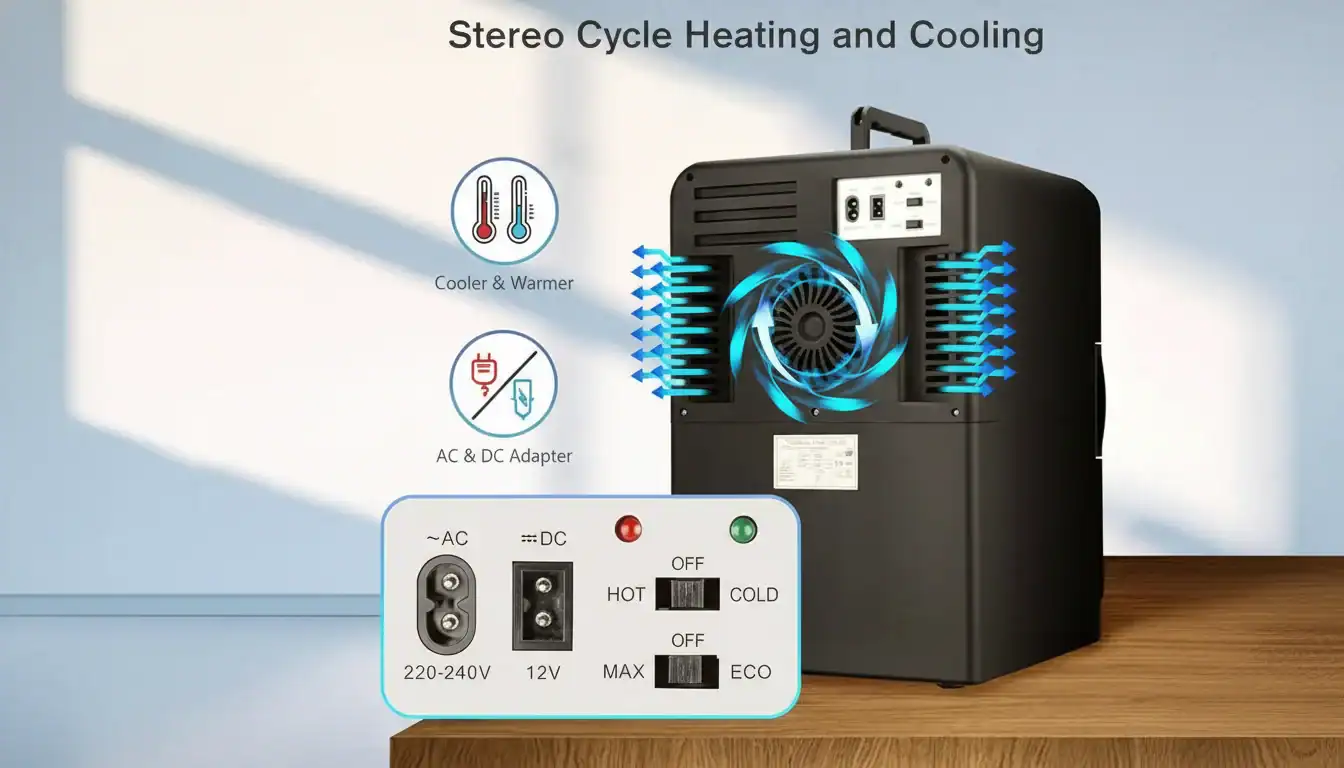
В термоэлектрических мини-холодильниках используется простой и надежный трехпозиционный ползунковый переключатель: ОХЛАЖДЕНИЕ - ВЫКЛЮЧЕНИЕ - НАГРЕВ. Для переключения режимов требуется твердое, намеренное ручное действие, поэтому случайно переключиться с охлаждения на нагрев очень сложно.
Размещение положения ‘OFF’ между положениями ‘COOL’ и ‘WARM’ является важным конструктивным решением. Оно обеспечивает полное обесточивание модуля Пельтье до того, как его электрическая полярность будет изменена для нагрева. Эта простая механическая последовательность защищает полупроводниковый чип от теплового удара и потенциального повреждения, выступая в качестве практичной и эффективной защиты, не требующей сложной электроники.
Математика запасов: Зачем хранить один SKU для всех 4 сезонов?
Складирование одного двухрежимного SKU снижает сложность инвентаризации, уменьшает затраты на хранение и снижает риск устаревания запасов. Это расширяет окно продаж и упрощает закупки для дистрибьюторов.
| Метрическая система | Традиционные сезонные SKU | Одномодовый двухмодовый SKU |
|---|---|---|
| SKU Count | 2+ (например, "Летом прохладнее", "Зимой теплее") | 1 |
| Несущие расходы | Высокая (дублирование запасов, больше складских площадей) | Низкий уровень (консолидированные запасы) |
| Риск устаревания | Высокий (нераспроданный сезонный запас) | Минимальный (круглогодичный спрос) |
| Окно продаж | Сезонные пики и долины | Постоянный круглый год |
Преимущество круглогодичного окна продаж
Основная логика проста: объединение сезонных продуктов в один многоцелевой SKU имеет смысл для бизнеса. Вместо того чтобы управлять отдельными продуктами для летнего охлаждения и зимнего согревания, единая универсальная единица упрощает всю вашу работу. Такой подход напрямую влияет на конечный результат.
- Это исключает необходимость раздельного хранения летней и зимней продукции, сокращая складские расходы.
- Прогнозирование спроса становится намного проще, что снижает финансовый риск сезонного затоваривания или неиспользуемых запасов.
- Продукт поддерживает стабильный потенциал продаж в течение всех четырех сезонов, а не создает резкие, непредсказуемые пики и спады в доходах.
Двухрежимная функция охлаждения и подогрева
Эта стратегия инвентаризации работает, потому что технология, лежащая в основе KelyLands, рассчитана на круглогодичное использование. Полупроводниковый модуль Пельтье позволяет одному и тому же устройству переходить от охлаждения к нагреву простым переключением, удовлетворяя различные потребности потребителей в зависимости от смены сезонов.
- Режим подогрева: Функция термостата нагревает внутреннюю поверхность до 50-65°C. Это идеально подходит для сохранения полотенец, масок для лица или даже детского молока в холодное время года.
- Режим охлаждения: Устройство обеспечивает надежное охлаждение при температуре на 16-20°C ниже комнатной, сохраняя средства по уходу за кожей и охлаждая напитки в летнее время.
- Готовность к работе с переменным/постоянным током: Каждый прибор поставляется как со стандартным домашним шнуром питания, так и с автомобильным адаптером на 12 В, что позволяет использовать его как в спальне, так и в автомобиле.
Часто задаваемые вопросы
Какова максимальная температура для функции подогрева?
Наши мини-холодильники предназначены для безопасного нагревания предметов до температуры от 50 до 65°C. Такая температура идеально подходит для масок для лица, полотенец или даже детской бутылочки. Термостат предотвращает перегрев и эффективно работает со стандартными пластиковыми, стеклянными или металлическими контейнерами.
Есть ли у выключателя питания необходимое положение ‘Выключено’?
Да, все наши устройства оснащены трехпозиционным переключателем: COOL, OFF и WARM. Центральное положение ‘OFF’ является критически важным элементом безопасности. Перед подключением устройства к источнику питания всегда убедитесь, что переключатель установлен в положение ‘OFF’, чтобы защитить внутреннюю полупроводниковую микросхему от скачков напряжения.
Потребляет ли отопление больше электроэнергии, чем охлаждение?
Нет, обе функции потребляют одинаковое количество энергии. Наша термоэлектрическая технология просто меняет направление электрического тока для переключения с охлаждения на нагрев, что делает прибор очень эффективным. Обычно он потребляет от 27 до 50 Вт энергии независимо от выбранного режима.
Заключительные мысли
Обычные кулеры выглядят дешево на бумаге, но после лета превращаются в дорогостоящий мертвый груз. Наше двухрежимное устройство с надежной функцией подогрева до 65°C обеспечивает круглогодичные продажи с одного SKU. Это защищает вашу прибыль, устраняя сезонные уценки и упрощая инвентаризацию.
Не гадайте о производительности - проверьте ее. Мы рекомендуем запросить производственный образец, чтобы самостоятельно проверить функциональность двух режимов и качество сборки. Свяжитесь с нашей командой B2B, чтобы получить образец и обсудить требования к частной марке для вашего следующего каталога.

 English
  Español
  Français
  Deutsch
  Português do Brasil
  Русский
  한국어
한국어  日本語
日本語  العربية