 Перейти к основному содержанию Перейти к нижнему колонтитулу

Выбор между металлическими и силиконовыми материалами (12v water kettle) напрямую определяет, будет ли ваш продукт соответствовать строгим европейским требованиям безопасности пищевых продуктов или станет серьезной проблемой для бизнеса. Для импортеров и брендов поиск поставщиков этих портативных чайников связан со сложными стандартами материалов, где незначительная оплошность в сертификации металла или силикона может привести к отклонению поставок, провалу таможенных проверок и дорогостоящему отзыву продукции. Использование более дешевого материала, не соответствующего требованиям, создает неприемлемый риск как для конечных пользователей, так и для репутации вашего бренда.
В этом руководстве приведены основные технические характеристики для производства надежных чайников для воды на 12 В. Мы проанализируем использование медицинской нержавеющей стали 316 для нагревательных элементов и объясним требования к разборному силикону, сертифицированному LFGB. Мы также расскажем об инженерных деталях, связанных с изготовлением антиожоговых пластиковых наружных поверхностей, и о протоколах испытаний под высоким давлением, используемых для предотвращения утечки воды до того, как продукция покинет завод.
Нагревательные пластины изготовлены из нержавеющей стали 316 медицинского класса?
В наших стандартных 12-вольтовых чайниках используется пищевая нержавеющая сталь марки 304, но мы предлагаем медицинскую сталь марки 316 в качестве OEM-модификации для клиентов, которым требуется повышенная коррозионная стойкость в сложных морских условиях или в условиях высокой чистоты.
Стандартный материал по сравнению с премиальным обновлением
В наших стандартных моделях автомобильных чайников для нагревательных пластин используется высококачественная пищевая нержавеющая сталь марки 304. По умолчанию каждый нагревательный элемент изготовлен из этого материала, который обеспечивает отличную коррозионную стойкость и соответствует международным стандартам безопасности пищевых продуктов, таким как LFGB. Для клиентов с особыми потребностями мы предлагаем медицинскую нержавеющую сталь 316 в качестве премиального OEM/ODM-модификатора. Мы можем изготовить чайники с пластинами из 316 для оптовых заказов, требующих повышенной прочности, что является распространенным запросом от B2B-клиентов, продвигающих продукцию, основанную на премиальных материалах и длительном сроке службы.
| Технические характеристики | Нержавеющая сталь 304 (стандарт) | Нержавеющая сталь 316 (OEM-модернизация) |
|---|---|---|
| Основной пример использования | Автомобили, грузоперевозки и общее повседневное использование. | Морские, прибрежные, медицинские и высокочистые применения. |
| Устойчивость к коррозии | Отличная устойчивость к обычному окислению и коррозии. | Превосходная устойчивость к хлоридам и кислотам благодаря содержанию молибдена. |
| Влияние на стоимость | Стандартная стоимость материалов включена в базовую цену. | Премиальный материал с более высокой стоимостью за единицу продукции. |
Коррозионная стойкость и чистота
Основное преимущество нержавеющей стали 316 - повышенная устойчивость к коррозии под воздействием хлоридов и кислот, что обеспечивает чистоту воды и более длительный срок службы изделий. Содержание молибдена обеспечивает превосходную защиту от ржавчины и точечной коррозии даже при частом использовании или воздействии различных типов воды. Такой выбор материала предотвращает появление металлического привкуса в воде, что является ключевым фактором для брендов, ориентированных на качество. Прочность при высоких температурах делает его идеальным материалом для надежного нагревательного компонента, выдерживающего многократные циклы кипячения.
Стоимость и MOQ
Выбор нержавеющей стали 316 - это индивидуальный подход, который влияет на стоимость единицы продукции и может быть обусловлен определенным минимальным количеством заказа (MOQ). Стоимость сырья для 316 выше, чем для 304, что будет отражено в конечной цене за единицу продукции. Мы работаем с клиентами, чтобы обеспечить прозрачное ценообразование для этой модернизации в зависимости от объема заказа. Запрос на эту модификацию является частью нашей комплексной услуги OEM, позволяющей создать продукт, который точно соответствует спецификациям вашего бренда и его положению на рынке.
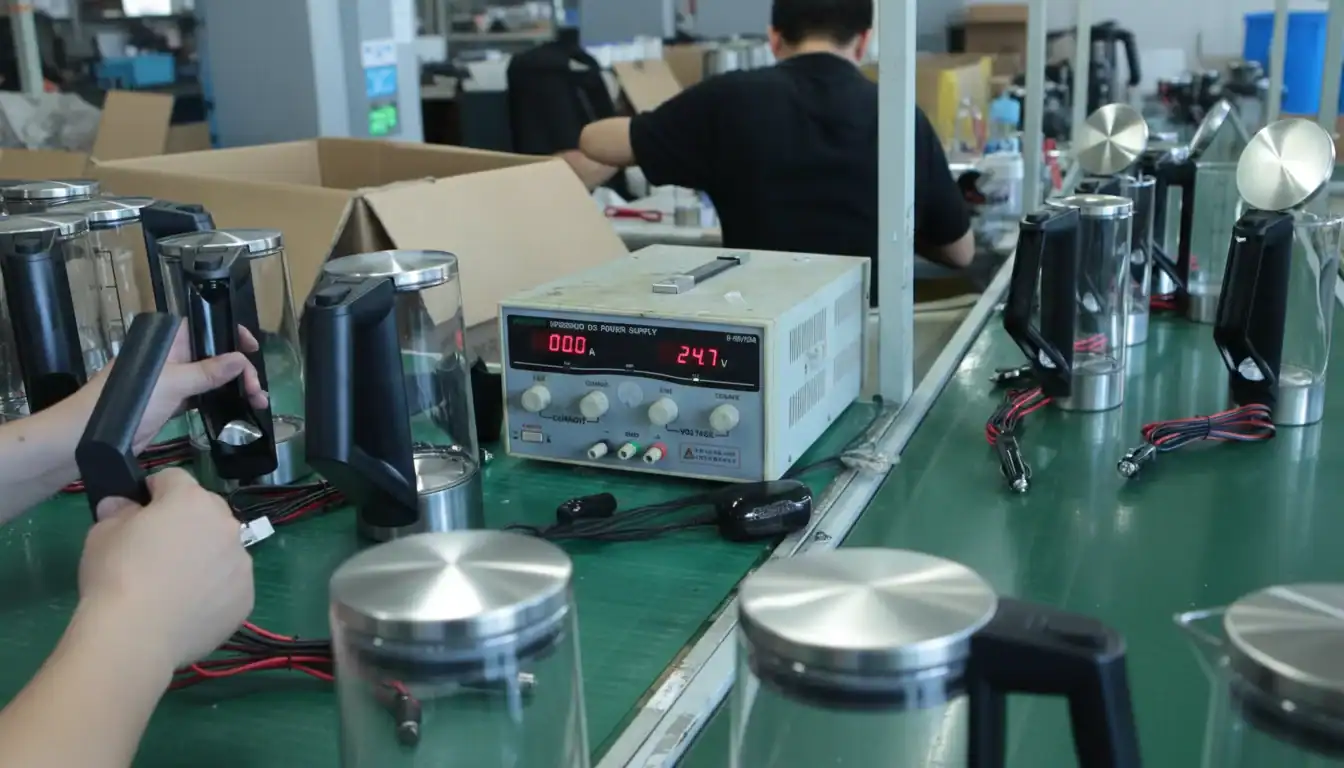
Соответствует ли складной силикон европейским стандартам безопасности пищевых продуктов LFGB?
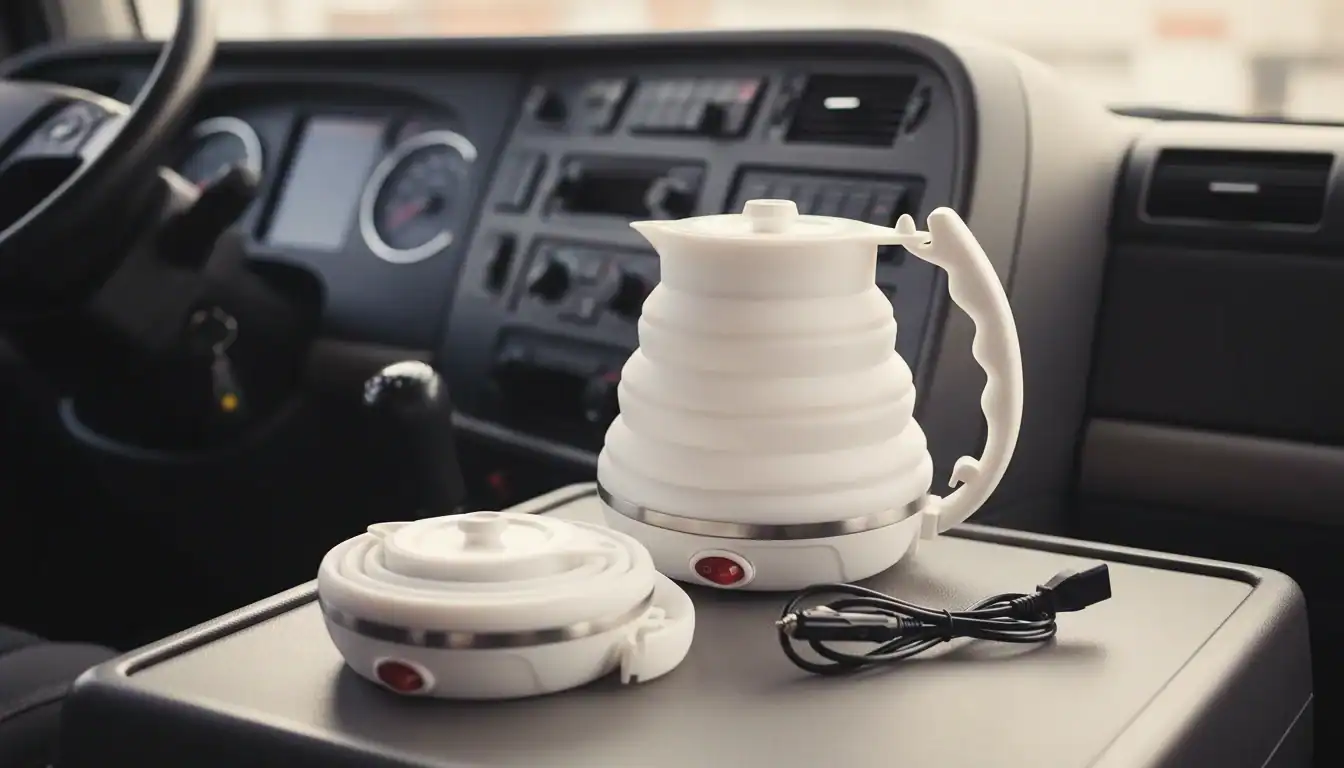
Сертификация LFGB является самым строгим стандартом в Европе в отношении контакта с пищевыми продуктами, и силикон, отвечающий ее требованиям, является доказанным рыночным преимуществом для премиальных розничных каналов.
Понимание требований сертификации LFGB
Сертификат LFGB представляет собой самый строгий европейский стандарт для любых материалов, предназначенных для контакта с пищевыми продуктами, и главным его исполнителем является Германия. Этот стандарт гарантирует, что продукция не содержит вредных веществ, которые могут попасть в пищу или напитки. В отличие от менее строгих стандартов, LFGB предписывает проведение целого ряда тестов для защиты здоровья потребителей на самом высоком уровне.
- Испытания на химическую миграцию: Основу сертификации составляют всесторонние тесты на миграцию, чтобы убедиться в отсутствии перехода химических веществ из силикона в пищу.
- Сенсорный анализ: Материал не должен изменять вкус или запах содержимого, что является критически важным критерием качества продукта, выходящим за рамки базовой безопасности.
- Скрининг токсинов: Продукция проходит строгий отбор на содержание тяжелых металлов и других токсинов, чтобы подтвердить чистоту основного материала.
Сравнение стандартов LFGB и FDA
Хотя и LFGB, и FDA США регулируют материалы, контактирующие с пищевыми продуктами, европейский стандарт LFGB широко признан в отрасли как более строгий. Продукты, прошедшие проверку LFGB, подвергаются более тщательному анализу, поэтому они легко превышают пороги безопасности, требуемые FDA. Для любого бренда, ориентированного на европейский рынок, понимание этого различия является ключом к позиционированию продукта как премиального.
| Параметр тестирования | Стандарт LFGB (Европа) | Стандарт FDA (США) |
|---|---|---|
| Область применения | Комплексное тестирование на широкий спектр химических веществ, тяжелых металлов и сенсорное воздействие. | Основное внимание уделяется тому, чтобы материал не выделял вредных веществ сверх установленных пороговых значений. |
| Чистота и долговечность | Считается золотым стандартом, свидетельствующим о высочайшей чистоте и прочности материала. | Обеспечивает базовую безопасность, но менее требователен к общему качеству материала. |
| Восприятие рынка | Знак качества премиум-класса, необходимый для выхода на взыскательные европейские розничные рынки. | Базовое требование для рынка США, обычно не рассматривается как функция премиум-класса. |
Силикон, прошедший сертификацию LFGB, признан более чистым и долговечным по сравнению с продукцией, отвечающей только базовым стандартам FDA. Это четкий сигнал о более высоком качестве.
Преимущества рынка силикона, соответствующего требованиям LFGB, в 2026 году
Для OEM-производителей, таких как KelyLands, поставляющих продукцию европейским ритейлерам, сертификация LFGB является мощным коммерческим инструментом. Она сразу выделяет продукт среди более дешевых альтернатив и оправдывает более высокую цену. Здравомыслящие потребители в ЕС активно ищут эту сертификацию как гарантию безопасности, что делает ее критически важным активом для выхода на рынок и репутации бренда.
- Высокий потребительский спрос: Складные изделия, сертифицированные по стандарту LFGB, пользуются спросом у европейских потребителей, которые ищут проверенные, не содержащие токсинов альтернативы пластику.
- Доступ к розничной торговле премиум-класса: Эта сертификация открывает возможности для работы с премиальными каналами розничной торговли, которые придают большое значение безопасности потребителей и проверенному качеству продукции.
- Доверие к бренду: Соответствие нормативным требованиям создает значительное доверие к бренду и укрепляет репутацию продукта на переполненном и конкурентном рынке.
Ваш партнер по производству комплектующих для автомобильных чайников повышенной безопасности
Можно ли придать экстерьеру индивидуальность с помощью формы из антиосколочного пластика?
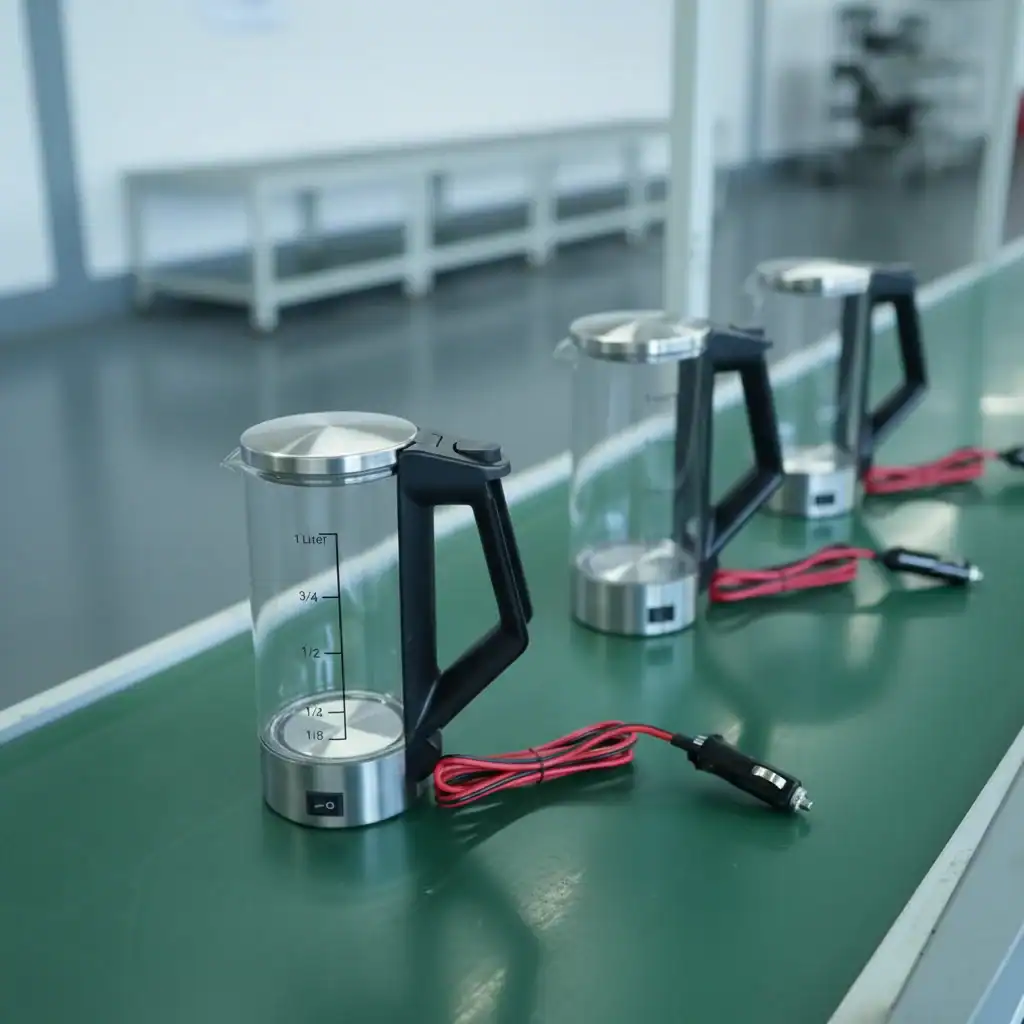
Изготовление антиожоговых пластиковых наружных поверхностей на заказ является стандартным предложением и осуществляется в рамках структурированного процесса OEM/ODM, включающего выбор материала, быстрое создание прототипа и четкие сроки производства для объемов B2B.
Процесс разработки пресс-форм для OEM/ODM
Да, мы предоставляем полный комплекс услуг по OEM/ODM для создания индивидуальных противоожоговых пластиковых экстерьеров. Процесс начинается с вашей концепции дизайна или технических чертежей. Затем наши инженеры используют программное обеспечение CAD/CAM для преобразования этой концепции в функциональную спецификацию продукта, что позволяет быстро изготовить прототип для проверки, прежде чем мы приступим к серийному производству.
- Вы предоставляете спецификации конструкции или сотрудничаете с нашей командой инженеров для разработки уникальной формы.
- Быстрое создание прототипов позволяет сразу же проводить функциональные испытания и вносить эргономические коррективы.
- Мы оптимизируем окончательный дизайн для производства, чтобы обеспечить стабильное качество и экономическую эффективность при оптовых заказах.
Варианты материалов и отделки
Мы предлагаем целый ряд термопластичных материалов, подходящих для защиты от ожогов, включая прочный полипропилен, ABS и другие специализированные термостойкие полимеры. Вы можете выбрать материал, который наилучшим образом соответствует требуемым характеристикам вашего продукта, целевой цене и эстетическим целям.
- Для точного соответствия бренду доступна полная настройка цвета по системе Pantone Matching System.
- Поверхность имеет различные текстурные покрытия для улучшения сцепления и создания ощущения премиальности.
- При выборе материала приоритет отдается проверенным показателям термостойкости, что гарантирует безопасность пользователя и долговечность изделия.
Сроки и объем производства
Сроки выполнения проекта по изготовлению пресс-форм на заказ определяются его сложностью. Мы составляем эффективный и прозрачный производственный график, чтобы уложиться в сроки для клиентов B2B без ущерба для качества.
- Изготовление пресс-формы на заказ обычно занимает от 15 до 60 дней.
- После утверждения пресс-формы серийное производство может быть завершено в течение 3-20 дней, в зависимости от объема заказа.
- Стандартное минимальное количество заказа (MOQ) для заказных чайников составляет 3 000 единиц, что соответствует потребностям крупных коммерческих дистрибьюторов.
Как предотвратить утечку воды из крышки под высоким давлением?
Герметичность под давлением полностью зависит от трех механических факторов: физического состояния прокладки, правильного выравнивания крышки и нахождения ниже линии максимального заполнения.
Предотвращение утечки воды в любом герметичном сосуде, от скороварки до 12-вольтового походного чайника, сводится к нескольким фундаментальным инженерным принципам. Хотя наши чайники KelyLands не являются сосудами высокого давления, как скороварки, принципы обеспечения герметичности при интенсивном кипячении идентичны. Нарушение герметичности приводит не только к беспорядку, но и к потенциальной угрозе безопасности пользователя.
Уход за резиновой прокладкой
Прокладка - самый важный компонент для предотвращения протечек. Она создает физический барьер, удерживающий пар и горячую воду. Вы должны регулярно проверять ее, так как ее целостность со временем нарушается под воздействием тепла и эксплуатации. Нарушенная прокладка - основная причина поломки крышки.
- Регулярно проверяйте прокладку на наличие трещин, разрывов или хрупкости, которые могут нарушить герметичность.
- Очистите прокладку мягким мыльным раствором, чтобы удалить частицы пищи или минеральные отложения, которые могут помешать ее правильной посадке.
- Если прокладка повреждена или изношена, ее замена - единственное надежное решение для прекращения постоянных протечек.
Обеспечение правильного выравнивания крышки
Совершенно новая прокладка бесполезна, если крышка плохо прилегает к корпусу чайника. Даже небольшое смещение создает канал для выхода пара под высоким давлением и кипятка. Это распространенная ошибка пользователя, которую часто принимают за дефект изделия.
- Всегда проверяйте правильность посадки крышки на обод кастрюли, прежде чем пытаться зафиксировать ее на месте.
- Небольшой зазор, вызванный несоосностью, более чем достаточен для выхода пара, особенно во время кипения.
Избегайте переполнения горшка
Наполнение чайника сверх максимального объема - прямая причина протечек. При переполнении не остается места для расширения воды при кипении, создается избыточное давление, которое выталкивает воду через прокладку или наружу через защитные отверстия. Это ограничение конструкции, а не дефект изделия.
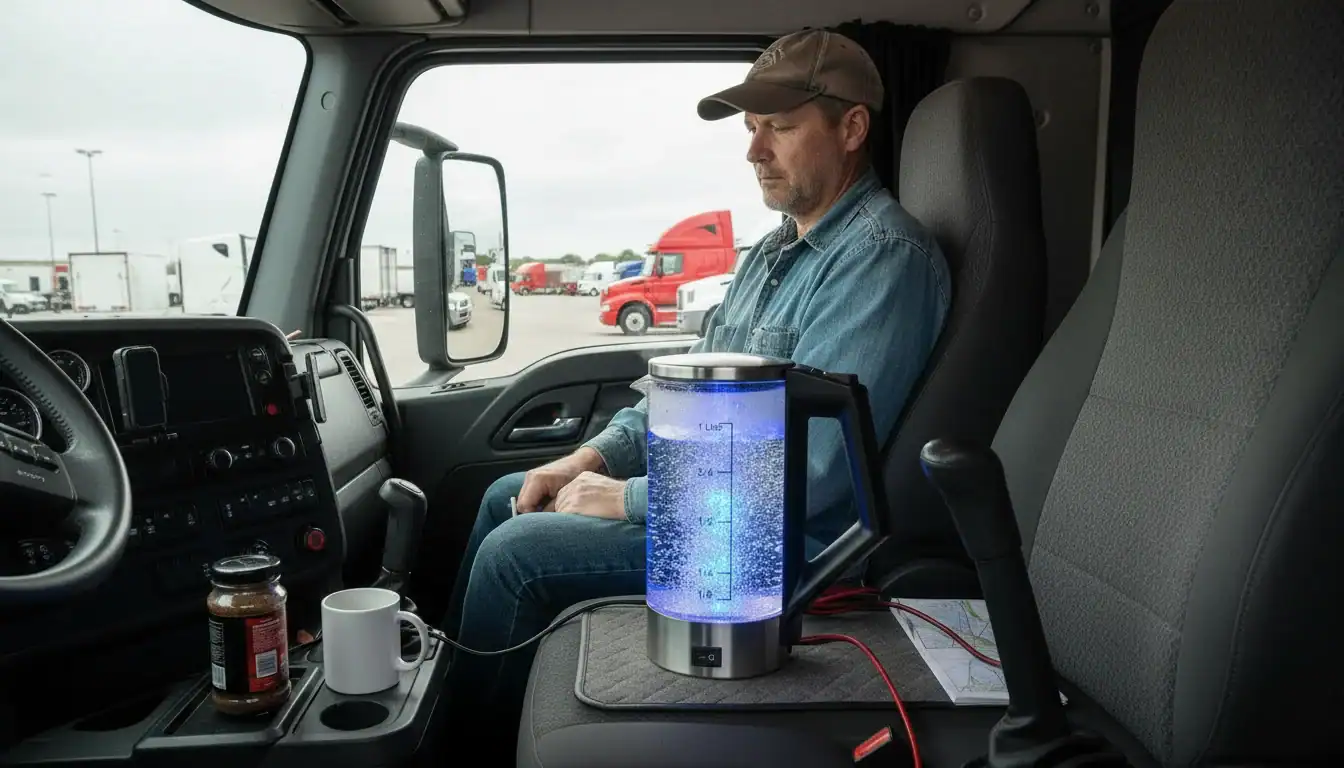
- Строго придерживайтесь линии максимального наполнения, отмеченной на корпусе чайника.
- Оставляя достаточное пространство, можно безопасно создавать давление пара, не нарушая первичную герметичность крышки.
Заключение
Выбор между нержавеющей сталью 316 и силиконом класса LFGB - это критическое решение, которое влияет на безопасность продукции и соответствие требованиям рынка. Эти характеристики материалов в сочетании с продуманной конструкцией для предотвращения протечек и защиты от ожогов напрямую влияют на удовлетворенность конечных пользователей. Приоритет этих деталей помогает смягчить негативные отзывы и создать надежную линейку продукции.
Чтобы оценить эти характеристики материала и безопасности для вашего бренда, наша команда может предоставить подробные спецификации и образцы. Мы поможем вам сконфигурировать 12-вольтовый чайник для воды, который будет отвечать как вашим коммерческим целям, так и требованиям безопасности ваших клиентов.
Часто задаваемые вопросы
Имеют ли ваши силиконовые 12-вольтовые чайники для воды сертификаты безопасности пищевых продуктов FDA и LFGB?
Да, безусловно. Все наши силиконовые 12-вольтовые чайники для воды сертифицированы на соответствие стандартам FDA (Управление по контролю за продуктами и лекарствами) и LFGB (Lebensmittel-, Bedarfsgegenstände- und Futtermittelgesetzbuch). Это гарантирует, что пищевой силикон не токсичен, не содержит BPA и полностью безопасен для работы с кипящей водой, обеспечивая высочайший уровень потребительской безопасности как для североамериканского, так и для европейского рынков.
Какова разница в оптовых ценах между нержавеющей сталью 304 и 316?
При оптовой закупке материалов нержавеющая сталь 316 обычно стоит на 25% - 40% больше, чем нержавеющая сталь 304. Такая надбавка к цене обусловлена добавлением молибдена в сплав 316, который обеспечивает значительно более высокую коррозионную стойкость, особенно к хлоридам и кислотным растворам, что делает его лучшим выбором для долговременной эксплуатации в сложных условиях.
Можем ли мы изготовить внешний вид с помощью пресс-формы для впрыска противоожогового пластика?
Да, мы предлагаем полную персонализацию внешнего вида чайника с использованием литьевой формы из противоожогового пластика. Это распространенный запрос, который повышает безопасность и улучшает брендинг. Обычно мы используем высококачественные полимеры с низкой проводимостью, такие как полипропилен (PP). Этот процесс позволяет задать точную форму, текстуру и цвет внешней оболочки, хотя и требует единовременной платы NRE (Non-Recurring Engineering) за изготовление инструмента.
Как проверить на утечку воды перед отправкой?
Мы применяем строгий, многоступенчатый протокол контроля качества, чтобы гарантировать, что каждый прибор 100% защищен от протечек. Перед отправкой каждый чайник подвергается испытанию воздухом под давлением для обнаружения микротрещин в швах. После этого чайники заполняются до максимального объема и подвергаются 24-часовому статическому испытанию водой на сухой поверхности, чтобы убедиться, что ни одно уплотнение не нарушено. Этот комплексный процесс предотвращает попадание любых дефектов к нашим клиентам.
 English
  Español
  Français
  Deutsch
  Português do Brasil
  Русский
  한국어
한국어  日本語
日本語  العربية