 Перейти к основному содержанию Перейти к нижнему колонтитулу

Анализ соотношения скорости 12В и 24В для чайника на грузовике - это не просто удобство для водителя, это прямой расчет эффективности автопарка и предотвращения пожаров в электросети. Оснащение коммерческого транспорта несовместимым или плохо сконструированным прибором создает значительный риск: от разряженных батарей, которые приводят к дорогостоящим простоям, до коротких замыканий, которые могут повредить всю электрическую систему грузовика. Для руководителей автопарков выбор между стандартами напряжения - это критическое решение, которое влияет на производительность водителя и безопасность автомобиля на каждом маршруте.
В этом руководстве содержится подробная техническая информация для специалистов по закупкам и эксплуатации автопарка. Мы объясним электрические принципы, которые позволяют 24-вольтовым системам кипятить воду на 50% быстрее, чем их 12-вольтовым аналогам. Мы также проанализируем основные функции безопасности, включая датчики автоматического отключения, предназначенные для предотвращения разряда батареи, и штекеры с внутренним предохранителем, которые служат первой линией защиты от катастрофических электрических пожаров в кабине.
Почему 24-вольтовая архитектура закипает быстрее, чем 12-вольтовая?
Система 24 В обеспечивает почти вдвое большую мгновенную мощность, чем система 12 В, потребляя в два раза меньше тока, что сводит к минимуму потери энергии в проводке и позволяет использовать более мощный нагревательный элемент для более быстрого закипания.
Более высокое напряжение, более низкий ток: уравнение мощности
Система 24 В работает более эффективно, потребляя меньше электрического тока (ампеража) для передачи того же количества энергии. Это минимизирует потери энергии в виде тепла в проводке и розетке автомобиля, направляя больше энергии непосредственно на нагревательный элемент чайника, где она необходима. Такая эффективность - основной принцип электротехники и главная причина, по которой коммерческие автомобили перешли на стандарт 24 В.
- Чтобы достичь определенной мощности, 24-вольтовой системе требуется лишь половина силы тока, которая требуется 12-вольтовой системе.
- Более низкий ток резко снижает резистивные потери тепла в шнуре питания и защищает розетку автомобиля от перегрева.
- Именно поэтому в коммерческих грузовиках, автобусах и больших фургонах для вспомогательной электроники используются 24-вольтовые системы.
- По состоянию на 2026 год такая конструкция позволяет использовать более мощные приборы без риска повредить электрическую инфраструктуру автомобиля.
Большая выходная мощность для более быстрого нагрева
Высокий КПД системы 24 В позволяет безопасно использовать нагревательный элемент большей мощности, что напрямую приводит к ускорению процесса кипячения. В 24-вольтовых чайниках KelyLands используются мощные нагревательные элементы от 250 до 300 Вт, что значительно больше, чем 150-ваттные элементы, используемые в 12-вольтовых моделях. Благодаря почти удвоенной мощности среднее время кипячения сокращается с 28 до 15 минут, что делает прибор гораздо более практичным для водителей с плотным графиком.
| Показатель эффективности | Стандартная система 12 В | Система KelyLands 24V |
|---|---|---|
| Выходная мощность | ~150W | 250 ВТ - 300 ВТ |
| Приблизительное потребление тока | 12.5 A | 10.4 A |
| Среднее время закипания (1 л) | ~28 минут | ~15 минут |
Разработан для коммерческих автопарков и автофургонов
Электрический стандарт 24 В распространен в тяжелых автомобилях не случайно. Большинство полугрузовиков, логистических автомобилей, автобусов и больших фургонов работают на 24 В для обеспечения своих высоких потребностей в электроэнергии. Чайник на 24 В - это оригинальное, специально разработанное решение для таких условий. Он подключается непосредственно к системе автомобиля, не требуя громоздкого или неэффективного инвертора, обеспечивая оптимальную производительность, надежность и безопасность для профессиональных водителей и владельцев современных фургонов.

Можно ли смешивать блоки 12 и 24 В в одном оптовом заказе?
Объединение продуктов 12 и 24 В в одном оптовом заказе - это стандартная логистическая практика, которой мы управляем с помощью четких протоколов упаковки и гибкой политики MOQ.
Да, заказы на смешанное напряжение являются стандартной практикой
Компания KelyLands регулярно обрабатывает оптовые заказы, в которых сочетаются продукты на 12 и 24 В. Такая гибкость позволяет дистрибьюторам и руководителям автопарков приобретать оборудование для различных типов транспортных средств - от стандартных легковых автомобилей и фургонов (12 В) до тяжелых коммерческих грузовиков и автобусов (24 В) - и все это в рамках одной закупки. Централизация закупок упрощает логистику и сокращает административную работу.
- Консолидация заказов у одного поставщика упрощает логистику и снижает административные издержки.
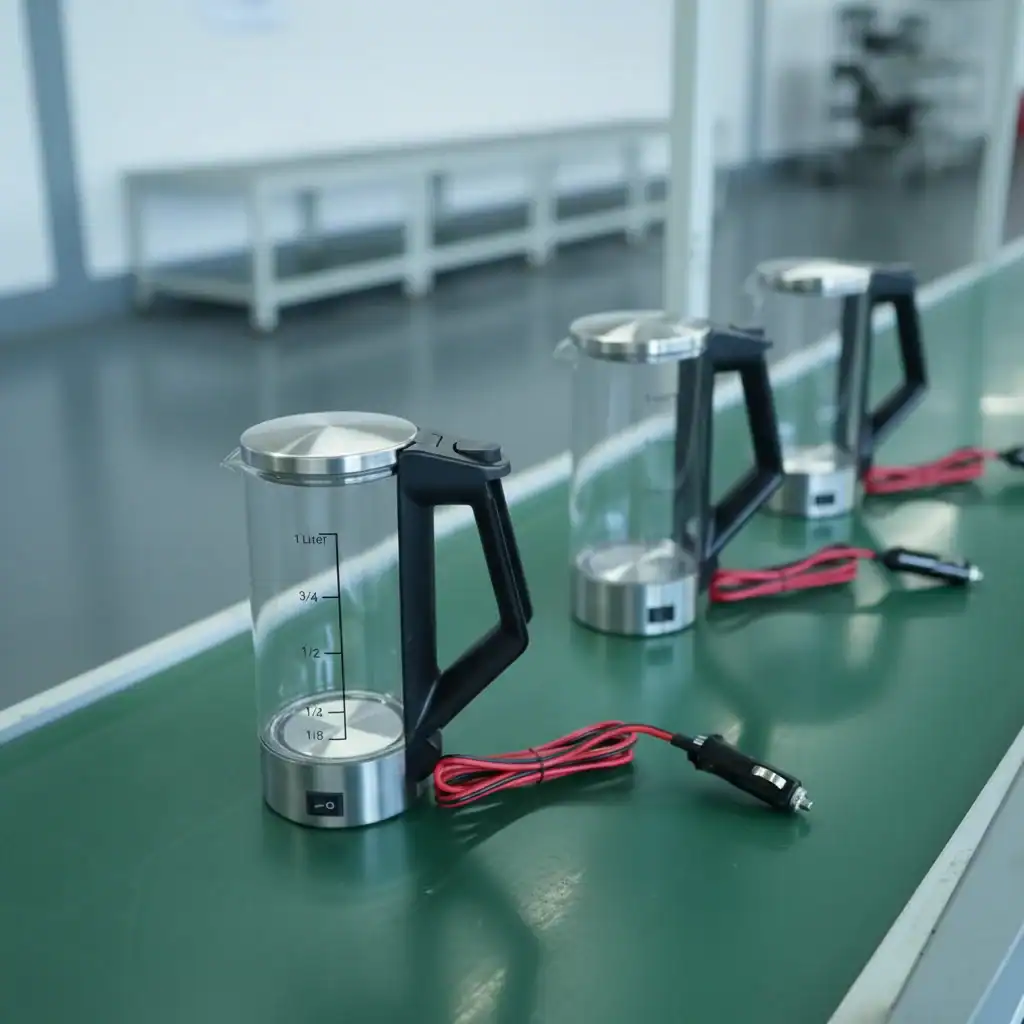
- Наши производственные линии оснащены оборудованием для параллельного производства приборов на 12 и 24 В.
- Ваш торговый представитель поможет составить заказ на поставку, который будет отражать точное разделение напряжения, необходимое для вашего рынка.

Как мы работаем с логистикой и упаковкой
Чтобы избежать путаницы при складировании и окончательной установке, мы строго соблюдаем протоколы разделения и маркировки. На каждом устройстве и соответствующей коробке для розничной продажи четко указано напряжение. Это гарантирует, что ваша команда сможет легко идентифицировать и распределить правильные продукты без ошибок.
- На отдельных изделиях имеется постоянная маркировка напряжения (например, 12 В постоянного тока или 24 В постоянного тока).
- Картонные коробки Master имеют внешнюю маркировку, указывающую на напряжение содержимого внутри.
- Для больших партий грузов паллеты 12 и 24 В разделяются, чтобы упростить процесс получения на вашем предприятии.
Минимальное количество заказа (MOQ) для смешанных заказов
Наше минимальное количество заказа (MOQ) относится к общему количеству единиц для конкретной модели продукта, а не к типу напряжения. Это позволяет разделить MOQ между версиями 12 и 24 В для удовлетворения минимальных требований, обеспечивая больший контроль над запасами.
- Например, автомобильный чайник с MOQ 3 000 единиц может быть выполнен с заказом 1 500 единиц 12 В и 1 500 единиц 24 В.
- Такая политика обеспечивает гибкость при проверке рыночного спроса или создании запасов в соответствии с данными о продажах.
- Уточните у нашей команды конкретные варианты разделения MOQ для каждого продукта, так как индивидуальные OEM-проекты могут иметь другие условия.
Ваш надежный поставщик комплектующих для высокобезопасных 24-вольтных чайников для грузовых автомобилей
Как датчики автоматического отключения предотвращают разрядку аккумулятора?
Системы автоматического отключения, или низковольтные разъединители, работают как интеллектуальные автоматические выключатели, которые автоматически отключают питание вспомогательных устройств, когда напряжение аккумулятора падает ниже критического порога, гарантируя, что автомобиль всегда сохранит достаточно энергии для запуска двигателя.
Непрерывный контроль напряжения
Системы низковольтного отключения (LVD) постоянно отслеживают напряжение аккумулятора автомобиля в режиме реального времени. Этот процесс обеспечивает точный, живой статус доступной мощности и позволяет системе обнаружить любое падение, которое может повлиять на критически важные функции, такие как зажигание двигателя.
- Датчик измеряет электрическую мощность батареи, чтобы убедиться, что она остается выше безопасного рабочего уровня.
- Этот контроль осуществляется независимо от того, работает автомобиль или простаивает, что позволяет избежать медленной утечки энергии из-за случайно оставленных включенными аксессуаров.
| Защитный слой | Спусковой механизм | Основная функция |
|---|---|---|
| Уровень 1: переключатель автоматического отключения | Вода достигает точки кипения. | Прекращает непрерывное потребление энергии после закипания для экономии энергии. |
| Уровень 2: Восстанавливаемая температура. Контроллер | Обнаружено ненормальное повышение внутренней температуры. | Временно отключает питание, чтобы предотвратить перегрев; восстанавливает работоспособность после охлаждения. |
| Уровень 3: Невосстанавливаемый тепловой предохранитель | Возникает критический сбой (например, сухое кипение). | Постоянно разрывает цепь, предотвращая возгорание и защищая электрическую систему автомобиля. |
Автоматизированное отключение нагрузки
Когда напряжение аккумулятора падает ниже запрограммированного порога, система автоматически разрывает электрическое соединение с неосновными вспомогательными устройствами. Это действие изолирует вспомогательные устройства от основной батареи, эффективно устраняя утечку энергии и защищая основные системы автомобиля.
- Система работает как интеллектуальный выключатель, отключая питание, чтобы предотвратить дальнейшее потребление энергии подключенными приборами.
- Эта функция предотвращает паразитный расход энергии от устройств, оставленных включенными во время простоя автомобиля, что является распространенным источником разрядки аккумулятора в коммерческих автопарках.
Сохранение пусковой мощности двигателя
Основная задача датчика автоматического отключения - обеспечить достаточный запас энергии в аккумуляторе для выполнения самой важной задачи: запуска двигателя. Отключая вспомогательные нагрузки, он обеспечивает необходимую мощность, эффективно устраняя риск того, что водитель окажется в затруднительном положении с разряженным аккумулятором.
- Этот процесс значительно сокращает время незапланированных простоев и необходимость в дорогостоящей помощи на дорогах или пусках.
- Он продлевает общий срок службы батареи, предотвращая циклы глубокого разряда, что со временем снижает затраты на обслуживание парка.
Предохраняют ли штепсельные вилки от возгорания в электрооборудовании полуприцепов?
Хотя блок предохранителей полуприцепа обеспечивает первичную защиту цепи, от материала вилки прибора и его внутренних защитных устройств в конечном итоге зависит, станет ли сам прибор пожароопасным при длительной нагрузке.
Да, все розетки в коммерческом грузовике защищены от перегрева собственной электрической системой автомобиля. Этот основополагающий уровень безопасности не является обязательным для предотвращения катастрофических электрических пожаров. На практике мы сталкиваемся не с проводкой грузовика, а с низкокачественными вилками на аксессуарах, которые не выдерживают длительного потребления энергии, необходимого для нагревательных приборов.
Роль предохранителей и автоматических выключателей
В электрической системе полуприцепа используются предохранители или автоматические выключатели, которые автоматически прерывают подачу питания при перегрузке или коротком замыкании. Это предотвращает перегрев и воспламенение проводки внутри стен транспортного средства. Любая вилка или розетка должна быть подключена к одному из этих защитных устройств. В современных коммерческих автопарках все чаще используются автоматические выключатели со сбросом, которые более практичны для водителей, чем старые, одноразовые стеклянные предохранители, требующие физической замены.
Требования Национального электротехнического кодекса (NEC)
Национальный электрический кодекс (NEC) устанавливает базовые стандарты электробезопасности транспортных средств. Согласно этим нормам, все розетки прицепа должны иметь защиту от перегрузки по току. Кодекс также предписывает особые методы прокладки проводов, например, прокладывать их в защитном кабелепроводе и закреплять должным образом, чтобы предотвратить физическое повреждение или растяжение электрических соединений. Эти правила создают безопасную основу, но они регулируют только само транспортное средство, а не качество подключенных к нему устройств.
| Защитный слой | Стандартная система транспортных средств (соответствие NEC) | KelyLands Штекер для чайника (инженерная защита от сбоев) |
|---|---|---|
| Первичная перегрузка по току | Автомобильный блок предохранителей или автоматический выключатель | Защищен блоком предохранителей автомобиля |
| Целостность материала плунжера | Не указано; часто используется низкотемпературный пластик ABS | Высокотемпературный бакелит (фенольная смола) |
| Риск возгорания кабеля | N/A (Кабель для бытовой техники не предусмотрен NEC) | 100% Кабель из чистой меди (предотвращает перегрев) |
| Защита прибора от сухого кипячения | Нет. Перегрузка может привести к выходу из строя автомобильного предохранителя. | Невосстанавливаемый тепловой предохранитель (физическое отключение питания) |
Важность правильного определения размеров компонентов
Правильный выбор размера защиты цепи очень важен. Слишком большой предохранитель или выключатель не сработает при умеренной перегрузке, что приведет к перегреву проводов и создаст значительный риск пожара. С другой стороны, заниженный компонент будет вызывать неприятные срабатывания, без необходимости отключая питание основного оборудования. Инженеры подбирают размер защиты в зависимости от калибра провода и максимальной силы тока розетки, чтобы она работала именно тогда, когда это необходимо.
Нормативные изменения для бортовых запасных предохранителей
Промышленность отказывается от традиционных предохранителей. Федеральная администрация безопасности автоперевозчиков (FMCSA) уже предложила отменить старое правило, согласно которому коммерческие грузовики должны были перевозить запасные предохранители. Это изменение отражает реалии современного дизайна транспортных средств, где стандартными являются автоматические выключатели, что делает запасные предохранители устаревшими для большинства новых транспортных средств.

Заключение
Выбор правильного чайника - это решение о безопасности и эффективности работы автопарка. Система 24 В обеспечивает более быстрое закипание, что позволяет водителям работать продуктивнее, а такие встроенные функции, как автоматическое отключение и бакелитовые штекеры с предохранителями, предотвращают дорогостоящий разряд аккумулятора и возгорание электропроводки. Эти характеристики напрямую способствуют благополучию водителей и защищают ценные автомобильные активы.
Чтобы оснастить свой автопарк безопасным и надежным решением, просмотрите наш полный каталог чайников 12В/24В. Свяжитесь с нашими сотрудниками, чтобы обсудить ваши конкретные требования к комплектующим или запросить образец для оценки.
Часто задаваемые вопросы
Какова оптовая MOQ для 24V чайников для грузовиков?
Наше стандартное минимальное количество заказа (MOQ) для оптовых заказов 24-вольтовых авточайников составляет 500-1000 единиц. Это позволяет нам оптимизировать производство и предлагать конкурентоспособные цены. В случае необходимости брендирования или запроса особых функций минимальное количество заказа может быть изменено, поэтому мы рекомендуем связаться с нашим отделом продаж, чтобы обсудить ваши конкретные требования.
Есть ли в ваших 24-вольтовых чайниках функция автоматического отключения для защиты аккумуляторов автотранспорта?
Да, все наши 24-вольтовые чайники оснащены важной функцией безопасности: автоматическим отключением при низком напряжении. Эта система постоянно следит за состоянием аккумулятора автомобиля и автоматически отключает чайник, если напряжение падает ниже установленного порога, обычно около 22,5 В. Таким образом, стартовый аккумулятор автомобиля защищен от чрезмерного разряда, что является важнейшим условием надежности коммерческого автопарка.
Можно ли смешивать устройства на 12 и 24 В в одном заказе контейнера?
Безусловно. Мы поощряем заказы со смешанным напряжением, чтобы помочь вам обслуживать различные сегменты рынка. Вы можете комбинировать 12- и 24-вольтовые чайники в одном контейнере. Наша команда логистов может вместе с вами оптимизировать количество упаковок для каждой модели, чтобы удовлетворить ваши потребности в запасах и при этом максимально использовать пространство контейнера.
Имеются ли в разъемах прикуривателя внутренние предохранители для предотвращения возгорания?
Да, безопасность - это основной конструктивный момент. Каждая вилка для чайника на 24 В оснащена внутренним, заменяемым пользователем предохранителем со стеклянным патроном, обычно рассчитанным на 15 А. Он обеспечивает критическую защиту от перегрузки по току, предотвращая повреждение электрической системы автомобиля и снижая риск возгорания в случае короткого замыкания.

 English
  Español
  Français
  Deutsch
  Português do Brasil
  Русский
  한국어
한국어  日本語
日本語  العربية