 Перейти к основному содержанию Перейти к нижнему колонтитулу

The gap between what a spec sheet promises and what actually arrives in the container is where importers lose money. A buyer recently burned $50K on a batch of лучшие автомобильные пылесосы по рейтингу because the pre-production sample approval showed strong suction, but the mass production run swapped the motor and filter without notice. The five-minute dog-hair test exposed it immediately—packed pet hair stalled the brush roll, and the filtration clogged before the rear seats were done.
Here is the rule that separates a real buy from a gamble: sealed suction at the nozzle, not motor wattage. Look for 6 kPa or higher in a handheld unit; most consumer packs land around 5.0 kPa, which only handles light crumbs. Factory warranty audits show brush-roll stalls account for roughly 60% of returned cordless units, so a removable brush roll or debris-release tab is non-negotiable. Filtering matters just as much—HEPA H13 or a cyclonic pre-filter keeps fine carpet dust from killing suction mid-cleaning. Ask your supplier for a certified kPa reading from TUV or SGS, not the marketing number on the Alibaba listing.
Skip this diligence and a 2.0Ah 20V battery that claims 25 minutes will deliver 12 under load, leaving customers with a half-cleaned interior and a negative review for your brand. Those returns hit six to eight months later, after you have already paid for freight, warehousing, and the chargeback. A supplier like KelyLands, with a factory in Yuyao and 12 years of export experience, builds the 6 kPa threshold, washable HEPA filter, and debris-release tab into the production spec from the start—so the sample you approve is the unit your customer unboxes.
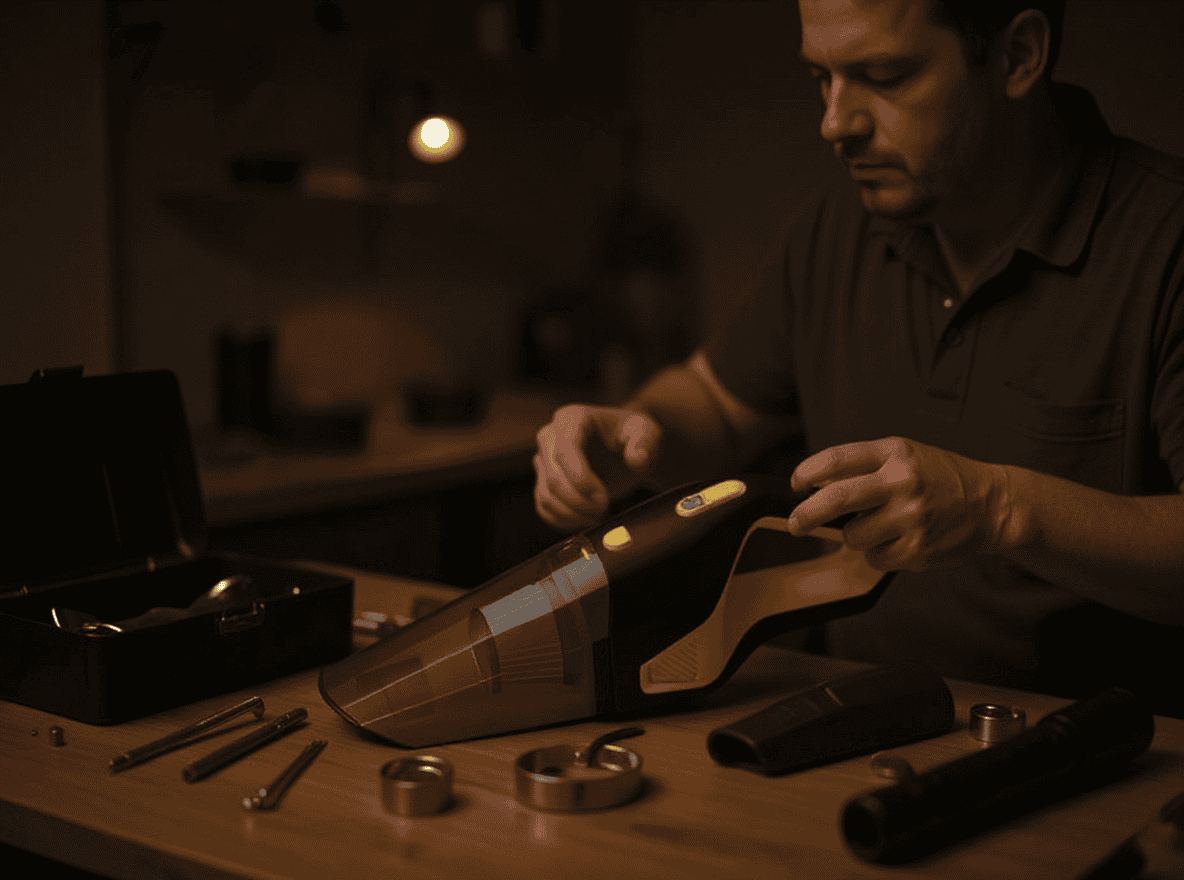
Why Most “Best Rated” Lists Fail: The Five-Minute Dog Hair Test
A vacuum that can’t clear a five-minute dog-hair mat isn’t ‘best rated’—it’s a return waiting to happen.
Most ‘best rated car vacuums’ lists publish without ever touching a dog-hair mat. You get the pre-production sample, and it looks right. Then you drop it on a mat that has been shedding for a week, and the brush roll stalls in ninety seconds. That is the gap between a spec sheet and a product you can actually sell. The five-minute dog-hair test is the pass/fail benchmark.
A useful scoring model weighs sealed suction, runtime on high, filter cleaning, dust-cup capacity, and brush-roll access. A cordless car vacuum that scores well in a pet hair review should still pass the same test: hair, gravel, time. If the brush roll locks up, the vacuum is dead on arrival, no matter how the spec sheet reads.
Ignore the Wattage on the Box
Advertised motor wattage is inflated. Some factories split the electrical draw of a single motor across two listed values, or they measure the motor unloaded on a bench. The number on the box has little relationship to what the nozzle actually delivers inside a car. Demand certified kPa readings from an independent third party like TUV or SGS. If a supplier hesitates to share that document, treat it as a red flag.
-
- Sealed suction: Good units fall in the 7–10 kPa range; target 12+ kPa. Below 6 kPa, packed pet hair and gravel will overwhelm the nozzle.
- Runtime on high: Hold out for more than 12 minutes at high power; 16+ minutes is the target. A 2.0Ah 20V battery covers one salon-style interior if the motor is efficient.
- Filter system: HEPA H13 washable plus a cyclonic pre-filter. Without the pre-filter, fine carpet dust clogs the HEPA and suction dies mid-clean.
- Dust cup access: A slide-release mechanism works; a drop-out full cup that empties tool-free is faster and less messy on a jobsite.
- Brush roll access: Manual pull with a tool means every jam costs downtime. A debris tab plus pop-off side gate lets the operator clear hair in seconds.
Brush-roll access is not a convenience feature; it is a warranty issue. Factory warranty reports show brush-roll stalls account for roughly 60% of returned cordless car vacuums. That failure mode is visible in the pre-production sample before you commit to a bulk order. Make the brush roll easy to clear, and you remove the biggest return driver in this category.
Turn the Specs Into Sourcing Acceptance Criteria
Put these thresholds in your RFQ, not just in a review article. When a supplier quotes a 120W unit, ask for three numbers: electrical draw, mechanical peak at the impeller, and final sealed suction at the nozzle. The gap between those values often exceeds 40%. A 120W cyclonic handheld with a HEPA H13 filter and 6 kPa sealed suction can outperform a 250W unit that clogs in two minutes.
KelyLands started in Cixi, Ningbo, in 2010, opened its own air pump and vacuum cleaner factory in Yuyao in 2015, and now manages export relationships with more than 500 clients across 50+ countries. A supplier with that kind of production footprint can show you the line and put the five-minute dog-hair test into the sample approval stage. Use that to verify the exact filter, brush roll, and dust cup that will appear in mass production.
Put the Test in Your Contract
Do not accept a spec sheet. Require the five-minute dog-hair test during sample approval, and record the result. If the unit stalls or the brush roll needs tools to clear, reject the sample. Mass production will not fix a bad brush-roll design. And confirm that the filter and dust cup on the final unit match the approved sample. A factory that swaps in a cheaper filter after approval is handing you a returns problem.
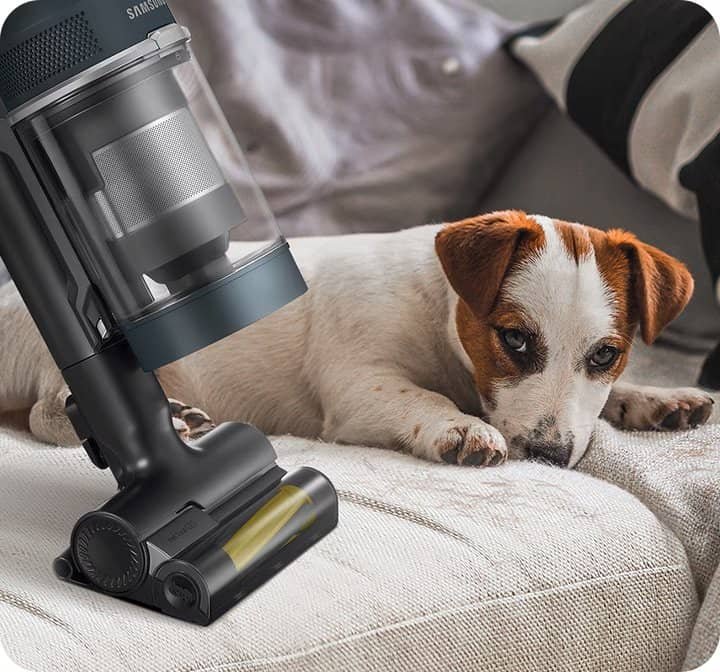
Suction Power vs Airflow vs Filters: Traps to Avoid
Demand three-field performance data; anything below 6 kPa sealed suction fails the five-minute dog-hair test.
Most ‘best rated car vacuums’ lists rank by motor wattage. That number comes from the motor, not the nozzle. Inside a cabin, the figure that actually lifts pet hair out of carpet is sealed suction at the nozzle, measured in kPa. The marketing spec sheet rarely shows that number.
The Three Numbers That Matter
Suppliers can quote three different performance values. Electrical max consumed is the wattage drawn from the battery. Mechanical peak delivered is what the impeller produces before airflow losses. Nozzle final water lift is what the tool actually delivers to the surface. The gap between the first and third often exceeds 40%.
-
-
- Electrical max: The rating most suppliers put on the box. It measures battery draw, not cleaning power.
- Mechanical peak: Produced at the impeller. Usually well below the electrical figure.
- Nozzle final: The real cleaning force. This number belongs in your quality tolerance and acceptance criteria.
-
A supplier quoting ‘120W’ may be running the motor unloaded, on Chinese standard test conditions. Add a hose, a crevice tool and a loaded filter, and nozzle losses approach half. That is why two vacuums with identical watt ratings can clean completely differently. You need the three-field data during the quote phase, not after the first production batch.
Setting Realistic Thresholds
For ordinary crumbs and dry dust, 6 kPa sealed suction is the floor. Embedded pet hair needs to move toward the 10 kPa end. Damp debris like snow melt or spilled coffee adds the airflow challenge: if the filter clogs mid-clean, suction dies even with a strong motor. The nozzle reading tells you whether the design handles all three.
The KelyLands vacuum line, produced through the Yuyao, Ningbo factory, treats these three fields as mandatory before any price agreement. The same checklist belongs in your pre-production sample approval. If a factory cannot deliver the three numbers, it should not be building your private-label car vacuum.
Filter Design: Where Suction Goes to Die
Filters matter more than most buyers think. A high-kPa motor behind a clogging filter loses suction within minutes. The filter architecture determines how long the vacuum performs in a real interior, and whether customers return units after the first heavy shed.
-
- Foam pre-filter: Cheap, catches coarse debris, needs replacement after roughly 20 cleanings. Fine for dry crumbs, chokes fast on heavy pet hair.
- Felt mid-grade: Holds up for about 30 washes. A middle-ground option for mixed cabin dirt, but plan seasonal replacement and spares.
- Cyclonic spin-only: No consumable, keeps the main filter cleaner longer. Alone it does not trap fine dust, so it needs a second-stage filter.
- Multi-stage sandwich: Foam plus cyclonic plus HEPA media. Handles fine powders, pet hair, snow melt and slush with minimal extra cost. This is the best default for professional detailing.
- Full HEPA H13: Only valuable if the seal is certified. Without a verified gasket and clear reinstallation orientation, leak-back drops performance fast.
The multi-stage sandwich is the answer for most bulk orders. It adds little to the unit cost and reduces return rates from clogged filters. Full HEPA H13 should be reserved for models where the factory can show a certified seal and provide orientation instructions for the washable outer pre-filter. Otherwise, you are paying for a sticker.
Write the filter type and maintenance interval into your product bible. On the next sourcing round, ask for the nozzle suction reading at minute one and minute five. The delta between those numbers tells you more about the filter design than any wattage claim. That is the benchmark your supplier should hit on the first sample.
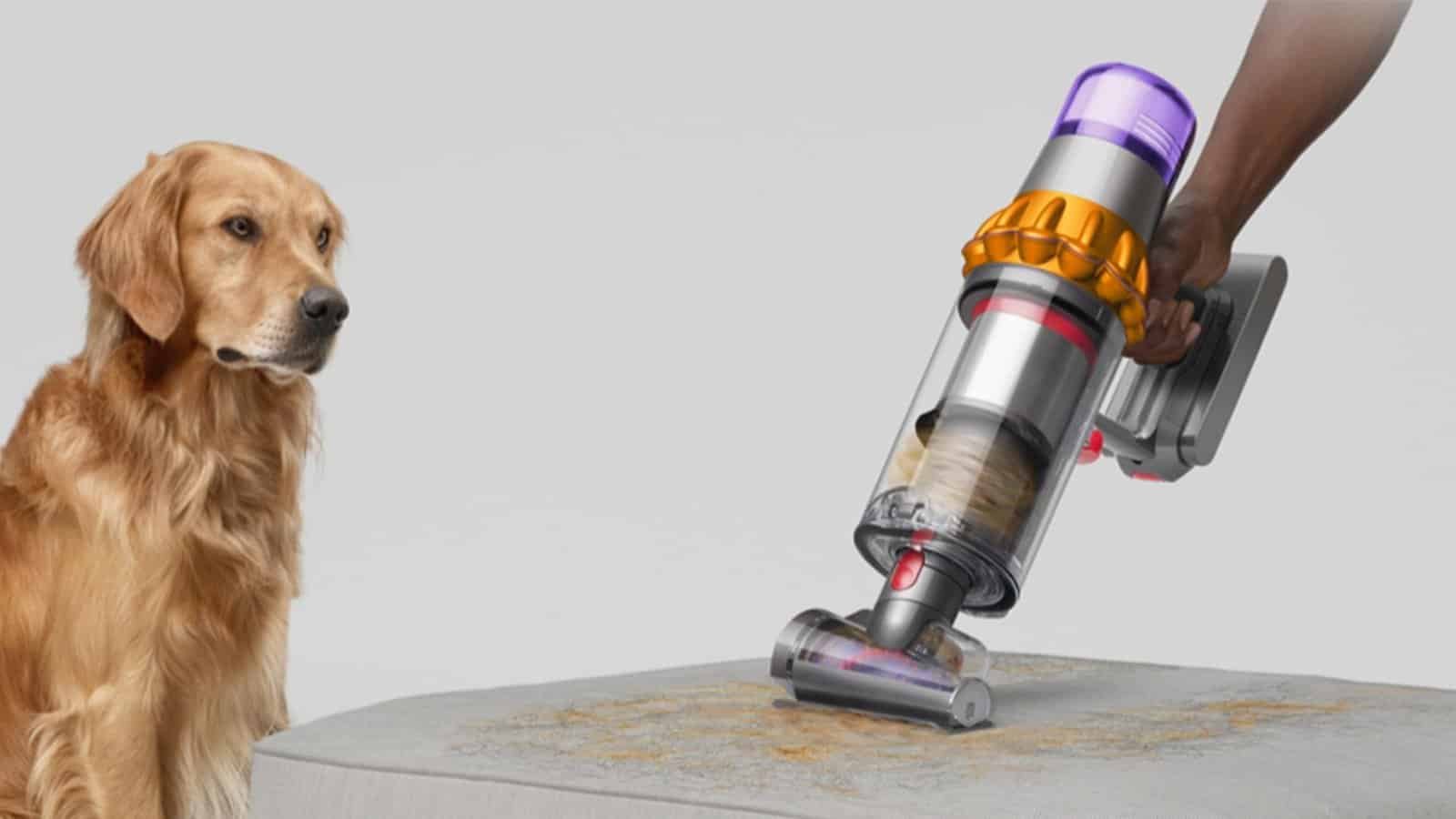 Battery Life Brushes :: Design Matters Over Announced Ah Rating
Runtime Under Load Is Different from the Datasheet
The runtime number on a vendor datasheet usually comes from a bench test with the brush roll free-spinning. The moment the roller touches carpet, current draw climbs and the battery controller gets protective. That’s why a unit can show 80% remaining charge and still die mid-pass. Most buyers blame the battery. They’re wrong.
Factory warranty reports on returned cordless car vacuums show brush-roll stalls account for roughly 60% of returns. A jammed roller or heavy friction spikes the amp draw, and the battery management system cuts power to prevent overheating. The cells were fine. The mechanical load killed the run time.
Realistic Runtime Benchmarks for 2026
-
- 2Ah battery: 15-18 minutes in a small-to-medium cabin. Enough for a quick maintenance vacuum if the brush stays clean.
- 4Ah battery: Around 22 minutes under load. That’s the minimum for a proper interior detail.
- Large-capacity pack: More than 36 minutes. Professional detailer grade for full SUVs and minivans.
Verify Tool-Free Brush Roll Access Before Production
Over half of returned cordless units trace back to brush-roll stalls. Design can fix that. A pull-off brush roll that you can remove with two fingers should be a standard acceptance check in your sample approval process. If a factory sample doesn’t allow quick jam clearing, don’t assume the production batch will be better.
A catch slot molded under the rib takes it further. It lets the owner clear wrapped hair or a small stone without disassembly. That one detail cuts returns and keeps your product out of the angry-review pile.
The Yuyao, Ningbo production base KelyLands uses for rechargeable vacuums has been assembling these units since 2015. That operating history drives an obvious but often ignored point: brush-roll geometry and battery control calibration are one system, not two spec sheets. Design them separately, and the best-rated battery on paper still fails in a dirty car.
Design choices in the brush roll and battery management algorithm matter more than the printed Ah rating. A 4Ah unit with a high-friction brush can run shorter than a 2Ah unit with a clean roller. When you’re sourcing a private-label program, put brush access and loaded runtime into the quality tolerance checklist. The battery is rarely the real problem.
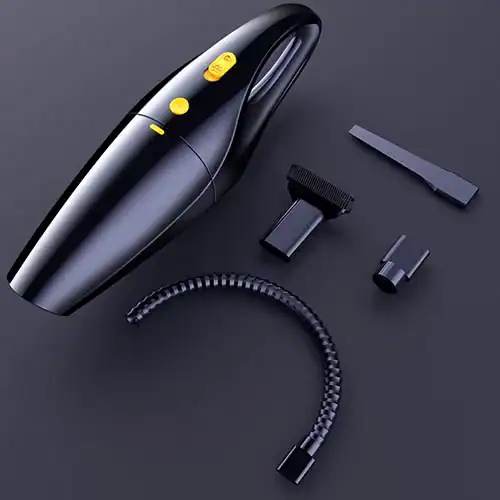
Заключение
Sealed suction, filter architecture, and brush-roll access determine whether a vacuum survives real use — not the wattage on the spec sheet. For a distributor, those three specs also set your return rate, which means they quietly set your margin. Lock them into the contract as acceptance criteria before tooling, not after the container lands.
-
- Demand sealed suction of 6 kPa or higher; anything below fails on packed dog hair.
- Brush-roll stalls cause roughly 60% of cordless returns; require a removable brush roll.
- HEPA H13 or cyclonic pre-filter prevents clogging and suction loss mid-cleaning.
- A 2.0Ah 20V battery delivers 15-25 minutes, enough for one full interior pass.
Before you sign the next purchase order, put these three thresholds into the supplier’s quote clarification sheet: 6 kPa sealed suction at the nozzle, HEPA H13 or cyclonic filtration, and a brush-roll gate that clears without tools. Compare every candidate model against a 15-minute loaded runtime test. KelyLands builds this exact spec set into its cordless car vacuum program — review the buyer guidance page to see which configuration fits your retail shelf and OEM packaging plan.
Часто задаваемые вопросы
Какая мощность всасывания необходима для автомобильного пылесоса?
Ищите sealed suction (герметичное всасывание) на уровне 6 кПа и выше, измеренное на уровне сопла. При значениях ниже этого порога пылесосу трудно справляться с плотным собачьим мехом и гравием в реальных условиях интерьера. Перед утверждением образцов обязательно проводите пятиминутный тест на уборку свалявшегося собачьего меха.
Сколько времени может работать беспроводной автомобильный пылесос?
Аккумулятор 2,0 А·ч 20 В обеспечивает 15–25 минут работы под нагрузкой. Этого достаточно для одной уборки салона автомобиля в салоне́ном качестве при быстром темпе. При включении щёточной насадки время работы заметно сокращается.
Why do car vacuum filters clog quickly?
Fine carpet dust clogs standard filters fast and kills suction. HEPA H13 or a cyclonic pre-filter is non-negotiable for interior cleaning. Confirm the filter design is user-cleanable before ordering bulk.
What is the five-minute dog hair test?
It is a practical pass-fail test where a vacuum must clear a dog-hair mat in five minutes. Models that fail should not be called best rated. Use this test on pre-production samples before committing to a container.

 English
  Español
  Français
  Deutsch
  Português do Brasil
  Русский
  한국어
한국어  日本語
日本語  العربية