 Перейти к основному содержанию Перейти к нижнему колонтитулу

Освоение адаптера (переходник Tesla на J1772) - это критический шаг, отделяющий полностью работоспособный парк EV от парка, страдающего от постоянных простоев, связанных с зарядкой. После того как разъем NACS от Tesla получил широкое распространение, руководители автопарков и владельцы коммерческой недвижимости столкнулись с путаницей стандартов. Без четкой стратегии взаимодействия дорогостоящие зарядные станции простаивают, в то время как автомобили в вашем парке не могут подключиться, что напрямую влияет на выполнение маршрута и доступность услуг.
Это руководство служит техническим справочником для навигации в области зарядных устройств. Мы разберем точное оборудование, необходимое для подключения J1772 к Tesla и Tesla к J1772, и уточним, какие адаптеры подходят для целевых зарядных устройств 2-го уровня. Мы также рассмотрим роль адаптеров CCS1 для быстрой зарядки постоянным током, предоставив четкие инструкции, чтобы каждый автомобиль мог подключиться к любой доступной станции.
Победа NACS (Tesla): Переходит ли индустрия на единый стандарт?
Быстрое принятие разъема NACS в промышленности связано не столько с его дизайном, сколько с тем, что автопроизводители получили доступ к зрелой и надежной сети Supercharger компании Tesla, что сделало его новым стандартом де-факто для североамериканских автомобилей EV.
Североамериканский рынок электромобилей быстро консолидируется вокруг разъема NACS (North American Charging Standard). Начиная с моделей 2026 года, большинство крупных автопроизводителей будут интегрировать в свои автомобили родные порты NACS, сигнализируя о массовом отказе от предыдущего стандарта CCS1. Этот шаг почти полностью обусловлен одним стратегическим преимуществом: доступом к превосходной зарядной инфраструктуре.

Широкомасштабный переход автопроизводителей на NACS
Такое быстрое внедрение фактически стандартизирует протокол зарядки EV на всем континенте. Решения старых брендов, таких как Ford, GM и других, не были случайными; это были просчитанные ответы на спрос клиентов на надежные и широкодоступные зарядки. Сдвиг в первую очередь обусловлен желанием получить доступ к обширной сети Supercharger компании Tesla, которая неизменно демонстрирует более высокую продолжительность работы и более удобное пользование по сравнению с разрозненными сетями CCS1.
Доступ к зарядным устройствам: Ключевой стимул
Основная причина, по которой автопроизводители внедряют NACS, заключается в том, чтобы предоставить своим клиентам прямой доступ к зарядным станциям Superchargers компании Tesla. В течение многих лет водители электромобилей, не являющиеся владельцами Tesla, сталкивались с проблемой нестабильной работы и доступности зарядных станций сторонних производителей. Приняв NACS, другие автомобильные компании смогут сразу же предложить значительно лучший опыт зарядки в общественных местах. Этот шаг решает главную проблему владельцев EV и кардинально меняет конкурентную среду.
Адаптеры как мостовое решение
Во время этого многолетнего перехода адаптеры играют важнейшую роль. Они позволяют существующим автомобилям с портами CCS1 подключаться к зарядным устройствам NACS, гарантируя, что нынешние владельцы EV не останутся в стороне по мере развития инфраструктуры. Хотя эти адаптеры обеспечивают важную обратную совместимость, долгосрочная цель отрасли - отказаться от них. Производители сосредоточены на создании собственных портов NACS непосредственно в новых моделях, чтобы обеспечить более простой и надежный процесс подключения и зарядки для всех.
J1772 - Tesla: Как заряжать Model 3 на общественных станциях?
Владельцы Tesla могут получить доступ ко всей экосистеме общественных зарядок, используя два ключевых адаптера: стандартный J1772 для зарядки переменным током второго уровня и отдельный адаптер CCS1 для сторонних сетей быстрой зарядки постоянным током.
Использование стандартного адаптера J1772 для зарядки уровня 2
Tesla поставляет каждый новый автомобиль с адаптером J1772, что упрощает владельцам подключение к обширной сети общественных зарядных устройств уровня 2. Этот небольшой, но необходимый инструмент позволяет любому автомобилю Tesla, включая Model 3, подключаться к самому распространенному стандарту зарядки переменным током в Северной Америке. Адаптер поддерживает мощность до 19,2 кВт, обеспечивая совместимость почти со всеми общественными станциями уровня 2, которые можно найти на рабочих местах, в торговых центрах и отелях.
| Тип адаптера | Основной пример использования | Поддерживаемые сети |
|---|---|---|
| Адаптер J1772 к NACS | Стандартная зарядка переменным током уровня 2 на общественных или домашних станциях. | Все общественные зарядные устройства, оборудованные по стандарту J1772 (например, ChargePoint, Blink). |
| Адаптер CCS1 к NACS | Высокоскоростная быстрая зарядка постоянным током для дальних поездок. | Сторонние сети быстрой зарядки постоянного тока (например, Electrify America). |
Доступ к ускоренной зарядке постоянным током с помощью адаптера CCS1
Для ускоренной зарядки в общественных местах владельцы новых Teslas (как правило, моделей 2021 года и более поздних), поддерживающих CCS, могут приобрести отдельный адаптер CCS1. Этот аксессуар открывает доступ к сторонним сетям быстрой зарядки постоянного тока, таким как Electrify America, значительно расширяя возможности высокоскоростной зарядки за пределами сети Supercharger. Это очень важное оборудование для автопутешествий, обеспечивающее гибкость зарядки в тех местах, где зарядные станции Supercharger встречаются не так часто.
Выбор между адаптерами Tesla и сторонних производителей
Эти адаптеры для зарядки предлагают как Tesla, так и авторитетные сторонние производители, такие как Lectron. Хотя адаптер J1772 входит в комплект поставки автомобиля, его замену или адаптер CCS1 можно приобрести у Tesla напрямую или у различных розничных продавцов. Варианты сторонних производителей часто конкурентоспособны и надежны, но очень важно проверить их сертификацию. Ищите знак сертификации UL2251, чтобы убедиться, что продукт прошел испытания и соответствует установленным стандартам безопасности и производительности.
Полностью настраиваемый аксессуар для зарядного устройства EV для вашего бренда

Tesla - J1772: Можно ли заряжать Ford/Rivian на зарядных станциях назначения?
Да, простой адаптер разблокирует тысячи зарядных устройств Tesla Destination Chargers для автомобилей, оснащенных J1772, но это решение - временный мост в быстро стандартизирующейся отрасли.
Зарядный ландшафт консолидируется, и знание того, как ориентироваться в существующей инфраструктуре, имеет решающее значение. Для владельцев неэлектрических автомобилей Tesla, таких как Ford F-150 Lightning или Rivian R1T, обширная сеть Destination Charging компании Tesla представляет собой значительный резерв надежных зарядных станций уровня 2. Доступ к ним прост при наличии соответствующего оборудования.
Как адаптер подключается к целевым зарядным устройствам Tesla
Вы можете зарядить электромобиль, не принадлежащий компании Tesla, на зарядном устройстве Tesla Destination Charger, используя адаптер Tesla - J1772. Это устройство действует как физический мост, позволяя подключать разъем NACS (Tesla) непосредственно к порту J1772, который установлен на большинстве других электромобилей в Северной Америке. Адаптер разработан специально для зарядки переменным током 1 и 2 уровня, что позволяет использовать настенные разъемы Tesla и зарядные устройства Destination Chargers, обычно устанавливаемые в отелях, ресторанах и торговых центрах.
Важно понимать, что этот адаптер не будет работать с зарядными устройствами Tesla Superchargers. Суперзарядные устройства используют ускоренную зарядку постоянным током и другой протокол связи, который несовместим с этим простым физическим проходным адаптером.
| Сценарий зарядки | Необходимое оборудование | Ключевое ограничение |
|---|---|---|
| Ford/Rivian (J1772) у пункта назначения зарядного устройства Tesla | Переходник Tesla на J1772 | Только зарядка от сети переменного тока уровня 2; не работает с зарядными устройствами Supercharger. |
| Tesla на общественной станции J1772 | Адаптер J1772 для Tesla (часто входит в комплект поставки автомобиля) | Зависит от надежности сети общего пользования и мощности. |
| Ford/Rivian (J1772) на ускоренном зарядном устройстве CCS | Родной штекер CCS1 (переходник не требуется) | Обеспечивает быструю зарядку постоянным током, но сеть CCS может быть менее надежной, чем у Tesla. |
Совместимость с Ford, Rivian и другими EV
Адаптер Tesla на J1772 совместим практически с любым EV, использующим зарядное гнездо SAE J1772. Сюда входят популярные модели Ford (Mustang Mach-E, F-150 Lightning), Rivian (R1T, R1S), General Motors и большинство других брендов, не относящихся к Tesla. Такая установка открывает тысячи дополнительных мест зарядки уровня 2, предоставляя водителям больше возможностей и гибкости. Скорость зарядки будет типичной для станций 2-го уровня, обеспечивая подачу переменного тока, который преобразует бортовое зарядное устройство автомобиля. Сам адаптер не изменяет и не ограничивает скорость зарядки; она определяется мощностью станции и скоростью приема энергии автомобилем.
Адаптеры как мост к стандарту NACS
Эти адаптеры являются ключевым переходным инструментом, поскольку автомобильная промышленность переходит к порту NACS как единому стандарту зарядки. Хотя сегодня они решают насущную проблему совместимости, ландшафт уже меняется. Автопроизводители, включая Ford и Rivian, взяли на себя обязательство создавать новые EV с интегрированным портом NACS прямо с завода, что позволит отказаться от использования адаптеров этого типа на будущих моделях. Пока же адаптер гарантирует, что большой парк существующих автомобилей, оснащенных J1772, не останется в стороне и сможет воспользоваться преимуществами надежной сети целевой зарядки Tesla.

Адаптеры CCS1: Разблокирует ли это быструю зарядку для старых автомобилей?
Адаптеры CCS1 представляют собой критически важный аппаратный мост, обеспечивающий совместимость старых электромобилей с быстро развивающейся инфраструктурой быстрой зарядки постоянного тока, в частности с растущей сетью NACS.
Да, для многих старых электромобилей адаптер CCS1 - это ключ к доступу к современным сетям быстрой зарядки постоянного тока. По мере консолидации отрасли вокруг единого стандарта эти адаптеры служат важным переходным инструментом, предотвращая устаревание вполне работоспособных электромобилей. Это не просто удобство, а практическая необходимость для продления срока службы автомобиля в условиях меняющегося технологического ландшафта.
Стандартизация рынка и кросс-совместимость
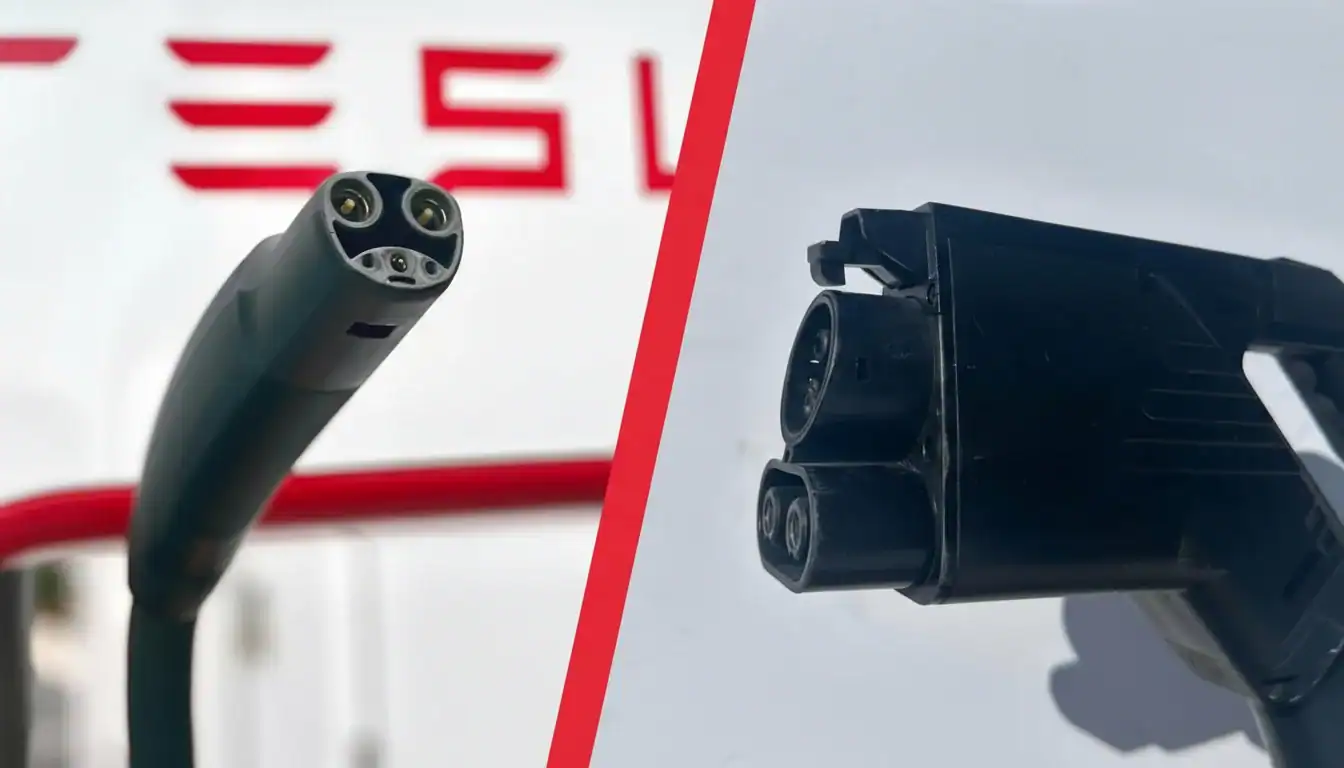
Североамериканский рынок электромобилей стремительно уходит от фрагментированной системы зарядки. К 2026 году такие автопроизводители, как Ford и GM, в основном перейдут на североамериканский стандарт зарядки (NACS), сделав его фактическим разъемом для новых автомобилей. Этот общеотраслевой переход делает адаптеры незаменимыми для владельцев автомобилей, построенных с использованием более старого порта Combined Charging System (CCS1).
Адаптеры CCS1 выполняют функцию физического и цифрового моста. Они позволяют автомобилям с устаревшими портами подключаться к расширяющейся сети быстрых зарядных устройств постоянного тока, оснащенных системой NACS, включая большую часть сети Supercharger компании Tesla. Этот шаг в сторону совместимости упрощает процесс зарядки в общественных местах и способствует более широкому внедрению EV, поскольку старые модели не остаются позади.
Роль интеграции NACS (SAE J3400)
Официальная стандартизация NACS как SAE J3400 закрепила его положение как будущее зарядки в регионе. Адаптеры, предназначенные для преобразования штекеров зарядных устройств J3400 во входы CCS1 автомобиля, теперь являются важнейшим аксессуаром. Такая интеграция дает устаревшим EV доступ к сети зарядных устройств, известной своей высокой надежностью и большей плотностью, чем многие более ранние сети CCS1.
Надлежащим образом сертифицированные адаптеры обеспечивают безопасную и эффективную передачу энергии, управляя рукопожатием связи между автомобилем и зарядной станцией. Это позволяет увеличить скорость зарядки и обеспечить более стабильный пользовательский опыт для автомобилей, которые ранее были ограничены ограниченным пулом родных станций CCS1.
| Компонент | Автомобиль Legacy CCS1 | Современная станция NACS (J3400) |
|---|---|---|
| Дизайн разъемов | Более крупный порт с двумя контактами постоянного тока под разъемом переменного тока J1772. | Компактная однопортовая конструкция для передачи энергии как переменного, так и постоянного тока. |
| Роль адаптера | Требуется внешний адаптер NACS-to-CCS1 для установления физического соединения. | Обеспечивает питание; адаптер переводит протоколы связи. |
| Основная выгода | Открывает доступ к более надежной и широкой сети быстрой зарядки постоянного тока. | Расширяет круг пользователей за пределы собственных автомобилей, повышая коэффициент использования станции. |
Решения сторонних производителей и защита на будущее
Помимо официальных предложений от производителей, здоровый рынок сторонних адаптеров CCS1 предоставляет владельцам EV еще больший выбор. Эти решения часто имеют конкурентоспособную цену и могут предлагать функции, адаптированные к конкретным моделям автомобилей или условиям использования. Это практичный способ защитить старые EV от изменения стандартов инфраструктуры.
Для операторов автопарков и индивидуальных владельцев использование адаптера гораздо выгоднее, чем полная модернизация автомобильного порта. Такой подход способствует увеличению срока службы автомобиля и делает переход отрасли на единый стандарт более постепенным и доступным для всех. Это гарантирует, что инвестиции, сделанные в EV несколько лет назад, останутся жизнеспособными на долгие годы.
Заключение
Знание того, какой адаптер подключает ваш EV к определенному зарядному устройству, необходимо для уверенного передвижения. Будь то владелец Tesla, подключающийся к общественной станции J1772, или водитель Ford, использующий зарядное устройство Tesla Destination Charger, правильное оборудование исключает проблемы совместимости. Это простое знание гарантирует водителям надежный доступ к растущей сети зарядных станций, независимо от типа разъема.
Для инсталляторов инфраструктуры и энергетических компаний предоставление универсального зарядного оборудования имеет решающее значение на этом рынке смешанных стандартов. Свяжитесь с нашей командой инженеров, чтобы обсудить OEM-решения для сертифицированных зарядных устройств типа 1, типа 2 и портативных зарядных устройств, отвечающих потребностям вашего проекта.
Часто задаваемые вопросы
Может ли любой EV использовать зарядное устройство Tesla с адаптером?
Да, большинство современных автомобилей, не относящихся к классу Tesla EV, в Северной Америке могут использовать зарядные устройства Tesla (NACS) при наличии соответствующего адаптера. В частности, автомобили, оснащенные портом CCS1, могут использовать адаптер CCS1-to-NACS для подключения к сети Tesla Supercharger. Эта возможность играет центральную роль в переходе отрасли, обеспечивая широкий доступ к надежной зарядной инфраструктуре Tesla для автомобилей, выпущенных до широкого распространения родных портов NACS.
Может ли обычный EV использовать зарядное устройство Tesla?
Да, обычный EV может использовать зарядное устройство Tesla. Способ подключения зависит от модельного года автомобиля. Большинство крупных автопроизводителей начали встраивать родные порты NACS (Tesla) непосредственно в свои EV, начиная с моделей 2025 года, что позволяет подключаться напрямую. Для моделей 2024 года и более ранних, оснащенных портом CCS1, для подключения к сети Tesla Supercharger требуется сертифицированный адаптер.
Что такое зарядное устройство J1772 EV?
Зарядное устройство J1772 - это стандартный разъем для зарядки переменным током первого и второго уровней в Северной Америке. Это самый распространенный тип зарядного устройства, который можно встретить в домах, на работе и в общественных местах для ночной или длительной зарядки. В отличие от быстрых зарядных устройств постоянного тока, таких как NACS или CCS1, J1772 обеспечивает более медленную скорость зарядки. Все автомобили EV, не относящиеся к классу Tesla в регионе, стандартно оснащаются портом J1772, а автомобили Tesla продаются с адаптером для использования этих распространенных зарядных устройств.
Как использовать зарядное устройство для моделей Tesla?
Использование зарядного устройства для автомобилей Tesla зависит от типа станции. На станции Tesla Supercharger или Destination Charger процесс не вызывает затруднений: просто подключите разъем NACS к зарядному порту автомобиля, и зарядка начнется автоматически, а счет будет выставлен через подключенный аккаунт Tesla. Для использования станций, не принадлежащих Tesla, необходим адаптер. Для обычных станций переменного тока 2-го уровня используйте входящий в комплект адаптер J1772-NACS. Для станций быстрой зарядки постоянного тока, не принадлежащих компании Tesla (например, Electrify America), требуется отдельный адаптер CCS1-to-NACS.

 English
  Español
  Français
  Deutsch
  Português do Brasil
  Русский
  한국어
한국어  日本語
日本語  العربية