


Robot vacuums have transformed floor care, yet they remain fundamentally limited by the laws of physics and vertical architecture. Even flagship models with suction reaching 21,000 Pa cannot climb stairs or cross thresholds higher than 20 mm, creating a permanent gap in autonomous cleaning coverage. This mechanical reality explains why the traditional one-home-one-vacuum model is failing to meet user expectations in 2026.
We explore the logic behind the “Second Vacuum” strategy and how task-specific tool fleets are replacing single-device setups. We analyze market data showing that 43% of consumers now own three or more cleaners to manage surfaces like upholstery and car interiors. By examining engineering thresholds and the shift toward portable spot-cleaning tools, buyers can better align their product inventory with actual household behavior.
The Robot Gap: Stairs, Sofas, and Counters
Automated floor cleaners in 2026 face significant vertical barriers. Anti-drop sensors and low chassis designs prevent them from climbing stairs or crossing thresholds higher than 20 mm. These mechanical constraints leave counters, stairs, and low-clearance furniture to portable manual vacuums.
| Navigation Challenge | Технические характеристики | Operational Boundary |
|---|---|---|
| Threshold Crossing | 15–20 mm (0.59–0.79 in) | Restricted to low-profile floor dividers. |
| Furniture Clearance | 78.5 mm Chassis Height | Requires >10 cm clearance for access. |
| Vertical Surfaces | 0 mm Reach Height | Limited to floor-level operation only. |
| Navigation Range | Single Horizontal Plane | Cannot map or clean multi-level surfaces. |
Vertical Obstacles and Navigation Blind Spots
Anti-drop infrared sensors prevent robots from navigating vertical drops or stairs exceeding 20 mm. This safety feature ensures the device does not fall, but it also creates a hard boundary for multi-level homes. Standard gyroscope and infrared navigation systems map single horizontal planes. This software limitation leaves counters and tables completely outside the operational range of the device.
Chassis designs prioritize large internal components like 800 ml dustbins and high-capacity batteries. Engineers focus on maximizing suction power, which reaches up to 21,000 Pa in flagship models, rather than adding the heavy mechanical actuators required for climbing. Because of this trade-off, the hardware remains optimized for flat, unobstructed surfaces.
Engineering Thresholds and Surface Reach Limits
Maximum barrier-cross heights peak at 20 mm, which limits movement between rooms with uneven flooring or thick transitions. While some models handle low-pile carpets up to 12.7 mm, they cannot manage high-pile rugs. Robots require at least 10 cm of clearance to reach under furniture comfortably, as most units sit at a height of approximately 78.5 mm.
Specialized features attempt to close the gap on edges. Extendable brushes and mops like UltraReach™ address dust along baseboards and in corners. These tools fail to reach vertical surfaces higher than 1 meter. Without standardized metrics for vertical navigation, cleaning performance remains confined to the ground floor and accessible low-clearance areas.
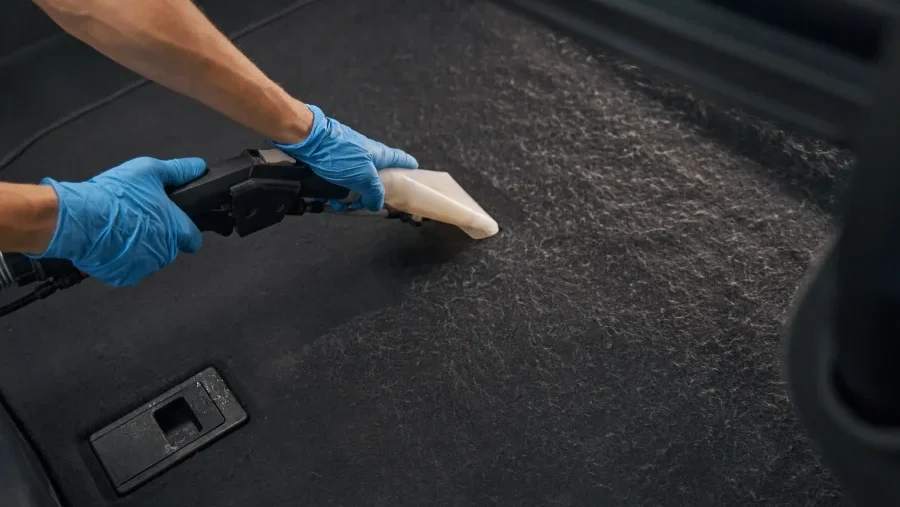
The “Spot Clean” Occasion: Spilled Coffee & Crumbs
Spot cleaning focuses on immediate liquid and debris recovery using portable deep cleaners that offer higher suction than standard vacuums. By 2026, these machines rely on heated solution delivery and targeted agitation tools to remove coffee tannins and food particles from fibers before they set.
Targeted Agitation and Thermal Maintenance
HeatWave Technology maintains solution temperature throughout the cleaning process to break down coffee tannins effectively. Static brushes on the Tough Stain Tool provide the mechanical agitation needed to lift crumbs and debris from deep carpet piles, ensuring thorough removal of dry and wet particles. This combination of heat and friction targets the bond between the spill and the fiber.
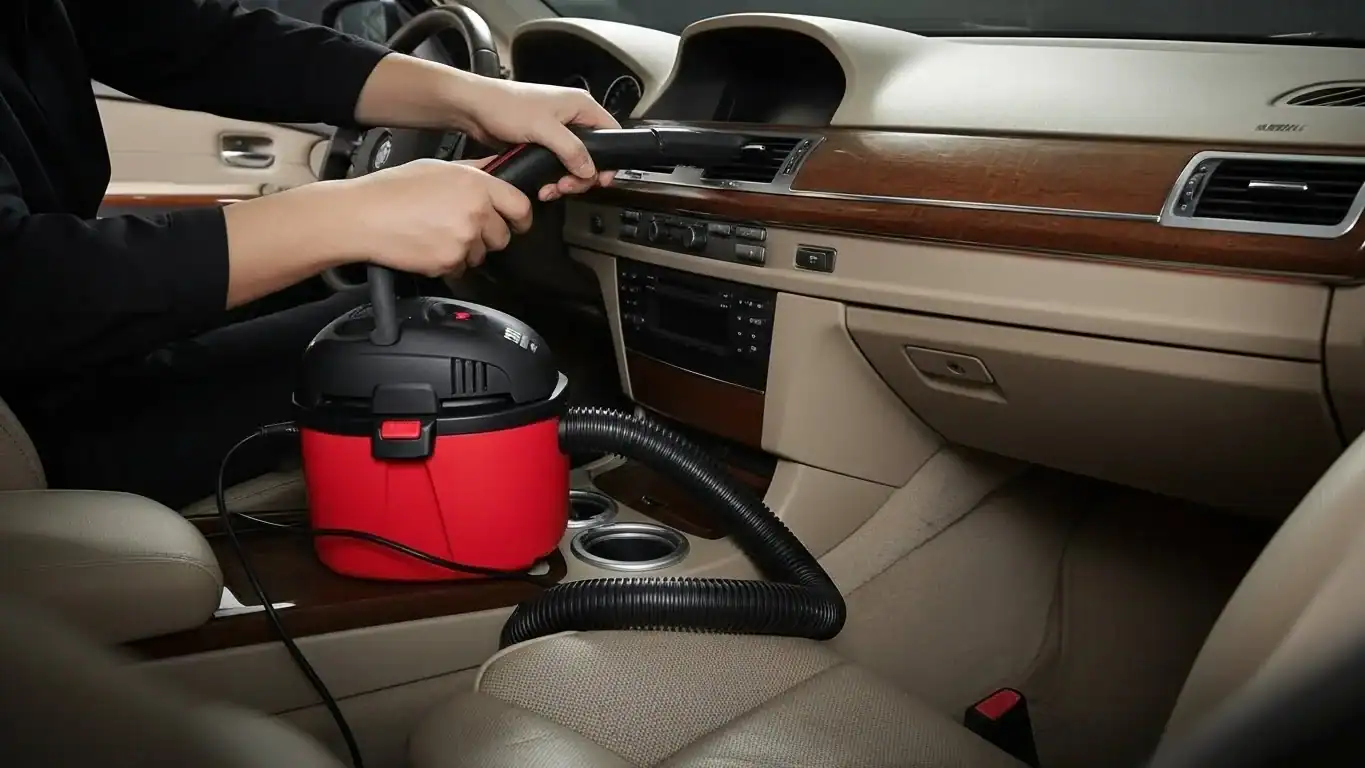
Portable designs utilize a 1.5-meter hose to access spills on stairs, upholstery, and auto interiors where upright units cannot reach. Low-foaming Spot & Stain 2X concentrated formulas penetrate synthetic fibers to neutralize odors without leaving soapy residue. This specific chemical composition prevents the re-soiling that often occurs when sticky detergents remain in the carpet.
Suction Benchmarks and Fluid Management
Advanced motors deliver 330W of power and up to 20,000Pa of suction to achieve 50% better extraction than general-purpose vacuums. This increased suction power shortens drying times by removing more moisture from the backing of the textile. Dual-tank systems with a 1.1L capacity separate clean water from dirty recovery to prevent cross-contamination during the clean-up process.
Small spill protocols utilize a precise mix of 400mL water and 60mL formula to minimize chemical waste and speed up dry times. This ratio optimizes the chemistry for isolated incidents like coffee spots. Integrated self-cleaning flush cycles use residual solution to rinse the internal hose, ensuring the machine remains debris-free and hygienic for the next use.
Speed vs. Power: The 30-Second Clean-Up
Cleaning efficiency in 2026 prioritizes chemical dwell time and high-volume saturation over mechanical pressure. By using 5% sodium hypochlorite solutions, motorized sprayers cover 400 to 1,800 square feet without the surface damage risks associated with high-PSI power washing, provided users maintain specific three-minute dwell intervals.
Saturation Volume and Surface Coverage Logistics
Motorized sprayers deliver 1.3 gallons of ready-to-use solution, covering approximately 400 square feet on standard surfaces. Surface porosity determines the actual consumption rate; for example, one gallon of concentrate treats 200 square feet of porous material but covers up to 600 square feet on nonporous surfaces.
Users can extend coverage to 1,800 square feet for larger projects like driveways and siding by applying a 1:4 dilution ratio. High-volume application ensures deep penetration into surface pores, which effectively removes the need for mechanical scrubbing or high-pressure blasting that might damage delicate substrates.
Operational Timing and Chemical Dwell Requirements
Motorized units require 45 to 60 seconds of uninterrupted handle hold to prime the system and move the product through the hose. Once applied, a strict three-minute dwell time allows the 5% sodium hypochlorite to break down contaminants on metal, plastic, and painted surfaces. Keeping the surface wet during this interval ensures the chemical remains active and effective.
Rinsing must occur within 10 minutes of the initial application to protect surrounding landscaping and plants from overexposure. Motorized delivery patterns match the physics of manual triggers but significantly reduce physical fatigue during 1.3-gallon discharge cycles, making them ideal for users managing mid-sized outdoor projects.
Расширьте свой бренд с помощью премиальных OEM/ODM решений для домашнего пылесоса

Storage: Drawer-Ready vs. Counter-Display
Homeowners in 2026 choose between seamless undercounter drawers and visible counter-depth units based on capacity needs. Drawer-ready models provide 4.3 to 4.4 cubic feet of space and hide behind custom panels. Counter-display units offer 15 to 25 cubic feet of volume and align flush with standard cabinetry while maintaining a stainless steel aesthetic.
Integrated Undercounter Drawers and Custom Cabinetry Fit
Panel-ready refrigerator drawers like the Thermador T24UC905DP use SoftClose mechanisms and 115° door openings to ensure smooth access within kitchen islands. These 24-inch units allow users to select customizable cooling modes, transforming the space into a dedicated refrigerator, pantry, or bar storage area based on specific household needs. This flexibility supports diverse kitchen layouts where secondary refrigeration serves as a specialized zone for beverages or fresh produce.
Internal organization relies on removable aluminum dividers and heavy-duty ball-bearing glides that facilitate full-extension compartment access. These components enable users to reach items at the back of the drawer without obstructing walkway space. While these units do not carry specific ASTM mechanical ratings, the use of industrial-grade glides ensures durability under the weight of high-density storage items like glass bottles or heavy produce.
Capacity Benchmarks and Counter-Depth Installation Specs
Standard counter-depth units range from 24 to 30 inches deep and provide a storage capacity between 15 and 25 cubic feet. These models fit flush with 36-inch wide cabinet openings, creating a streamlined appearance while offering significantly more volume than undercounter alternatives. This style suits primary food preservation needs, whereas drawer-ready units focus on quick-access snack or beverage management.
Specialized high-density options such as ZLINE Touchstone drawers support storage for up to 168 cans across two full-extension compartments. Integrated columns require precise 24-inch cutouts for a truly seamless fit, but freestanding counter-display models often allow for a slight door protrusion. This protrusion is necessary to accommodate stainless steel finishes and provides the clearance required for door hinges to pivot correctly next to adjacent cabinetry.
Market Data: High Ownership of Multiple Vacuums
Current 2026 data shows that the one-home-one-vacuum model is outdated. U.S. households now average two cleaners, with 43% of consumers owning three or more. This growth stems from the need for specialized tools—primary uprights for deep cleaning and portable units for quick, localized tasks.
| Ownership Metric | Statistical Value | Market Context |
|---|---|---|
| Average U.S. Ownership | 2.0 Units | Reflects the transition from single-unit to task-specific fleets. |
| Multiple Unit Households | 43% of Consumers | Percentage of users owning 2-3 vacuums for different floor types. |
| Primary Device Dominance | 69% Upright | Uprights remain the core cleaning tool for U.S. residential stock. |
| Secondary Market Share | 8% Canister / 5% Stick | Portable units often serve as supplementary tools for niche tasks. |
| High-Density Markets | 93% – 95% Rate | Observed in Serbia, Finland, and Czechia as of early 2024. |
The Shift Toward Task-Specific Vacuum Fleets
Modern cleaning habits favor a fleet of devices rather than a single machine. Data reveals that 43% of consumers manage two or three пылесосы to handle specific flooring materials and architectural layouts. U.S. households maintain an average of two units, typically splitting duties between a heavy-duty primary vacuum and a secondary portable model.
Task specialization drives the purchase of these secondary units. Users seek dedicated tools for stairs, upholstery, and high-traffic spill zones where a full-sized upright feels cumbersome. This behavioral trend transforms the вакуум from a general appliance into a specialized set of instruments designed for localized maintenance.
Global Distribution and Replacement Cycle Metrics
Upright models maintain a 69% market dominance in the U.S., while secondary units like canisters and sticks capture 8% and 5% of the market share respectively. High-ownership markets like Serbia, Finland, and Czechia report penetration rates exceeding 93% for electric floor care products, signaling a nearly universal adoption of these devices in developed regions.
The average vacuum lifespan in multi-unit households has settled at approximately four years. This shorter cycle often results from users rotating between specialized devices, which increases the frequency of hardware updates. Projections for 2026 indicate a stable global average, with high-density markets increasingly adopting cordless portables to handle niche cleaning applications.
Заключительные мысли
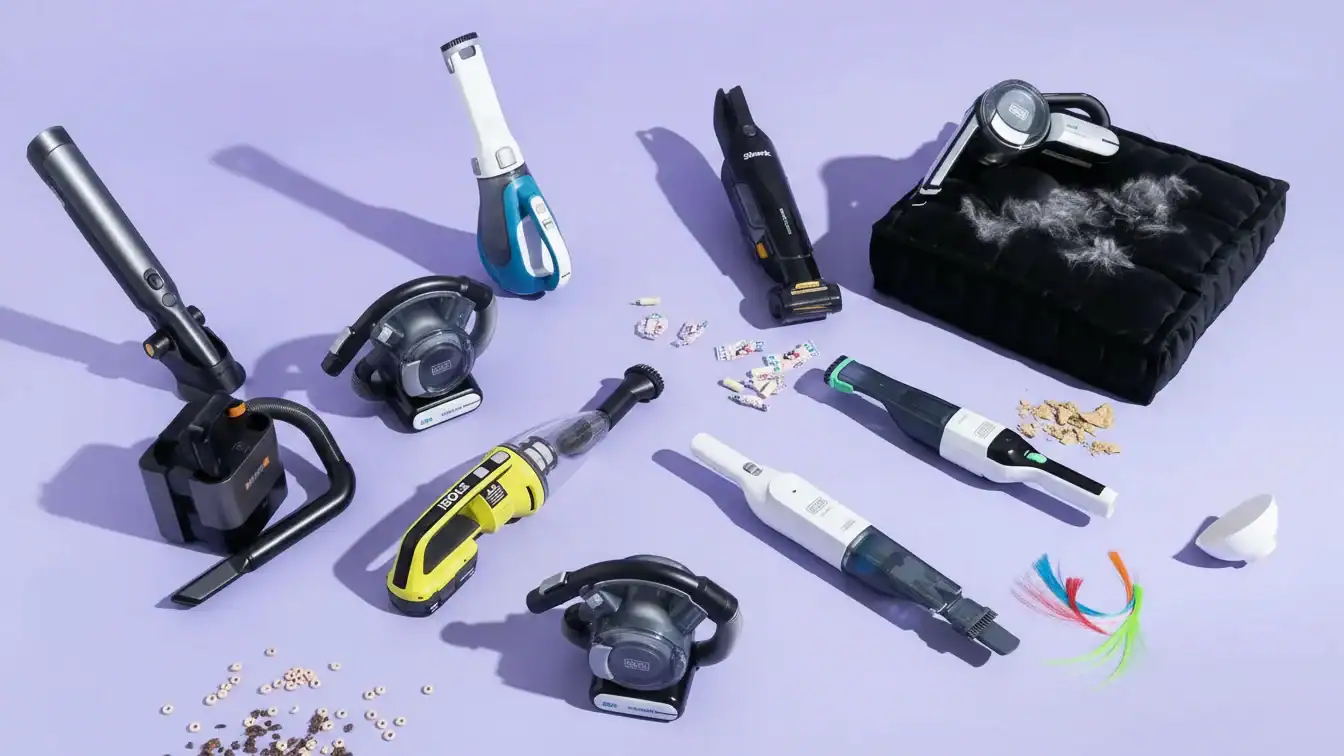
Relying solely on a robot vacuum leaves gaps in a home maintenance routine. While these devices handle large floor areas efficiently, their physical design prevents them from reaching stairs, upholstery, or high surfaces. A secondary handheld unit provides the agility and suction needed for these specific zones, ensuring that localized spills and vertical dust stay under control.
The shift toward task-specific cleaning fleets reflects a practical understanding of modern household needs. Most users now coordinate multiple tools to maintain different levels and surfaces, moving away from the idea of a single, do-it-all appliance. Pairing a корпусов портативных пылесосов with an automated floor cleaner creates a system that manages daily maintenance and unexpected messes with equal speed.
Часто задаваемые вопросы
Why do most modern households own more than one vacuum cleaner?
The average U.S. household currently owns two пылесосы, with 90% of homes owning at least one. While 15% of households use robot vacuums for automated floor maintenance, 28% maintain handheld units to address areas that robots cannot reach, such as furniture, car interiors, and stairs.
Is it feasible to bundle a handheld vacuum with a primary robot vacuum?
Yes, bundling a handheld unit in the same упаковка as a robot vacuum is a practical strategy that aligns with high multi-vacuum ownership rates. Statistics show that nearly half of households own uprights, while a significant portion maintains a secondary portable device for spot cleaning and detailed tasks.
What design elements ensure a handheld vacuum matches popular robot vacuum brands?
To achieve a consistent look with leading brands like iRobot Roomba or Ecovacs Deebot, secondary vacuums should feature minimalist cylindrical or disc-based shapes. Design teams often use matte finishes in black or gray, touchscreen interfaces, and integrated LIDAR-style aesthetics to create a cohesive product ecosystem.

 English
 Español
 Français
 Deutsch
 Português do Brasil
 Русский
 한국어
 日本語
 العربية