 Перейти к основному содержанию Перейти к нижнему колонтитулу

Дискуссия "Па против Эйрватт (AW)" (показатели всасывания пылесоса) напрямую влияет на показатели возврата продукции и удовлетворенность клиентов B2B. Выбор автомобильных пылесосов на основе завышенного или неактуального показателя часто приводит к ухудшению реальных характеристик, вызывая негативные отзывы и гарантийные претензии, которые подрывают маржу прибыли.
Этот анализ позволяет определить, какой показатель является критическим для конкретных задач очистки. Мы сравниваем производительность с высокомощным стандартом 13 000 Па и объясняем, как конструкция двигателя влияет на статический подъем, чтобы обеспечить соответствие спецификациям OEM-производителей и предотвратить дорогостоящие недостатки в производительности конечного продукта.
В чем физическая разница между паскалями (Па) и воздушными ваттами (AW)?
Паскаль (Pa) измеряет давление всасывания - тяговое усилие. Воздушные ватты (AW) измеряют общую работу по очистке путем сочетания давления и воздушного потока. Па указывает на подъемную силу, а AW отражает общую эффективность.
| Метрическая система | Что он измеряет | Основной пример использования |
|---|---|---|
| Паскаль (Па) | Только давление всасывания - непосредственная подъемная сила на форсунке. | Задания, требующие сильного подъема на концентрированной площади (например, выгребание песка из автомобильных ковриков). |
| Воздушные ватты (AW) | Расчетная мощность, сочетающая давление всасывания и объем воздушного потока. | Общая эффективность уборки для больших систем, таких как бытовые пылесосы. |
Паскали измеряют давление, а эйрватты - производительность
Эти две величины не являются взаимозаменяемыми, поскольку измеряют разные вещи. Паскаль (Па) - это простая единица измерения давления. Она показывает, какую подъемную силу может создать вакуумный двигатель прямо на входе. Считайте, что это чистый мускул для вытягивания мусора с поверхности.
Аэроватты (AW), с другой стороны, являются расчетной единицей мощности. Она объединяет давление всасывания (Па) и объем воздушного потока (CFM), чтобы дать более полное представление о способности пылесоса выполнять уборку. Пылесос может иметь высокое давление, но плохой воздушный поток, что означает, что он может поднимать грязь, но не может эффективно перемещать ее в контейнер.
Почему наш рейтинг 13 000 Па является критически важным показателем
Для компактных пылесосов, предназначенных для работы в ограниченном пространстве, главное - высокое давление. В данном случае речь идет не об уборке большого открытого пола, а об извлечении трудноудаляемого мусора, такого как песок, крошки пищи или даже монеты, из глубины напольных ковриков и щелей сидений. Для этого требуется концентрированная подъемная сила, а не мощный поток воздуха.
Именно поэтому мы уделяем особое внимание обеспечению ‘ураганного всасывания’ до 13 000 Па. Такой уровень давления обеспечивает достаточную силу всасывания, чтобы справиться с плотным и тяжелым мусором, часто встречающимся в автомобилях. В то время как мощность в ваттах является полезной метрикой для систем, предназначенных для уборки всего дома, паскали являются наиболее прямым показателем производительности для этих специфических задач по уборке автомобилей с высоким подъемом.

Почему статический подъем (Па) более важен для форсунок небольших автомобилей?
Статический подъем (Па) - это сила тяги, необходимая для перемещения трудноудаляемого мусора. Для маленьких насадок это концентрированное давление важнее, чем общий воздушный поток для глубокой очистки.
Преодоление сопротивления в замкнутых пространствах
Думайте о потоке воздуха, как о воде в трубе. Широко раскрытый шланг перемещает много воды (большой поток воздуха), но он не обладает большой силой. Сожмите конец шланга, и давление резко возрастет. Тот же принцип применим к вакуумным насадкам.
Небольшие инструменты, такие как щелевая насадка, создают узкое место. Это резко увеличивает сопротивление воздуха. Высокие показатели воздушного потока (CFM) теряют свою актуальность, поскольку воздух просто не может достаточно быстро перемещаться через узкое пространство. Вместо этого вам нужна высокая статическая сила, измеряемая в паскалях (Па), которая представляет собой прямое тяговое усилие, необходимое для выбивания въевшейся грязи и ее протаскивания через узкий канал без засорения.
Влияние давления 13 000 Па на производительность щелевого инструмента
Именно в этом случае инженерное обеспечение двигателя дает ощутимую разницу. Наши высокопроизводительные двигатели рассчитаны на создание статического давления до 13 000 Па. Это не просто цифра в спецификации; это сила, которая заставляет наше навесное оборудование работать как положено.
При таком уровне всасывания входящие в комплект насадка для щелей и щетка могут эффективно удалять плотный и тяжелый мусор. Речь идет о песке, камешках и засохшей грязи, которые забиваются в коврики и швы сидений. Без высокого Па вакуумный двигатель не может преодолеть сопротивление насадки и вес мусора, оставляя после себя самые неприятные загрязнения.
Сертифицированные автомобильные пылесосы с высокой степенью всасывания

Как перевести ммH2O водоподъемности в паскали?
Чтобы перевести ммH2O в паскали (Па), умножьте значение ммH2O на 9,80665. Эта формула представляет собой стандартный, надежный способ измерения и сравнения давления вакуумного всасывания.
Для понимания силы всасывания необходим общий язык. Хотя существуют различные метрики, пересчет миллиметров подъема воды (mmH2O) в паскали (Pa) прост. Это дает четкое, признанное во всем мире значение производительности.
Формула прямой конверсии
Связь между ммH2O и паскалями основана на фиксированном коэффициенте пересчета, полученном из давления, оказываемого одномиллиметровым столбом воды. Математика проста и понятна.
- Коэффициент преобразования: 1 ммH2O равен 9,80665 Па.
- Формула: Па = ммH2O × 9,80665
Почему мы указываем величину всасывания в паскалях (Па)
Для покупателей и разработчиков продуктов B2B последовательность является ключевым фактором. Мы используем паскали, потому что это официальная единица СИ для измерения давления. Это универсальная и надежная метрика, устраняющая двусмысленность при сравнении характеристик всасывания различных моделей пылесосов. Это позволяет напрямую сравнивать силу всасывания.
Наши мощные автомобильные пылесосы разработаны для обеспечения высокой производительности, а сила всасывания достигает 13 000 Па. Благодаря этой мощности пылесос способен справиться с обычными автомобильными загрязнениями - от мелкой пыли в вентиляционных отверстиях до более тяжелого мусора на ковриках.
Может ли двигатель 100AW работать хуже, чем двигатель 15kPa?
Да. В воздушных ваттах соотносятся воздушный поток и давление, а в паскалях (Pa) измеряется всасывание. При глубокой очистке автомобиля высокое Pa часто более эффективно для поднятия тяжелого мусора.
Понимание разницы: Поток воздуха и давление всасывания
Сравнивать воздушные ватты (AW) и паскали (Pa) - все равно что сравнивать лошадиные силы автомобиля с его крутящим моментом. Они измеряют разные вещи, поэтому прямое сравнение без контекста вводит в заблуждение. Air Watts - это комбинированная метрика, которая измеряет как поток воздуха, так и давление всасывания. Она дает общее представление об общей производительности пылесоса.
Паскали, или килопаскали (кПа), измеряют только одну вещь: давление всасывания. Это чистая подъемная сила, которую может создать двигатель. Пылесос может иметь высокий показатель AW из-за мощного воздушного потока, но при этом иметь слабое давление. Для задач, требующих извлечения тяжелых, вкрапленных частиц из плотных материалов, таких как волокна ковра, двигатель с очень высоким Pa может легко превзойти двигатель с более высоким рейтингом AW.
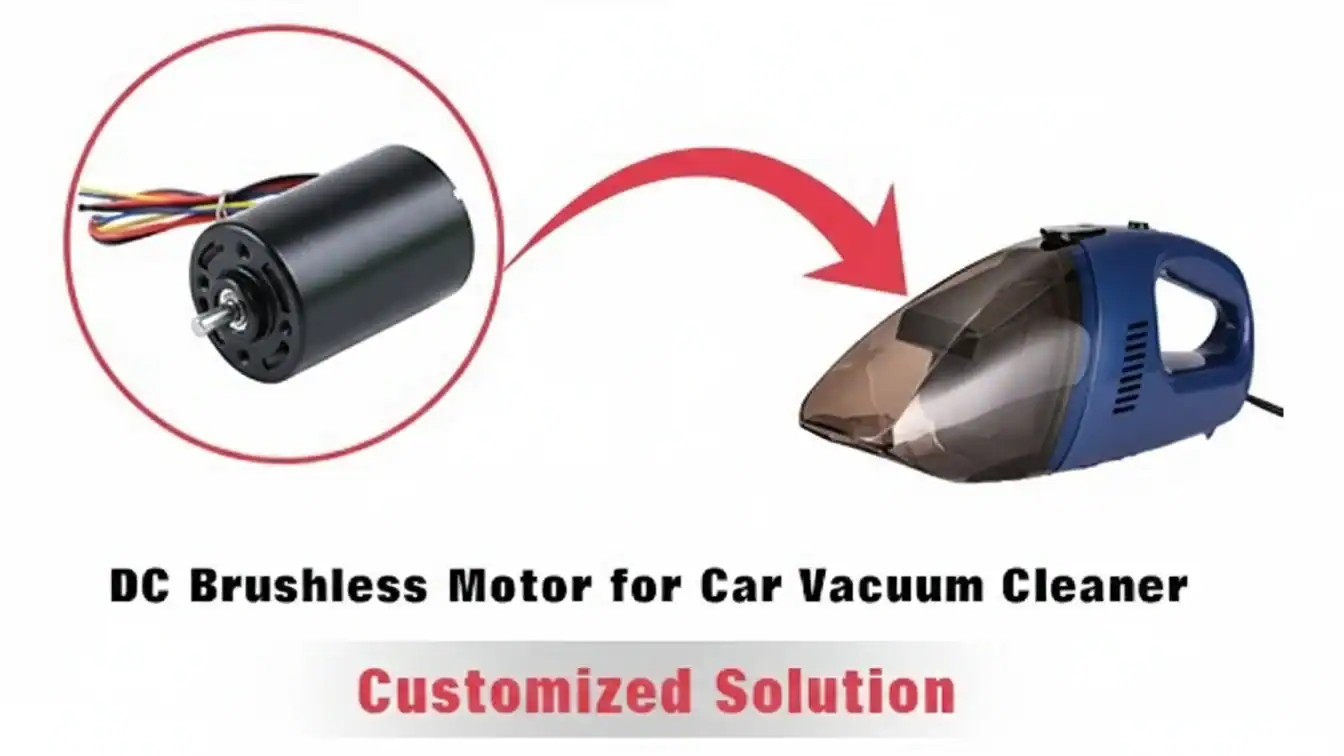
Почему высокопаскальное всасывание является ключевым фактором для интерьера автомобиля
Чистка салона автомобиля - это не просто уборка легкой пыли с гладкого пола. Речь идет об извлечении тяжелого мусора, такого как песок, камешки и крошки от еды, из плотных ковриков и тесных щелей. Для этой работы требуется не просто большой поток воздуха, а всасывание под высоким давлением. Для эффективного извлечения частиц необходим сильный подъем.
Именно поэтому мы сосредоточили наши разработки на мощности всасывания. Мощные пылесосы KelyLands способны создавать давление до 13 000 Па. Этот уровень давления разработан специально для сложных работ по уборке внутри автомобиля. Но мощный двигатель - это только часть уравнения. Фактическая производительность зависит от конструкции всей системы, включая эффективные пути воздушного потока и герметичное уплотнение для предотвращения потери давления до того, как оно достигнет сопла.
Часто задаваемые вопросы
Предоставляет ли завод-изготовитель график кривой PQ (давление против расхода)?
Да, мы предоставляем кривые PQ как часть нашей стандартной документации. Эта диаграмма графически показывает зависимость между статическим давлением вакуума и скоростью воздушного потока, что очень важно для понимания его эксплуатационных характеристик в различных условиях, например, когда фильтр начинает засоряться мусором.
Где на пылесосе измеряется всасывание, например, Air Watts?
Измерения всасывания производятся на рабочем конце шланга или инструмента пылесоса, а не непосредственно на входе в двигатель. Этот метод отражает реальную производительность во время уборки, поскольку учитывает всю систему.
Какой коэффициент пересчета используется для расчета эйрватт?
Стандартный коэффициент пересчета для вычисления количества воздушных ватт составляет 8,5. Формула выглядит так: (Всасывание × Воздушный поток) ÷ 8,5. Эта метрика помогает определить оптимальную точку, в которой всасывание и воздушный поток работают вместе, хотя рекомендуется также сравнивать технические характеристики двигателя и всасывания напрямую.
Что означает значение Pa - максимальное герметичное всасывание или фактическое рабочее всасывание?
Показатель в Па (паскалях) измеряет статическое давление. Оно может представлять собой либо герметичное всасывание (теоретический максимум при нулевом потоке воздуха), либо рабочее всасывание (рабочее давление при потоке воздуха). Значение герметичного всасывания всегда выше, чем рабочее всасывание, которое вы получаете во время эксплуатации.
Какая метрика лучше для чистки автомобильных ковров: Pa или AW?
Для автомобильных ковров AW (Air Watts) является более полным показателем. Он измеряет как давление всасывания, так и мощность воздушного потока. Это комбинированное значение лучше предсказывает способность пылесоса как поднимать въевшуюся грязь из волокон ковра, так и эффективно ее удалять.
Заключительные мысли
Хотя пылесосы с низкой производительностью предлагают более низкую начальную цену, их неспособность справиться с крупным мусором напрямую приводит к негативным отзывам и дорогостоящим возвратам. Наша приверженность проверенному уровню всасывания 13 000 Па - это прямая защита репутации вашего бренда. Такой уровень производительности гарантирует, что продукт работает так, как заявлено в рекламе, и укрепляет доверие клиентов, необходимое для долгосрочных продаж.
Не полагайтесь только на технические характеристики - проверьте их сами. Мы рекомендуем запросить комплект образцов, чтобы проверить всасывание 13 000 Па на реальных автомобильных загрязнениях. Свяжитесь с нашей командой, чтобы обсудить ваши требования к комплектующим или получить полные данные кривой PQ для технической оценки.

 English
  Español
  Français
  Deutsch
  Português do Brasil
  Русский
  한국어
한국어  日本語
日本語  العربية