 Перейти к основному содержанию Перейти к нижнему колонтитулу

Руководители предприятий часто сталкиваются с проблемой длительной сушки и постоянных запахов, когда поверхностная чистка не может проникнуть глубоко в волокна. Правильный выбор полноразмерных ковровых экстракторов гарантирует, что команды по обслуживанию смогут удалить въевшуюся грязь без риска образования плесени из-за избыточной влажности, оставленной недостаточно мощным оборудованием.
В этом руководстве рассматриваются технические показатели, необходимые для эффективной глубокой мойки, в том числе рекуперация всасывания и интеграция тепла. Мы рассказываем о том, как профессиональные экстракторы достигают высоты подъема воды 130-150 дюймов для удаления влаги 90%, и анализируем механику систем с подогревом, которые достигают температуры 212°F для разрушения жирных загрязнений и ускорения времени сушки до менее четырех часов.
Сухой пылесос против мокрого экстрактора: Знание разницы
Пылесосы для сухой уборки используют сильный поток воздуха для сбора мелкого поверхностного мусора и пятен, в то время как экстракторы для влажной уборки используют насос под давлением и щеточные валики для глубокой очистки волокон. Экстракторы обеспечивают значительно больший подъем воды, вытягивая 60%-80% больше влаги из тканей, что гарантирует высыхание ковров менее чем за четыре часа.
Всасывающее восстановление по сравнению с активным волокнистым агитатором
Пылесосы для влажной уборки выполняют в основном функцию рекуператора. Эти машины используют большой поток воздуха (от 60 до 150 CFM) для удаления жидкостей и твердых частиц с твердых полов или тонких ковров. Хотя они отлично справляются с уборкой крупных разливов или воды после наводнения, им не хватает механических компонентов, необходимых для удаления грязи, въевшейся глубоко в волокна ковра.
В экстракторах используется двухмоторная система, предназначенная для полного цикла распыления и экстракции. Один двигатель приводит в действие напорный насос, который подает чистящий раствор на ткань, а второй обеспечивает всасывание, необходимое для извлечения. Многие профессиональные пылесосы оснащены механическими щеточными валиками, которые перемешивают ворс ковра для разрыхления въевшейся грязи. Специализированные насадки с узкими вакуумными щелями обеспечивают максимальный контакт с поверхностью, гарантируя эффективное удаление жидкости с пористой обивки и сидений автомобиля.
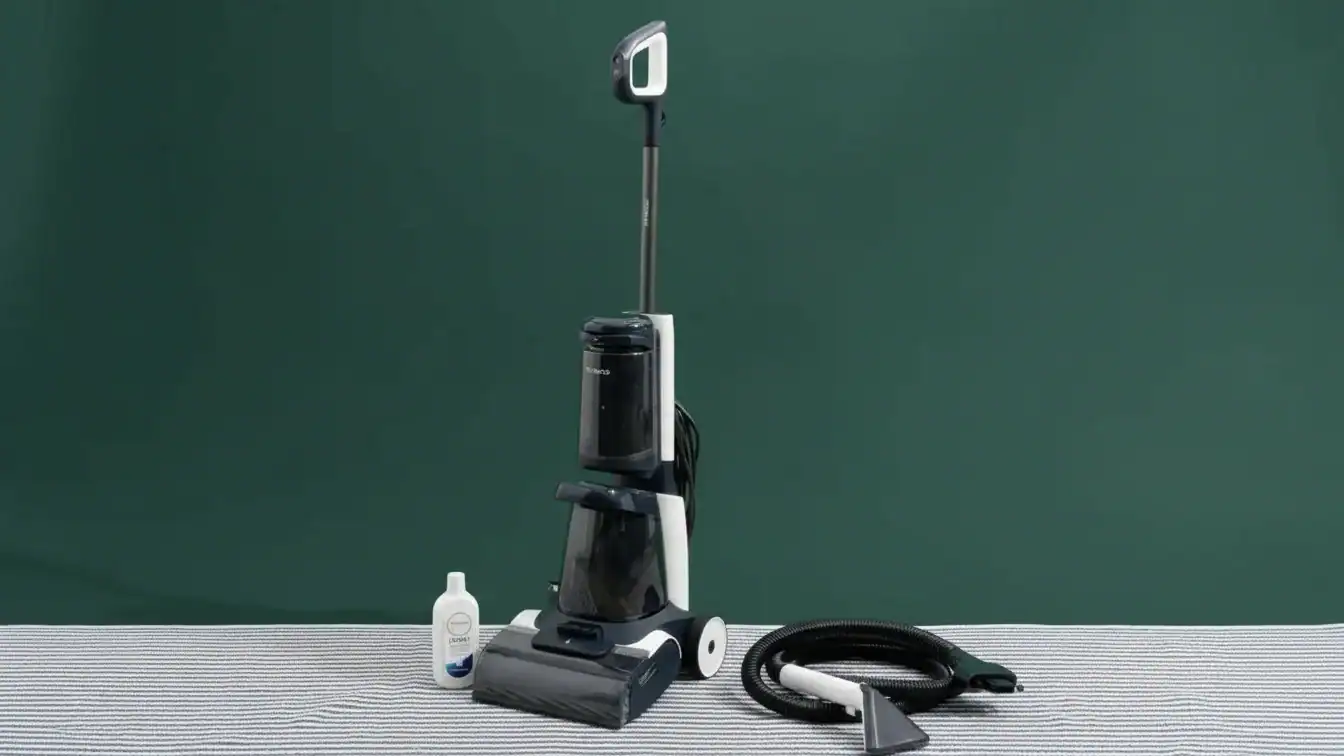
Показатели водоподъема и эффективность осушения
Техническая производительность при чистке тканей измеряется подъемом воды, а не объемом сырого воздуха. Профессиональные экстракторы отдают предпочтение именно этому показателю, достигая 130-150 дюймов подъема для удаления влаги из толстой обивки. Для сравнения, стандартные магазинные пылесосы обычно достигают 80-100 дюймов. Эта разница напрямую влияет на время сушки: экстракторы удаляют около 90% влаги, позволяя тканям высохнуть в течение двух-четырех часов.
Низкая производительность стандартных аппаратов влажной уборки часто оставляет значительную остаточную влажность. Для испарения этой влаги может потребоваться до 12 часов, что повышает риск появления плесени и грибка на коврах и обивке. Помимо эффективности сушки, экстракторы работают с уровнем шума около 70 дБ. Такой низкий уровень шума делает их более подходящими для гостиничных и жилых помещений по сравнению с более высокими показателями децибел, которые обычно характерны для промышленных пылесосов.
Технология осушения “горячим воздухом”: Предотвращение появления плесени
Системы вытяжки с подогревом используют встроенные нагреватели для достижения температуры от 149°F до 212°F, что резко снижает поверхностное натяжение воды и ускоряет ее испарение. В сочетании с вакуумными двигателями с высоким подъемом воды (до 215″) эти машины удаляют влагу, необходимую для прорастания спор плесени в течение стандартных 24 часов.
Механика теплового испарения и контроля влажности
Профессиональные вытяжные устройства, разработанные в соответствии со стандартом 2026, такие как US Products HHP и Mytee 2002CS, оснащены встроенными нагревателями, которые обеспечивают мгновенную тепловую энергию в диапазоне от 210 до 212°F. Это тепло выполняет важную механическую функцию, разрушая маслянистые загрязнения и снижая вязкость воды. Когда чистящий раствор становится более жидким, вытяжная ванна извлекает влагу из глубины ворса ковра более эффективно, чем системы с холодной водой.
Быстрое время сушки напрямую снижает риск возникновения плесени, устраняя влажную среду, необходимую для роста грибковых колоний. Ускоряя испарение, эти машины обеспечивают возвращение волокон в сухое состояние задолго до закрытия биологического окна прорастания. Высокотемпературная вода также действует как естественный дезинфектант, снижая общую микробную нагрузку на ковер в процессе чистки.
Контрольные показатели воздушного потока и всасывания для стандартов 2026 года
Производительность пылесоса остается главным фактором, предотвращающим задержку влаги в ковровой подложке. Такие системы, как AirCross 300HXR, обеспечивают подъем воды на 215″ для удаления раствора как из лицевой нити, так и из основной подложки. Такая мощная мощность всасывания предотвращает скопление жидкости в нижних слоях, что является распространенной причиной образования плесени на подложке и появления неприятных запахов.
Регулирование давления также играет важную роль в контроле влажности. Насосы, работающие под давлением от 100 до 300 фунтов на квадратный дюйм, обеспечивают достаточную силу для смыва мусора без переувлажнения ковровой подложки. Расход воздуха в среднем 95-100 CFM обеспечивает постоянный перенос влаги с поверхности ковра в резервуар для регенерации. Кроме того, прочные полиэтиленовые корпуса, изготовленные методом ротоформовки, сохраняют целостность вакуумного уплотнения в течение тяжелых циклов от 12 до 15 галлонов, обеспечивая стабильную работу до завершения работы.
Двойная емкость: 1 галлон с разделением на чистую и грязную
Системы с двумя баками изолируют свежий чистящий раствор от регенерированных сточных вод, чтобы предотвратить повторное загрязнение ковров. В 2026 году емкости объемом 1 галлон определят категорию портативных пятновыводителей, обеспечивая достаточный объем для обивки и лестниц при сохранении легкого профиля для удобной транспортировки и быстрой установки.
| Классификация машин | Емкость бака (чистый/грязный) | Технические характеристики |
|---|---|---|
| Портативный споттер / начальный уровень | 1 - 3 галлона | 100 - 120 PSI / 100 CFM |
| Профессиональный портативный (SM18H) | 4,8 гал / 5,3 гал | 160 PSI / 95 CFM / 30 кПа |
| Экстрактор в виде коробки/бака | 10 - 12 галлонов | 100 - 220 PSI / 130″ Водоподъем |
Механизм растворения и восстановления изоляции
Инженеры используют физическую изоляцию между резервуарами для раствора и регенерации, чтобы исключить риск перекрестного загрязнения во время глубокой очистки. Благодаря такой конструкции насос подает только чистую, обработанную химикатами воду для распыления на ковер, а отдельная камера с вакуумным уплотнением собирает грязные сточные воды. Использование независимых резервуаров предотвращает рециркуляцию взвешенных загрязнений, которые в противном случае могут повредить волокна ткани.
Прозрачные регенерационные баки позволяют операторам следить за уровнем почвы и эффективностью извлечения в режиме реального времени. Наблюдая за прозрачностью воды, поступающей в бак, техники могут определить, требует ли конкретный участок дополнительных проходов. Компактные модели объемом 1 галлон ускоряют уборку при точечной обработке и обслуживании в местах с высокой проходимостью, предлагая более мобильное решение, чем тяжелые полноразмерные экстракторы для лестниц или салонов автомобилей.
Характеристики давления и всасывания для портативных устройств
Портативные экстракторы объемом 1 галлон обеспечивают давление в насосе около 160 PSI, что способствует эффективному проникновению пятен в плотные волокна ковра. При таком давлении чистящий раствор проникает в основу ковра и удаляет въевшиеся масла и мусор. В сочетании со скоростью потока 1,6 ГПМ эти устройства обеспечивают достаточную влажность для суспендирования загрязнений без перенасыщения основания.
Показатели всасывания в этом классе достигают 30 кПа при воздушном потоке 95 CFM, что значительно сокращает время сушки ткани. Высокий воздушный поток необходим для быстрого удаления влаги из ворса, предотвращая рост плесени или грибка. Производительность этих 1-галлоновых пылесосов составляет в среднем 1200 квадратных метров в час при точечной чистке и уборке обивки, что позволяет сочетать портативность с производительностью профессионального уровня.
Вакуумные решения премиум-класса OEM/ODM с учетом особенностей вашего бренда

Валики для щеток: Щетки DirtLifter PowerBrushes для удаления пятен
В системе DirtLifter PowerBrush используются вращающиеся ряды жестких нейлоновых щетинок и плавающая подвеска для перемешивания волокон ковра. Это механическое воздействие нарушает поверхностное натяжение и поднимает глубоко въевшуюся грязь. Система доступна в 4- или 6-рядных конфигурациях, что позволяет сбалансировать общий уход с интенсивным удалением пятен в зонах с высокой проходимостью.
| Тип компонента | Технические характеристики | Первичное применение |
|---|---|---|
| Четырехрядный щеточный валик | Стандартная плотность, совместимость с 12 амперами | Общая уборка жилых помещений с разрезанным ворсом |
| 6-рядный ролик (210-1128) | Поворотные рычаги и торцевые крышки входят в комплект поставки | Полосы с интенсивным движением и вкрапления грунта |
| Ремень привода щеток | Расходный датчик крутящего момента | Первичная механическая сервисная часть |
Механизмы плавающей подвески и щетинной агитации
В экстракторах Bissell серии 1622 используется плавающая система подвеса, предназначенная для самостоятельной регулировки ковровых покрытий различной высоты. Такой инженерный выбор избавляет от необходимости использовать ручки ручной регулировки, поскольку узел автоматически реагирует на плотность ворса и жесткость подложки. Поддерживая постоянный контакт с волокнами ковра, система обеспечивает равномерное перемешивание независимо от типа напольного покрытия в помещении.
Когда оператор фиксирует машину в вертикальном положении, механический механизм поднимает щеточный валик от поверхности ковра. Эта функция предотвращает нагрев, повреждение волокон и ненужный износ нейлоновых щетинок во время перерывов в уборке. Приоритетом конструкции является механическое разрушение почвы благодаря жесткой щетине, которая разрушает поверхностное натяжение более эффективно, чем потоки воды под высоким давлением. Эти модульные сборки также включают встроенные поворотные рычаги и торцевые крышки, что упрощает их замену в условиях аренды при высоких нагрузках.
Конфигурация и детали обслуживания 4-х и 6-ти рядов
Технические конфигурации варьируются между 4- и 6-рядными щеточными валиками в зависимости от требуемой интенсивности очистки. Стандартные 4-рядные вращающиеся щетки обеспечивают достаточное перемешивание для общего обслуживания жилых помещений и обычно работают в паре с 12-амперными всасывающими двигателями. Высокопроизводительные 6-рядные валики, такие как деталь 210-1128, увеличивают количество физических ударов за проход. Более высокая плотность щетины улучшает результаты в зонах с высокой проходимостью, где почва глубоко въедается.
Специалисты по техническому обслуживанию часто запасаются модулями в сборе, такими как деталь 2035546, для обслуживания различных моделей шасси, включая 2080F и 39Q6F. Эти модули обеспечивают стандартную установку для нескольких модельных годов. Основным местом механических поломок в этой приводной системе является расходуемый щеточный ремень. Техники должны в первую очередь проверять ремень, когда щеточный валик не вращается, поскольку подшипники ролика и сердечник обычно служат дольше резиновых компонентов привода при нормальных рабочих циклах.

Впрыскивание моющих средств: Автоматическое смешивание и предварительное смешивание
Системы автоматического смешивания используют инжекторы Вентури или дозирующие насосы для смешивания воды и концентрата в точке применения, в то время как системы предварительного смешивания требуют ручного разбавления в баке для раствора. Этот выбор определяет, что для специалиста по уборке важнее - механическая простота или точный химический контроль и защита насоса.
Приготовление раствора и предварительное разбавление в резервуаре
Операторы вручную готовят моющий раствор в основном баке, соблюдая определенные пропорции разбавления перед началом работы. Например, при использовании жидкого моющего средства для экстракции Legend Brands XL-333 необходимо смешать 4 унции концентрата на каждые 10 галлонов воды, чтобы достичь соотношения 1:320. Этот метод обеспечивает безопасность раствора для внутренних уплотнений и поршней насоса на протяжении всей работы.
Машинный насос перекачивает полностью разбавленную химию под давлением от 100 до 500 PSI. Поскольку система не нуждается в дополнительных инжекционных клапанах или дозирующем оборудовании, она остается механически простой. Точность зависит от навыков оператора в области измерений. Неточное смешивание часто приводит к переконцентрации, из-за которой расходуется моющее средство, или к недоконцентрации, которая снижает эффективность очистки при длительных циклах.
Автоматизированное дозирование с помощью насосов Вентури и дозирующих насосов
Оборудование для автоматического смешивания использует камеры Вентури и дозирующие насадки для подачи концентрата в поток воды в фиксированных соотношениях, например 12:1 или 18:1. Точность этих систем зависит от диаметра дозирующих отверстий. Отверстие диаметром 0,020 дюйма создает разбавление 120:1, а меньшее отверстие диаметром 0,010 дюйма сужает соотношение до 240:1. Эти параметры позволяют точно регулировать соотношение в зависимости от уровня почвы без ручного смешивания.
Дозирующие насосы, работающие на воде, такие как насосы Dosatron, обеспечивают постоянную подачу химикатов даже при изменении расхода воды или размера жезла. Впрыск вниз по потоку служит защитной мерой, не допуская попадания агрессивных концентратов в насос высокого давления. Такая система продлевает срок службы уплотнений и предотвращает образование коррозии, обеспечивая надежность оборудования для профессионального использования.
Заключительные мысли
Выбирая шампунь для ковров, обратите внимание на то, как машина справляется с подъемом воды и механическим перемешиванием. Профессиональные экстракторы превосходят стандартные пылесосы, поскольку они втягивают влагу из глубины волокон, обеспечивая быстрое высыхание поверхности. Высокопроизводительные устройства, оснащенные системой экстракции с подогревом и разделением на два резервуара, обеспечивают более гигиеничный результат, предотвращая перекрестное загрязнение и сокращая время появления плесени.
Эффективность уборки зависит от соответствия оборудования поставленной задаче. Для крупных работ часто требуются 6-рядные щеточные валы и автоматическое смешивание моющих средств для обеспечения однородности, в то время как портативные устройства объемом 1 галлон обеспечивают маневренность, необходимую для уборки лестниц и салонов автомобилей. Выбор оборудования с учетом показателей всасывания и плотности агитации помогает сохранить целостность ковра и продлить срок службы ткани.
Часто задаваемые вопросы
Есть ли в профессиональных ковровых экстракторах встроенные водонагреватели?
Большинство стандартных профессиональных аппаратов по умолчанию не оснащены встроенными нагревателями. Специальные коммерческие модели предлагают встроенные в линию или бак нагреватели мощностью от 600 до 2000 Вт. Покупателям следует обратить внимание на спецификацию ‘экстрактор с подогревом’ для активного поддержания температуры.
Сколько времени требуется для высыхания ковров после чистки?
Всасывание профессионального класса, обычно рассчитанное на водоподъем 130-150″, позволяет высушить ковры в течение 2-4 часов при нормальной вентиляции. Многократная сушка и использование вентиляторов помогают достичь состояния ‘практически сухого’ ковра вскоре после окончания процесса экстракции.
Можно ли снимать валики щетки для очистки от волос и мусора?
Возможность снятия зависит от модели. В то время как во многих прокатных вандах используются несъемные распылительные головки, некоторые потребительские и коммерческие модели оснащены съемными щеточными валиками или картриджами, предназначенными для обслуживания без использования инструментов и облегчения удаления волосяных локонов.

 English
  Español
  Français
  Deutsch
  Português do Brasil
  Русский
  한국어
한국어  日本語
日本語  العربية