 Перейти к основному содержанию Перейти к нижнему колонтитулу

Выбор лучшего мини-морозильника для коммерческого парка электромобилей - это первый шаг к тому, чтобы избежать катастрофического повреждения чувствительной 16-вольтовой системы вспомогательных батарей автомобиля. Большинство портативных холодильников все еще разработаны для устаревших 12-вольтовых архитектур, что создает значительный риск электрического сбоя при подключении к современным электромобилям, которые работают при более высоком напряжении. Такая несовместимость в сочетании с завышенной производительностью и неэффективной конструкцией компрессора часто приводит к преждевременному выходу из строя устройства или, что еще хуже, к простою автомобиля.
Это руководство выходит за рамки простых обзоров продуктов и предоставляет технический анализ морозильных камер консольного типа объемом до 25 литров. Мы анализируем фактический внутренний объем в сравнении с маркетинговыми заявлениями, проверяем совместимость с 16-вольтовым электропитанием для современных EV и измеряем потребляемую мощность, чтобы узнать, потребляет ли устройство меньше энергии, чем стандартная светодиодная фара. Мы также изучаем возможность использования моделей с подлокотниками в качестве полноценной замены заводской центральной консоли, предоставляя вам данные, необходимые для выбора устройства, которое будет работать надежно и не навредит системам вашего автомобиля.
Размер против объема: Можно ли вместить 30 банок в консольный холодильник?
Реальная полезность портативного холодильника определяется вместимостью его банок, а не теоретическим объемом в литрах, поскольку эффективная внутренняя конструкция может значительно увеличить практическую емкость.
Понимание соотношения заявленной и фактической мощности
Официальный объем портативного холодильника, измеряемый в квартах или литрах, часто не отражает его практической вместимости. Внутренние размеры устройства, его компоновка и расположение компонентов в конечном итоге определяют, сколько стандартных банок может реально поместиться внутри. Это количество банок является гораздо более полезной метрикой для реальных применений, таких как дорожные поездки или кемпинг. Номинальный объем в 30 литров не гарантирует конкретного количества банок из-за вариаций внутренней формы. По этой причине многие производители теперь публикуют проверенные объемы банок, чтобы обеспечить большую прозрачность и помочь покупателям сделать более точные сравнения.
| Метрическая система | Описание | Влияние на реальный мир |
|---|---|---|
| Заявленный объем (литры/кварталы) | Теоретическое измерение общего внутреннего пространства, часто включающее неиспользуемые углы и зазоры вокруг деталей. | Может ввести в заблуждение. Холодильник объемом 30 л одной фабрики может вмещать гораздо меньше, чем холодильник объемом 30 л другой фабрики из-за особенностей внутренней формы. |
| Вместимость банок (стандартные банки) | Фактическое количество стандартных банок объемом 12 унций/330 мл, которые физически помещаются в устройство во время тестирования. | Обеспечивает четкий, стандартизированный эталон для сравнения моделей. Это прямой показатель полезного пространства. |
Как внутренний дизайн позволяет максимально эффективно хранить вещи
В современных портативных холодильниках используется оптимизированная внутренняя компоновка, позволяющая избавиться от лишнего пространства и максимально увеличить объем хранения. Благодаря эффективному проектированию многие компактные устройства могут вместить больше, чем предполагает их абстрактный объем. Например, некоторые модели объемом 30 литров вмещают более 40 банок стандартного размера. Это достигается благодаря стратегическим конструктивным решениям, например, использованию передовой технологии охлаждения, которая позволяет использовать более тонкие изоляционные стенки. Более тонкие стенки увеличивают полезный внутренний объем без изменения внешних габаритов, что очень важно для энтузиастов оверлендинга и грузоперевозок, которым необходимо максимально эффективно использовать ограниченное пространство автомобиля.
Переход промышленности на метрики подсчета банок
Рынок переключился на рекламу вместимости банок наряду с традиционными измерениями кварты или даже вместо них. Это изменение отражает спрос потребителей на практичную, понятную информацию. Показатели вместимости банок дают четкий ориентир, который легко визуализировать и сравнивать между собой различные бренды. Этот акцент на функциональных показателях был в значительной степени обусловлен сообществами путешественников и рекреационных транспортных средств, для которых важен каждый дюйм грузового пространства. В KelyLands мы указываем проверенную вместимость банок для всех наших моделей автохолодильников, чтобы помочь нашим клиентам B2B и их конечным пользователям принять полностью обоснованное решение о покупке.

Совместимость с электромобилями: Готов ли 16-вольтовый двигатель к современным электромобилям?
Термин “16 В” является ошибочным в контексте зарядки EV; правильная метрика - ампераж. Зарядное устройство на 16 А совместимо со всеми современными EV, но его практическая скорость делает его наиболее подходящим для ночной зарядки небольших аккумуляторных блоков, поскольку большинство автомобилей 2026 года выпуска могут использовать более быстрые системы на 32 А.
Разъяснение 16A против 16V: ключевой параметр для зарядки
В оборудовании для питания электромобилей (EVSE) производительность измеряется силой тока (A) и киловаттами (кВт), а не напряжением аккумулятора автомобиля. Терминология “16 В” неверна для систем зарядки. Промышленный стандарт - 16-амперный (16A), который описывает особый класс зарядных устройств уровня 2. Эти зарядные устройства работают от сети 240 В, поэтому сила тока напрямую определяет скорость подачи энергии на бортовое зарядное устройство автомобиля.
| Метрическая система | Система зарядки 16 А | Система зарядки 32A |
|---|---|---|
| Выходная мощность | Приблизительно 3,6 кВт | Приблизительно 7,2 кВт |
| Типичное время полной зарядки | ~7 часов | ~3,5 часа |
| Лучший пример использования | Ночная зарядка, PHEV, малогабаритные EV | Быстрые ежедневные заправки, электромобили с большим запасом хода |
Скорость зарядки: чего ожидать от системы 16 А
Система зарядки 16 А обеспечивает мощность около 3,6 кВт, что значительно превосходит стандартную розетку первого уровня. Такой скорости достаточно для полной зарядки аккумуляторов большинства EV примерно за семь часов. Это идеально соответствует потребностям водителей, которые могут подключать свой автомобиль на ночь и иметь предсказуемые ежедневные поездки, обеспечивая полную зарядку аккумулятора каждое утро без необходимости использования специализированных мощных электроустановок.
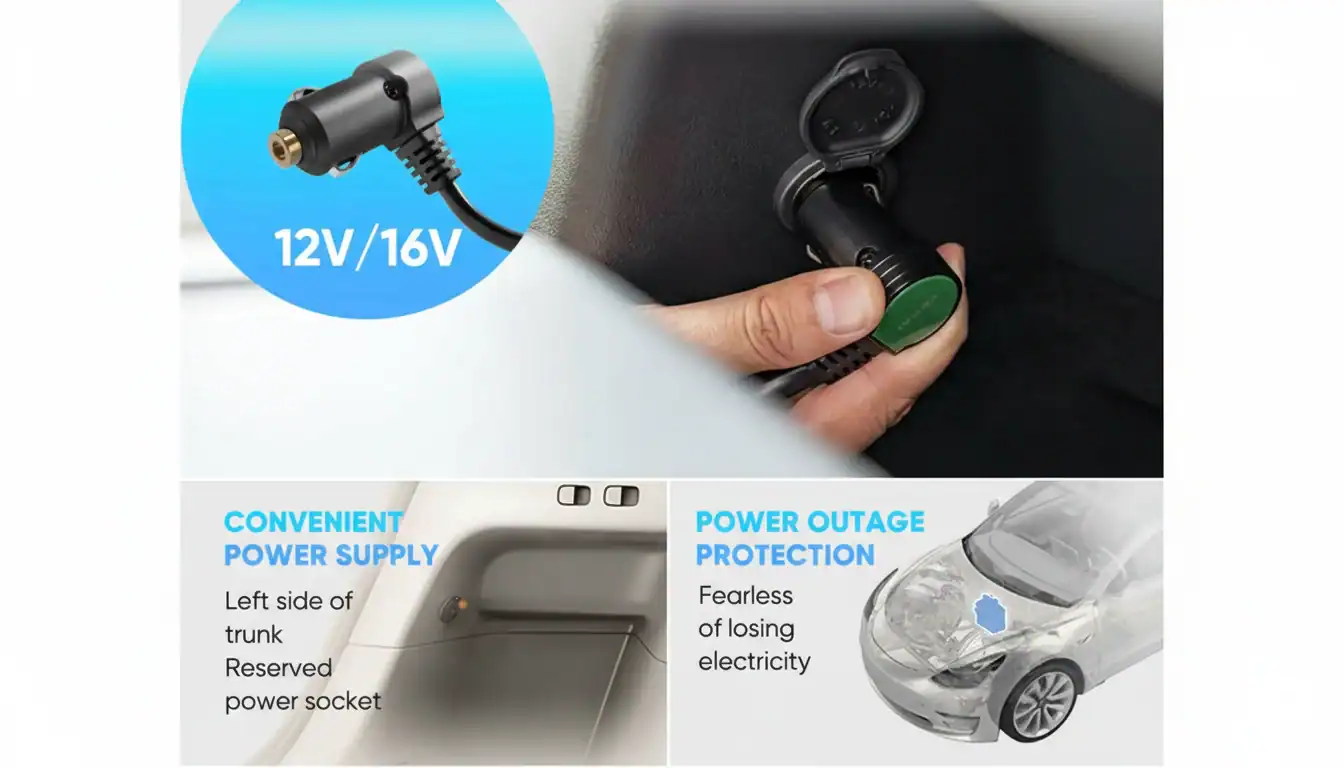
Пригодность для современных автомобилей EV в 2026 году
Хотя зарядные устройства на 16 А универсально совместимы со всеми электромобилями, представленными на рынке, их практическая польза различна. Они отлично подходят для подключаемых гибридов (PHEV) и электромобилей с батареями меньшей емкости, где полная зарядка легко достигается за ночь. Но большинство новых электромобилей с большим радиусом действия теперь рассчитаны на более быструю зарядку 32A (7,2 кВт), что позволяет сократить общее время зарядки вдвое. Зарядное устройство на 16 А остается экономичным и надежным решением, но оно может оказаться не самым оптимальным выбором для водителей автомобилей с большой емкостью аккумулятора, которым необходимо быстро пополнять запасы энергии ежедневно.
Высококачественные автомобильные кулеры на заказ для вашего бренда

Дизайн “подлокотника”: Заменит ли он заводскую центральную консоль?
Кулеры в подлокотниках предназначены для улучшения интерьера автомобиля путем добавления комфорта и хранения, а не для замены оригинальной заводской консоли.
Часто задаваемый вопрос о кулерах с подлокотниками - требуется ли для их установки демонтаж оригинальной консоли. Ответ почти всегда отрицательный. Эти продукты разработаны как функциональные дополнения, которые работают с существующей системой. Их основная задача - добавить недостающую функцию, особенно в базовых моделях автомобилей, где нет удобного заводского подлокотника, или обеспечить модернизированную поверхность поверх существующей конструкции.
Разработан как дополнение, а не замена
Подлокотник послепродажного обслуживания - это дополнение, а не замена. Он добавляет функциональность и комфорт там, где их раньше не было. Он не предназначен для замены всей заводской центральной консоли, которая является критически важным компонентом, часто содержащим основные элементы управления автомобилем, сложные жгуты проводов и встроенные отсеки для хранения. Попытка полной замены была бы сложной и ненужной модификацией. Цель установки подлокотника - улучшить салон, не вмешиваясь в его основные системы.
Интеграция с существующими консольными структурами
Производители разрабатывают эти изделия для бесшовной интеграции. Независимо от того, разработаны ли они для конкретной модели автомобиля или являются универсальными, основное внимание уделяется креплению к существующей консоли без необходимости внесения изменений. Многие ведущие разработки предусматривают установку без использования инструментов, что позволяет быстро устанавливать и снимать консоль. Консоли дополняют эстетику оригинального оборудования (OEM), часто с использованием аналогичных материалов, таких как полиуретановая кожа, чтобы слиться с интерьером автомобиля.
Сосредоточьтесь на улучшении комфорта и хранения
Главная цель - улучшить впечатления от вождения. Подлокотник послепродажного обслуживания обеспечивает мягкое, эргономичное место для отдыха рук водителя, что помогает снизить усталость во время длительных поездок. Кроме того, он превращает малоиспользуемую зону салона в функциональное пространство за счет более доступного хранения. Как правило, эти устройства включают в себя небольшие удобные отсеки, идеально подходящие для хранения таких предметов, как телефоны, ключи или кошельки, обеспечивая их сохранность и доступность.
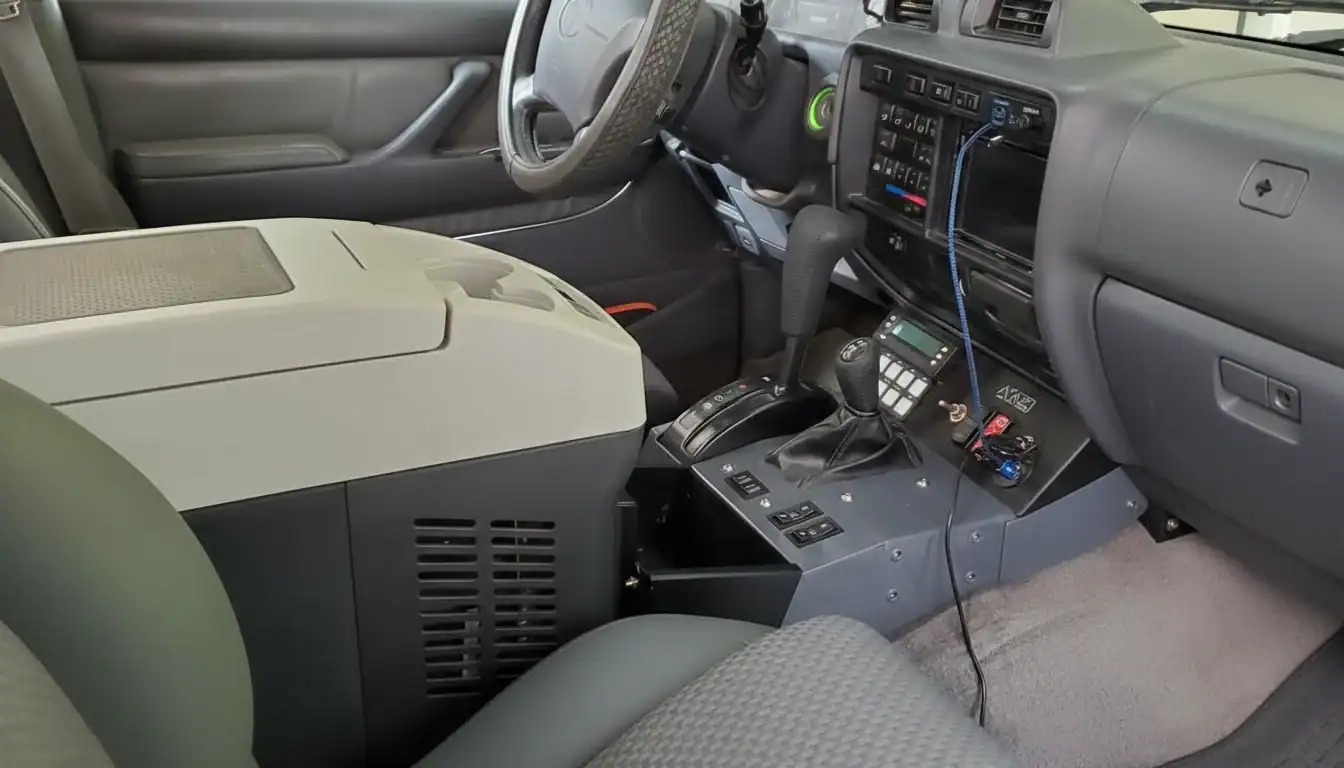
Эффективность: Потребляет ли она меньше энергии, чем светодиодная фара?
Хотя компрессорный холодильник KelyLands потребляет больше энергии, чем светодиодные фары, когда его компрессор активен, общее потребление энергии сопоставимо со временем, поскольку он циклически включается и выключается для поддержания температуры.
Клиенты часто используют современные автомобильные компоненты в качестве эталона эффективности. Сравнение между портативным холодильником и светодиодными фарами - это хороший пример, но для него нужно смотреть не только на простые показатели мощности. Ключевое различие заключается в непрерывном и циклическом потреблении энергии.
Потребляемая мощность светодиодной фары
Светодиодные фары - это стандарт энергоэффективности автомобильного освещения. Они создают интенсивное освещение при минимальной электрической нагрузке, что является значительным улучшением по сравнению со старыми галогенными технологиями. Типичная автомобильная светодиодная лампа ближнего света потребляет от 15 до 25 Вт. Пара ламп, таким образом, потребляет от 30 до 50 Вт в активном состоянии. Такое низкое и стабильное потребление почти не нагружает генератор и аккумуляторную систему автомобиля.
Энергопотребление автомобильного холодильника KelyLands
Потребляемая мощность портативного холодильника определяется его технологией охлаждения. Наши модели с компрессором потребляют от 40 до 60 Вт, но, что очень важно, только когда компрессор активно работает. После достижения заданной температуры компрессор отключается и потребляет минимум энергии до тех пор, пока ему не понадобится снова включиться. Частота этих циклов зависит от таких факторов, как температура окружающей среды, частота открывания крышки и настройки термостата. Термоэлектрические модели имеют более постоянное потребление, обычно в том же диапазоне 45-60 Вт, поскольку модуль Пельтье работает непрерывно для поддержания дельты температуры от окружающего воздуха.
| Метрическая система | Светодиодная фара (пара) | Компрессорный холодильник KelyLands |
|---|---|---|
| Мгновенная потребляемая мощность | 30-50 Вт (комбинированный) | 40-60 Вт (при активном компрессоре) |
| Рабочий режим | Постоянный (непрерывное потребление при включении) | Циклический (включение/выключение в зависимости от термостата) |
| Первичный коэффициент полезного действия | Высокая светоотдача на ватт | Рабочий цикл компрессора и качество изоляции |
Прямое сравнение и вердикт
Когда компрессор холодильника работает, он потребляет больше энергии, чем пара светодиодных фар ближнего света. Активный холодильник, потребляющий 50 Вт, потребляет больше, чем фары, потребляющие в совокупности 40 Вт. Важным отличием является то, что фары имеют рабочий цикл 100%, когда вы едете ночью, в то время как хорошо изолированный холодильник в умеренных условиях может работать только 20-30% времени.
Таким образом, хотя пиковое потребление энергии выше, общее потребление энергии холодильником в течение часа может быть ниже, чем фарами. Встроенная трехступенчатая защита аккумулятора в наших компрессорных моделях гарантирует, что даже при таком циклическом потреблении энергии устройство отключится до того, как разрядит стартовый аккумулятор автомобиля, что очень важно для надежности.
Заключение
Выбор правильного мини-морозильника требует соответствия его характеристик - реальной вместимости, совместимости с EV-электропитанием и энергоэффективности - автомобилю и стилю путешествия вашего клиента. Будь то настоящий компрессорный морозильник для фургона или компактный консольный холодильник для ежедневных поездок, выбор правильной модели гарантирует надежную работу. Такой выбор предотвращает такие распространенные проблемы, как разрядка аккумулятора, и помогает удовлетворить ожидания пользователей по сохранению холода или заморозки продуктов в дороге.
Если вы хотите добавить в свой ассортимент специализированные автомобильные холодильники, свяжитесь с нашей командой, чтобы обсудить OEM-решения. Мы можем предоставить полный каталог с техническими характеристиками, чтобы помочь вам настроить устройства для вашего целевого рынка.
Часто задаваемые вопросы
Какой самый маленький портативный морозильник?
Самые маленькие портативные морозильные камеры на рынке обычно имеют объем от 8 до 10 литров (примерно 8-10 кварт). Эти ультракомпактные устройства предназначены для личного использования, например, для хранения лекарств, нескольких напитков или небольших продуктов питания. Они занимают минимальную площадь, что делает их идеальными для размещения в тесном пространстве автомобиля или для переноски на небольшие расстояния.
Лучший 12v мини морозильник для переднего сиденья автомобиля?
Лучший 12-вольтовый мини-морозильник для переднего сиденья автомобиля - это “консольная” или “тонкая” модель, обычно объемом от 10 до 20 л. Ищите устройство с узкой площадью, чтобы оно надежно размещалось в пространстве для ног пассажира или на самом сиденье. Ключевыми характеристиками для данного применения являются высокоэффективный компрессор с низким уровнем шума и, что особенно важно, надежная трехступенчатая система защиты аккумулятора, предотвращающая разрядку 12-вольтовой батареи вашего автомобиля.
Достаточно ли 15-литрового холодильника для кемпинга?
Холодильник объемом 15 л (около 16 ккал) лучше всего подходит для одиночных однодневных походов, походов с ночевкой или в качестве специального охладителя напитков для небольшой группы. Несмотря на свою эффективность, его компактные размеры ограничивают его использование в многодневных походах, так как он обычно вмещает только провизию для одного человека примерно на 1-2 дня. Как правило, он недостаточно вместителен для хранения сырой пищи, посуды и напитков для семьи или для длительных автономных путешествий.
Будет ли он работать с литиевой дополнительной батареей моей Tesla?
Да, современный портативный морозильник на 12 В полностью совместим с низковольтной системой Tesla, которая питается от литиевой вспомогательной батареи. Эти морозильники потребляют минимальную мощность, с которой легко справится система автомобиля. Для оптимальной работы и безопасности убедитесь, что морозильник оснащен трехступенчатой функцией защиты от отключения при низком напряжении, установленной на высокий или средний уровень. Это предотвратит риск разрядки вспомогательного аккумулятора, особенно при использовании таких функций, как “Режим лагеря” Tesla, который предназначен для поддержания питания 12-вольтовых розеток.

 English
  Español
  Français
  Deutsch
  Português do Brasil
  Русский
  한국어
한국어  日本語
日本語  العربية