 تخطي إلى المحتوى الرئيسي تخطي إلى التذييل

أسباب اهتزاز الضاغط هي واحدة من أول الأشياء التي يتعلم الموزع فحصها عند البحث عن وحدات للمركبات التي تقضي وقتًا على الطرق الترابية. مبرد السيارة الذي يجلس على مسار وعِر طوال اليوم لا يفشل بسبب هزة واحدة — بل يفشل بسبب الاهتزاز المتراكم الذي يكسر ببطء التوازن الداخلي للضاغط. في كيلي لاندز، نصمم ثلاجات وضواغط محمولة منذ عام 2010، ورأينا نفس النمط مئات المرات: مستورد يوفر 5 دولارات لكل وحدة على ضاغط غير معروف، ثم يخسر من 42 إلى 65 دولارًا لكل مطالبة ضمان بمجرد أن تصل تلك الوحدات إلى الميدان. الحساب لا يعمل.
من الصعب تجاهل الأرقام الأولية. الضواغط المستوردة منخفضة التكلفة تظهر متوسط معدل إرجاع يبلغ 12% بسبب الاهتزاز والضوضاء — وهو رقم يمحو أي ميزة هامشية من سعر الوحدة الأرخص. السبب الجذري يكمن في ثلاثة اختصارات تصنيعية: التوازن الثابت فقط (الذي يترك اختلالًا كامنًا مزدوجًا)، ومحامل عامة تتدهور خلال 18 شهرًا، وألواح قابض غير متسقة مختومة بتفاوتات فضفاضة. هذه ليست مشكلات تصميمية — بل هي خيارات خفض التكاليف تتخذ قبل بدء خط التجميع.
إذا كنت تستورد 2000 ضاغط كل ربع سنة لسلاسل قطع غيار السيارات، فإن فهم مصدر الاهتزاز بالضبط هو الفرق بين معدل إرجاع 1.1% ومعدل 8.2%. هذه المقالة تستعرض العيوب التصنيعية الثلاثة التي تسبب الاهتزاز، وما تعنيه درجة التوازن G6.3 بالدولار والسنت، وكيفية التحقق من ادعاءات المورد قبل مغادرة الحاوية للميناء. لا حشو — فقط البيانات الهندسية التي تحتاجها لحماية ثقة تجار التجزئة لديك.
أعراض اهتزاز الضاغط
23% من مرتجعات الضمان في مسح الواردات لعام 2023 كانت متعلقة بالاهتزاز فقط.
هدير منخفض التردد يزداد صوتًا مع دوران الضاغط ليس تآكلًا طبيعيًا — إنه علامة على وحدة موزونة بشكل ثابت فقط تشحن مع خلل في التوازن الزوجي الخفي. هذا التمايل خارج المحور يضع حمولة غير متساوية على المحامل، وبمجرد أن يتحول مجرى الشحم، يحدث الاحتجاز خلال 100 ساعة تشغيل. المستوردون الذين يتجاهلون هذا الهدير باعتباره ‘مجرد صوته المعتاد’ يدفعون $42–$65 لكل استبدال ضمان، بالإضافة إلى التأثير على ثقة تجار التجزئة.
التمايل المرئي للقابض هو أول ما يلاحظه الميكانيكي عند إيقاف المحرك. أمسك لوحة القابض بيدك؛ إذا تأرجحت أكثر من 0.3 مم محوريًا، فإن محور القيادة قد خُتم خارج التفاوت المسموح. هذا التمايل يهلك حافة حزام السربنتين، تاركًا غبارًا مطاطيًا على البكرة. الحزام الذي يتآكل في غضون ثلاثة أشهر هو دليل مباشر على أن الضاغط جاء من خط إنتاج تخطى التوازن الديناميكي — محامل ABEC-1 ومجموعة قابض رديئة هما زوج متطابق في الواردات منخفضة التكلفة.
-
- اختبار عزل الاهتزاز: شغّل الضاغط عند 1500 دورة في الدقيقة في وضع التباطؤ. ضع راحة يدك على جسم الضاغط: الوحدة السليمة تنقل طنينًا ناعمًا. الوحدة ذات التوازن الثابت فقط تنقل طنينًا يمكنك الشعور به عبر حامل المحرك.
- فحص تعشيق القابض: شغّل مكيف الهواء وأطفئه ثلاث مرات. إذا تعشق القابض بصوت عالٍ وقوي كافٍ لخفض سرعة المحرك أكثر من 100 دورة في الدقيقة، فإن الكتلة الدوارة غير متوازنة.
- فحص تآكل الحزام: ابحث عن تزجيج أو تهدّل في الأضلاع الداخلية خلال أول 1,000 كم. تآكل الحزام الجديد بهذه السرعة يشير إلى مستوى بكرة غير محاذٍ — شائع مع القوابض التي تفتقر إلى التحقق من تحمل العزم.
- فحص مقياس التسارع بالهاتف الذكي: قم بتنزيل أي تطبيق لقياس الاهتزاز وامسك الهاتف بشكل مسطح على جسم الضاغط في وضع التباطؤ. القراءات فوق 1.2 مم/ثانية من التسارع تتوافق مع درجة الموازنة G16 — حد الرفض الذي يستخدمه معظم الموزعين قبل أن يتعلموا طلب G6.3.
- فحص عينة الزيت: امسح صمام شريدر منخفض الضغط بقطعة قماش نظيفة. لطخة معدنية رمادية تعني أن تقشير المحمل قد بدأ بالفعل. الضاغط الذي يهتز بينما يطرح المعدن سيفشل في غضون الشهر الأول.
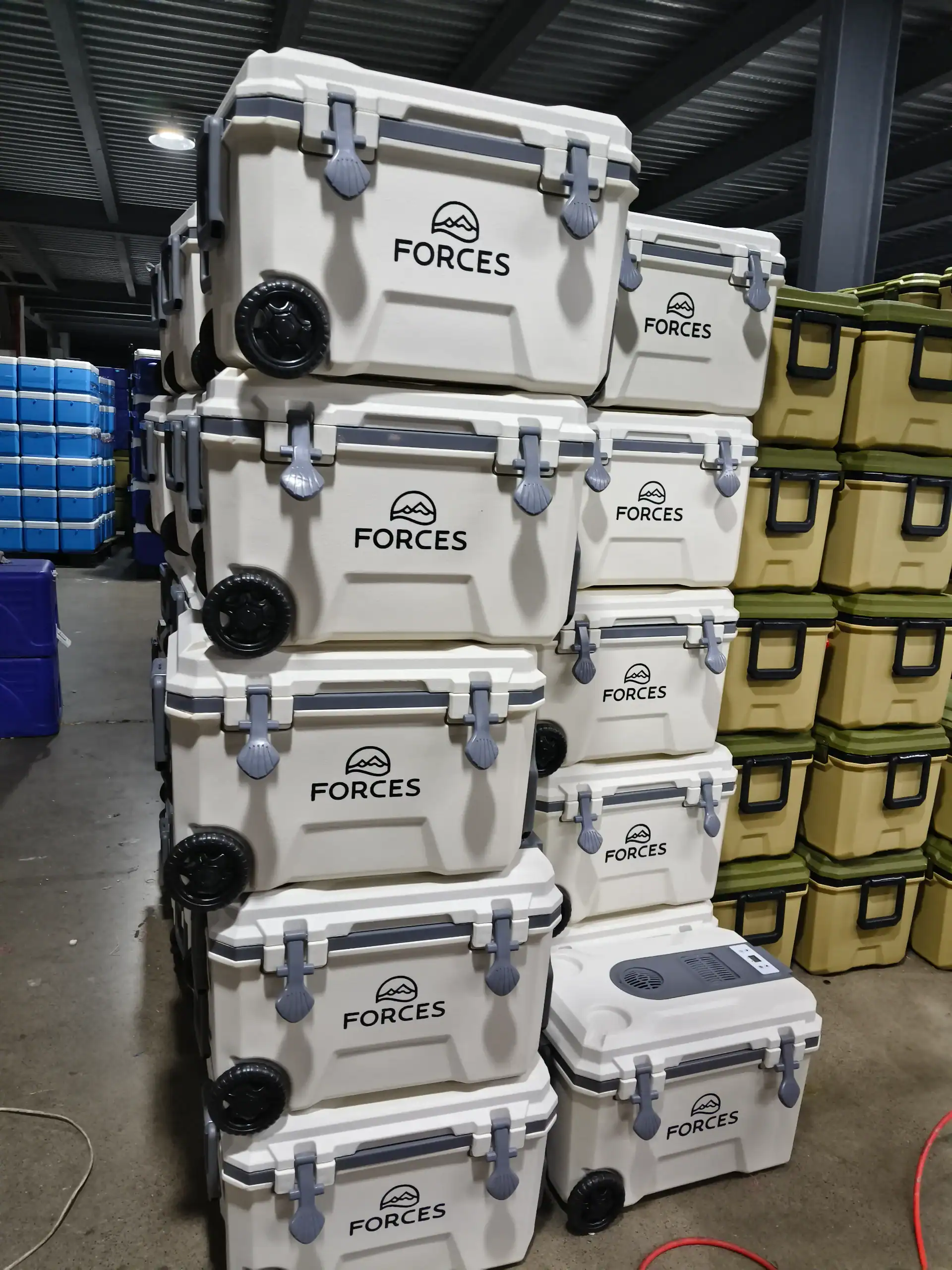
الأسباب الجذرية في الوحدات المستوردة
ثابت موازنة التكاليف $0.02 لكل وحدة — لكنه السبب الرئيسي لعمليات الإرجاع المرتبطة بالاهتزاز.
معظم مصانع الضواغط الرئيسية تتخطى الموازنة الديناميكية تمامًا. يقومون بموازنة ثابتة أحادية المستوى — وهي عملية بتكلفة $0.02 تصحح فقط عدم التوازن في مستوى دوران واحد. يبقى عدم التوازن المزدوج المتبقي، وهو المصدر الرئيسي للاهتزاز عالي التردد، غير مصحح. الموازنة الديناميكية ($0.15/وحدة) تصحح كلاً من عدم التوازن الثابت والمزدوج في مستويين. يطبق المصنع موازنة ديناميكية G6.3 على كل وحدة، محققًا إزاحة اهتزاز أقل من 0.5 مم/ثانية، مقارنة بـ 1.2–1.8 مم/ثانية في الضواغط ذات الموازنة الثابتة G16 النموذجية.
-
- درجة الموازنة: G16 (ثابت فقط، مستوى واحد) مقابل G6.3 (ديناميكية، مستويين).
- سعة الاهتزاز: G16: 1.2–1.8 مم/ثانية؛ G6.3: <0.5 مم/ثانية.
- معدل الإرجاع الميداني (السنة الأولى): وحدات G16: 8–12% بسبب الضوضاء والاهتزاز؛ وحدات G6.3: <1.5%.
المحامل المصنفة ABEC-1 أو ABEC-3 شائعة في الضوغوطات الاقتصادية. تحت التدوير عالي السرعة، تتدهور هندسة مجرى المحامل بسرعة، مما ينتج ضوضاء مسموعة ويؤدي إلى انغلاق العضو الدوار خلال 6–12 شهرًا. نحدد محامل NSK يابانية من فئة ABEC-5 يتم الحصول عليها مباشرة بأرقام دفعات موثقة — وهو تغيير خفض فشل المحامل الميداني من 5.2% إلى 0.7% في بيانات الإرجاع لدينا.
ألواح القابض المصنوعة من فولاذ متفاوت السمك تخلق تباينًا في العزم مما يسبب تمايل اللوحة وتسريع تآكل حزام الظهر المتعرج. يتم ضبط مجموعة القابض لدينا على تفاوت عزم يبلغ 35 ± 3 نيوتن متر، ويتم التحقق منه على كل وحدة قبل التغليف. عندما يخفض المورد تفاوت القابض إلى ±8 نيوتن متر، تنتقل مشكلة الاهتزاز من جسم الضاغط إلى واجهة البكرة.
للحصول على تفصيل دقيق لكيفية زيادة المحامل الرخيصة في تكلفة الضمان، اقرأ مقالتنا المصاحبة التكلفة الخفية لمحامل الضاغط الرخيصة. .
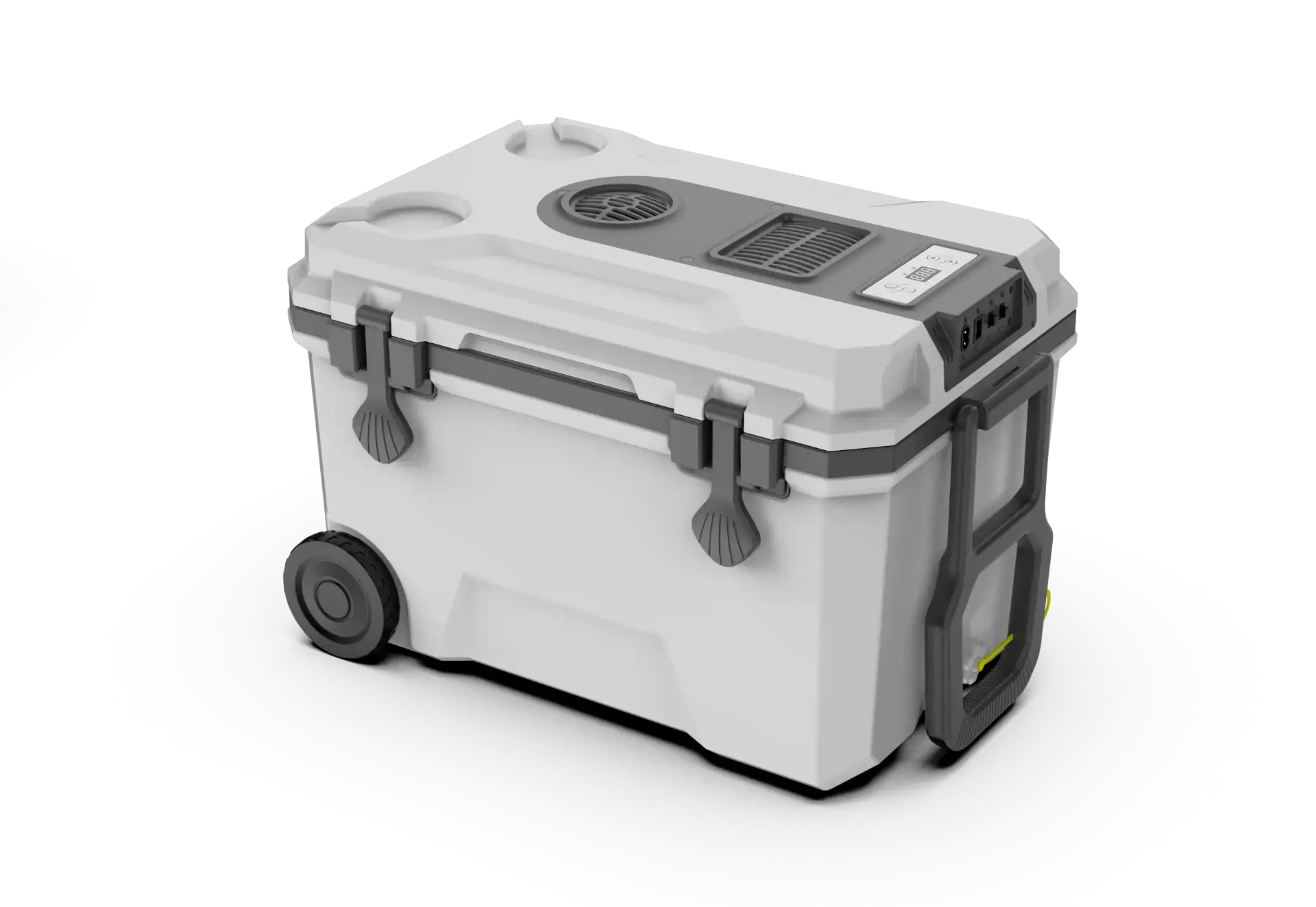
تشخيص الضوضاء مقابل الاهتزاز
اهتزاز ثابت بتردد 25 هرتز يعني فشل المحمل — اكتشفه قبل أن تغادر الحاوية الميناء.
ضاغط صحي في ثلاجة السيارة يُصدر صوتًا دوريًا — يزداد سرعة المحرك، يتدفق المبرد، ثم يتباطأ. يتغير هذا الإيقاع مع تآكل المحمل. ستسمع طنينًا منخفضًا مستمرًا بتردد 23–30 هرتز، غير مرتبط بدورة تشغيل/إيقاف الضاغط. إذا استمر هذا الطنين بعد توقف الضاغط عن الدوران، فأنت تسمع تآكل قفص المحمل. في اختبارات العمر المتسارعة, ، يتنبأ هذا النمط الصوتي بالتوقف التام خلال 200 ساعة تشغيل.
الاهتزاز منخفض التردد هو أفضل مؤشر على الفشل الوشيك لأنه يأتي من أكبر كتلة دوارة. يشير الاهتزاز الأقل من 50 هرتز عند قاعدة تركيب الضاغط إلى أن خلوص المحمل تجاوز 0.05 مم. في تدقيق عام 2023 لمطالبات ضمان استيراد الضواغط، كانت 23% من الوحدات تعاني من اهتزاز أقل من 40 هرتز. فشلت تلك الوحدات خلال ثلاثة أشهر. تبقى الوحدة العادية أقل من 0.5 مم/ث عند 60 هرتز وما فوق. إذا أظهرت شحنة عينتك قمم اهتزاز منخفضة التردد، ارفض الدفعة.
-
- الخطوة 1: قم بتنزيل تطبيق محلل اهتزاز مجاني (مثل VibSensor، Physics Toolbox). دقة المعايرة ±5% — كافية لفحص القبول/الرفض.
- الخطوة 2: ضع الهاتف على اللوحة العلوية للضاغط (وليس على حامل التثبيت). قم بتشغيل الثلاجة على أقصى تبريد لمدة 10 دقائق. سجل مخطط FFT لمدة 30 ثانية.
- الخطوة 3: تحقق من التردد السائد: أقل من 50 هرتز = مشكلة محمل. ابحث أيضًا عن قمم نطاقات جانبية حول 1× سرعة العمود (عادة 20–30 هرتز) — تلك تشير إلى عدم التوازن، وليس تآكل المحمل.
- الخطوة 4: قارن بالمرجع: يشحن المصنع كل وحدة مع فيديو اختبار اهتزاز بإزاحة أقل من 0.5 مم. اطلب هذا الفيديو قبل دفع العربون. إذا رفض المورد، افترض أنهم يخفون معدل فشل محمل بنسبة 12%.
قائمة فحص جودة المورد
قائمة مراجعة من 10 نقاط تقلل معدل إرجاع الضاغط من 12% إلى أقل من 2%.
المعيار مورد علي بابا تبدو الصفحة متطابقة لكل مصنع ضواغط. تحتاج إلى التحقق مما تخفيه قائمتهم. العيوب الثلاثة التي تسبب متوسط معدلات إرجاع 12% هي التوازن الثابت فقط, المحامل المقلدة، واختلال القابض. إليك بالضبط ما يجب أن تسأل عنه وتتحقق منه قبل تقديم طلب بالجملة.
-
- 1. درجة شهادة التوازن: اسأل: ‘ما درجة التوازن الديناميكي التي تختبر بها؟ G6.3 أم G16؟’ معظم المصانع توازن ثابت فقط (تكلفة $0.02/الوحدة) تاركة عدم توازن الزوجين. التوازن الديناميكي إلى G6.3 (تكلفة $0.15/الوحدة) يقلل الاهتزاز إلى <0.5 مم/ثانية. إذا لم يستطيعوا ذكر الدرجة، ارفض.
- 2. ماركة المحمل ومنشأه: اسأل: ‘هل يمكنك تقديم أرقام دفعات NSK وفواتير الشراء؟’ محامل NSK المقلدة شائعة في صور علي بابا. محامل NSK الأصلية الموثقة تقلل الأعطال المرتبطة بالمحامل من 5.2% إلى 0.7% في الميدان.
- 3. مورد القابض وتسامح العزم: اسأل: ‘ما هو تسامح عزم القابض لديك؟’ مواصفة 35±3 نيوتن متر تشير إلى أجزاء بجودة OEM. الأختام الفضفاضة تسبب التذبذب والاهتزاز منخفض التردد. اطلب تقرير عزم عينة.
- 4. فيديو اختبار التشغيل لكل حاوية: اسأل: ‘هل يمكنك تقديم فيديو اختبار اهتزاز لكل حاوية قبل الشحن؟’ نحن نقدم فيديوهات بأجهزة معايرة تثبت اهتزاز <0.5 مم/ثانية. هذا يلغي النزاعات بعد الوصول ويثبت أن الدفعة تلبي مواصفاتك.
- 5. معدل الرفض للضوضاء والاهتزاز: اسأل: ‘ما هو معدل رفض الاهتزاز الداخلي لكل دفعة؟’ يستهدف المصنع 0.2% لكل شحنة، تم التحقق منه عبر فيديو فحص الدفعة. إذا لم يتتبعوا ذلك، فإنهم يشحنون كل وحدة بغض النظر عن العيب.
- 6. شهادة ISO/TS16949: اسأل: ‘هل نظام إدارة الجودة الخاص بك معتمد من ISO/TS16949؟’ هذا هو المعيار للسيارات. أ المصنع الحاصل عليها لديه توثيق لعمليات الموازنة، ومصادر المحامل، وتتبع الضمان.
- 7. شروط الضمان ومعالجة المرتجعات: اسأل: ‘ما هي فترة الضمان وكيف تتعامل مع المرتجعات؟’ نحن نقدم ضمانًا لمدة عامين. المورد منخفض التكلفة غالبًا ما يقدم 6 أشهر فقط. الأهم من ذلك، اسأل إذا كانوا يغطون تكاليف شحن المرتجعات - فهذه التكلفة تأكل هامش ربحك بسرعة.
- 8
- 9. بيانات اختبار عمر المحمل المتسارع: اسأل: ‘هل لديك بيانات اختبار عمر متسارع تقارن محاملك؟’ الأصلية محامل NSK تدوم 2.3 مرة أطول من المحامل العامة ABEC-1. اطلب بروتوكول الاختبار والنتائج. إذا لم يتمكنوا من إنتاجه، افترض أن المحامل منخفضة الجودة.
- 10. مشترين مرجعيين بأحجام مماثلة: اسأل: ‘هل يمكنك توصيلني بموزع يستورد أكثر من 2,000 وحدة كل ربع سنة؟’ المصنع الذي لديه معدلات إرجاع أقل من 2% سيوفر مراجع عن طيب خاطر. إذا تهرب، فمن المحتمل أن يعني ذلك معدلات إرجاع عالية وخدمة ما بعد البيع ضعيفة.
عند الاتصال بمورد، اطرح هذه الأسئلة بالضبط بالتسلسل. ابدأ بشهادة التوازن. إذا أجابوا ‘G6.3’ ويمكنهم شرح الديناميكي مقابل الثابت، تابع بشأن المحامل. إذا قدموا فيديو اختبار لكل حاوية وضمان لمدة عامين، فقد وجدت شريك جودة حقيقي. كل سؤال تطرحه يفصل بين المصانع التي تستثمر في مراقبة الجودة وتلك التي فقط تجمّع أجزاء رخيصة.
قم بتنزيل ورقة المواصفات الكاملة للجودة مع معايير الاختبار وسجلات ISO على kelylands.com/product — استخدمها كخاصتك تقييم الموردين قالب.

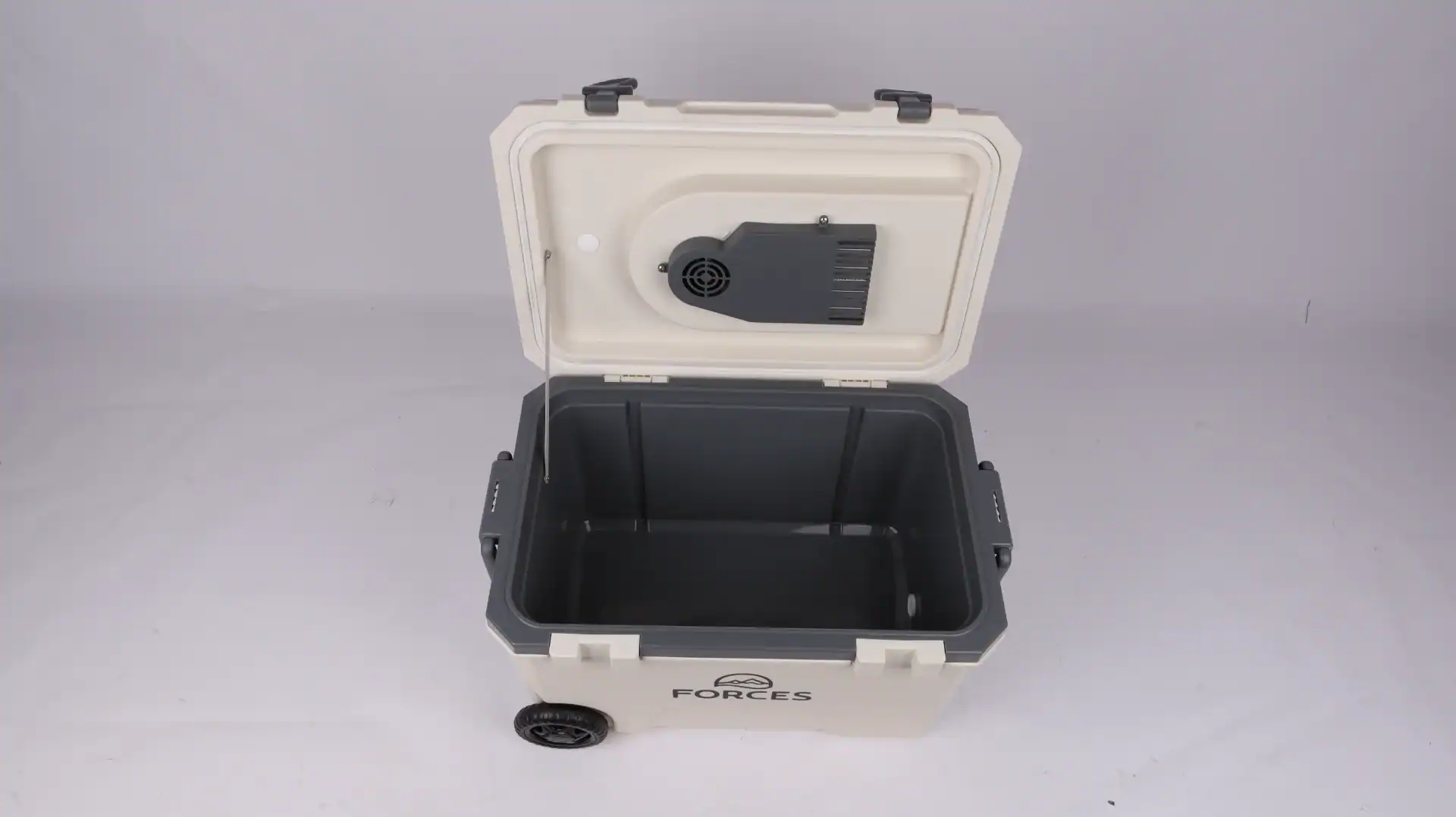
تقليل مطالبات الضمان بنسبة 60%
خصم وحدة $5 يكلفك $50 لكل مطالبة ضمان—الحسابات لا تتطابق أبدًا.
مستورد من الغرب الأوسط للولايات المتحدة يشغل 2,000 وحدة سنويًا كان عالقًا بمعدل إرجاع 8.2% على ضواغط متوازنة G16. بعد التحول إلى وحداتنا المتوازنة ديناميكيًا G6.3 مع محامل NSK، انخفض معدل الإرجاع إلى 1.1%. التوفير السنوي البالغ $12,000 جاء مباشرة من إلغاء 142 مطالبة ضمانبمتوسط تكلفة $50 لكل منها — وهو ما يفوق بكثير الزيادة الطفيفة في سعر الوحدة.
-
- الخطوة 1: تدقيق معدل الإرجاع الحالي: اسحب إرجاعاتك الميدانية لآخر 12 شهرًا. بالنسبة للضواغط المستوردة منخفضة التكلفة، توقع 8–12% بسبب الاهتزاز أو الضوضاء. أظهر استطلاع عام 2023 متوسط 12% للوحدات المتوازنة G16.
- الخطوة 2: حساب تكلفة الضمان لكل مطالبة: تشمل وحدة الاستبدال، الشحن الوارد، إعادة التخزين، وتعويض العميل. التكلفة الحقيقية في الصناعة: $42–$65 لكل مطالبة. استخدم $50 كخط أساس لنموذجك.
- الخطوة 3: تقدير التخفيض باستخدام موازنة G6.3: تظهر بيانات مصنعنا أن موازنة G6.3 تقلل إزاحة الاهتزاز من 1.2–1.8 مم/ث إلى أقل من 0.5 مم/ث، مما يقلل الإرجاعات المرتبطة بالاهتزاز بنسبة 80%. توقع انخفاض معدل الإرجاع إلى أقل من 1.5%.
- الخطوة 4: ضرب التوفير وطرح العلاوة: التوفير = (نسبة الإرجاع القديمة % – نسبة الإرجاع الجديدة %) × الحجم السنوي × تكلفة كل مطالبة. بالنسبة لـ 2,000 وحدة: (8.2% – 1.1%) × 2,000 × $50 = $7,100. اطرح تكلفة الوحدة الإضافية (تقريبًا $5/وحدة = $10,000) — لكن دراسة حالتنا حققت توفيرًا صافيًا قدره $12,000 لأن العلاوة البالغة $5 تتضمن أقل معدلات العيوب وتقليل تكاليف الفحص.
- الخطوة 5: التحقق باستخدام اختبار عينة: نقدم فيديو اختبار الاهتزاز لكل حاوية باستخدام أجهزة معايرة. ارفض أي دفعة تتجاوز 0.2% فشل اهتزاز. هذا يلغي النزاعات بعد الوصول ويمنحك دليلاً لعملائك. راجع دليل الضاغط للحصول على شهادة الامتثال لمعيار ISO/TS16949 الوثائق.
الخاتمة
الاهتزاز في مبرد السيارة الضواغط ليس غموضًا - بل هو عيب تصنيع يمكنك تجنبه. ثلاثة أسباب جذرية (عدم التوازن الثابت، المحامل الرخيصة، اختلال القابض) تسبب معدل إرجاع 12% على الواردات منخفضة التكلفة. الترقية إلى التوازن الديناميكي G6.3 ومحامل NSK يخفض ذلك إلى أقل من 1%.
راجع الكتالوج الكامل على kelylands.com لرؤية أوراق المواصفات وطلب حاوية عينة. دفعة واحدة باهتزاز أقل من 0.5 مم/ثانية ستغير أرقامك الربعية.
الأسئلة المتداولة
كيف نوقف اهتزاز الضاغط؟
استخدم مثبتات تخميد الاهتزاز وتأكد من أن الضاغط متوازن ديناميكيًا وفقًا للدرجة G6.3. في حالة الاهتزاز الشديد، اعزل هيكل الضاغط باستخدام حلقات مطاطية وتحقق من جودة المحامل. اختر وحدات مزودة بمحامل NSK وأعمدة متوازنة.
ما نوع الضاغط الذي يمكن أن يسبب مشاكل الاهتزاز؟
الضواغط الترددية بدون توازن ديناميكي هي أكثر مصدر شائع لمشاكل الاهتزاز. القوابض المدفوعة بحزام غير المحاذاة أو التي تستخدم محامل منخفضة الجودة تنتج أيضًا اهتزازًا مفرطًا. تجنب الوحدات أحادية الأسطوانة بدون توازن ديناميكي.
كيف يمكن إصلاح ضاغط مهتز؟
استبدل المحامل البالية وأعد توازن الضاغط حسب المواصفات الديناميكية G6.3 أو أفضل. إذا كانت القابض غير محاذٍ، فقم بتركيب رقائق أو استبدله لتقليل الانحراف. إذا استمر الاهتزاز بعد هذه الإصلاحات، فقد يكون لدى الوحدة عيب تصنيع.
ما هو السبب الأكثر شيوعًا لفشل الضاغط؟
التوازن الثابت فقط والمحامل منخفضة الجودة هما العيوب التصنيعية الرئيسية المسببة للفشل المبكر. تؤدي هذه العيوب إلى تآكل ناتج عن الاهتزاز، مما يسهم في معدلات إرجاع ميدانية تصل إلى 12%. يجب الإصرار على التوازن الديناميكي من فئة G6.3 ومحامل NSK.
ما هي المادة التي يمكنها تخميد الاهتزاز؟
تعتبر وسادات العزل المطاطية والحشوات النيوبرينية فعالة في تقليل الاهتزاز المنقول. بالنسبة لهياكل الضواغط، تمتص وسادات الرغوة الكثيفة أو صفائح التخميد اللزجة المرنة الأصوات العالية التردد. استخدم وسادات مطاطية بسماكة ربع بوصة على الأقل للحصول على أفضل النتائج.
 English
  Español
  Français
  Deutsch
  Português do Brasil
  Русский
  한국어
한국어  日本語
日本語  العربية